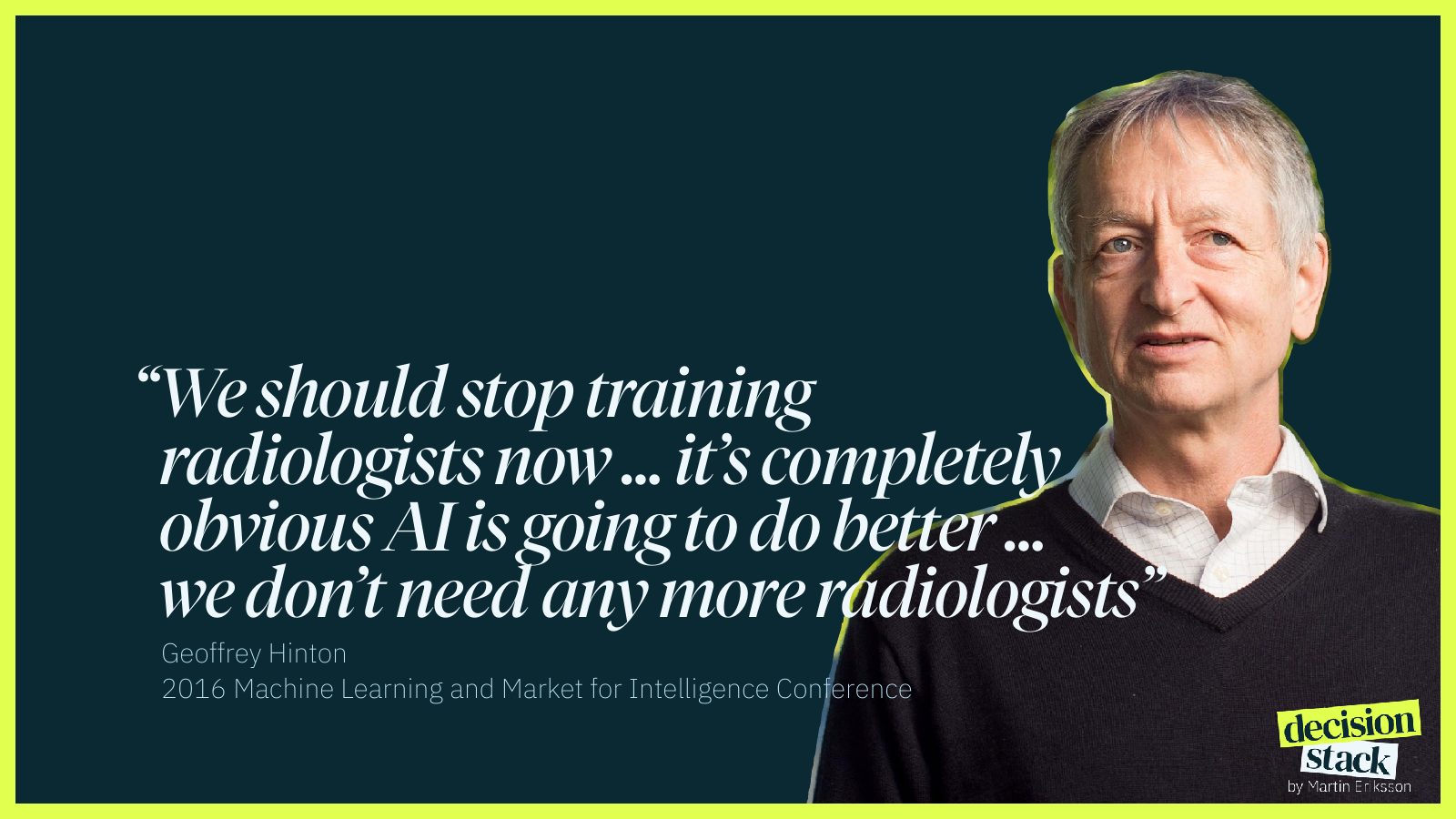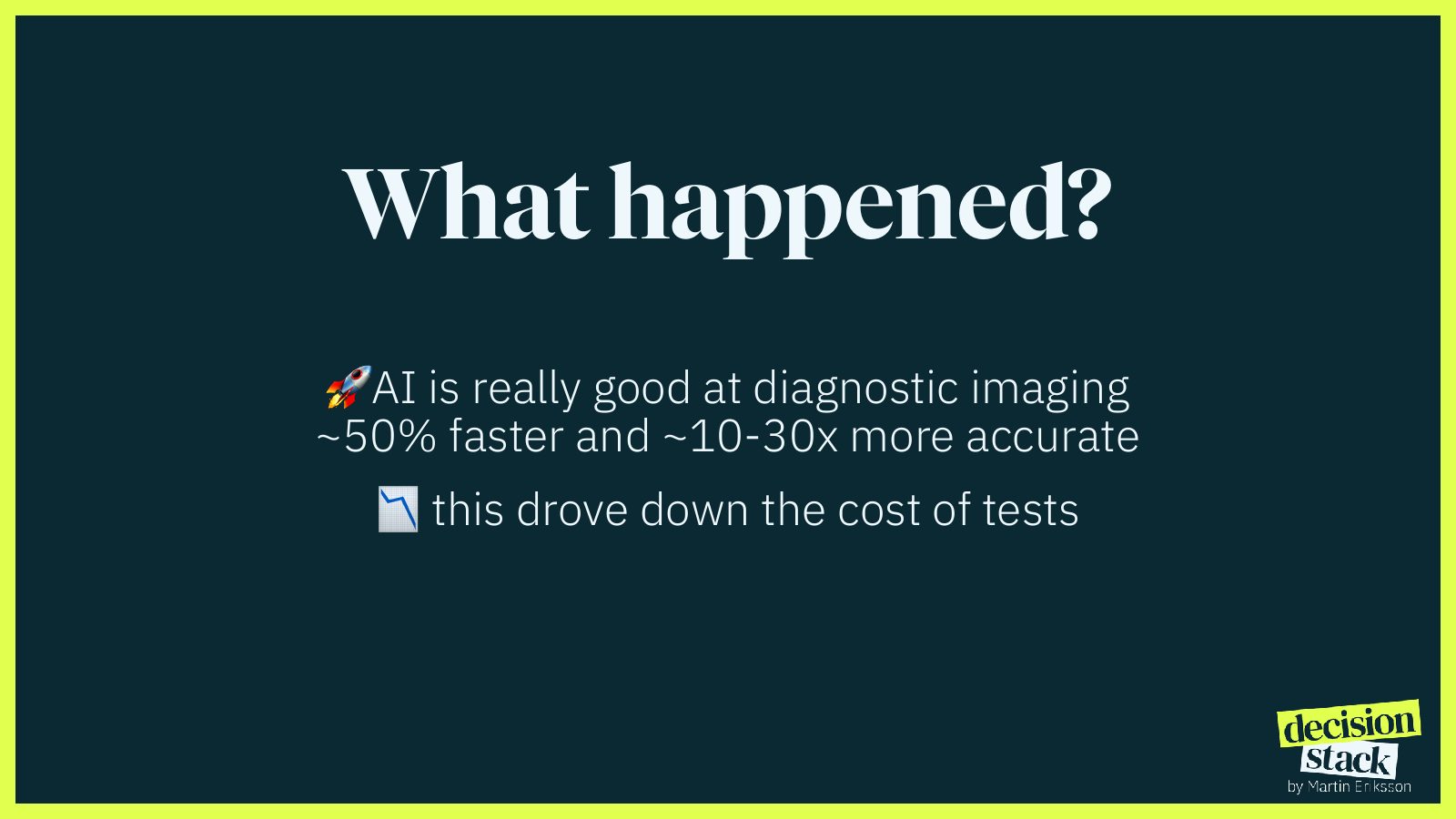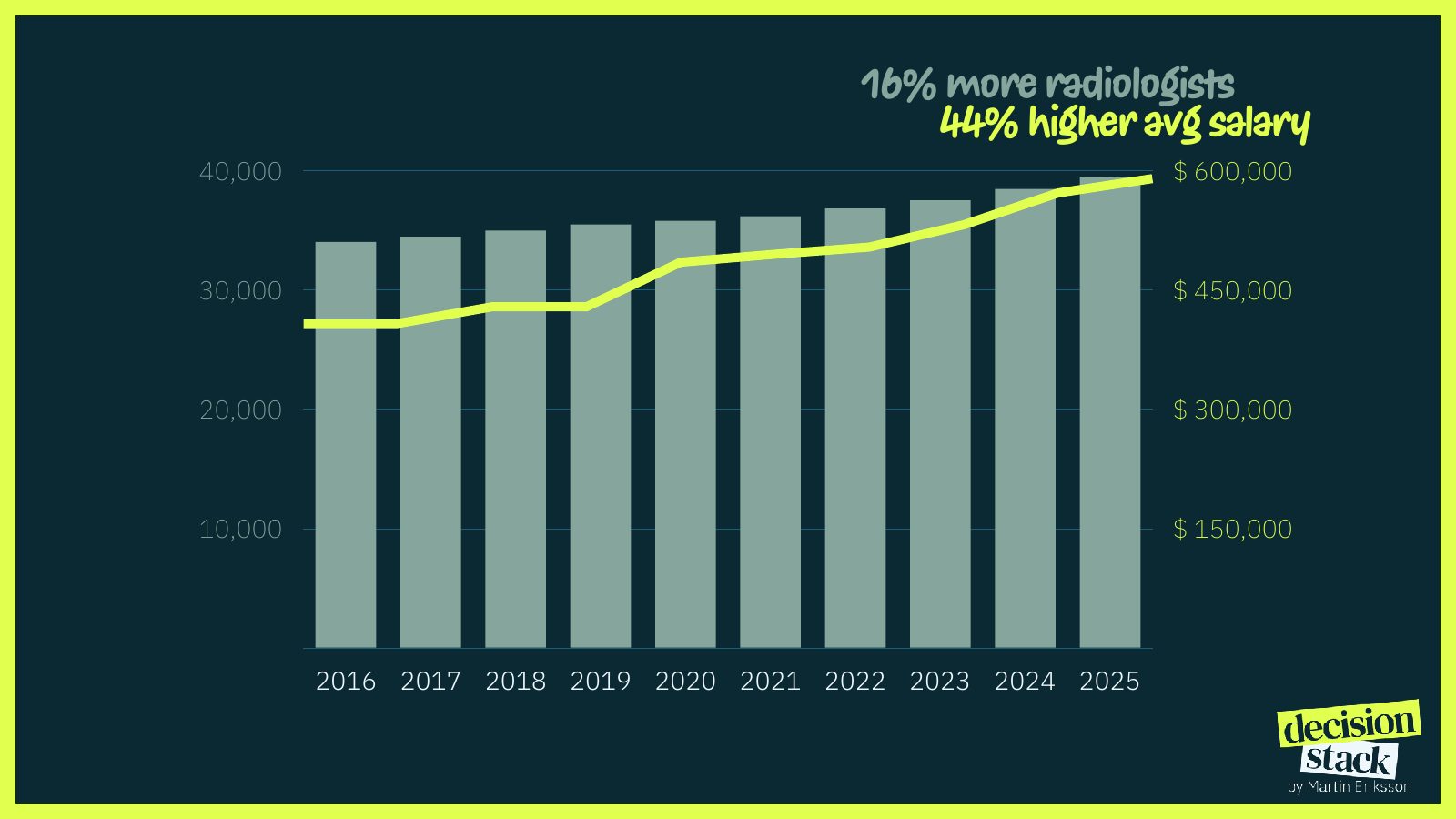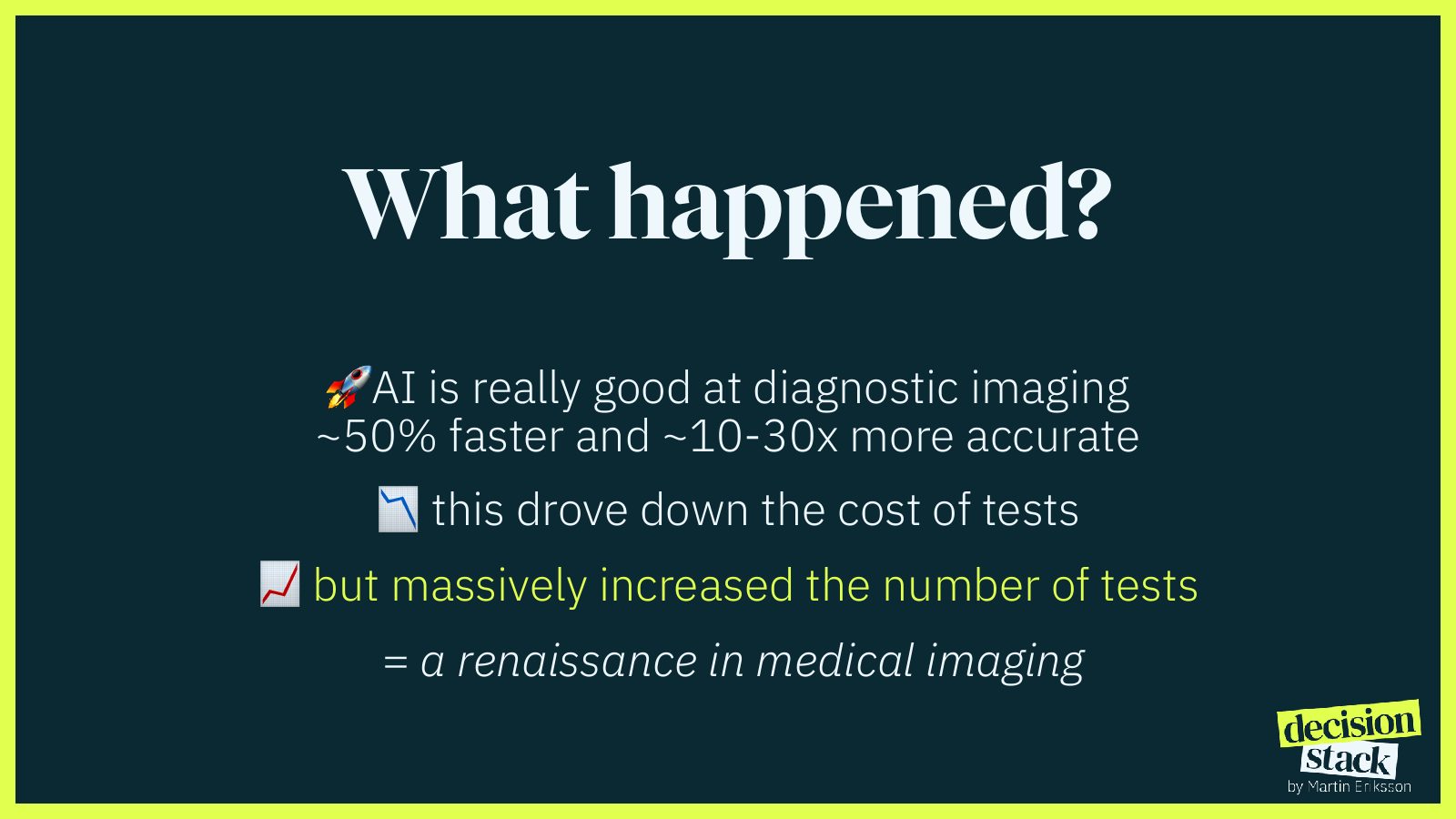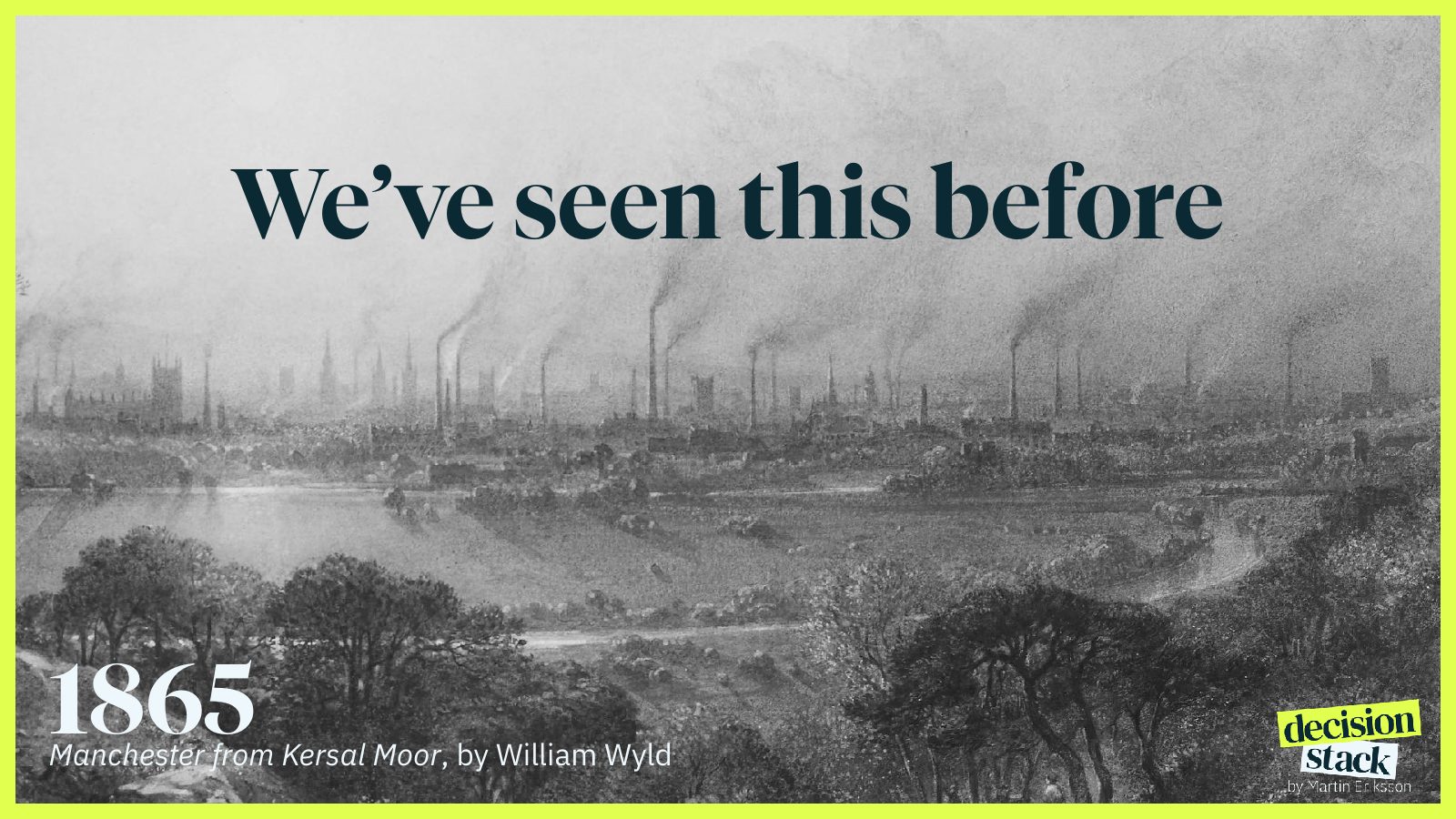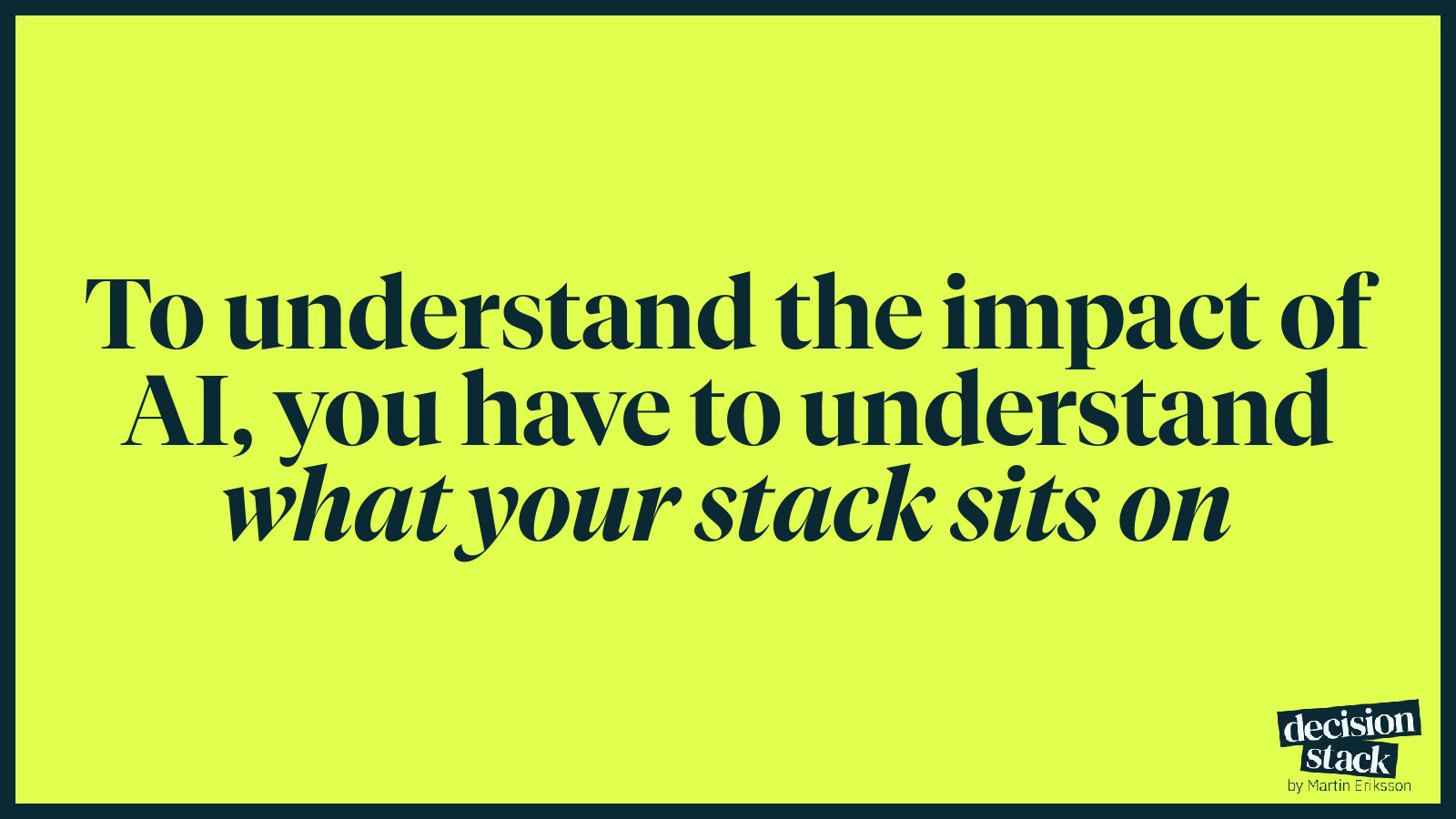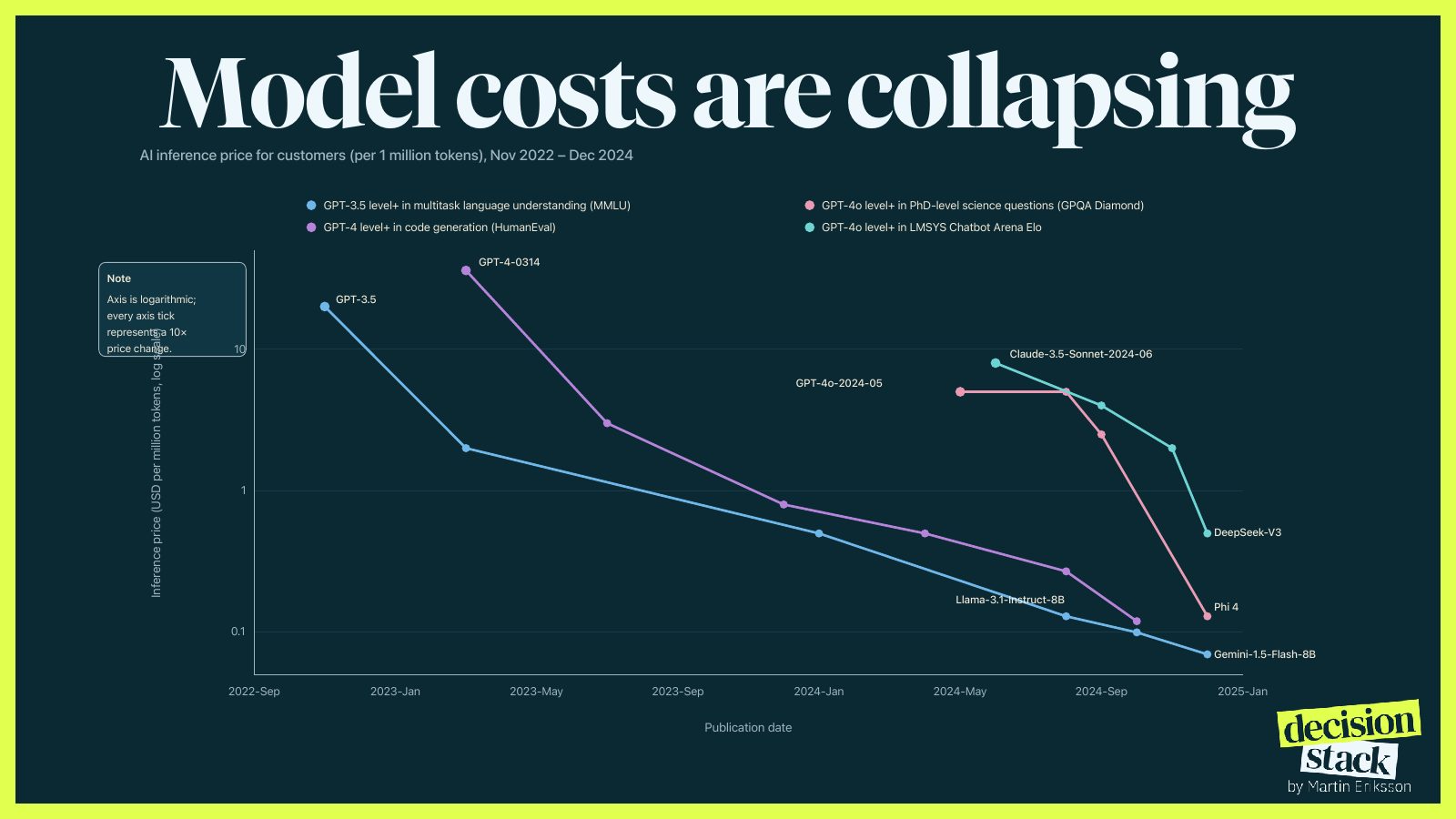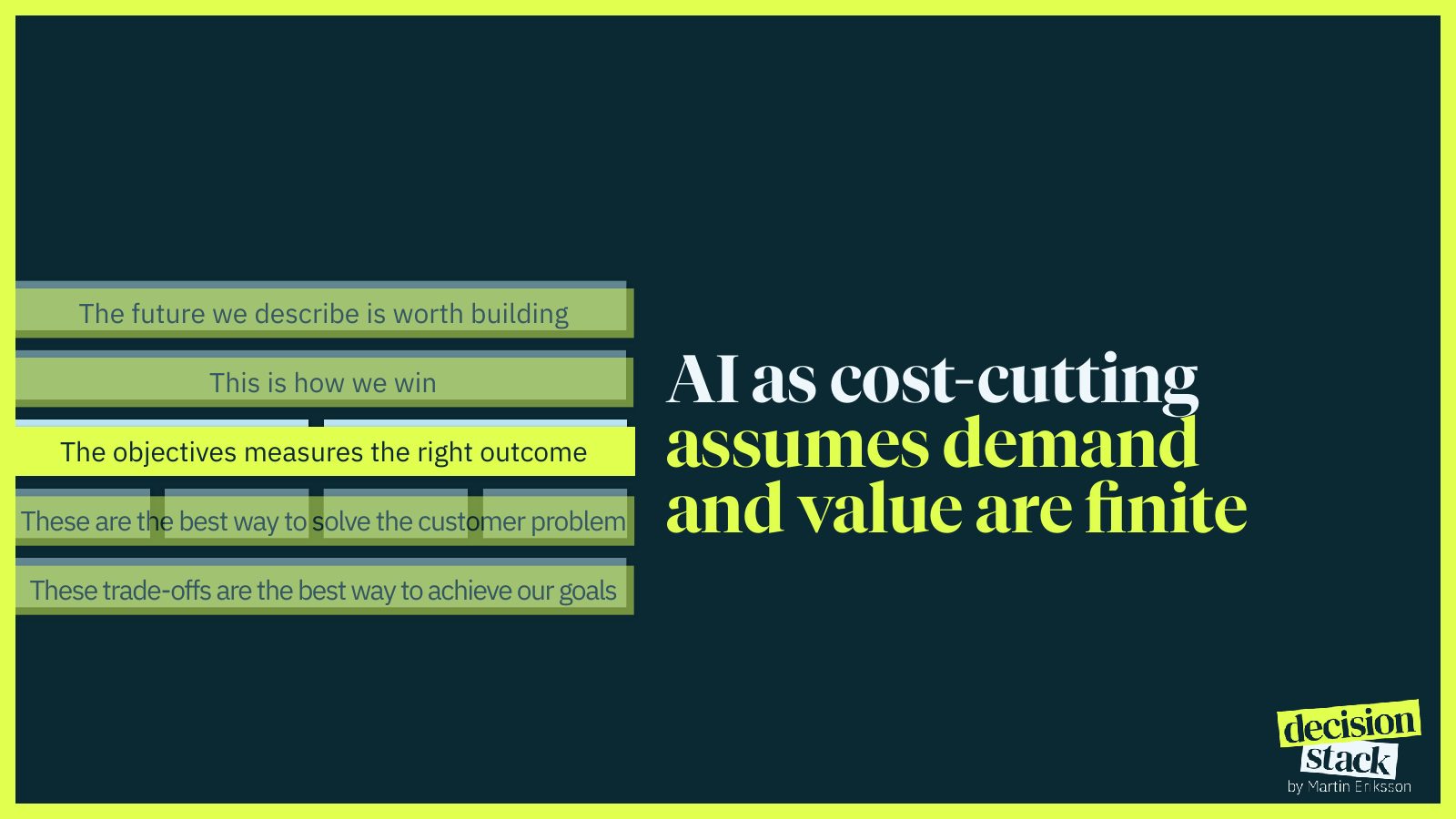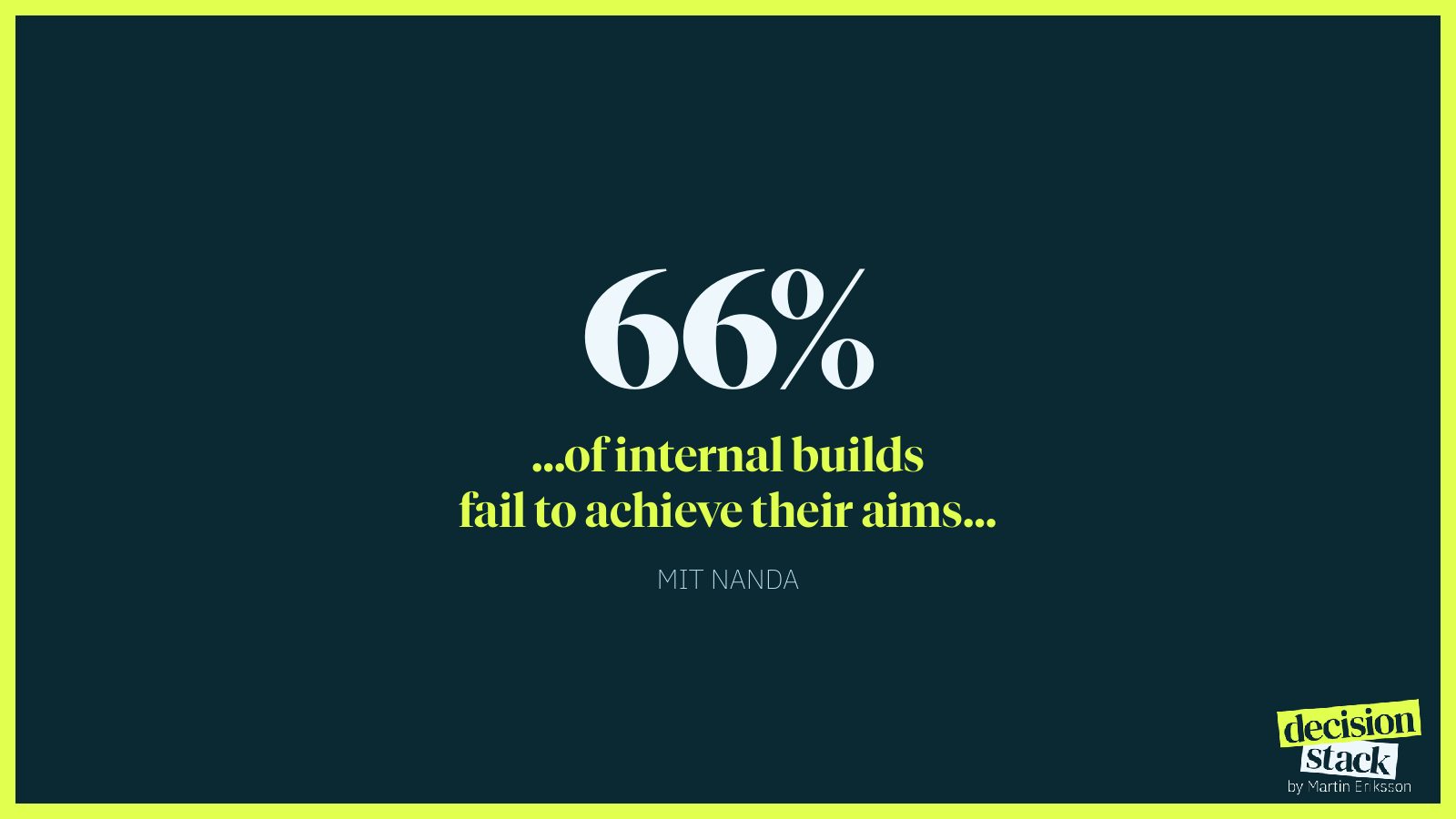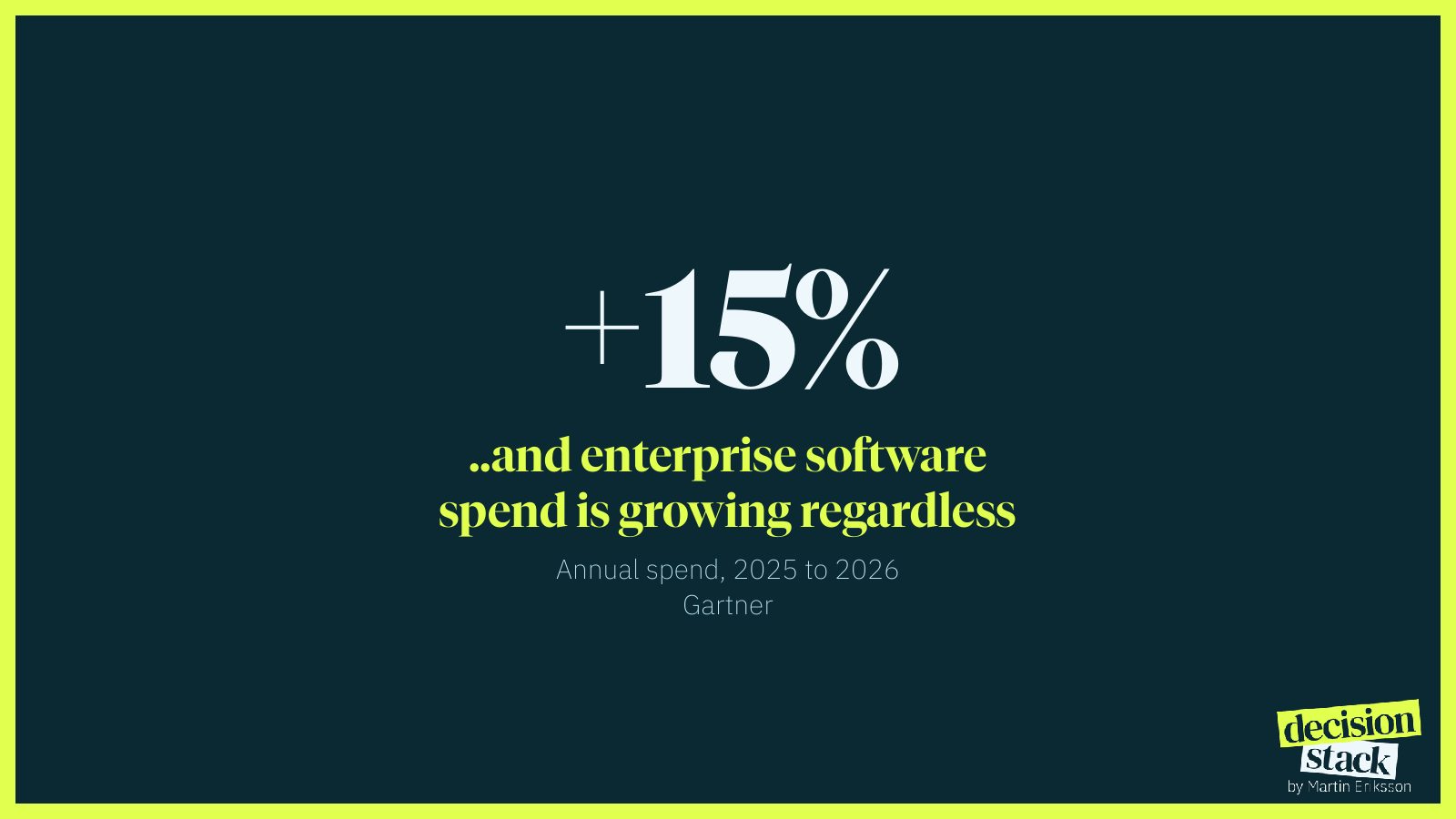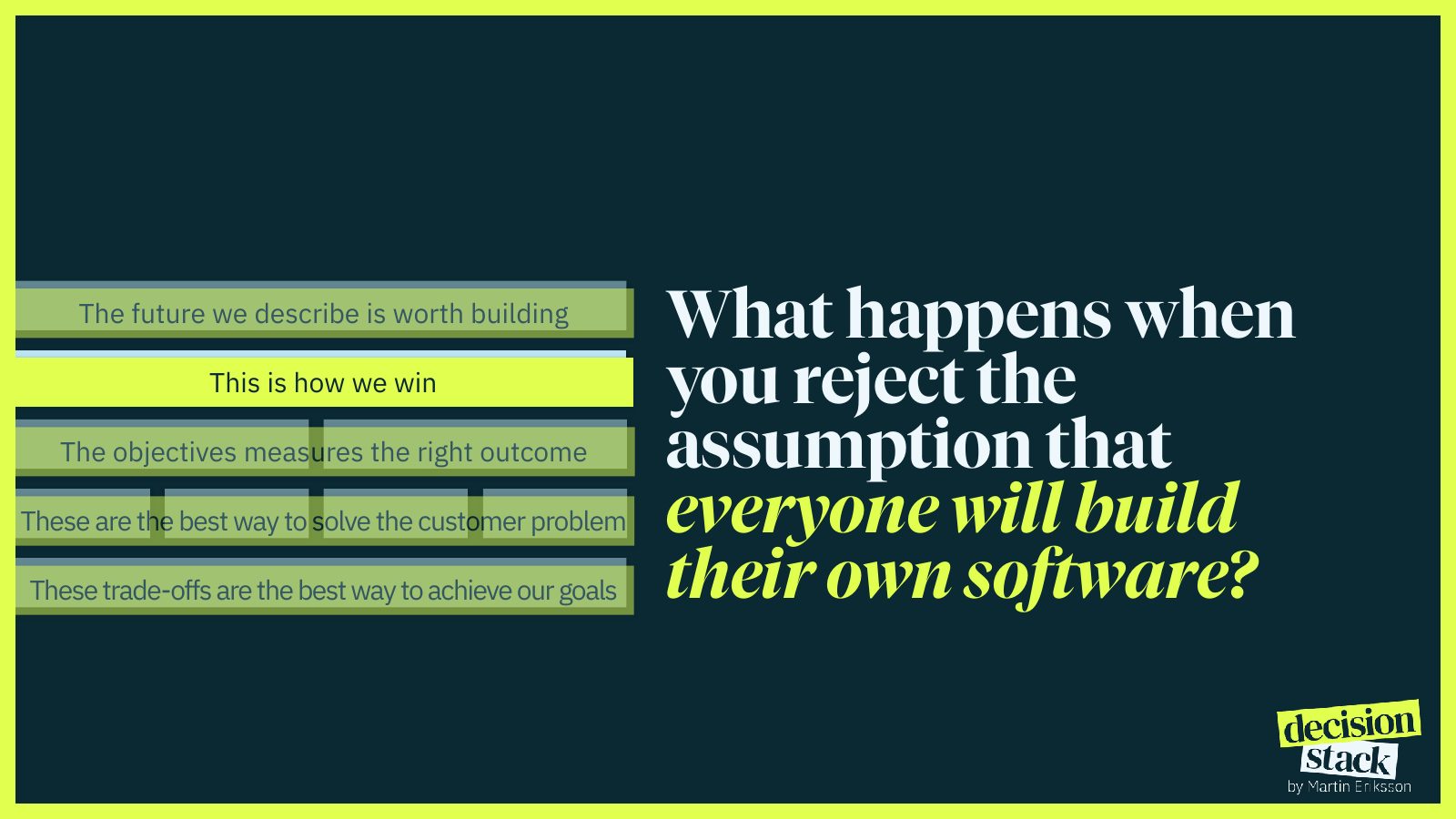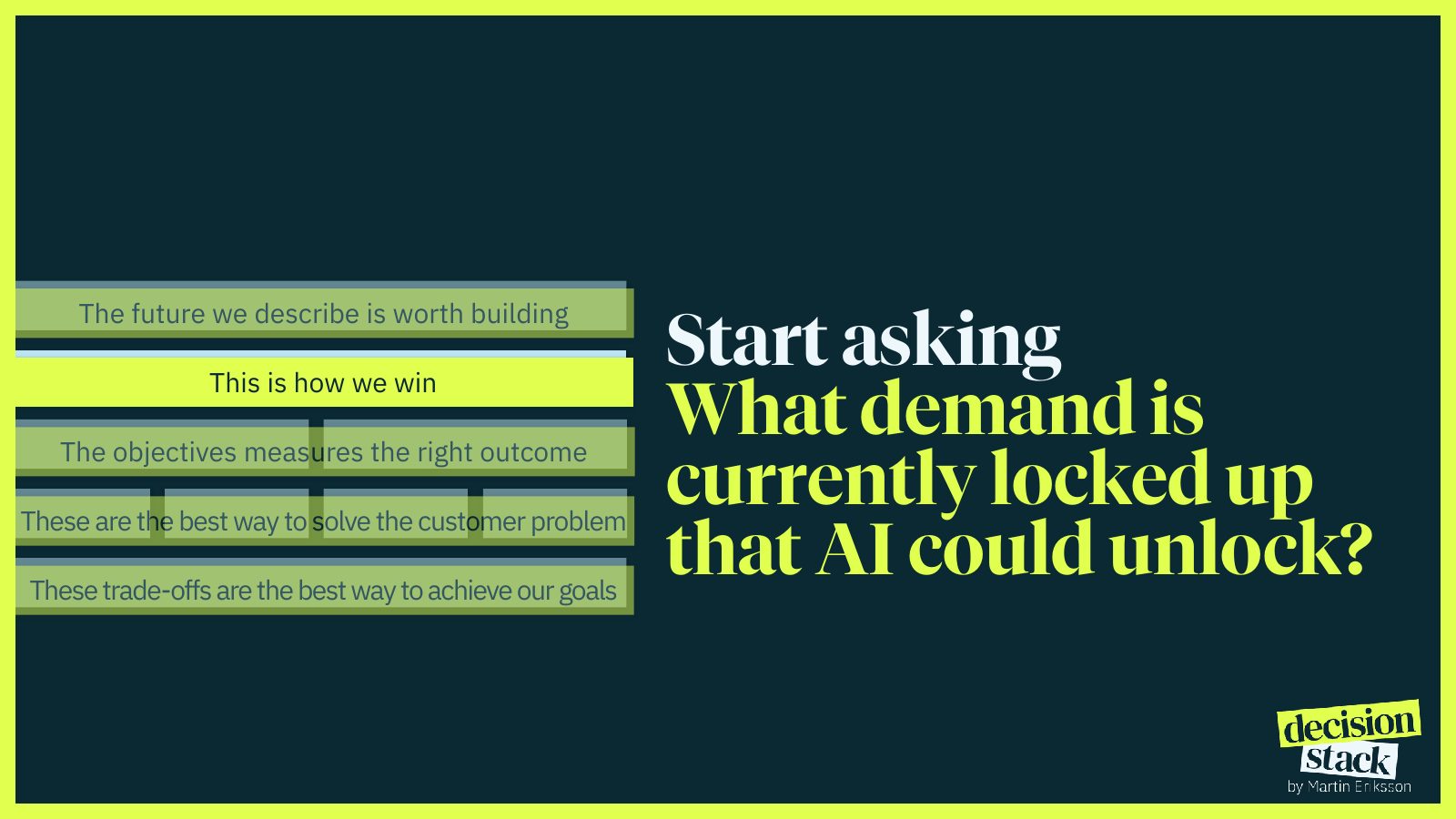
Martin opens with a prediction that failed. In 2016 Geoffrey Hinton said AI would replace radiologists within five to ten years. AI did get faster, cheaper and more accurate at reading images, yet the US has 16 percent more radiologists than a decade ago and they earn 44 percent more. Cheaper imaging meant preventative screening at scale, more findings, more follow up, more demand. That is the Jevons paradox, first observed with coal and steam engines in 1865. Hinton did not get the technology wrong. He assumed demand was finite. Martin's claim for the room: AI has broken at least one assumption in every company present, and most people do not know which one.
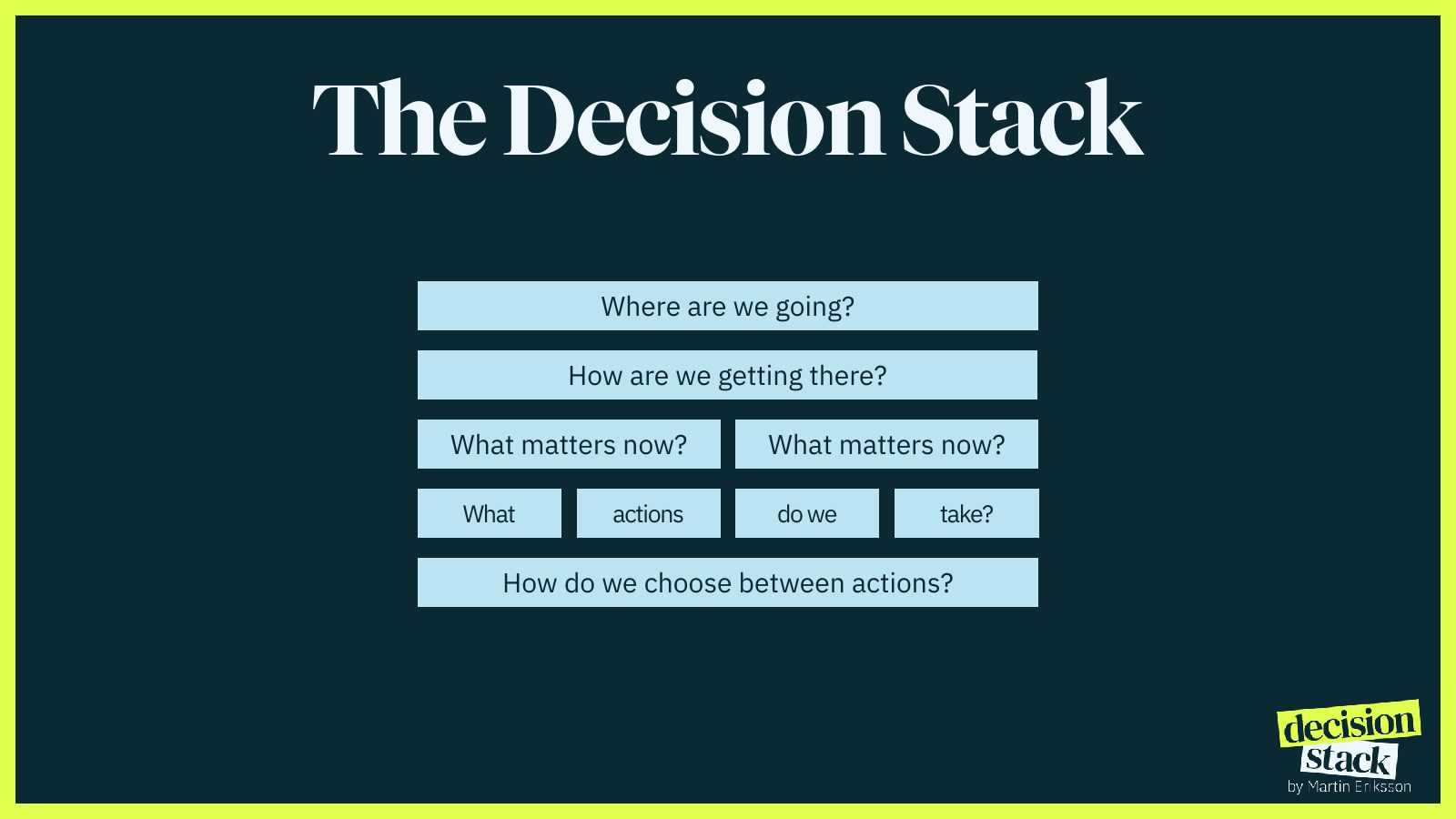
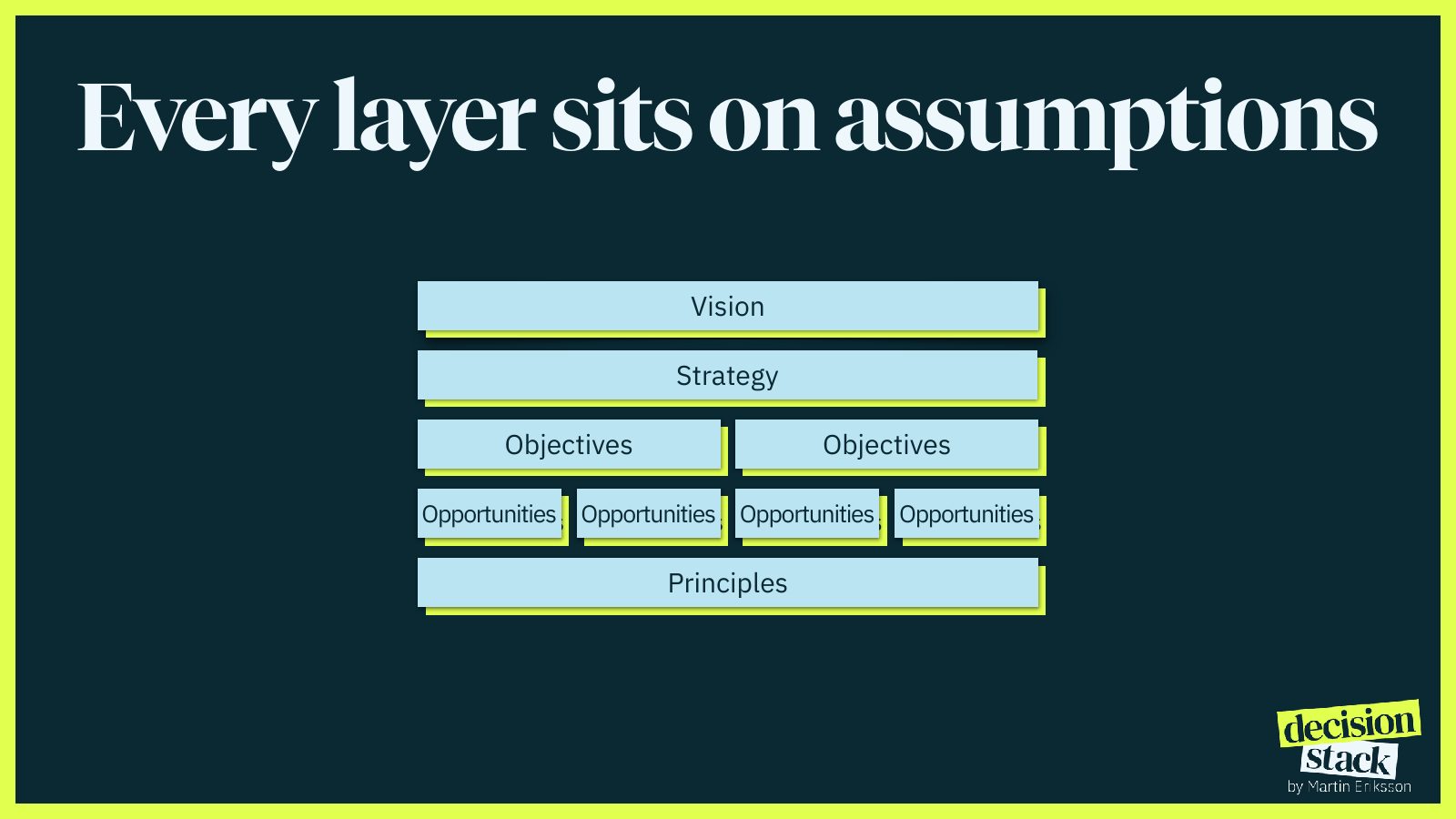
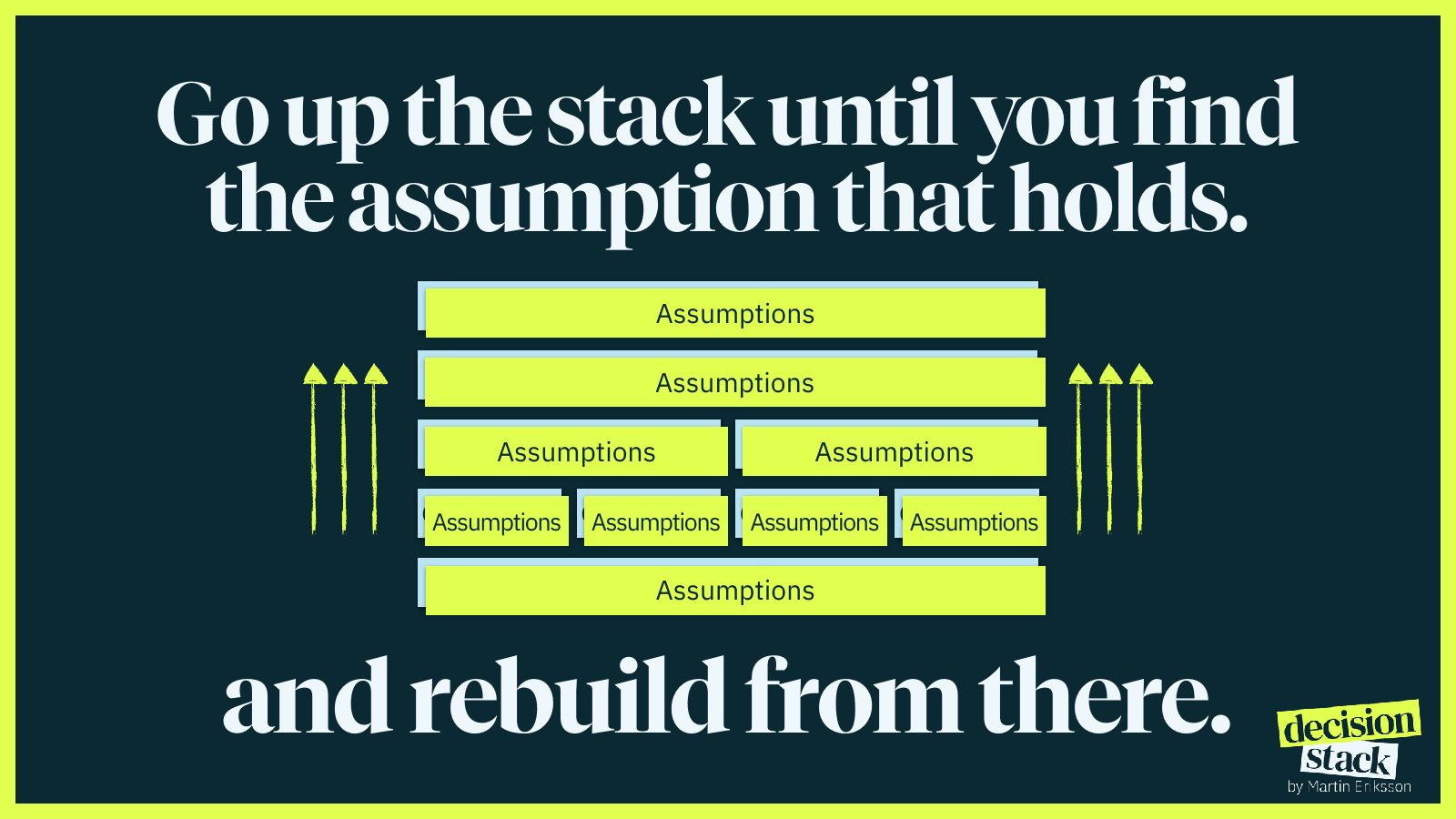
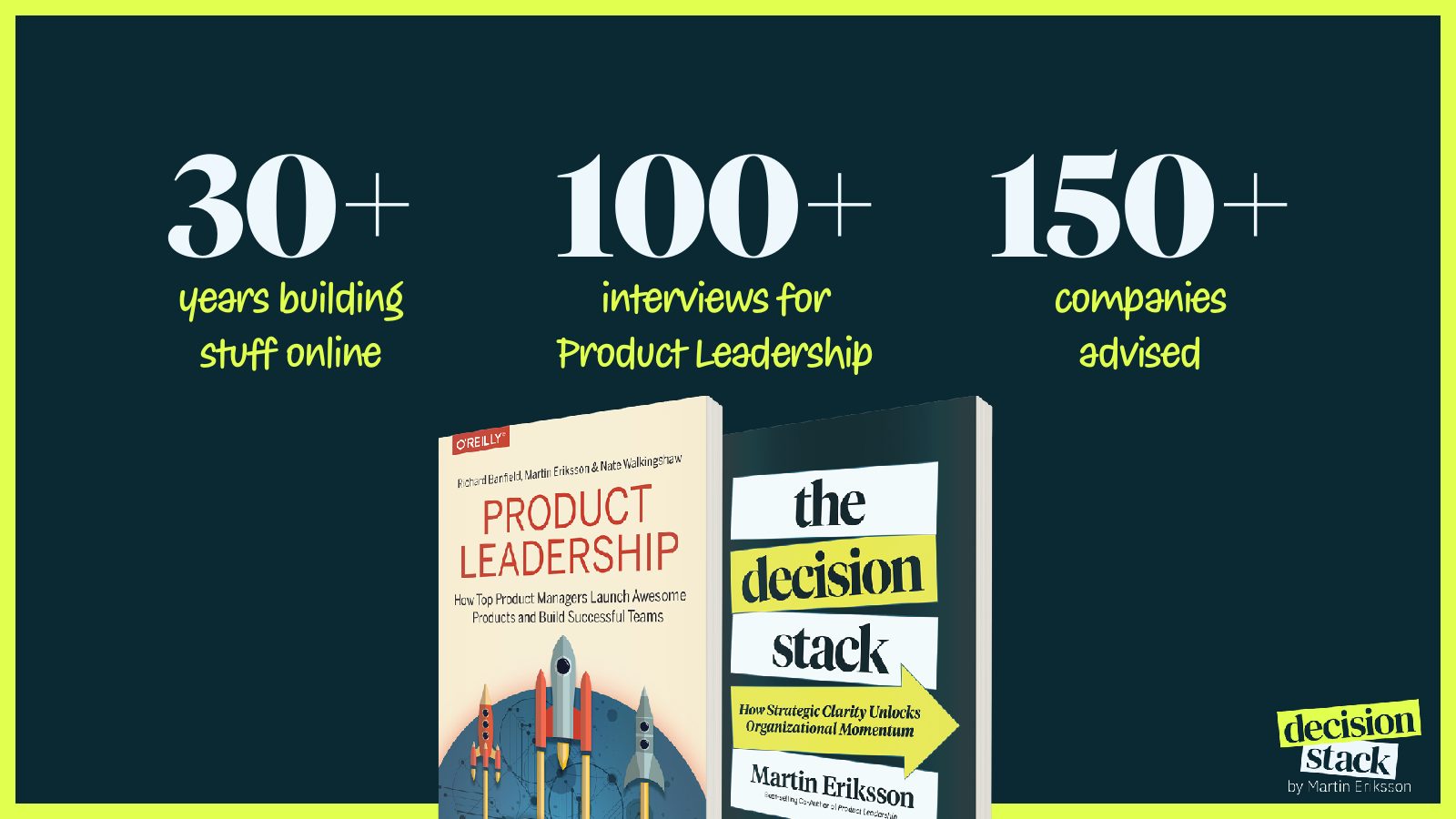
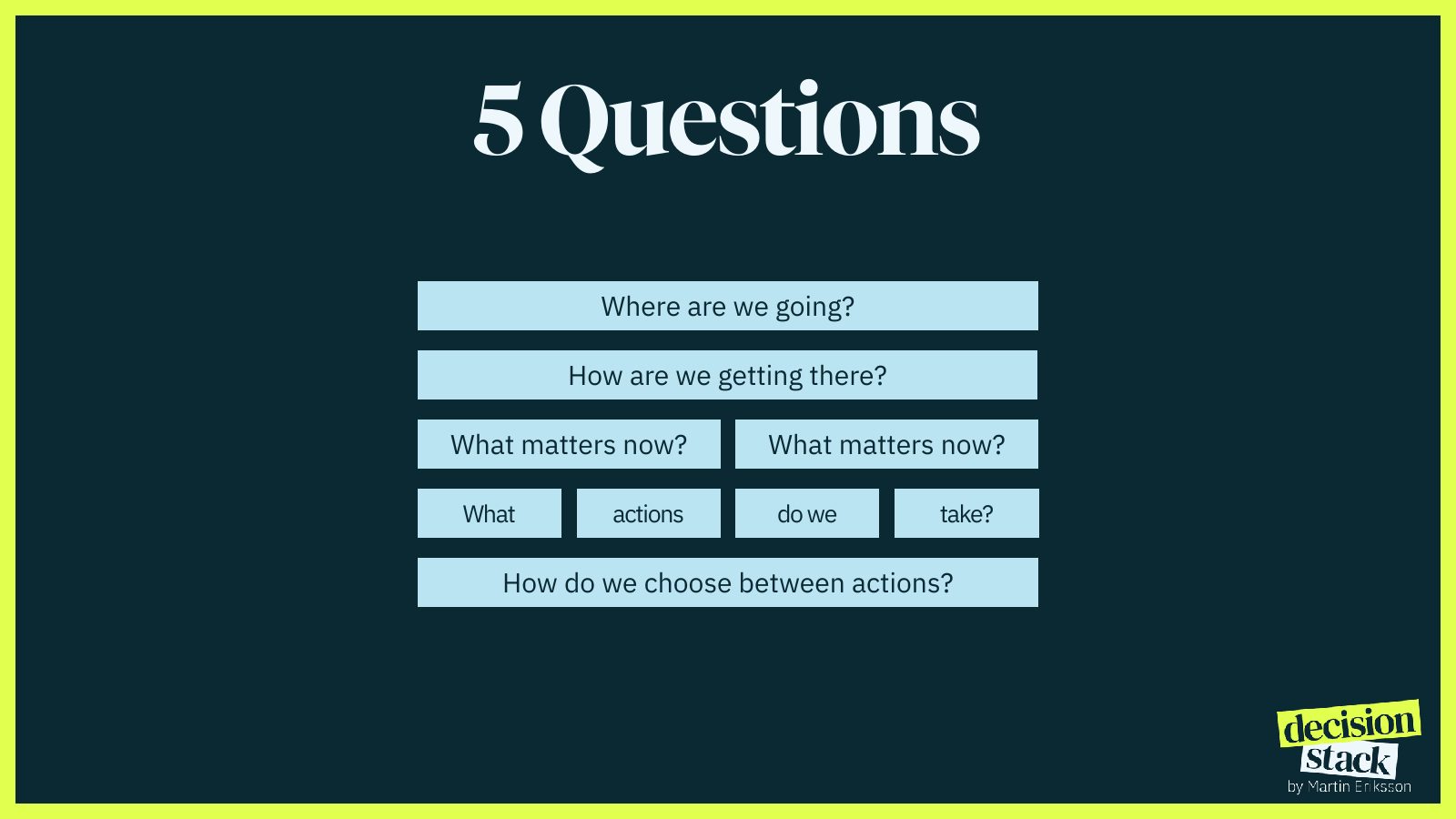
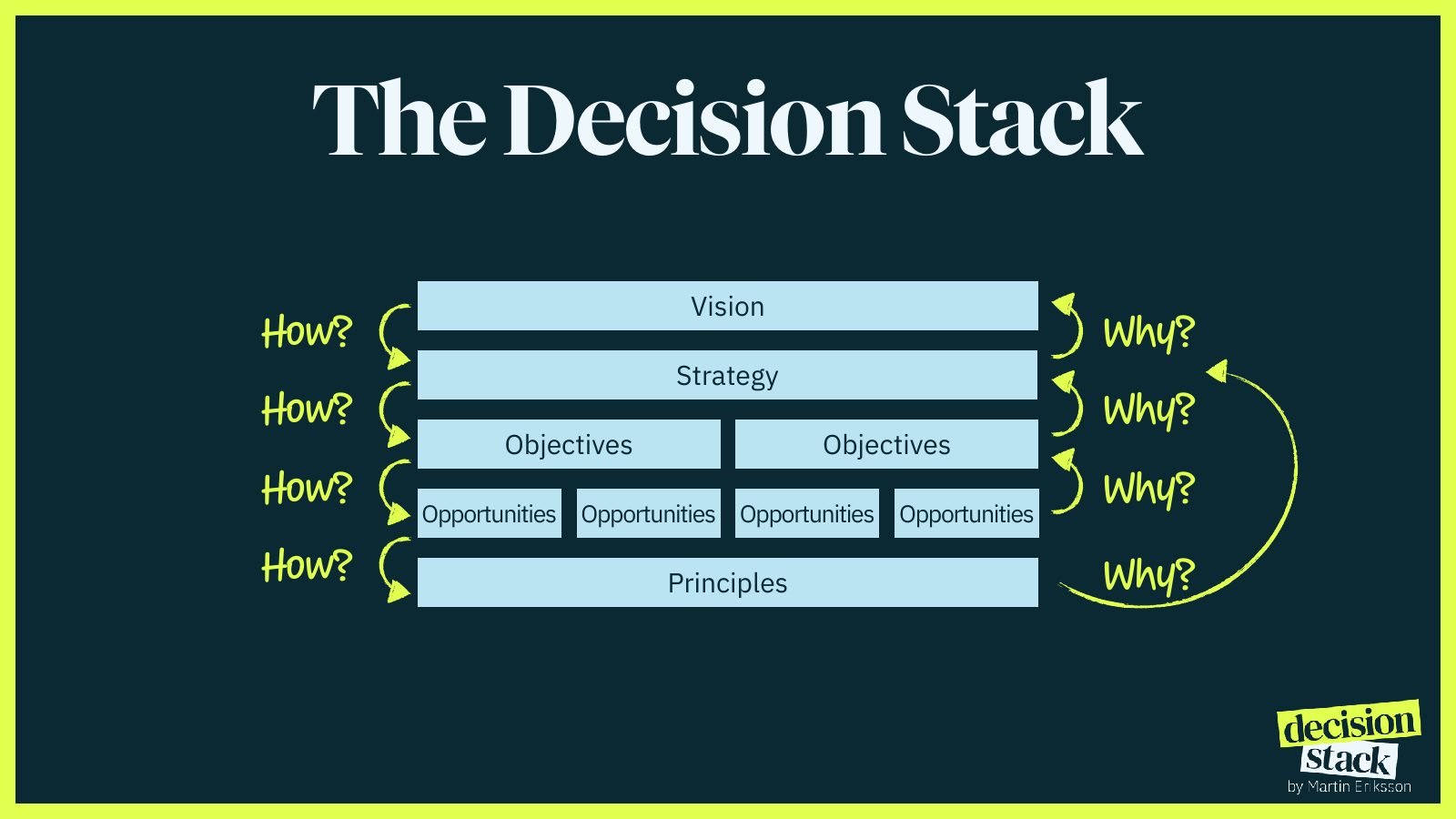
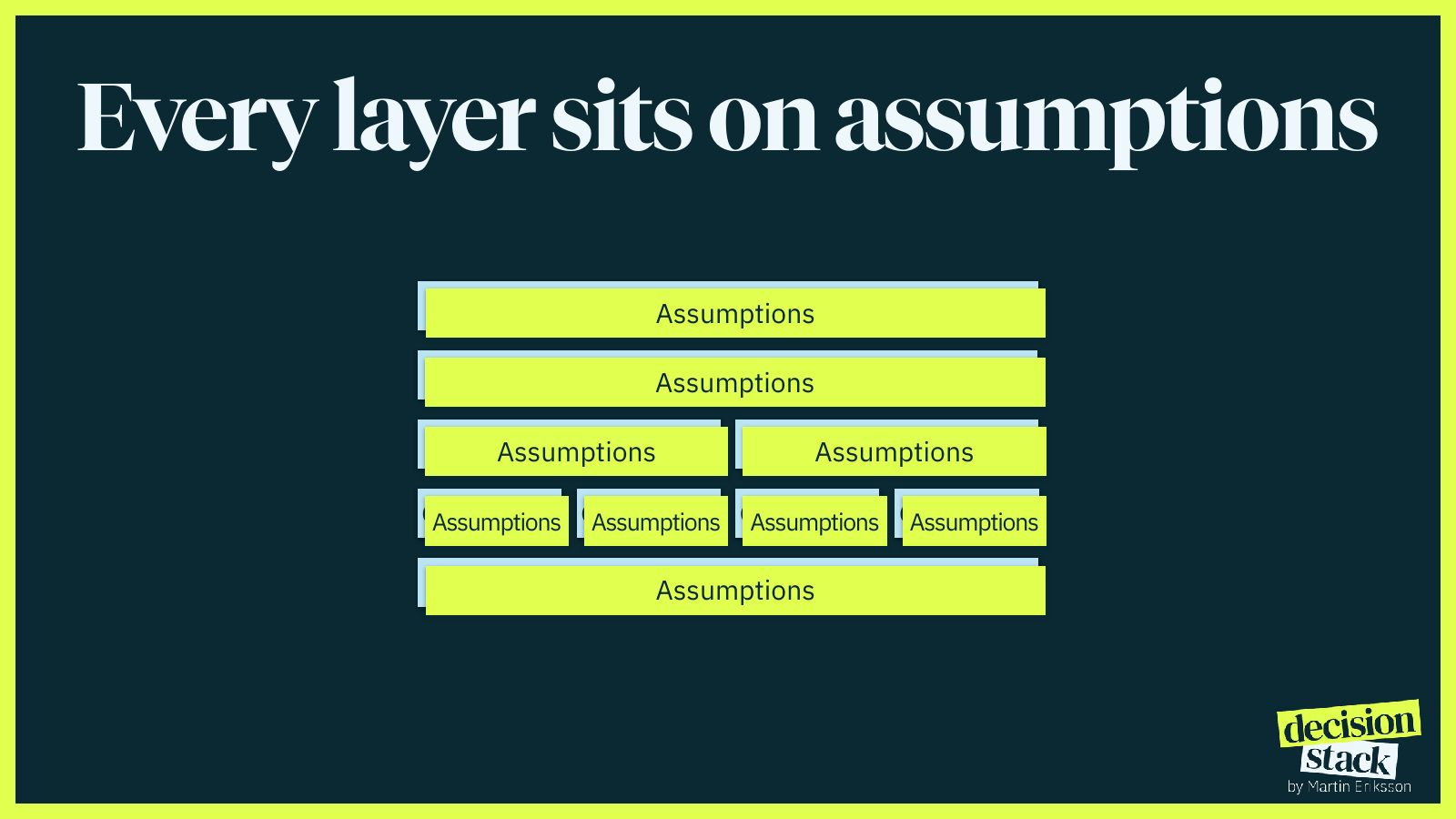
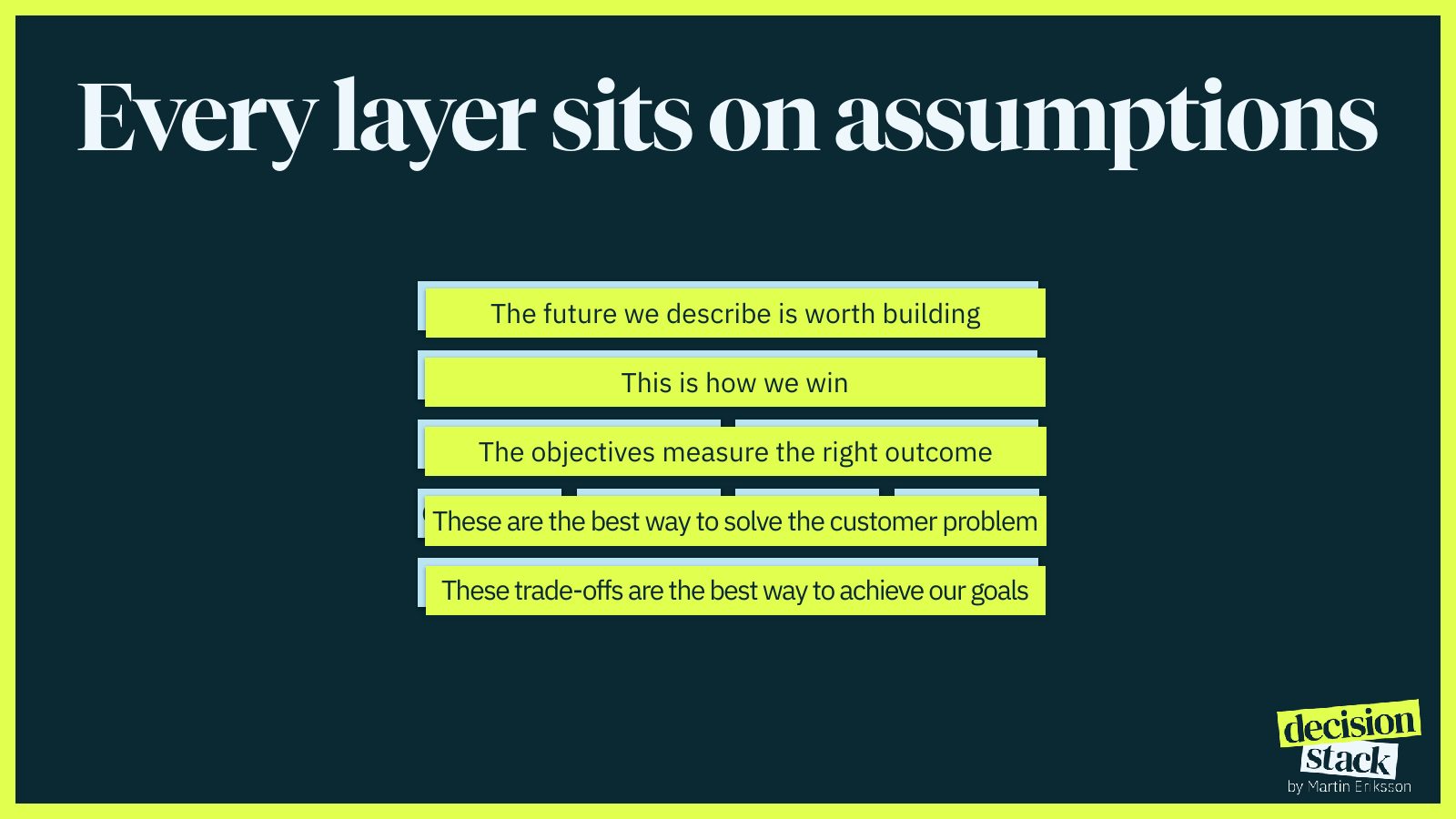
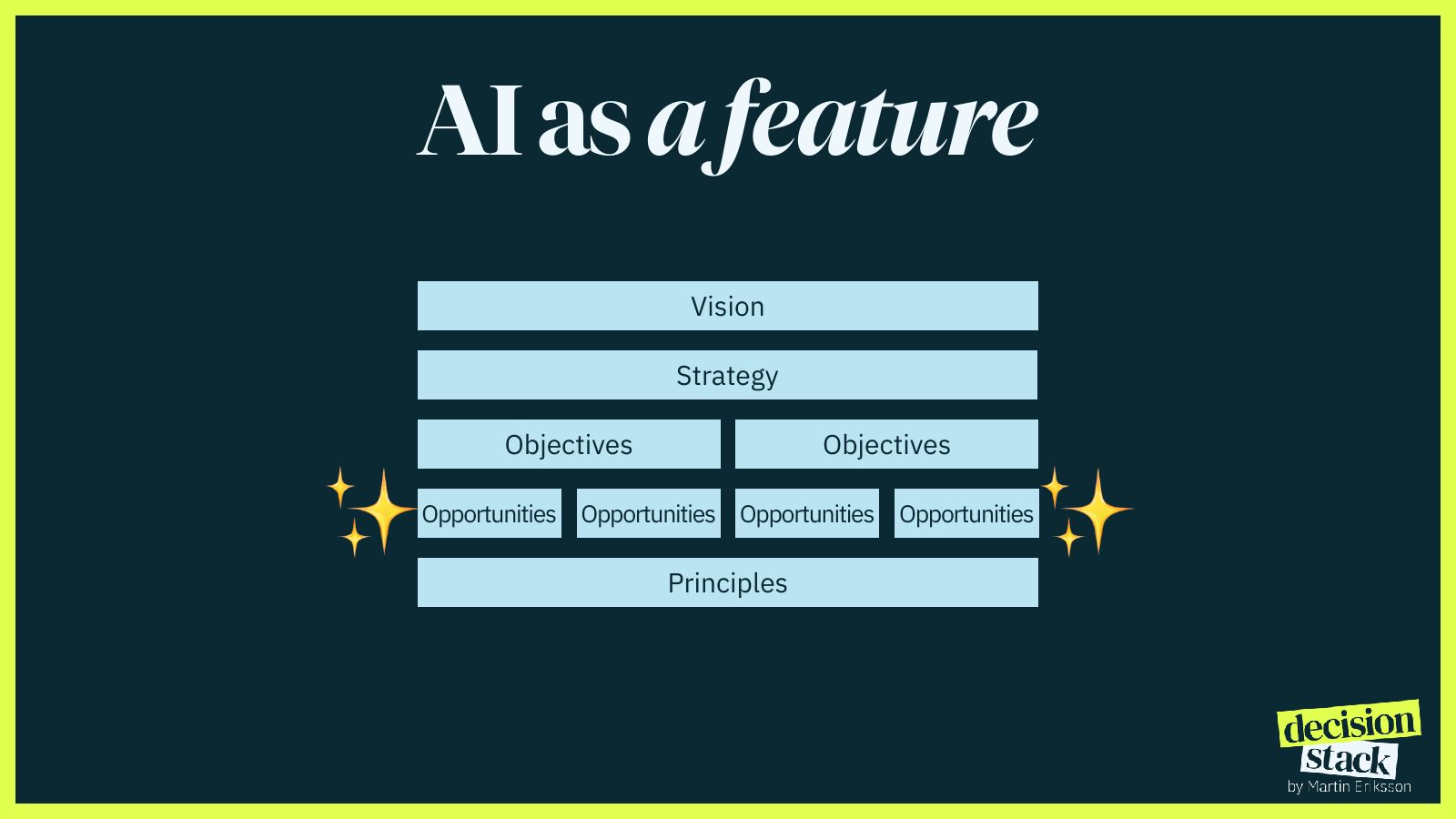
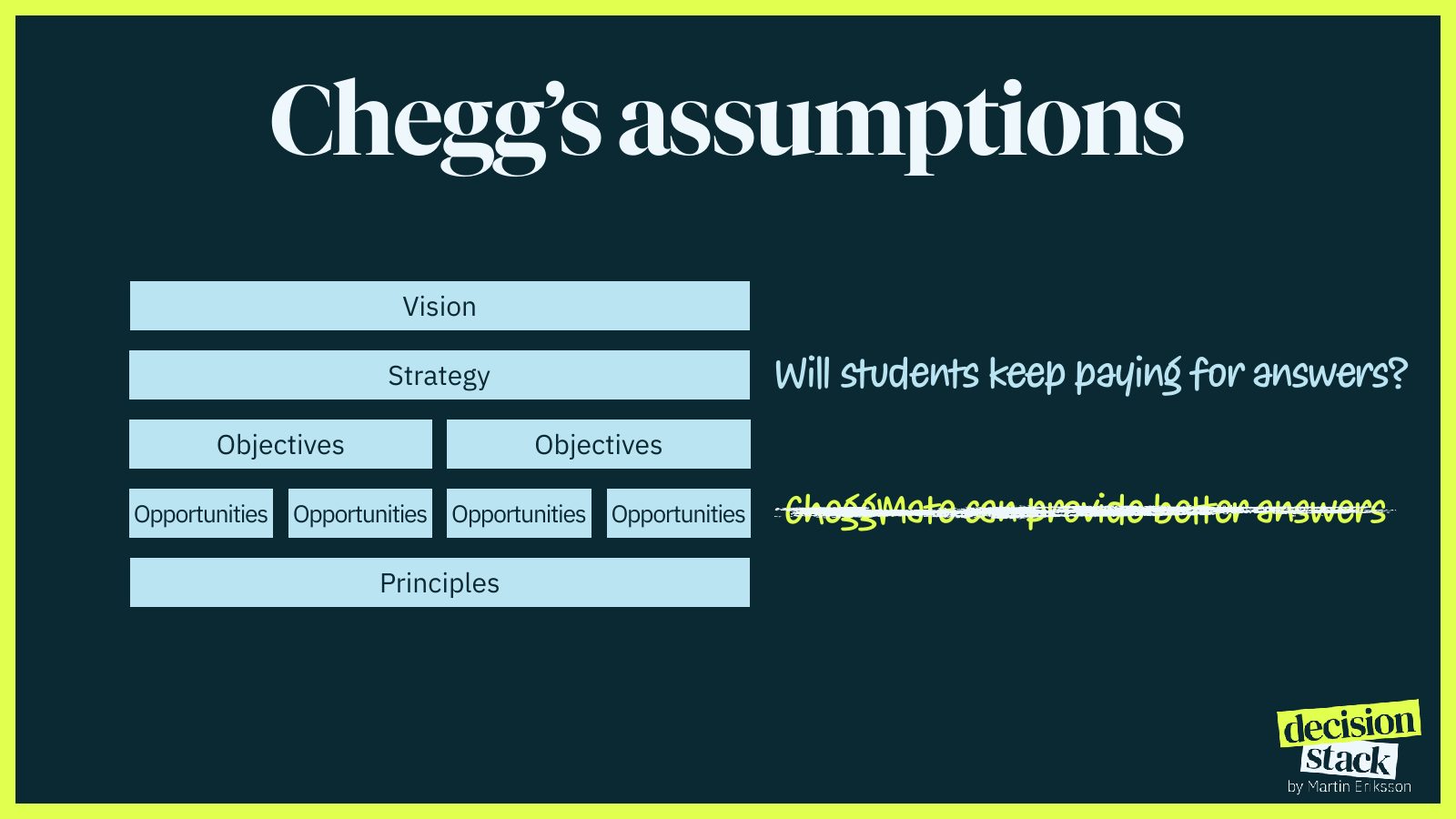
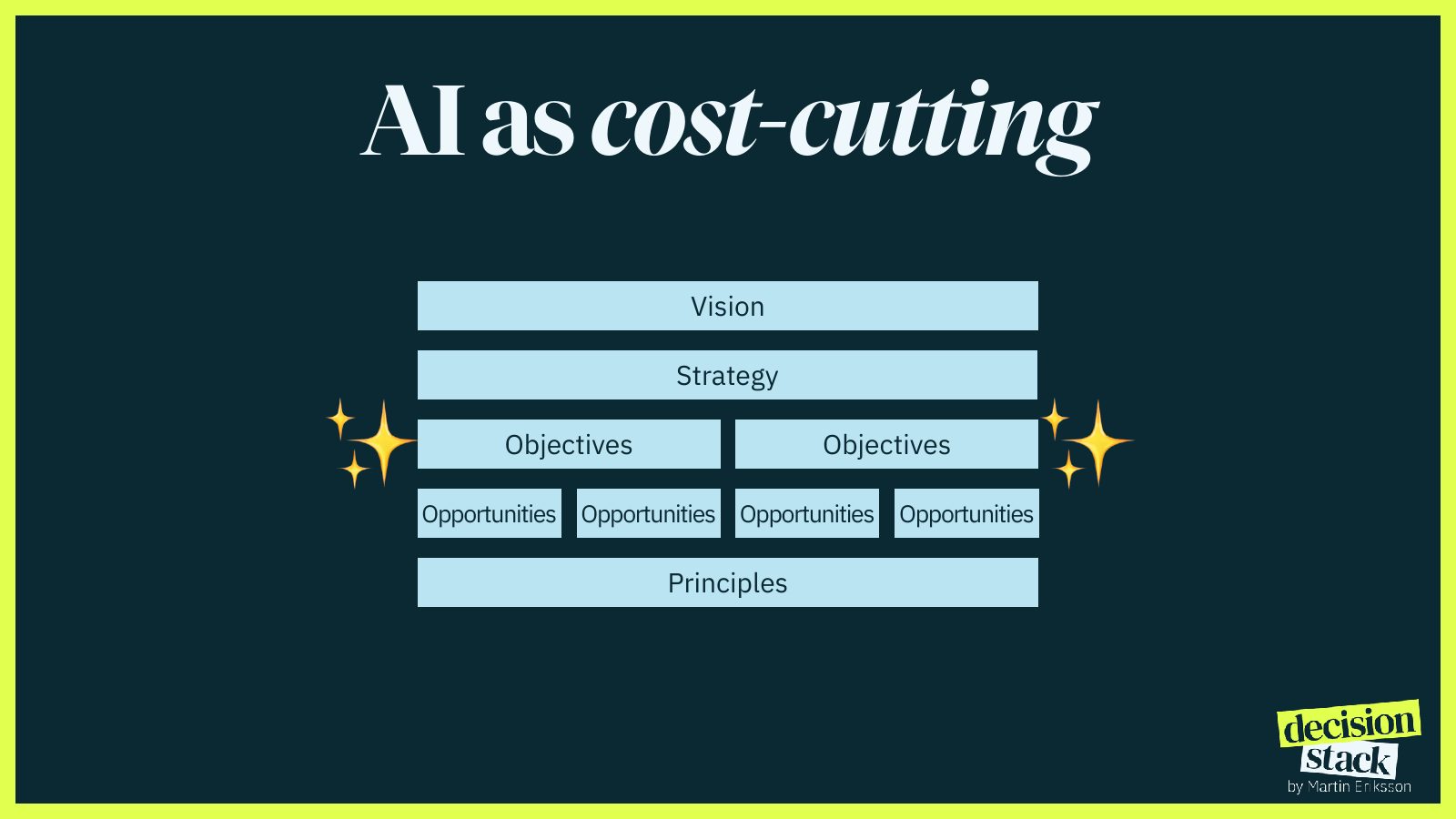
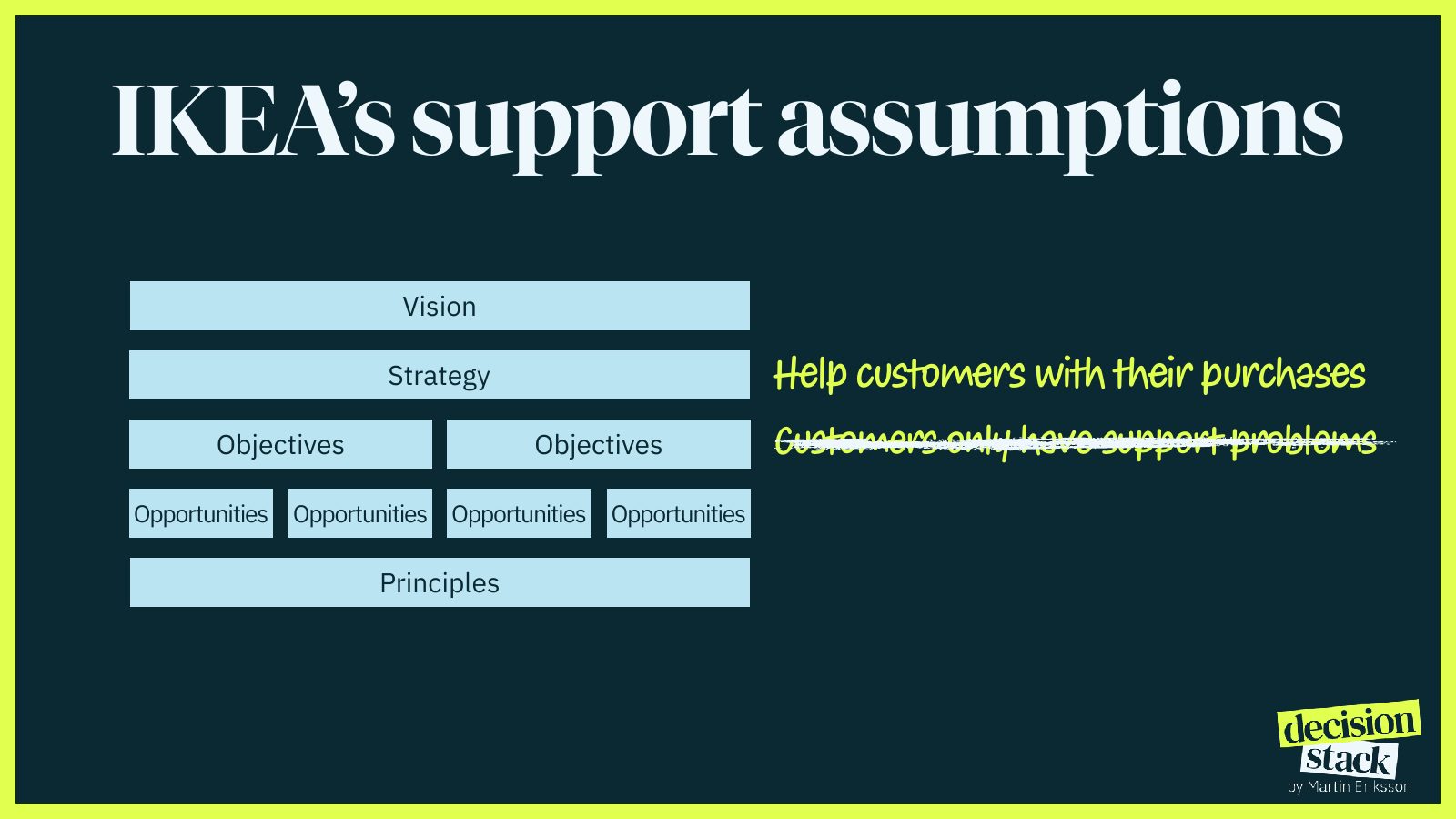
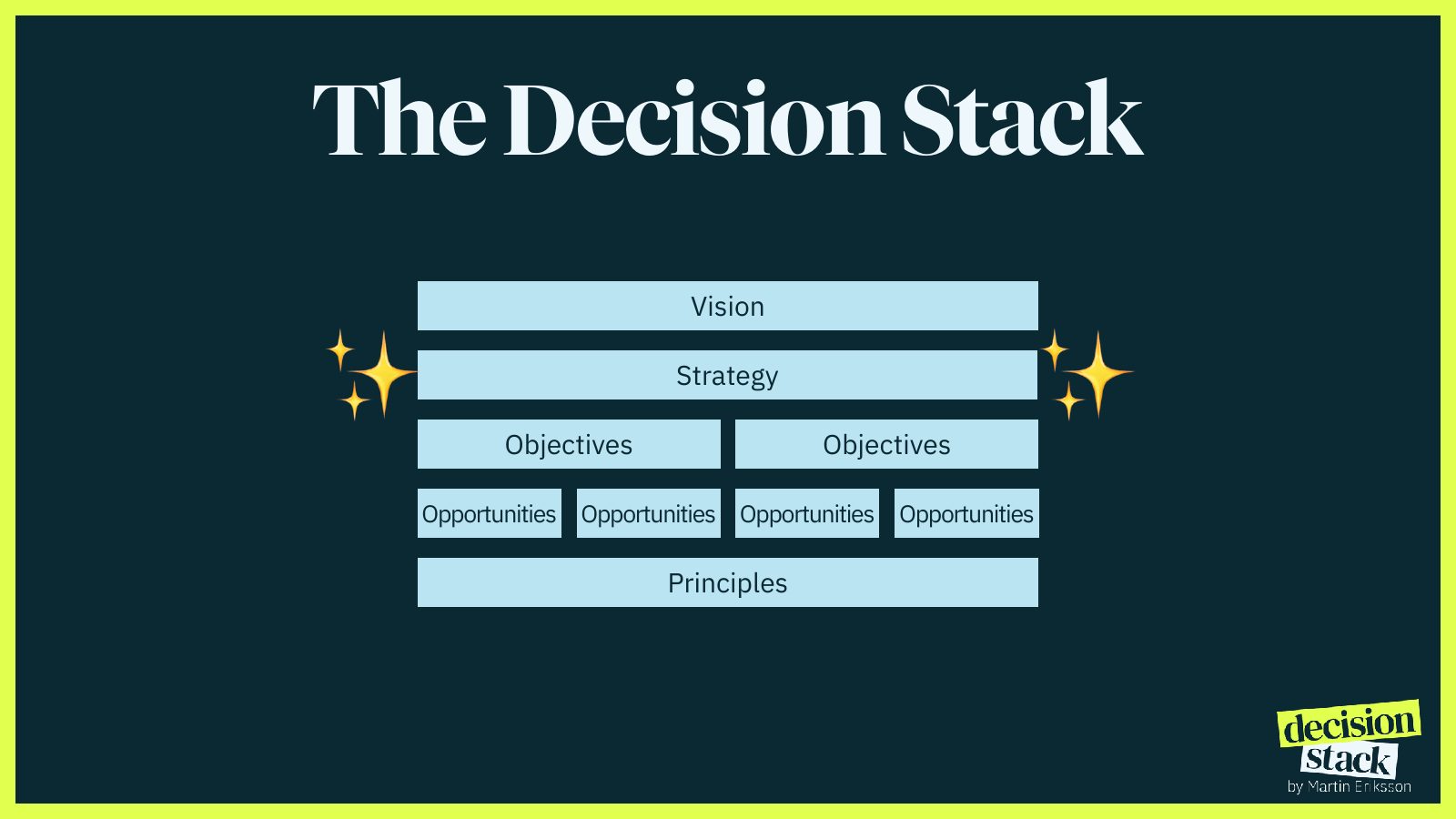
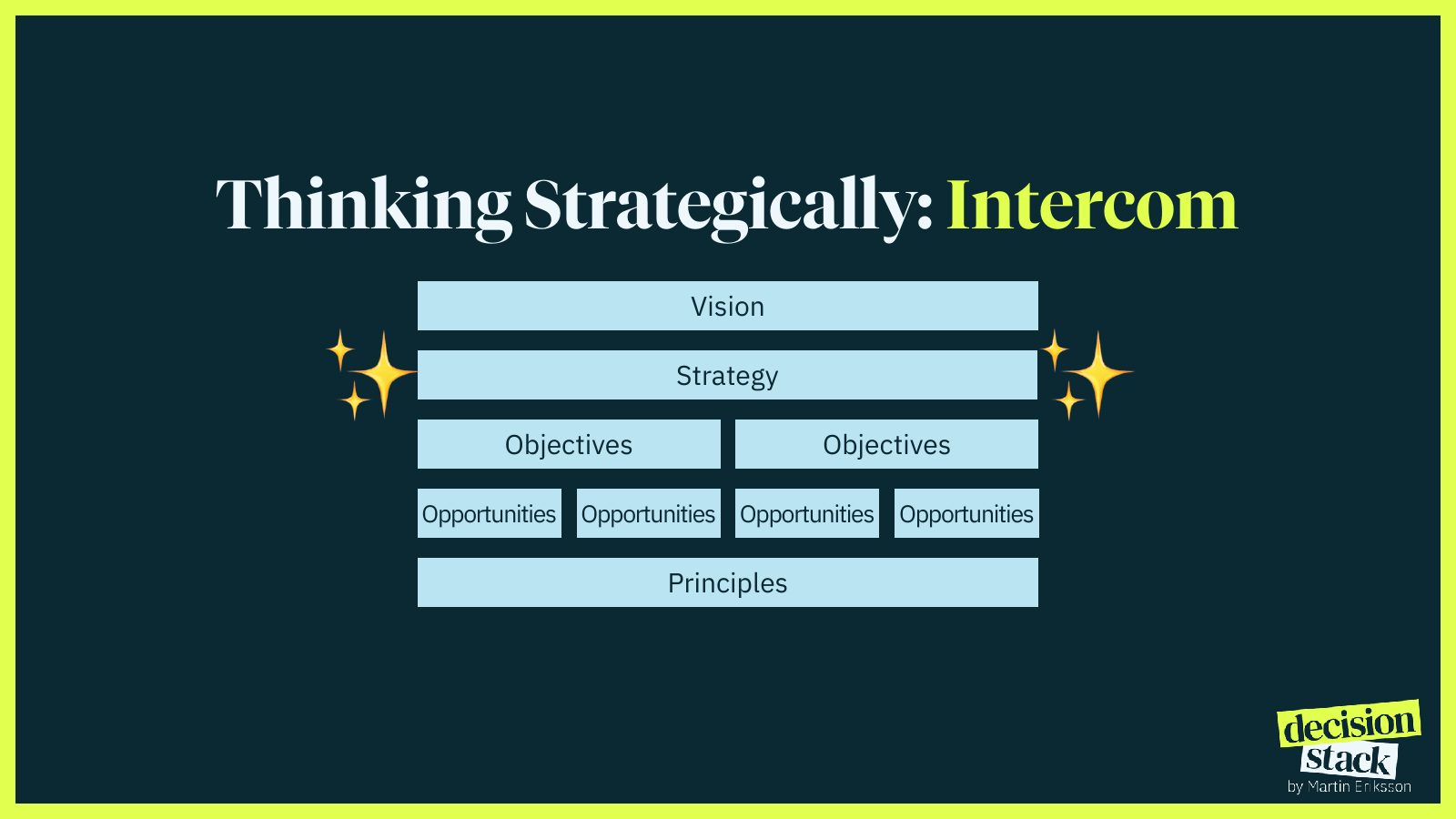
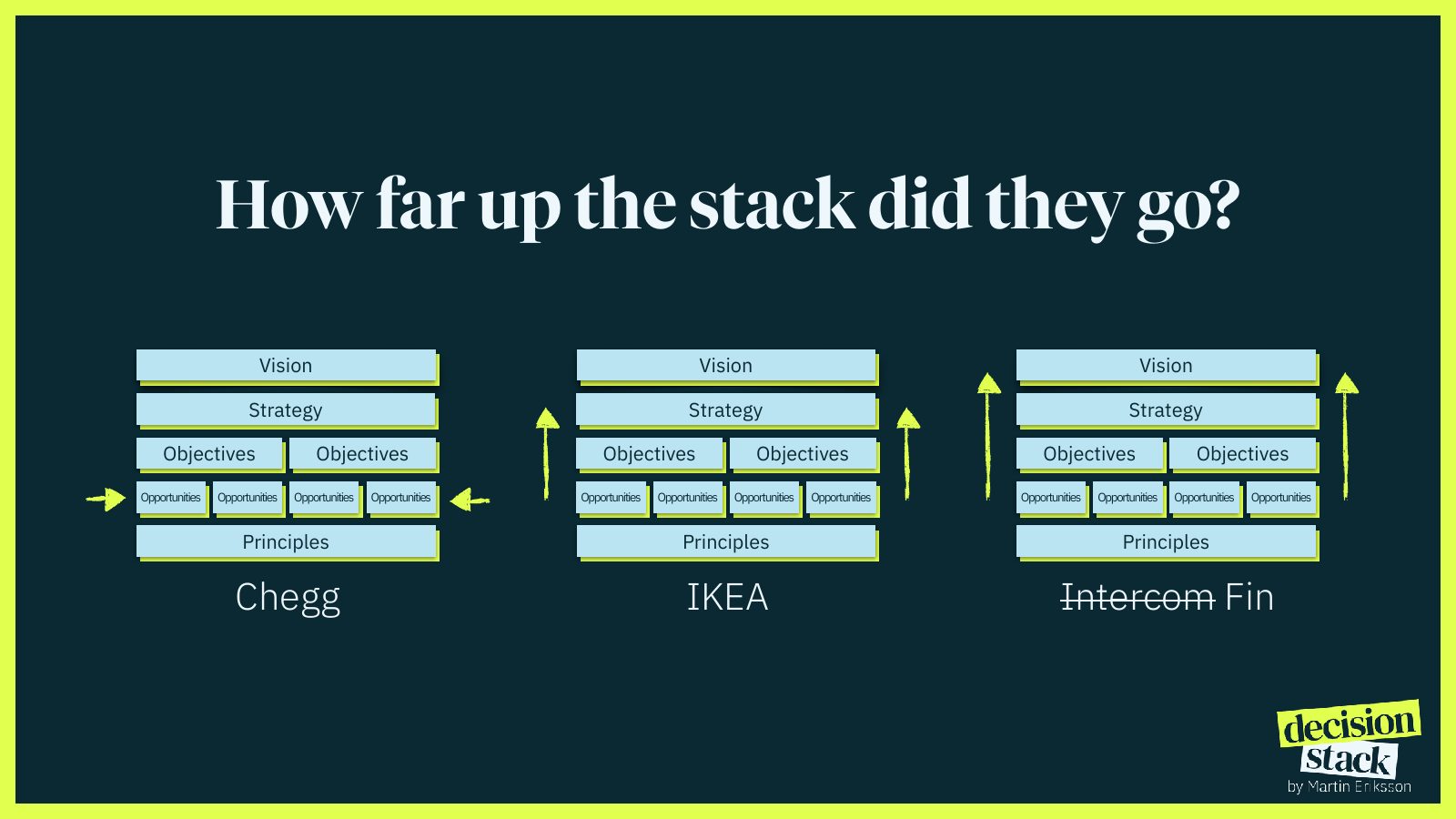
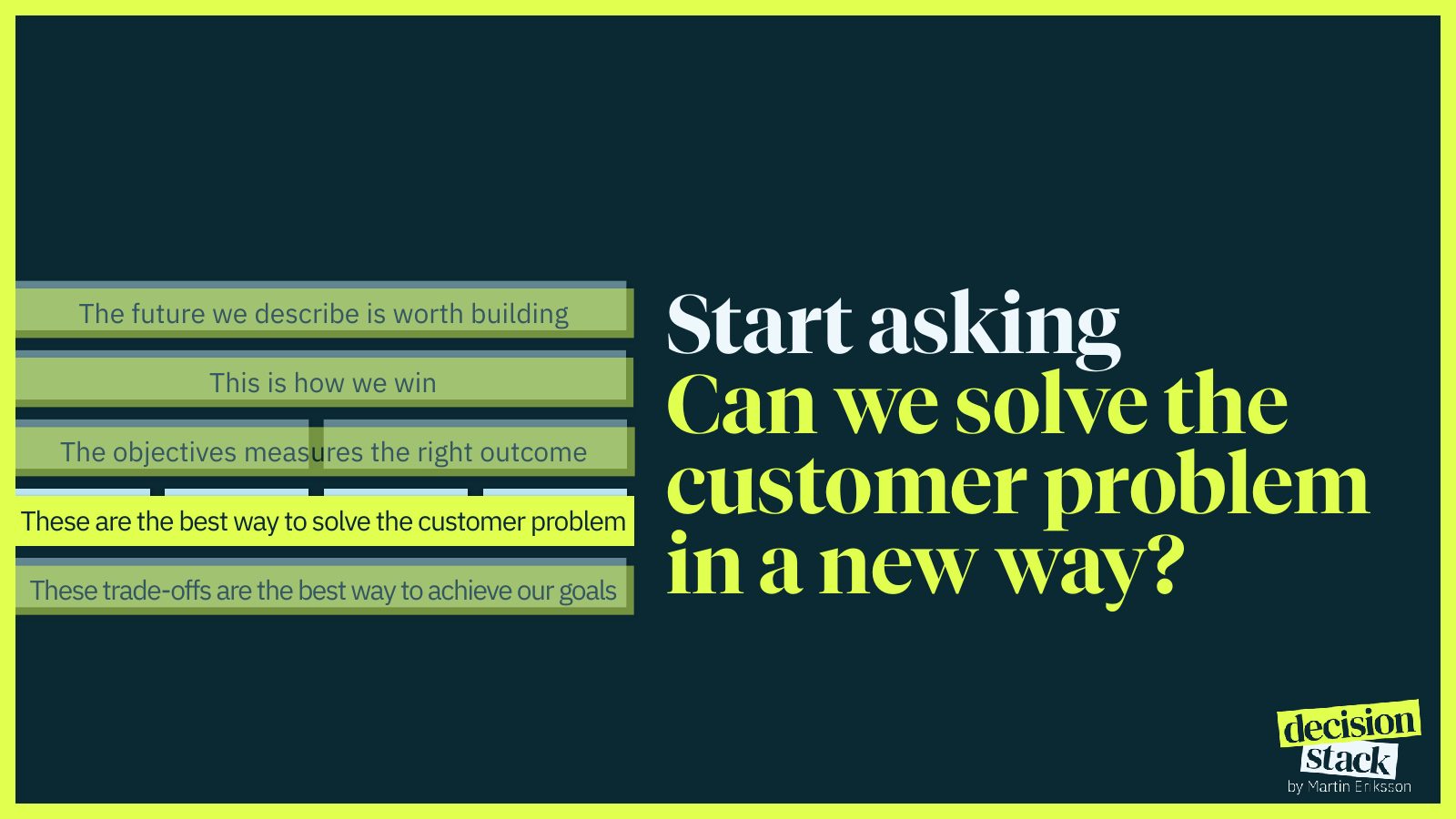
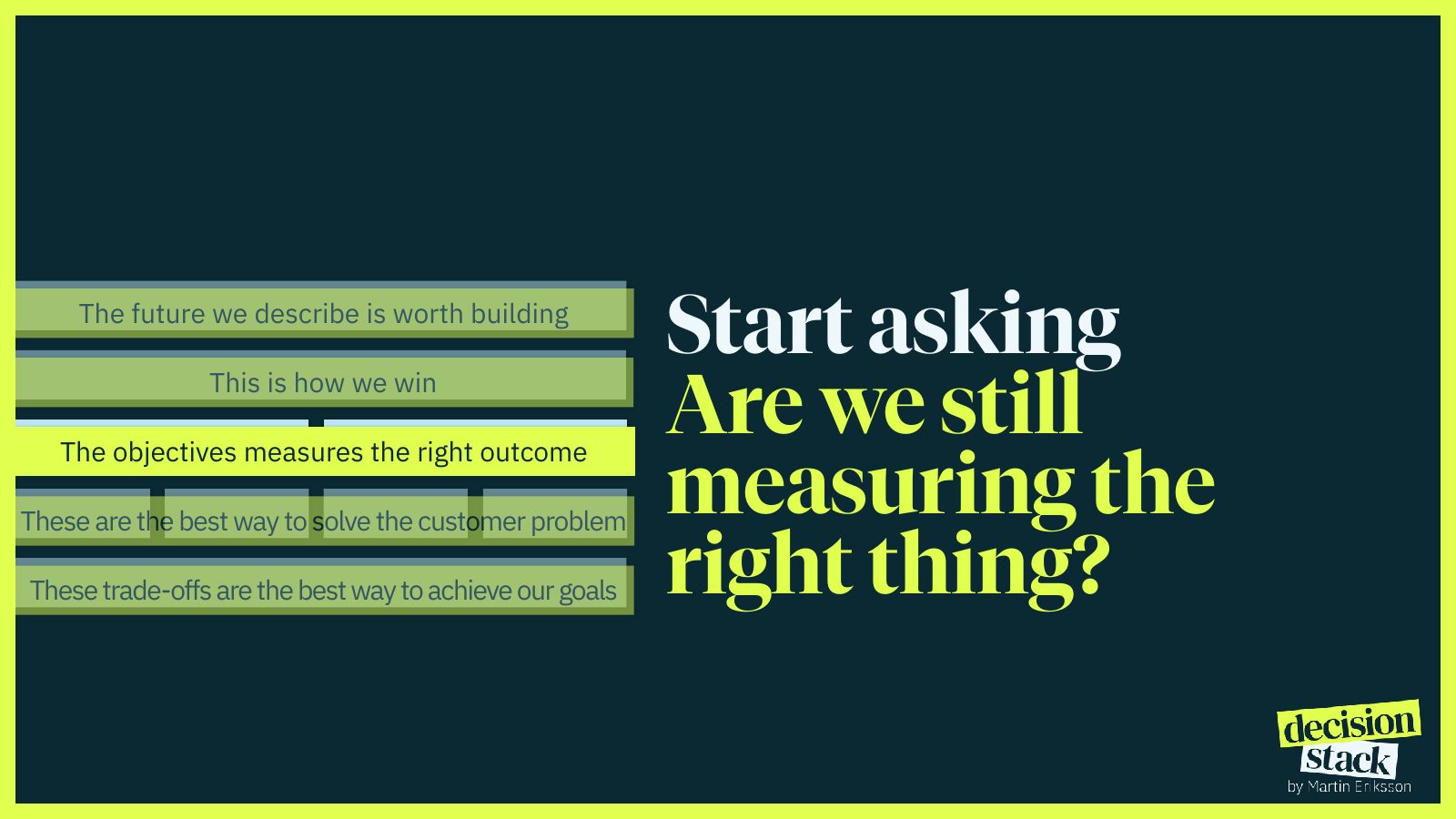
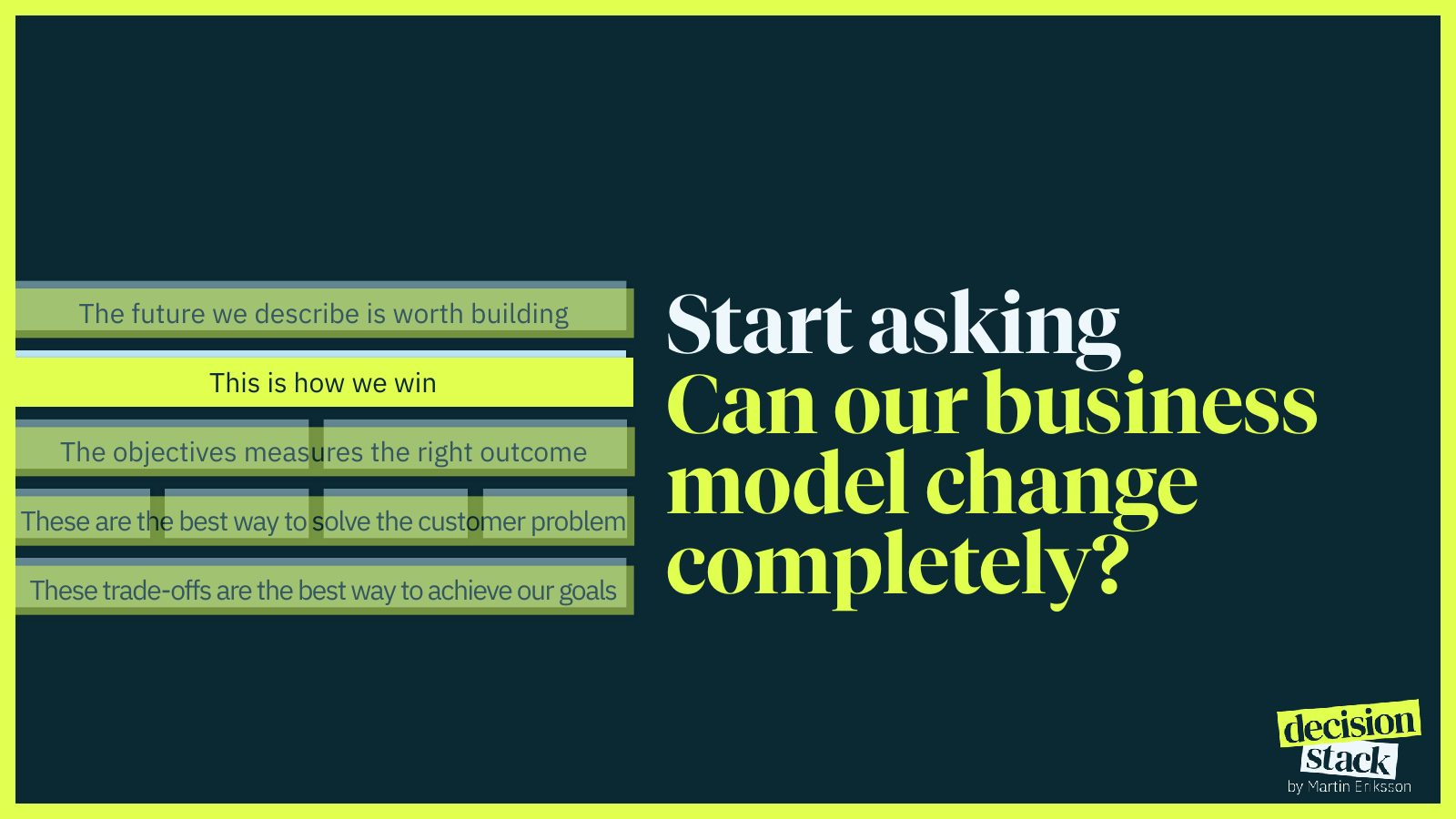
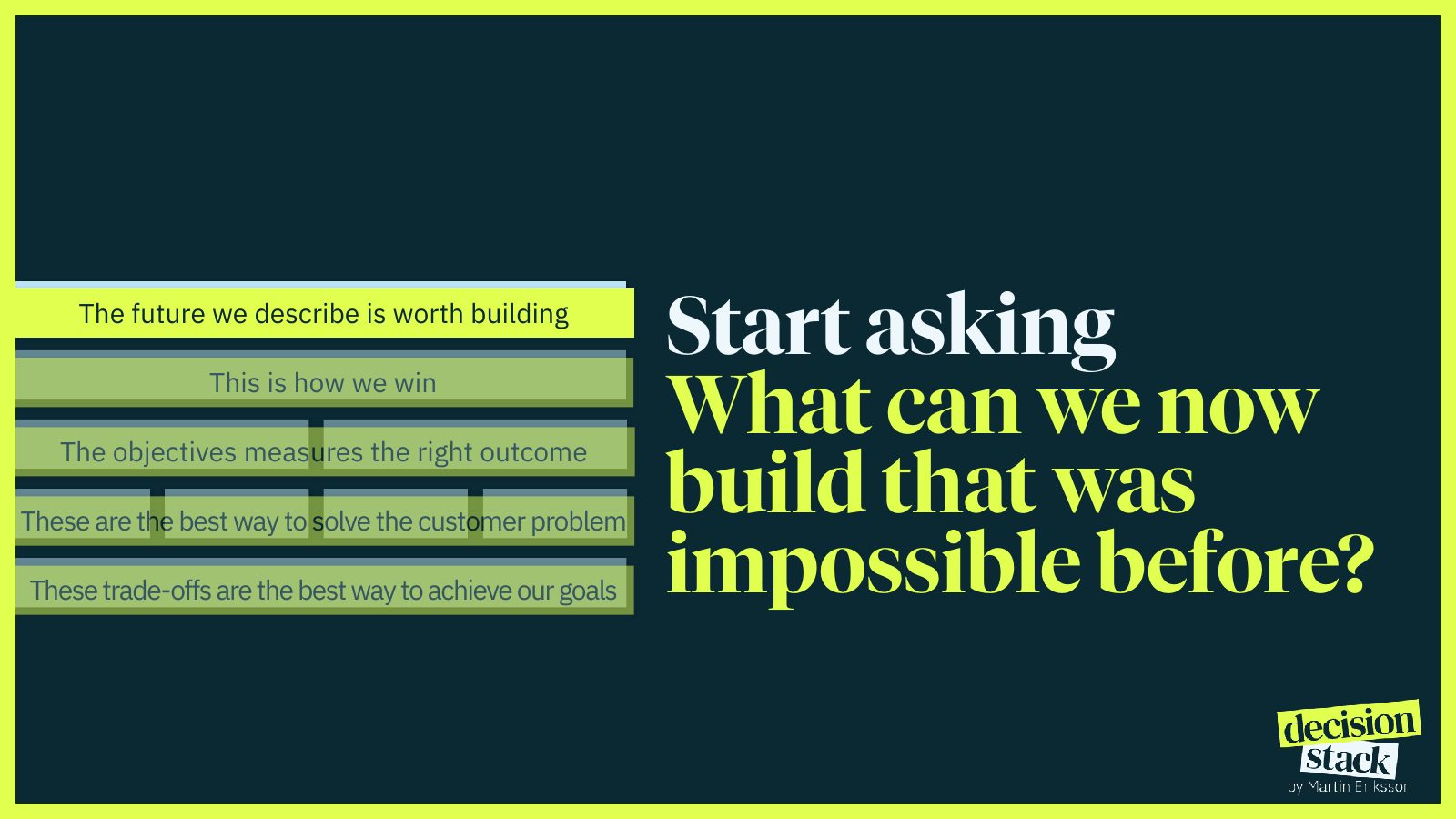
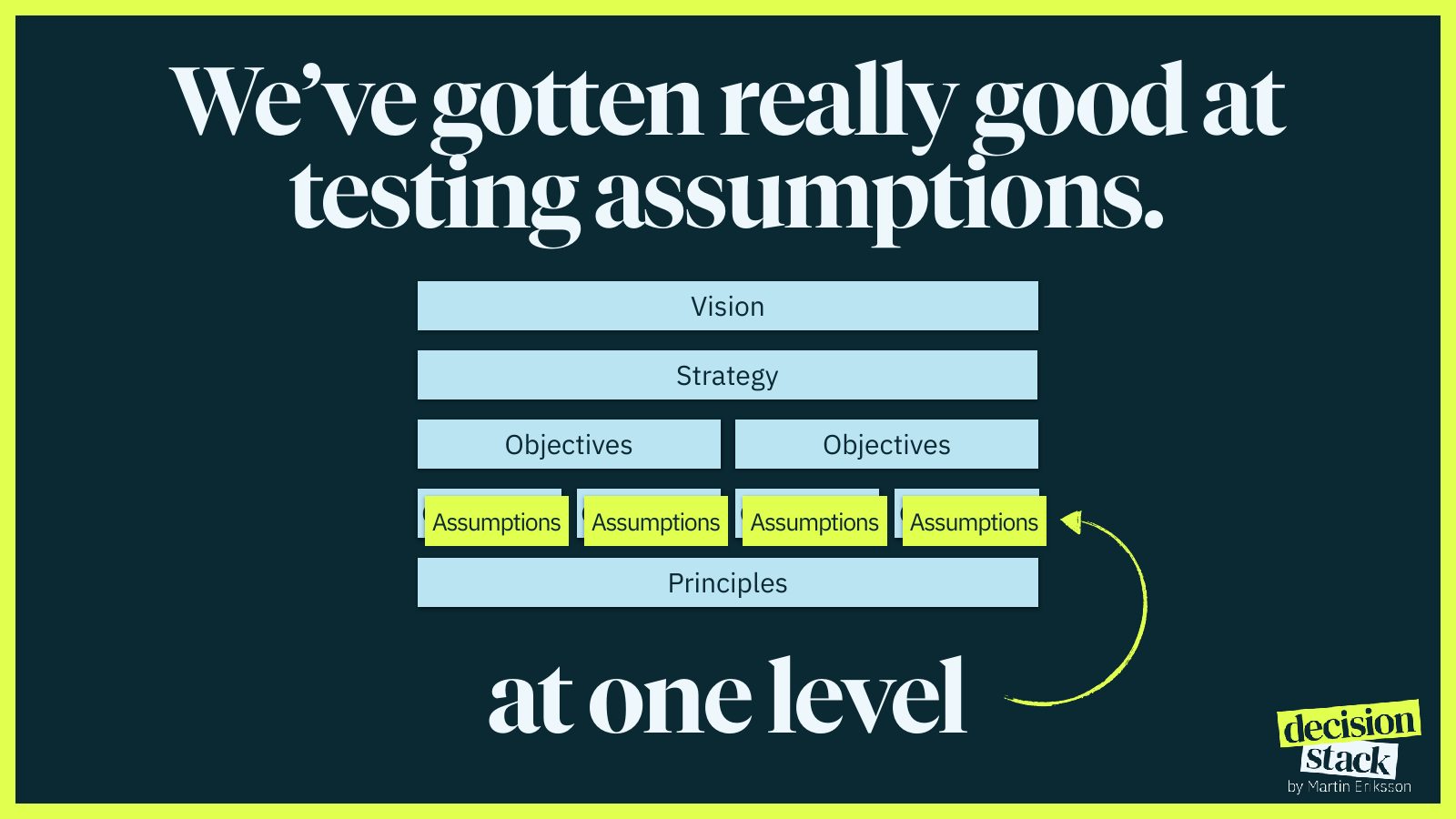
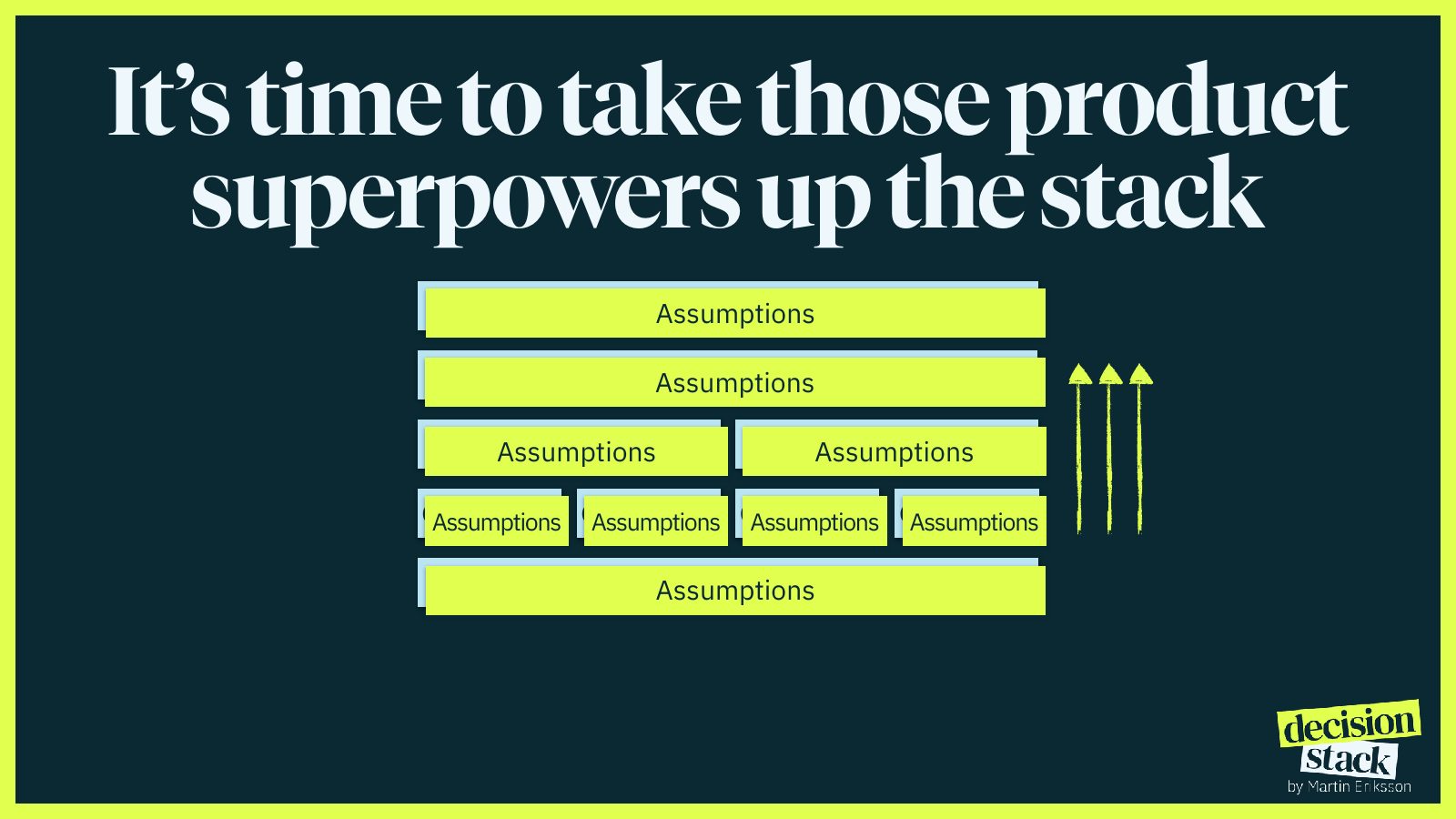
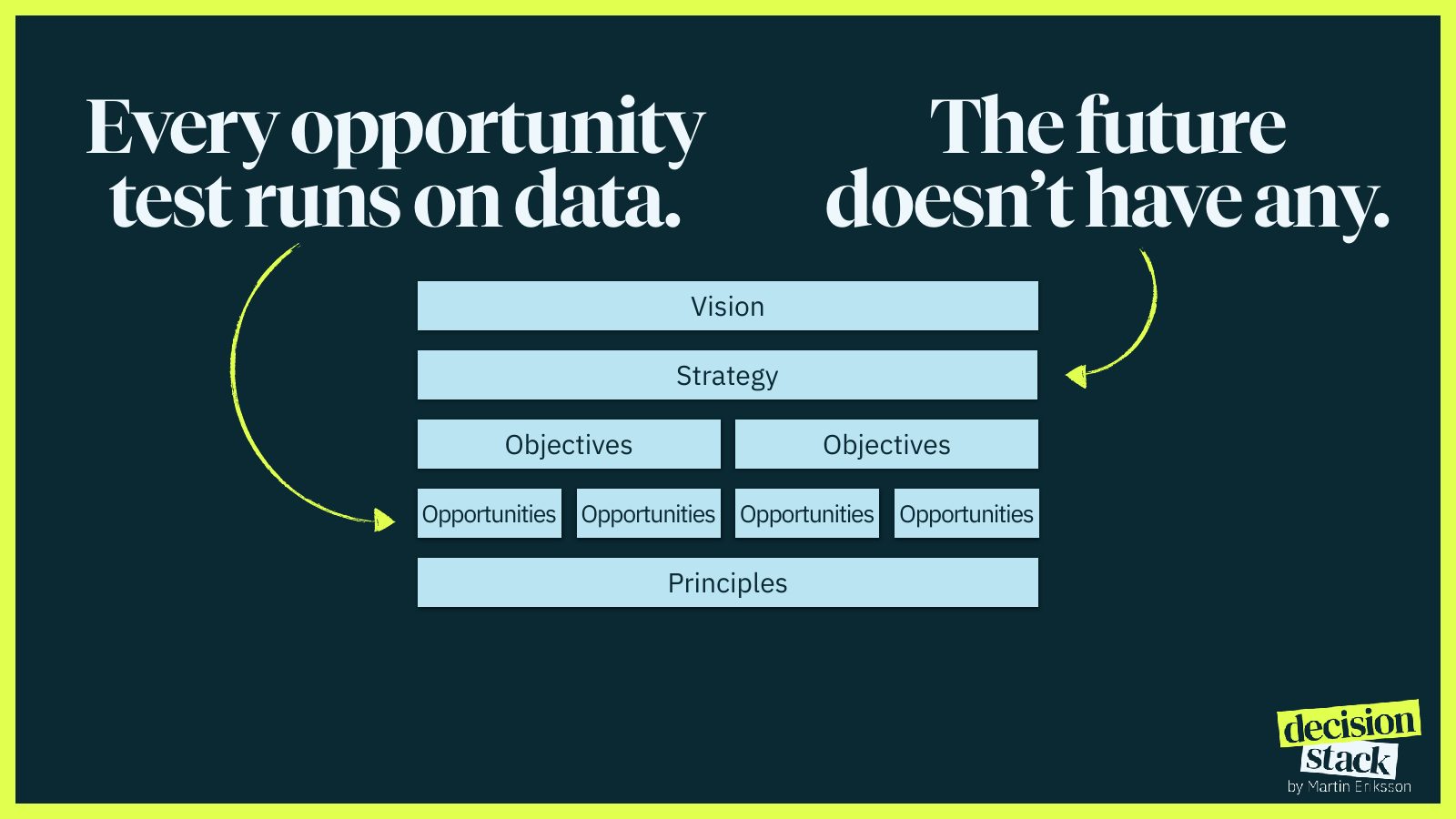
To find it you need to know where it hides. After 30 years in product, co-authoring Product Leadership and advising about 150 companies, Martin boils it down to five questions: where are we going, how do we get there, what matters now, which actions do we take, how do we choose between them. He answers them with vision, strategy, objectives, opportunities and principles, the Decision Stack, but any framework works as long as the layers connect top down through how and bottom up through why. Every layer is a decision, and every decision rests on assumptions. Most companies have a vision on a lobby poster, a strategy in a PowerPoint on a file server, OKRs in a forgotten spreadsheet, and now sprinkle AI strategy on top.
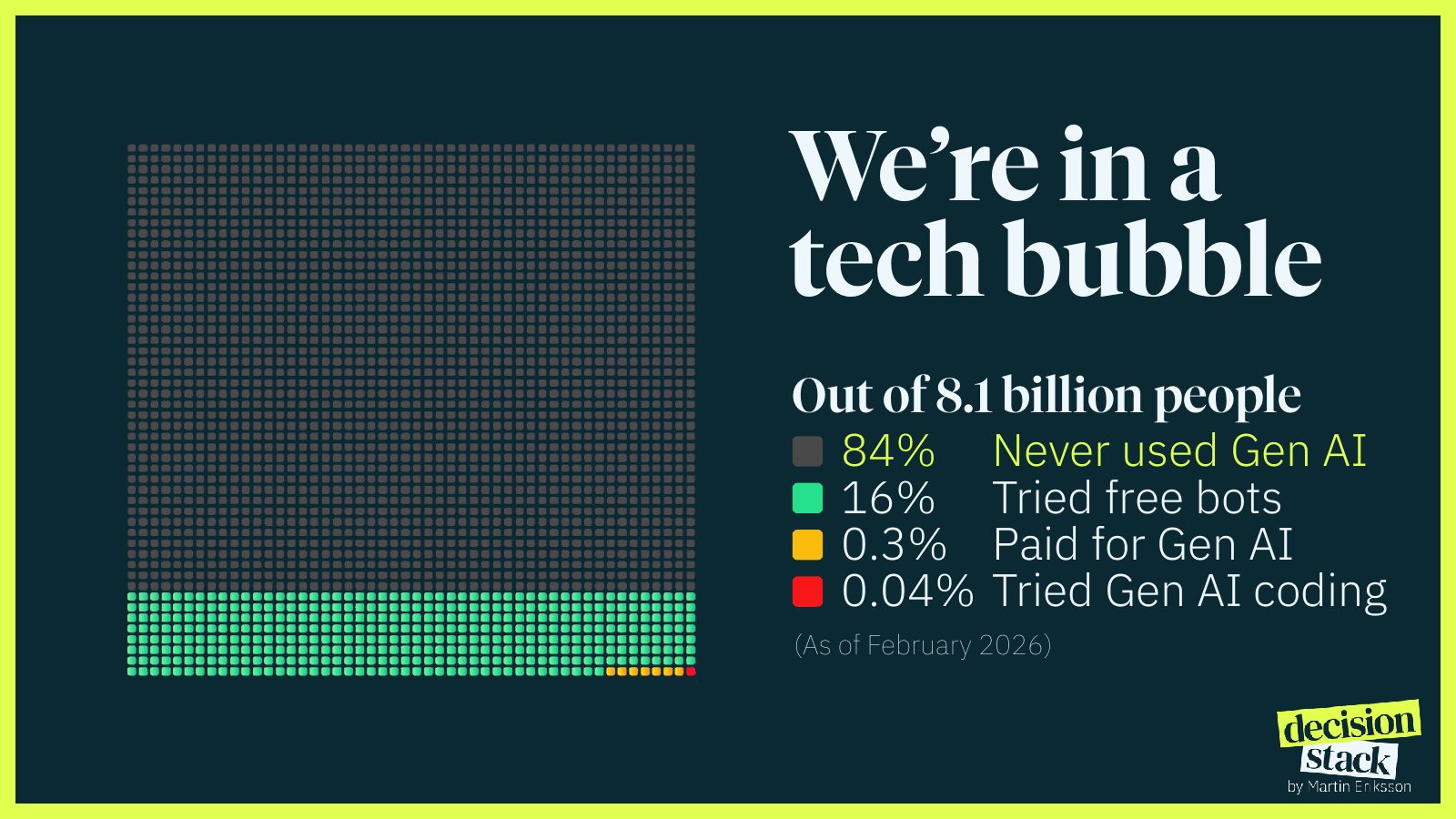
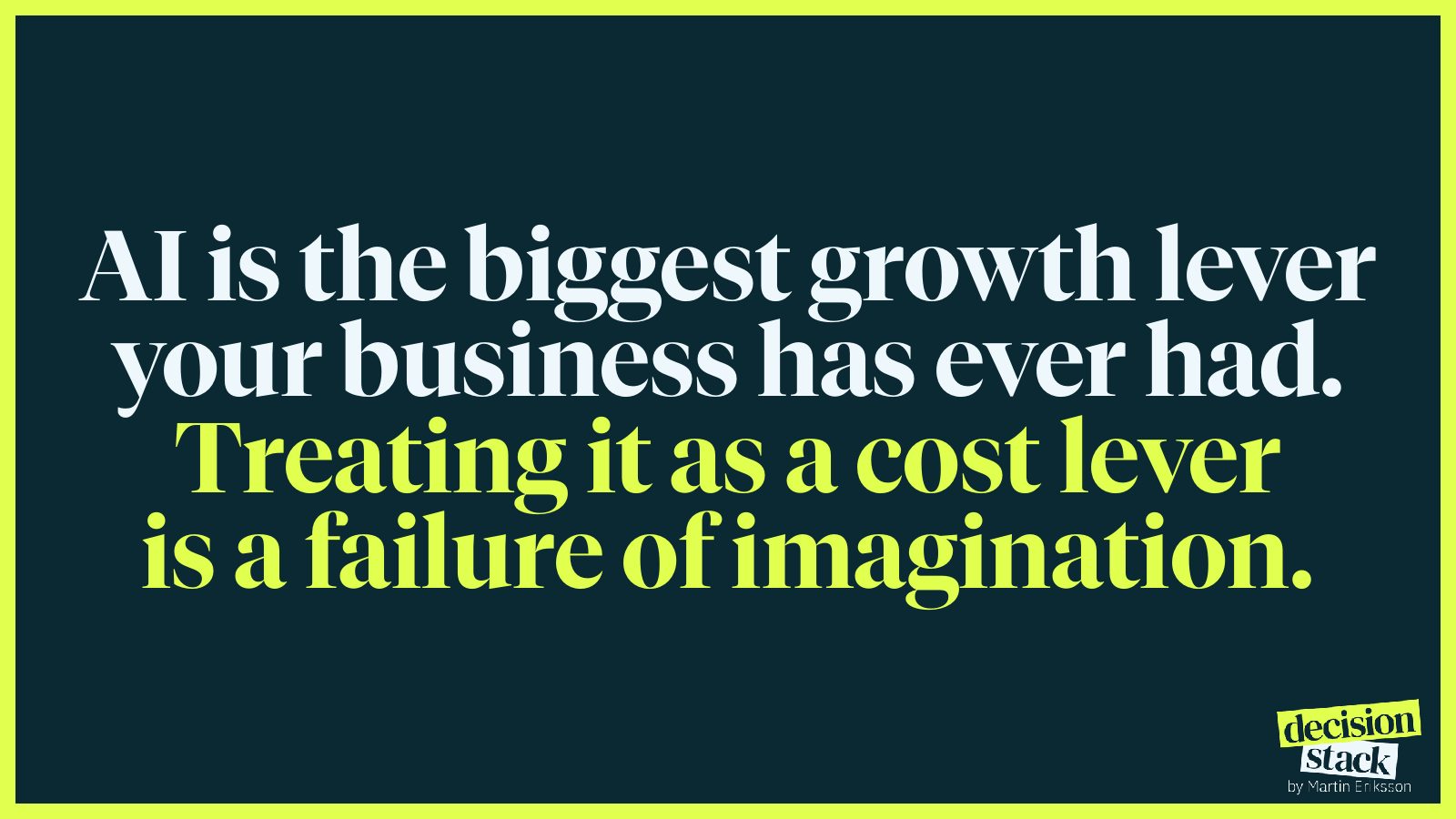
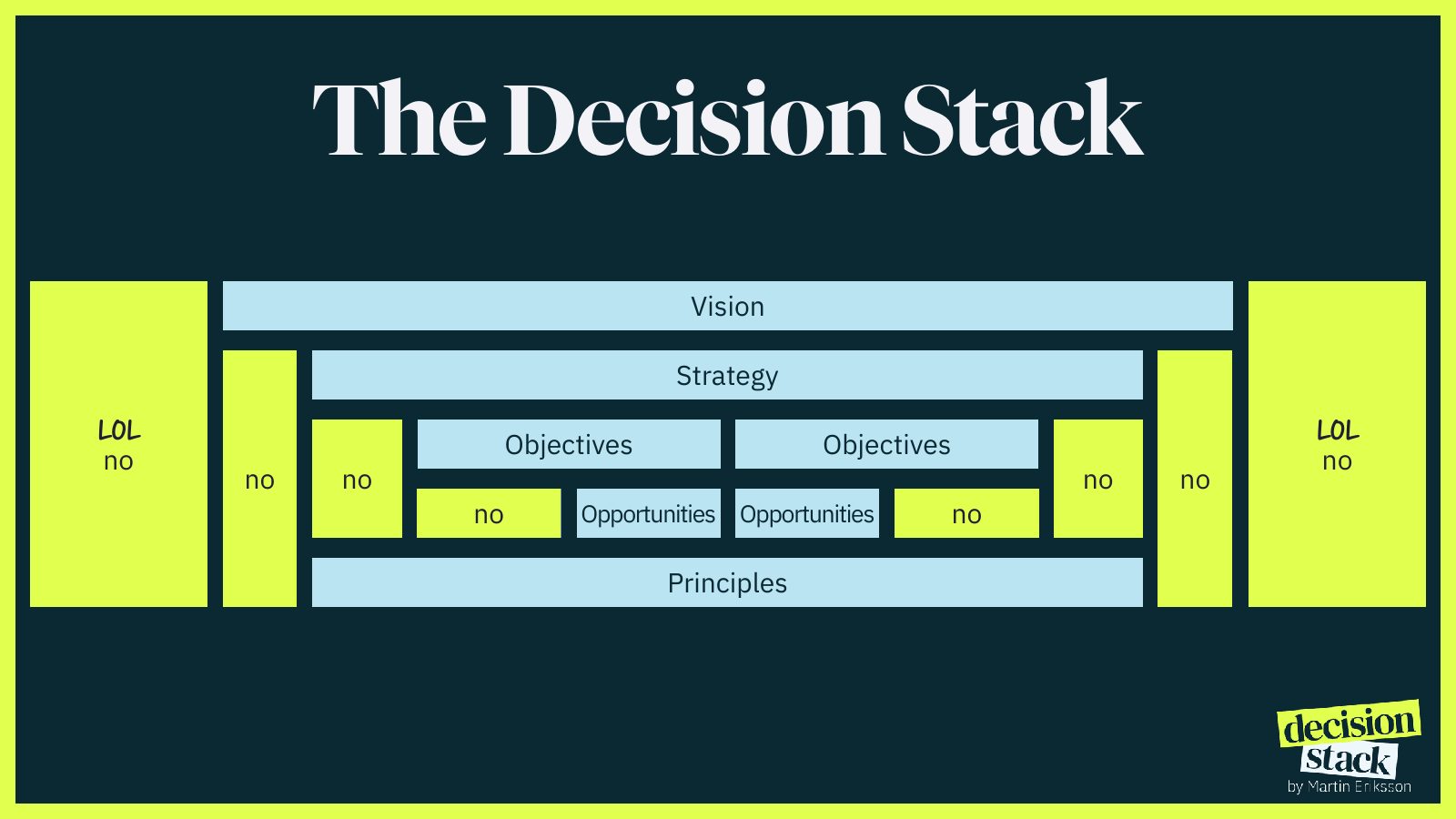
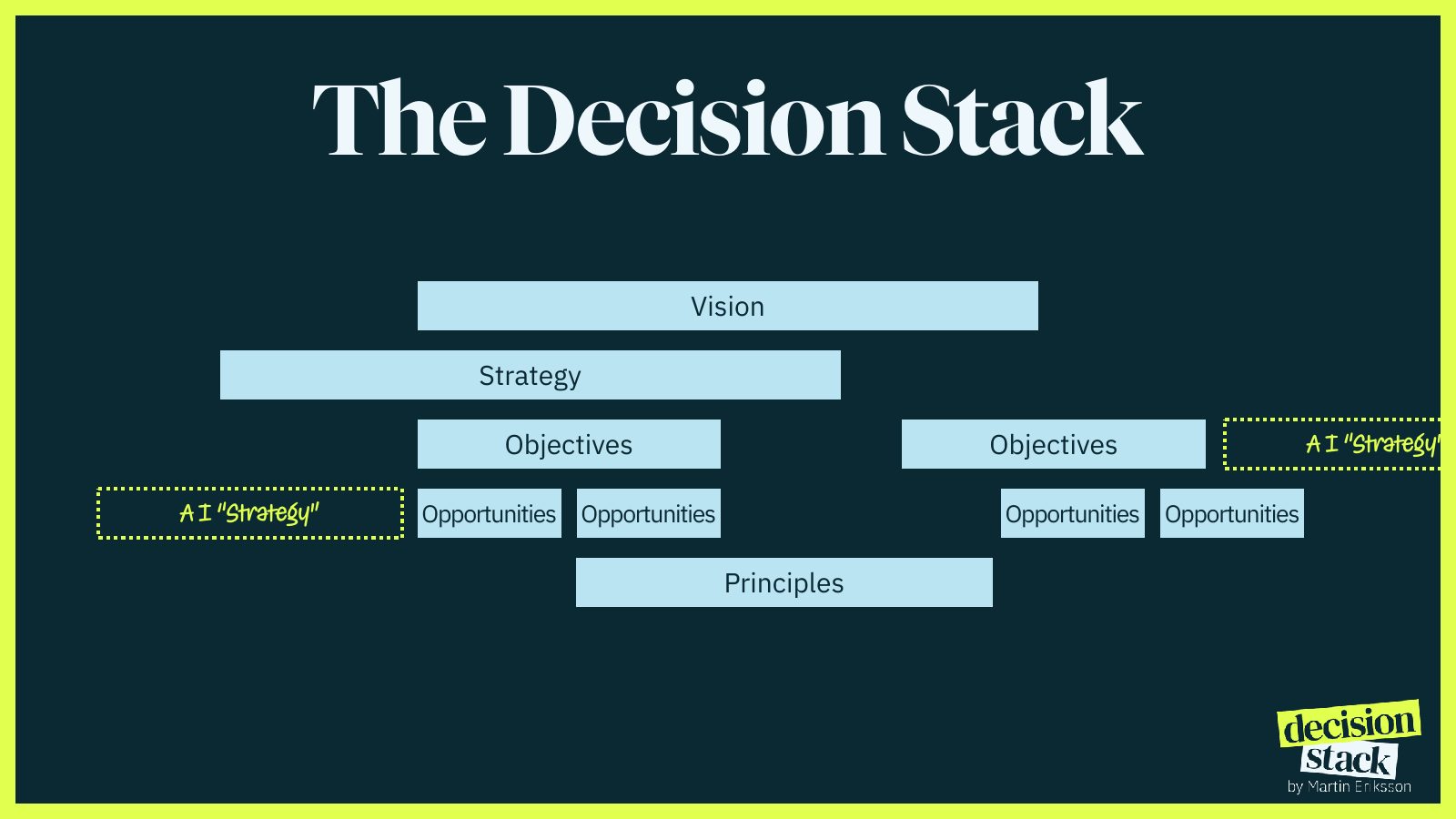
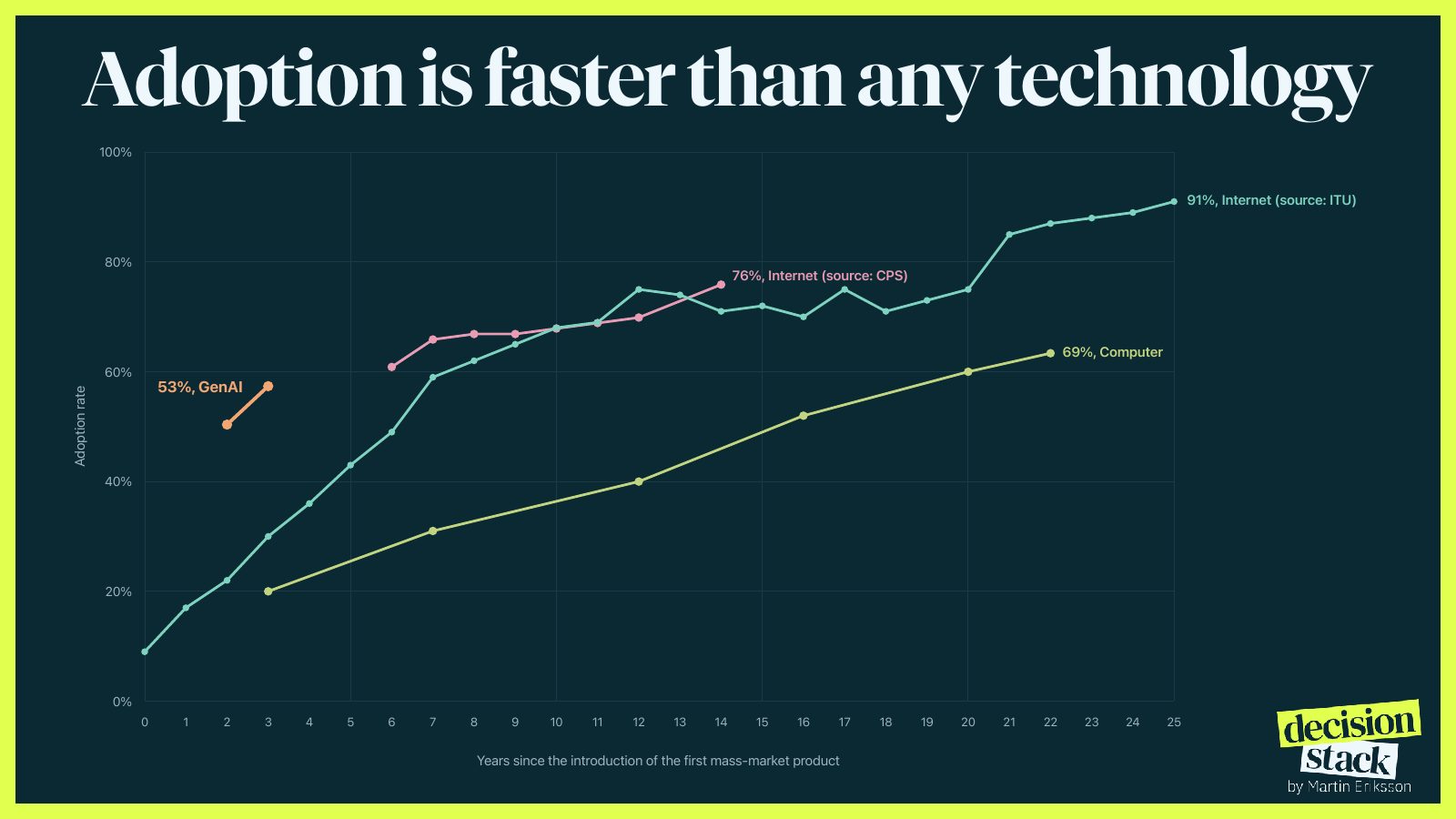
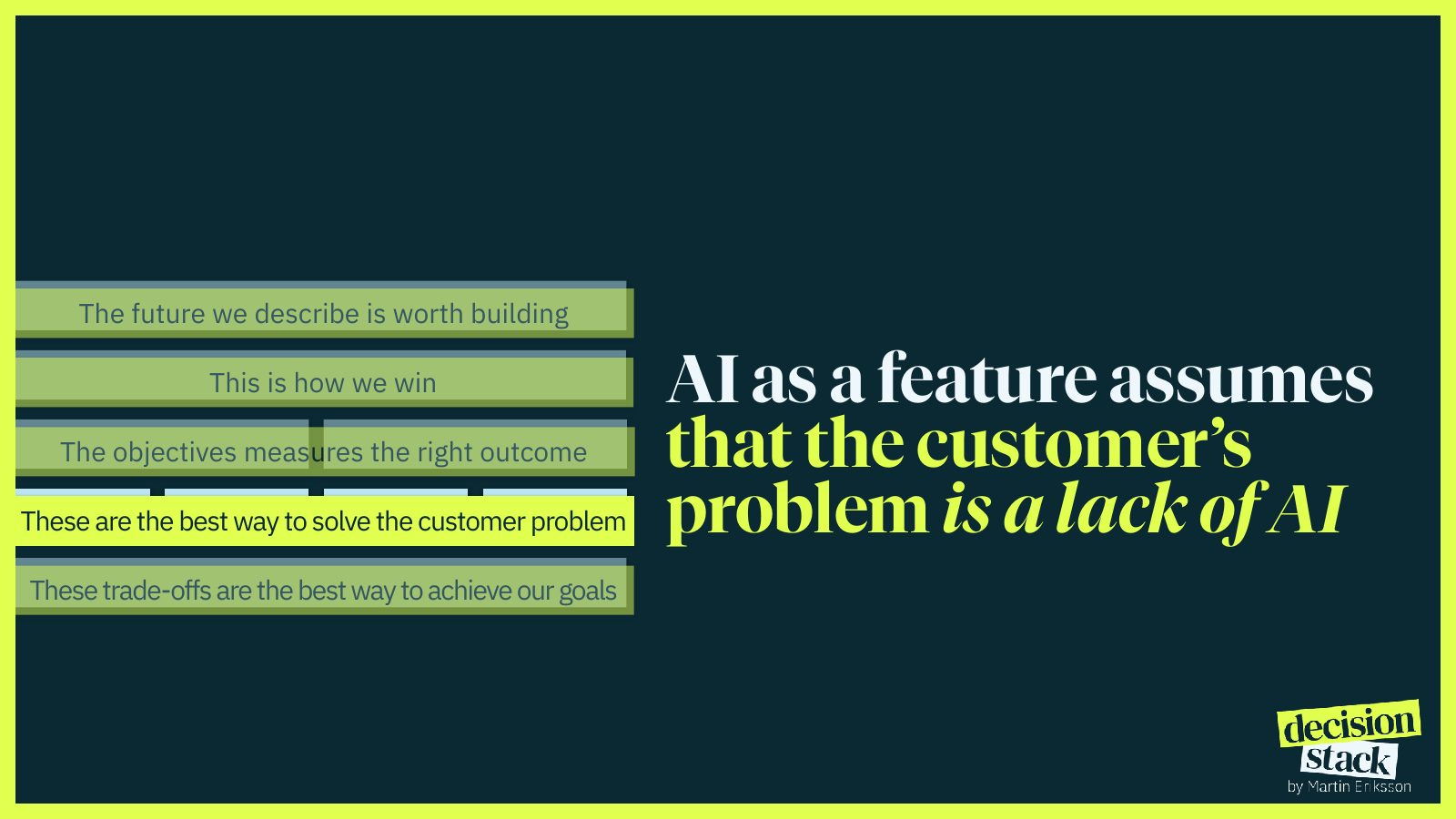
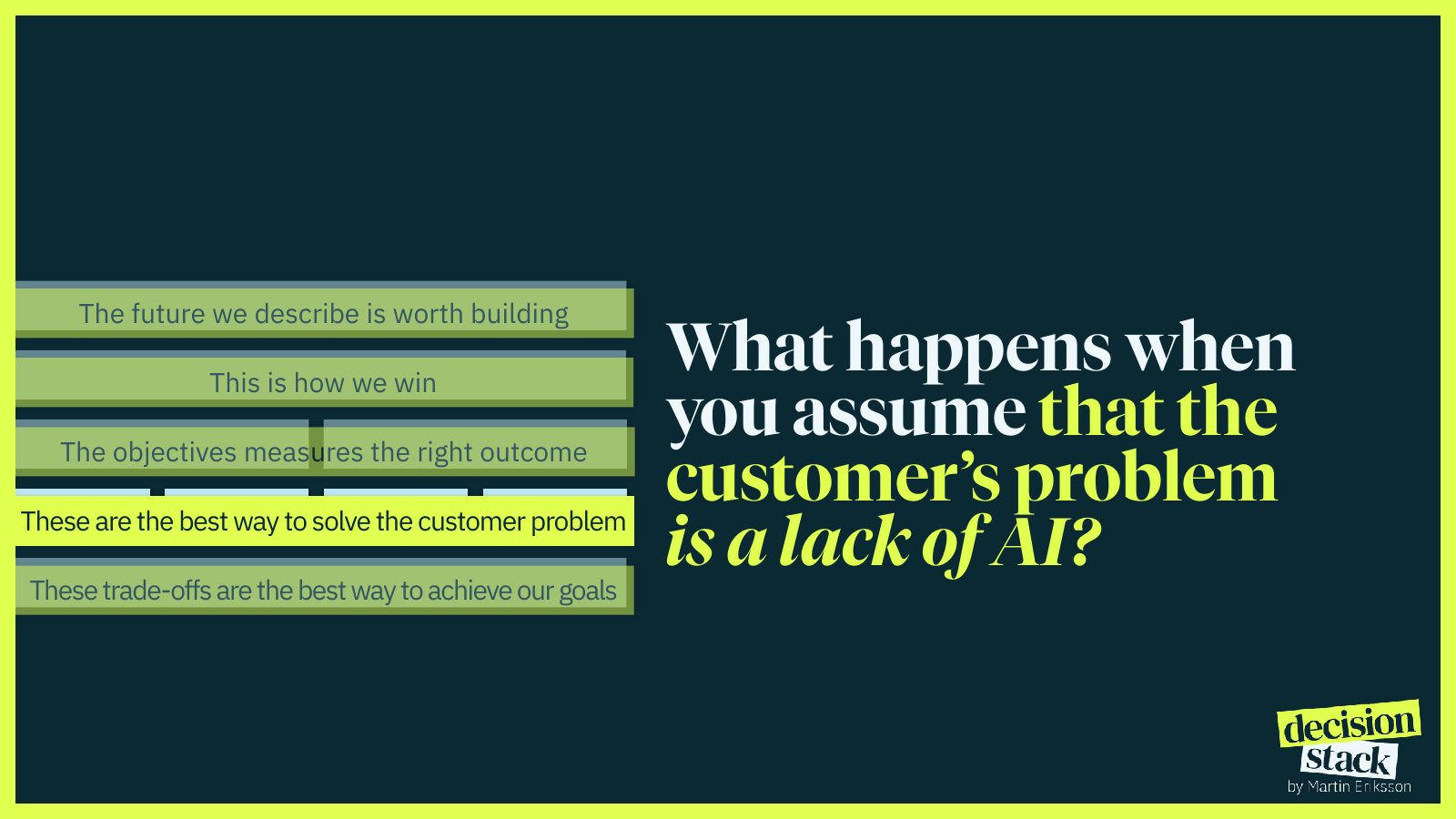
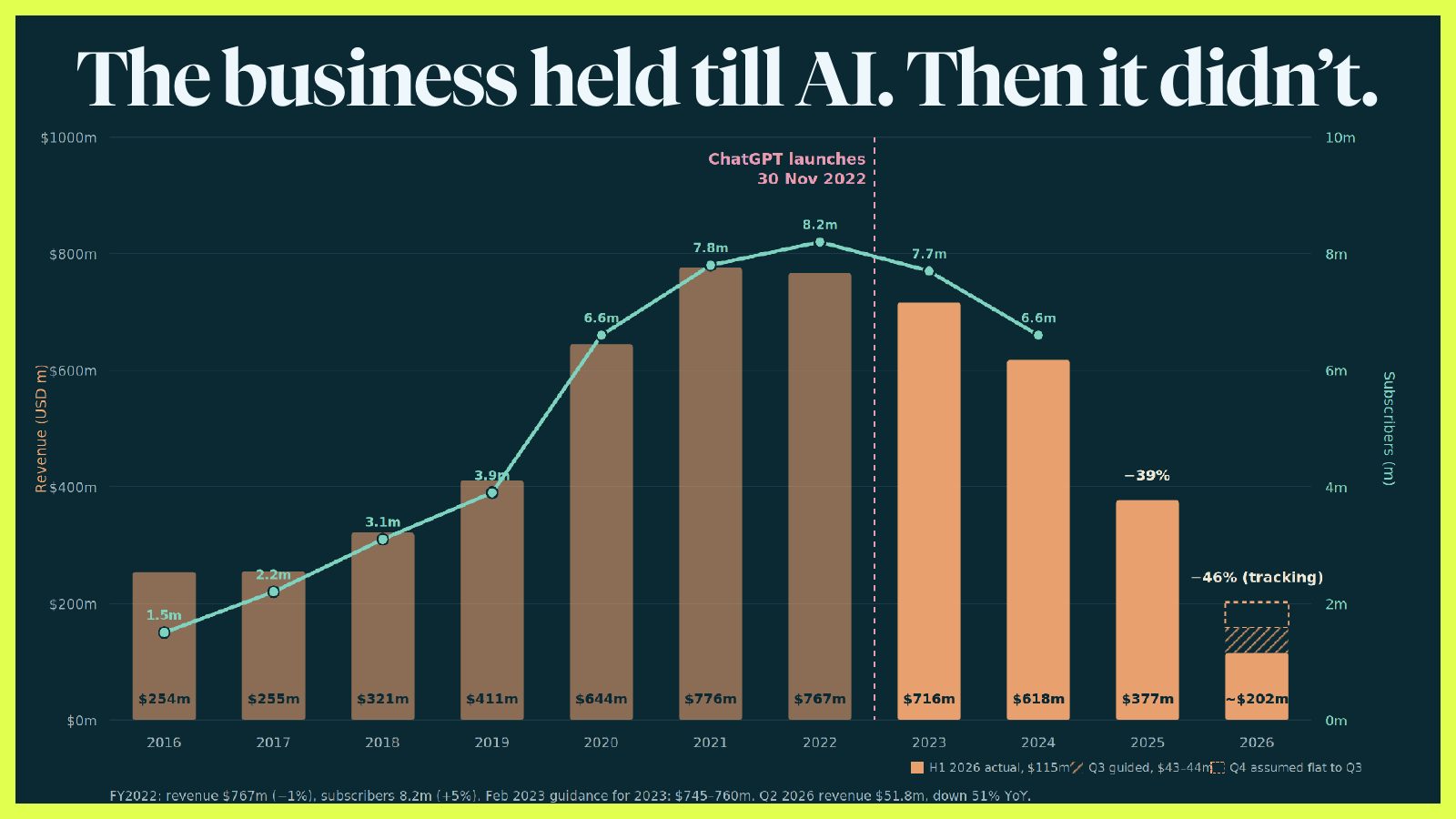
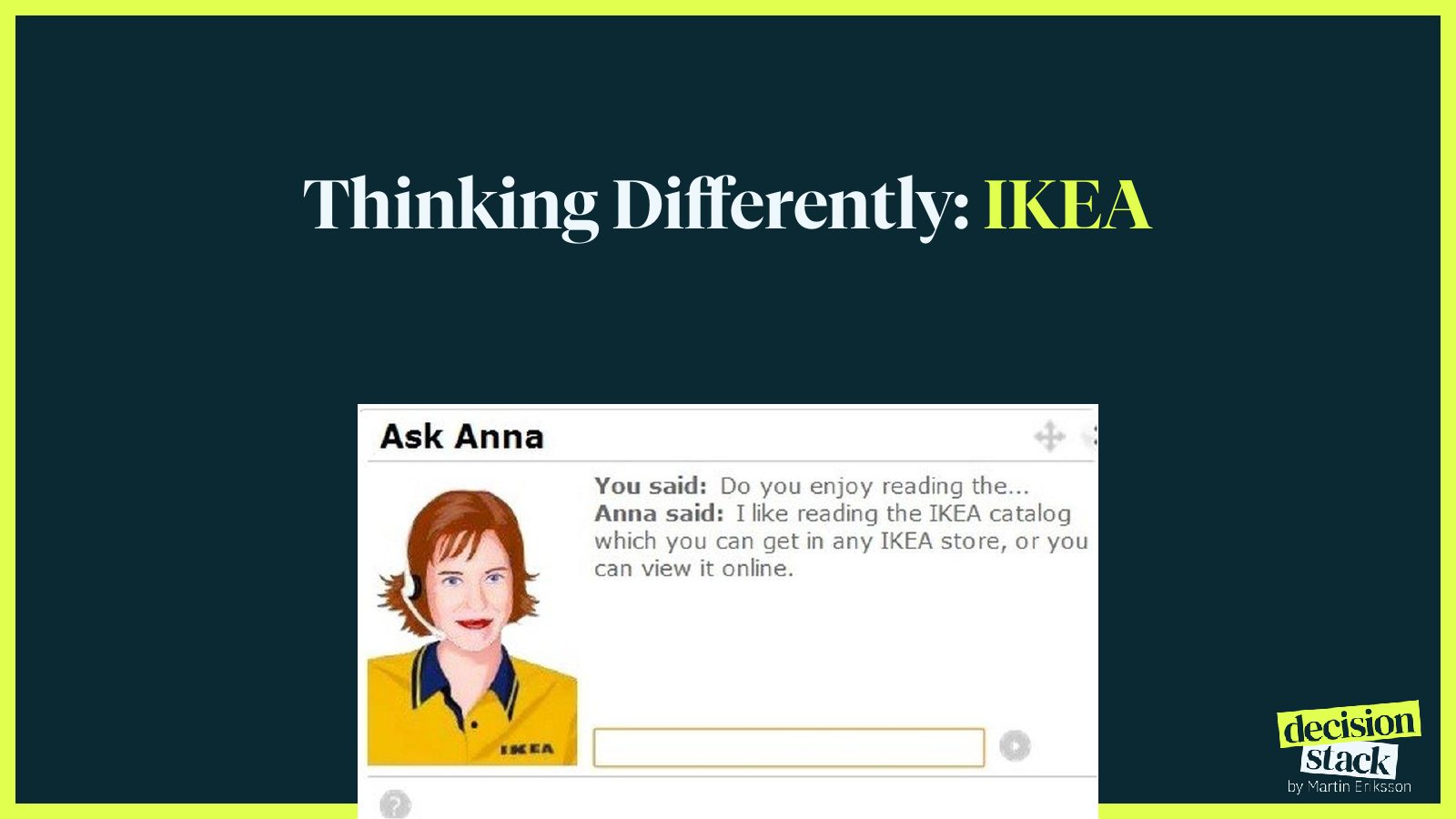
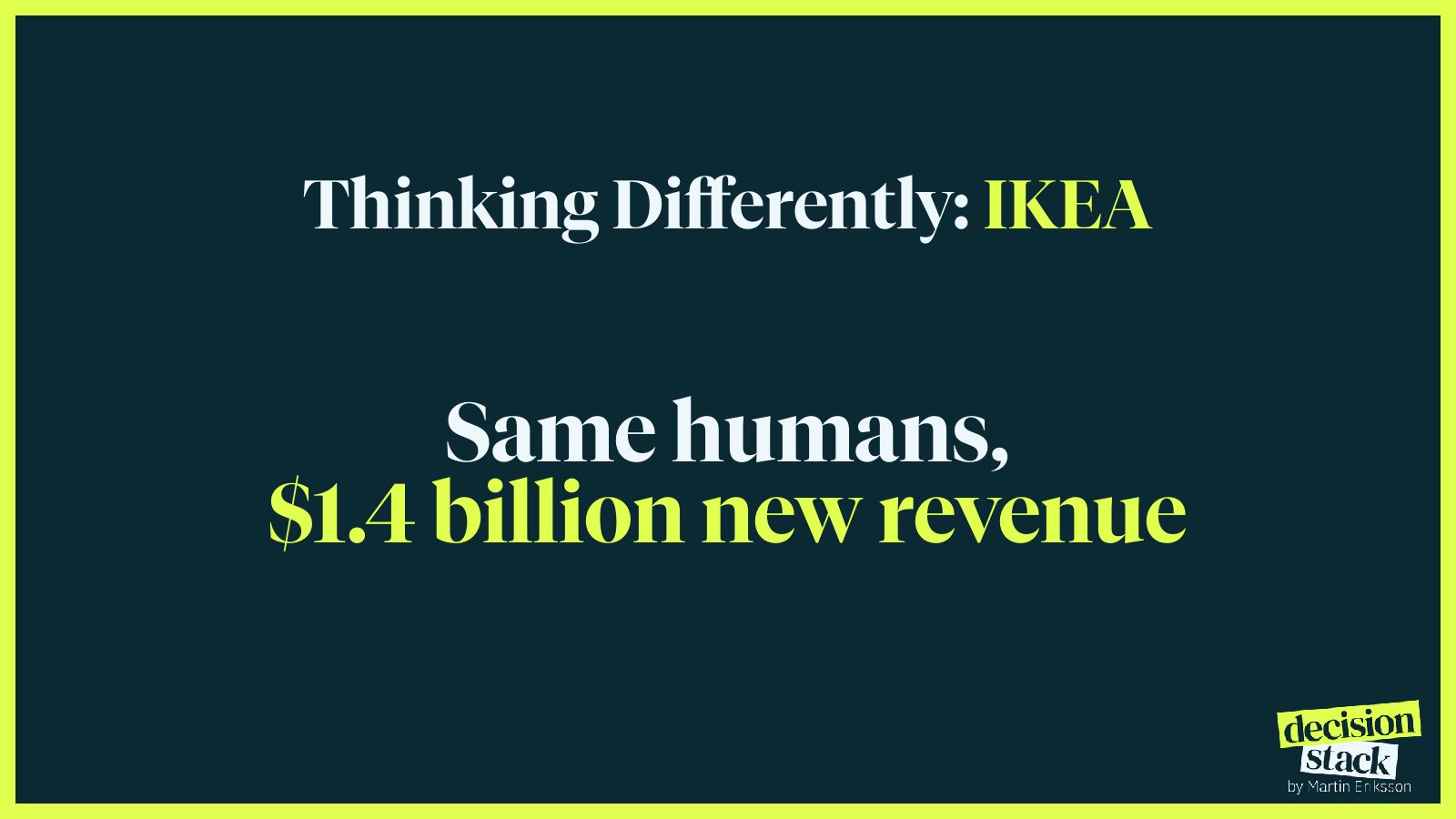
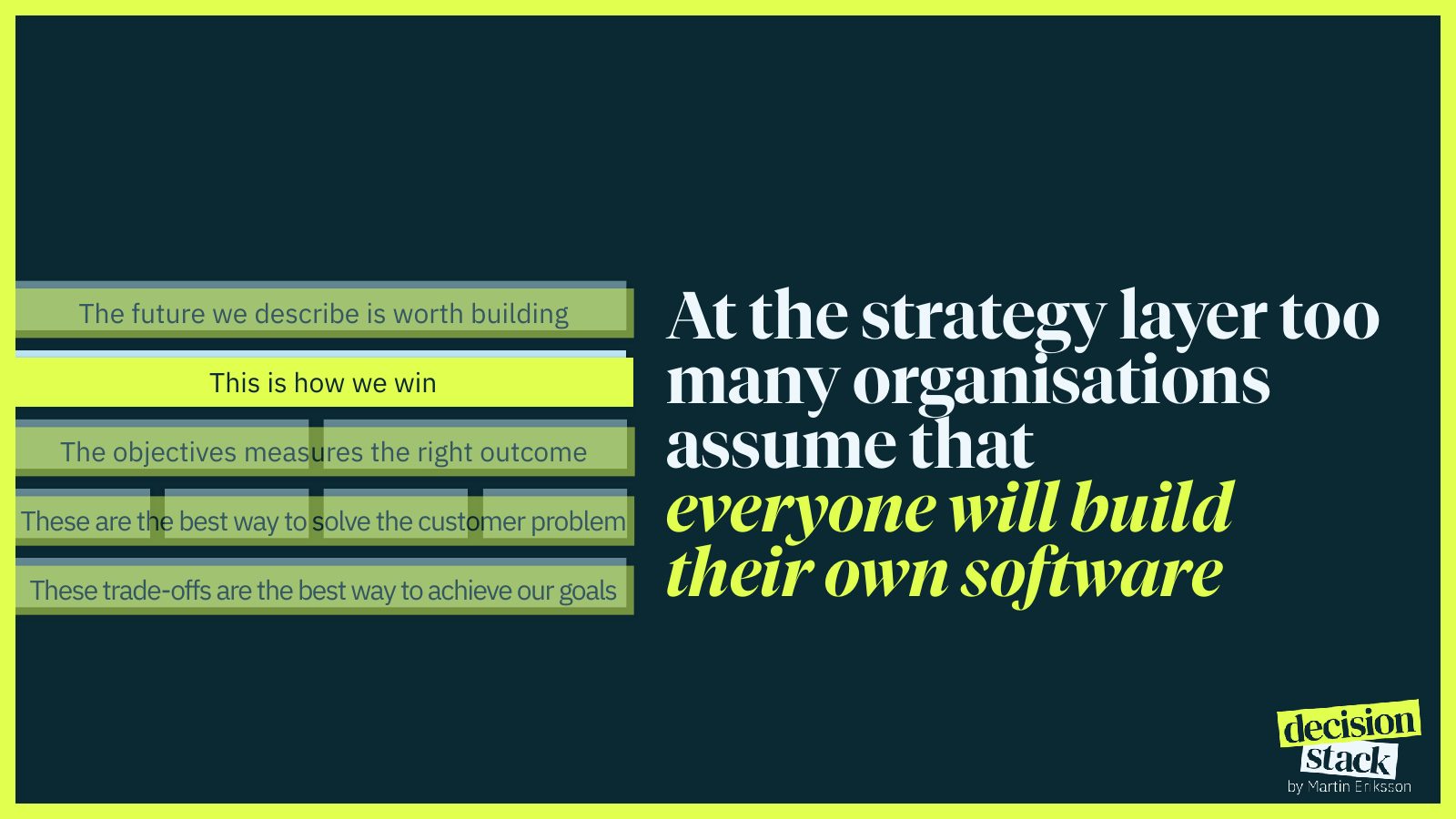
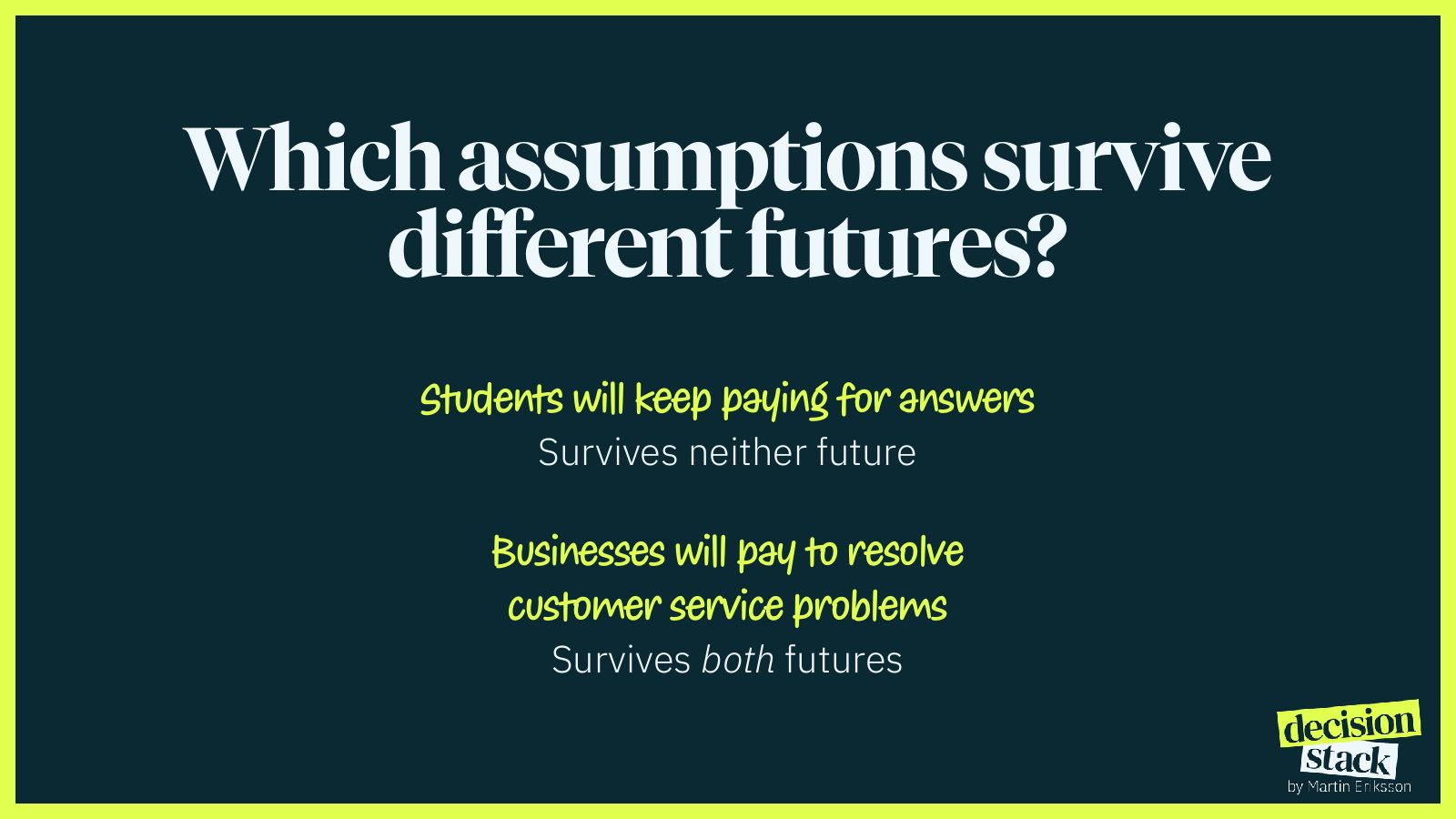
Then come the failure modes. Most companies look only at the opportunities layer and treat AI as a feature, which assumes the customer's problem is a lack of AI. Four in five people on earth have never used generative AI, and a Washington State University study found the label artificial intelligence reduces purchase intent. Chegg built CheggMate with OpenAI while the broken assumption sat higher up: students would not keep paying for answers ChatGPT gives away. The stock halved during the earnings call and revenue fell 75 percent. The second failure is AI as cost cutting. IKEA's agent resolved half of all tickets, the rest were design questions, so IKEA retrained support staff as remote interior designers and booked 1.4 billion dollars in new revenue in year one.
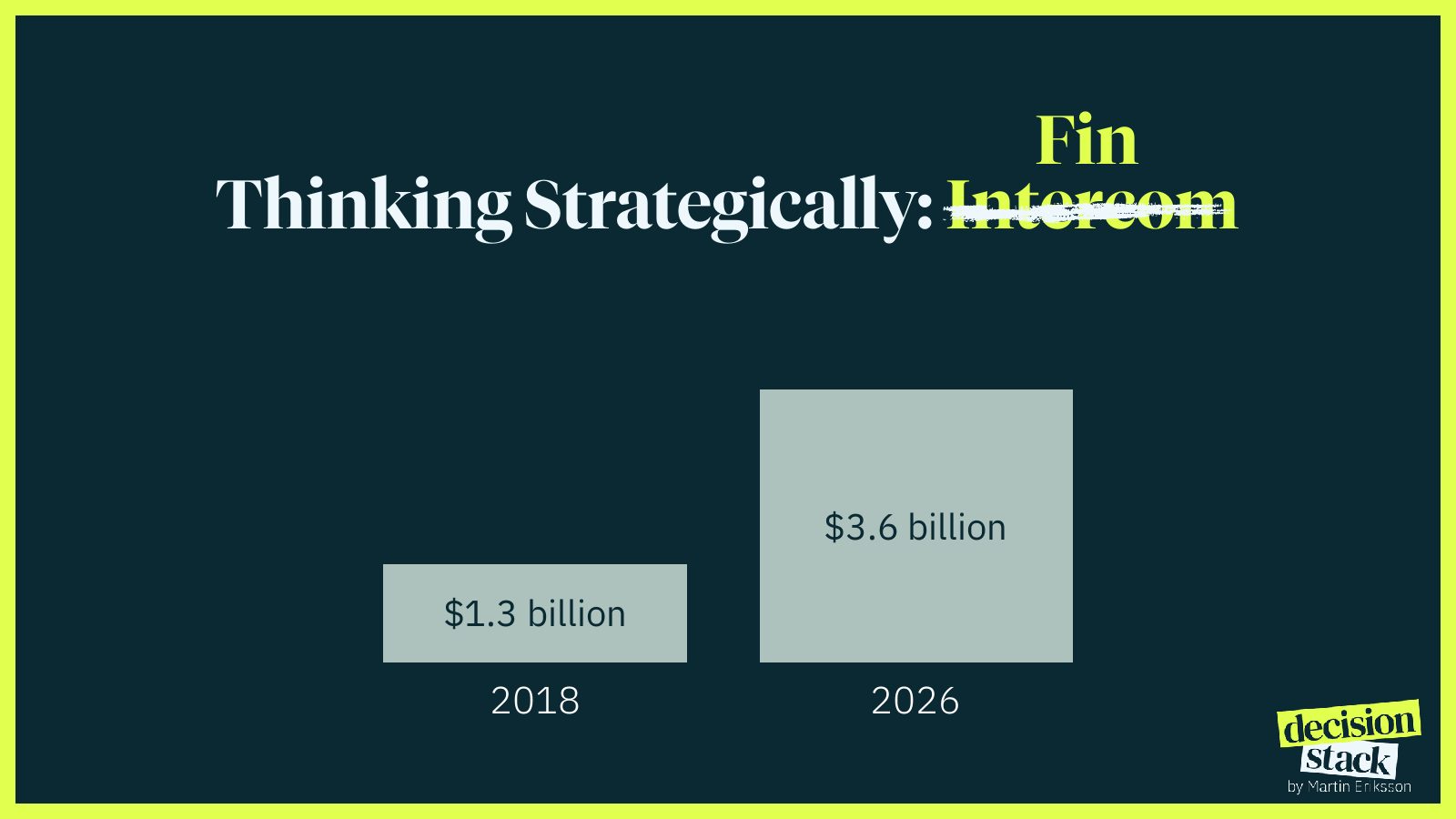
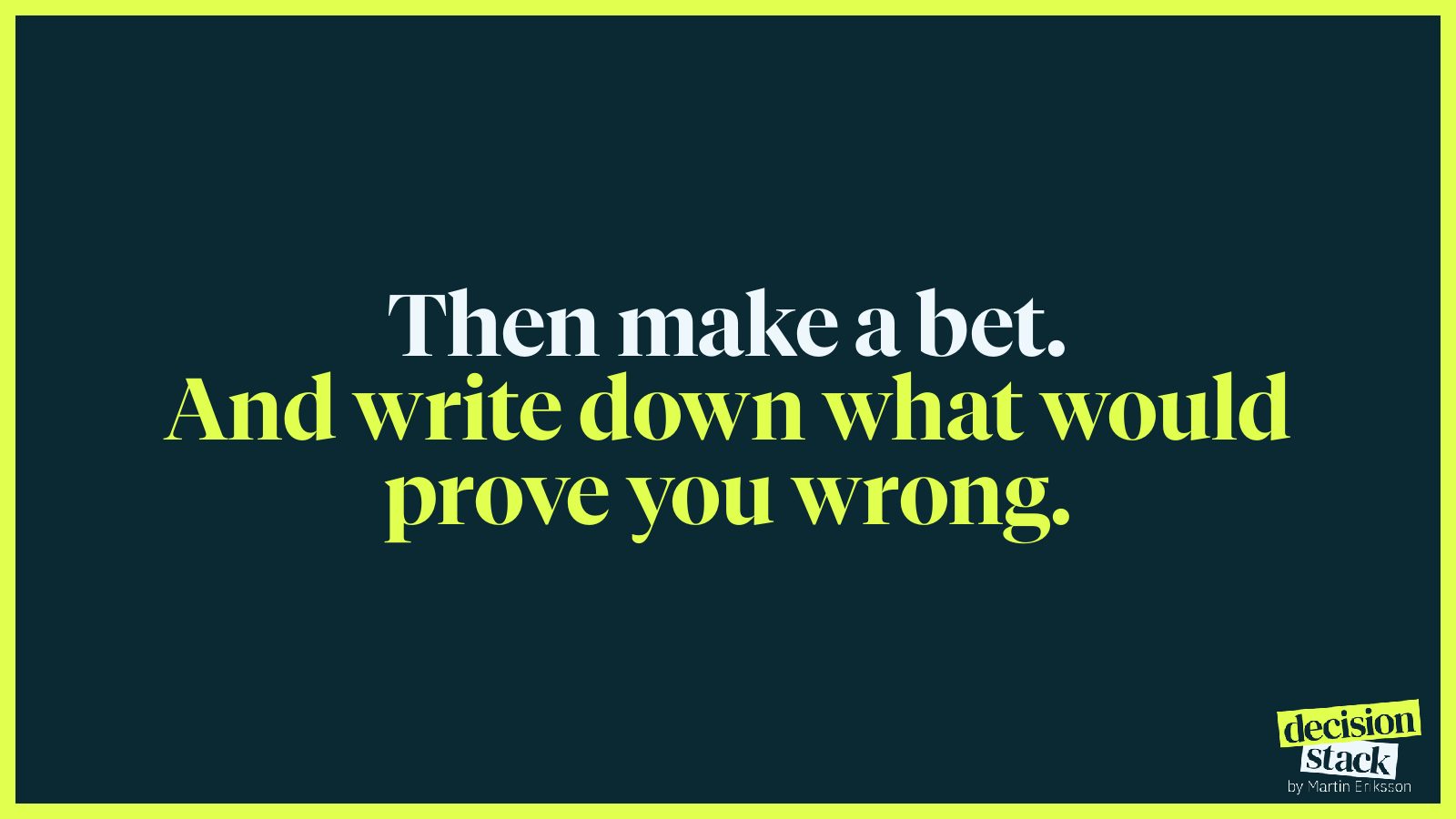
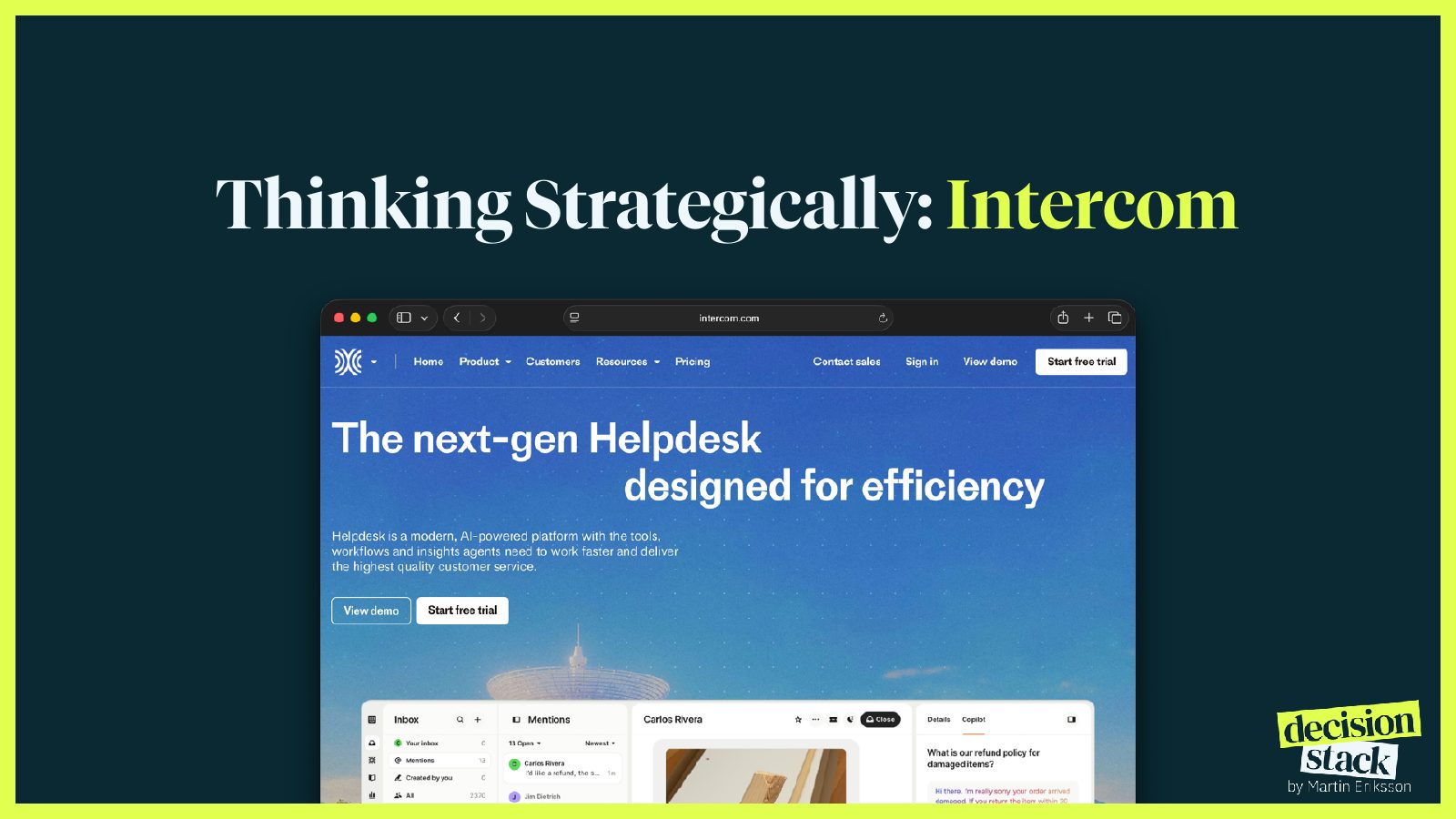
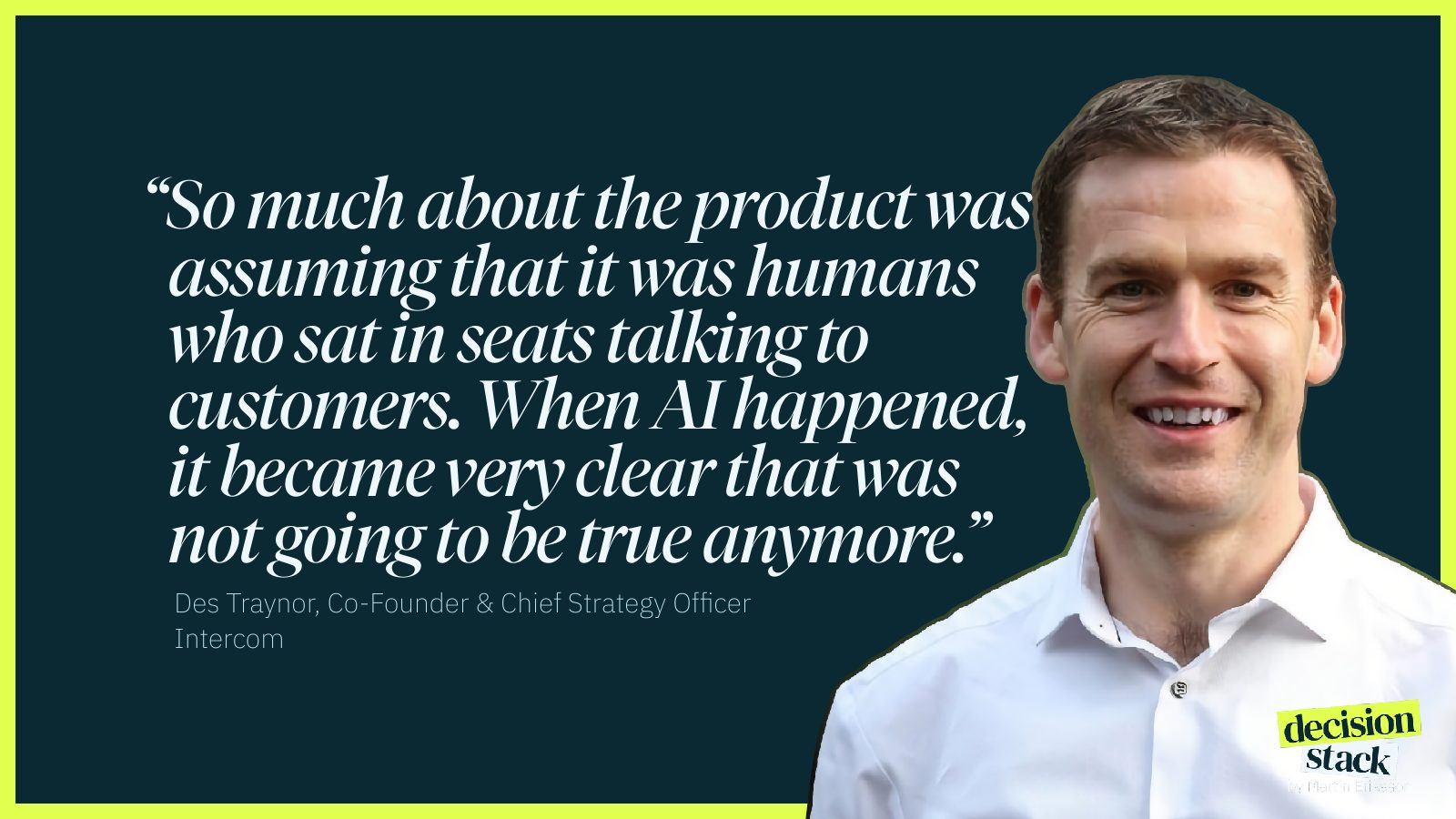
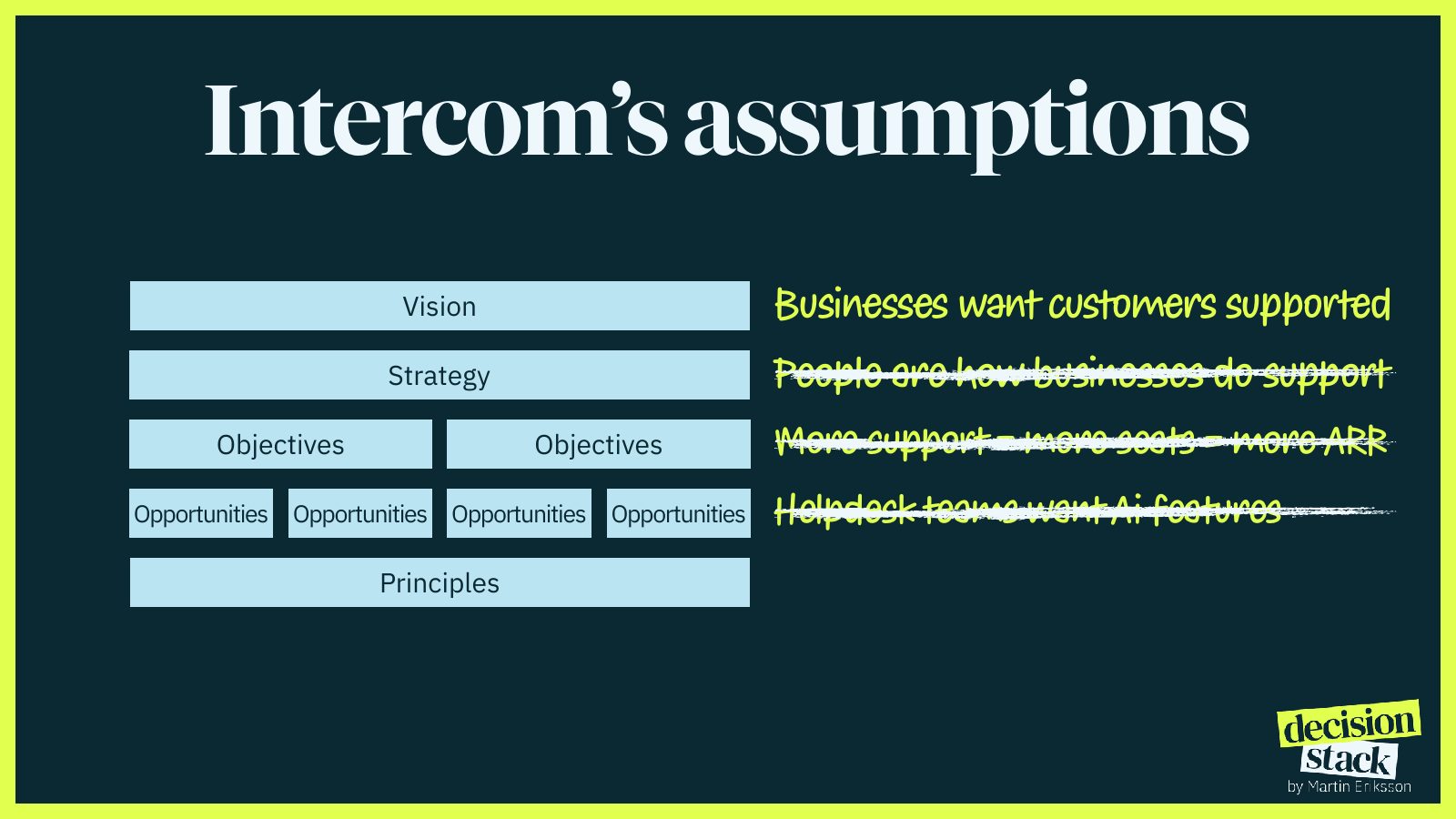
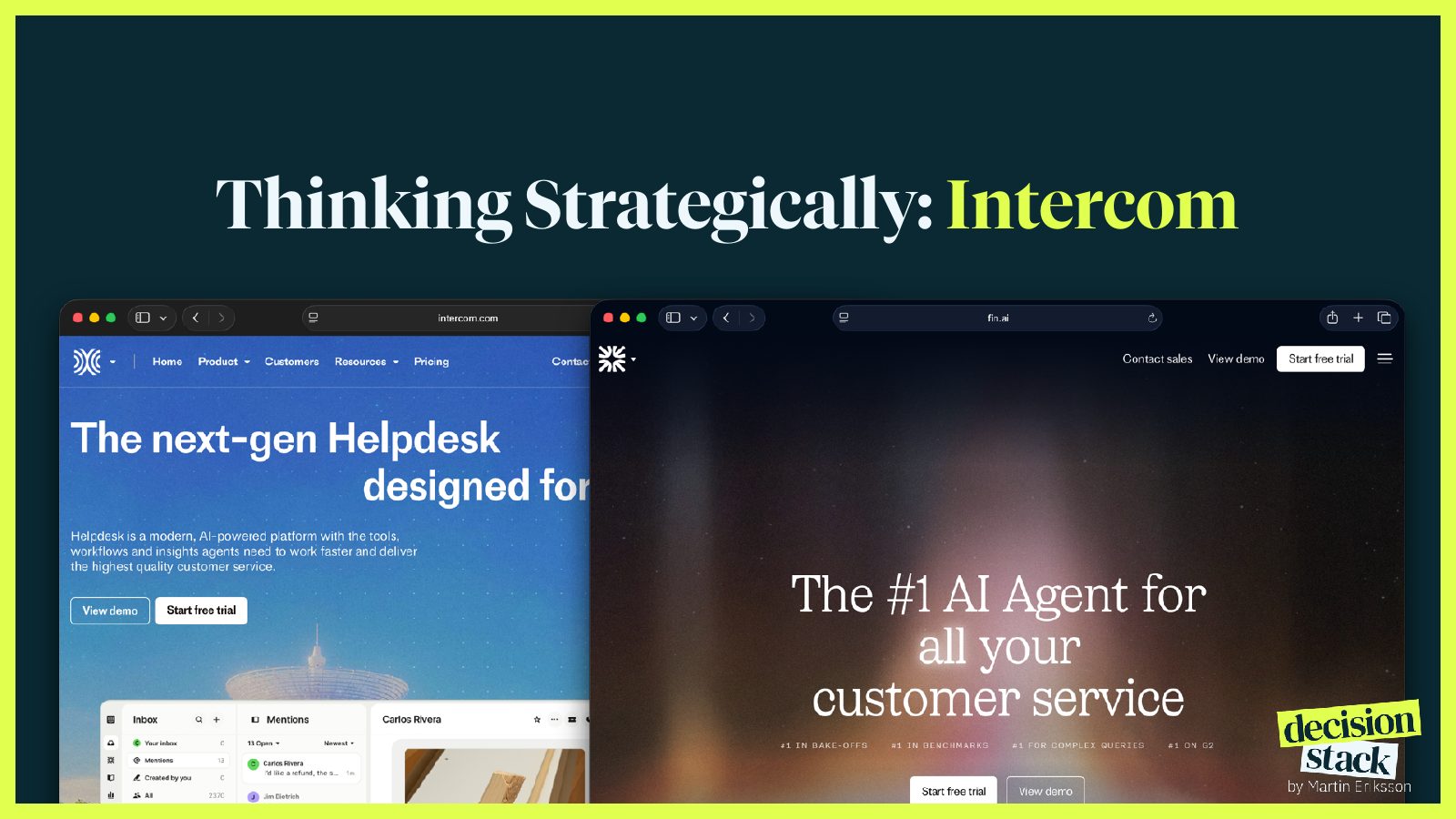
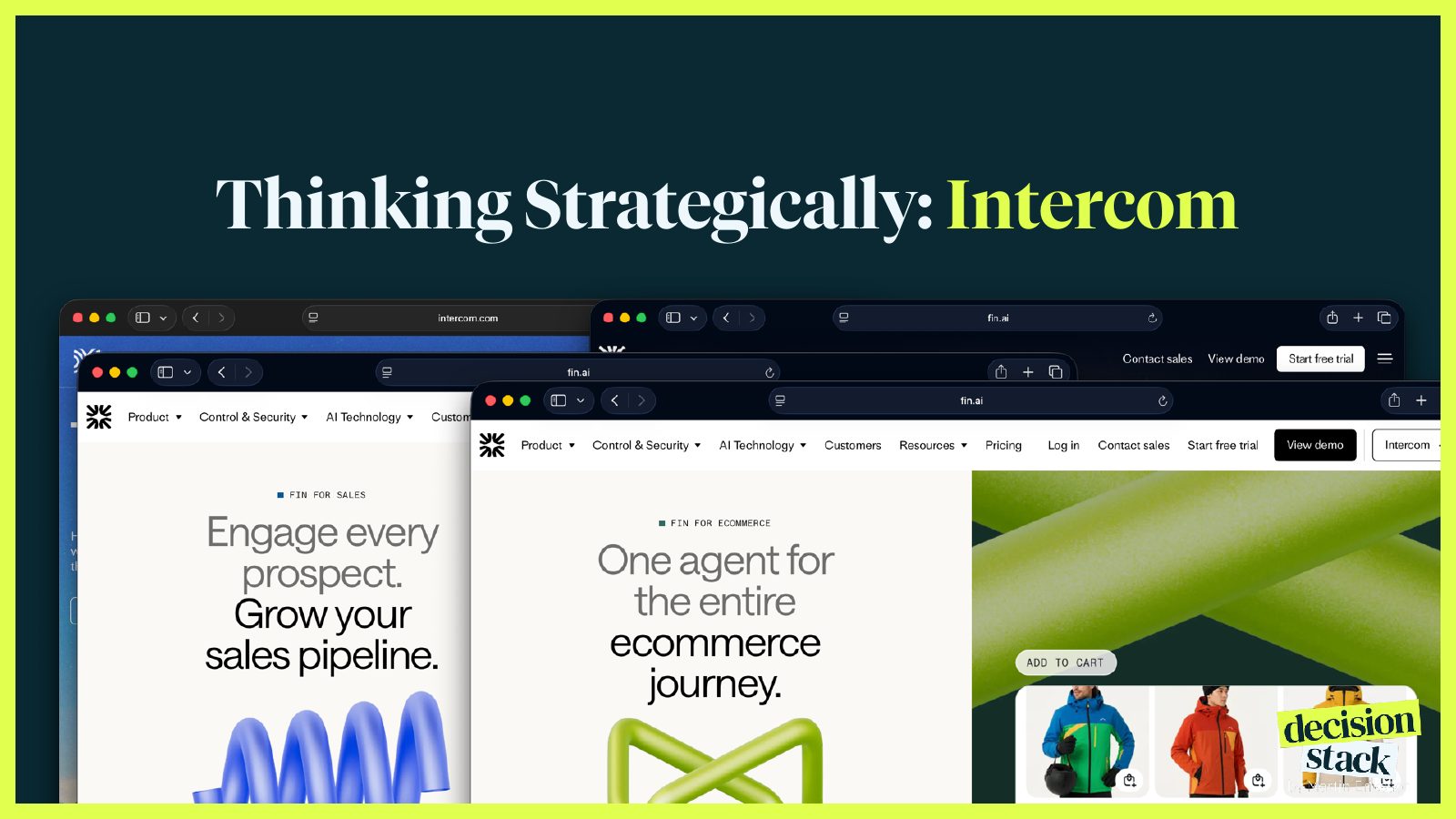
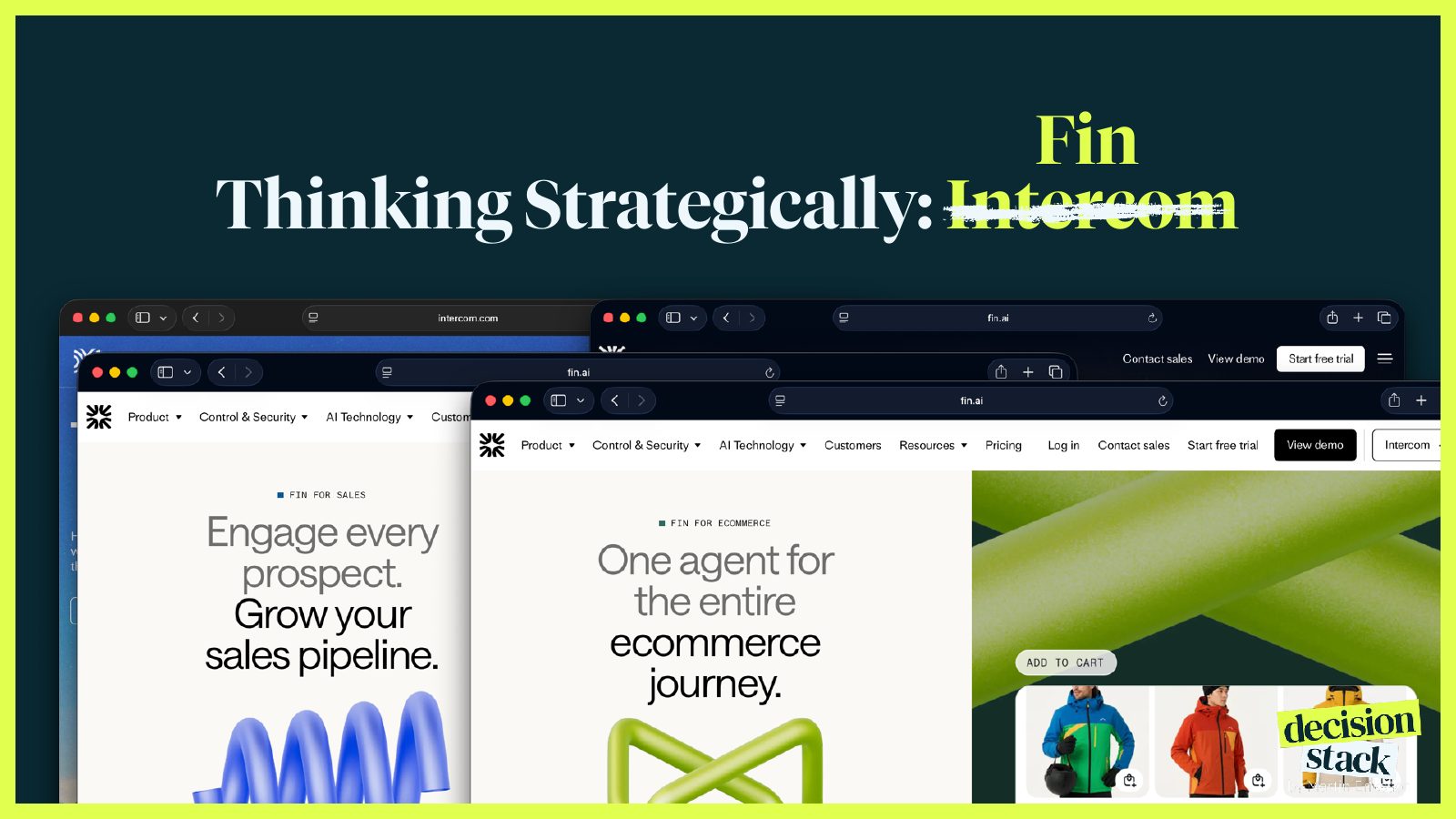
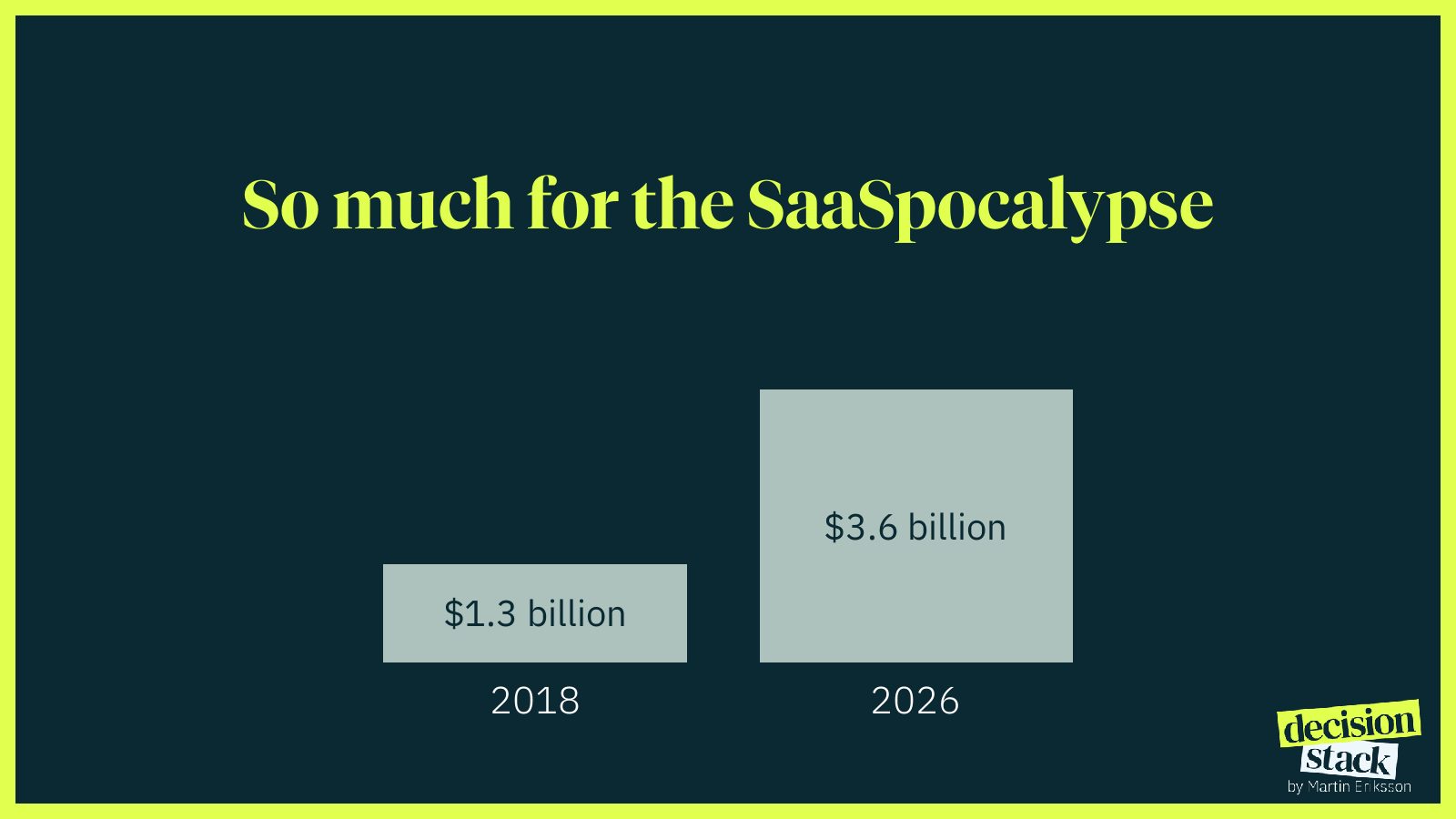
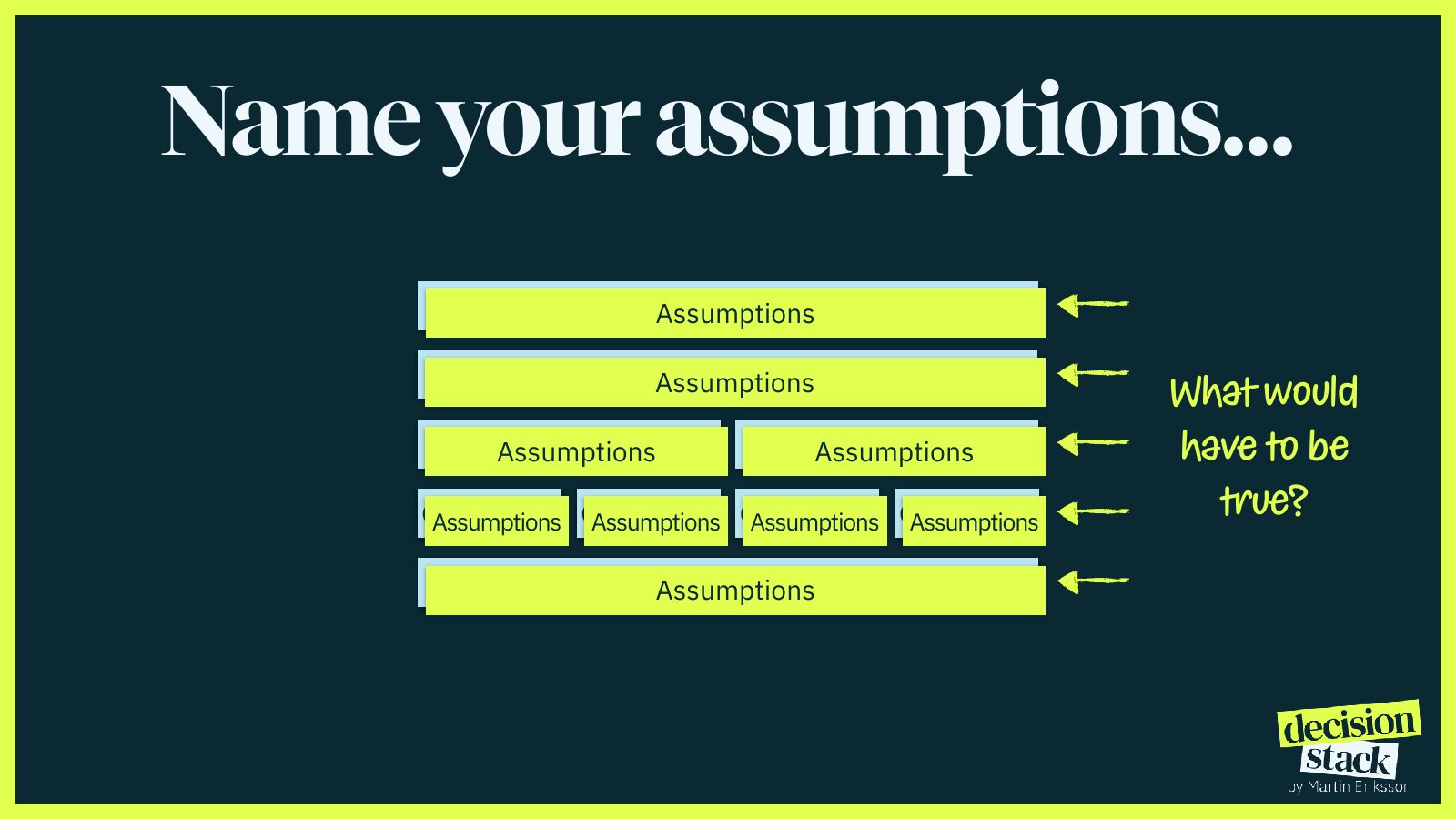
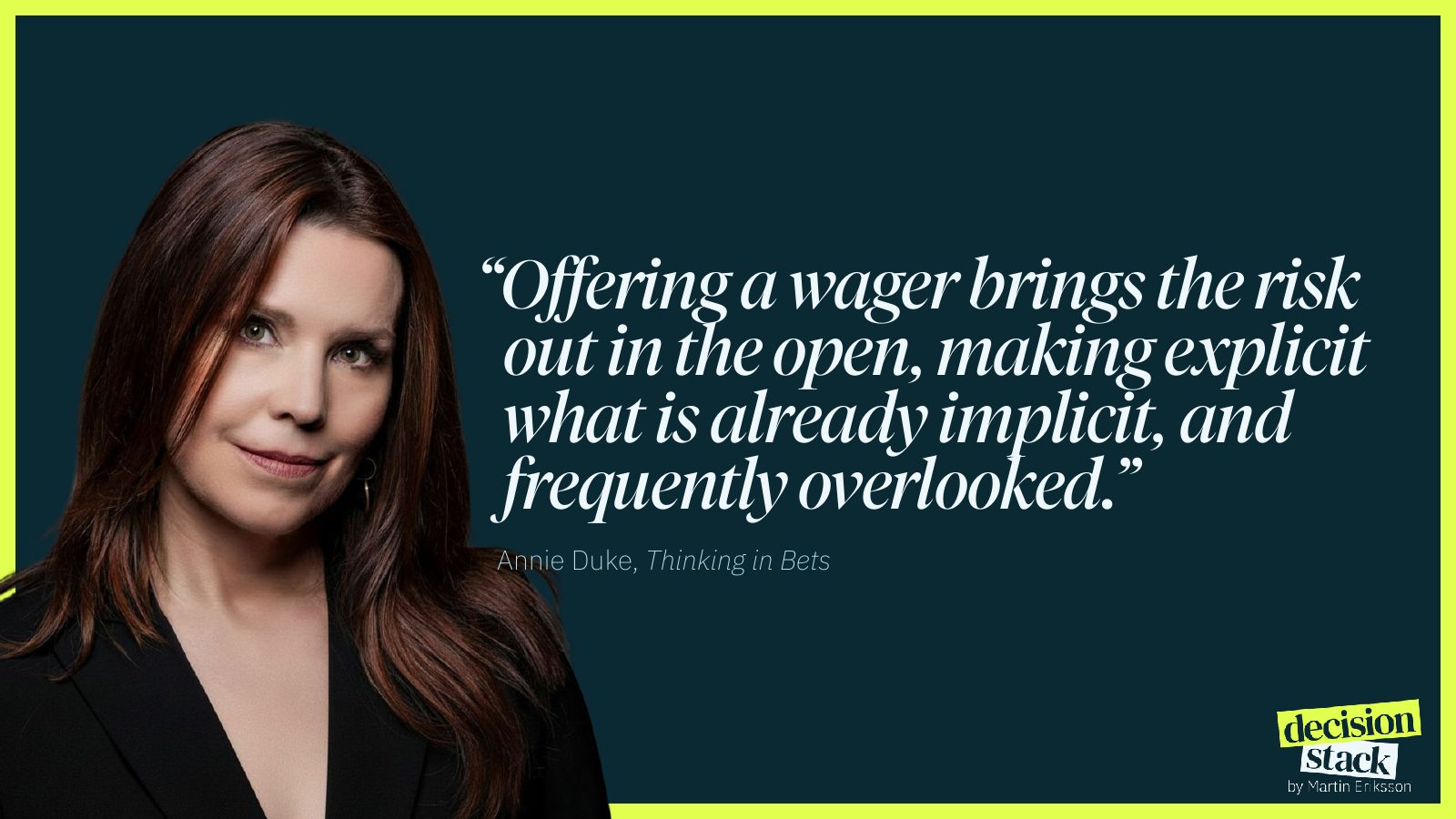
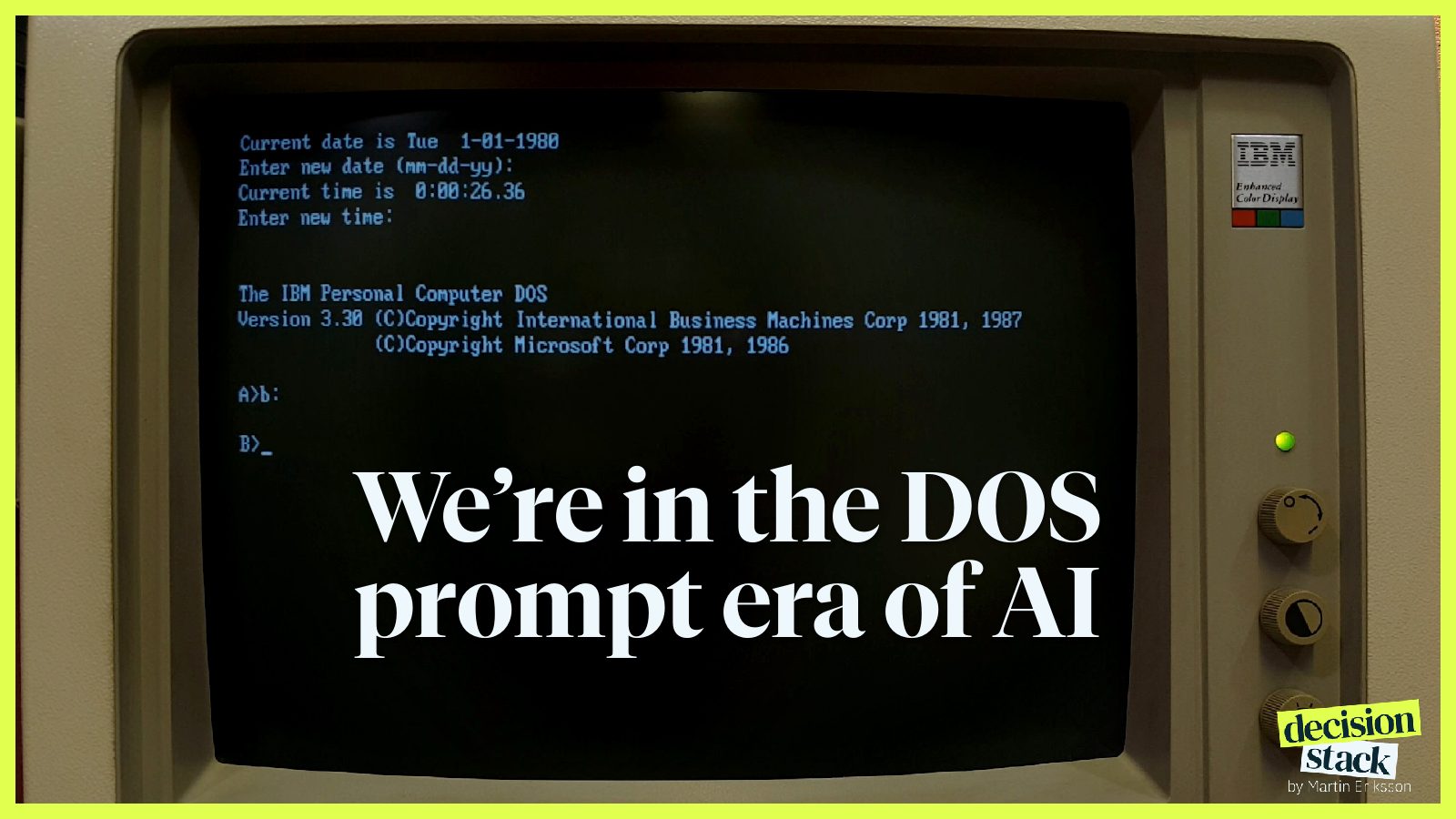
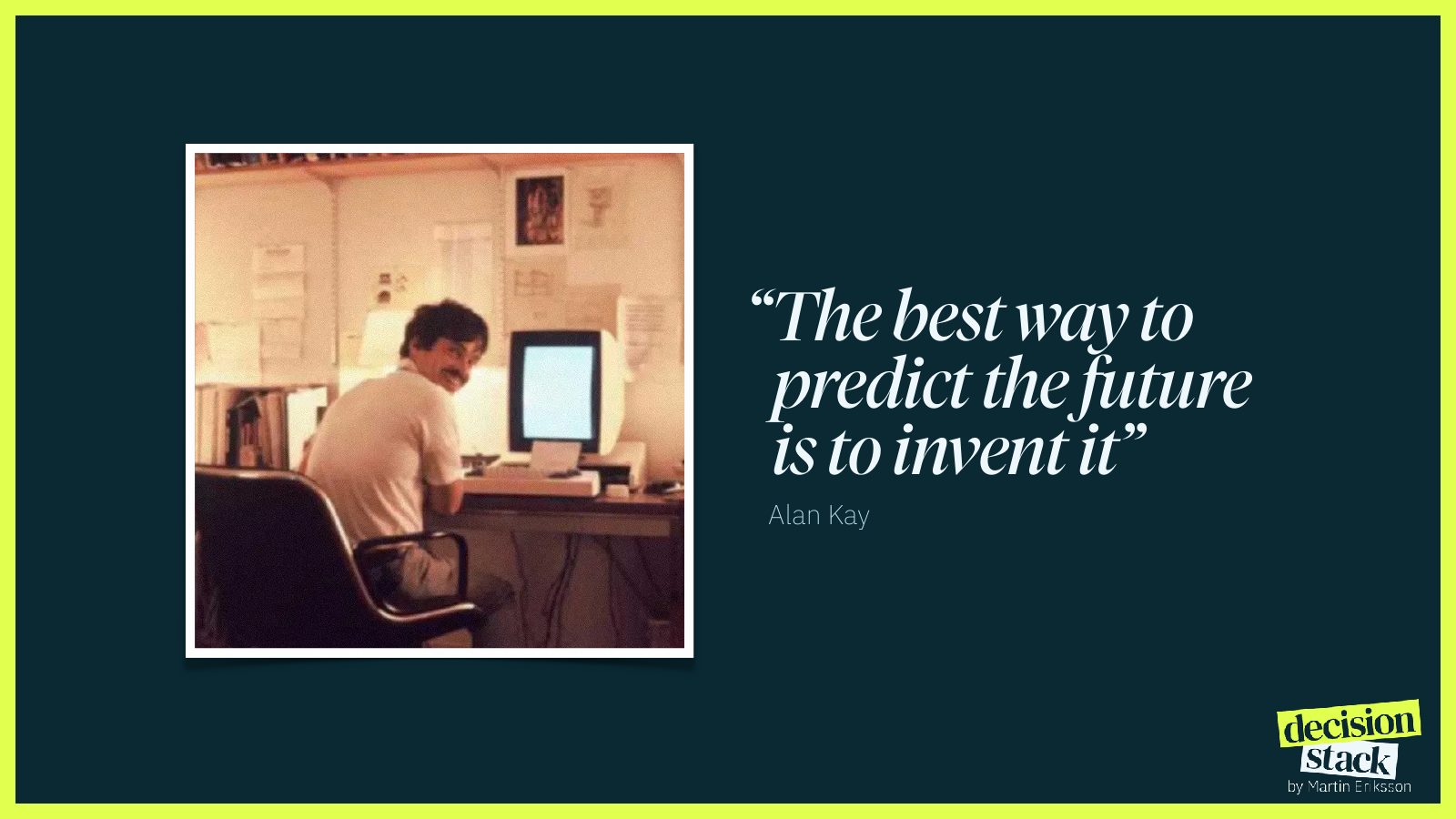
Intercom went furthest. Des Traynor's team saw that per seat pricing and humans staffing support were both broken, kept only the vision that businesses want to support their customers, scrapped the roadmap over a weekend and built Fin. At 99 cents per resolution, Fin passed 100 million ARR in year one, and Martin reports a 3.6 billion sale to Salesforce after a 1.3 billion valuation. His method: name your assumptions by asking what would have to be true, go up the stack until one holds, test it against tokens at zero and tokens at ten times the price, then bet at 70 percent confidence and write down the kill criteria. We are in the DOS era of AI; the best way to predict the future is to invent it.