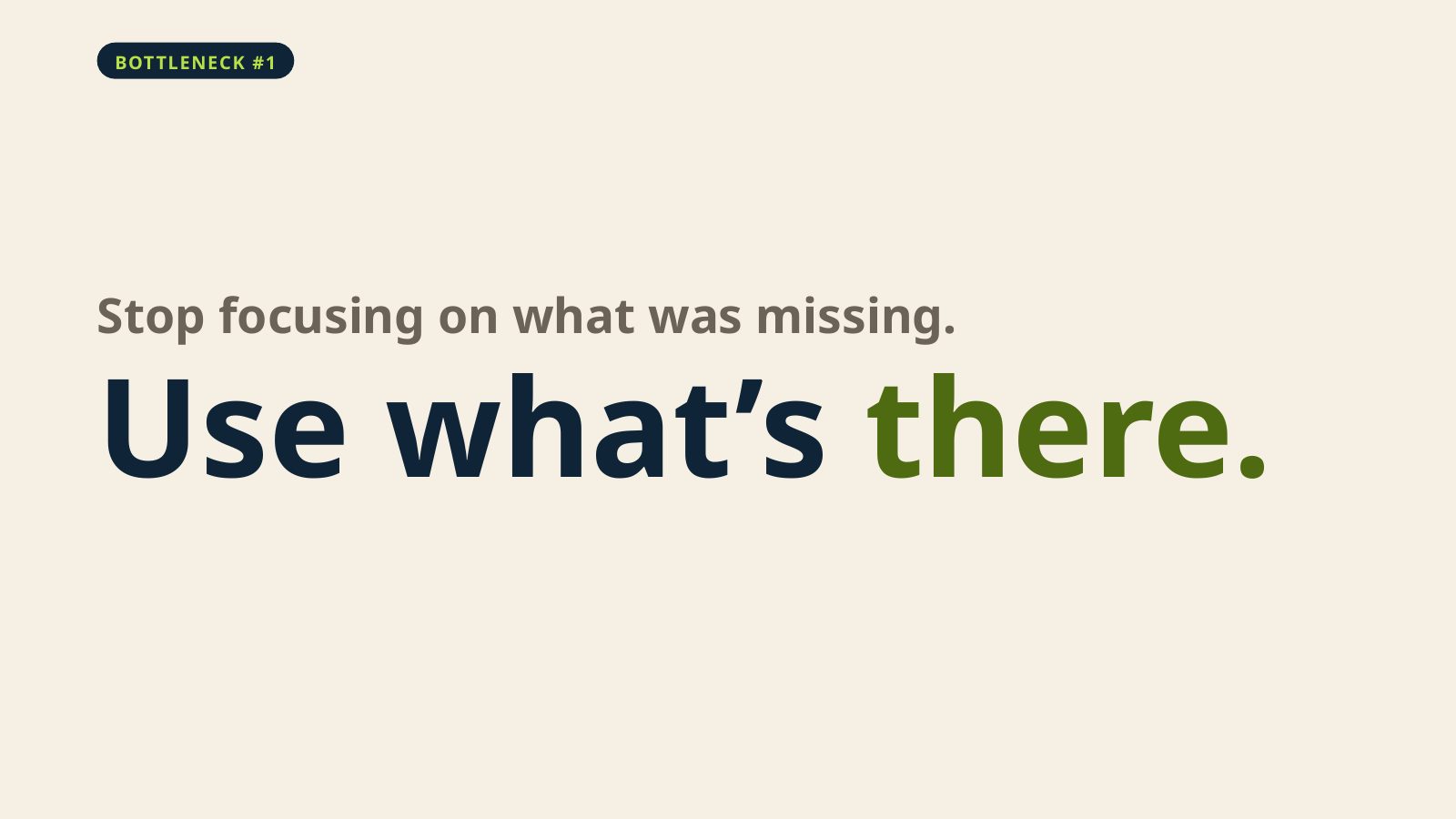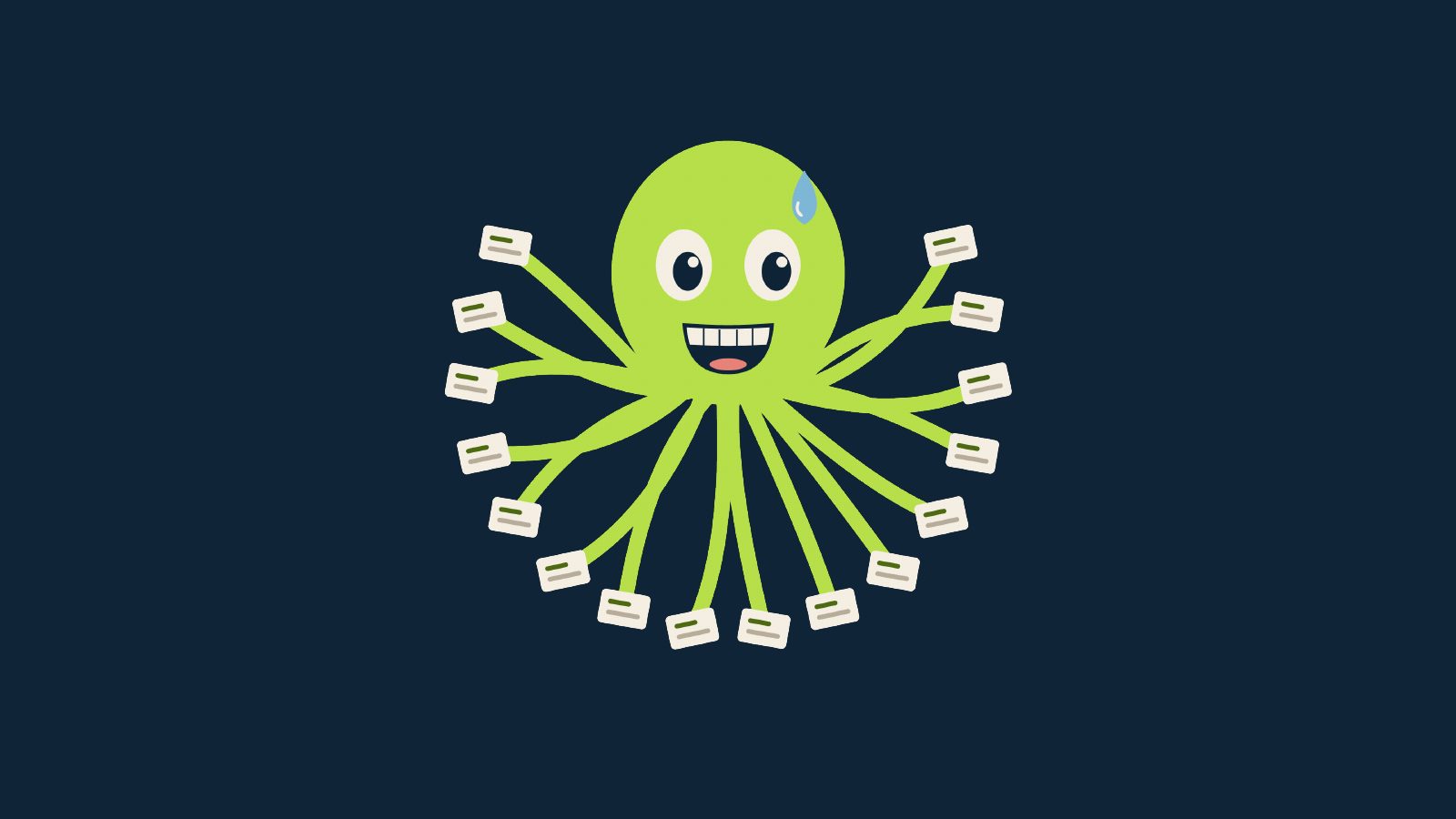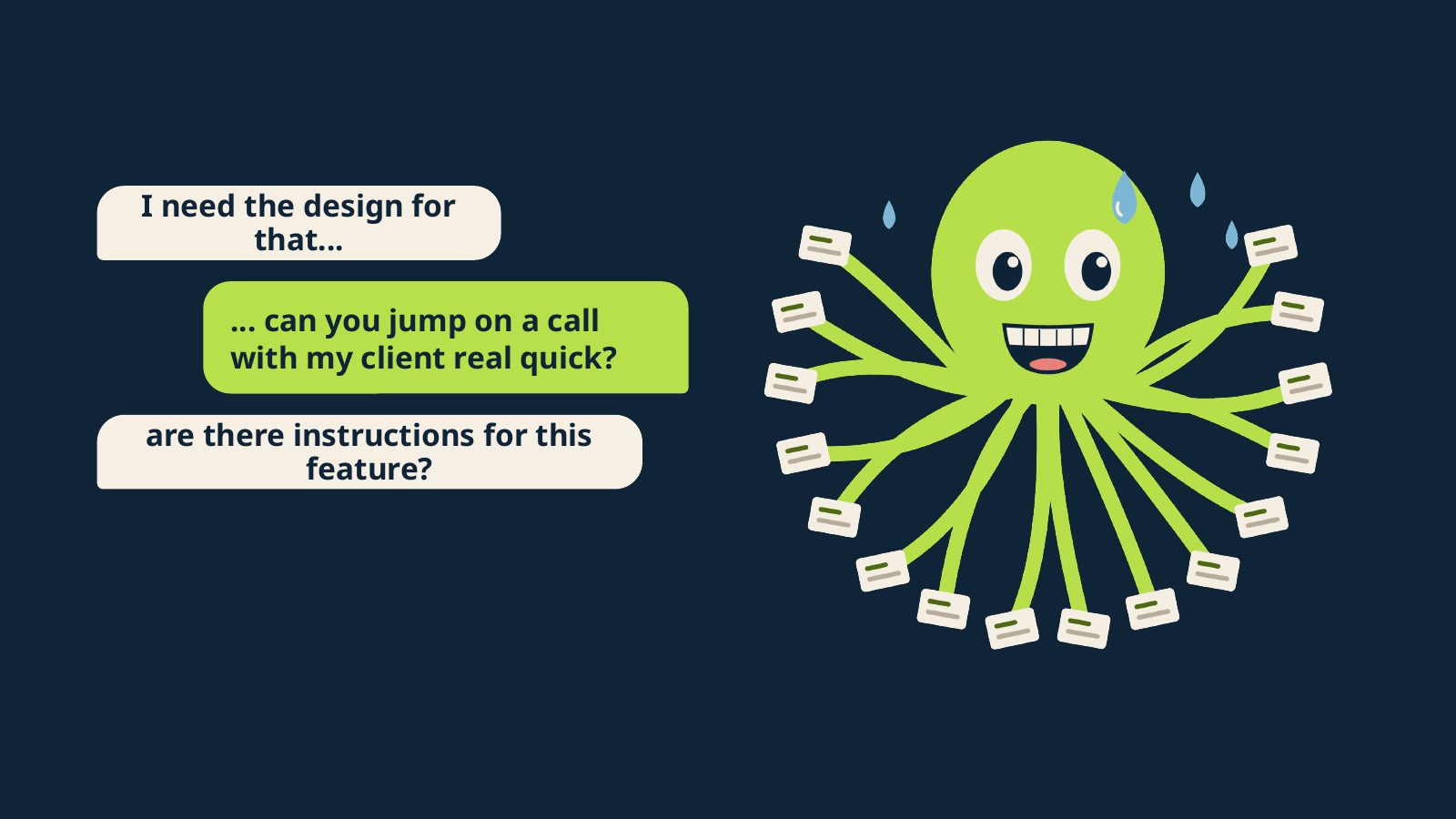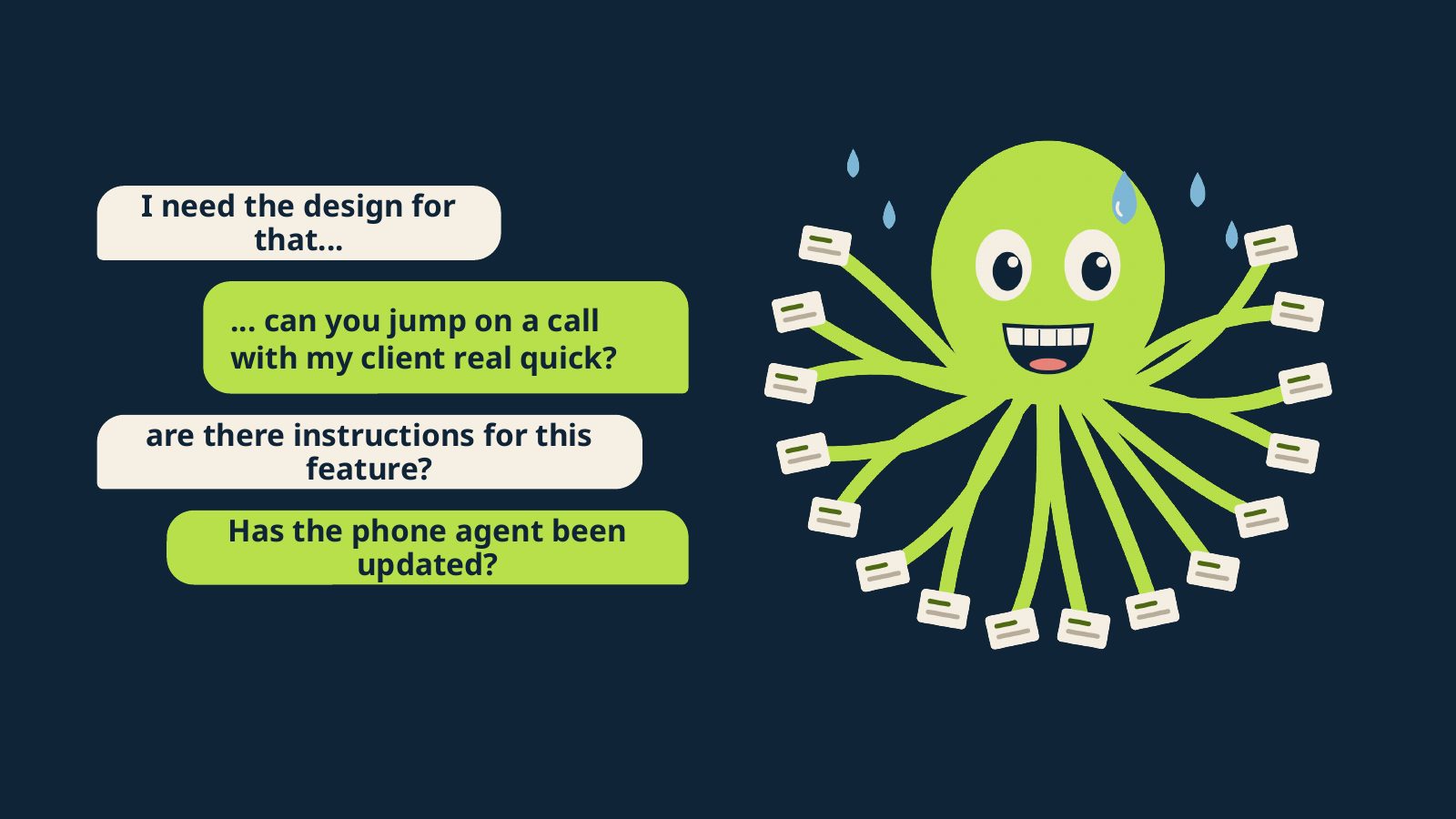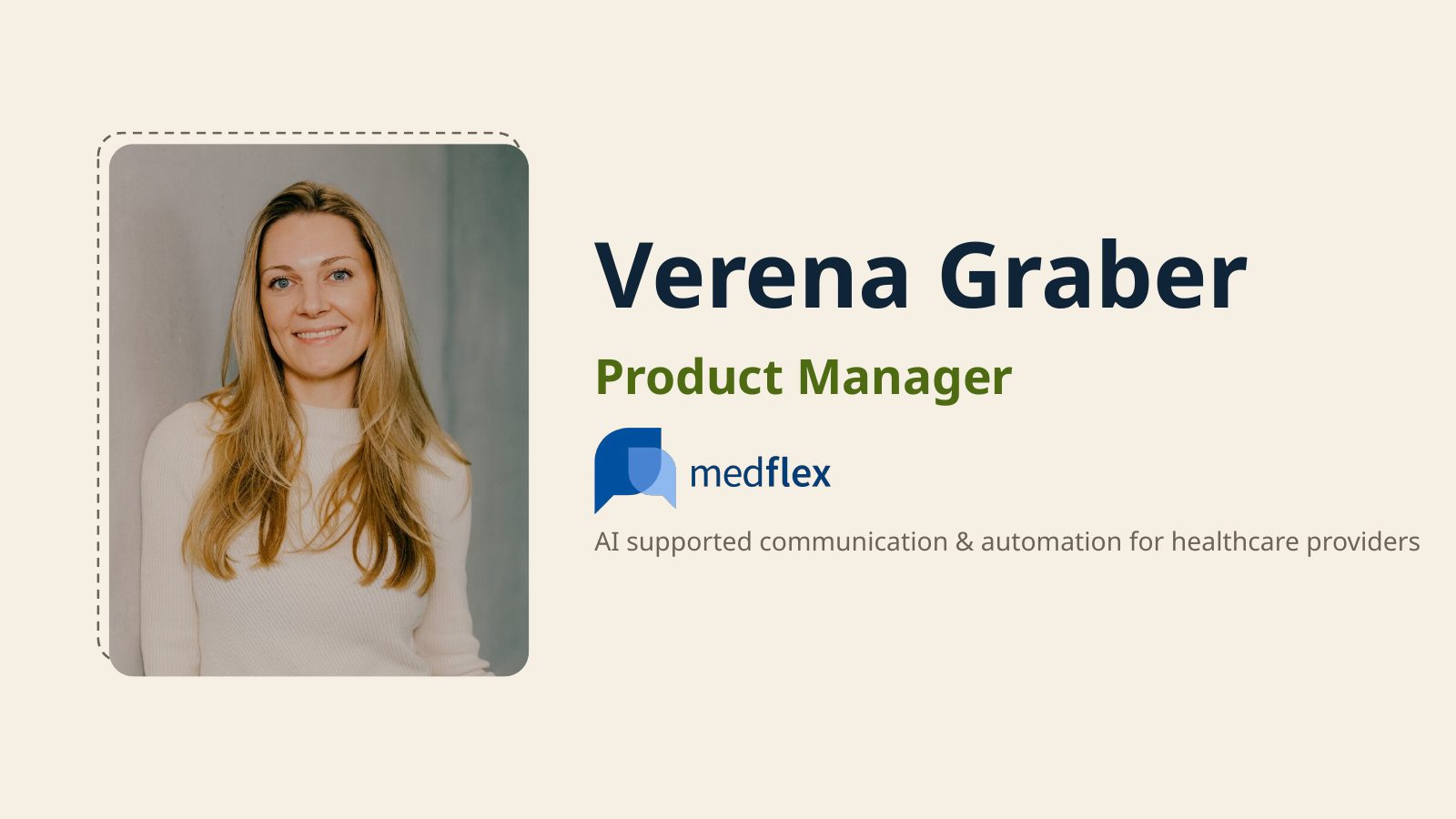
Verena Graber opened with the image Sebastian had teased: a product manager who feels like an octopus with 800 arms. At medflex, a Medtech company that uses AI to support communication and automate processes for healthcare providers, her work ran from research and design to roadmaps, testing, documentation, client onboarding and sales calls. In spring 2026 she took the Product Masterclass cohort on product management in the AI era, which gave her three blocked hours a week to experiment. Instead of chasing what was missing, she started with what the company already had. Sales and support were transcribing most calls, so she sorted those transcripts into two folders, new clients and existing clients, because the AI kept confusing what existed with what was new.
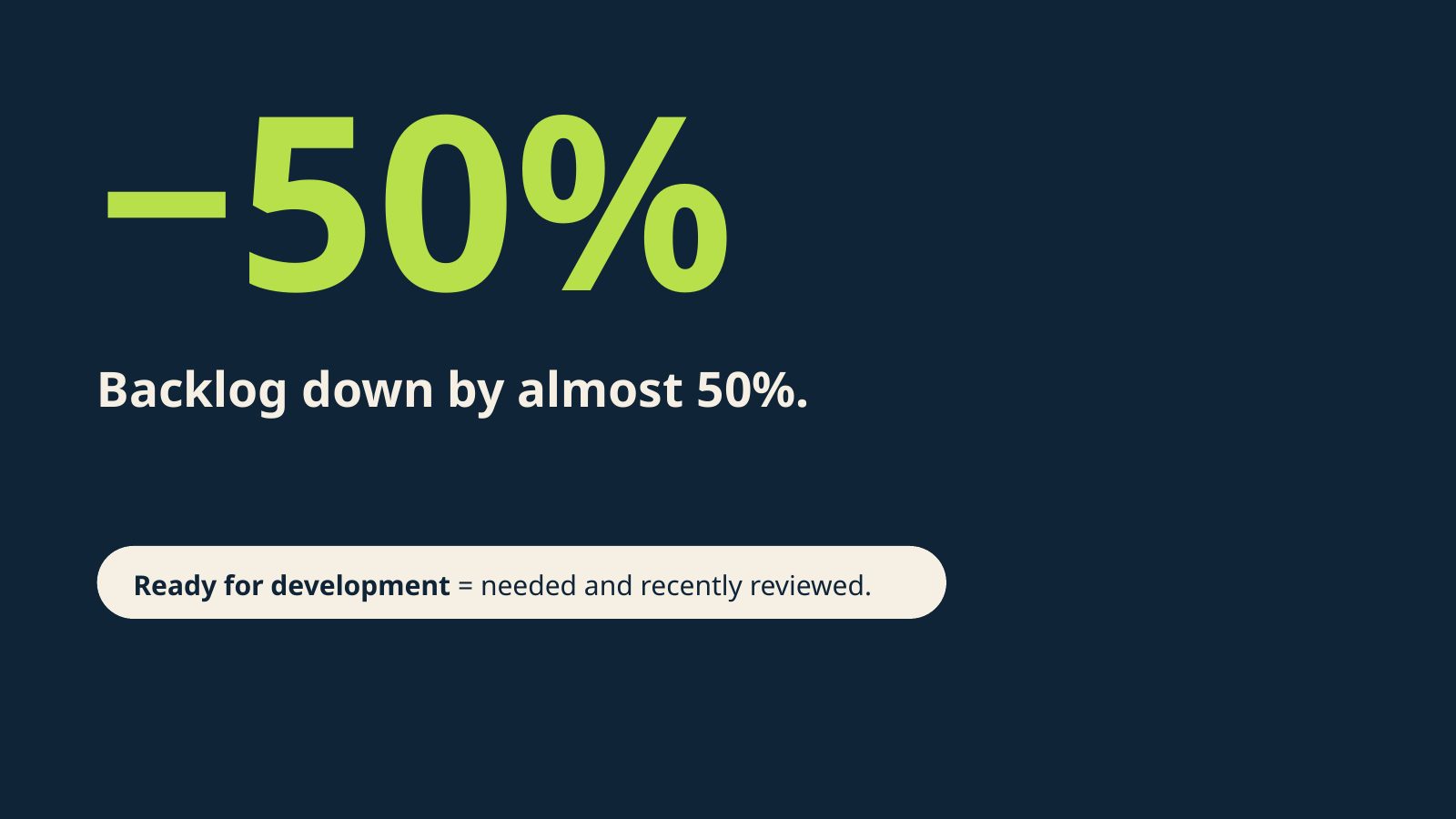
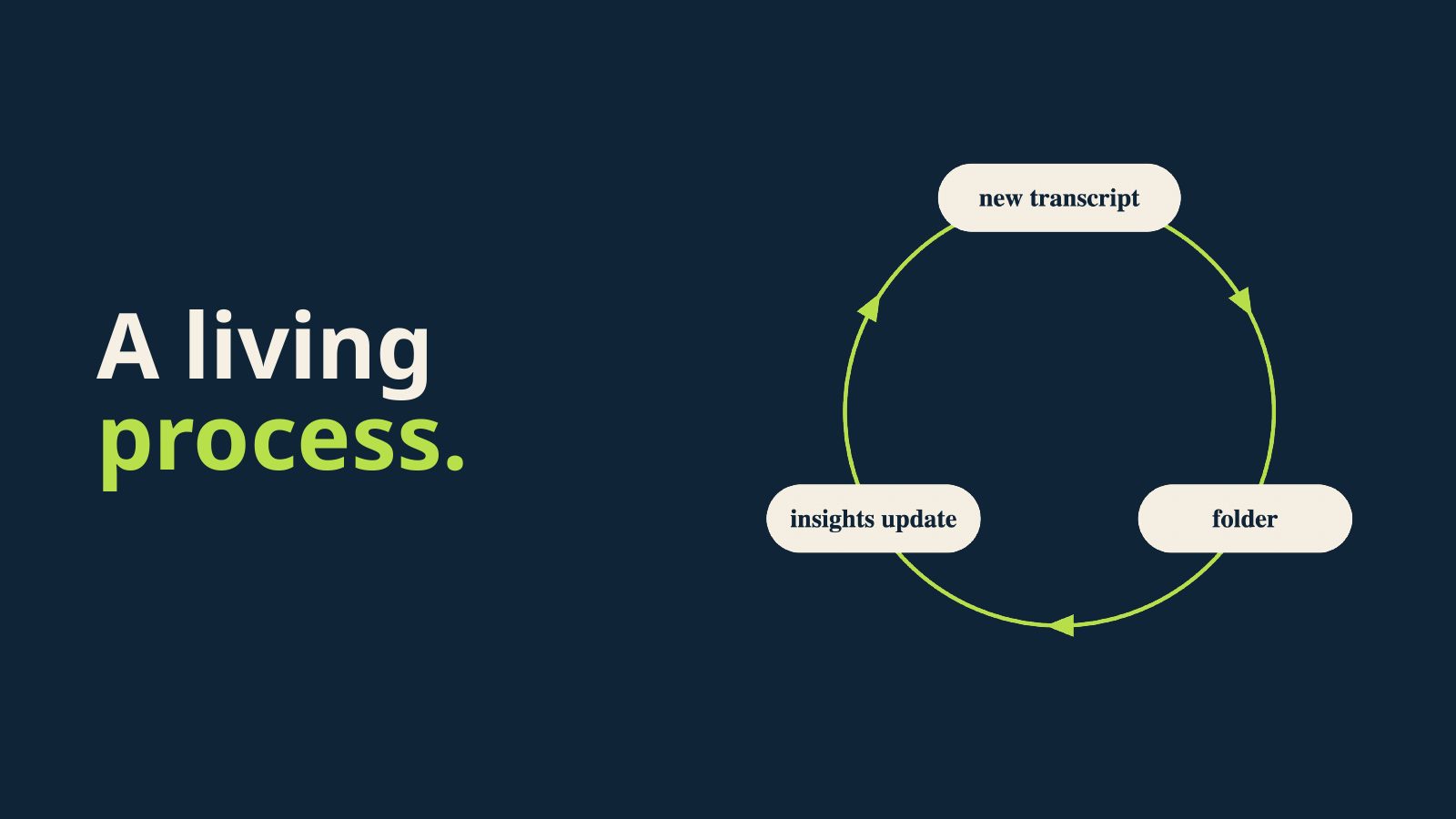
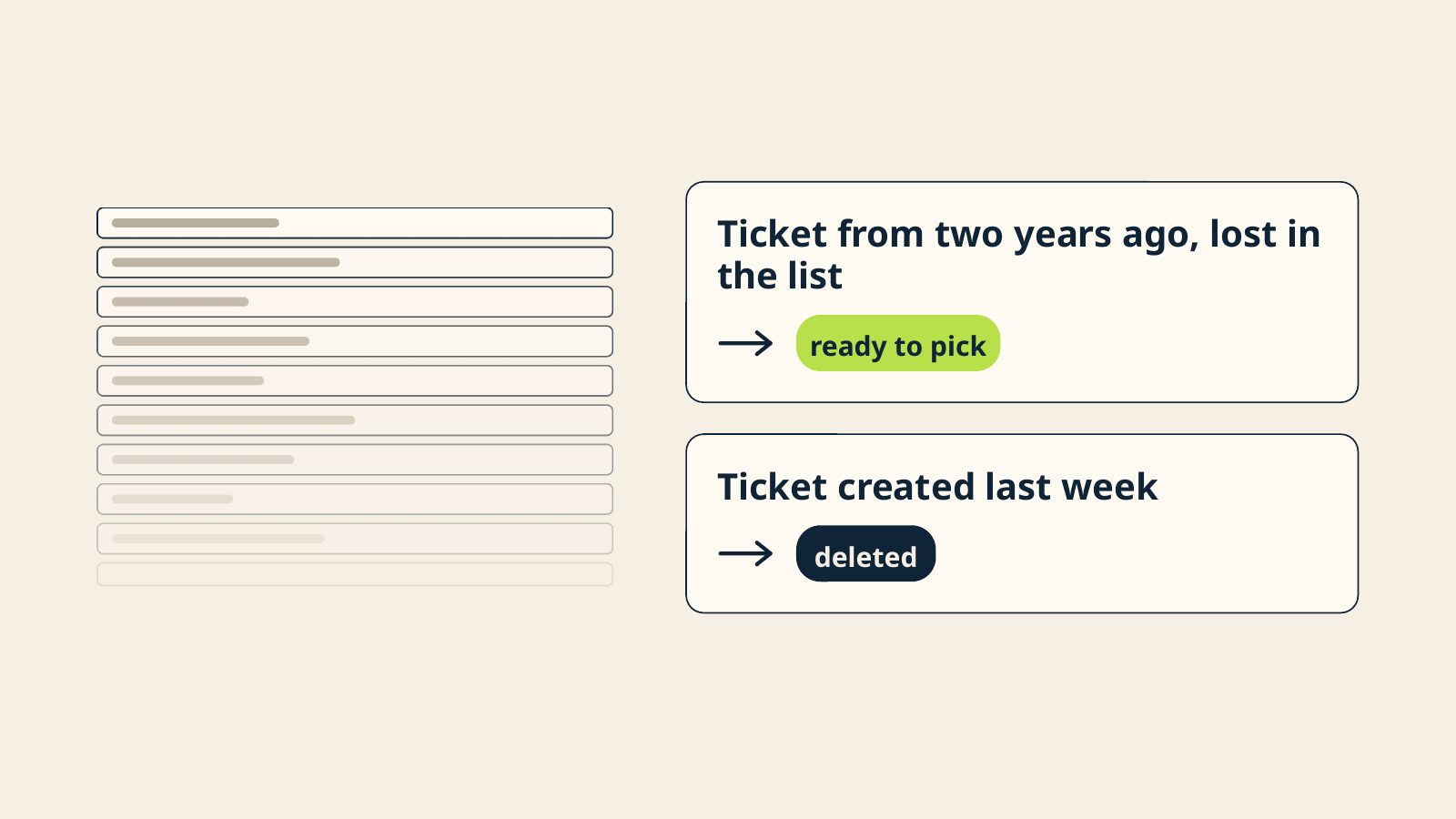
She had AI read the transcripts for recurring complaints, what new customers needed and the most asked questions, and later added the support ticket pipeline to surface bugs that kept coming back. The process still runs today. Every new transcript lands in a folder, gets scanned, and the resulting list is checked against the backlog with almost no human interaction. Challenging the backlog against those insights changed it fast. It had been about five kilometers long, with tickets from years ago nobody remembered. A two year old ticket turned out to still be relevant and went straight to ready to pick, while a ticket from the week before got deleted. Without hours of interviews, the backlog shrank by almost 50 percent, and everything left had been reviewed recently.
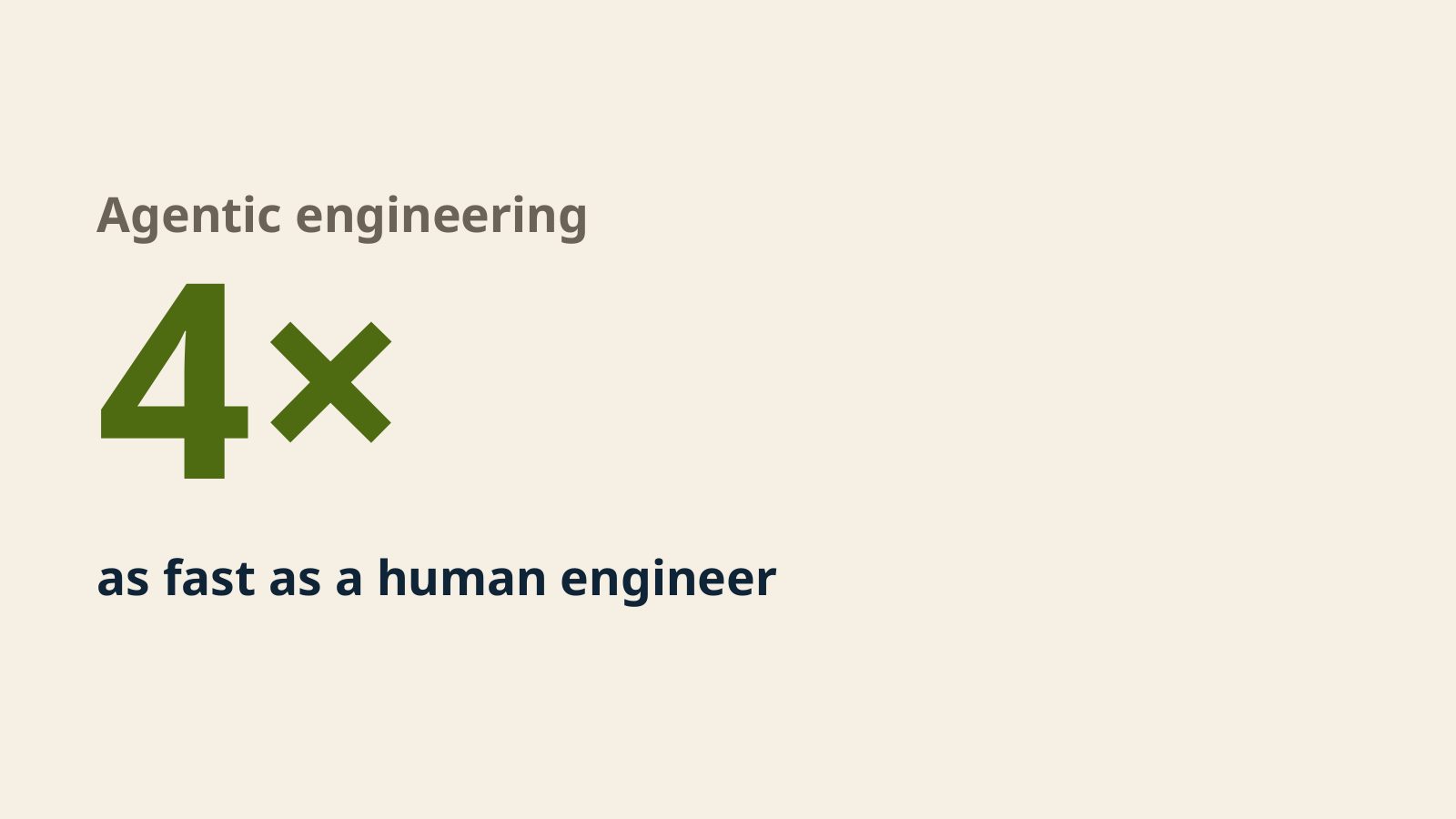
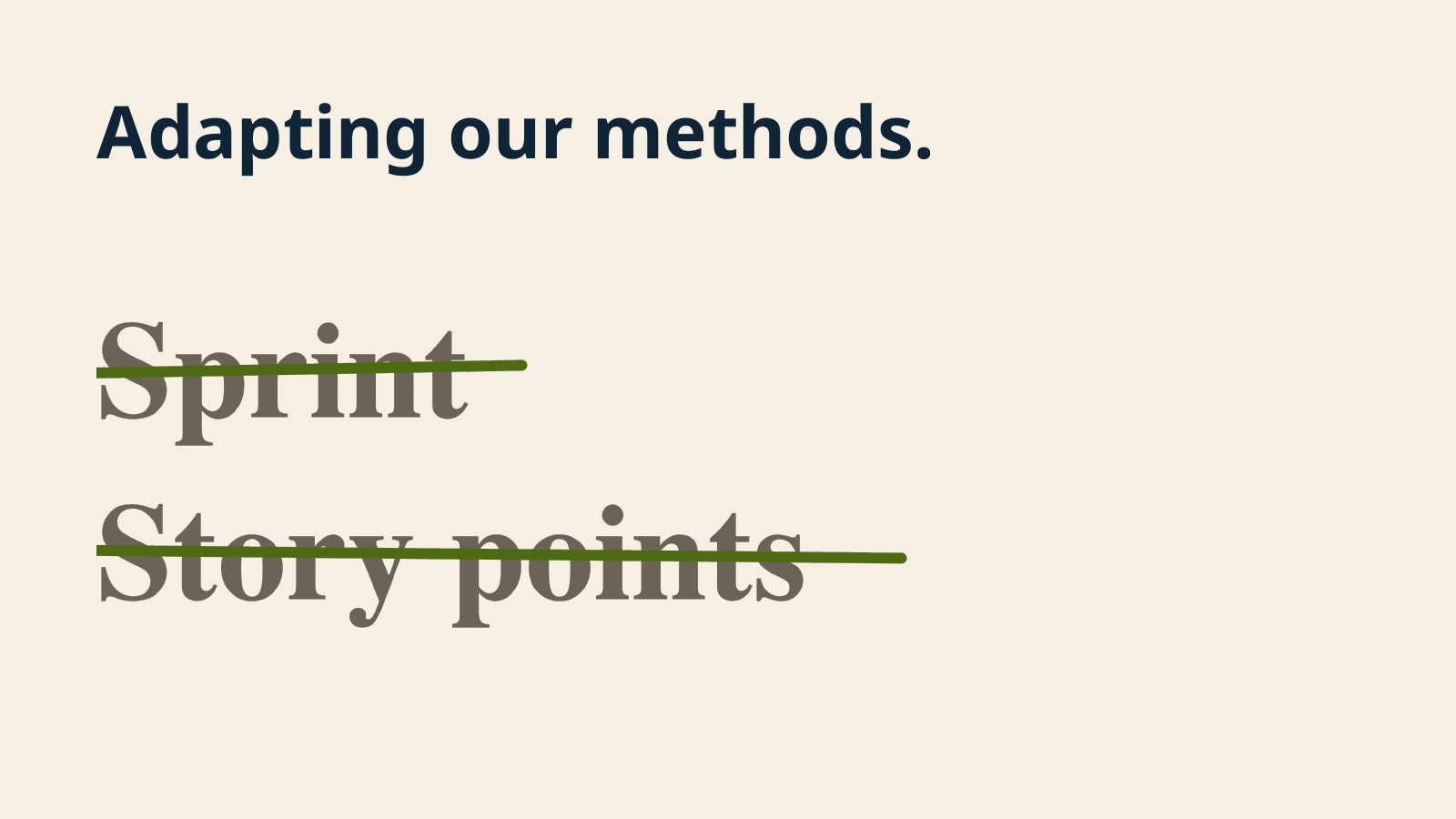
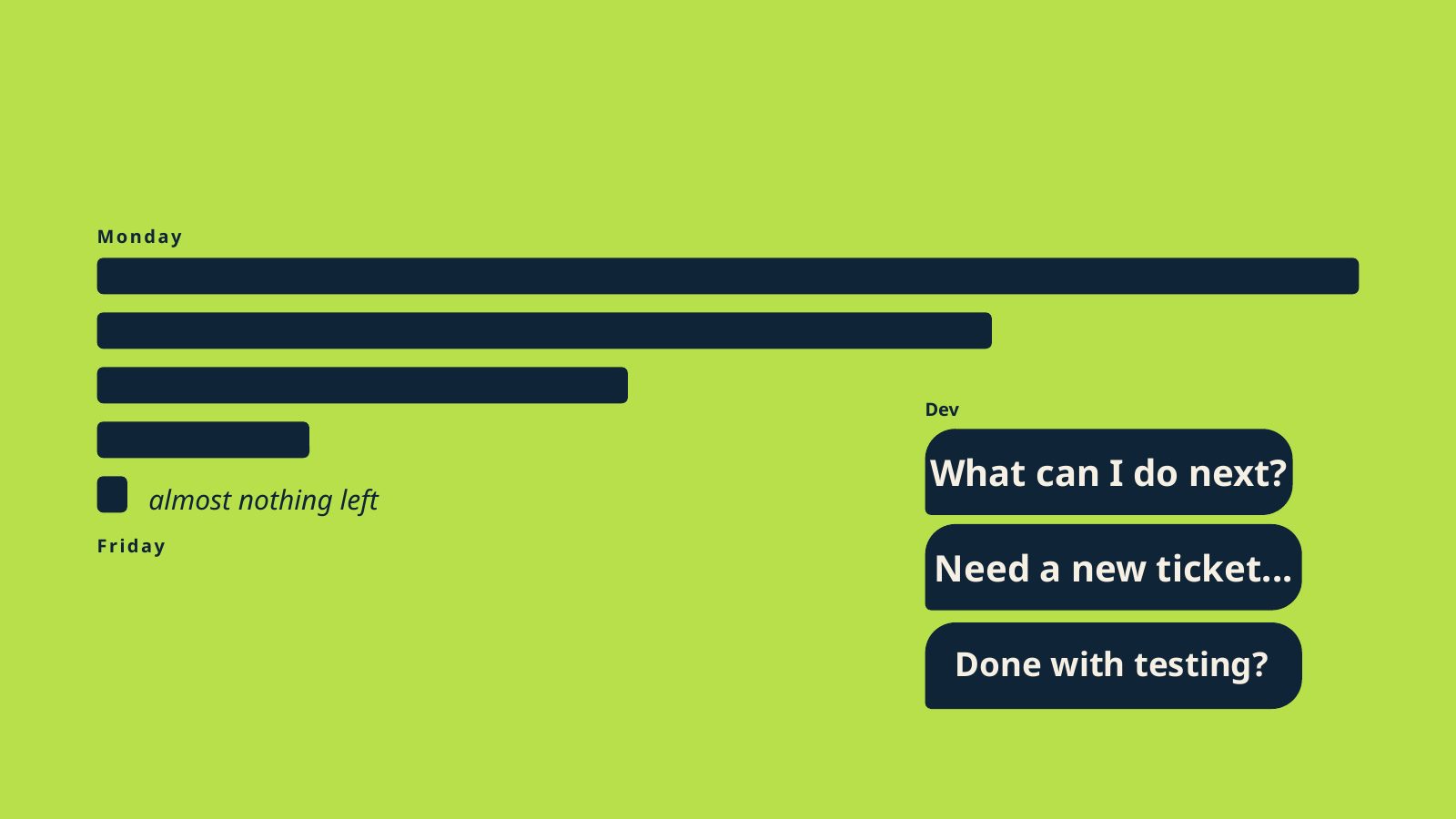
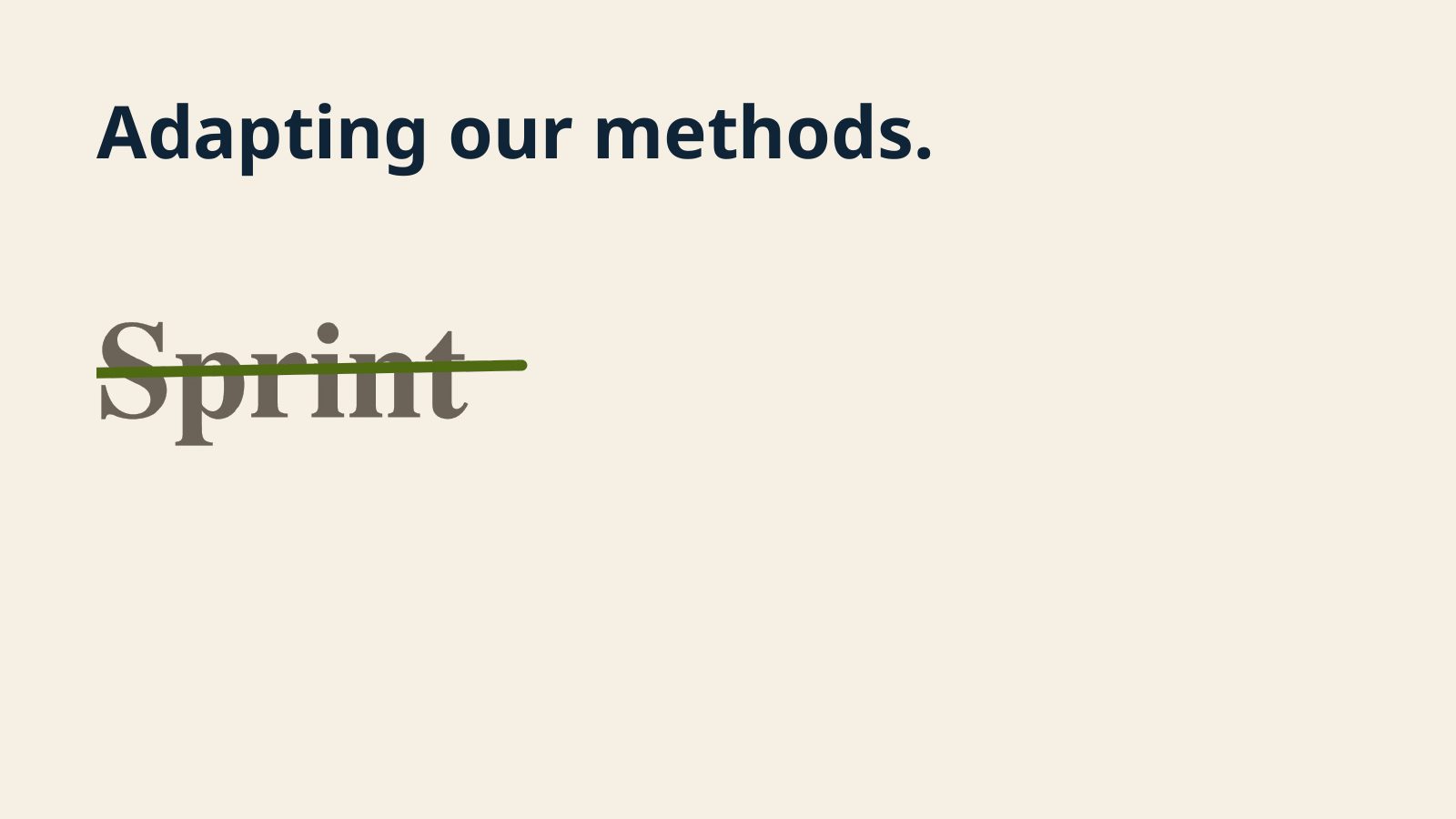
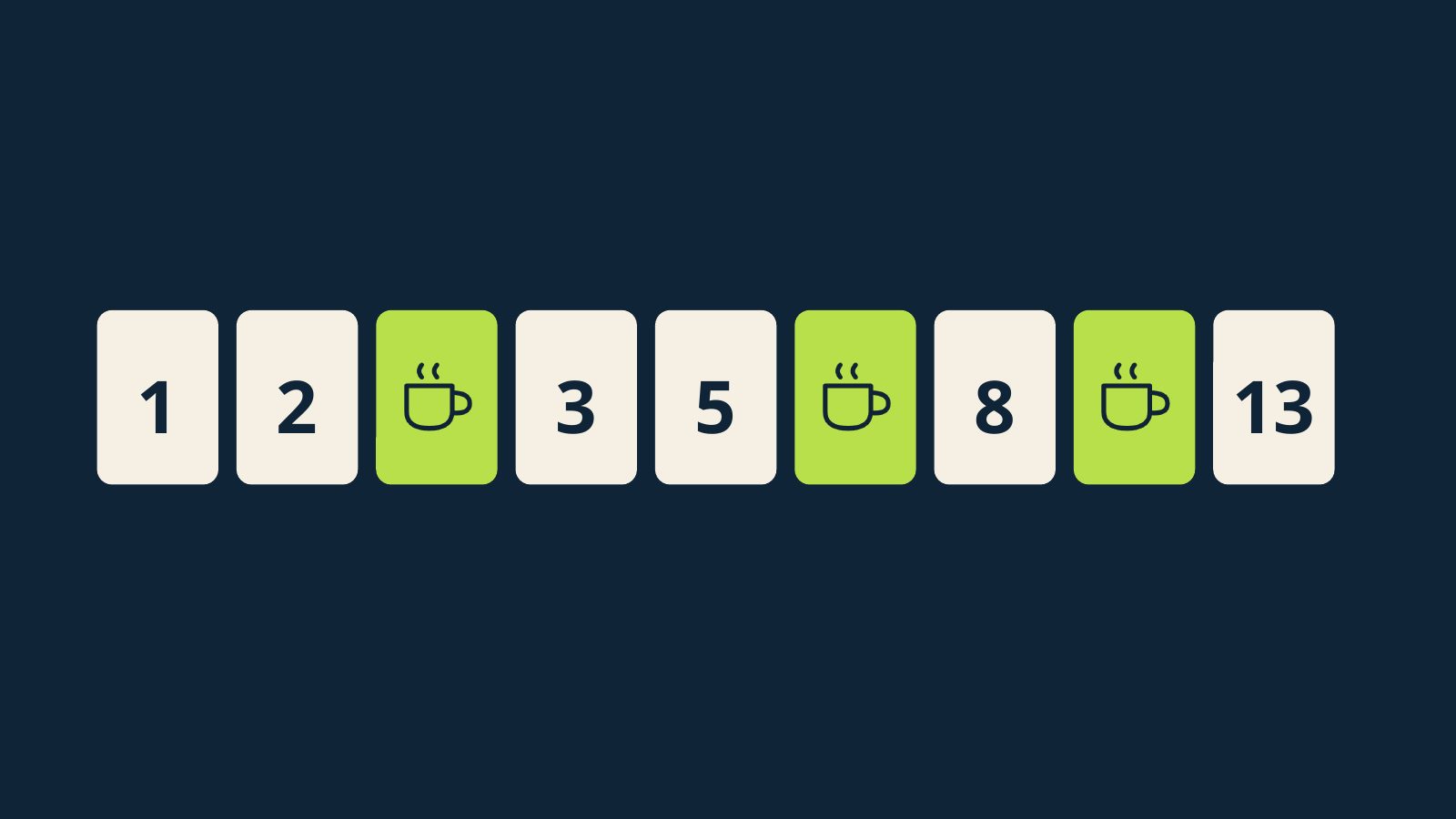
Then the tech team introduced agentic engineering and development cycles sped up roughly four times. A week started on Monday with a full list for the developers. By Friday nothing was left, and her Teams chat filled with "what can I do next?" and "is there anything I can do now?". Product had become the bottleneck. Testing, finalizing releases and keeping the team informed left no room for new ideas, so the team looked at its methods. Sprints went first: no point planning a two week block when tasks finish within minutes. Story points went next, which hurt, because those numbers had been her argument with stakeholders for saying no. Scrum Poker rounds filled with coffee pot cards because developers could no longer estimate effort the agent would do anyway.
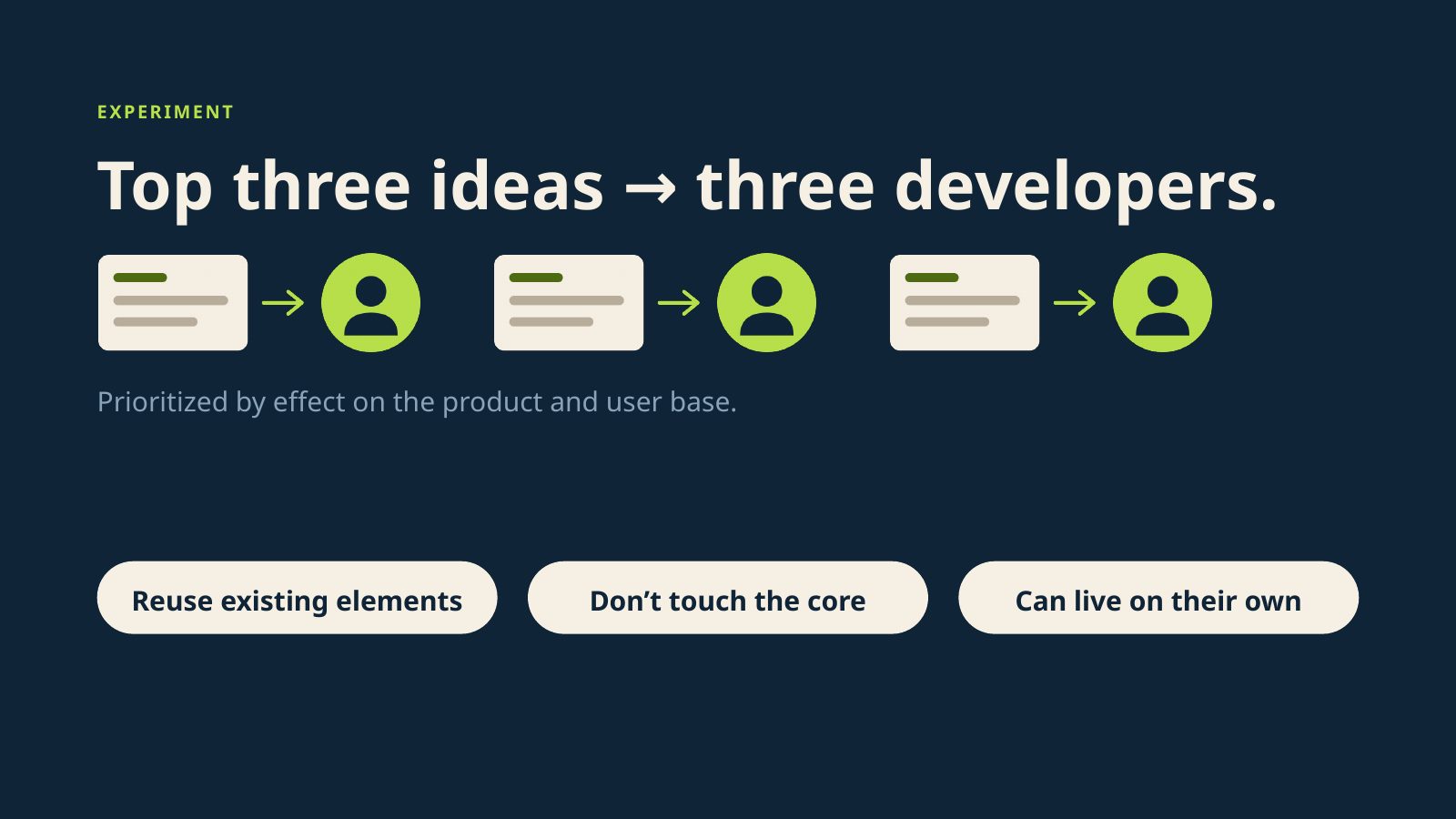
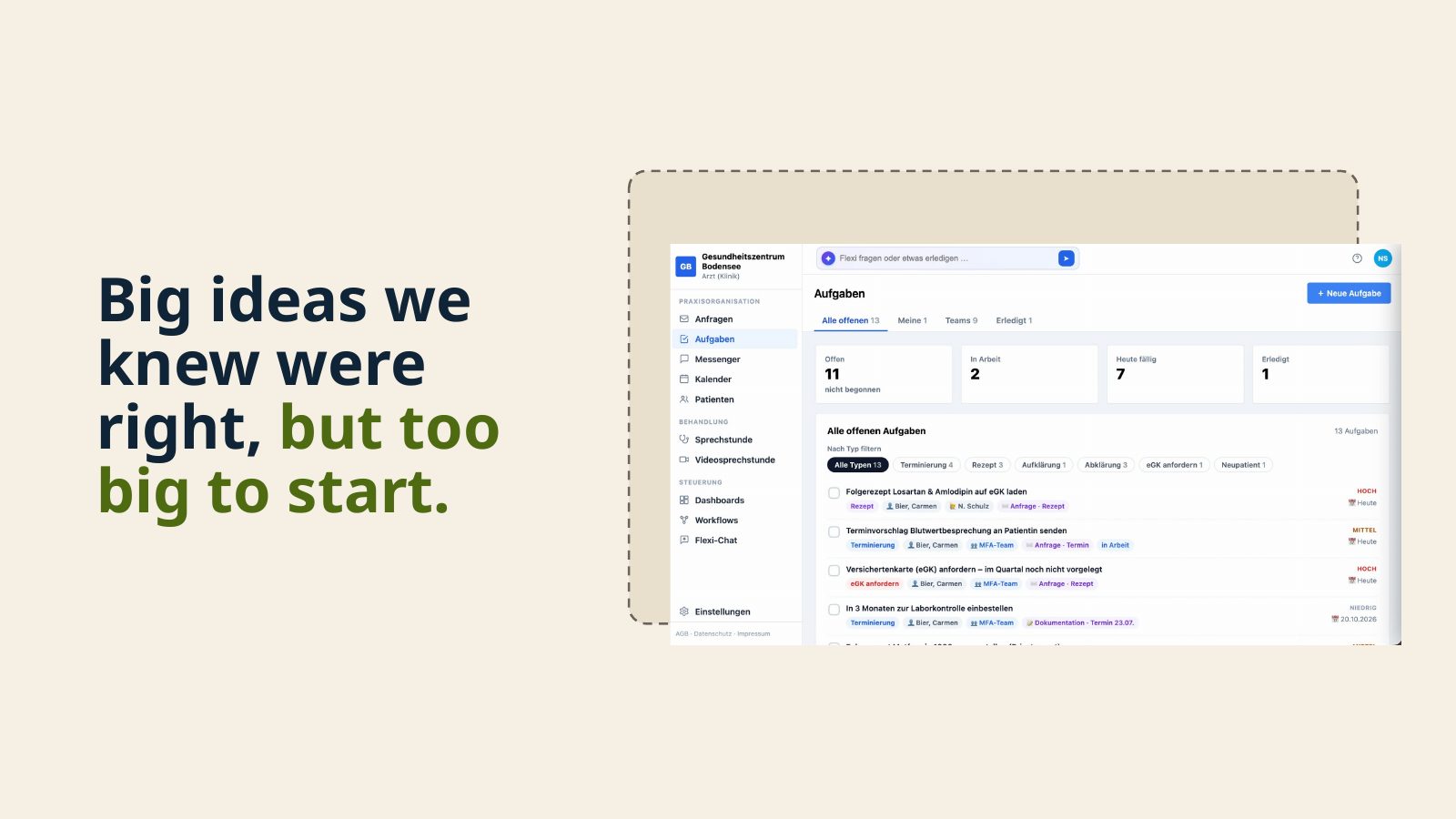
Groomings stayed, but changed. Instead of comparing tickets, debating sentences and moving two pixels, the sessions now ask what the goal of an idea is and how design and development together can reach it faster. The bottleneck still sat in the methods, so the CEO, Verena and the two lead developers met over a rough prototype the CEO had sketched in about two hours. It held the big ideas the team had never known how to start. They gave the top three ideas to three developers, one each, with only the sketch and one question: what can you do with this using your agents in two weeks? Work planned to take two years at the start of the year took two weeks and now sits on the testing stages.
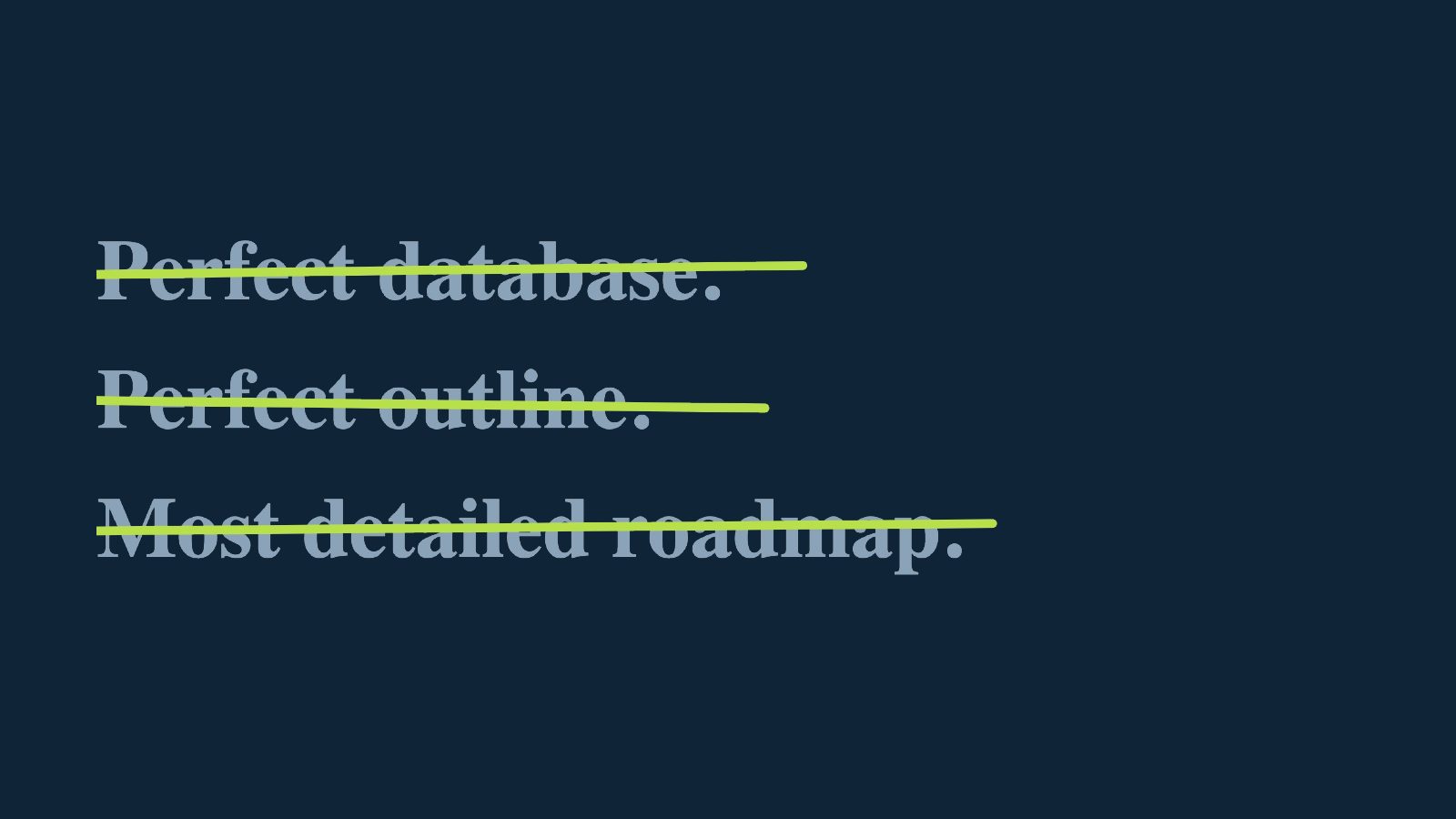
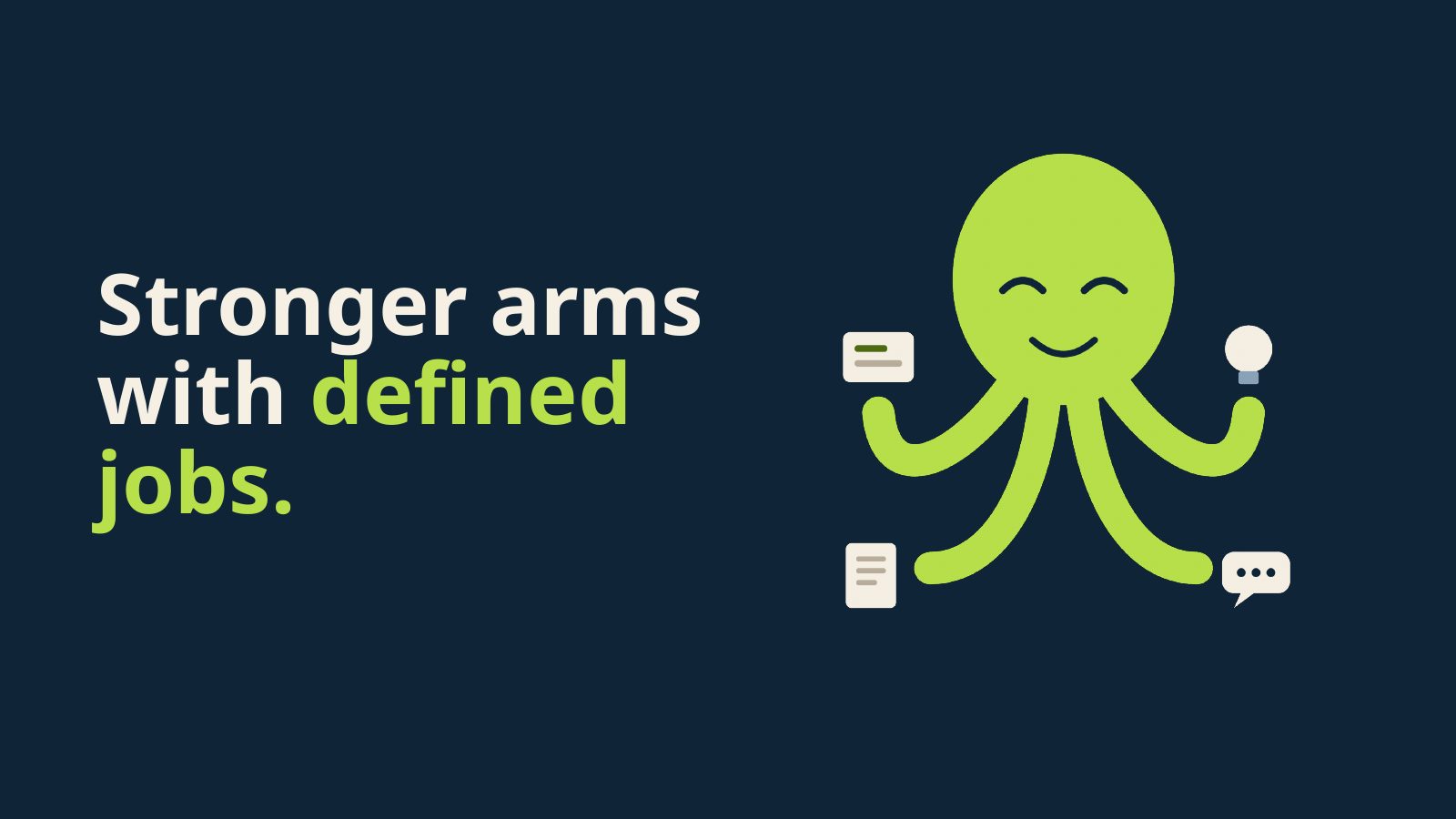
Her product role now has four arms. Research and insights, where humans still decide what gets built and when. Exploration and design, the most human part, using Claude Design and Figma with faster prototypes and more variants. Grooming without estimates, asking what would make the team faster or the product more lovable, while an agent writes the tickets. And documentation, which agents draft and she reviews, so she can explain what is live today and train support instead of answering the same question again. Her closing advice: do not be afraid to be the bottleneck. Push to that point, then use it to see what you still need, what you can drop and where to work closer together. No perfect method exists yet, so let the role become fluid.