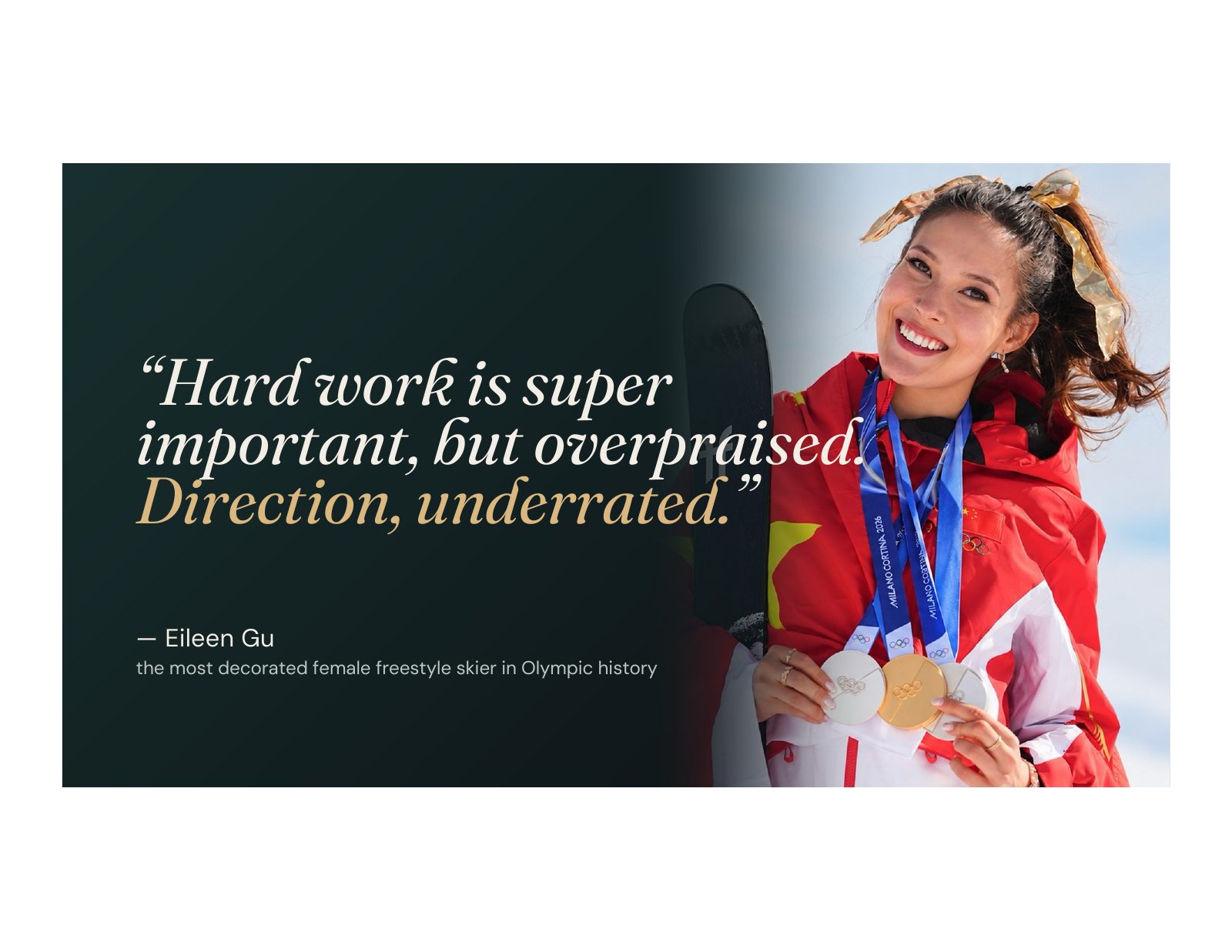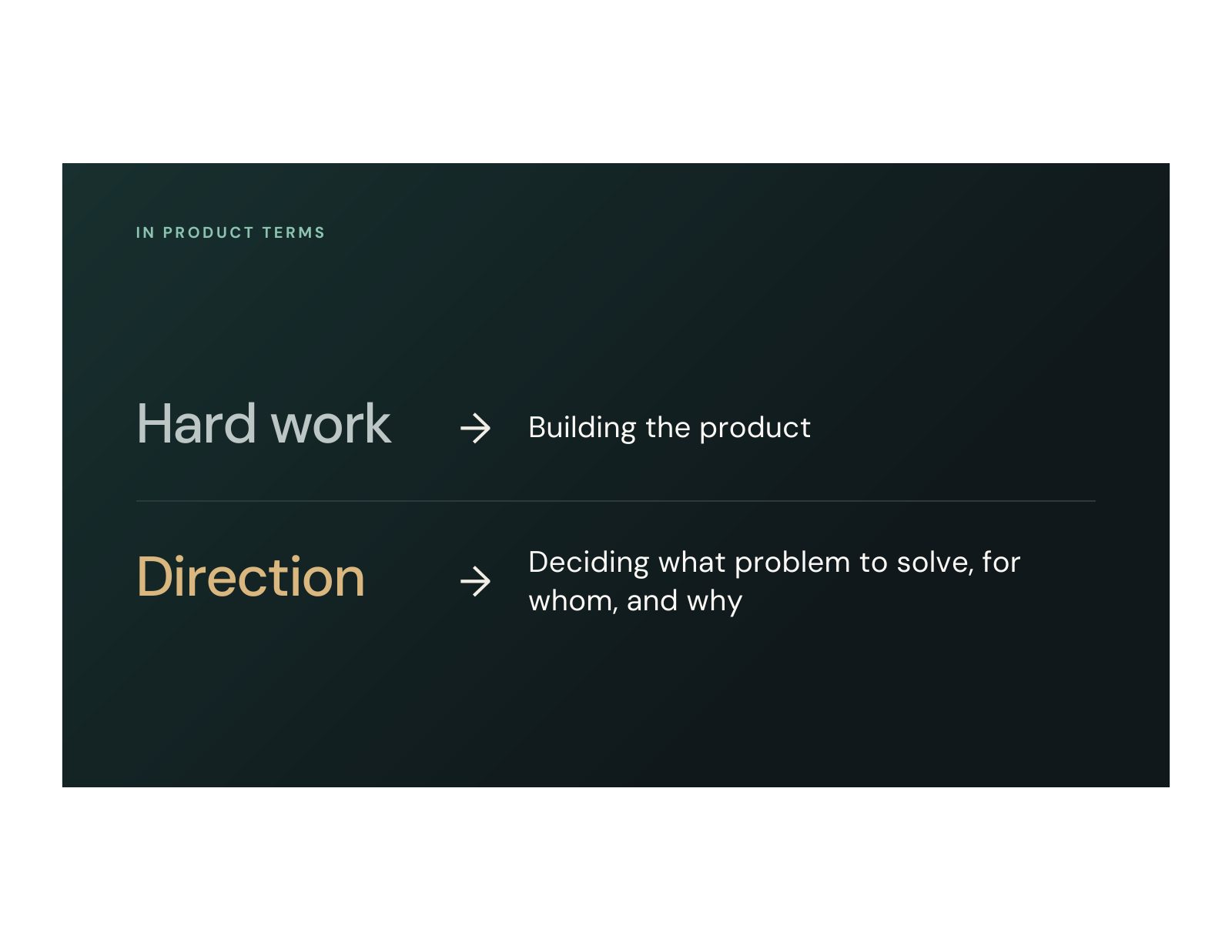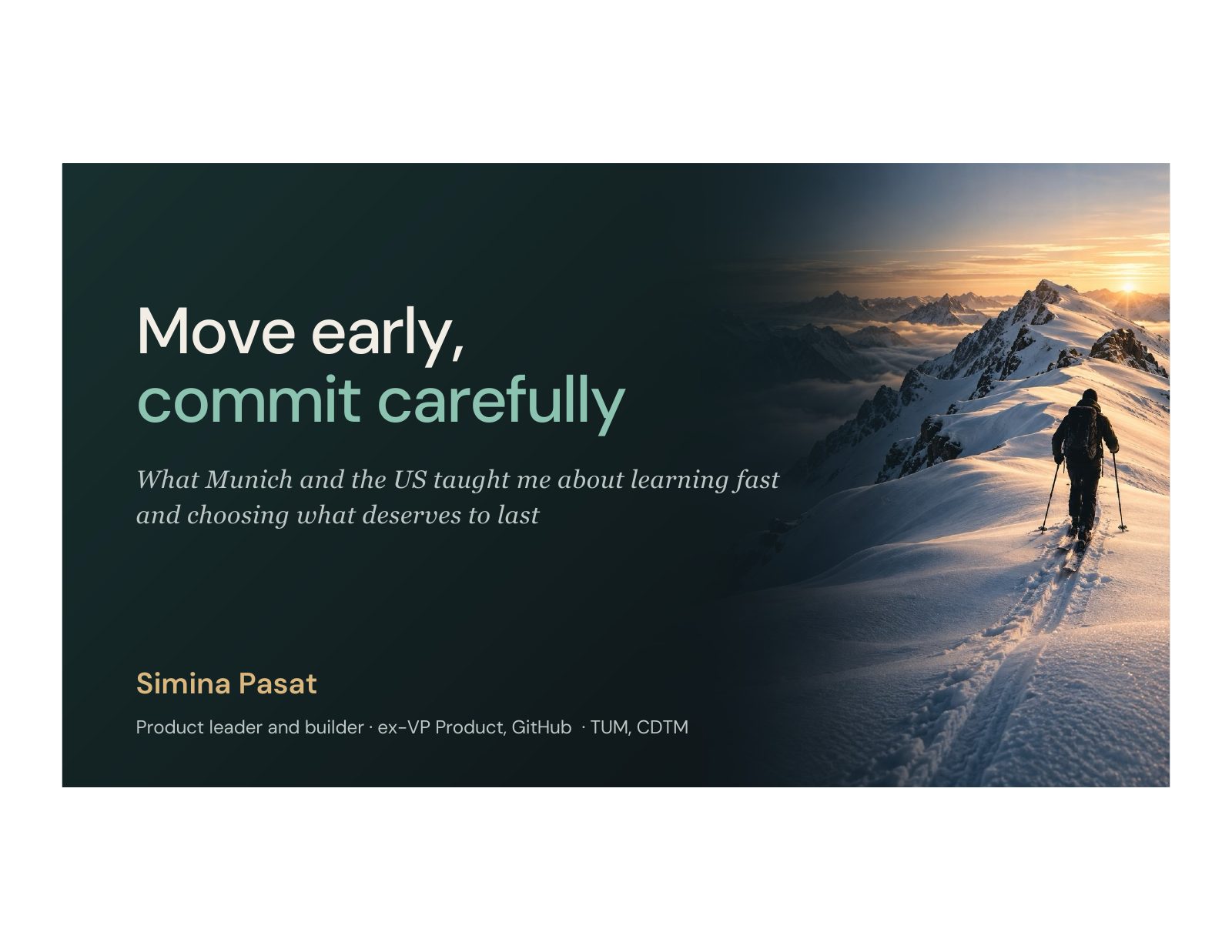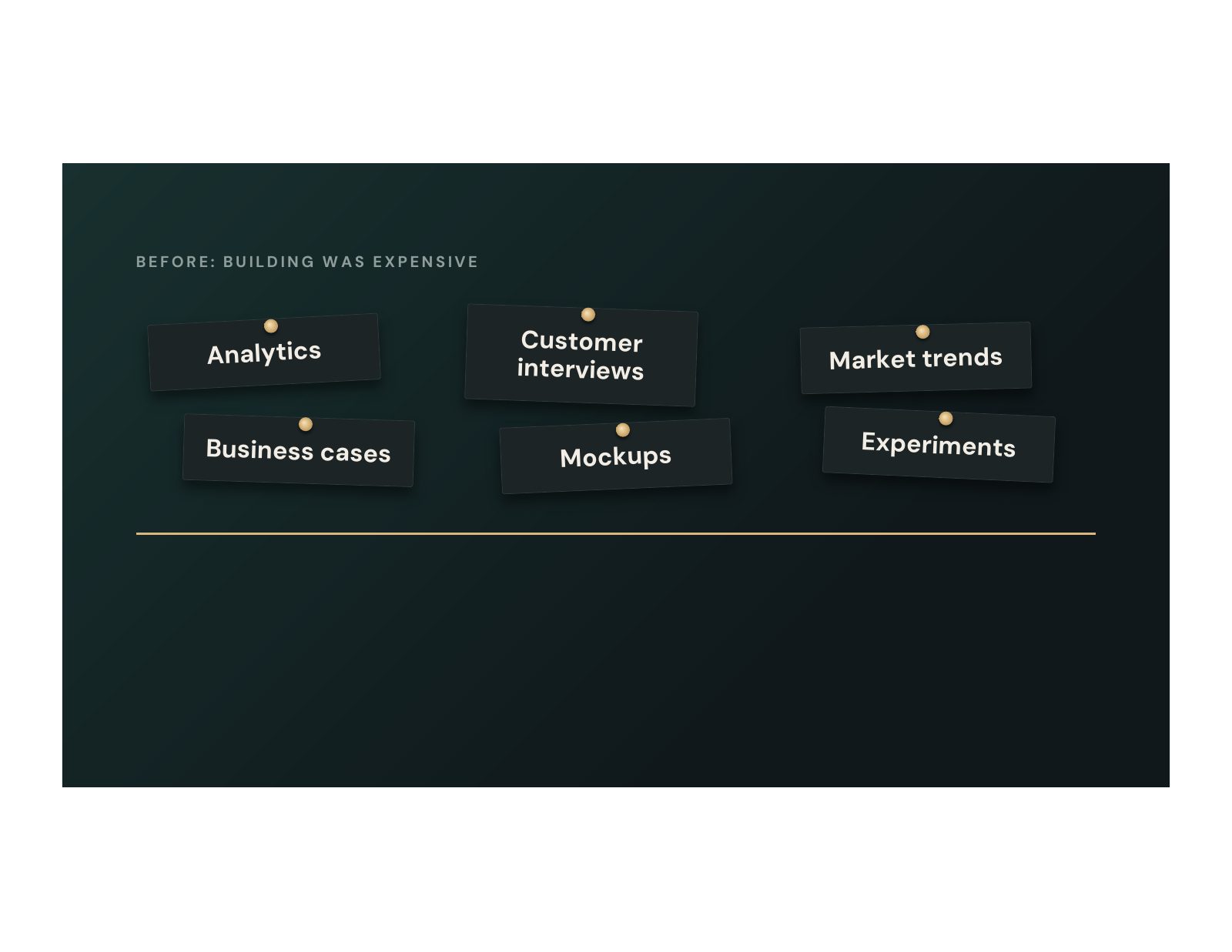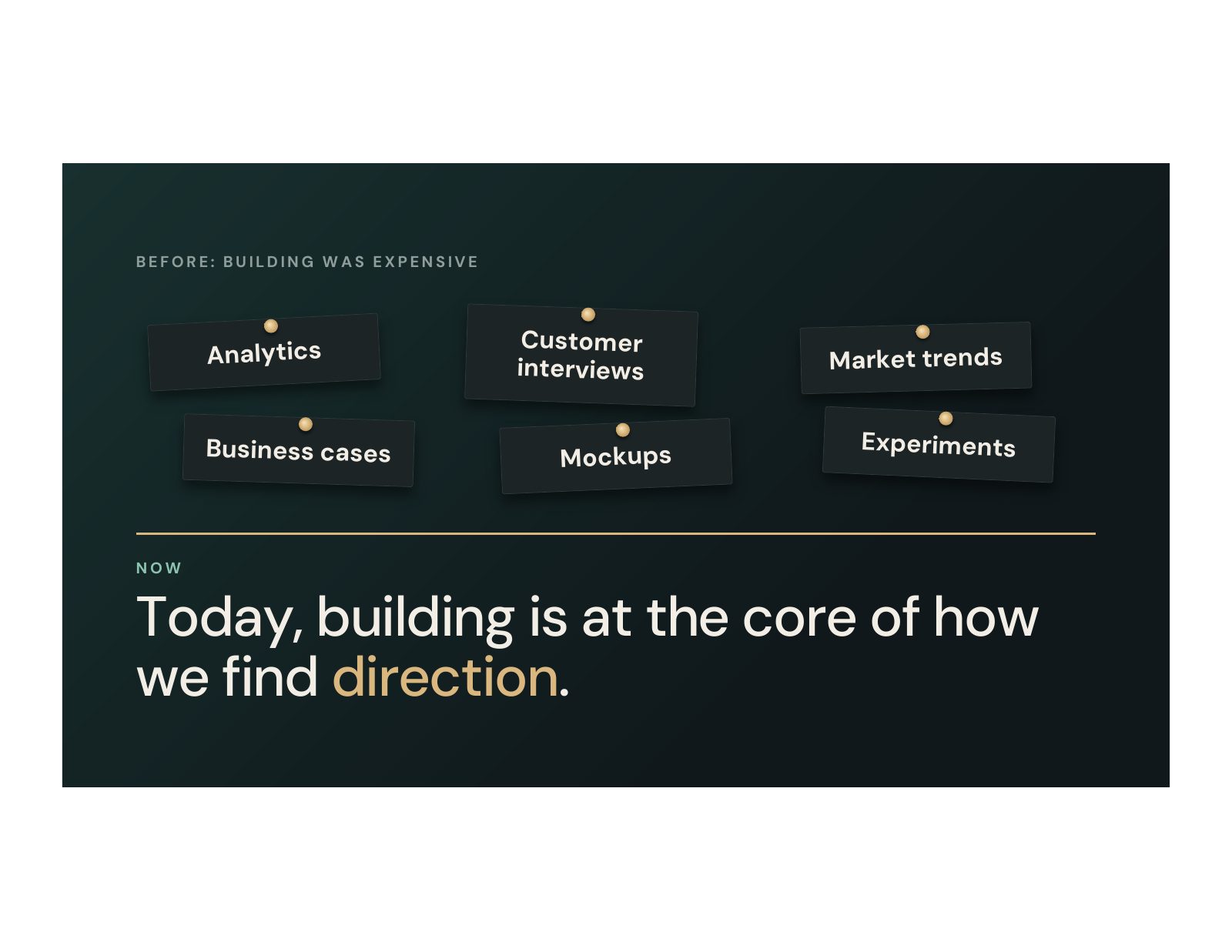
Simina Pasat closed the day with a homecoming. Fifteen years ago she came to Munich for a master's at TUM, worked at hybris, then moved to Seattle for Xbox and GitHub, where she was most recently VP of Product for GitHub and Copilot. She opened with Olympic skier Eileen Gu's line that hard work is overpraised and direction underrated: working harder means punching the wall harder, direction means noticing you can walk around it. Translated to product, hard work is building and direction is deciding what to build, for whom and why. Her warning: it has never been easier to build something nobody wants. The old cost of engineering forced product teams to ask the boring questions early. That forcing function is gone.
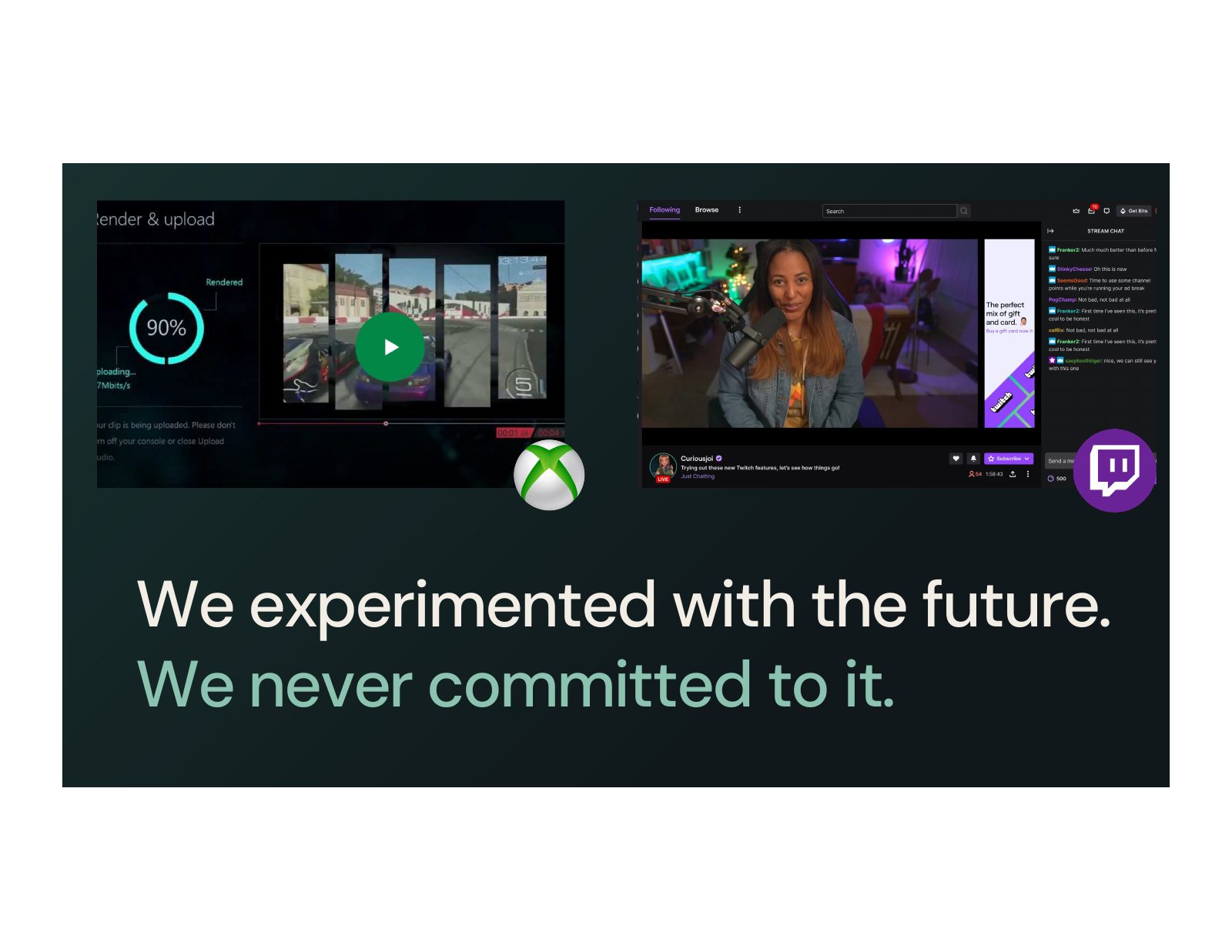
Her advice is to build to learn, not to commit. Write down the hypothesis and what success looks like first. Customers loving a demo is not success, because they can love ten other products like it. Two stories showed the gap between a demo and a product. At hybris labs her team built a digital wine shelf that lit up recommended bottles in the store. Retailers loved it, but moving it from the lab into the business was the hard part. At Xbox she worked on Game DVR while Twitch took off. The team built prototypes, but a bet that size needed someone at the very top to commit, and nobody did. AI does not fix that: you can build Twitch overnight, but not the distribution and network effects.
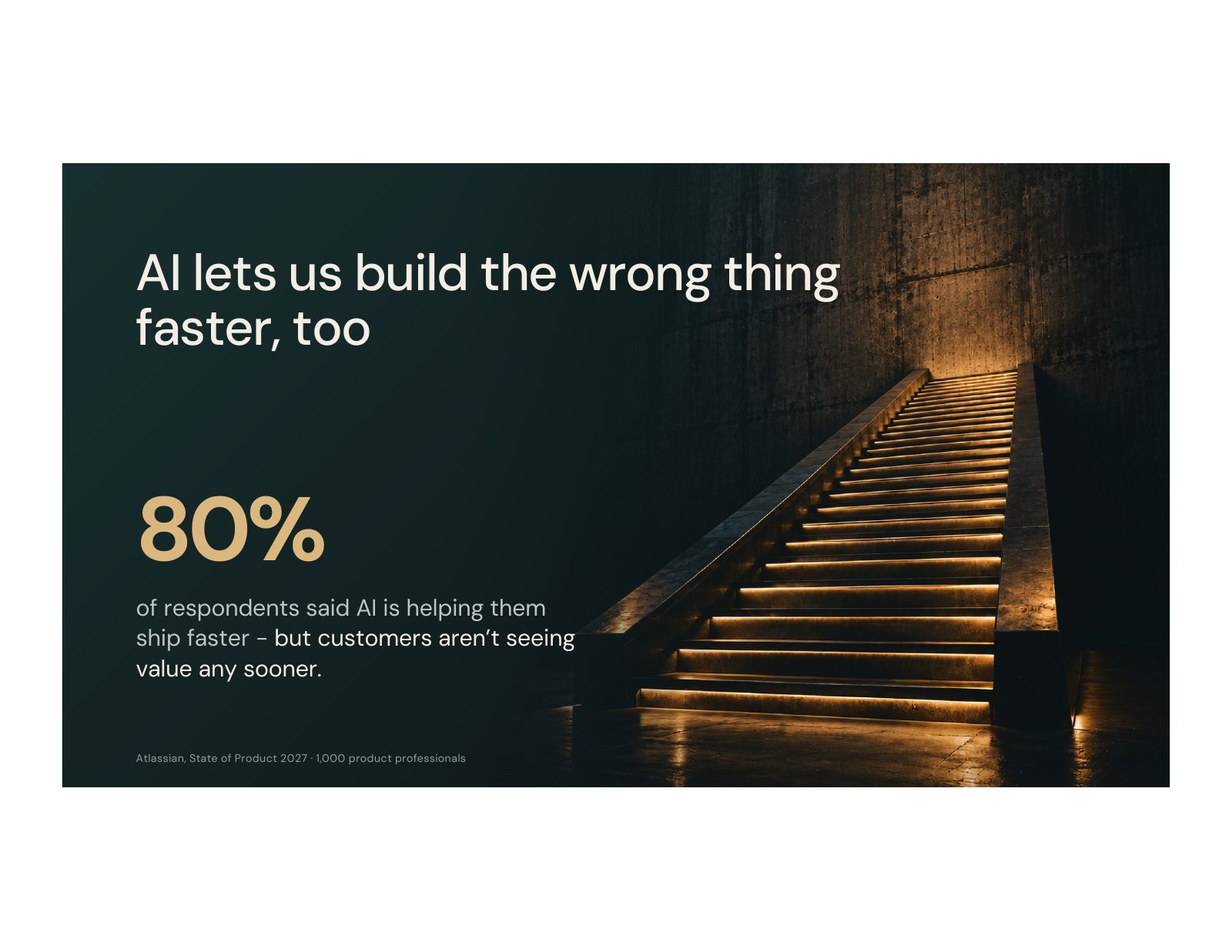
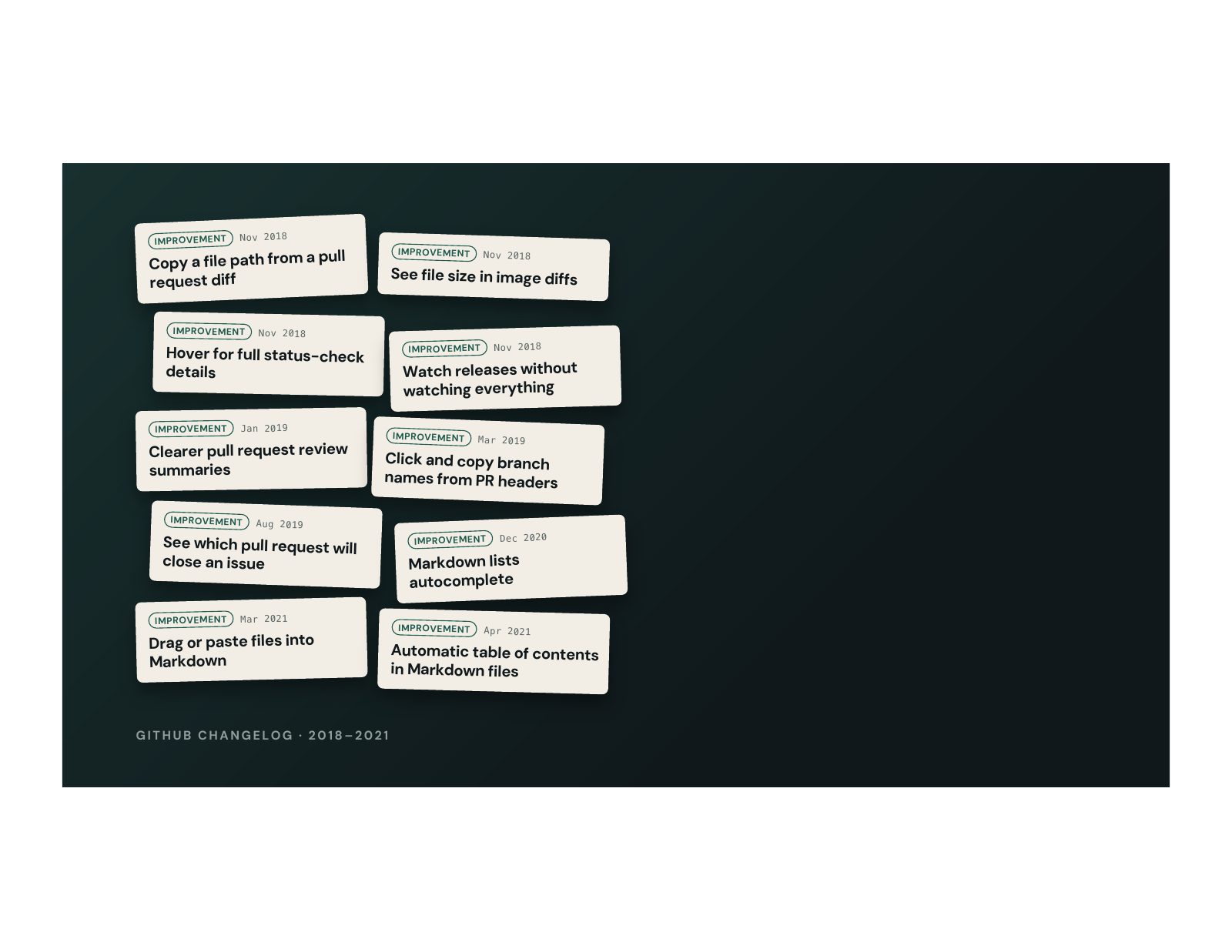
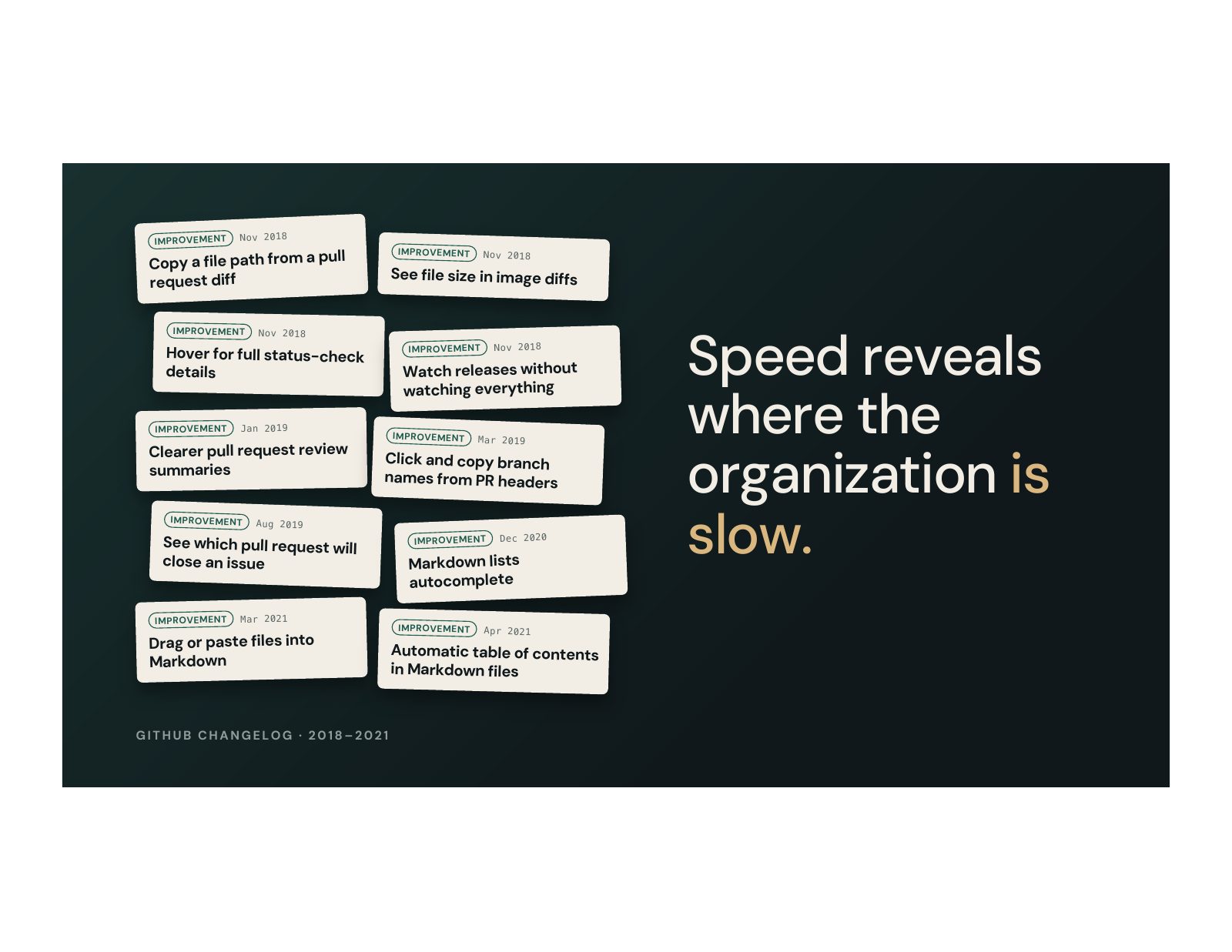
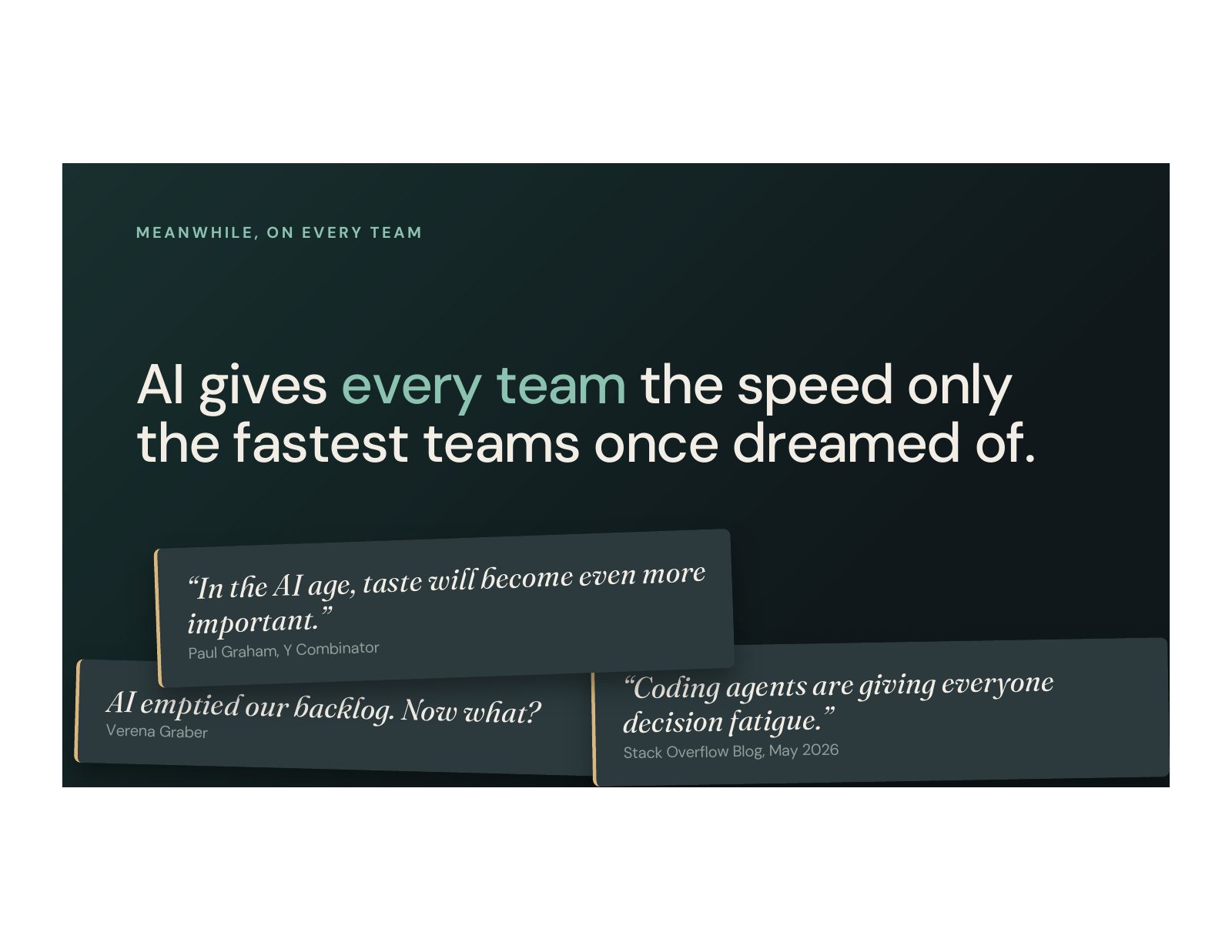
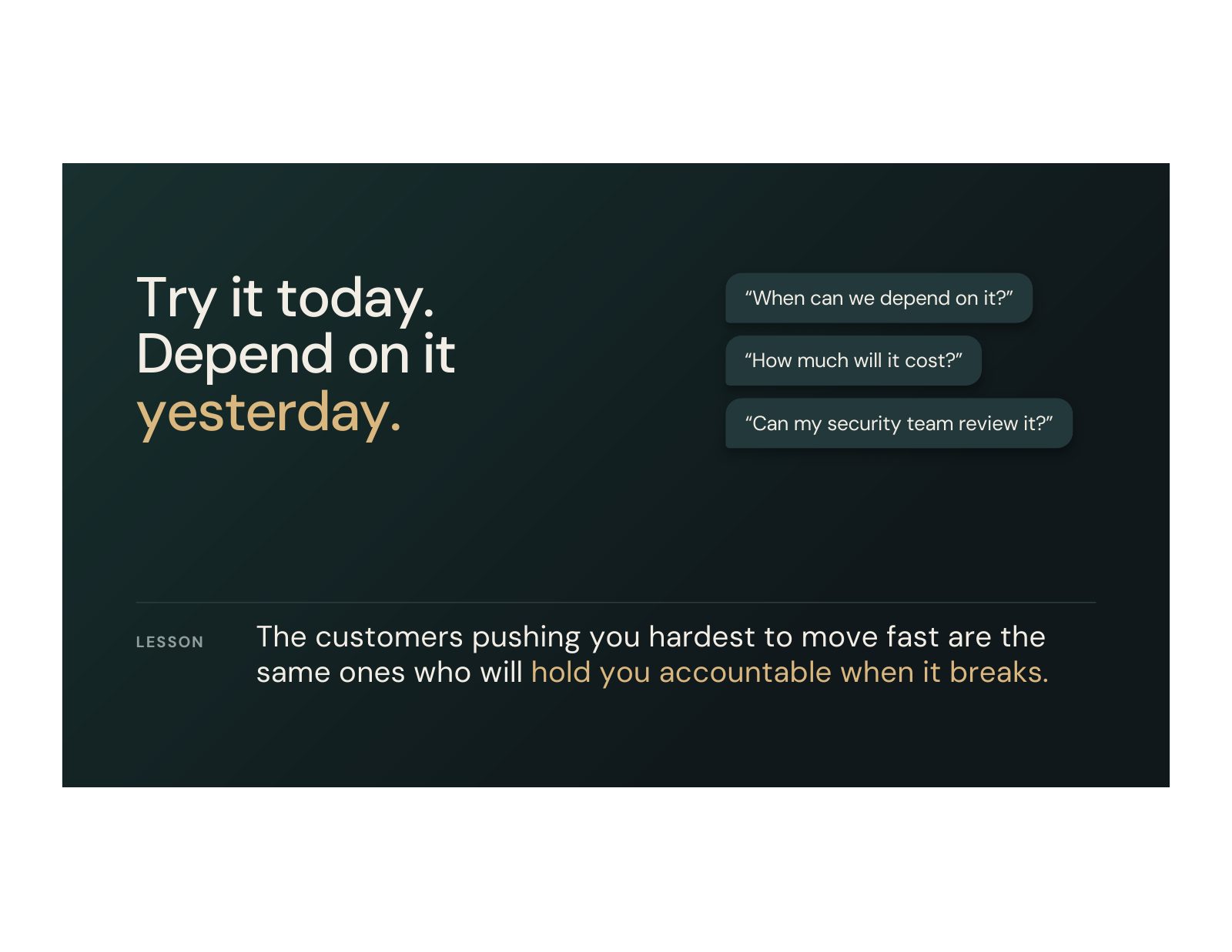
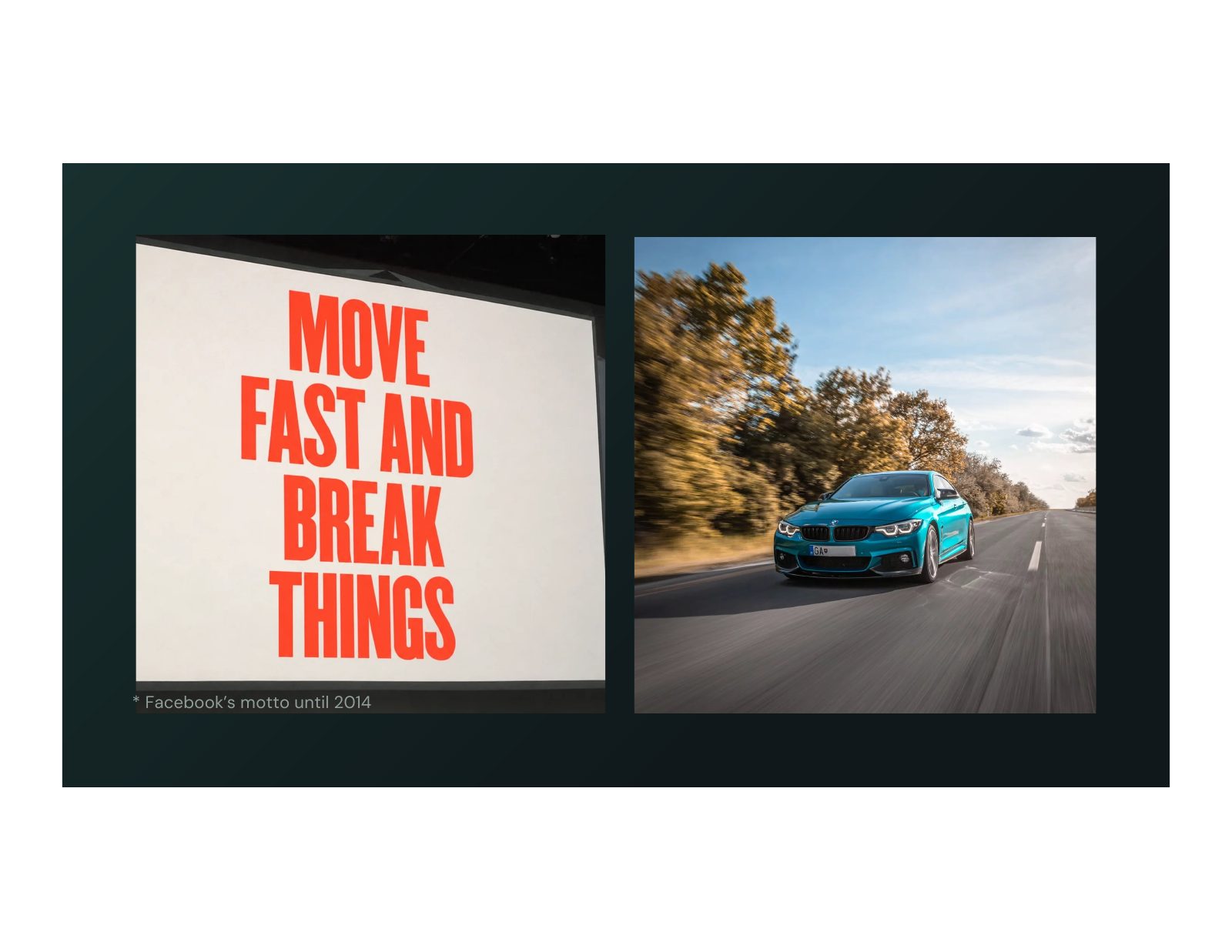
At GitHub she joined Special Projects, formed after the Microsoft acquisition to win back developer trust. In one year they shipped over a hundred changelog improvements, and betas drew tens of thousands of developers. One fast team stress tested the whole organization. Release processes, reviews and a comms team needing days for copy on something built in an afternoon started to break. AI now gives every team that speed, and when judgment cannot keep up, you build the wrong thing faster. Atlassian surveyed about 1,000 product people: 80 percent ship faster with AI, customers see no more value. Customers also stopped waiting. Banks, German carmakers and healthcare companies want to try a demo the same day. IBM found two thirds of CEOs invest before understanding the value.
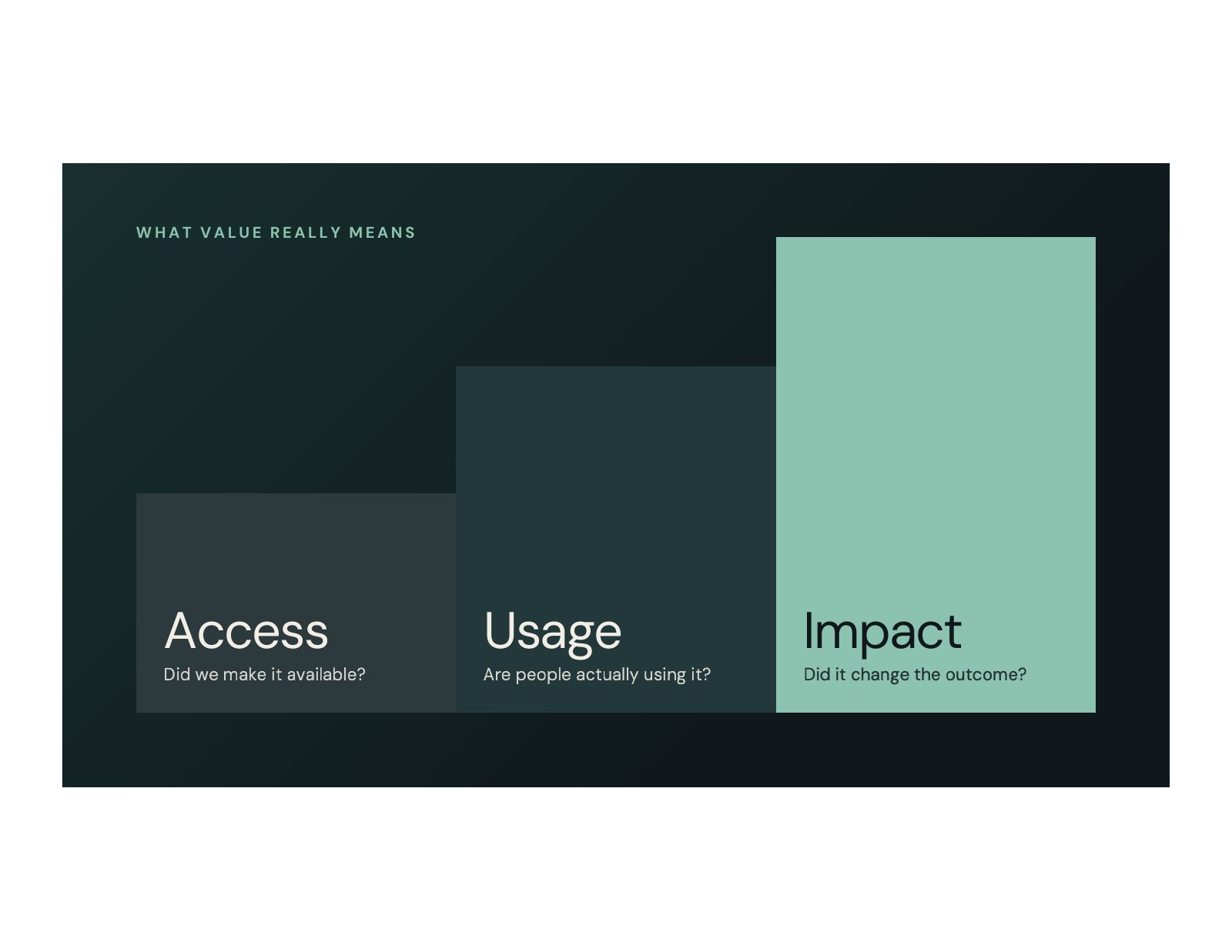
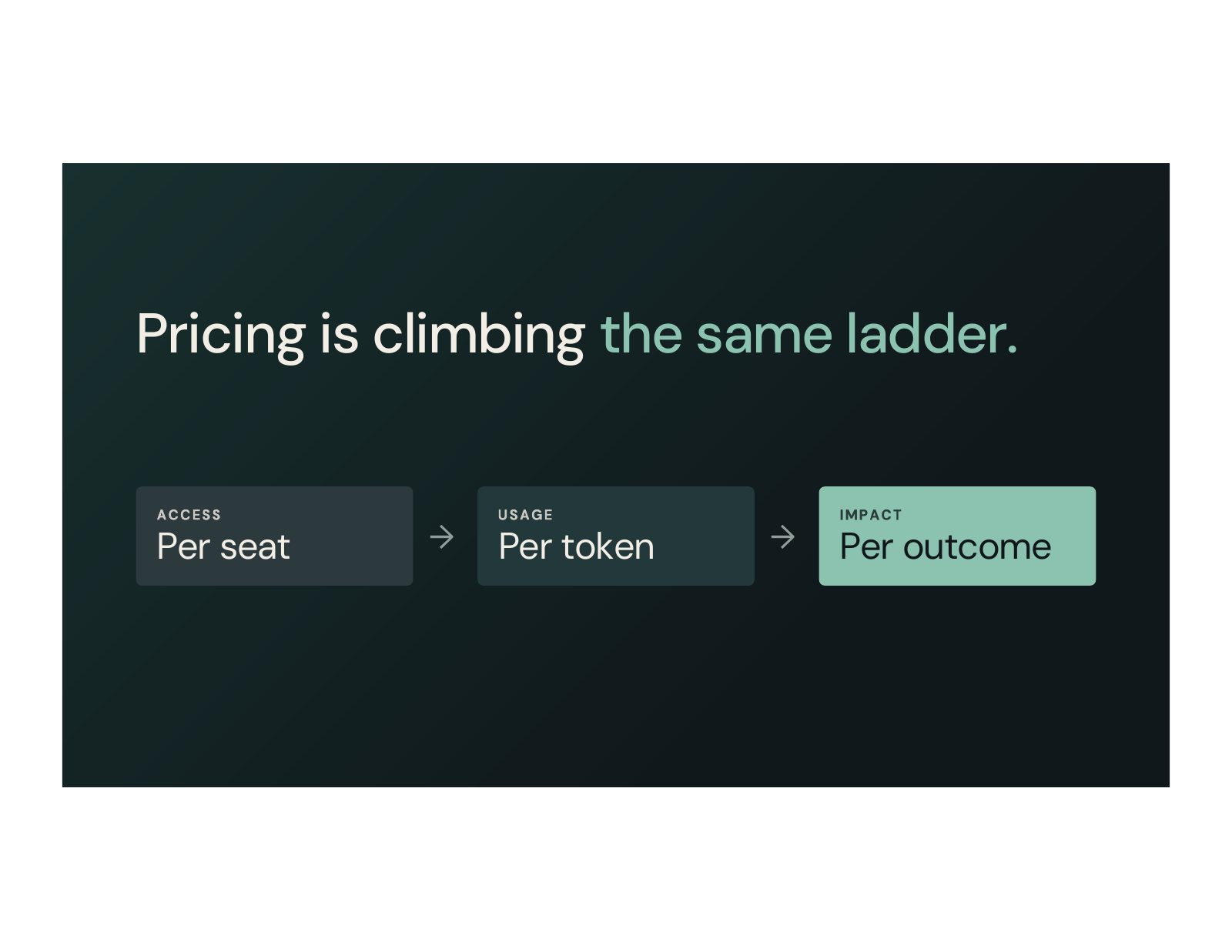
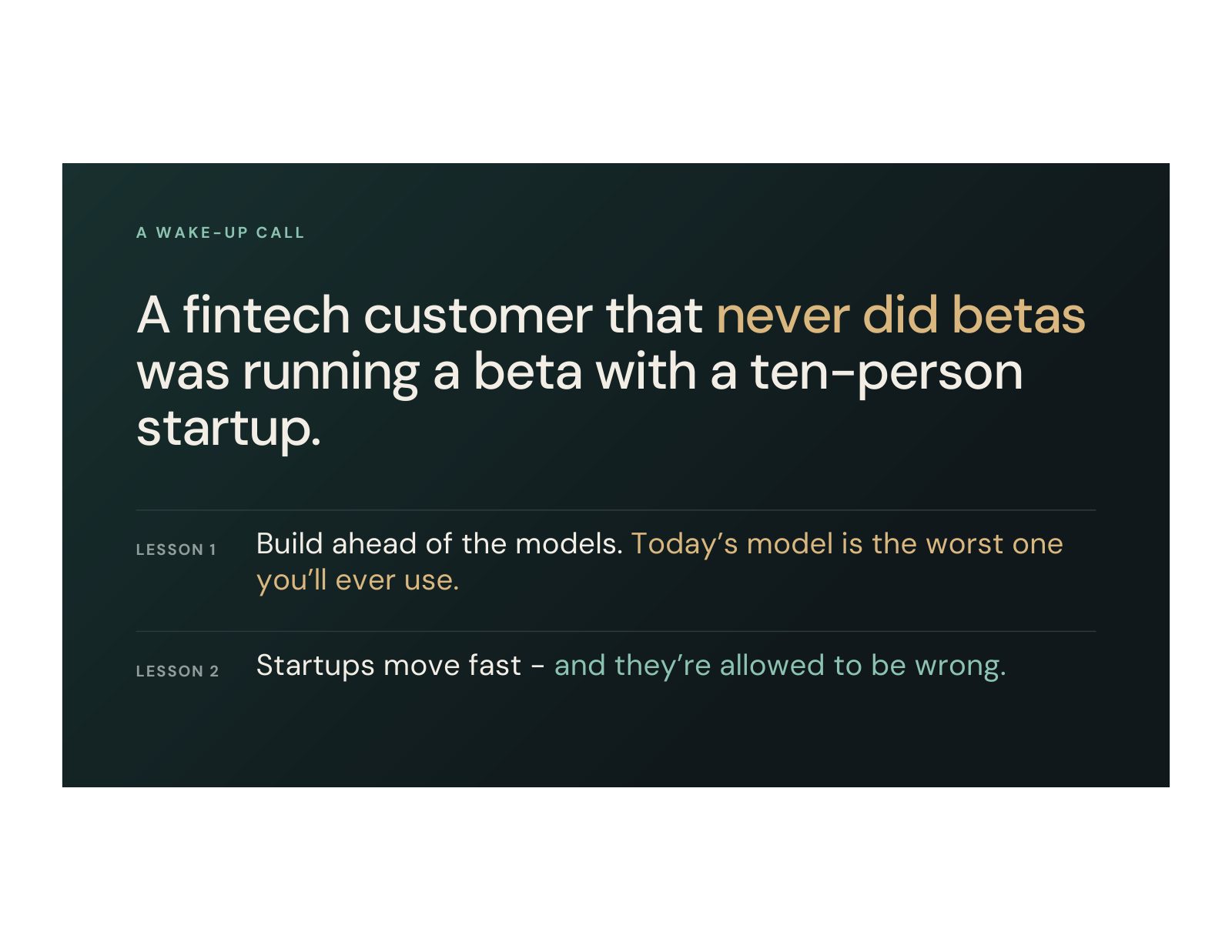
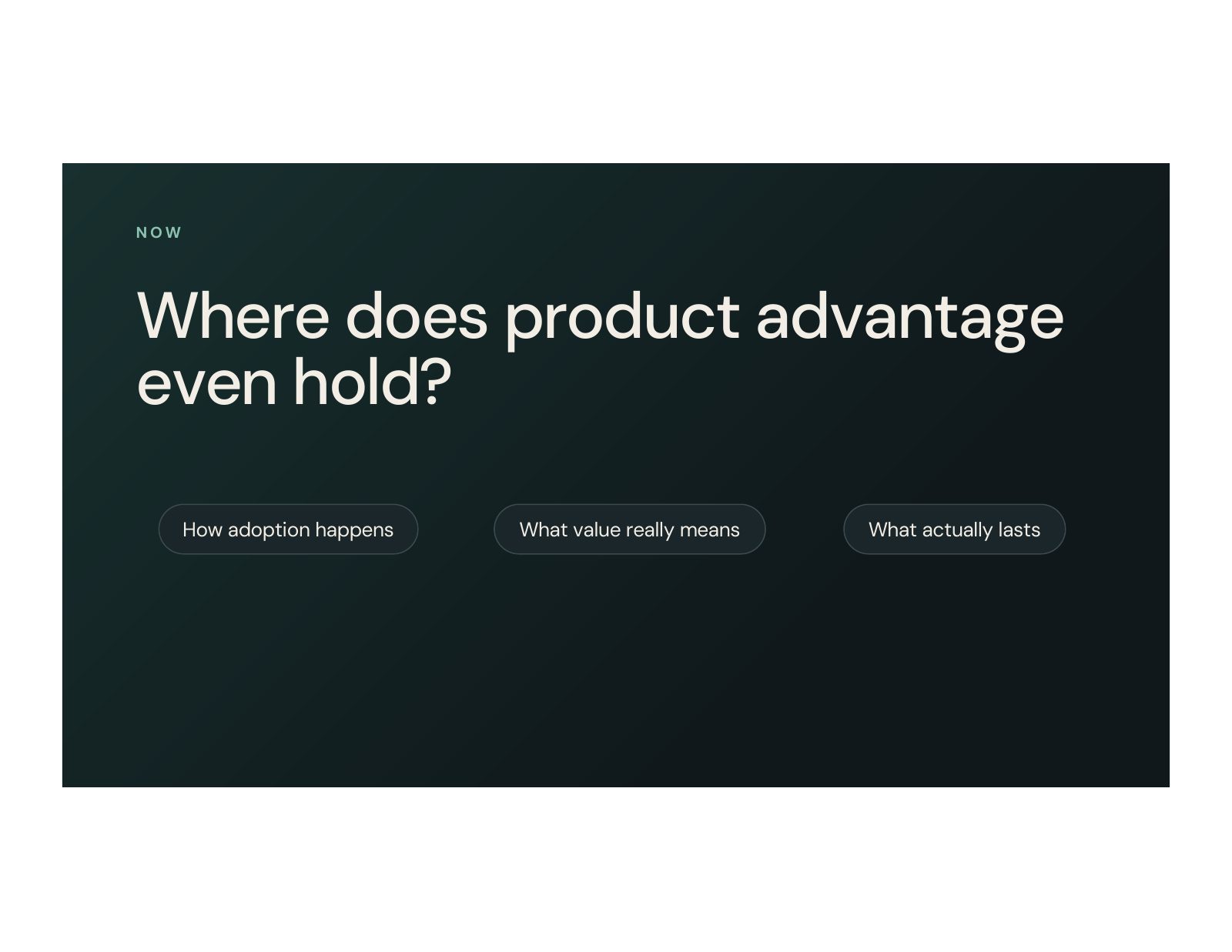
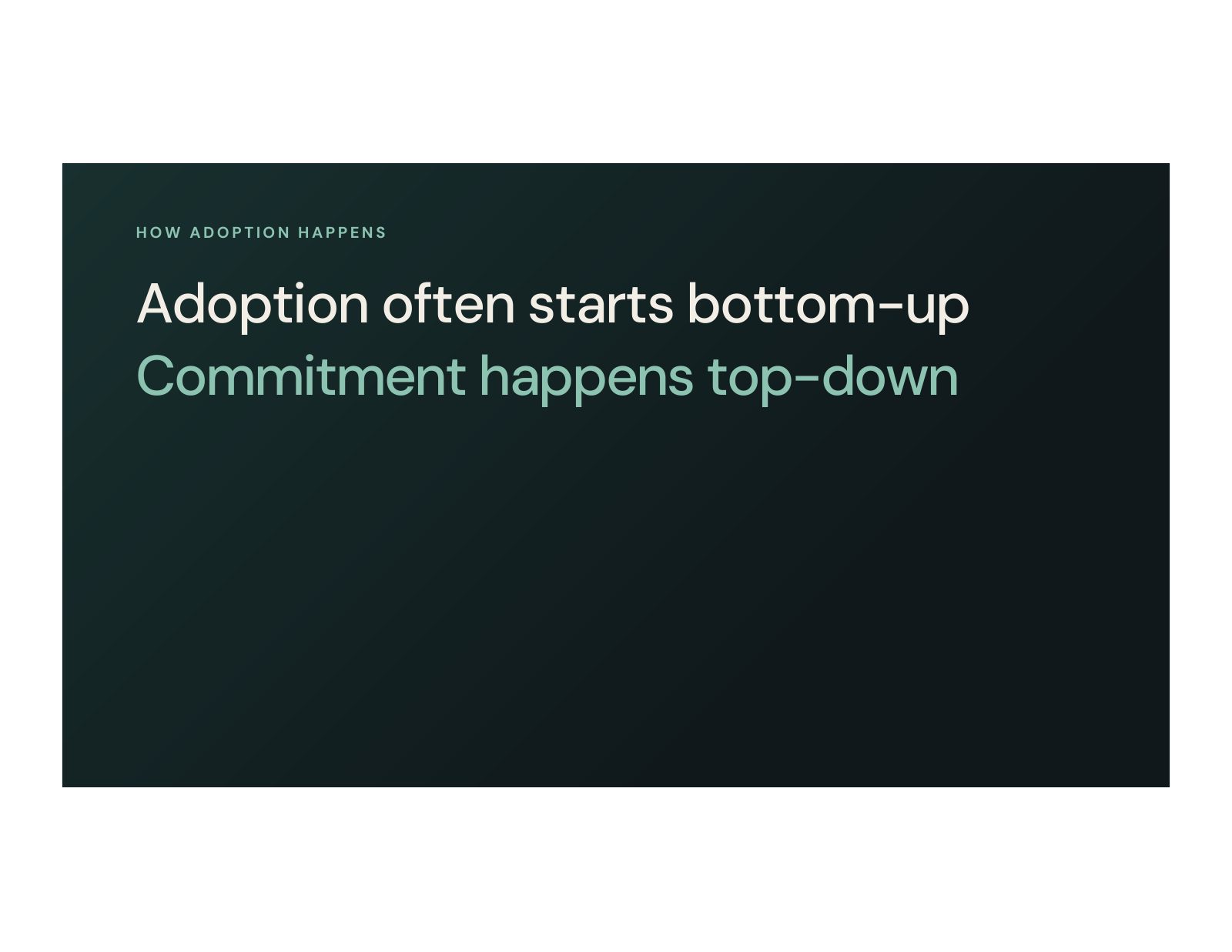
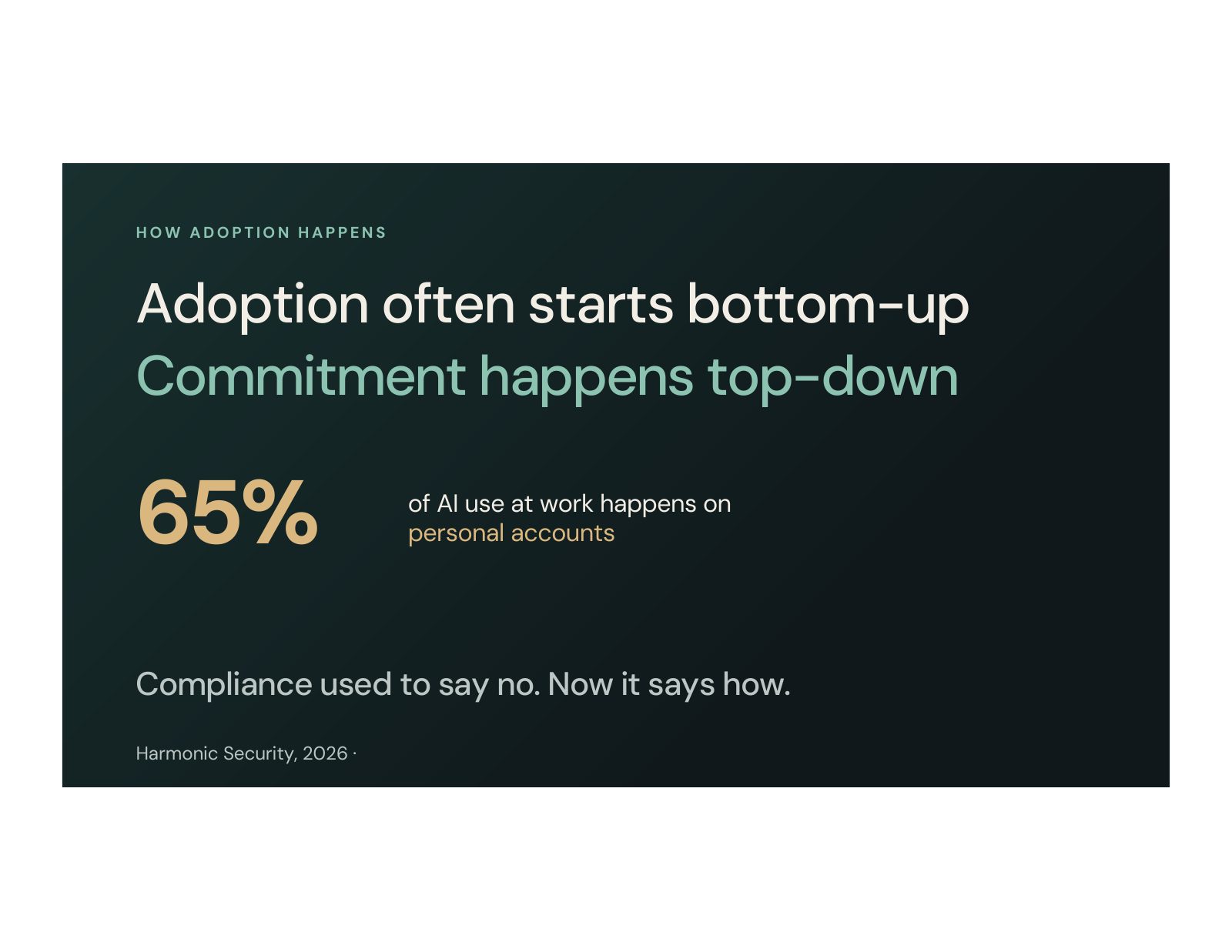
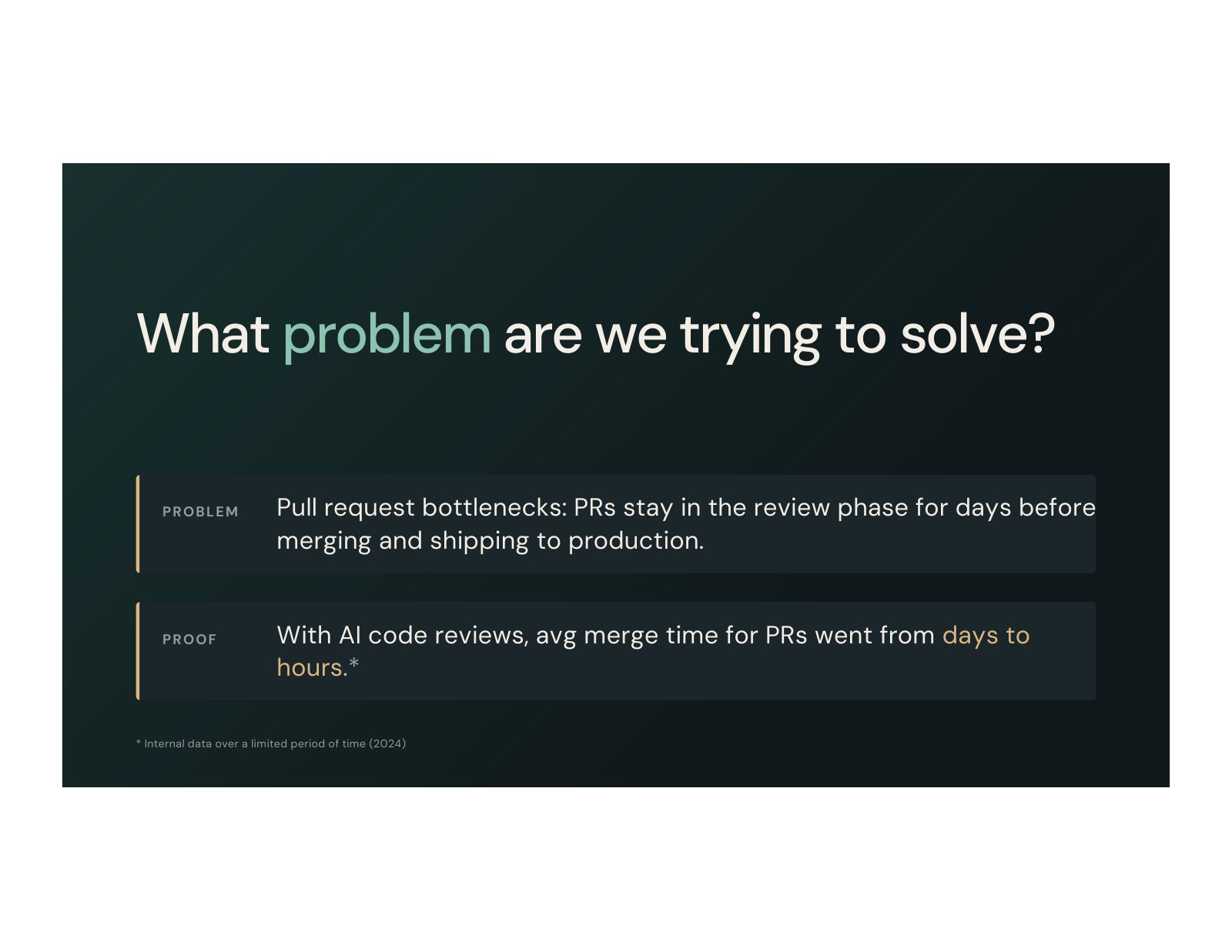
Her sharpest story came from launching GitHub Copilot Enterprise. While her team was still prototyping AI code review, a financial institution that never ran betas was already piloting pull request reviews with a ten-person startup. Two lessons: build ahead of what today's models can do, and startups may make mistakes a large vendor cannot afford. GA still means security reviews, compliance, SLAs, support, docs and pricing, plus a promise to keep it working for years. She then asked where product advantage still holds. Adoption starts bottom-up, as GitHub and later Cursor, Claude Code and Codex spread from personal accounts into companies, while commitment happens top-down. Value moved from access to usage to impact, and pricing followed from per seat to per token to Intercom's 99 cents per resolved ticket.
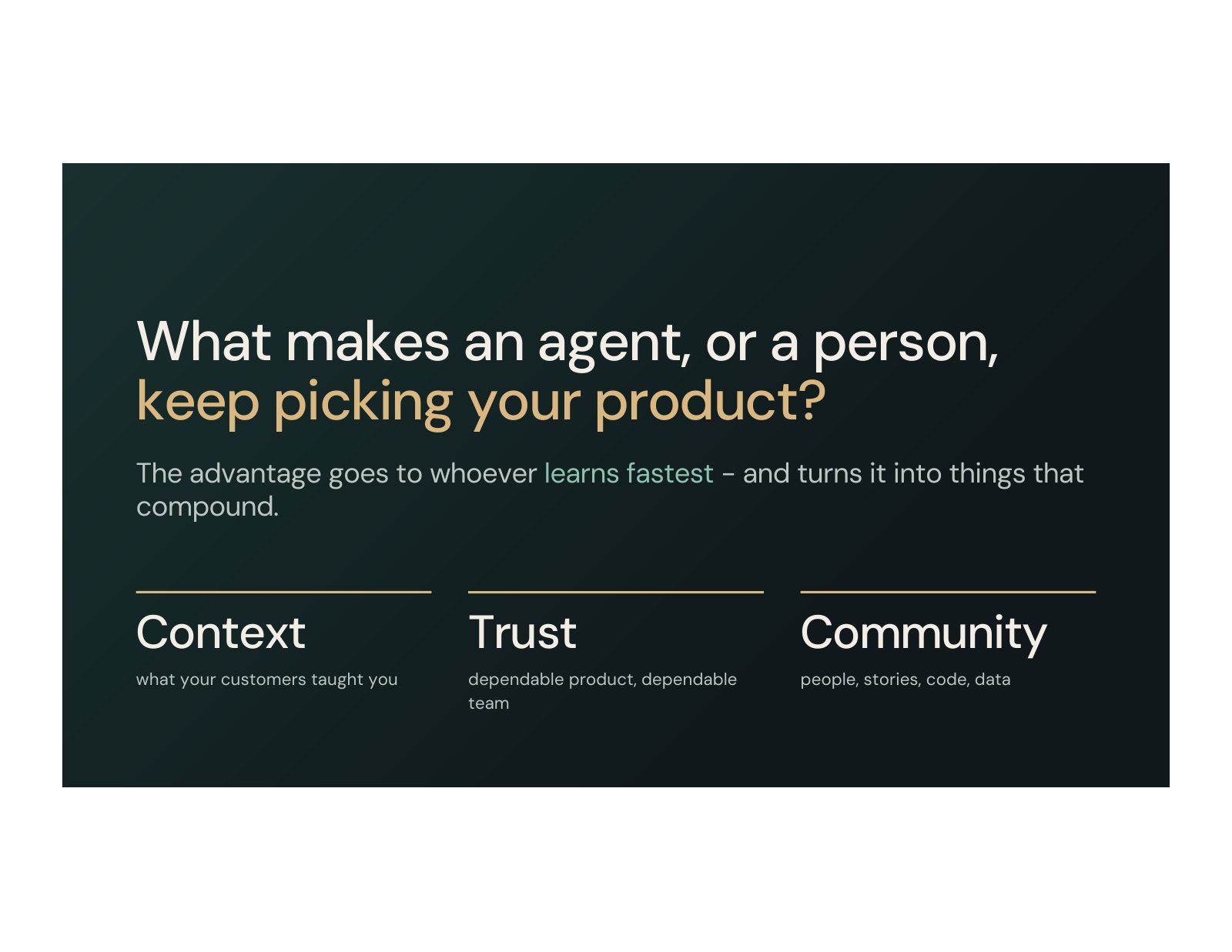
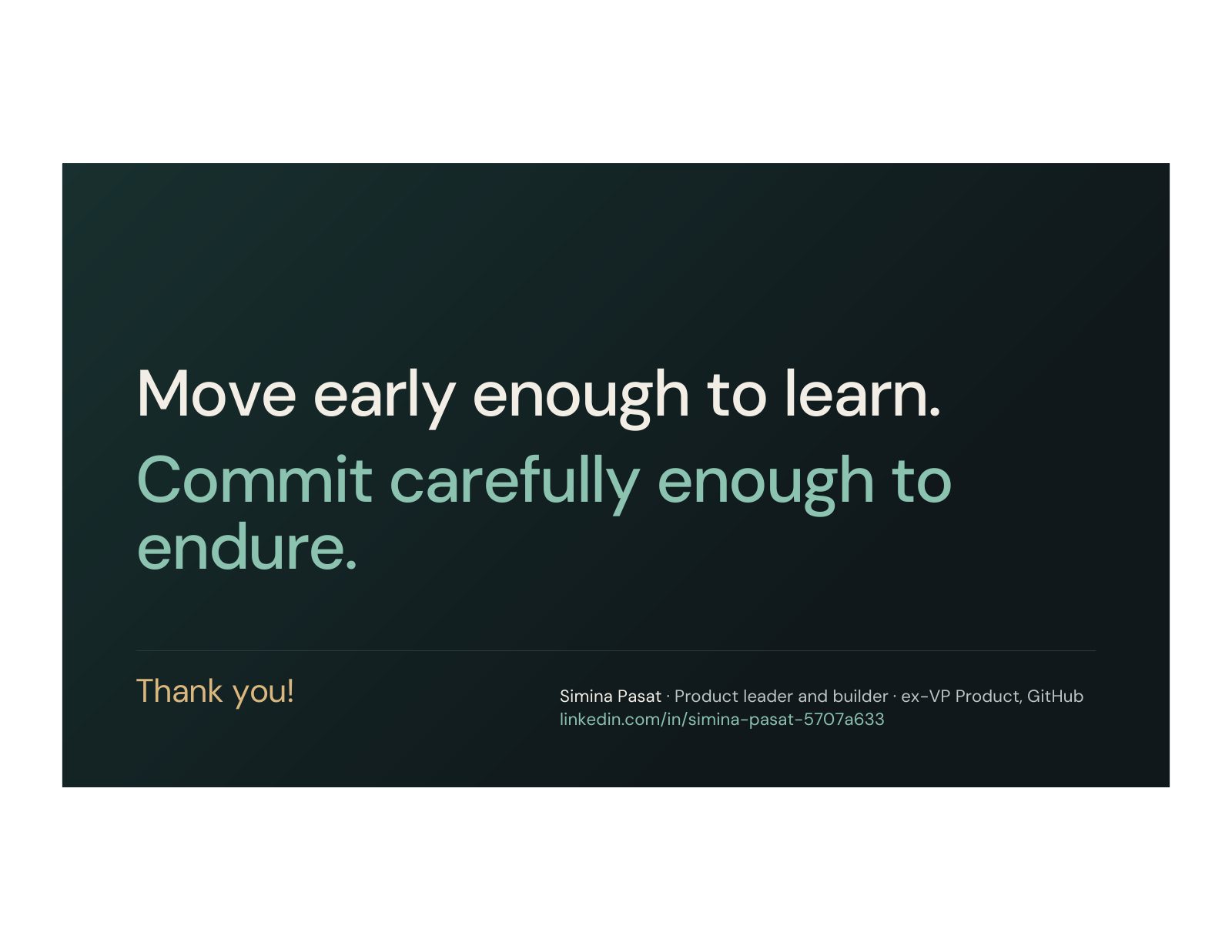
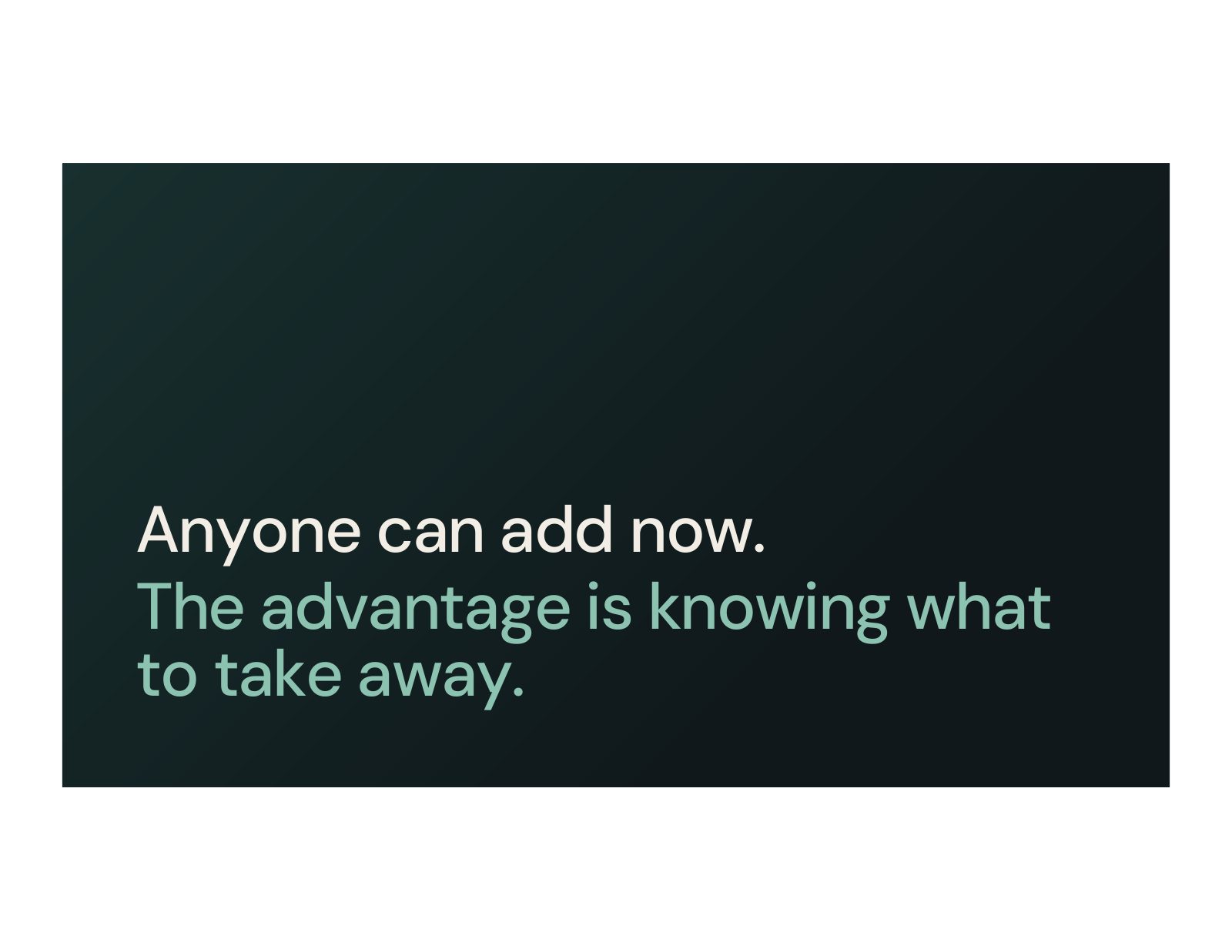
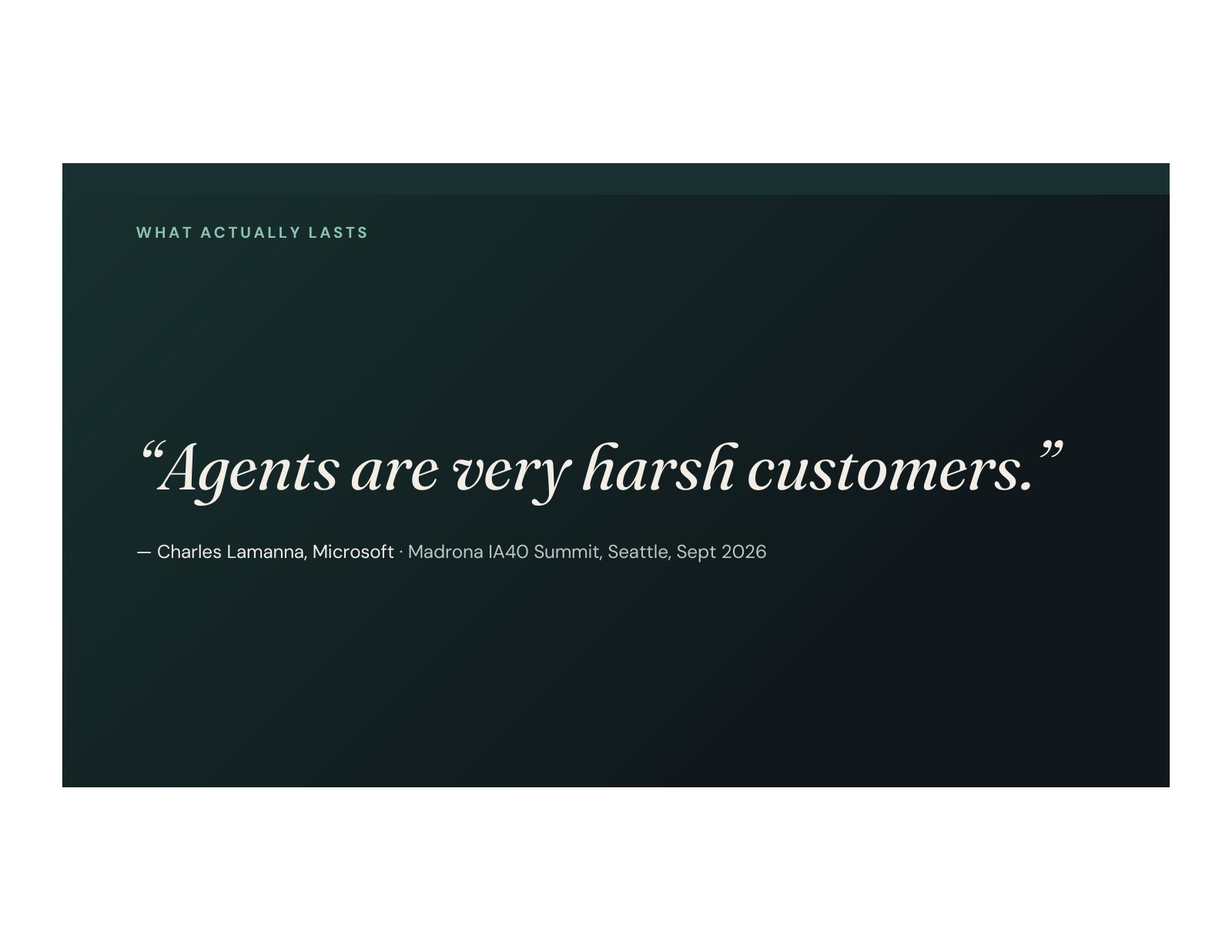
If outcomes are what matters, only features that drive the outcome deserve to exist. Anyone can add now; the skill is knowing what to take away. Trader Joe's stocks 4,000 products against a typical supermarket's 50,000 and sells about four times as much per square meter because customers trust the selection. Agents are becoming the customer, and they do not see your onboarding or landing page, only whether the tool call worked. The advantage goes to whoever learns fastest, compounded through context, trust and community. Simina left GitHub this summer and is building hands-on again, running a Friday retro with Claude on what pushed the limits and what she learned. Her closing line: move early enough to learn, and commit carefully enough to endure.