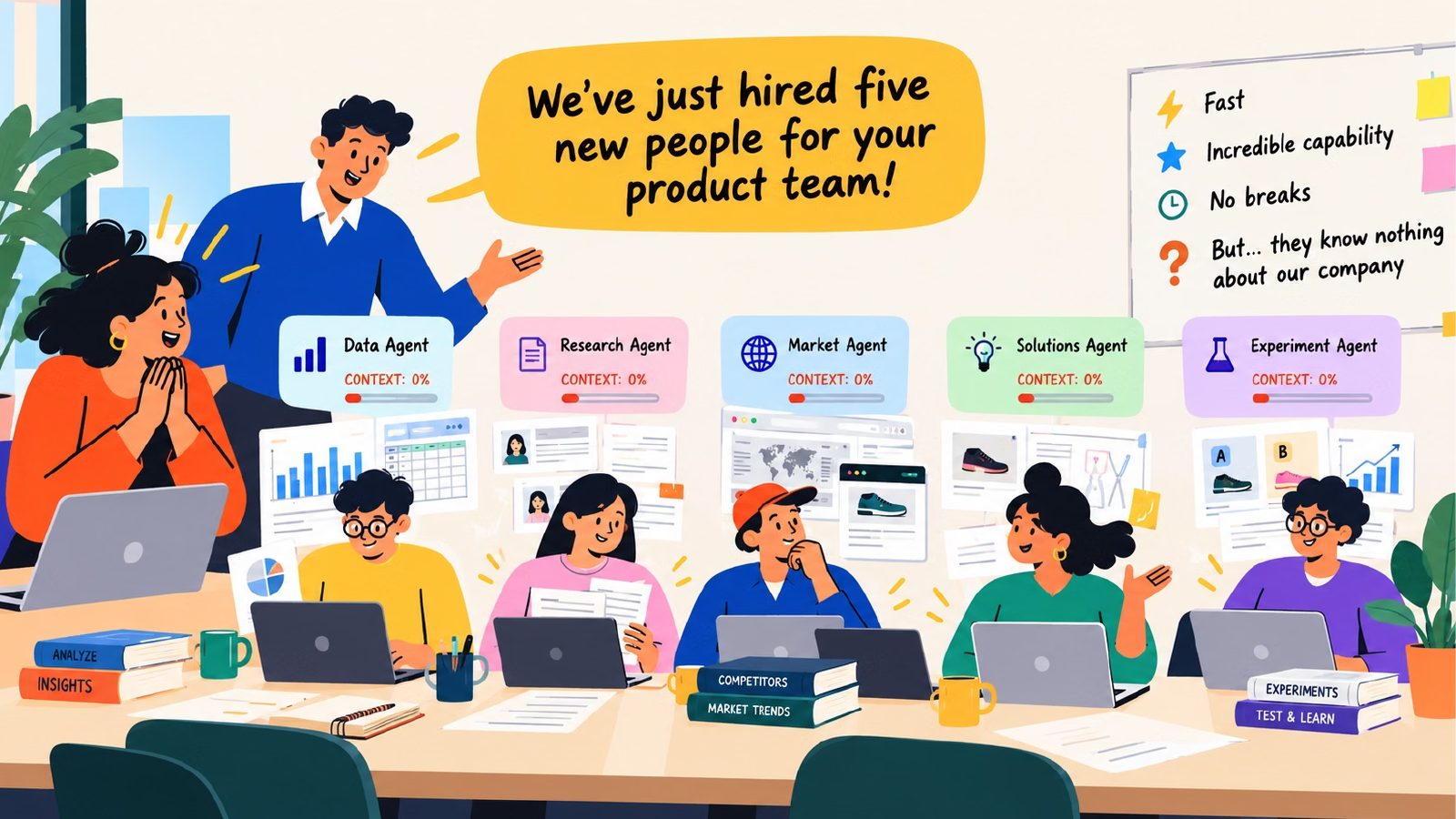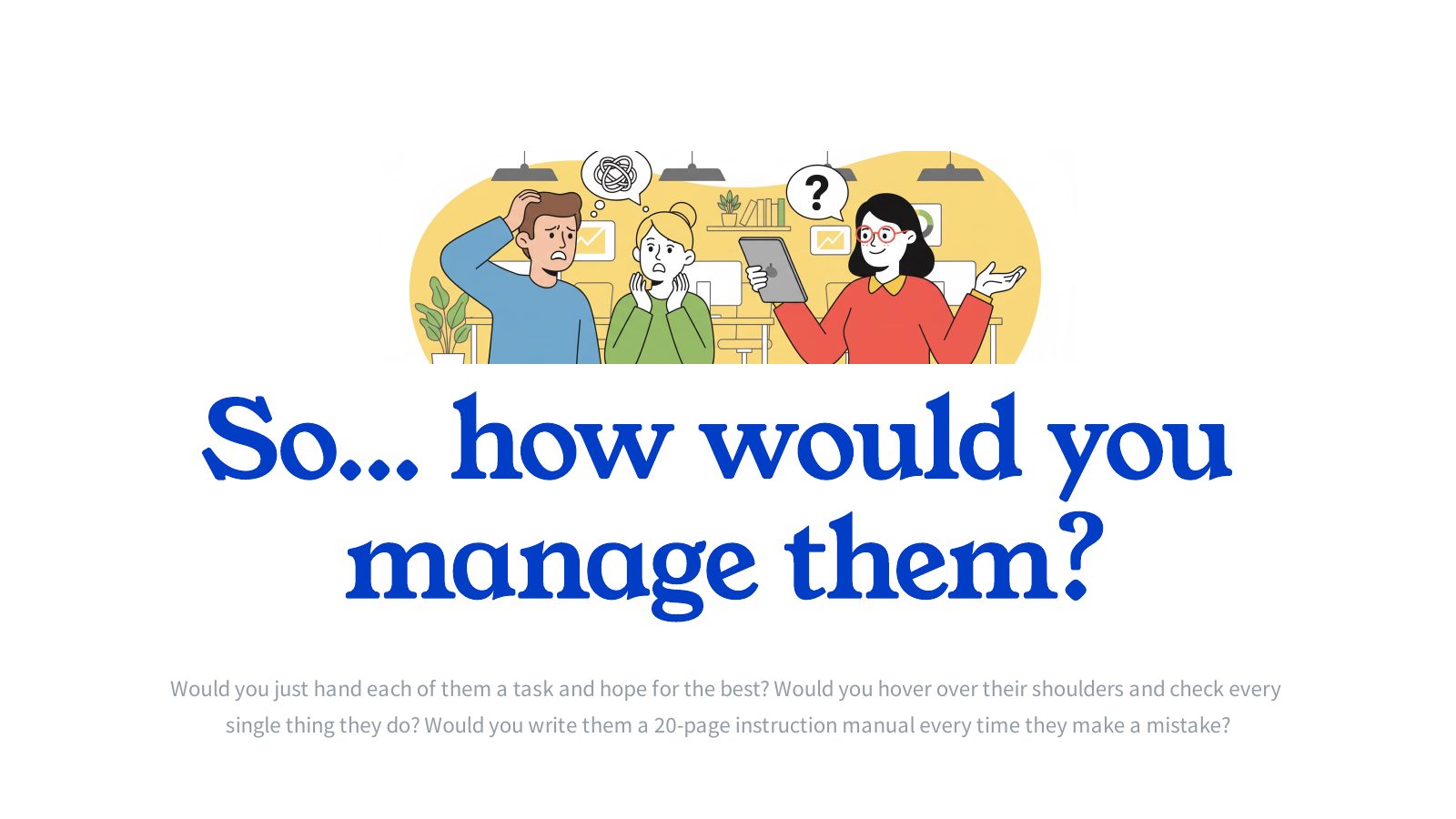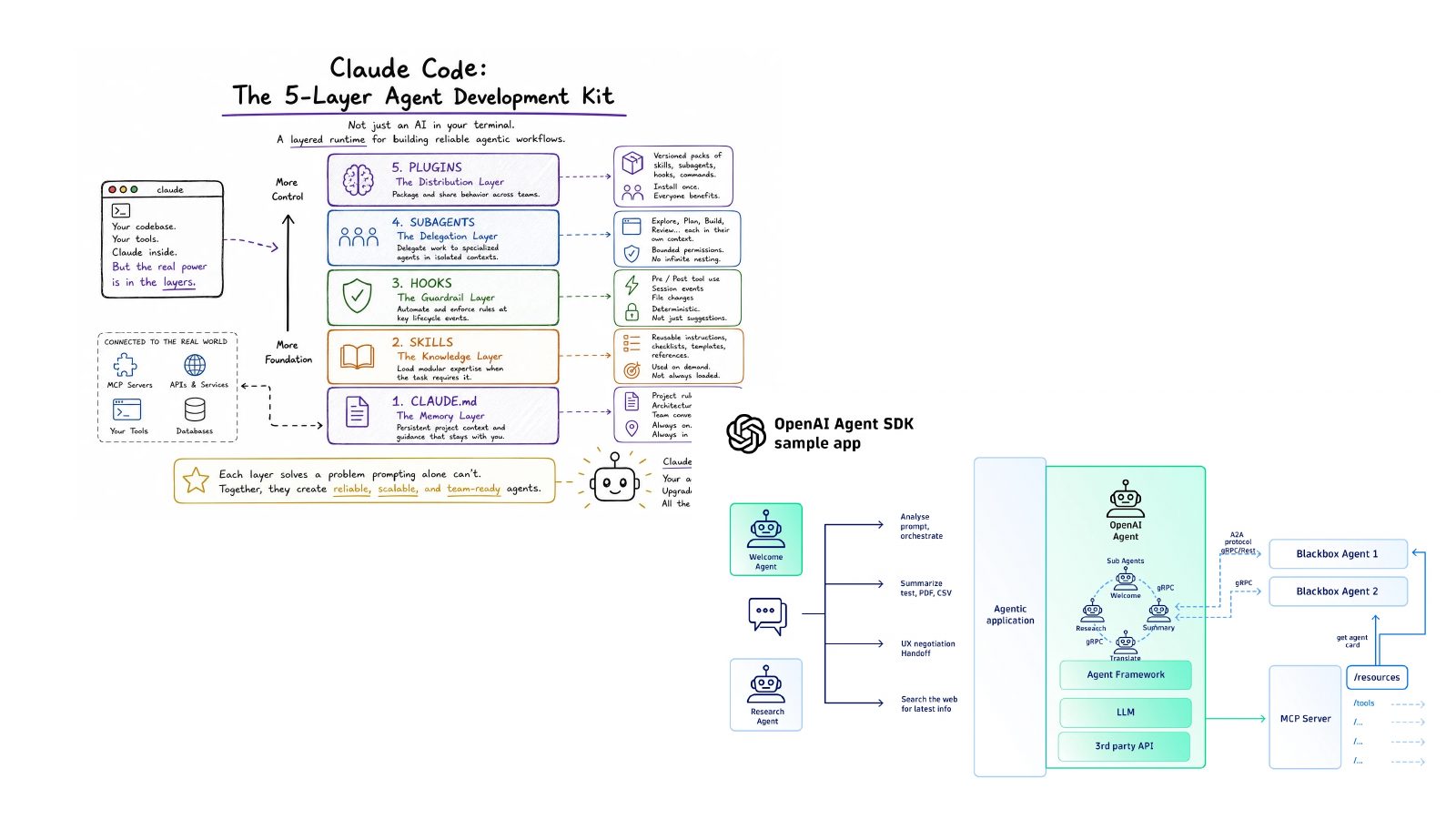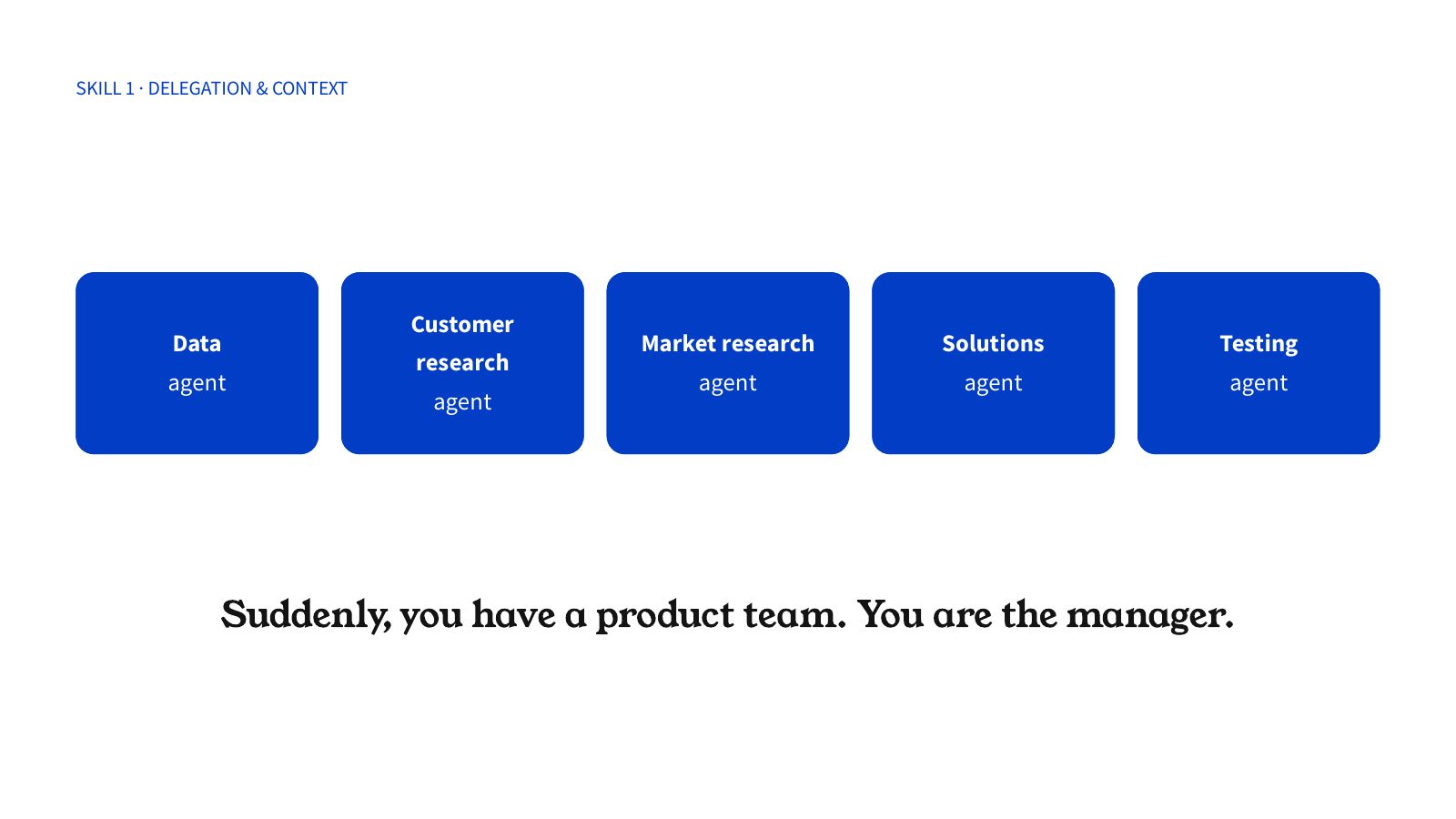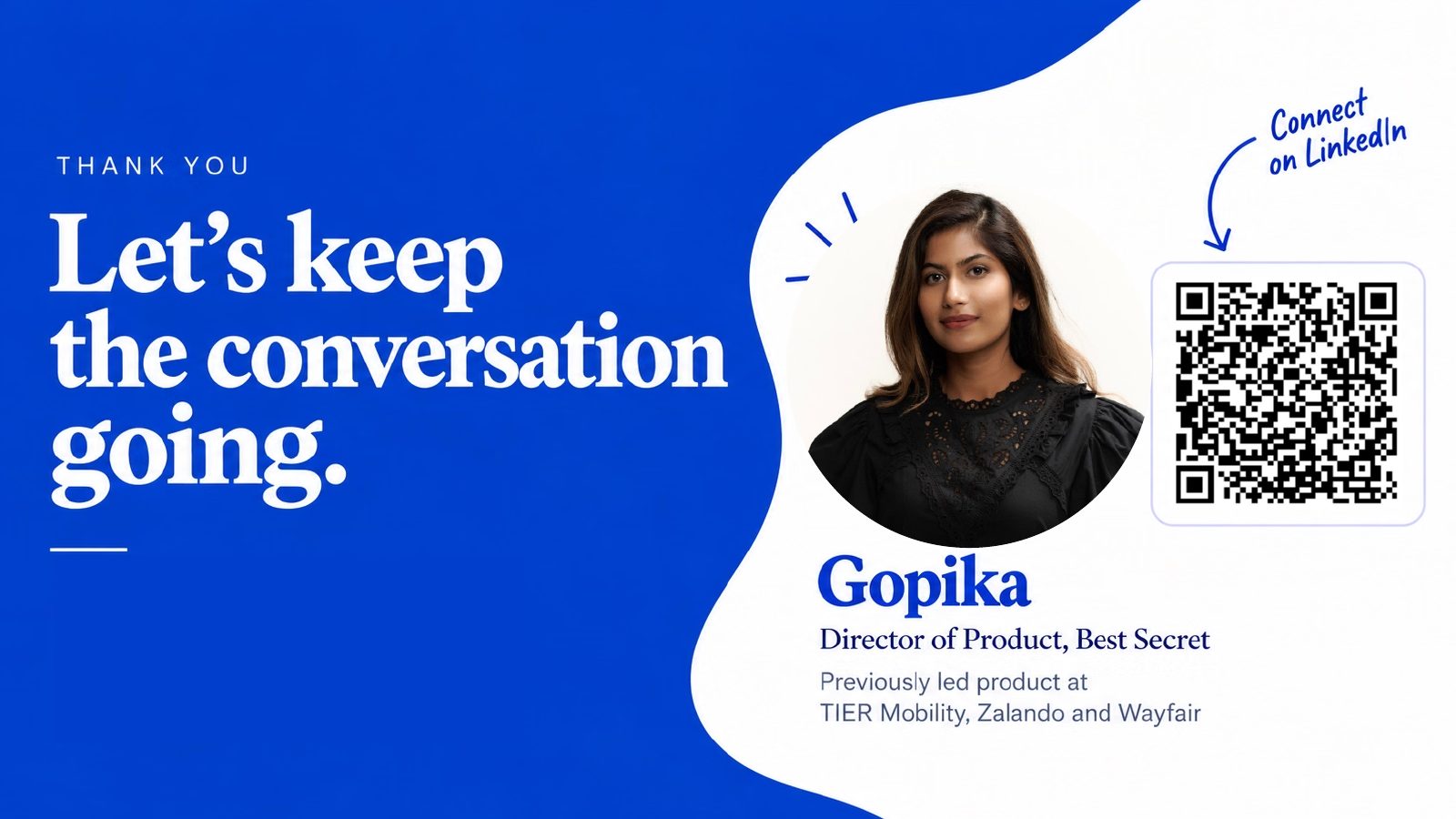
Gopika Mohanan opens with a thought experiment. On Monday your boss tells you five new people joined your team. They research a market in minutes, pull customer insights, write code, take no bathroom breaks and have no working hours. The catch: sometimes they hand you something with full confidence and it is wrong. Would you check every output, write a 15 page instruction and hope? Or would you think about roles, context and decision rights? Gopika leads about eight product managers at BestSecret, where multi-agent systems have moved into the daily work of product teams. Her observation: this shift teaches less about technical skills and more about old product leadership skills, and it pushes them onto junior PMs who used to wait years for a team.
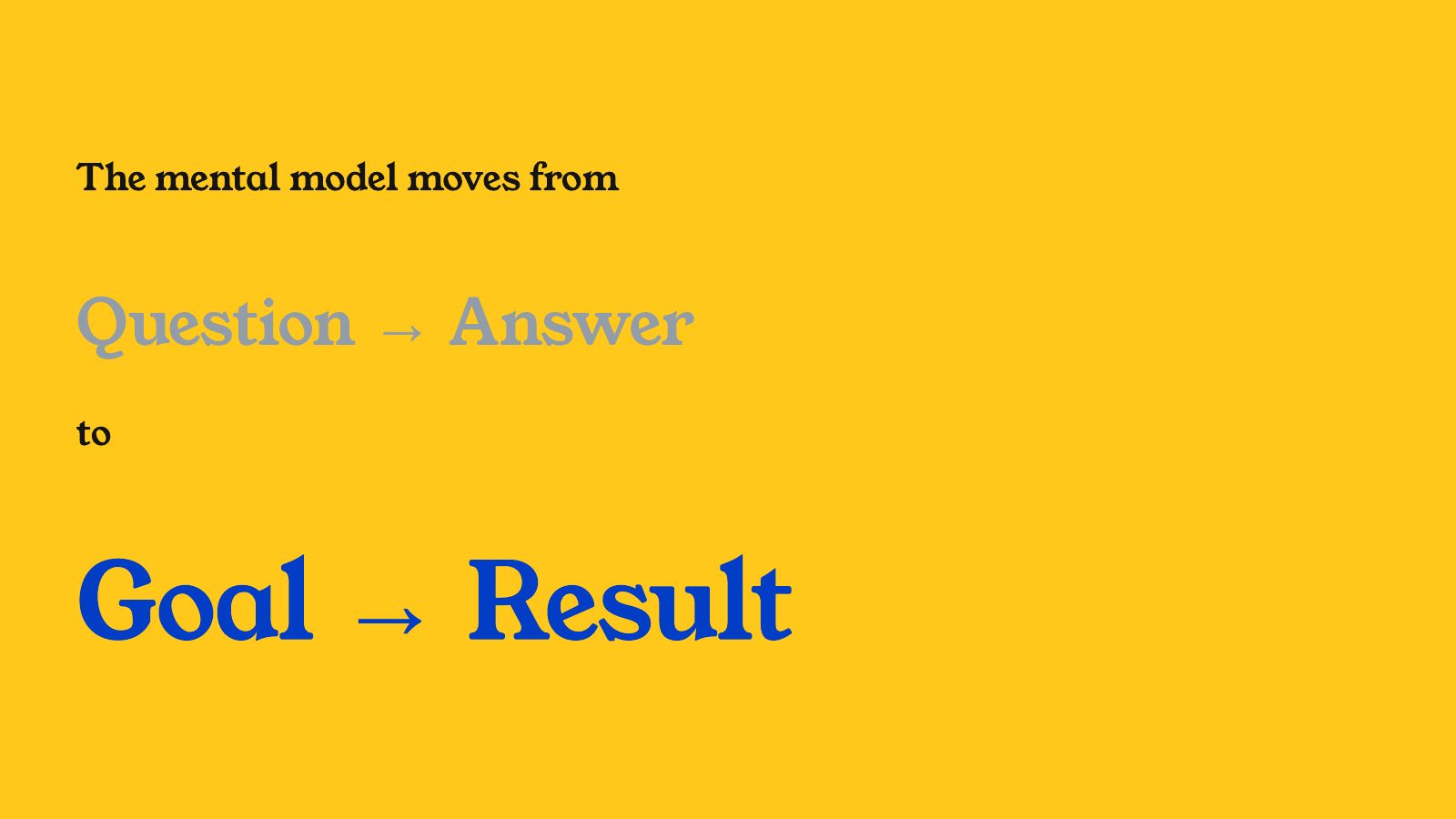
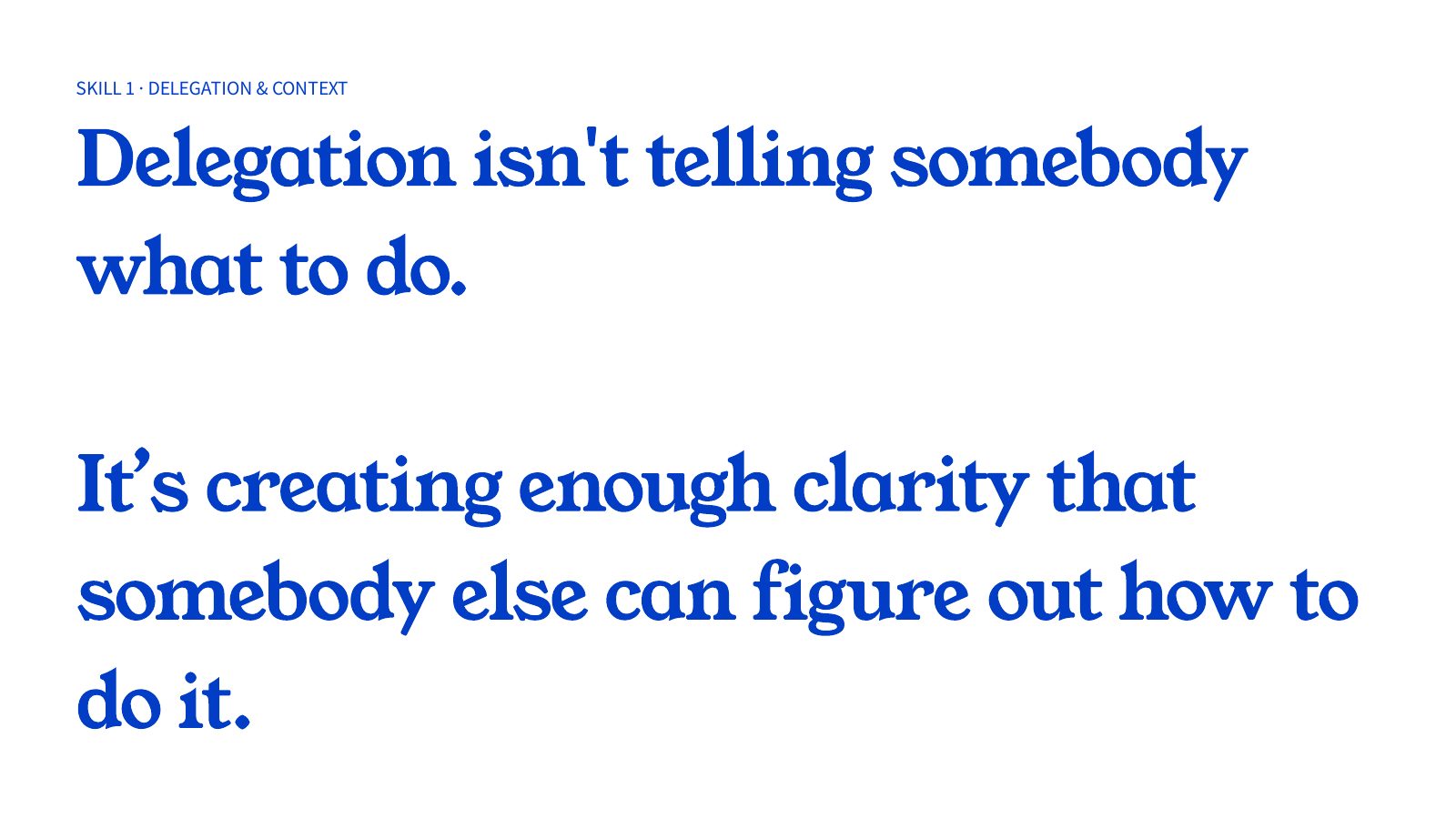
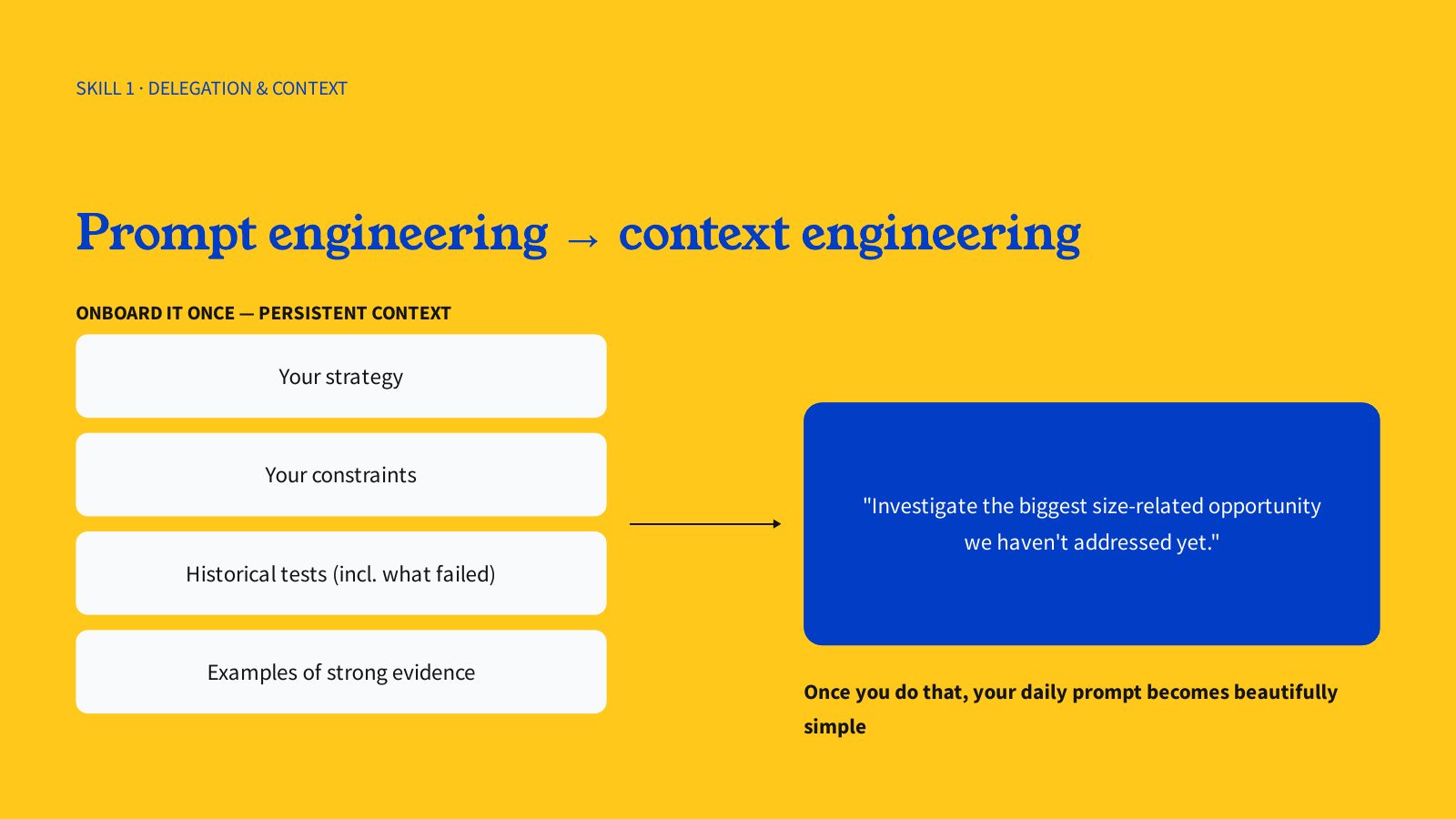
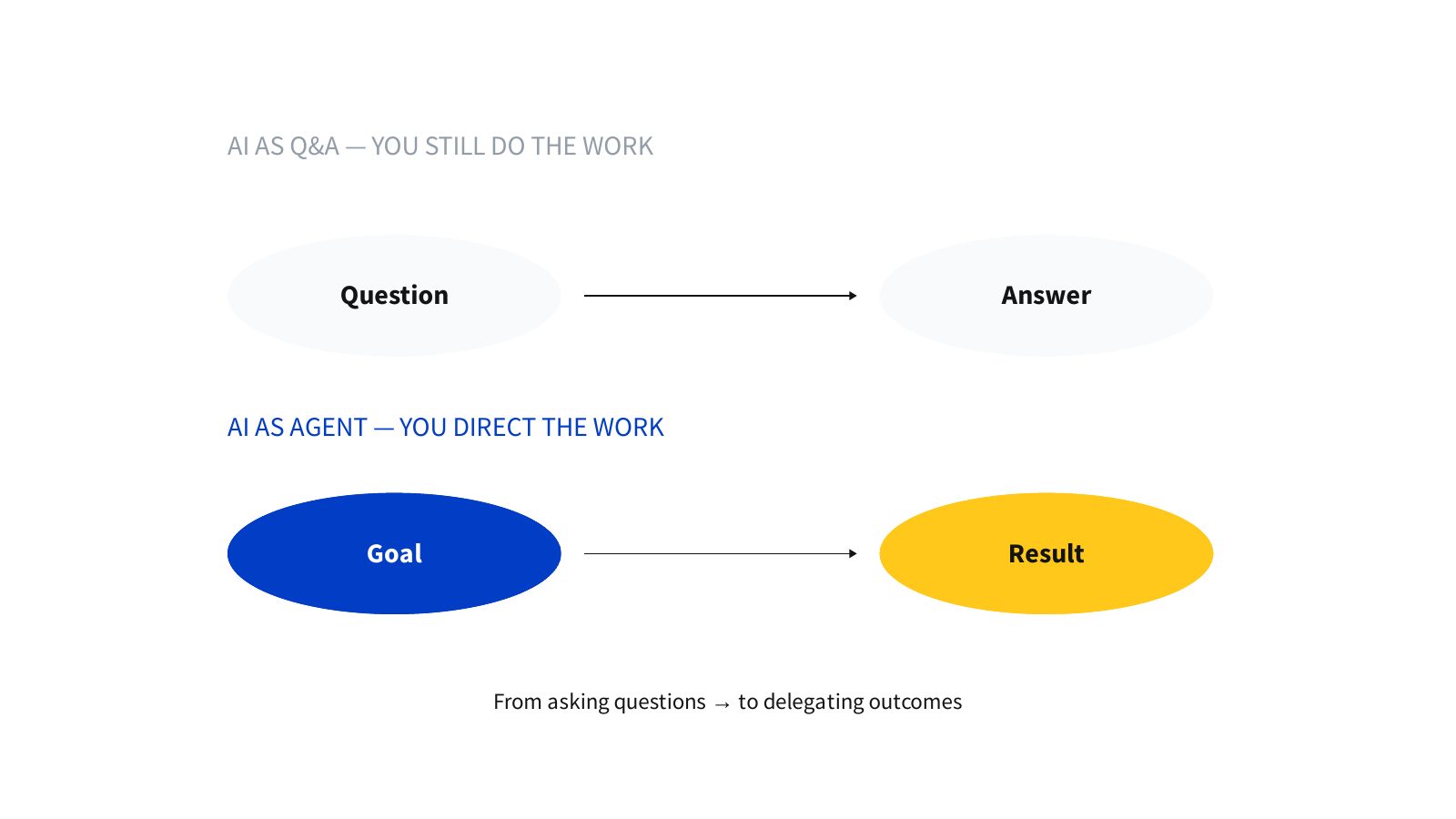
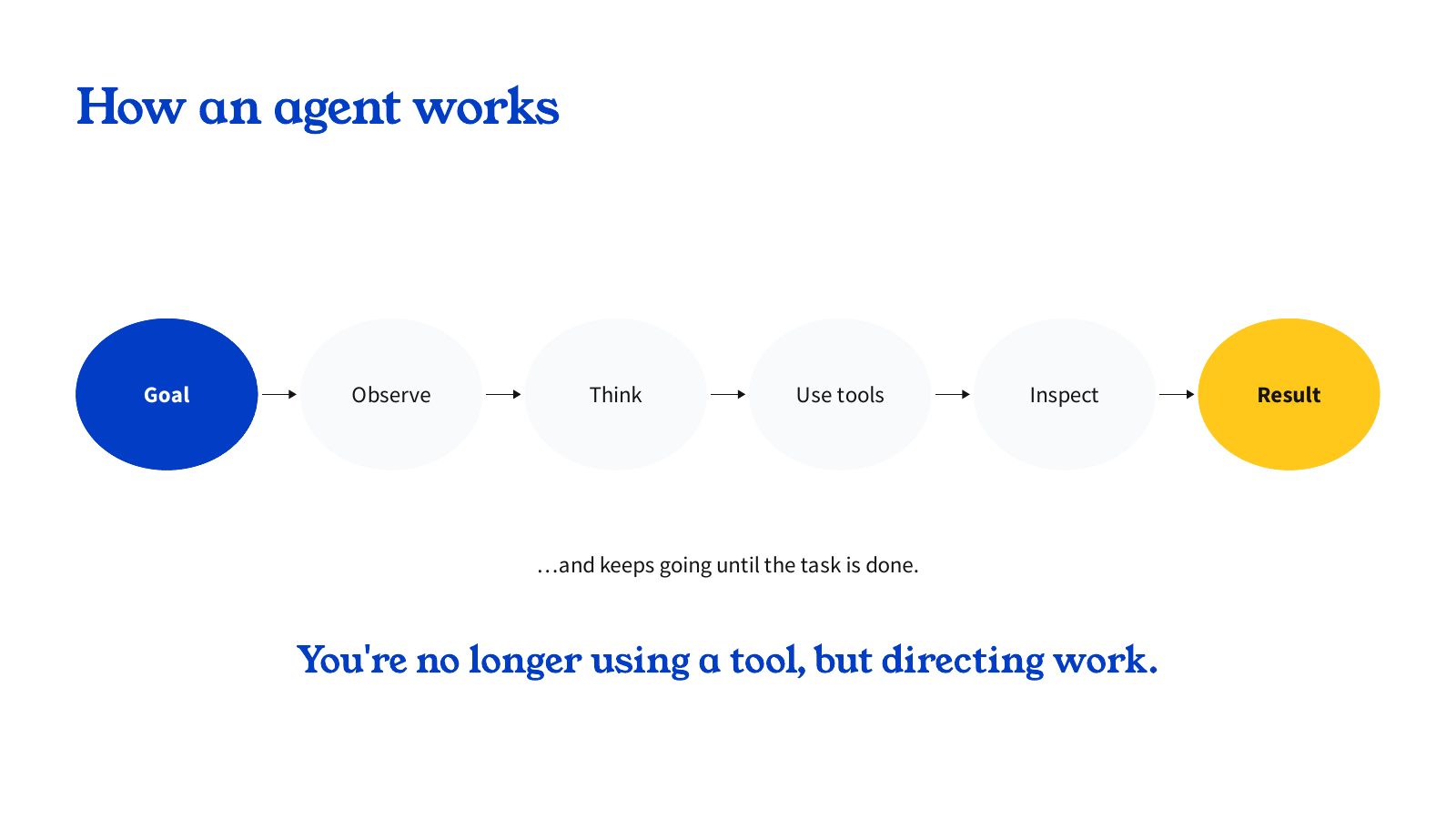
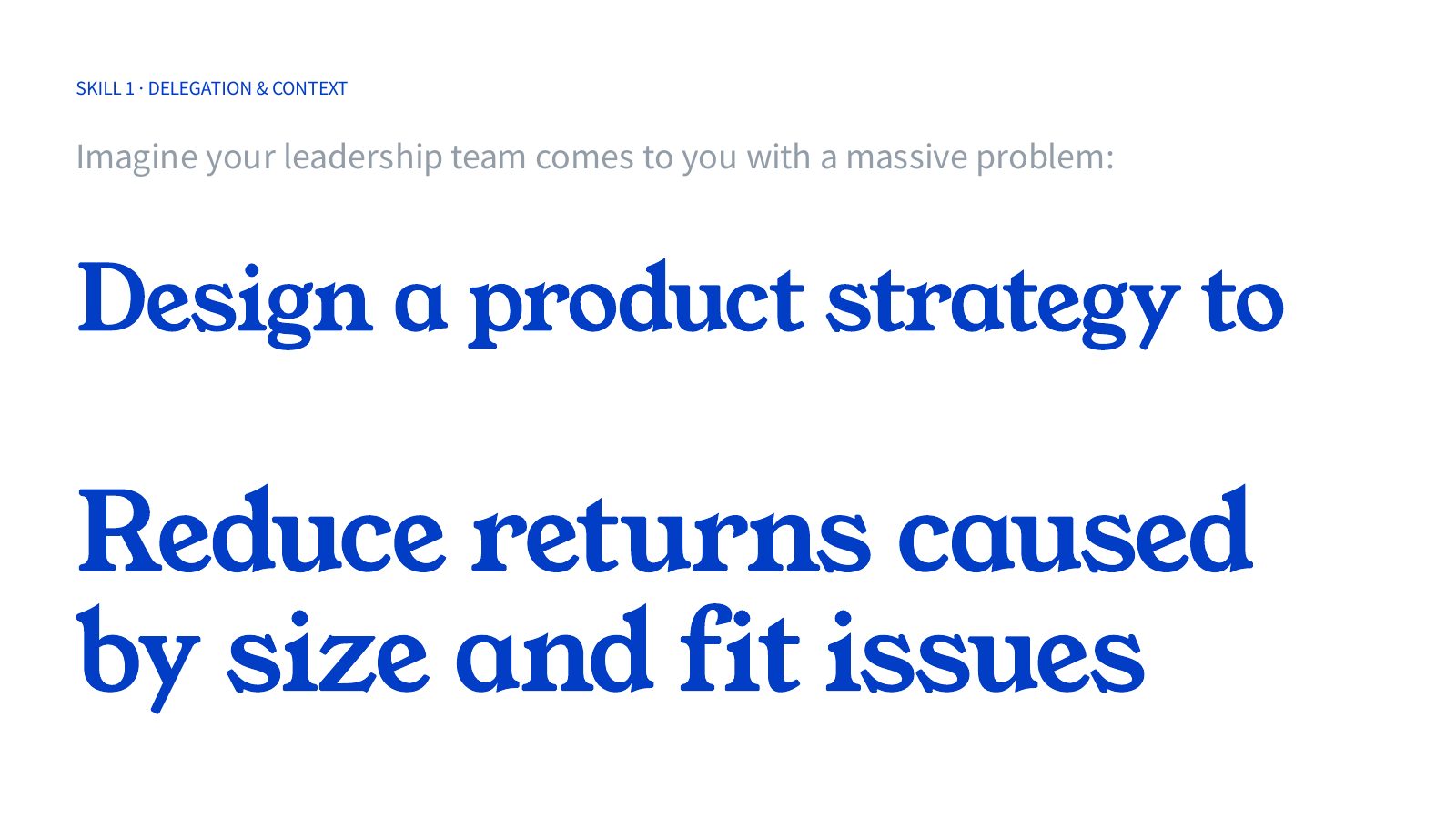
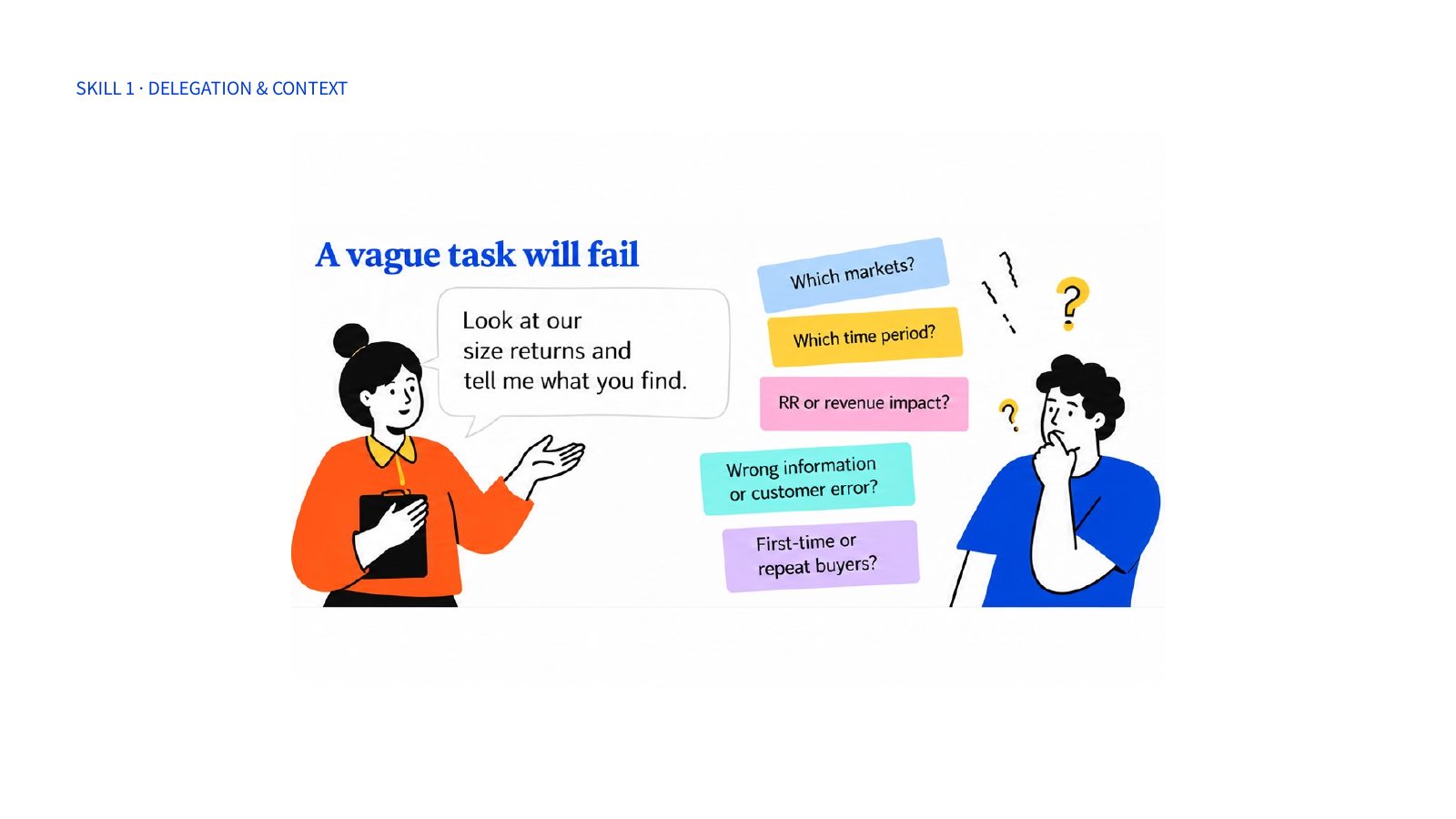
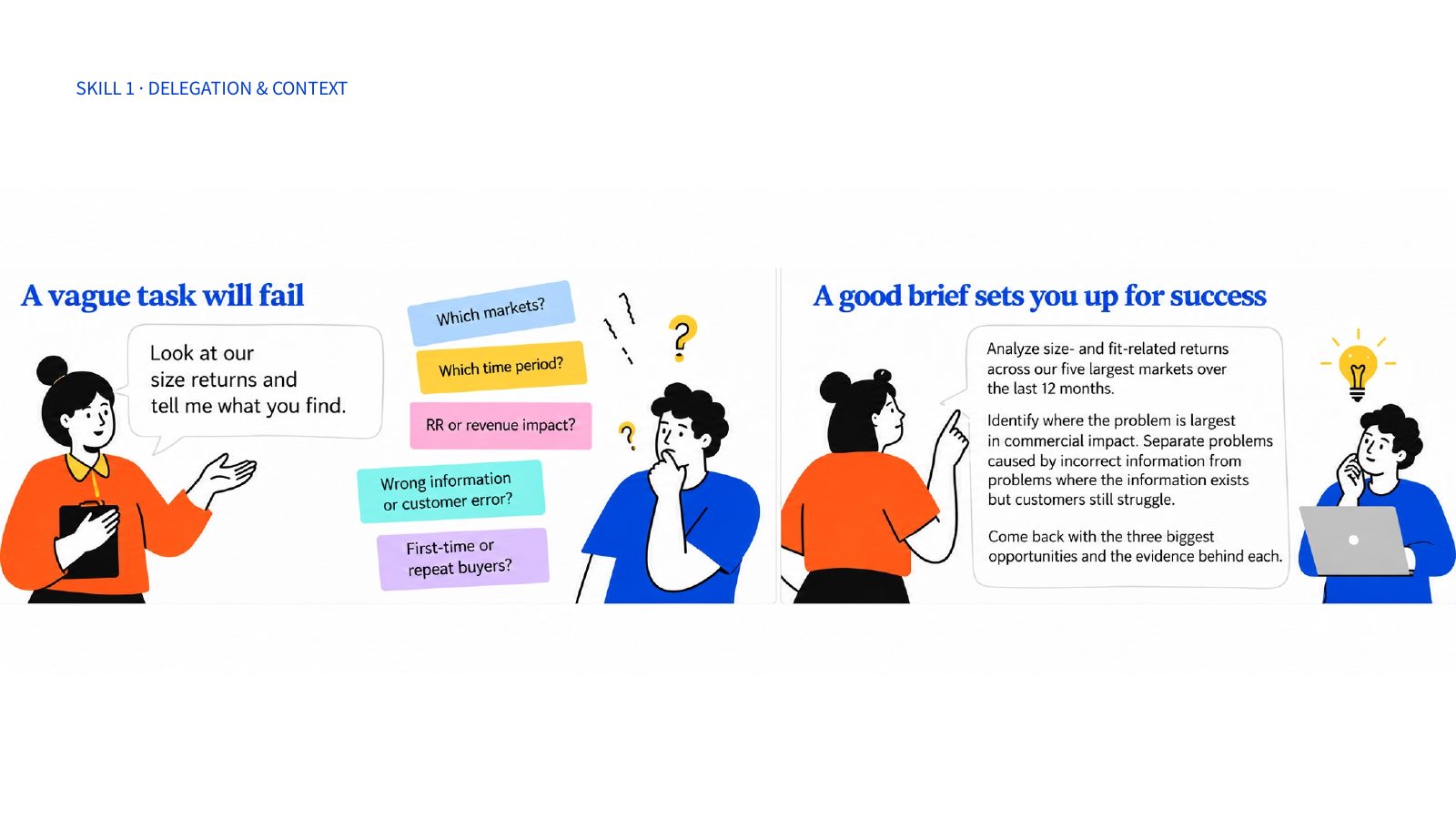
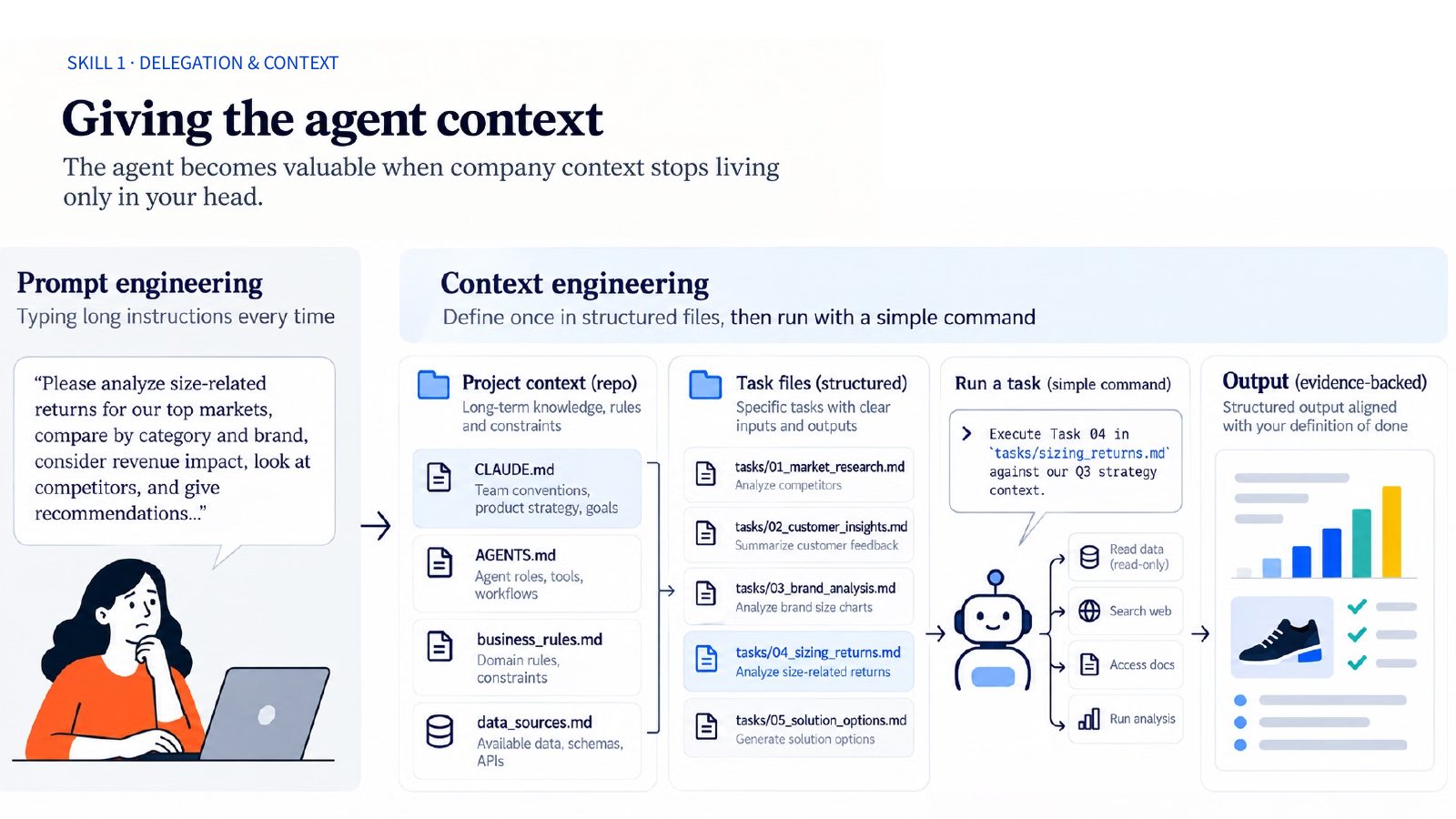
The mental model has moved from question and answer to goal and result, since around May or June. An agent observes, reads expectations, picks tools, proposes, inspects and loops until the task is done. You are directing work, so output quality depends on what you put in. Skill one is delegation and context. Her example: leadership asks for a strategy to reduce returns caused by size and fit. The prompt "look at our size returns and tell me what you find" fails because the agent does not know which markets, which customers, whether return rate or revenue matters, or the time horizon. Like a new employee, it does not know BestSecret is off-price or that an experiment failed six months ago. The fix is an environment of structured context.
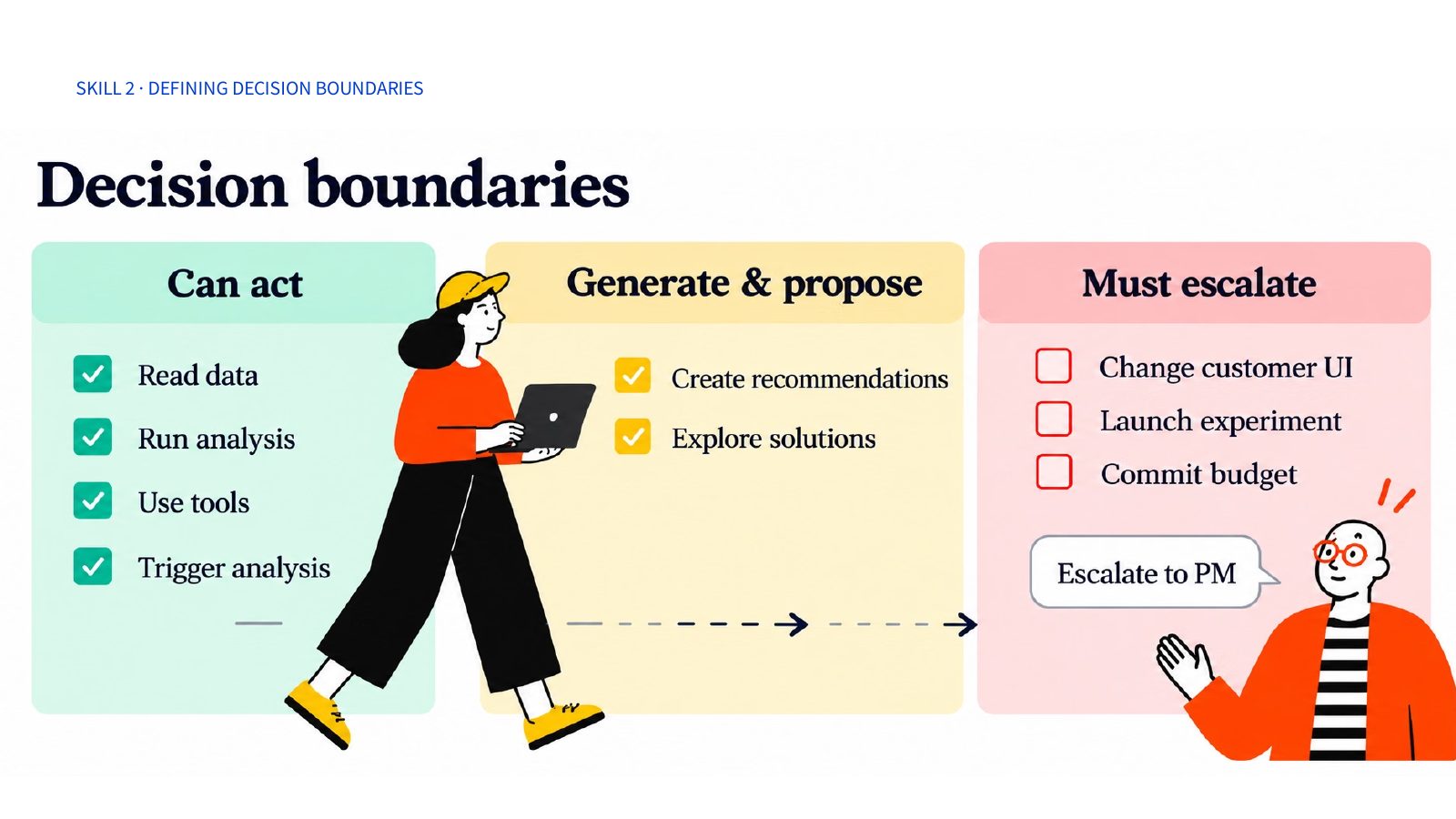
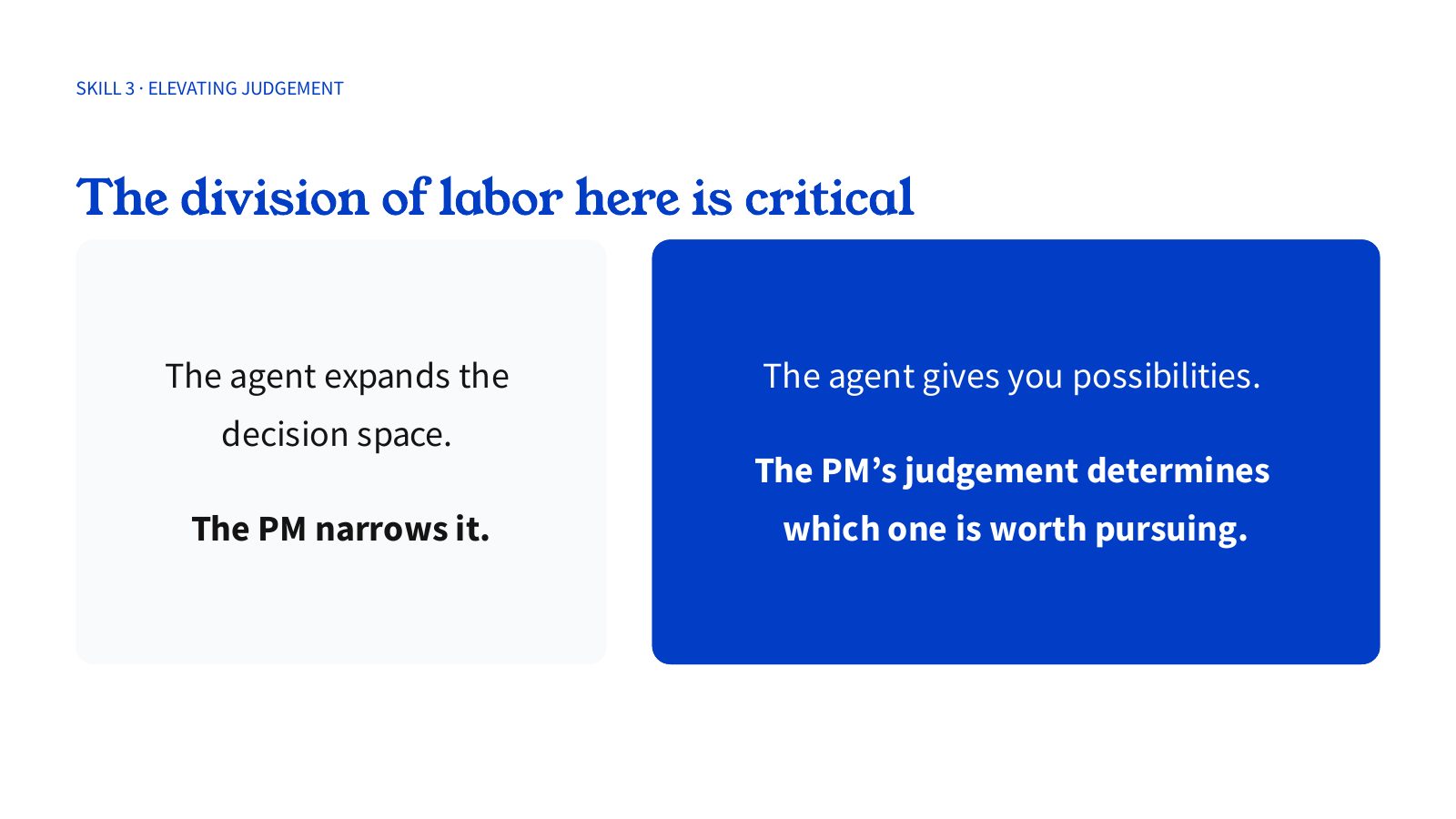
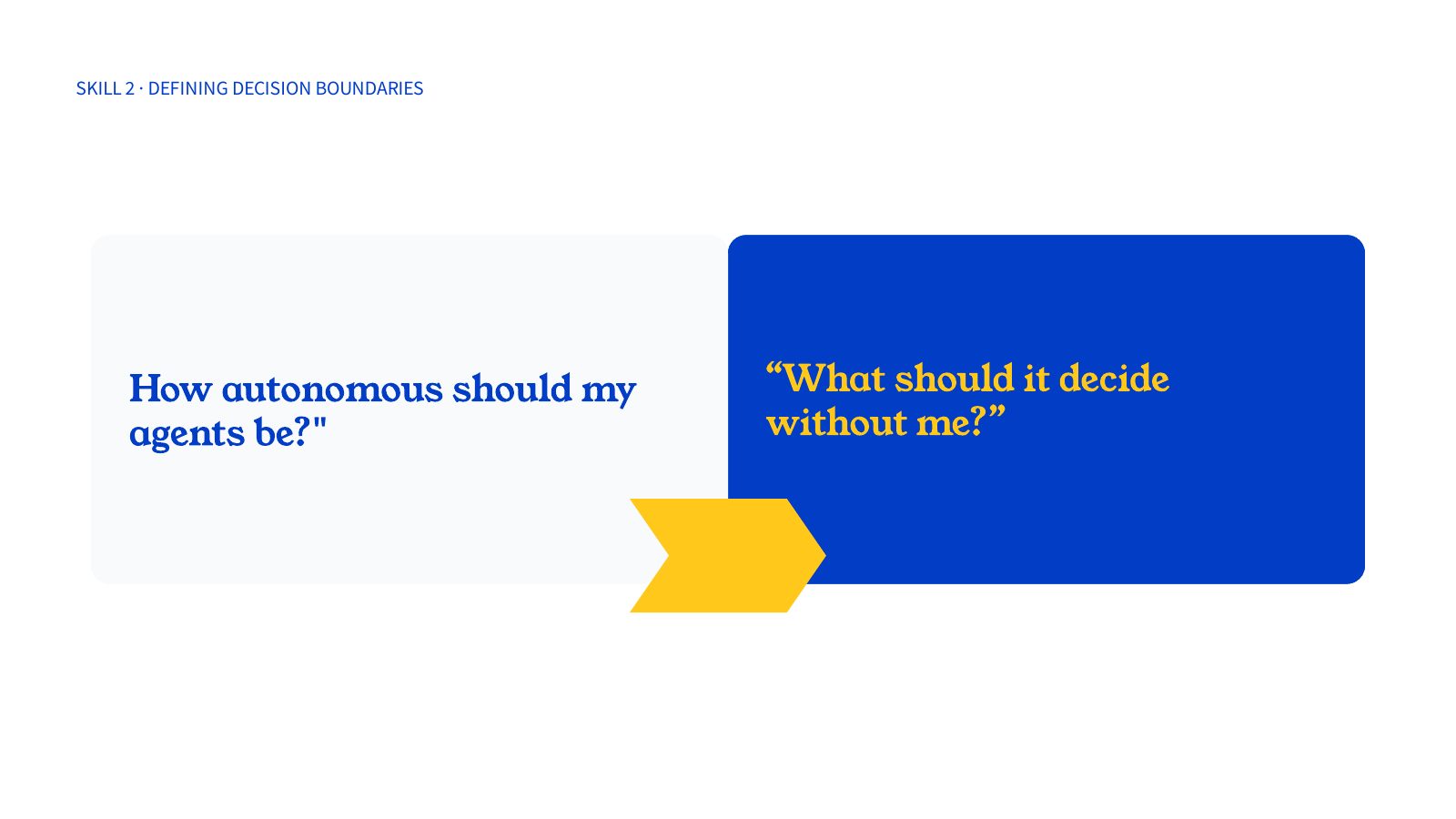
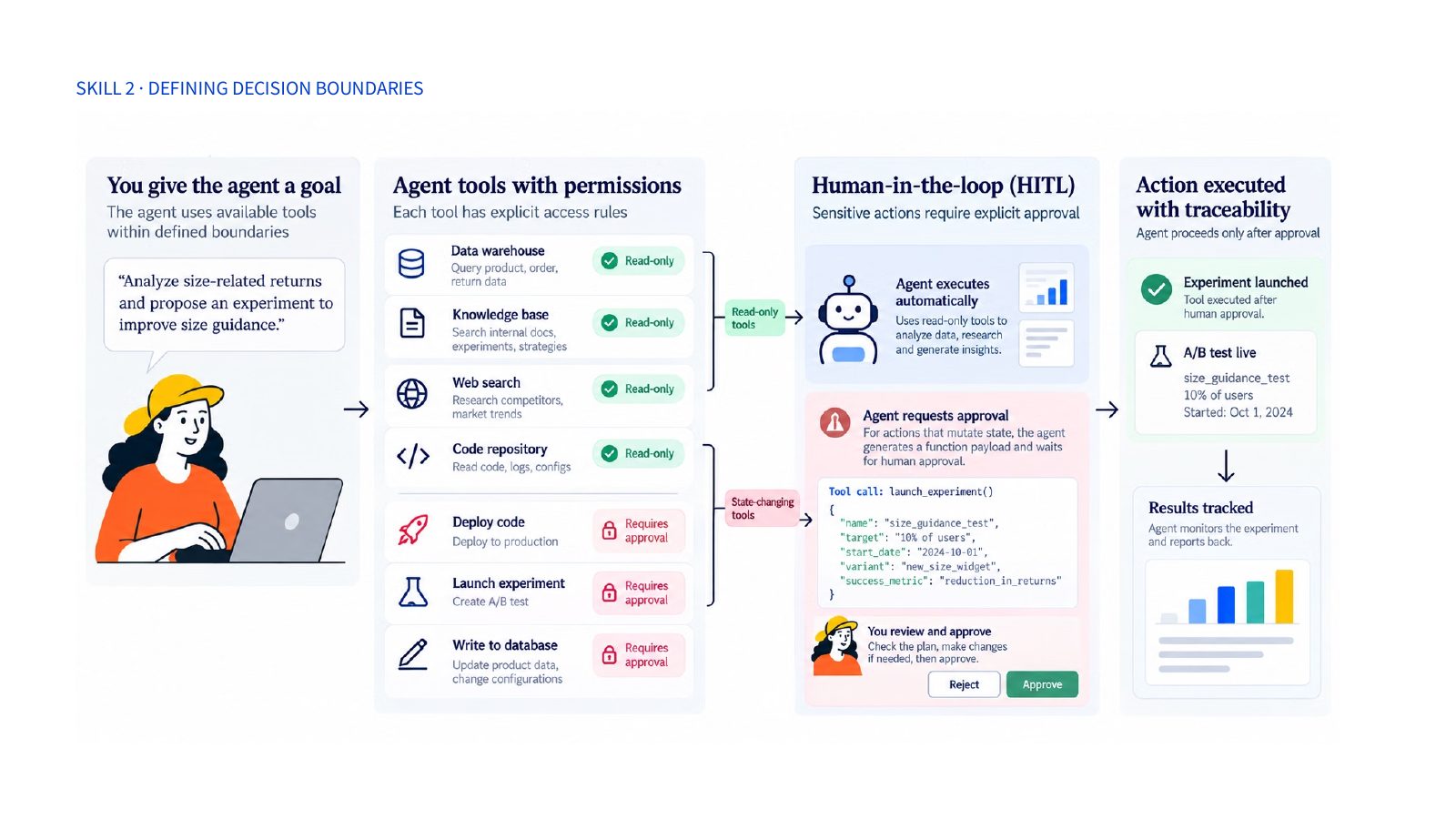
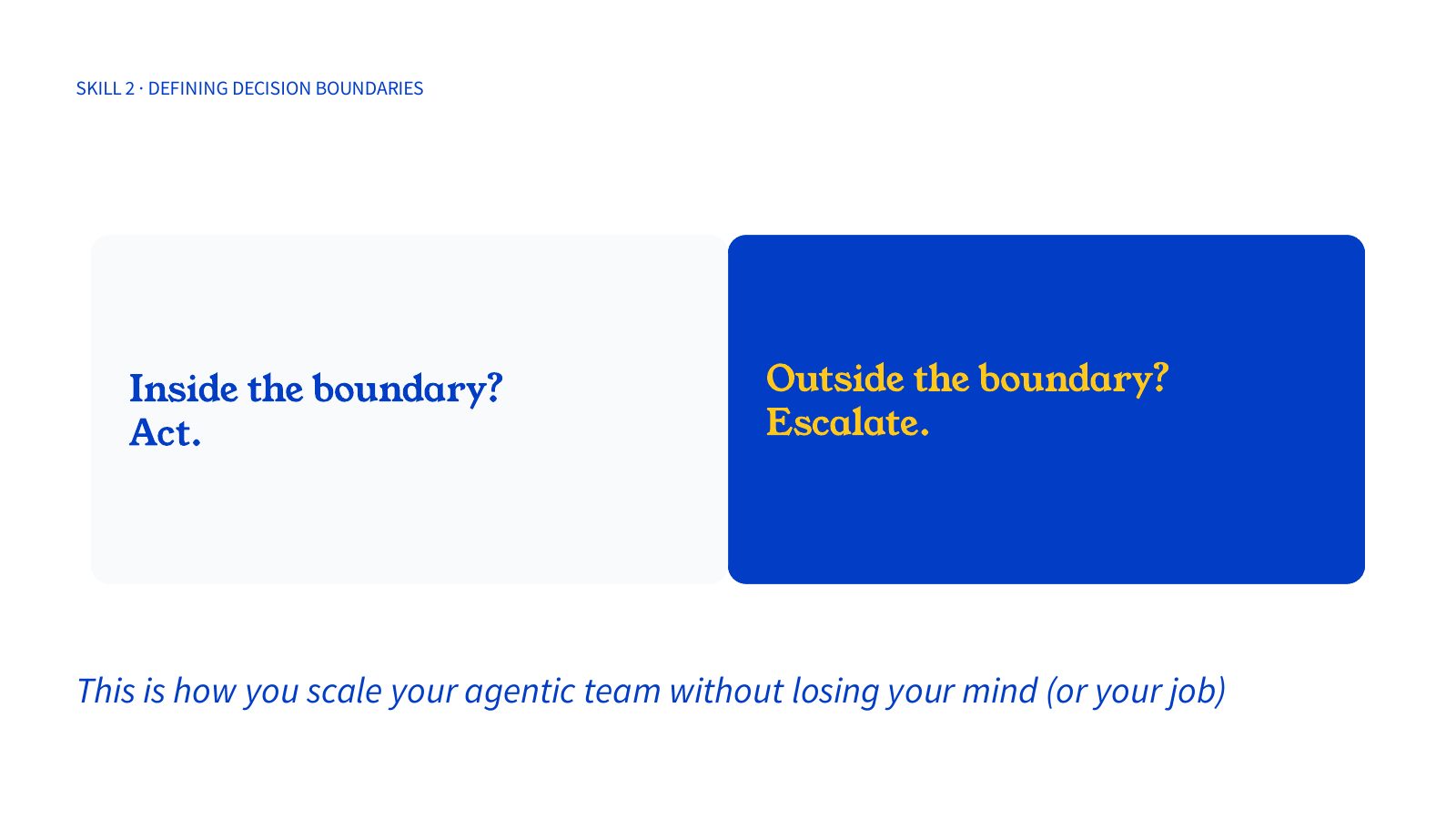
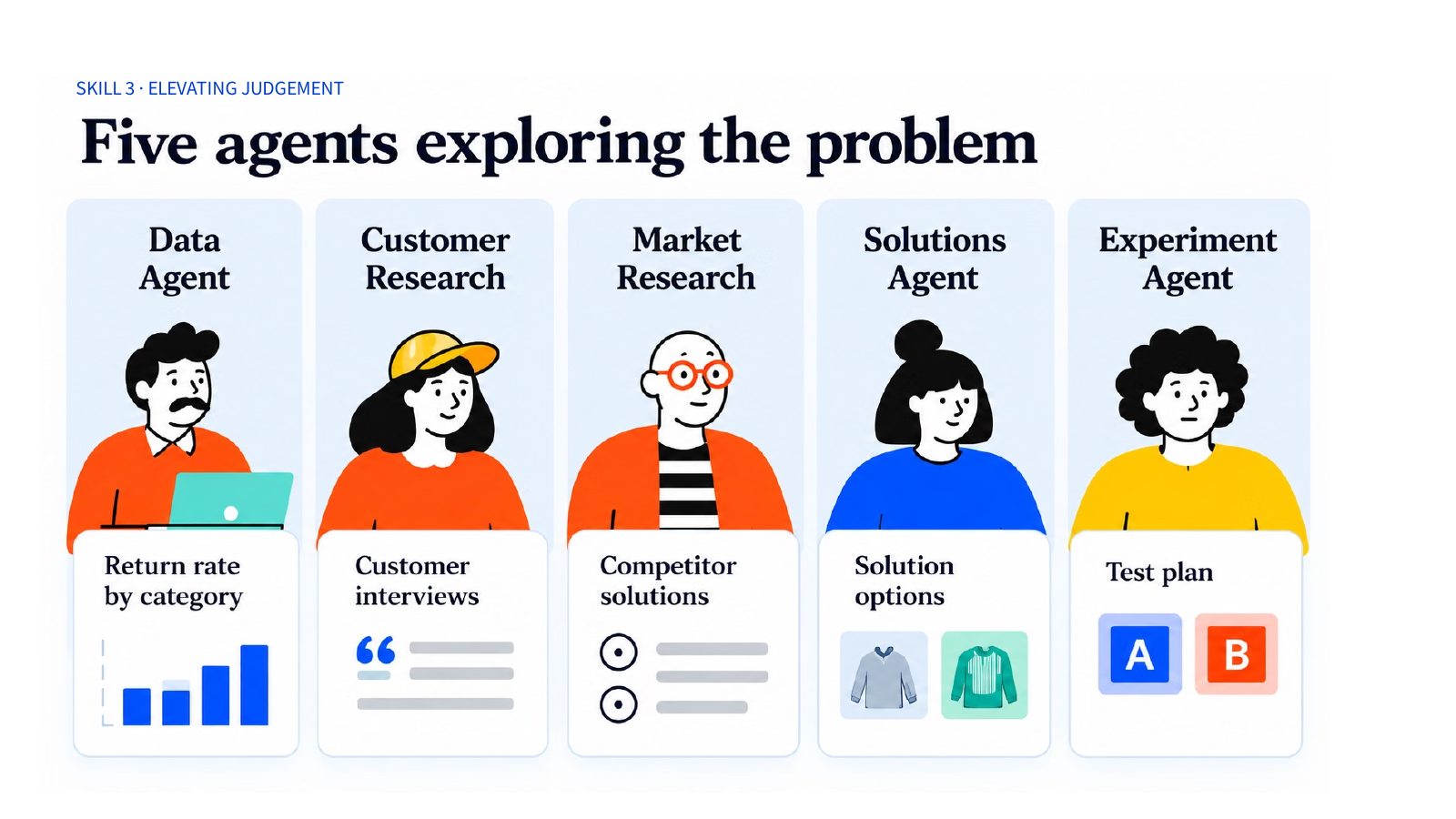
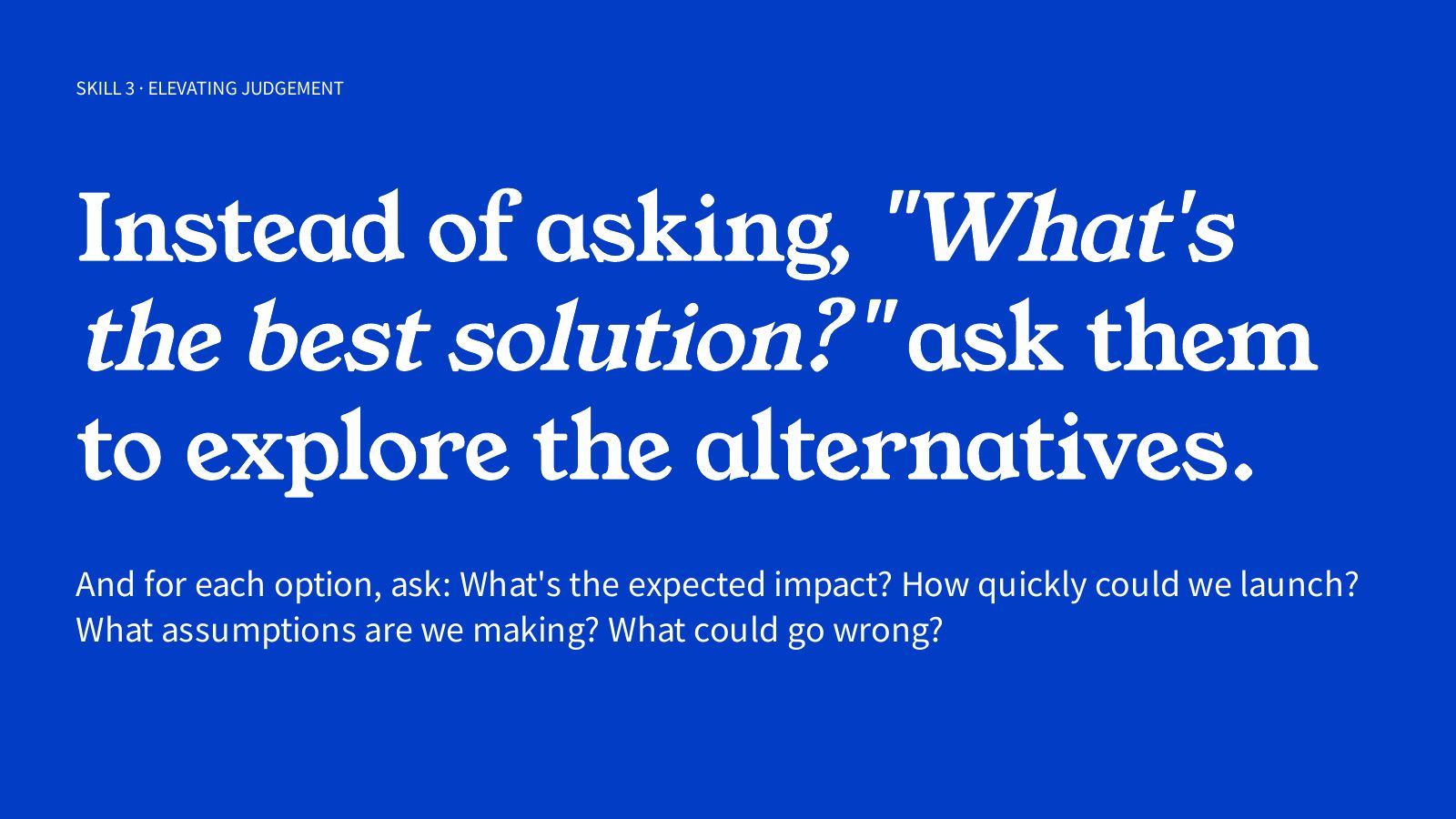
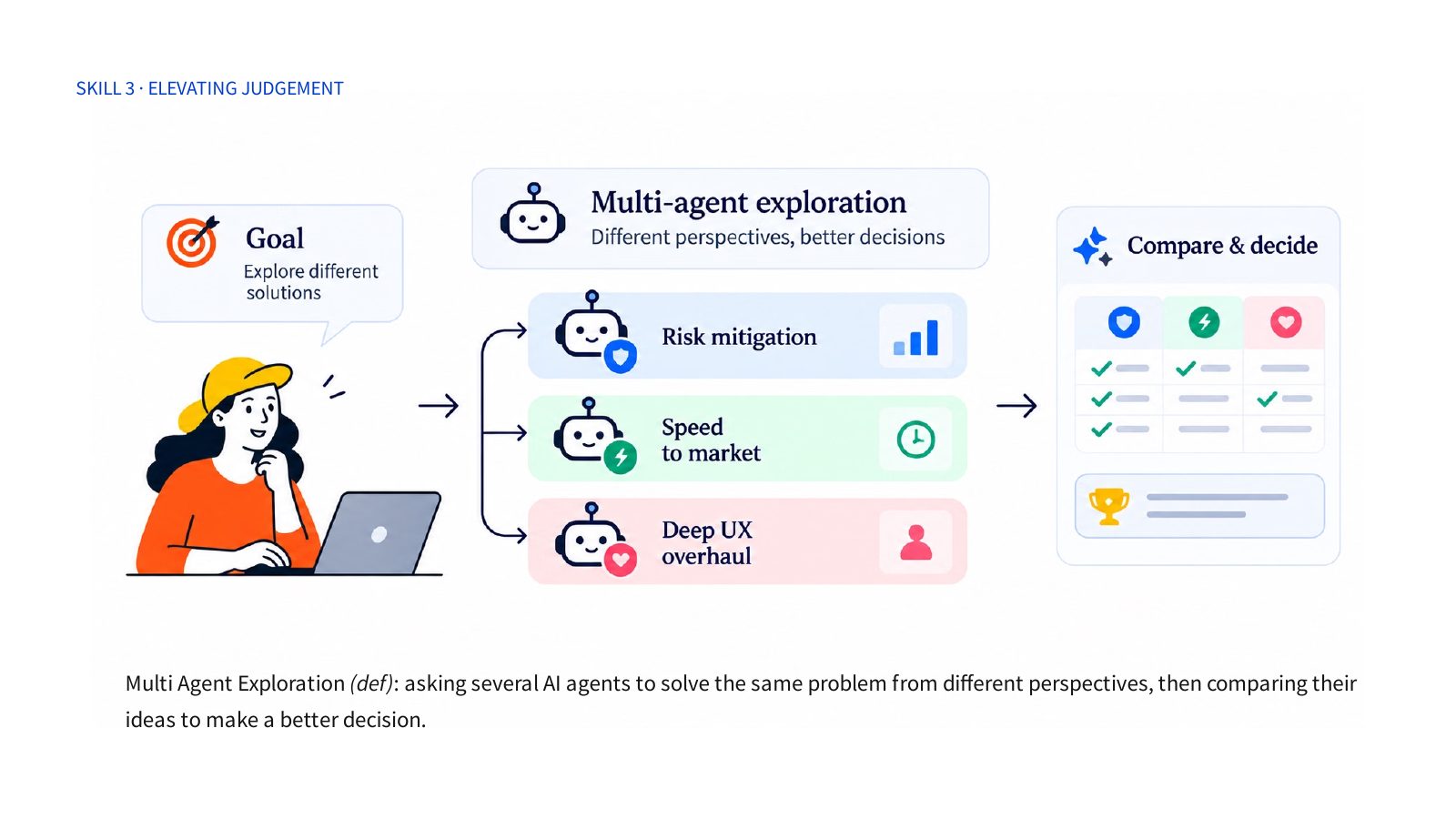
Skill two is decision boundaries. Gopika calls "how autonomous should my agents be" the wrong question, since nobody asks that about a human team. Instead you define the points where the agent must involve you. An agent analysing return data may trigger a second analysis on its own, but it must not launch a live test. With agents you can hard code this: the research agent gets web access, the analysis agent gets read access. Skill three is judgment and the quality bar. Agents do not tire after the fifth idea, so fire several at one problem with different lenses such as time to market, risk and user experience, and welcome disagreement. The agent expands the decision space, the PM narrows it. BestSecret now hires PMs mainly for critical thinking.
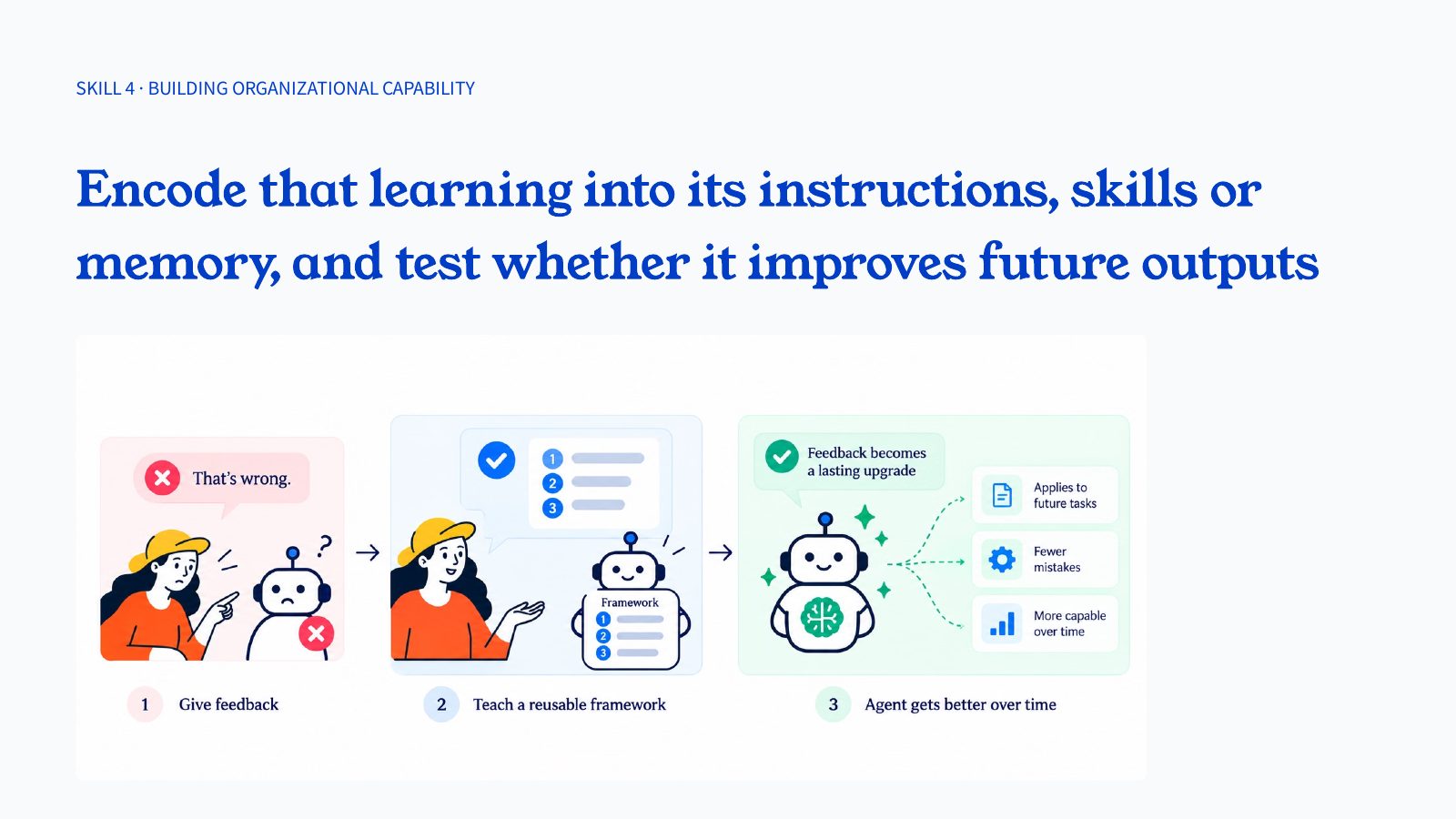
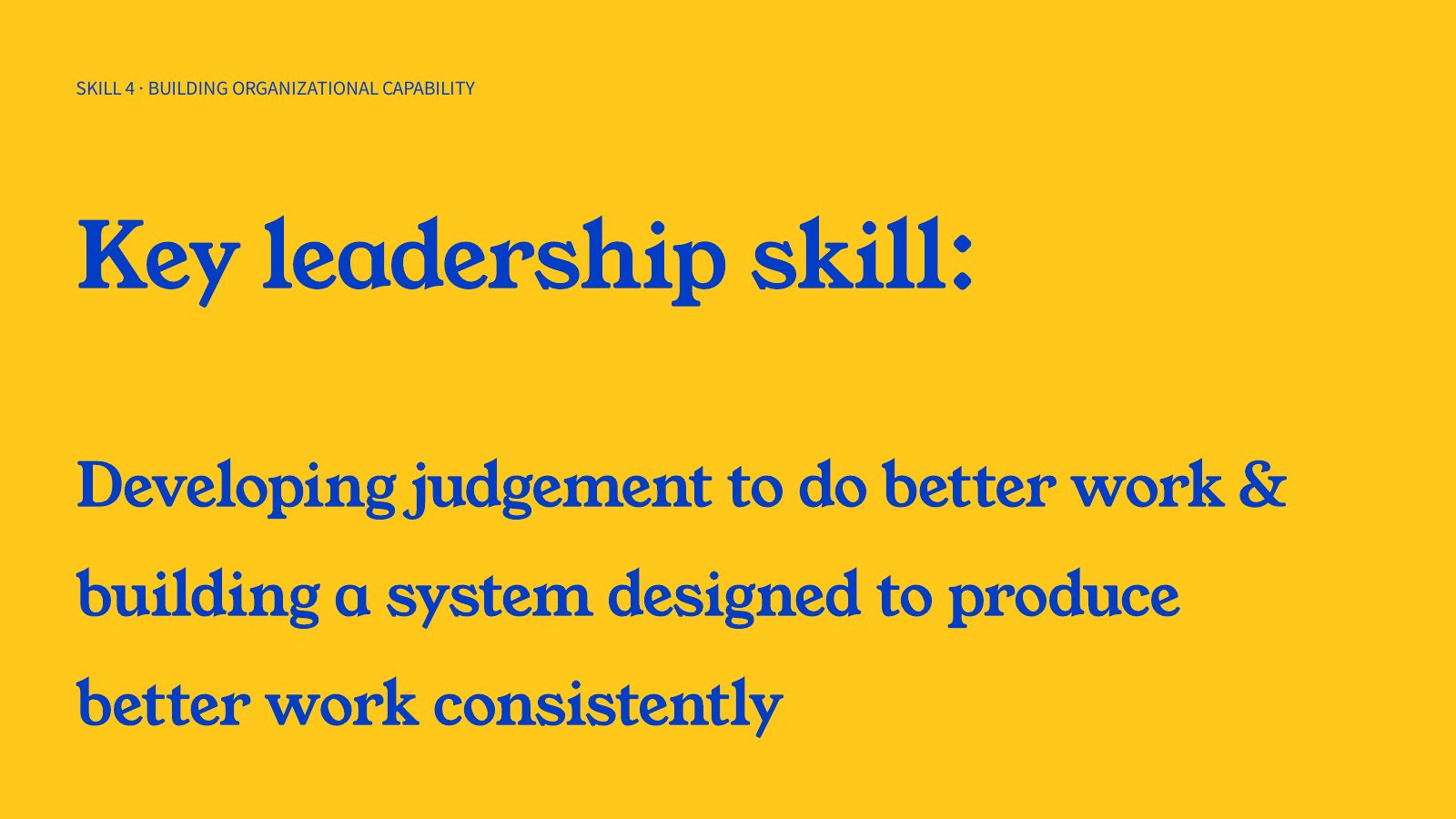
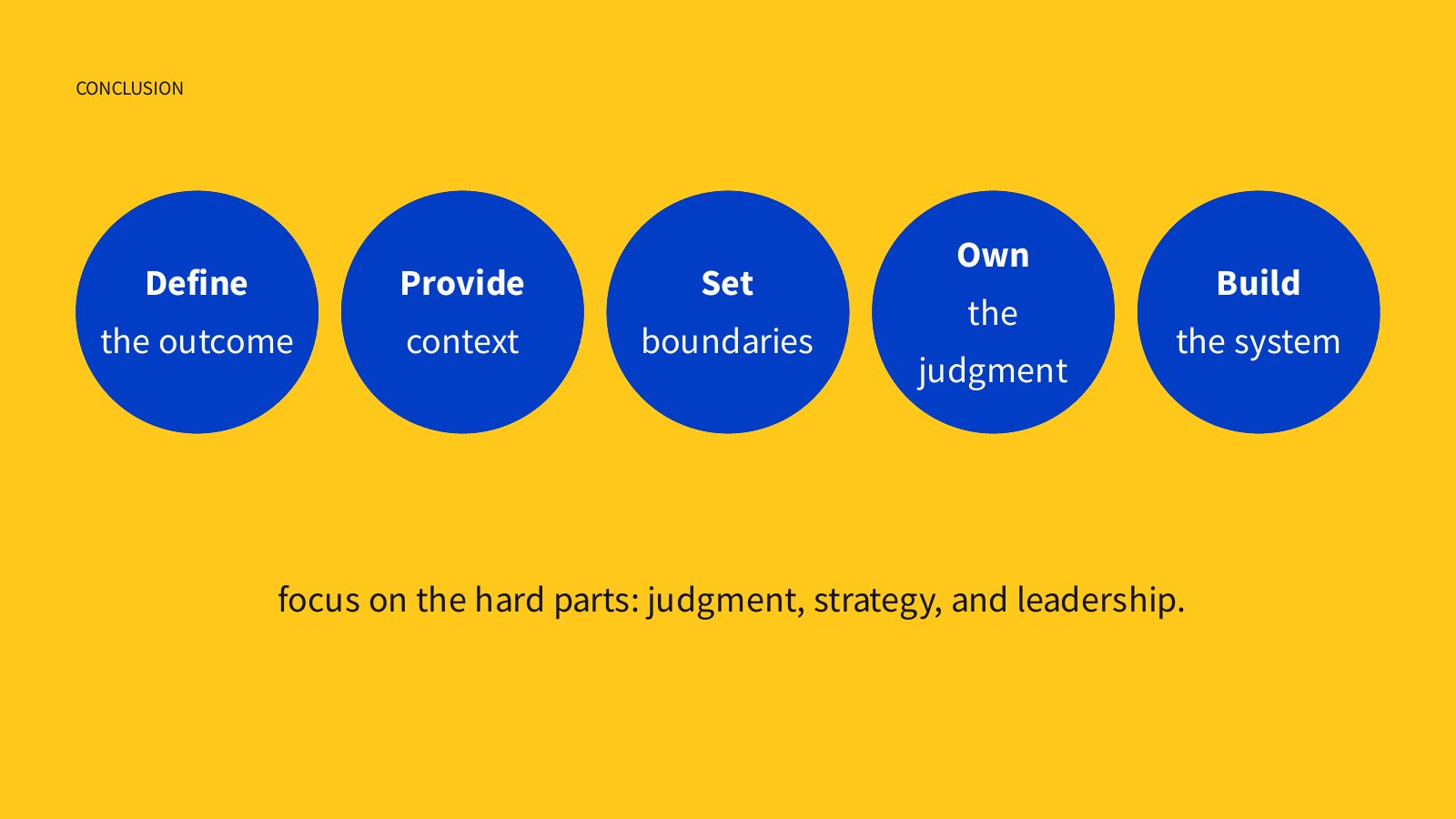
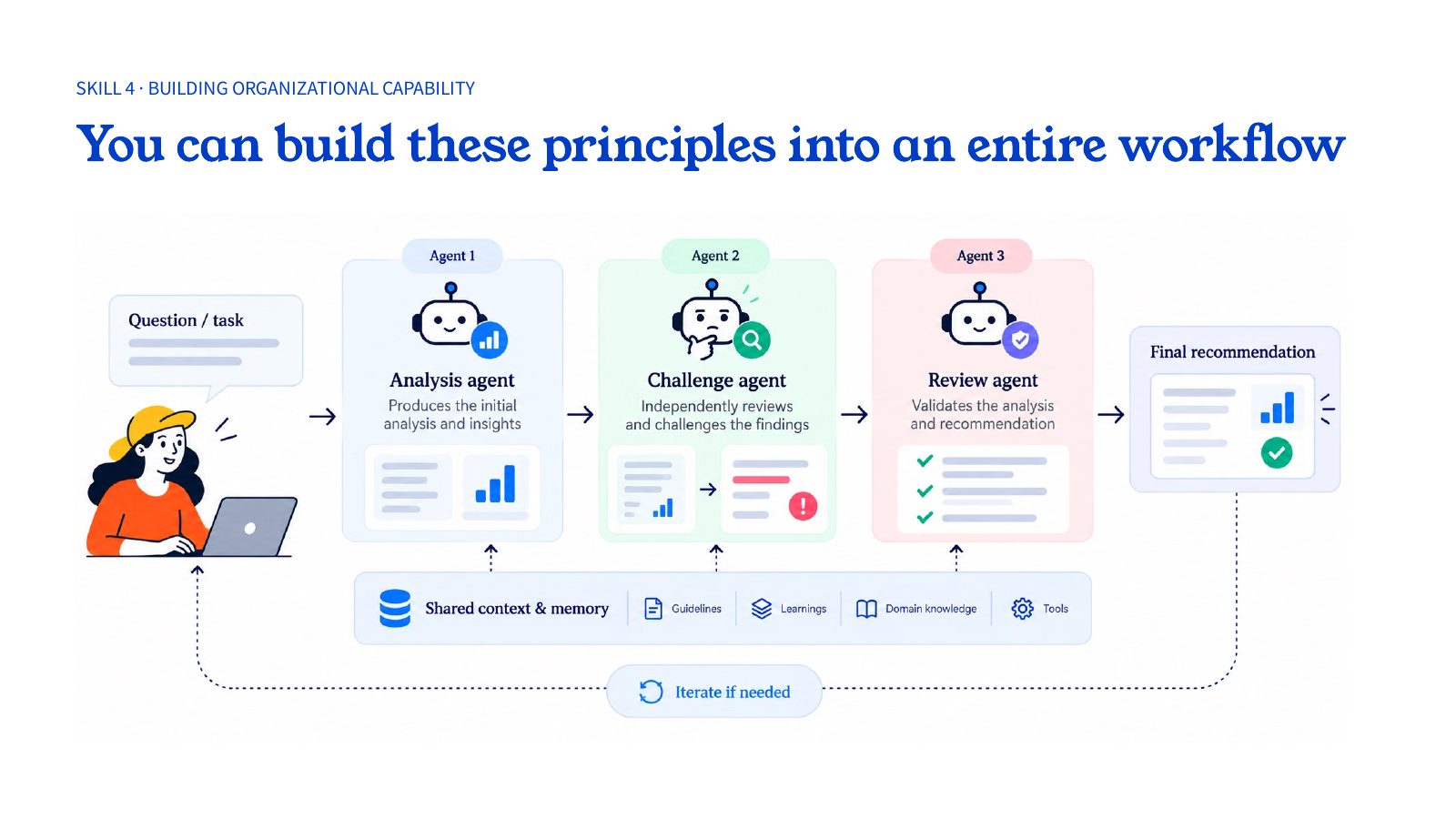
Skill four is organisational capability. When an agent keeps returning superficial customer analysis, you do what you would do with a team member: teach it how to think, which principles to follow and what good looks like, then encode that into its instructions or memory and test whether outputs improve. Every piece of feedback is a permanent upgrade, and once it works for one agent you can build it into a whole workflow. In production, BestSecret runs product classification with one agent classifying and another challenging the output. Her closing: define the outcome, provide context, set boundaries, own the judgment while we still can, and build a system that improves as a whole. In Q&A she stresses that not everything is agentic, and cost is weighed every time.