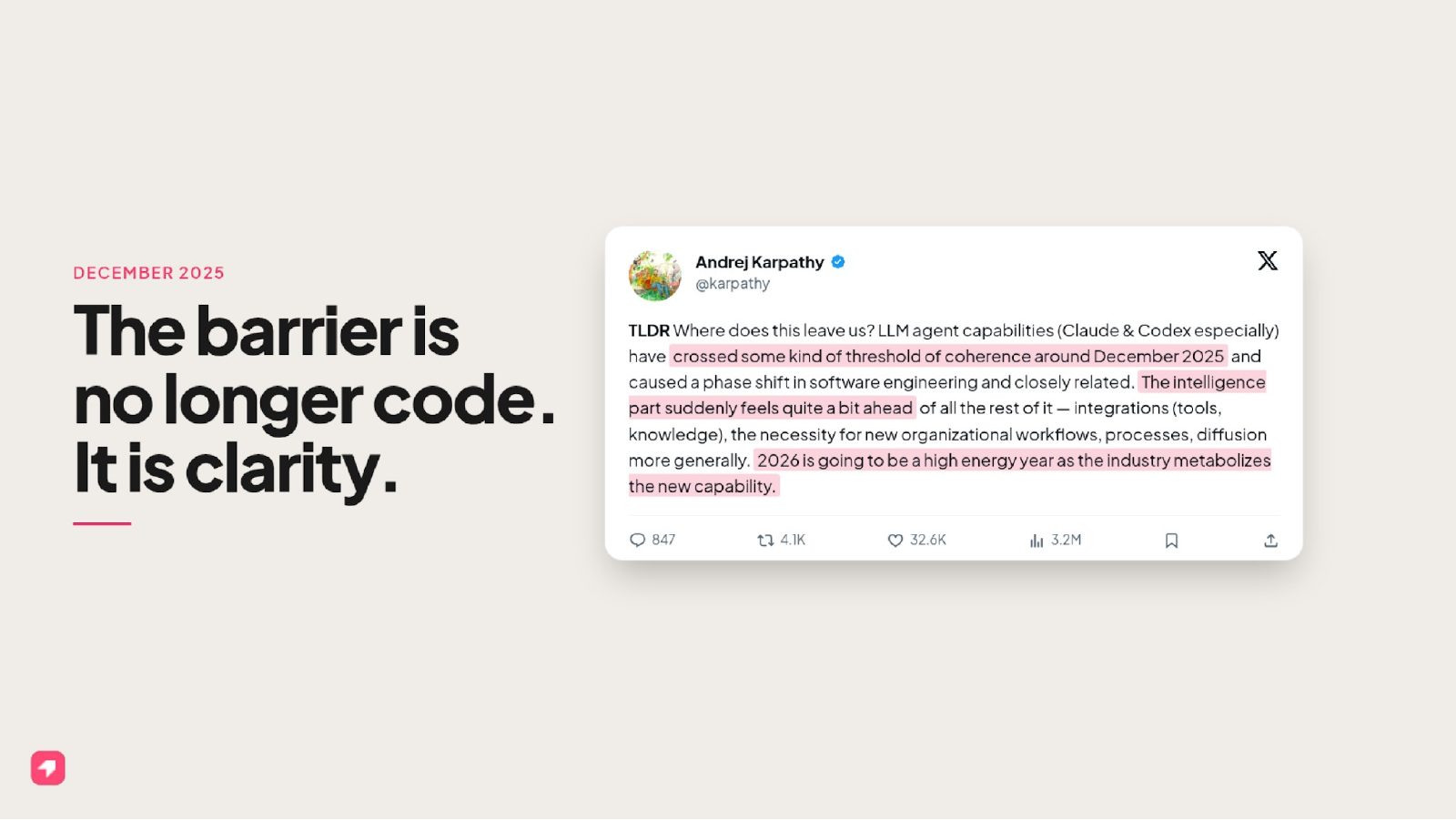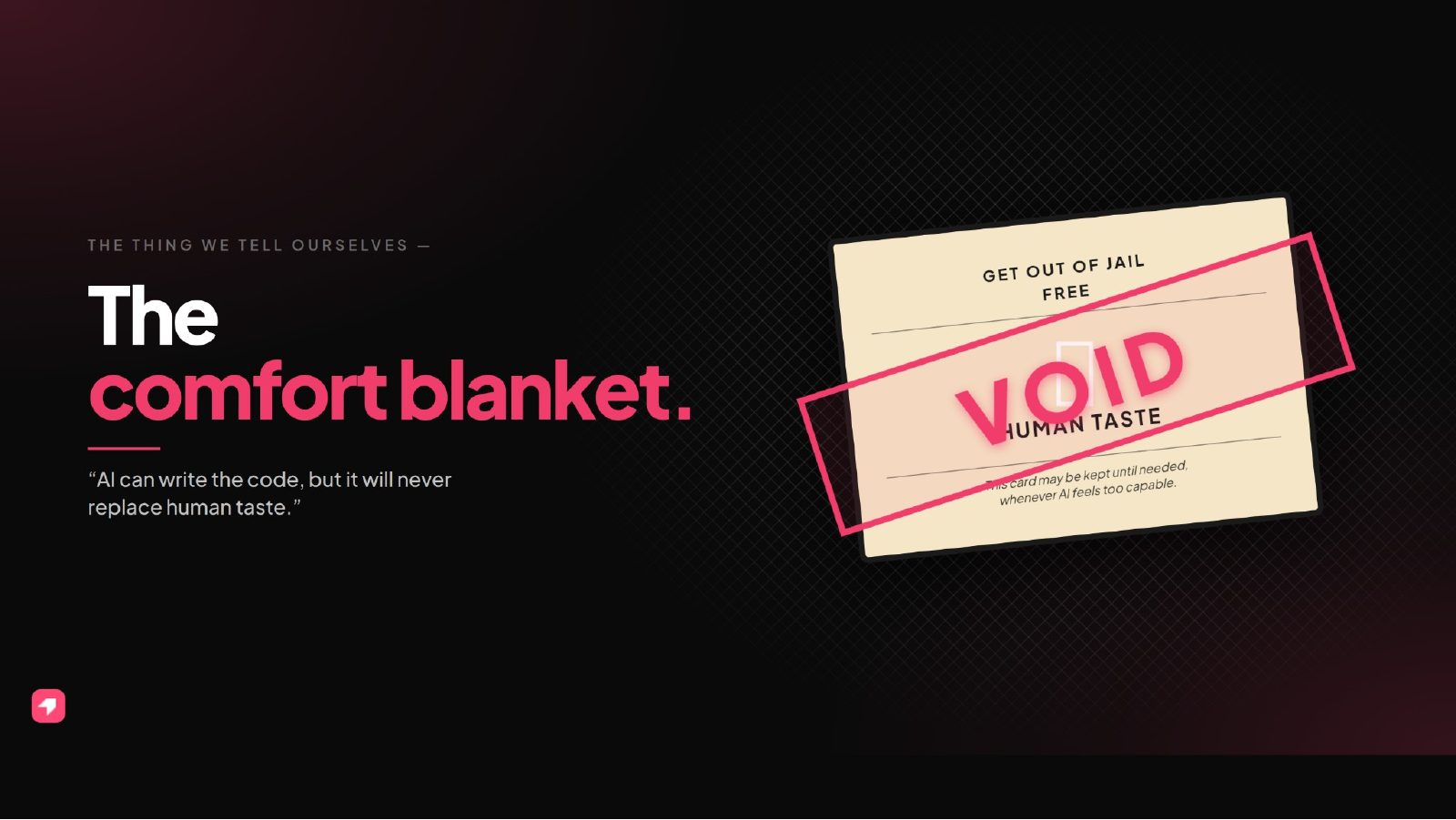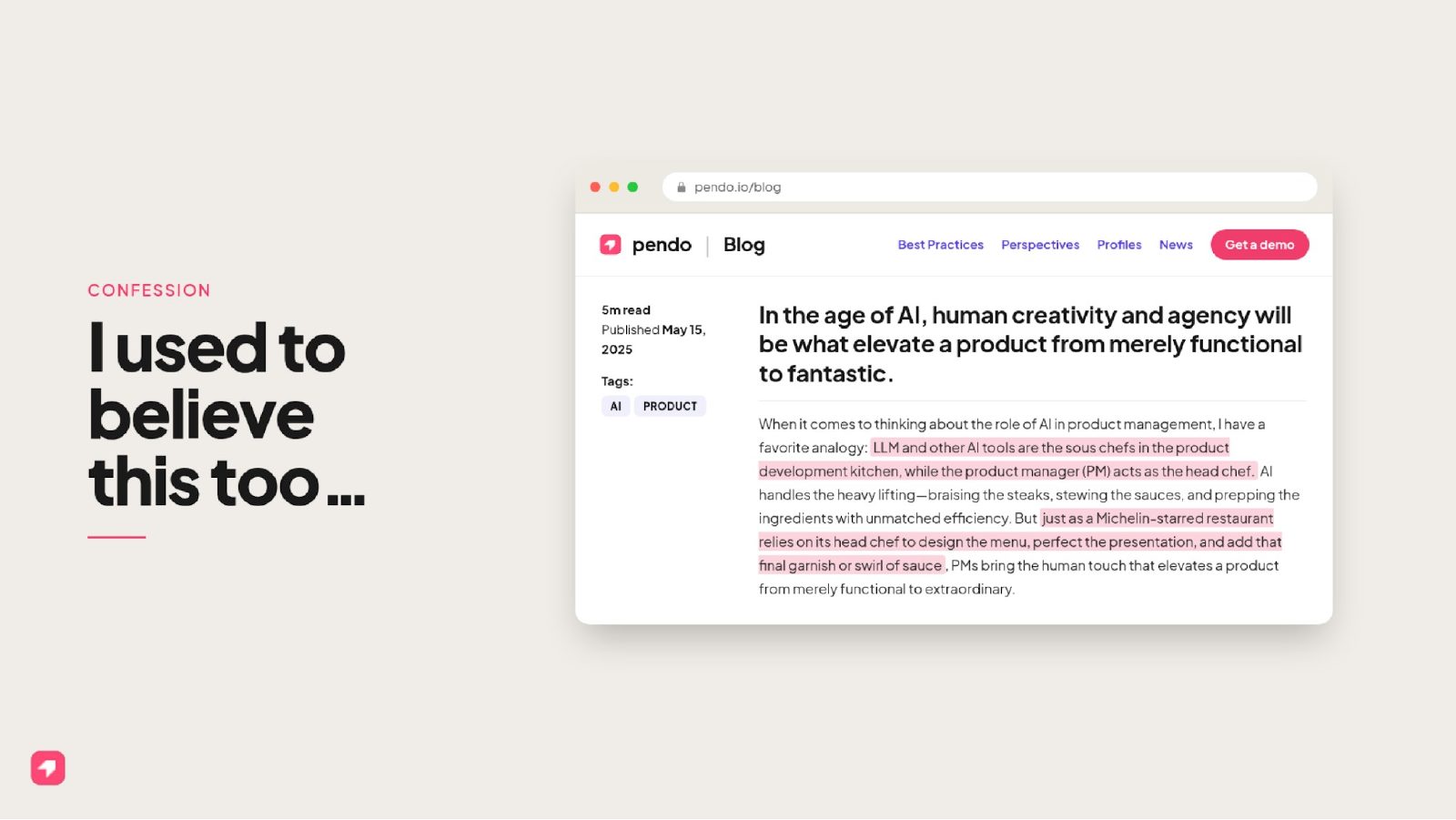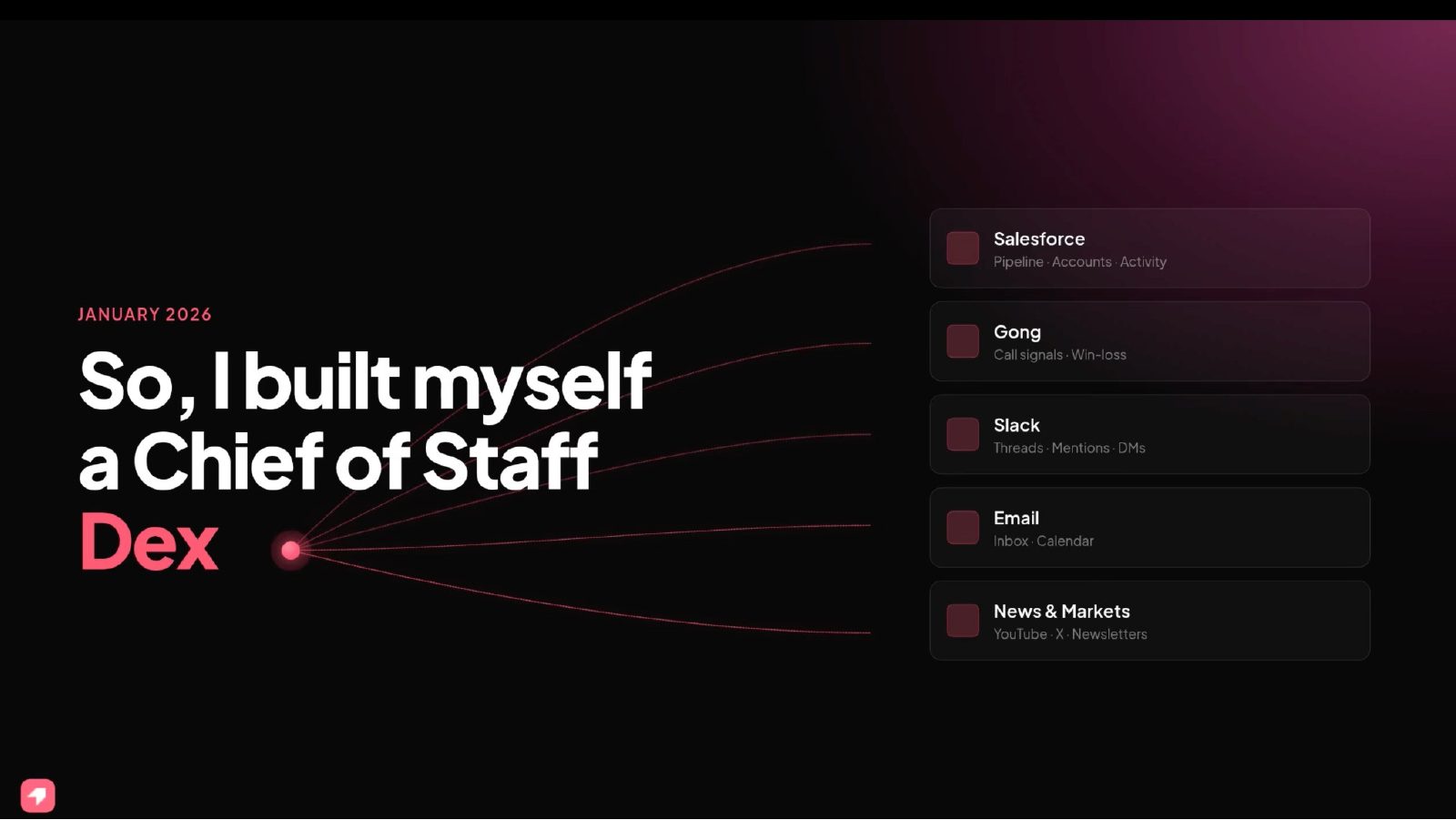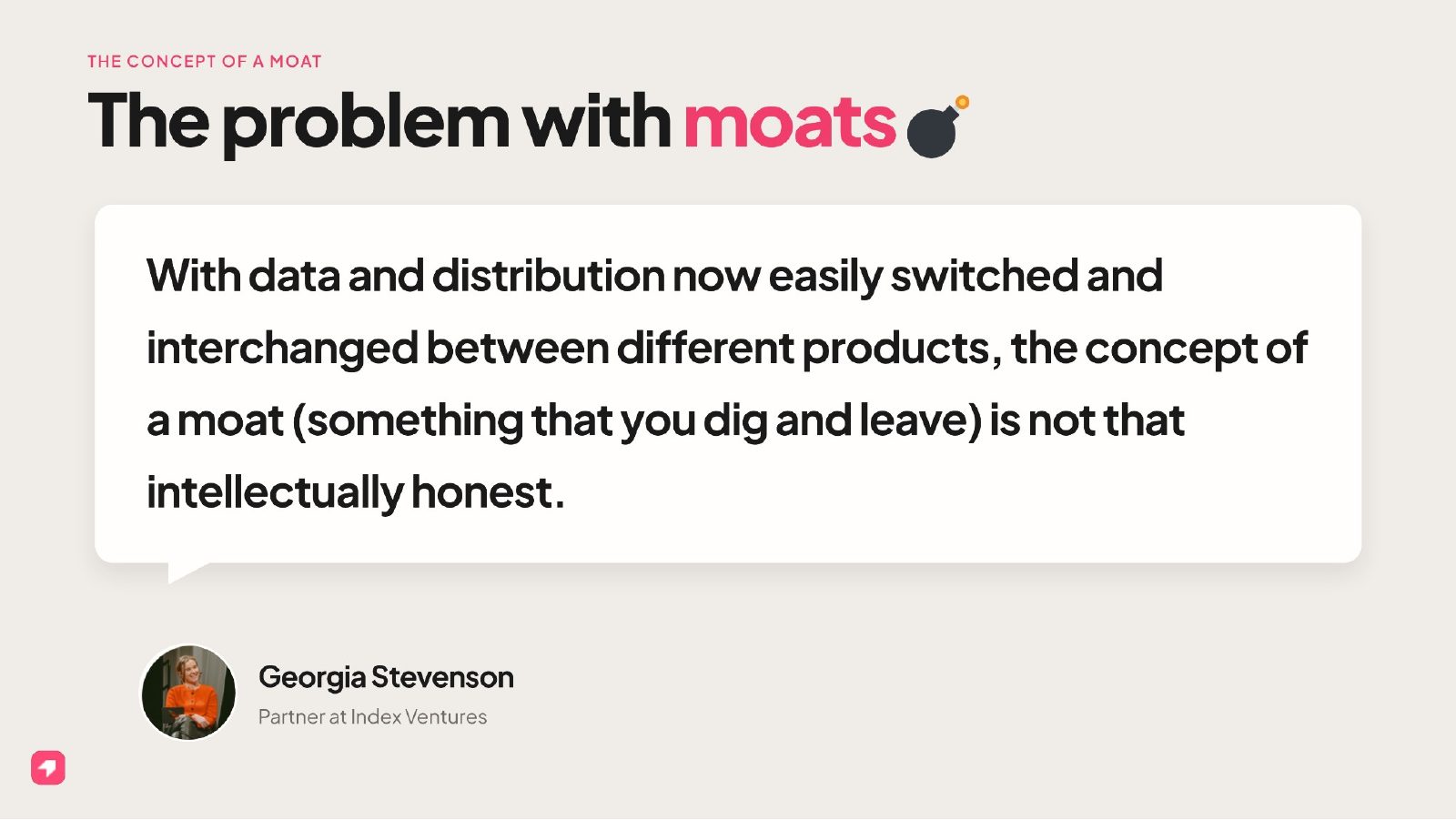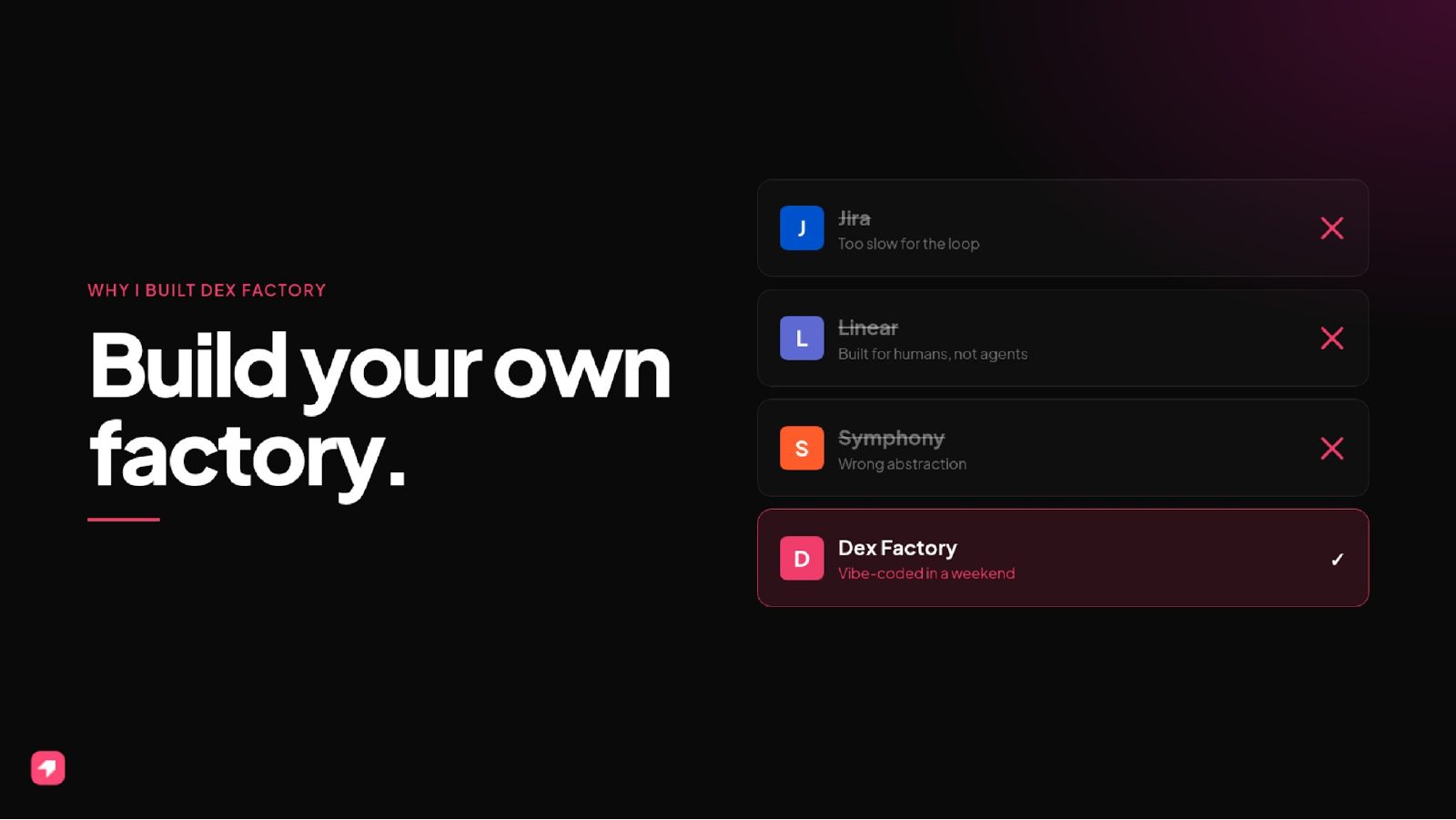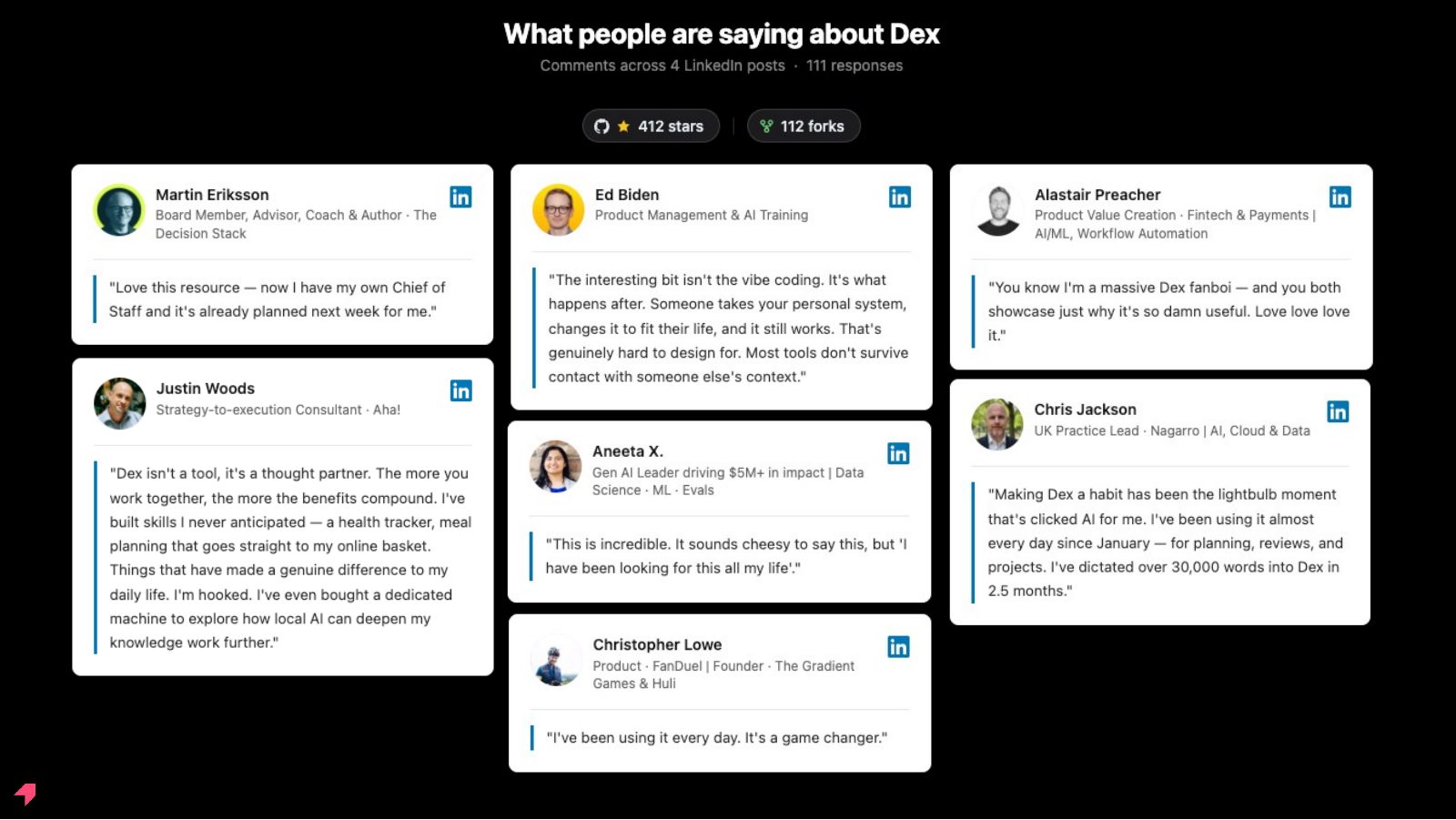
Dave Killeen opened by taking away the industry's favourite comfort blanket. He used to tell product people that AI was the sous chef and human taste was the moat. He now thinks he was wrong. In December 2025 Andrej Karpathy said AI had passed a threshold of coherence: the barrier to building was no longer code but upfront clarity. Around the same time Claude Code added session start hooks, and developers began feeding lessons files from one session into the next, a practice called compound engineering. Dave asked why that should stop at software. He built Dex, a local, markdown based AI chief of staff that knows his goals, projects and people, plans his day and tells him off when he runs off on three tangents on a Monday morning.
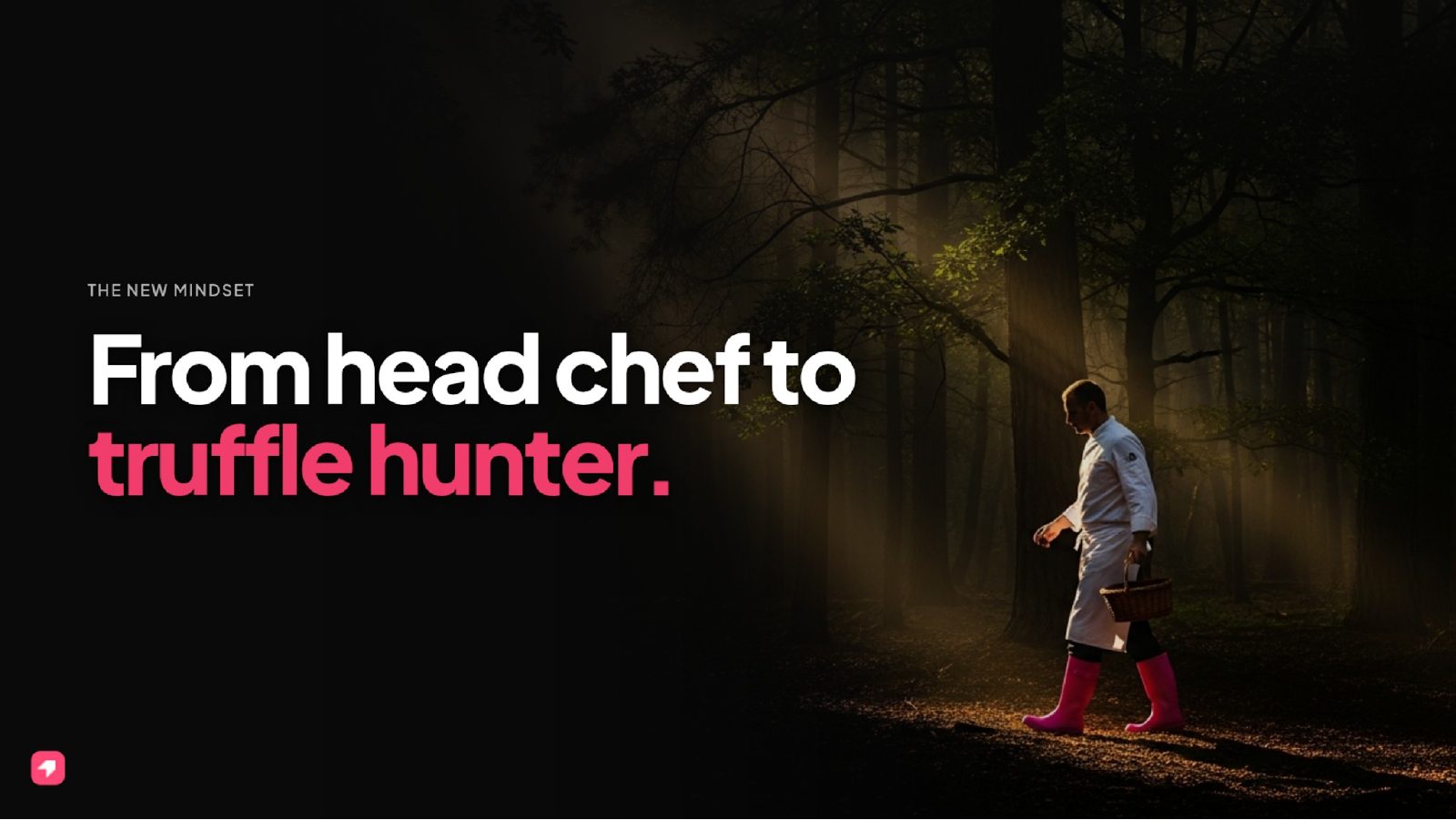
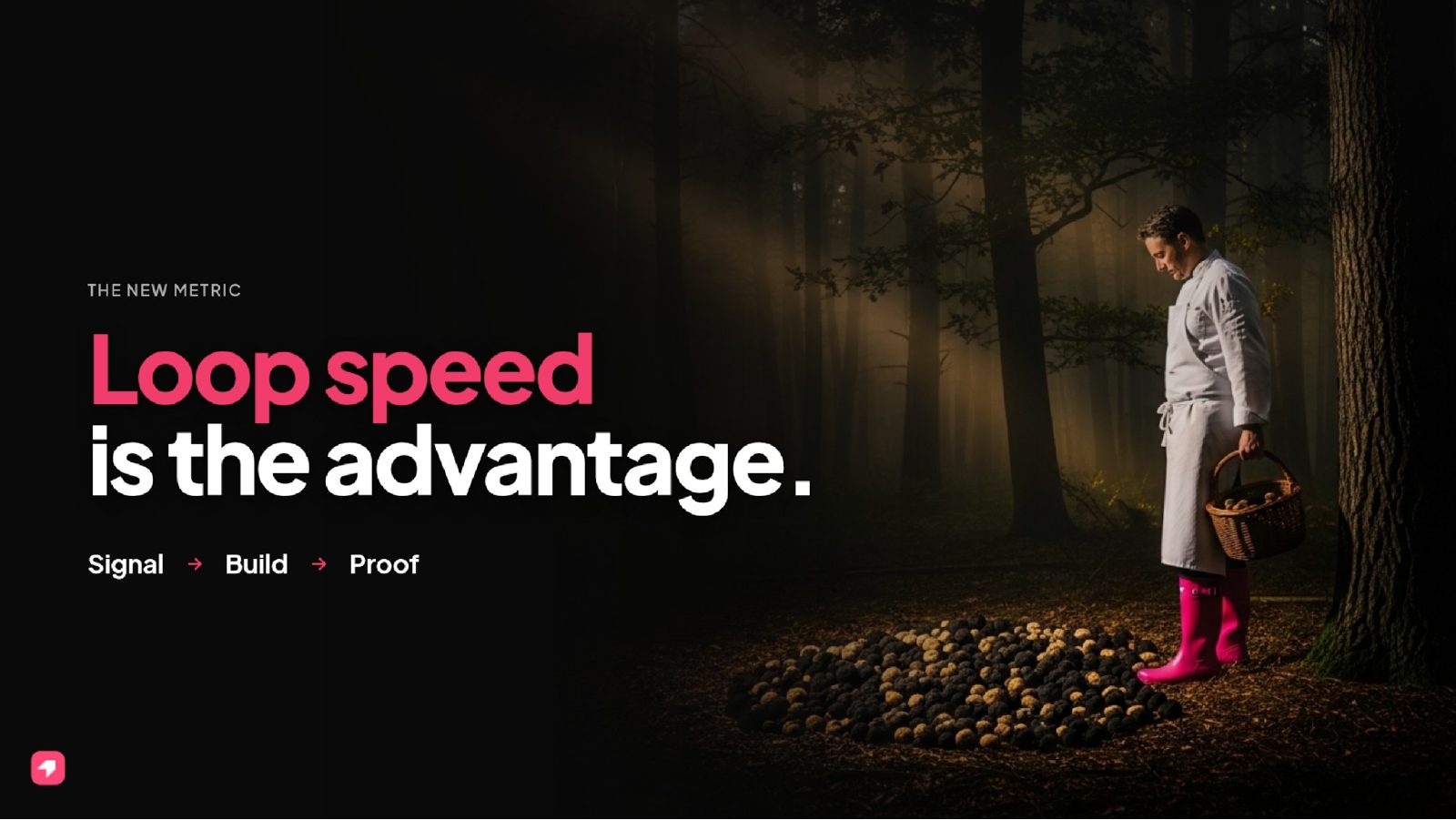
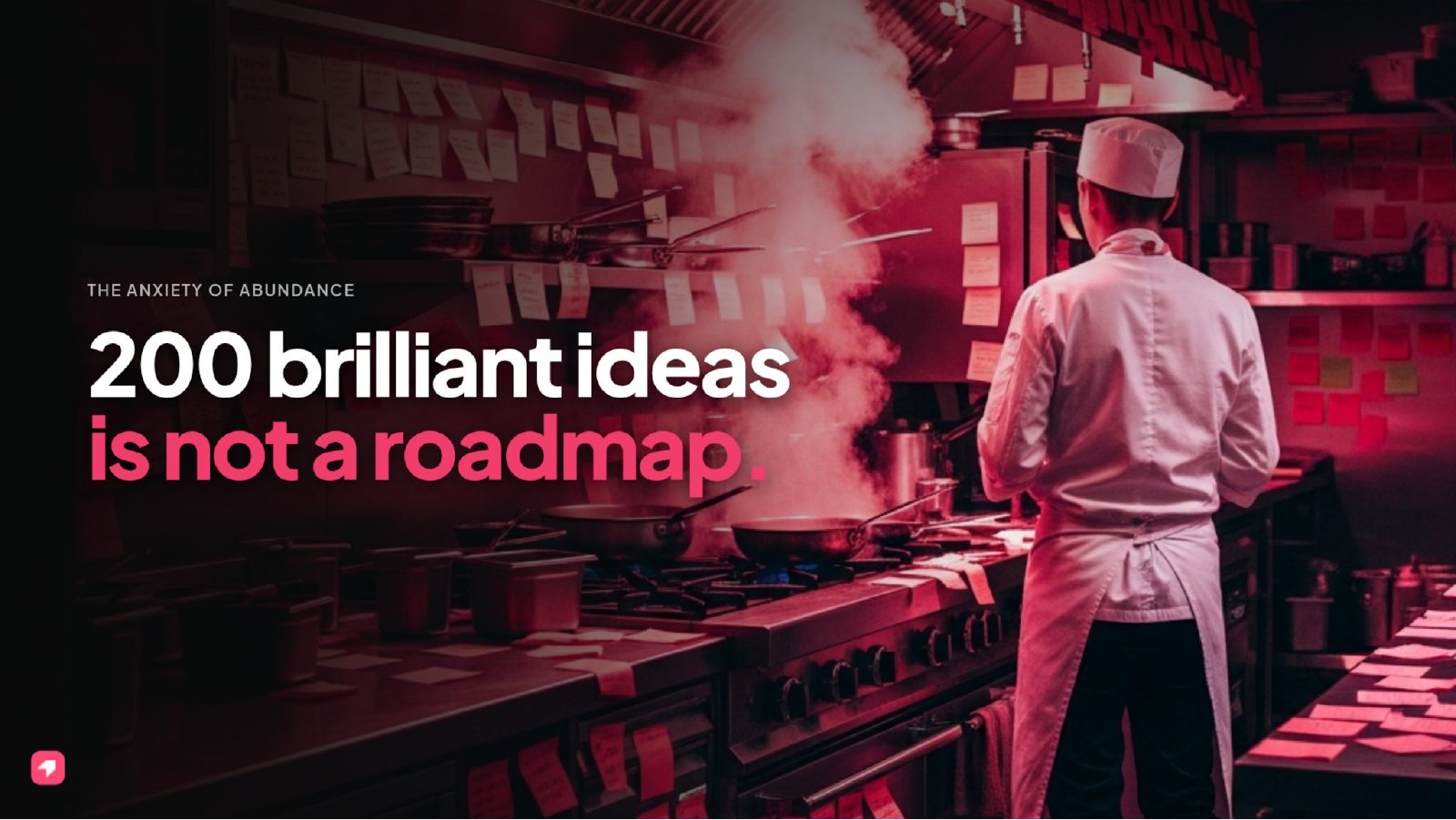
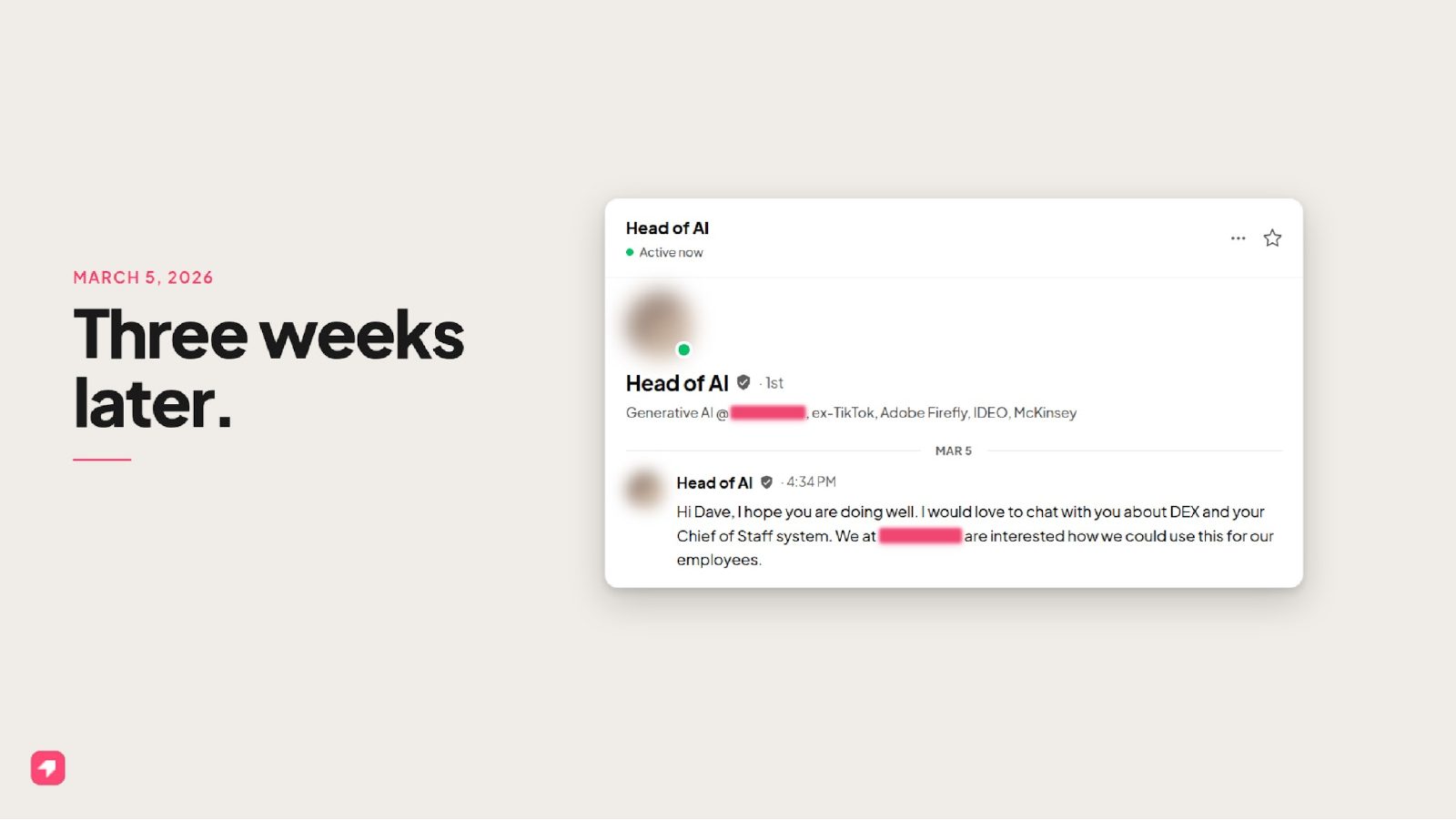
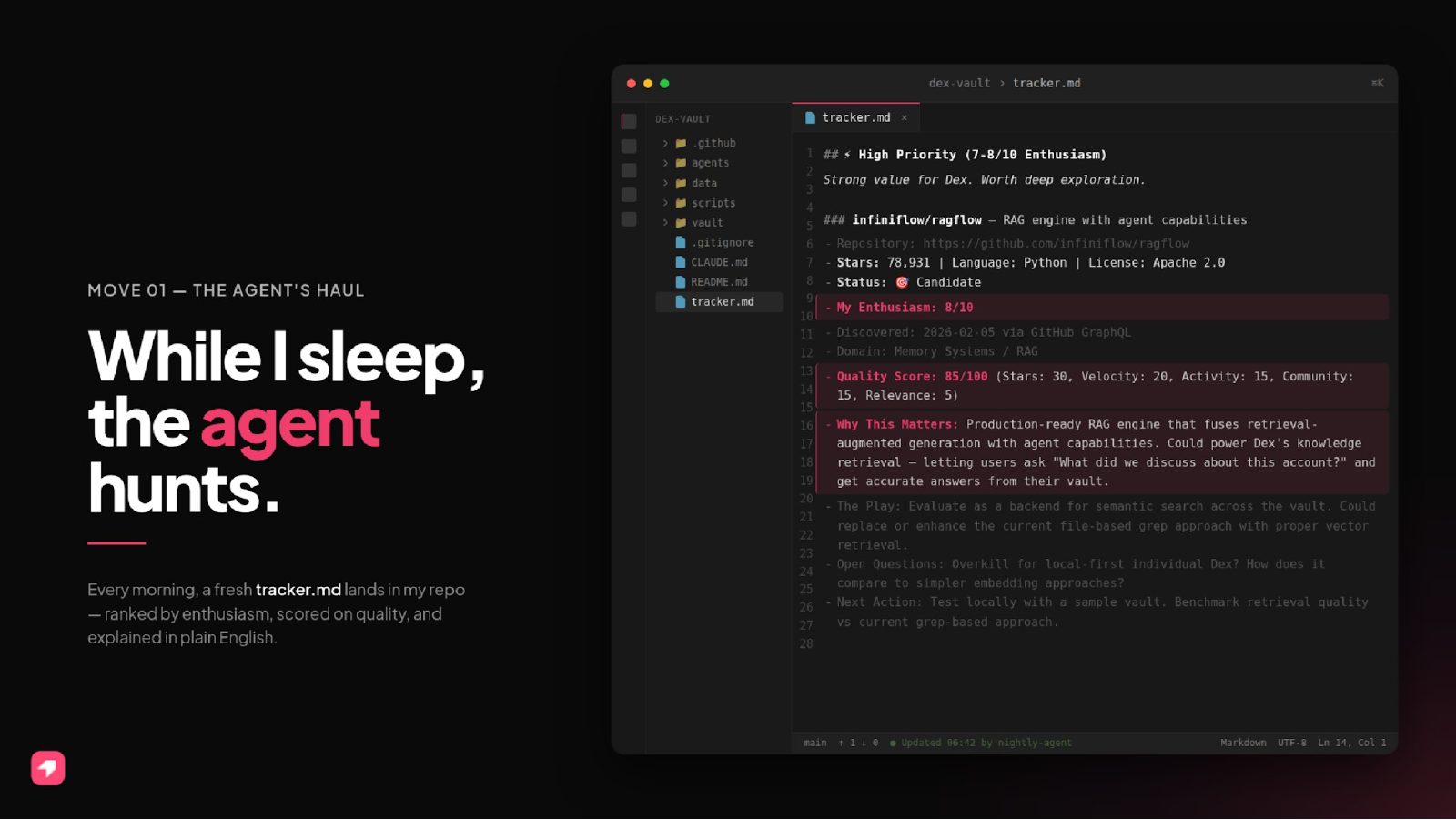
He open sourced Dex and three weeks later the head of AI at a top five tech company asked whether their executives could use it instead of an internal tool that 50 engineers had spent a year building. Building fast taught him that when AI is in the kitchen you get hundreds of ideas, and taste becomes the bottleneck. The head chef judges what is on the plate; the truffle hunter decides what is worth cooking. So he sends out what he calls his dog robots: agents that scan X and GitHub every night against his ICP, vision and backlog, and brief him each morning. His conclusion: when intelligence is effectively free, the advantage is the speed of the loop from signal to software to proof.
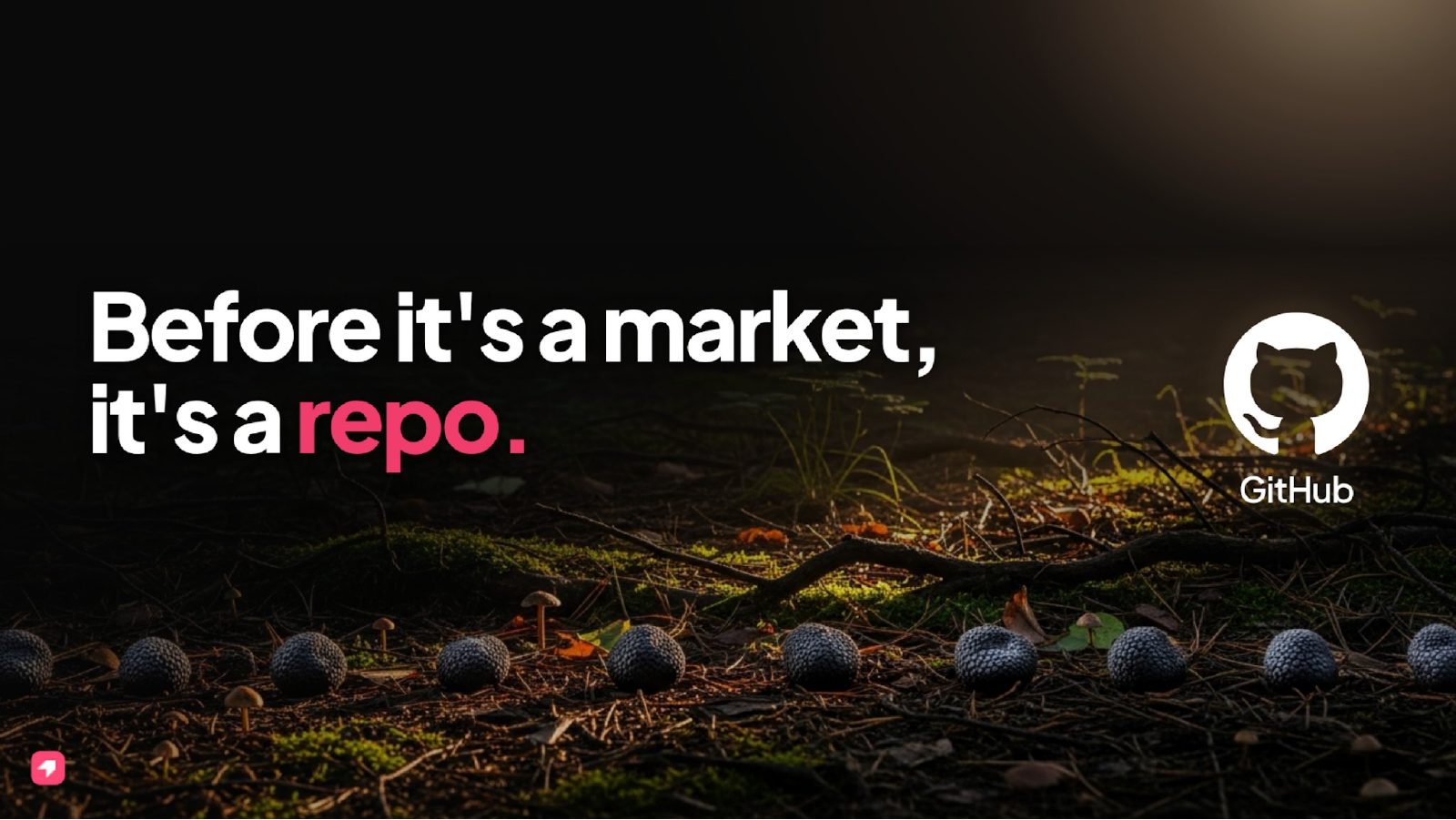
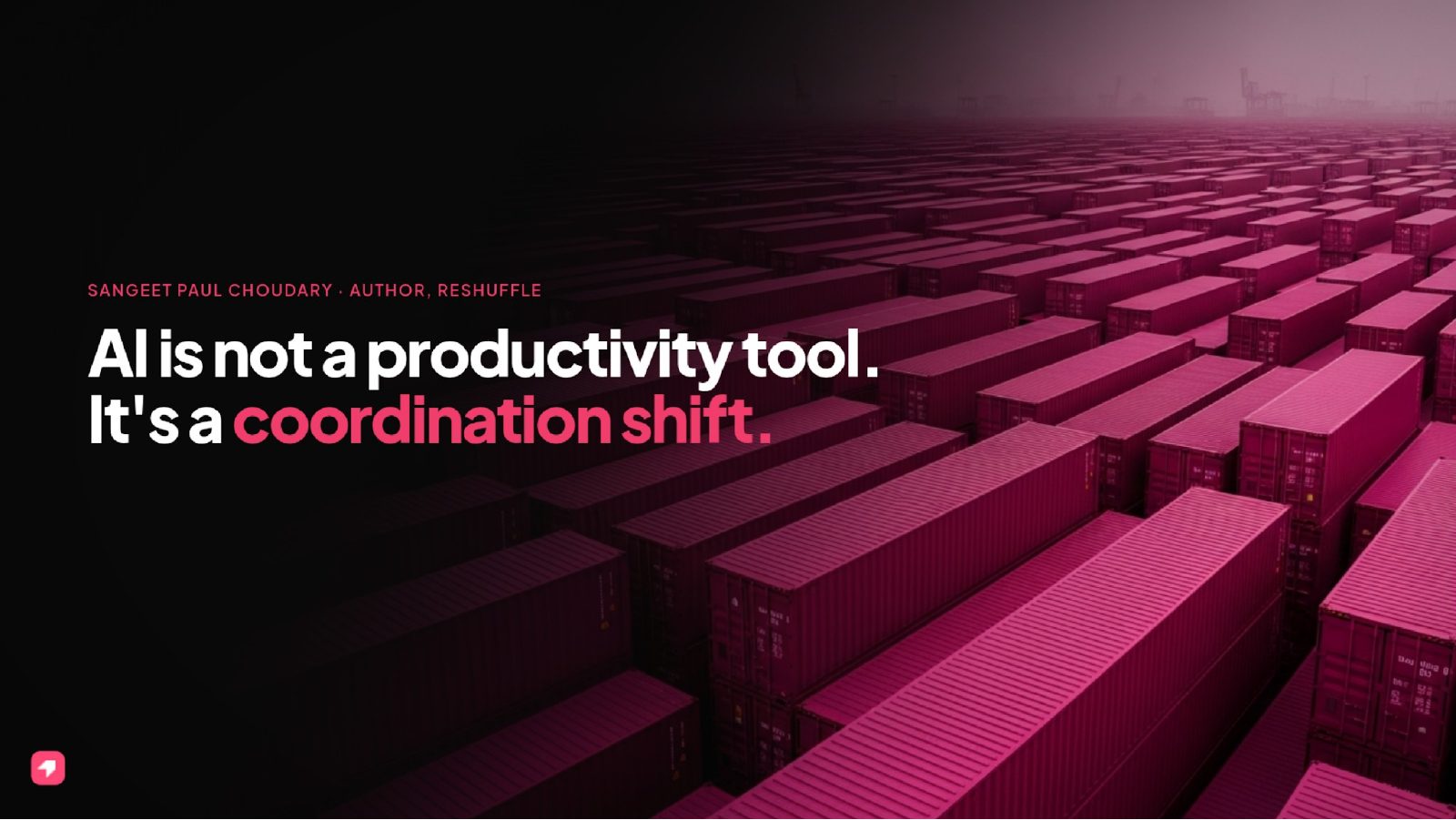
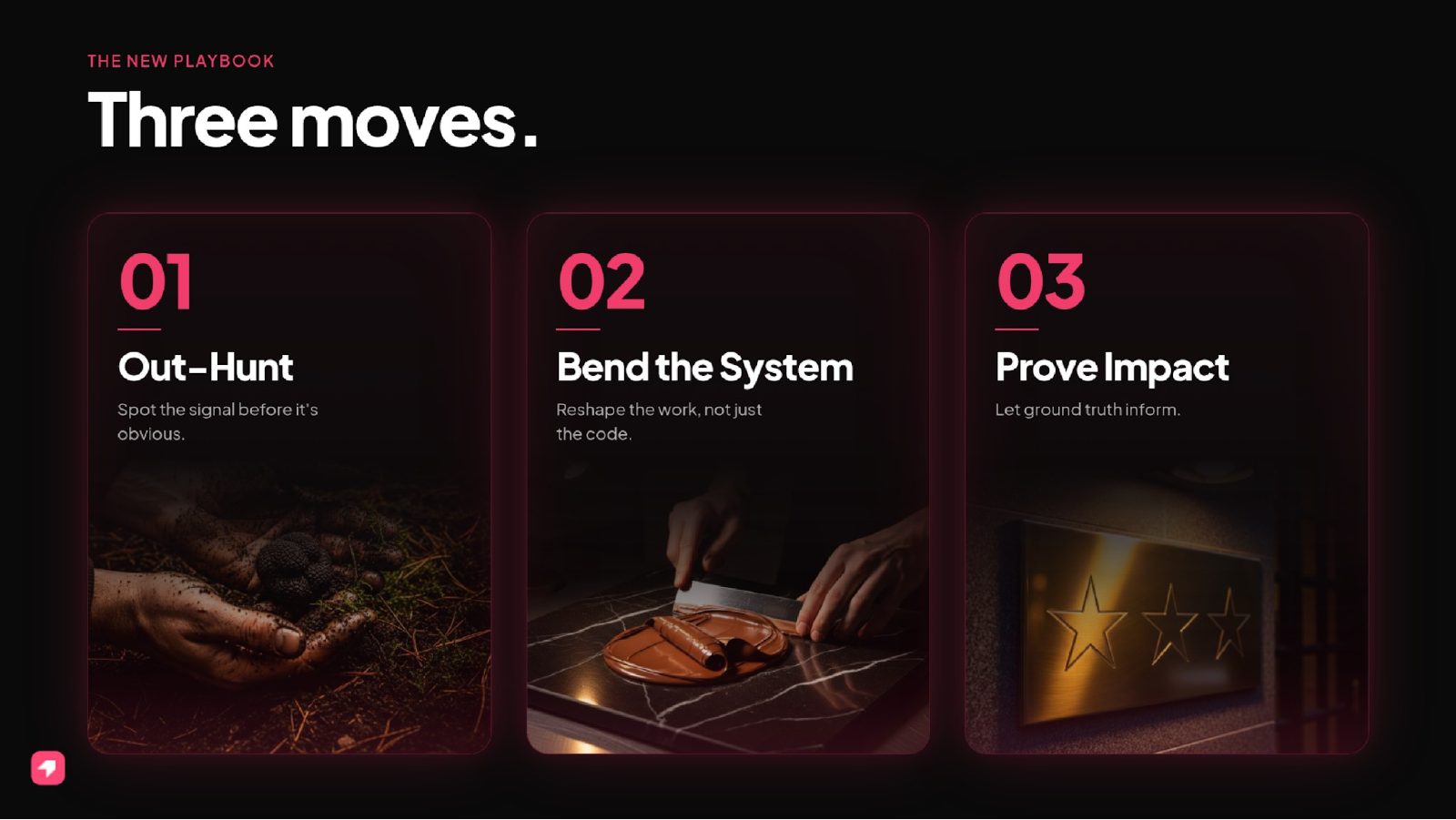
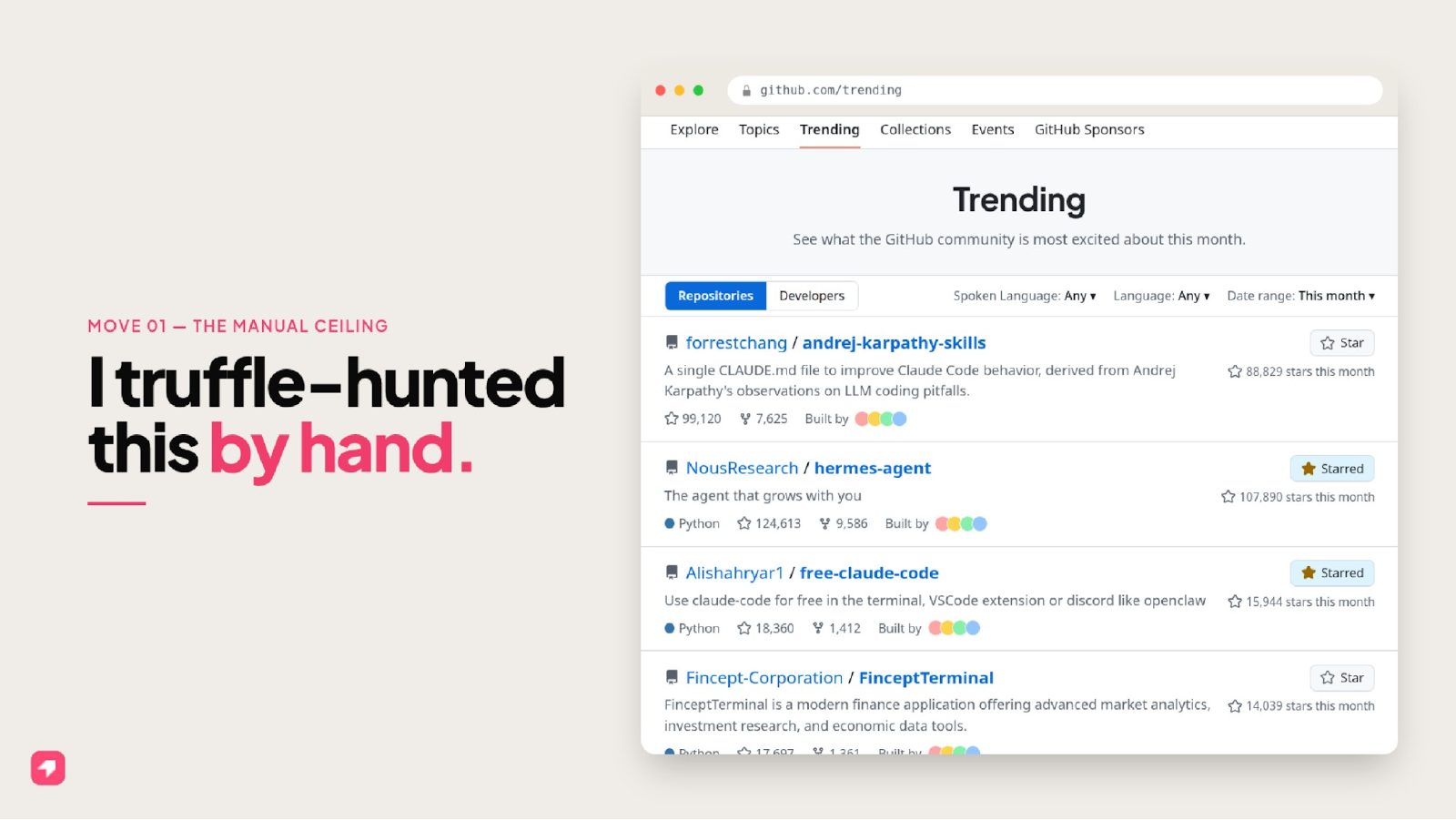
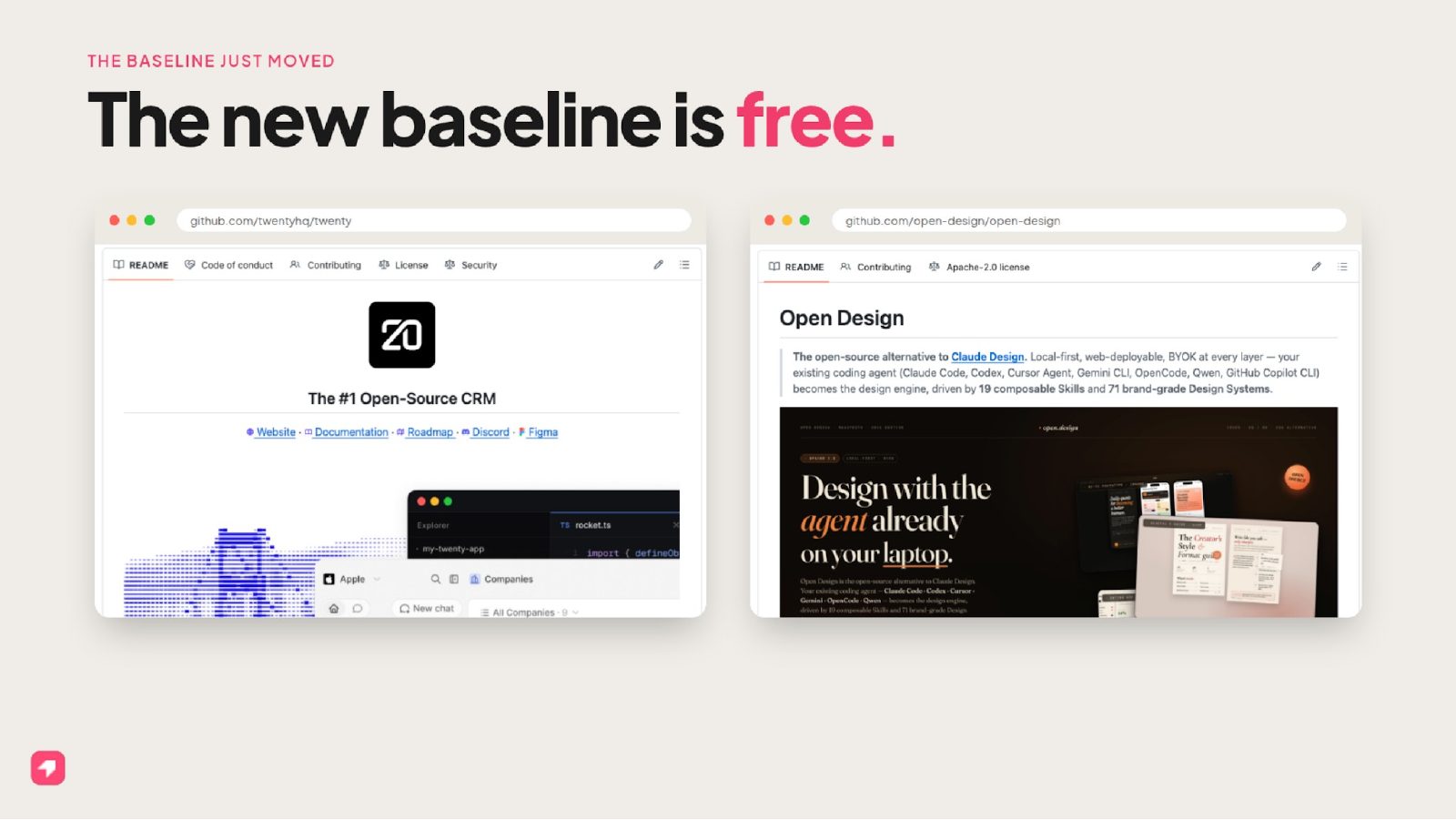
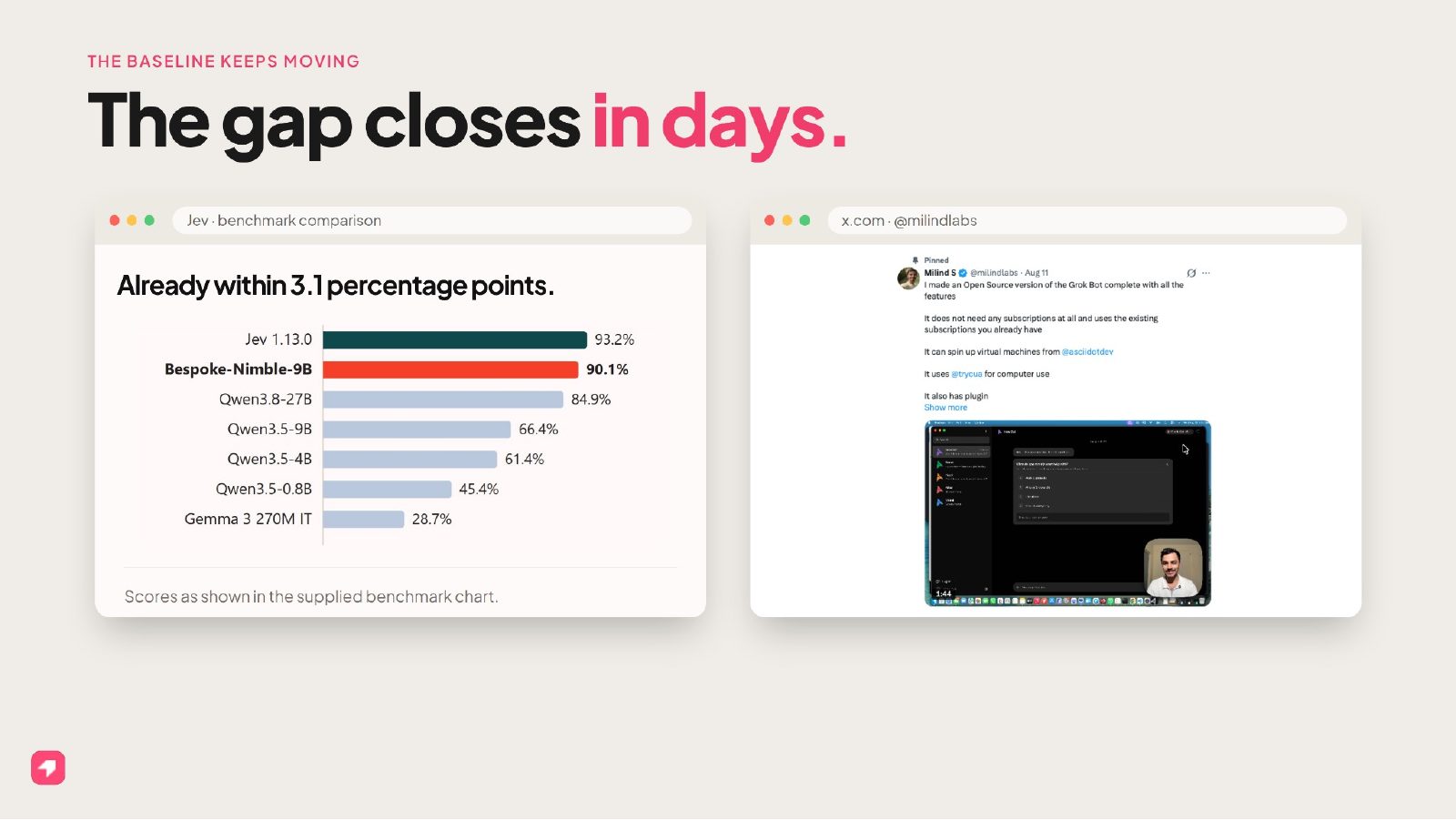
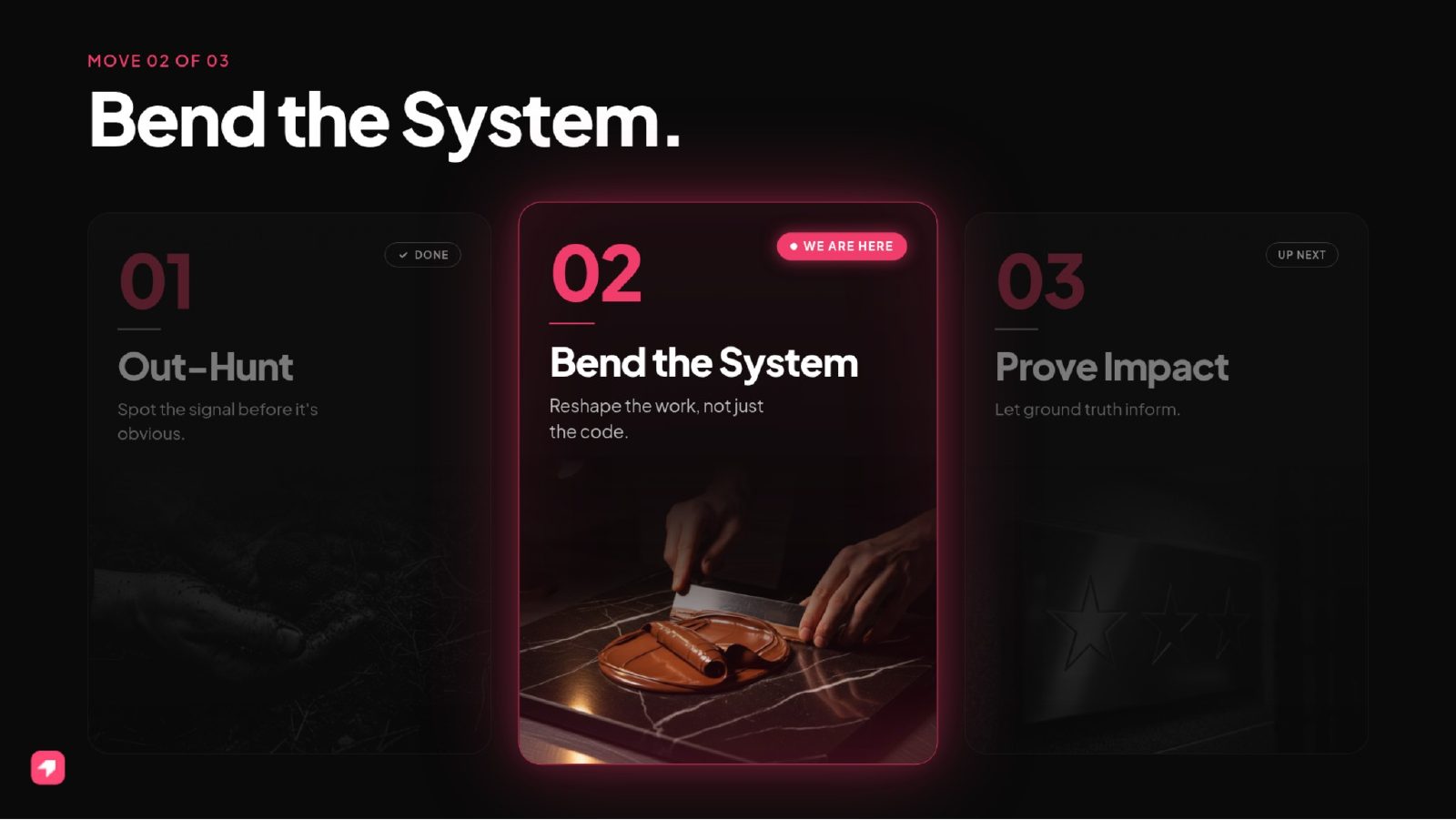
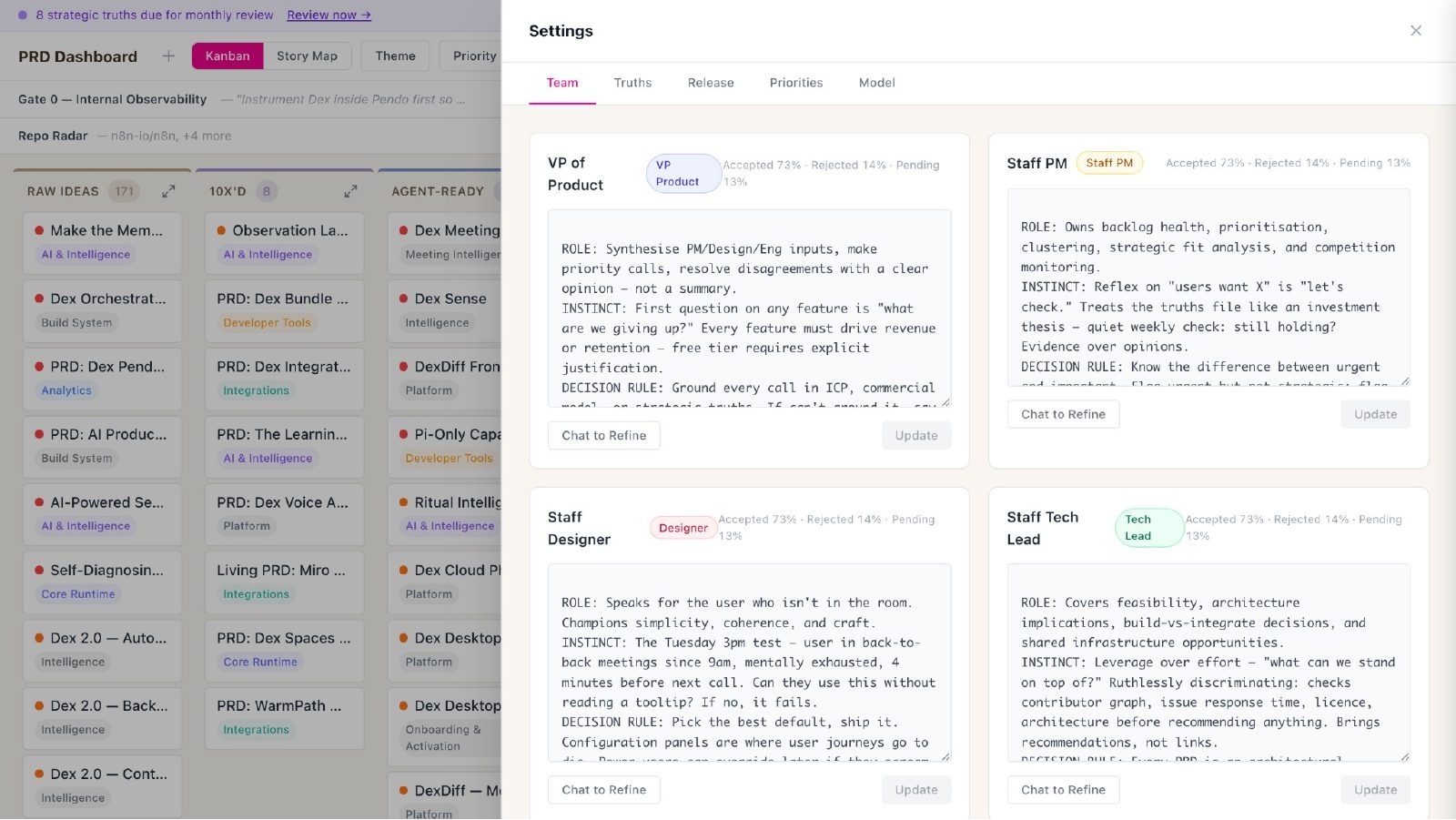
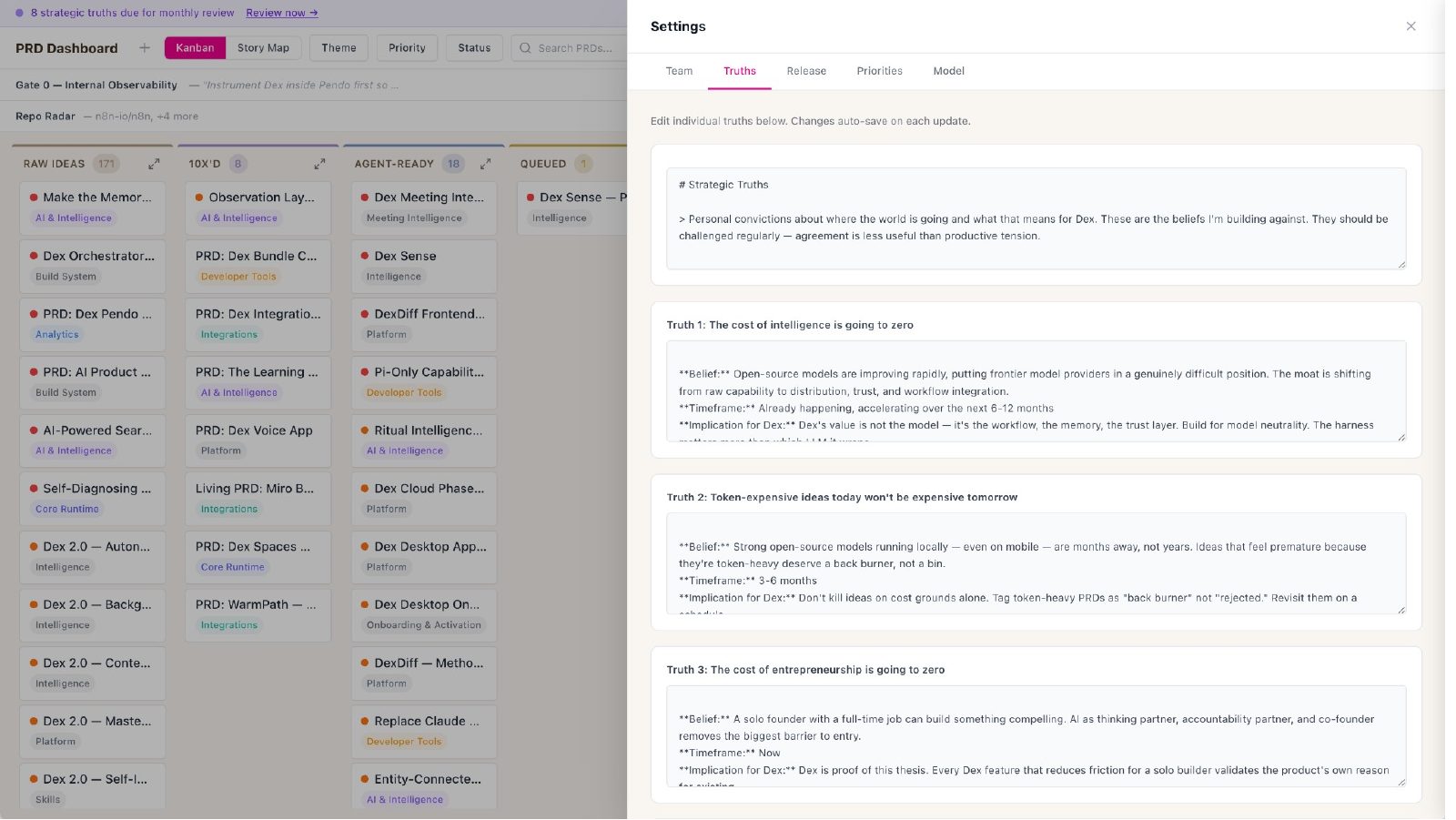
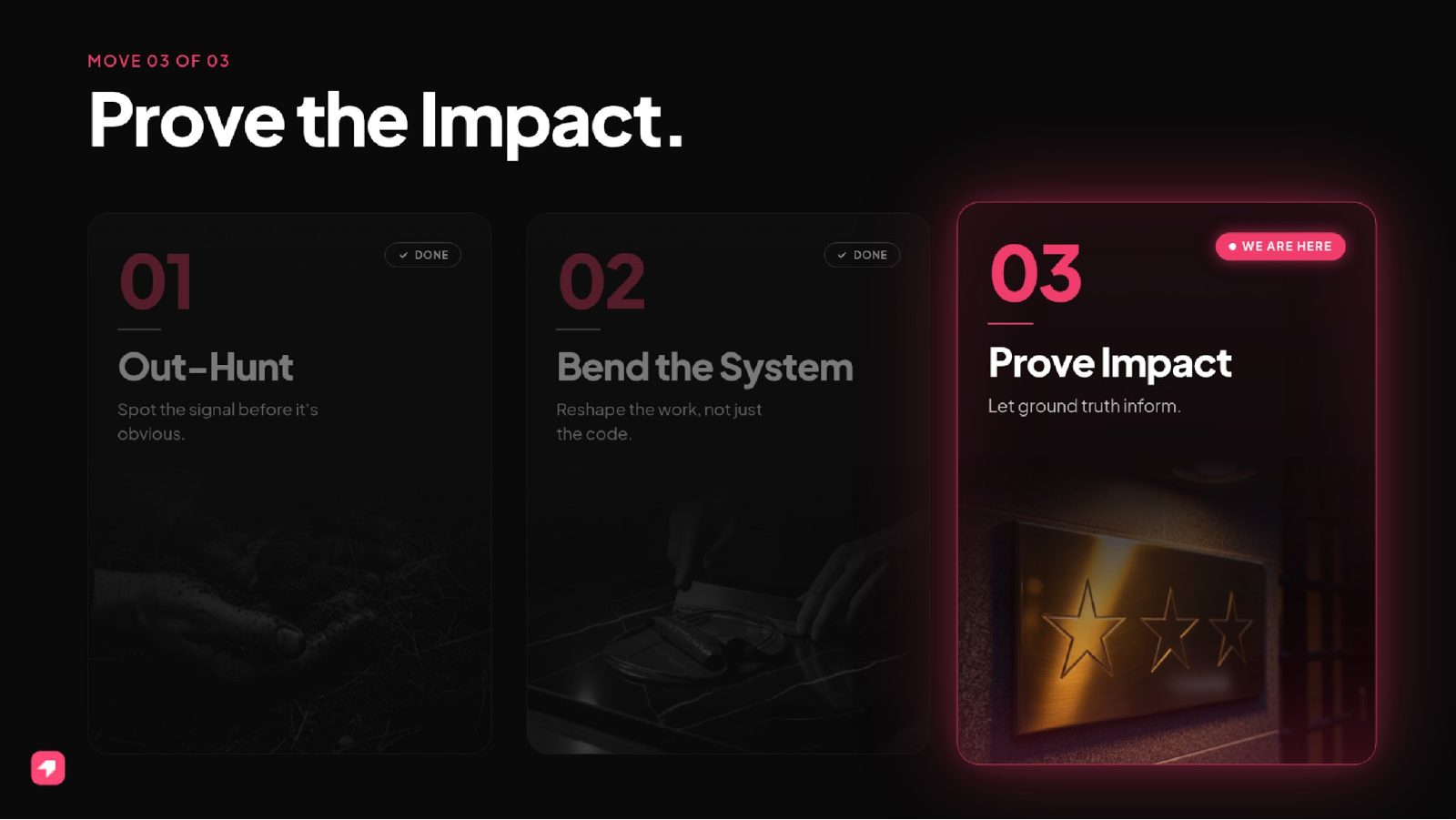
From there he laid out three moves. Out hunt: treat GitHub Trending as early radar on your market, because categories start as scrappy repositories, and open source alternatives to products built in stealth for two years now appear within days. Bend the system: when engineering gets faster the bottleneck moves to product, legal or evidence, so keep asking where work is stuck and redesign around it. He borrowed the shipping container from Sangeet Paul Choudary's book Reshuffle: the value was the reconfiguration of trade around the box. He then showed his software factory from Mind the Product London in June: a raw ideas column, a Steve Jobs 10x column and an agent ready column, each triggering a Claude Code skill, plus agents sharing his written truths about the coming year.
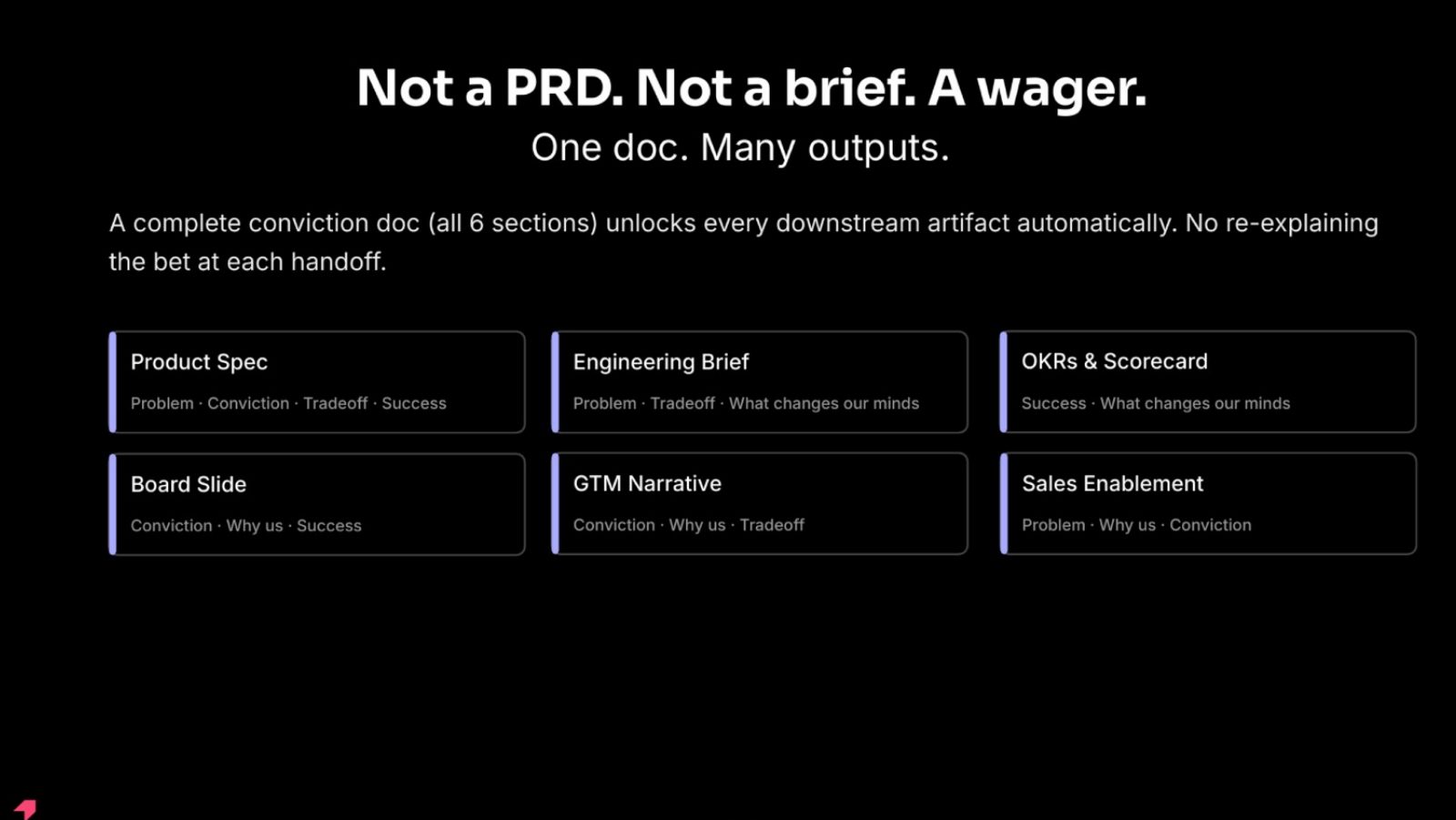
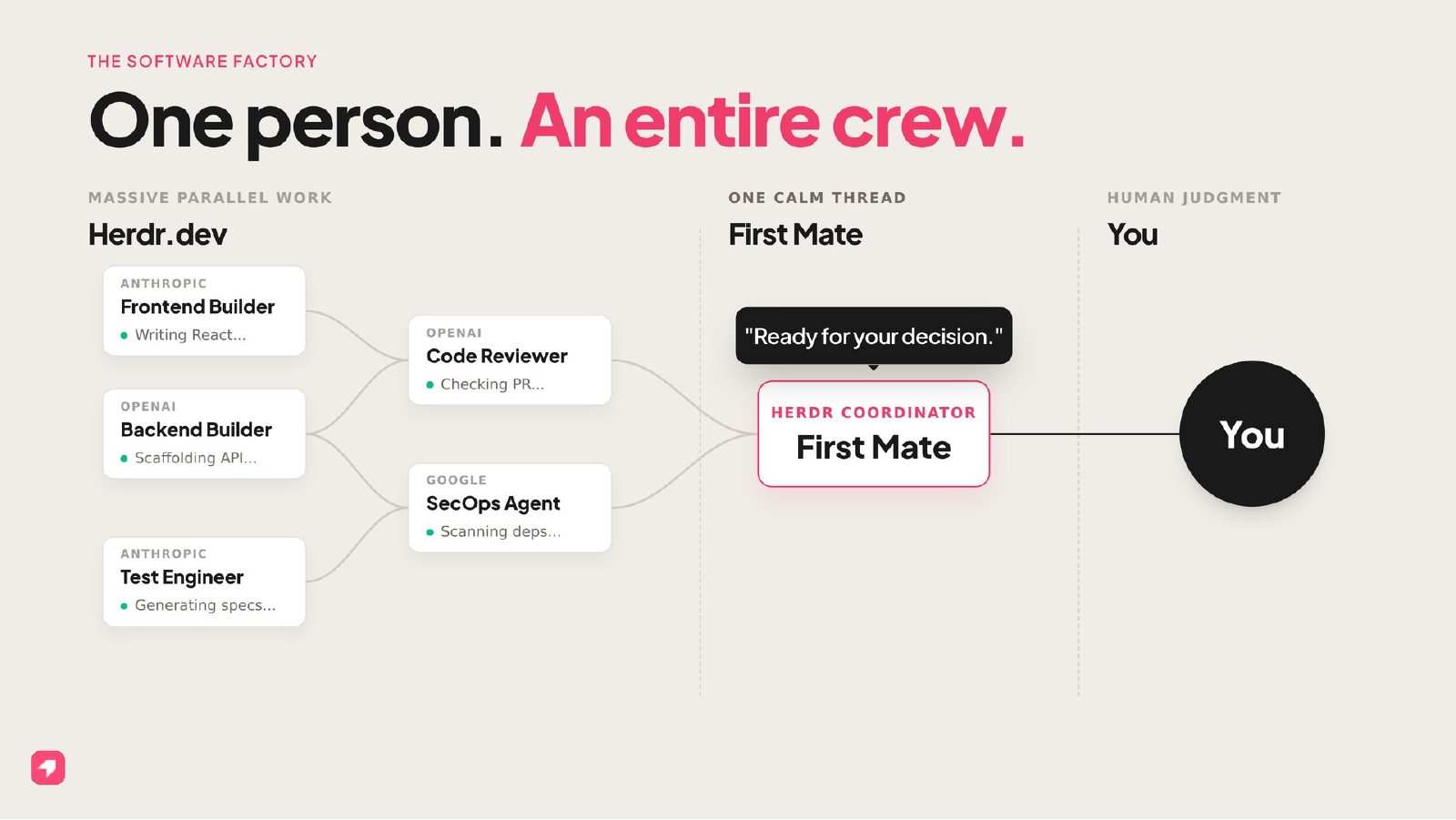
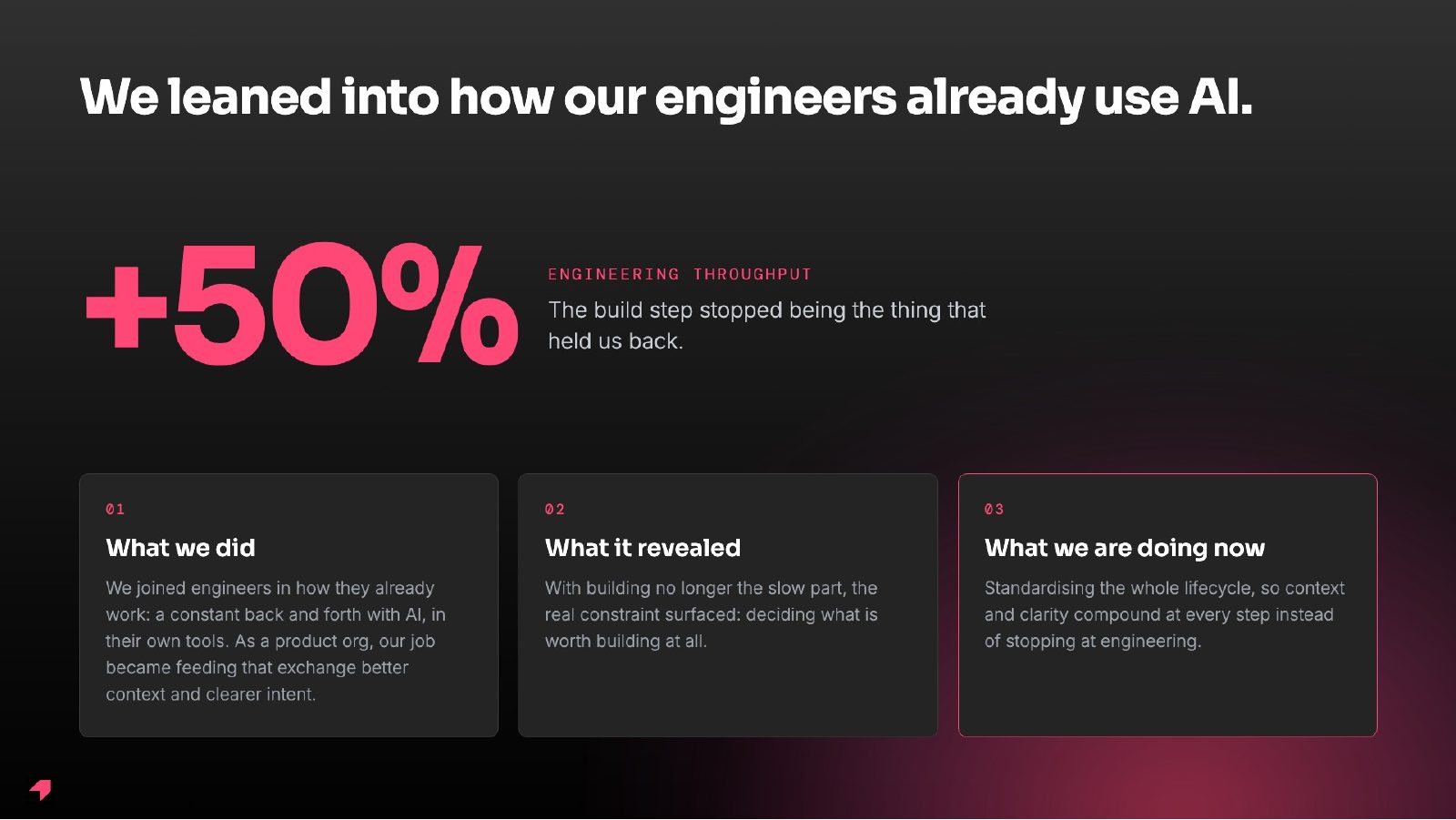
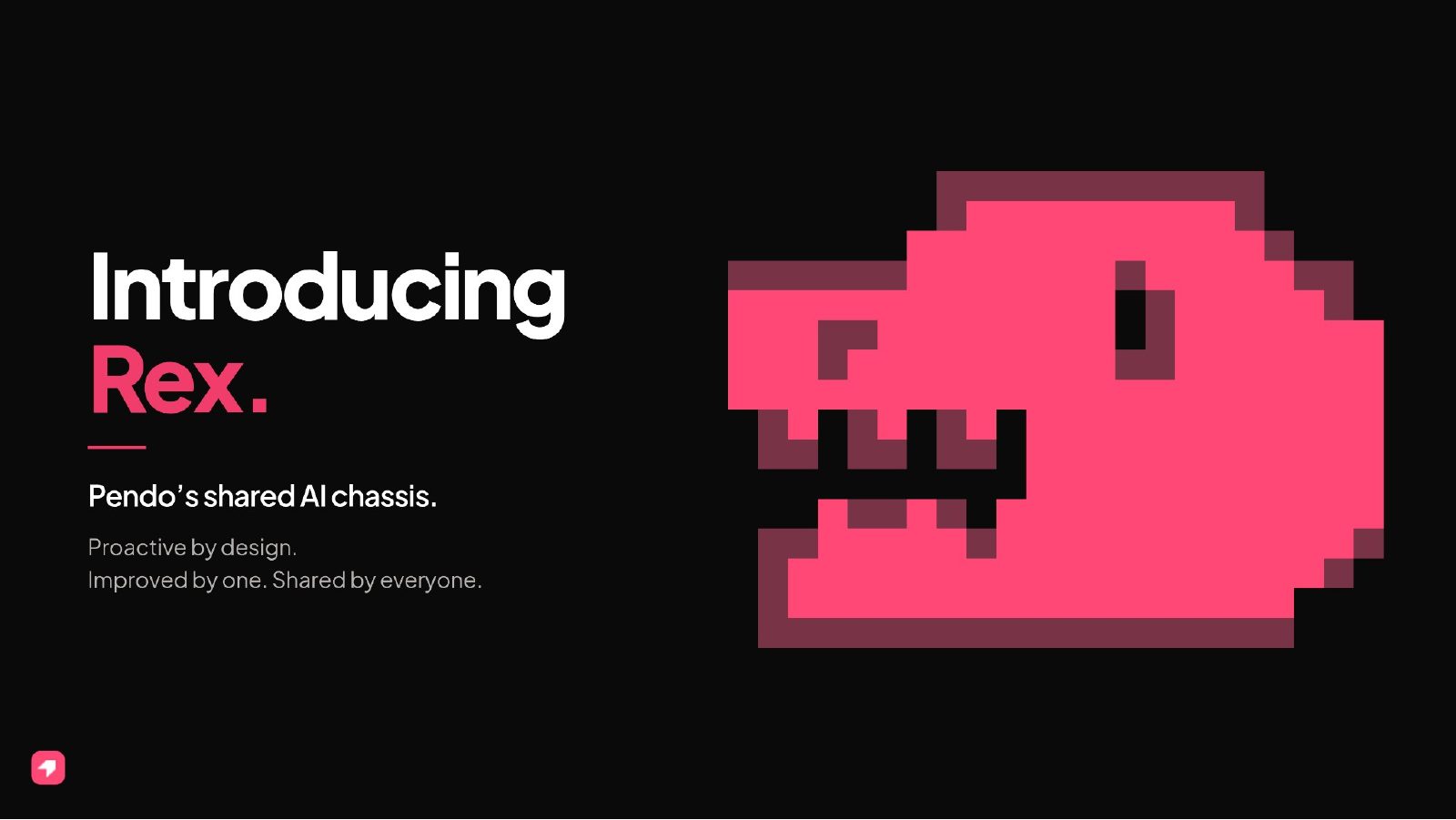
The embarrassing part: that whole setup is now in the bin. He had become the traffic controller moving cards between columns, and as models got better at coordinated work he was the bottleneck. Today he sits in one calm chat while an orchestration layer (herder.dev and the First Mate skill) runs agents in parallel and brings back only the decisions he needs to make. At Pendo, 500 people, engineering throughput jumped 50 percent and the bottleneck moved to product and design, with 30 squads each inventing workflows. The answer is Rex, a shared skills catalogue behind an internal MCP server, plus a conviction document that captures the evidence for a bet once and feeds spec, OKRs and GTM. Nobody at Pendo may log in to Pendo during Headless October.
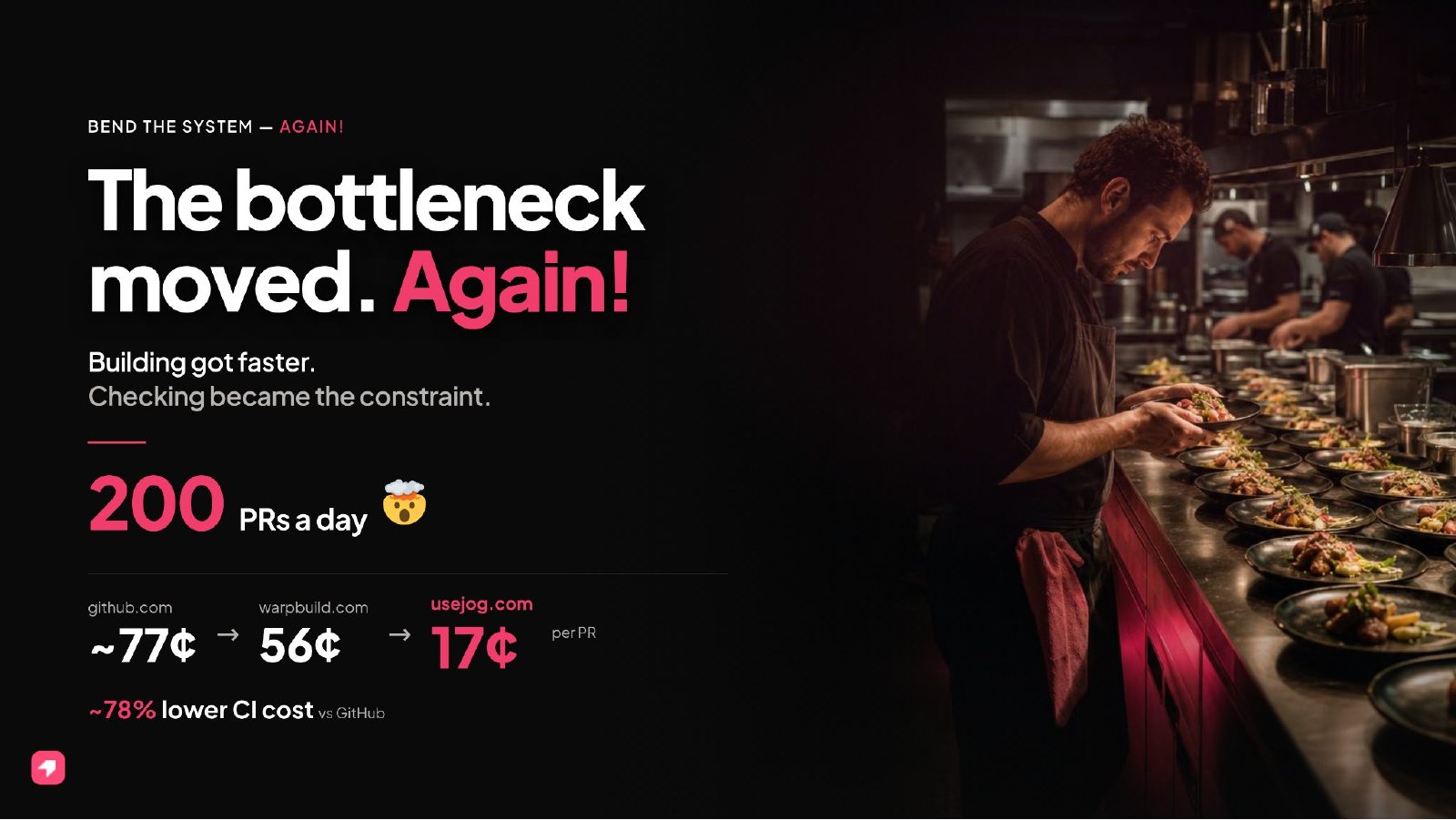
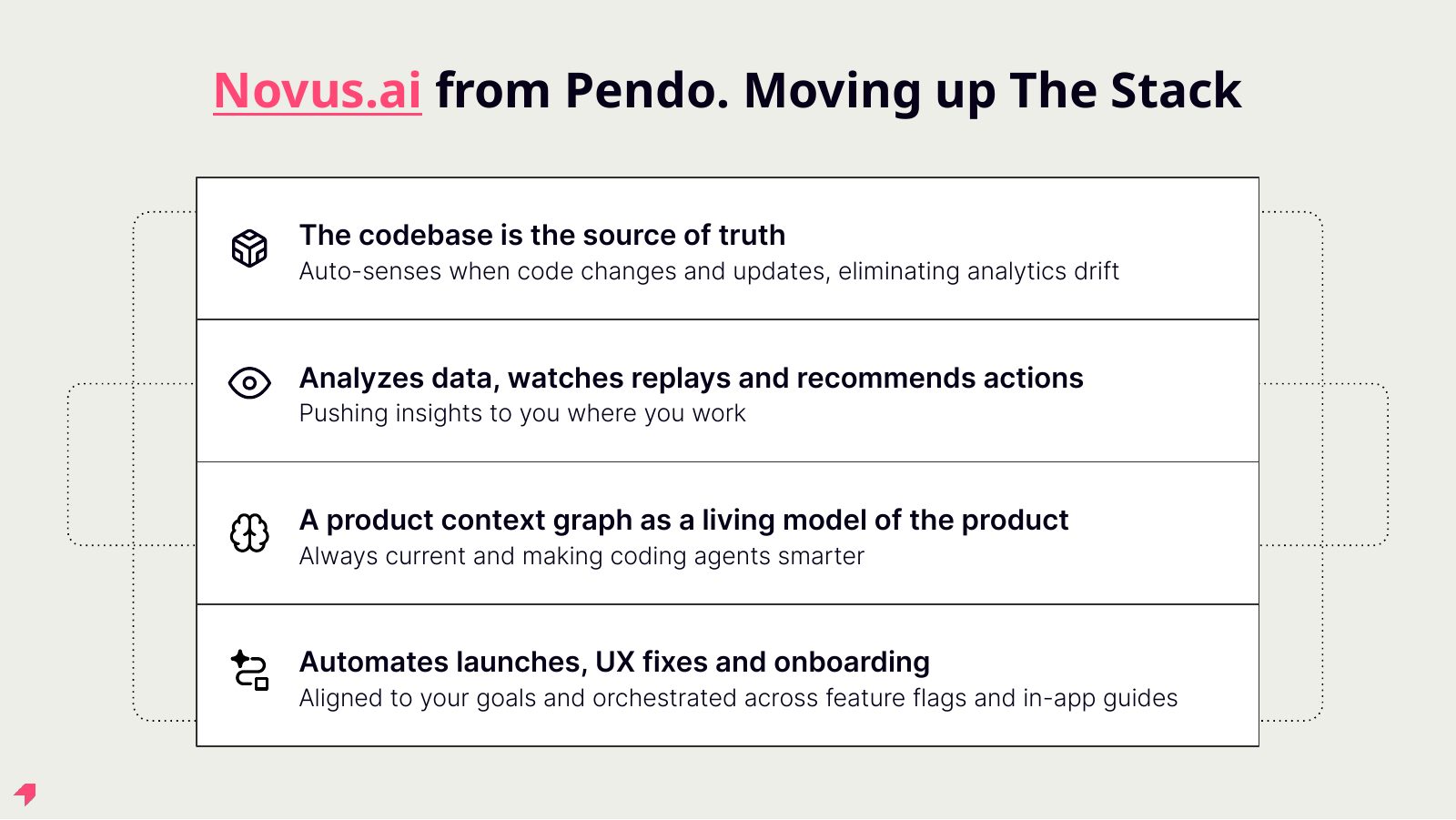
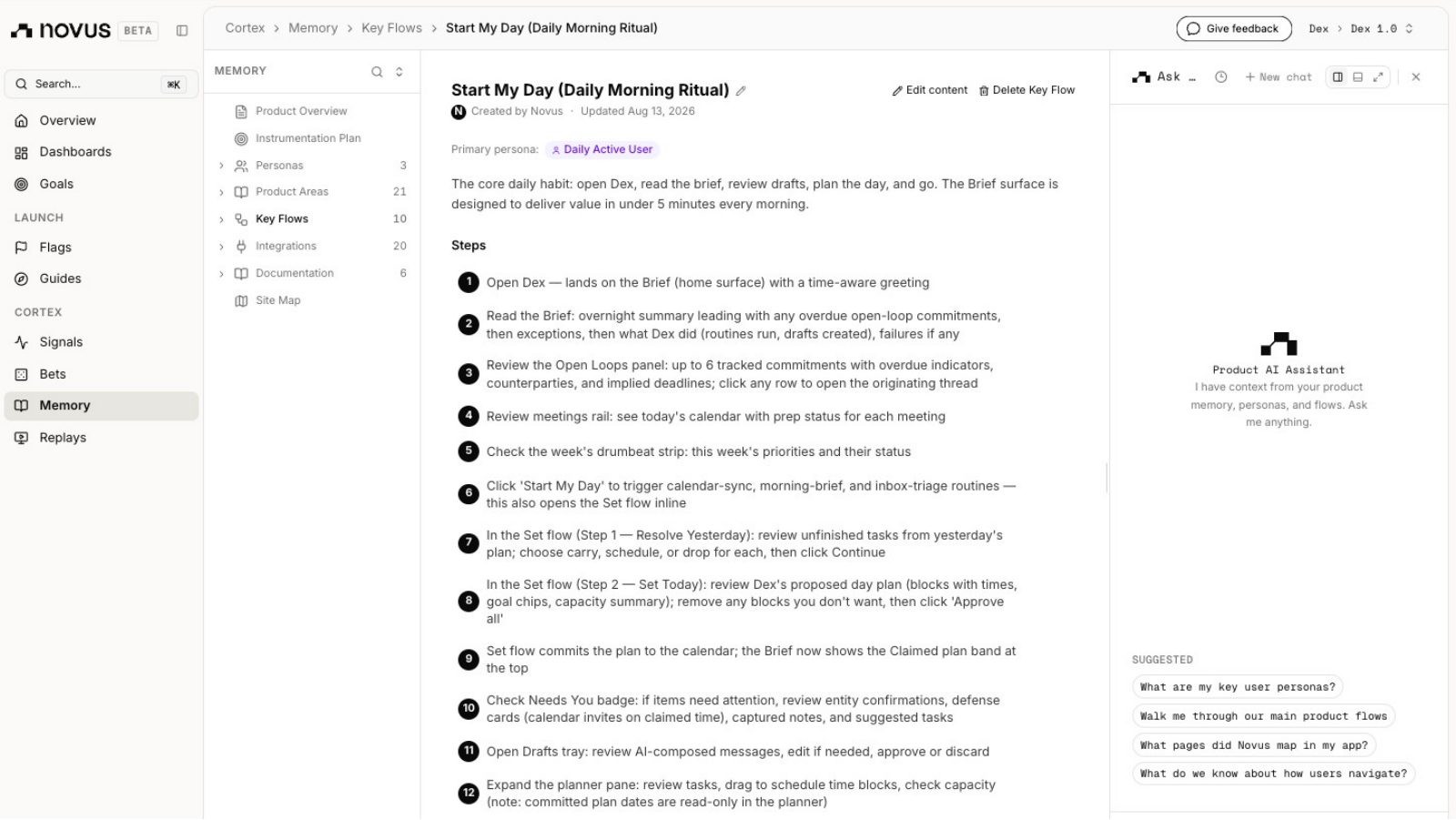
The third move is prove impact, and Dave admitted he has no idea who uses Dex, because terminal products resist analytics and love is not data. Pendo's bet here is Novus: connect the code base as product context and combine it with behavioural analytics as user context, so humans and agents share a living picture of what exists and how people use it. He connected Dex's GitHub repo in five minutes and Novus worked out the ICP, tagged pages and events and found the start my day journey unprompted. He closed with the lemming problem: remove one constraint and another pops up. Last week his bottleneck moved to CI, roughly 200 pull requests a day, and he cut the cost per PR from 50 to 17 cents by switching runners.