ABOUT THE KEYNOTE

When Everyone Can Build, What Makes Great Product?

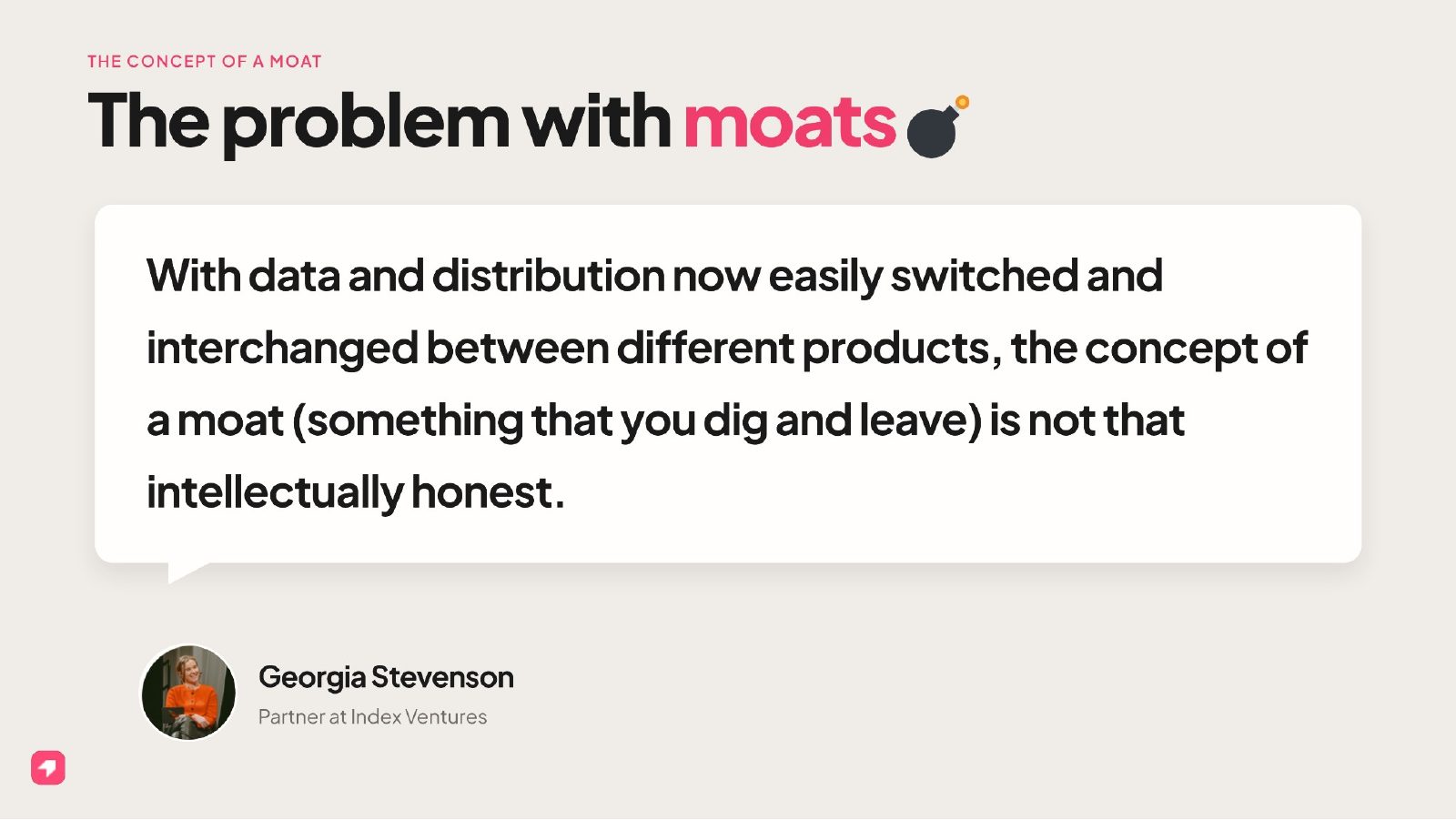
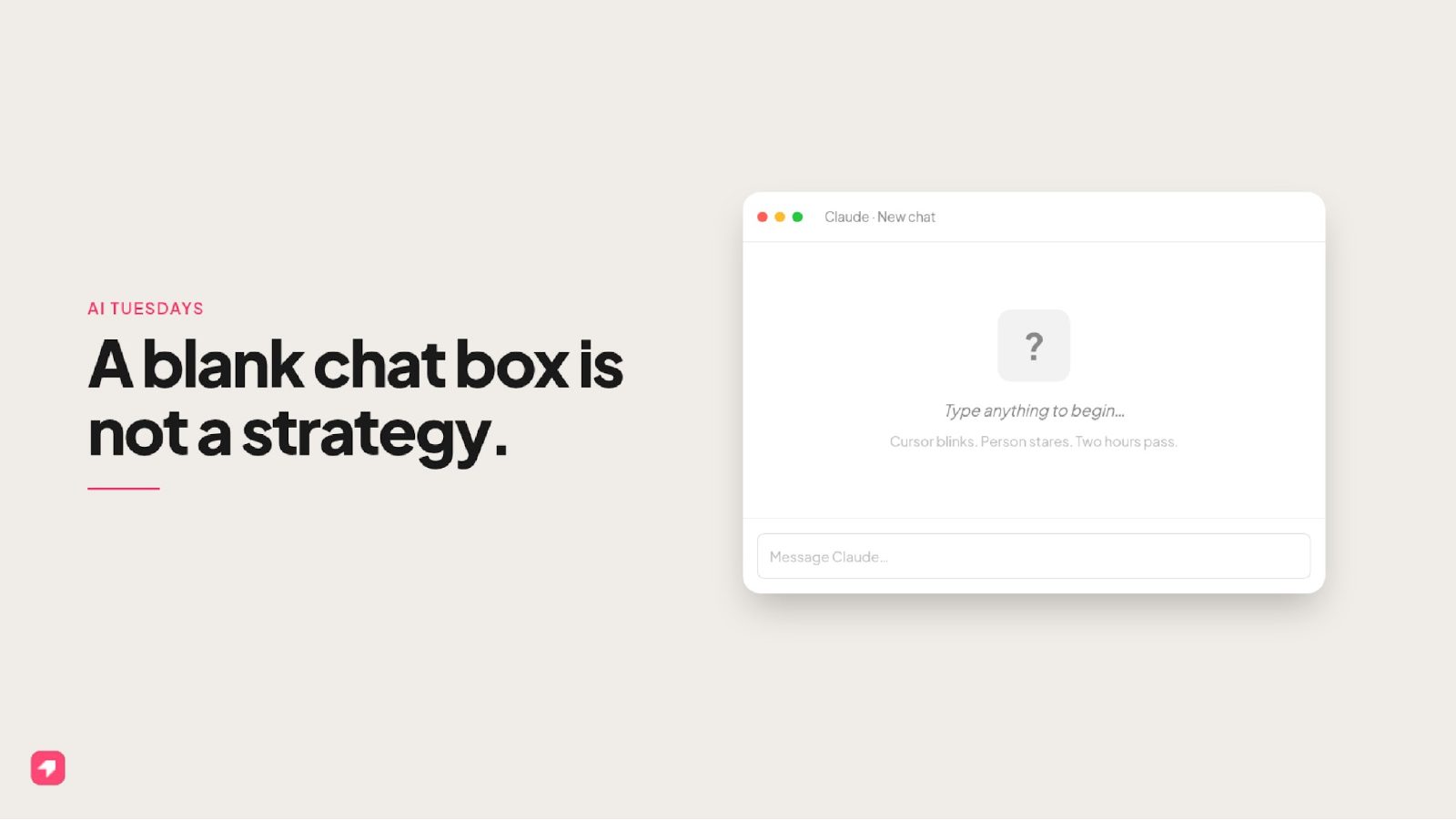
Product teams have been told that AI can write code, but it will never replace human taste. That is comforting. It may also be dangerously incomplete. When anyone can generate software, clone established patterns, and ship at extraordinary speed, taste alone is no longer much of a moat.

In this talk, Dave Killeen, Field CPO, EMEA at Pendo, shares what he learned building Dex, his open source personal AI operating system, simply by talking to AI. Three weeks after he released it as open source, the leadership team at one of the world's largest tech companies reached out to explore whether it could be licensed for one of their executives. Through live demonstrations of frontier models running locally, custom systems assembled in hours, and autonomous agents changing how software is made, Dave shows just how radically the floor for building valuable software has fallen, and explores the shift from malleable software to malleable organisations.

You'll walk away with a practical playbook for the new landscape: outhunt the market, bend the system of work, and prove with customer evidence what deserves to be built. You'll also learn how to create an agentic rhythm around yourself and your team, whether you are technical or not.

Type
Virtual Keynote
Onsite Talk
Time
To be announced
Year
2026
Main Stage recap · AI Transformation and Leadership · 14:45 · 32 min
Chapters
Highlights

The moments worth replaying.

Short clips, each a complete thought. Share them, or jump to the spot in the full talk.

Taste is not the moat

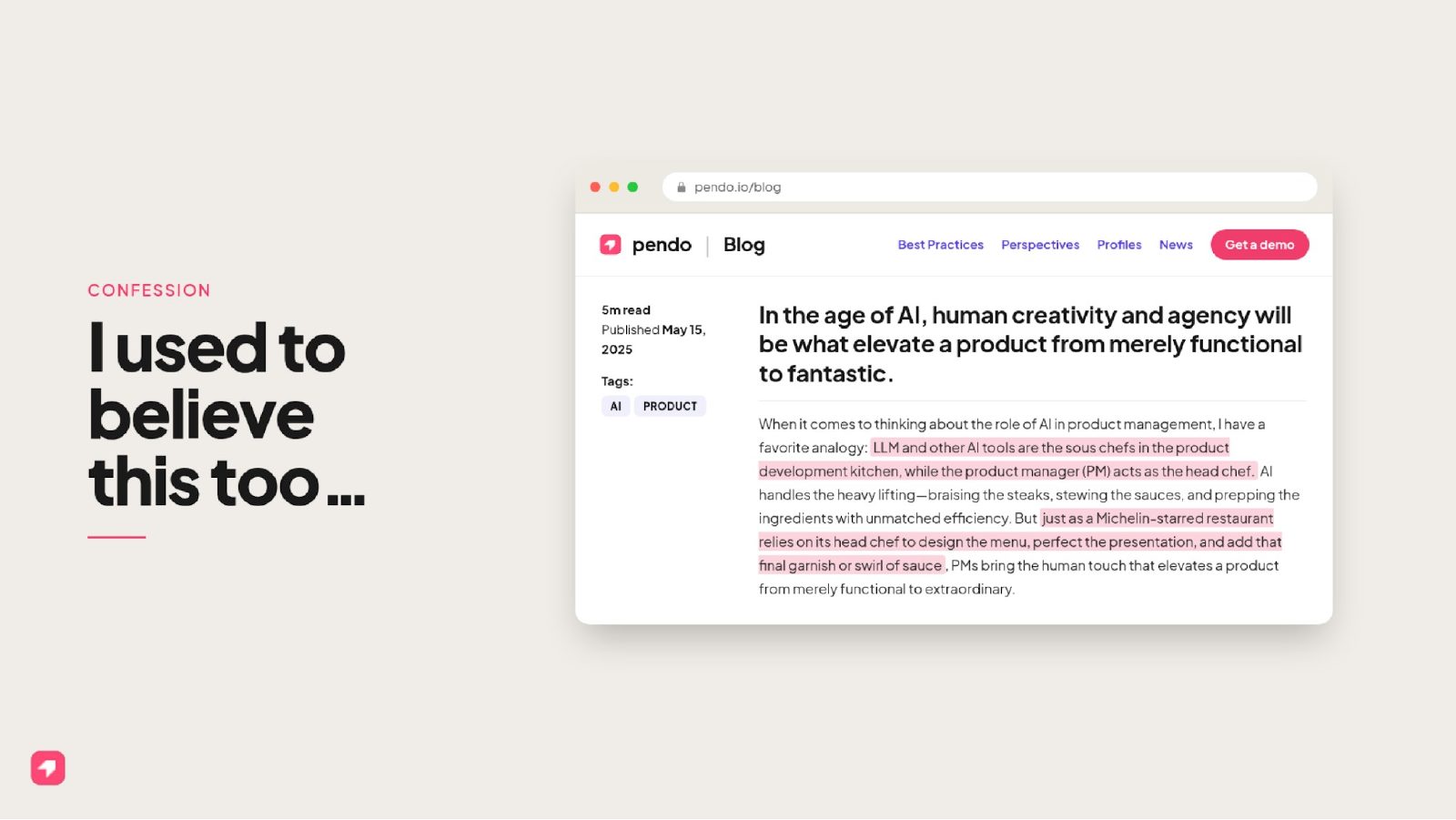
Dave retracts his own sous chef argument and names the December 2025 turning point where clarity, not code, became the barrier.

4:09 IN THE TALK · 60 S
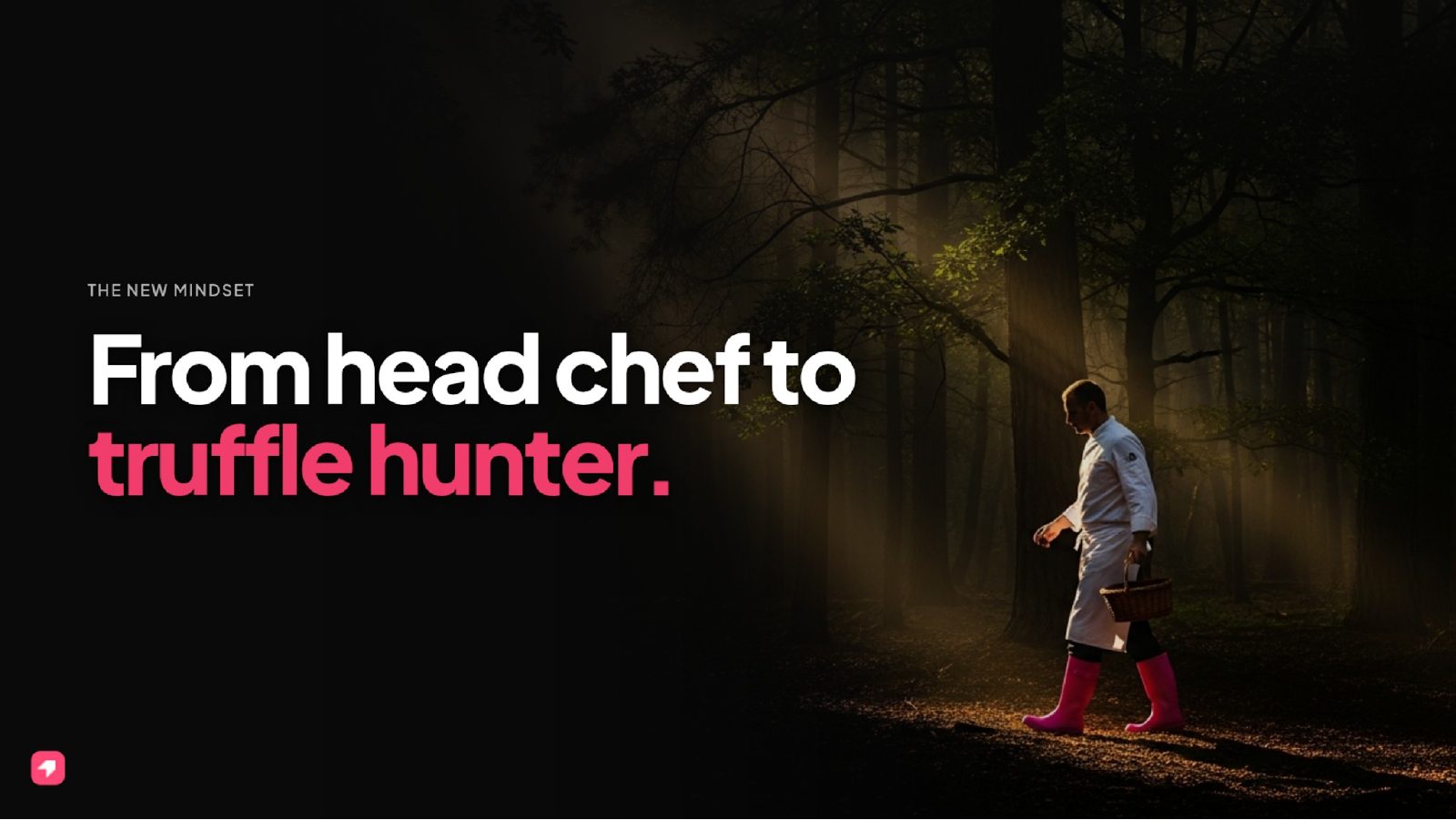
From head chef to truffle hunter

The central metaphor of the talk: taste becomes a bottleneck when ideas explode, so he sends out agents to hunt for him.

8:05 IN THE TALK · 70 S
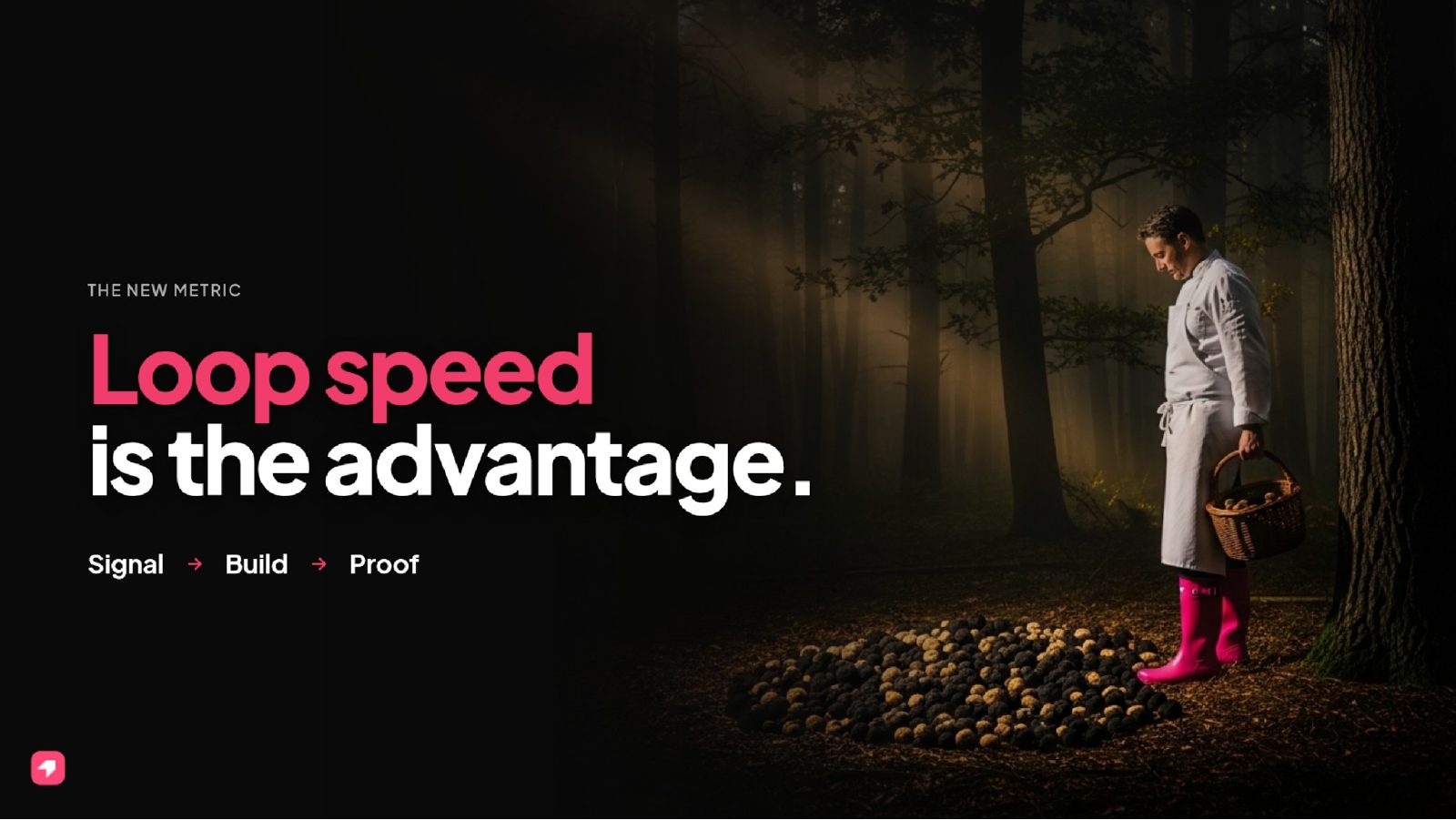
The advantage is the speed of the loop

The core argument in one block: when intelligence is free, winning means spotting signal, shipping and proving customer value fastest.

9:15 IN THE TALK · 45 S
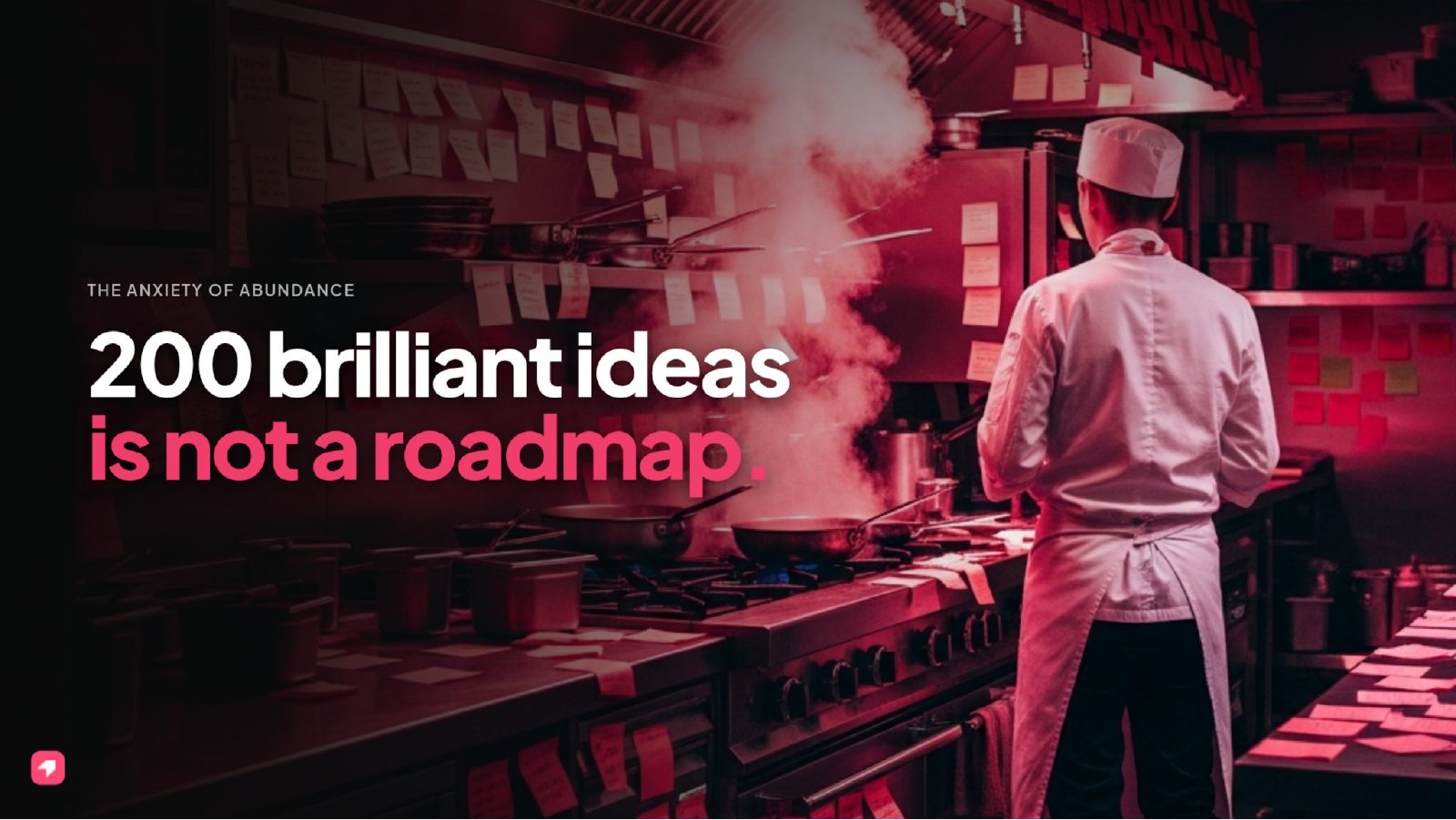
200 brilliant ideas is a coordination problem

A shared backlog with an AI makes him more creative and shows why the bottleneck moves to the system of work.

11:39 IN THE TALK · 49 S
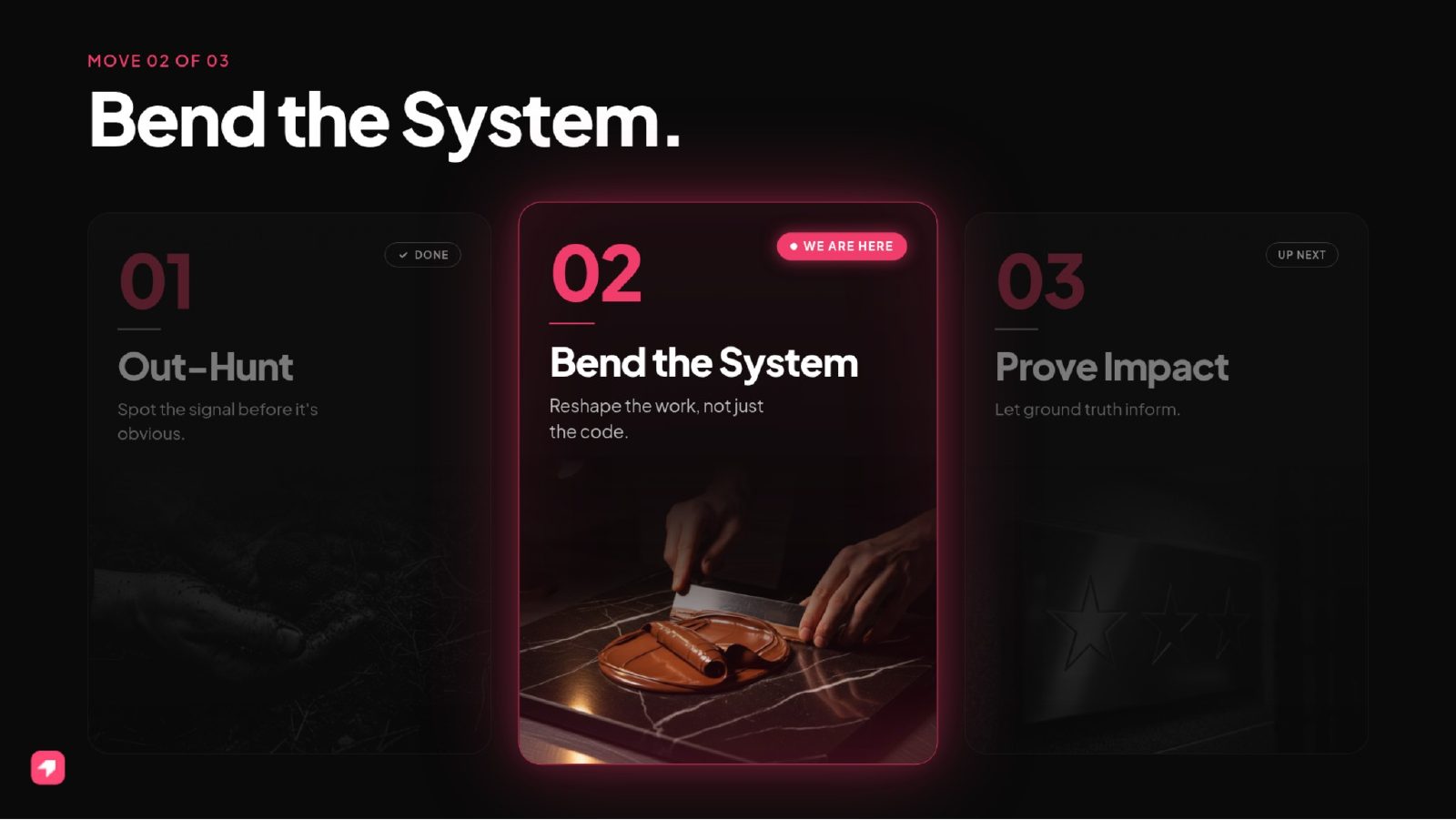
Bend the system, not the task

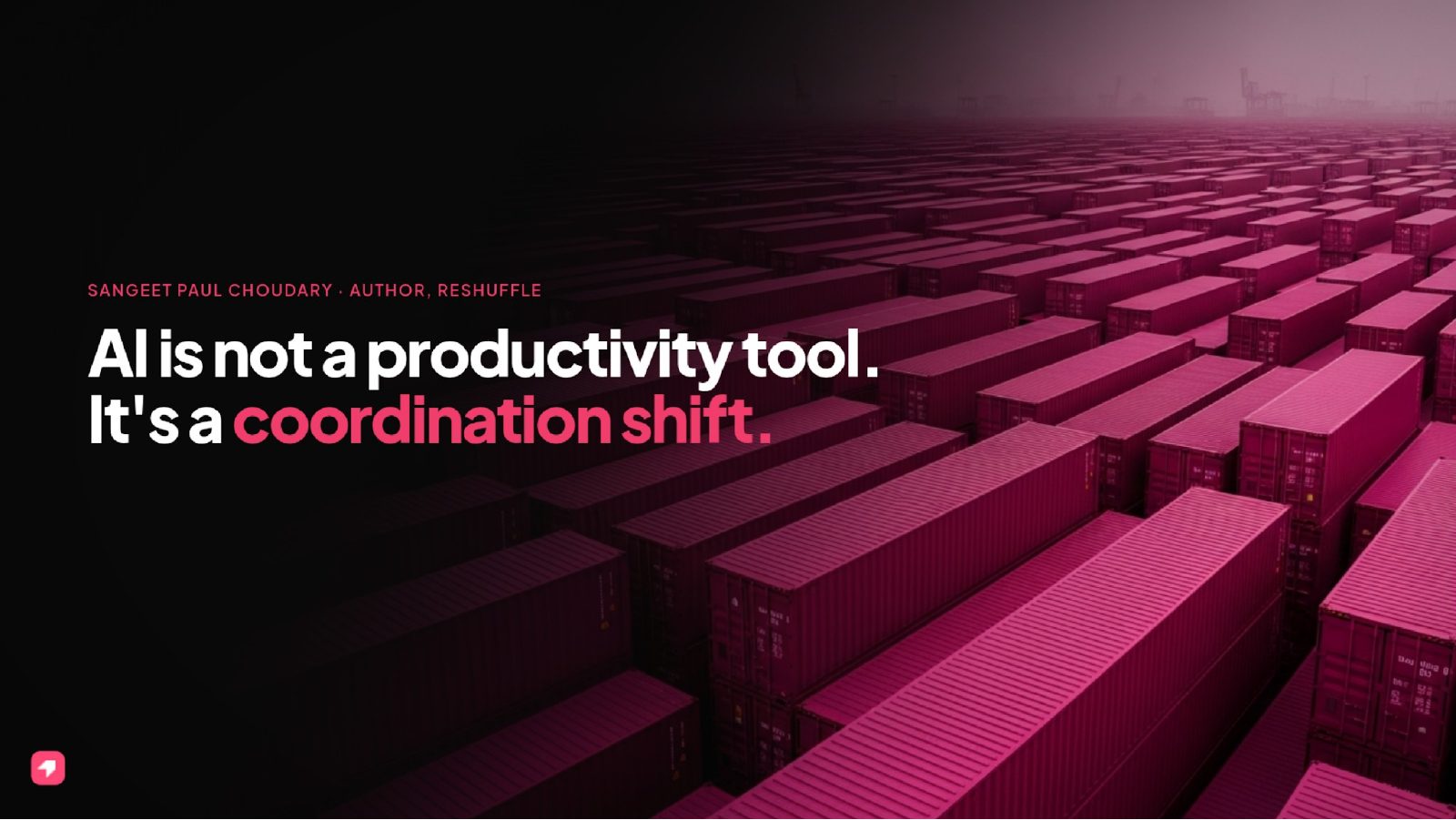
The shipping container analogy from Reshuffle explains why AI is a reconfiguration of work rather than a faster horse.

15:26 IN THE TALK · 61 S
Headless October at Pendo

A vivid forcing function: nobody at Pendo may log in to Pendo for a month, and nobody knows how it will go.

24:23 IN THE TALK · 37 S
In short

What Dave argued.

When AI makes building cheap, the advantage shifts to how fast you spot signal, redesign work around moving bottlenecks, and prove impact.

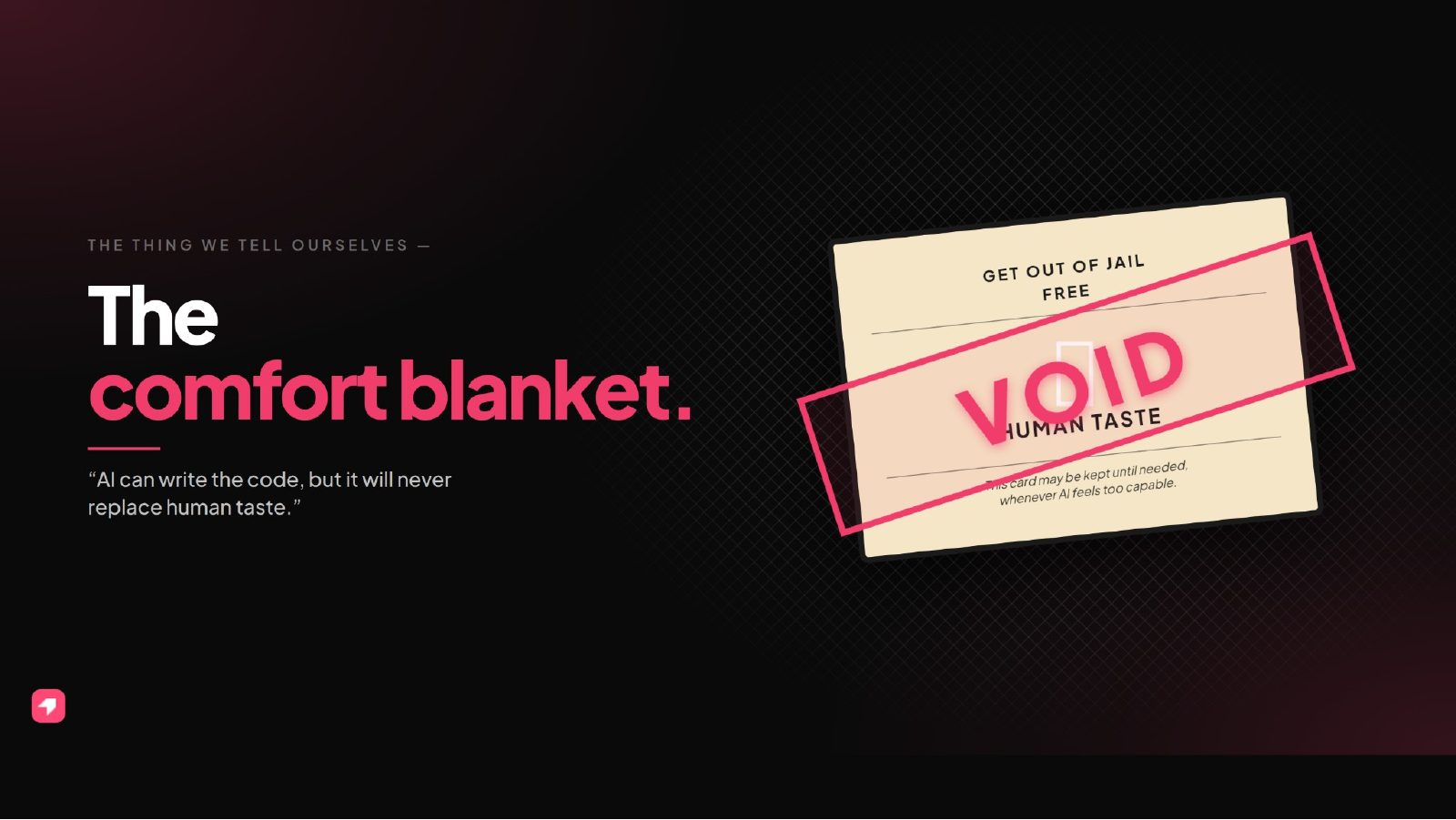
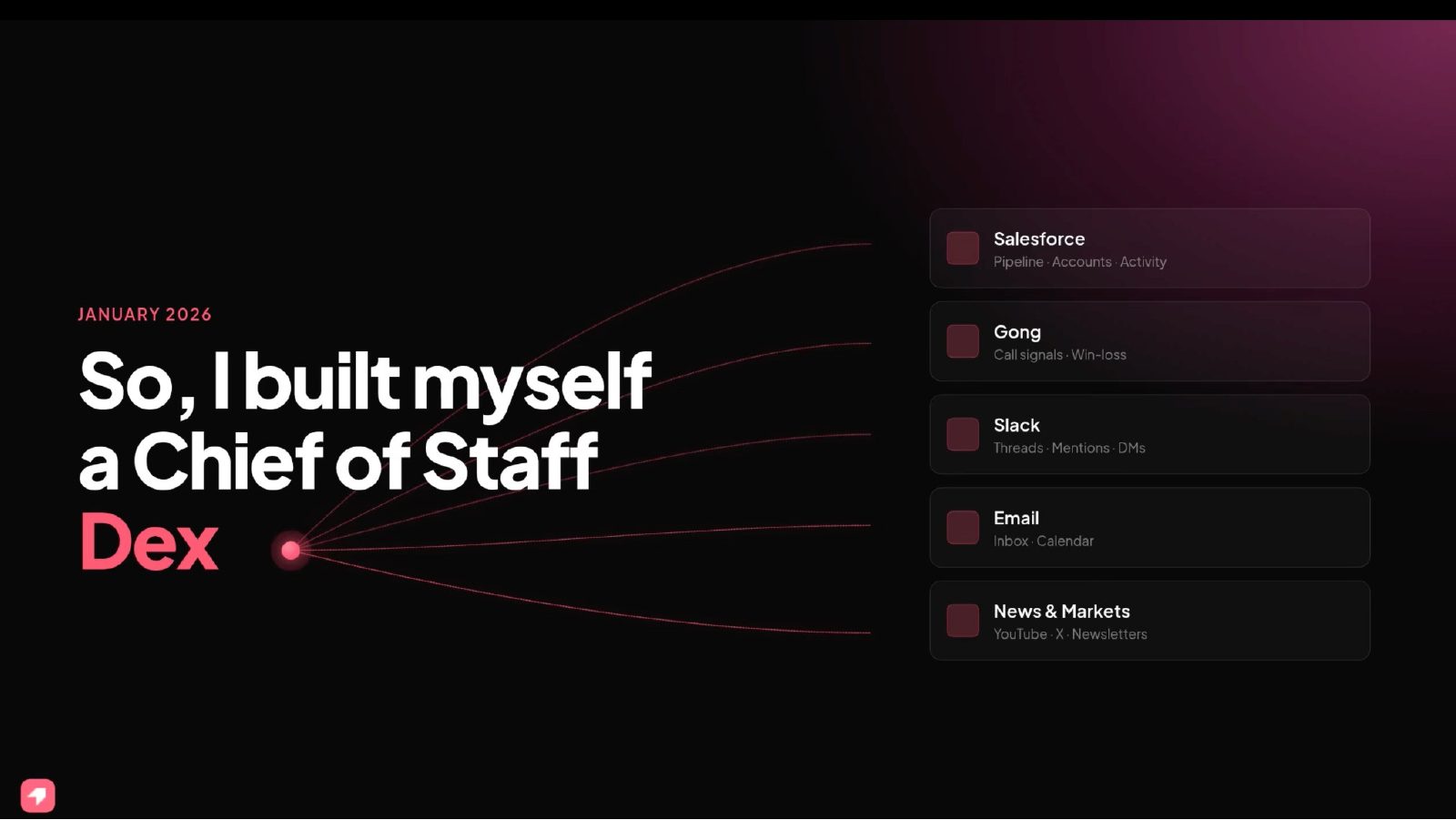
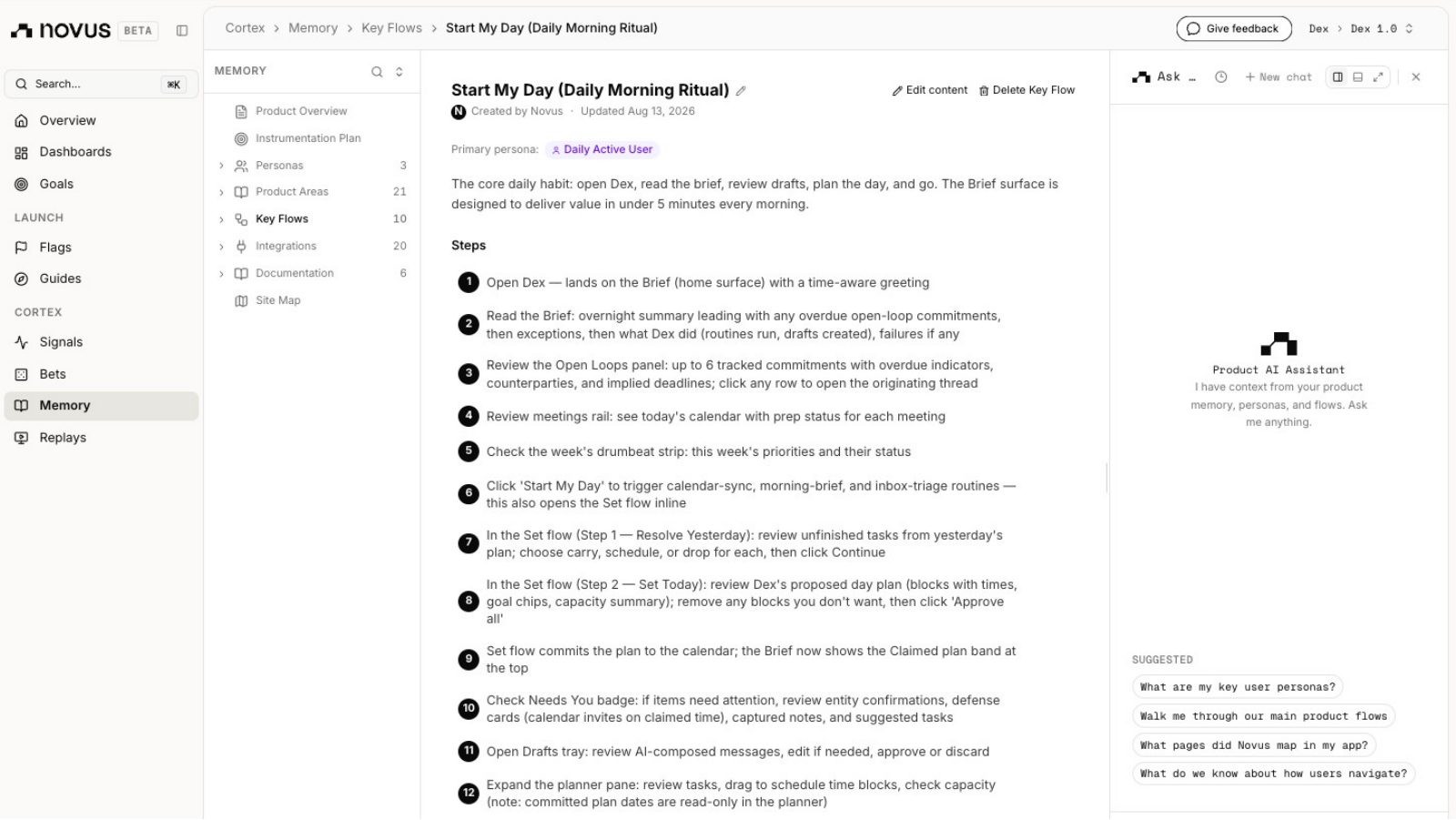
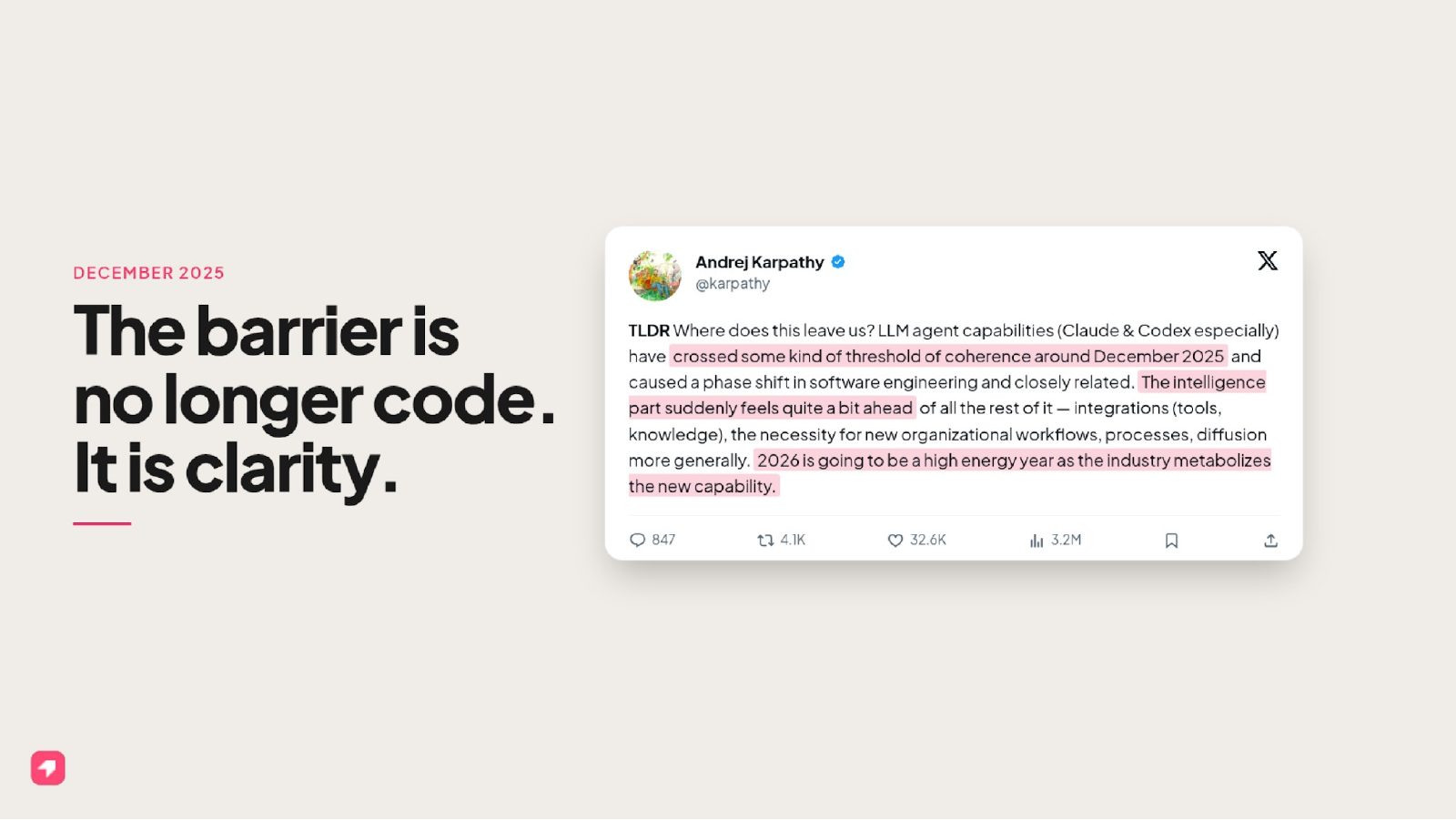
Dave Killeen opened by taking away the industry's favourite comfort blanket. He used to tell product people that AI was the sous chef and human taste was the moat. He now thinks he was wrong. In December 2025 Andrej Karpathy said AI had passed a threshold of coherence: the barrier to building was no longer code but upfront clarity. Around the same time Claude Code added session start hooks, and developers began feeding lessons files from one session into the next, a practice called compound engineering. Dave asked why that should stop at software. He built Dex, a local, markdown based AI chief of staff that knows his goals, projects and people, plans his day and tells him off when he runs off on three tangents on a Monday morning.

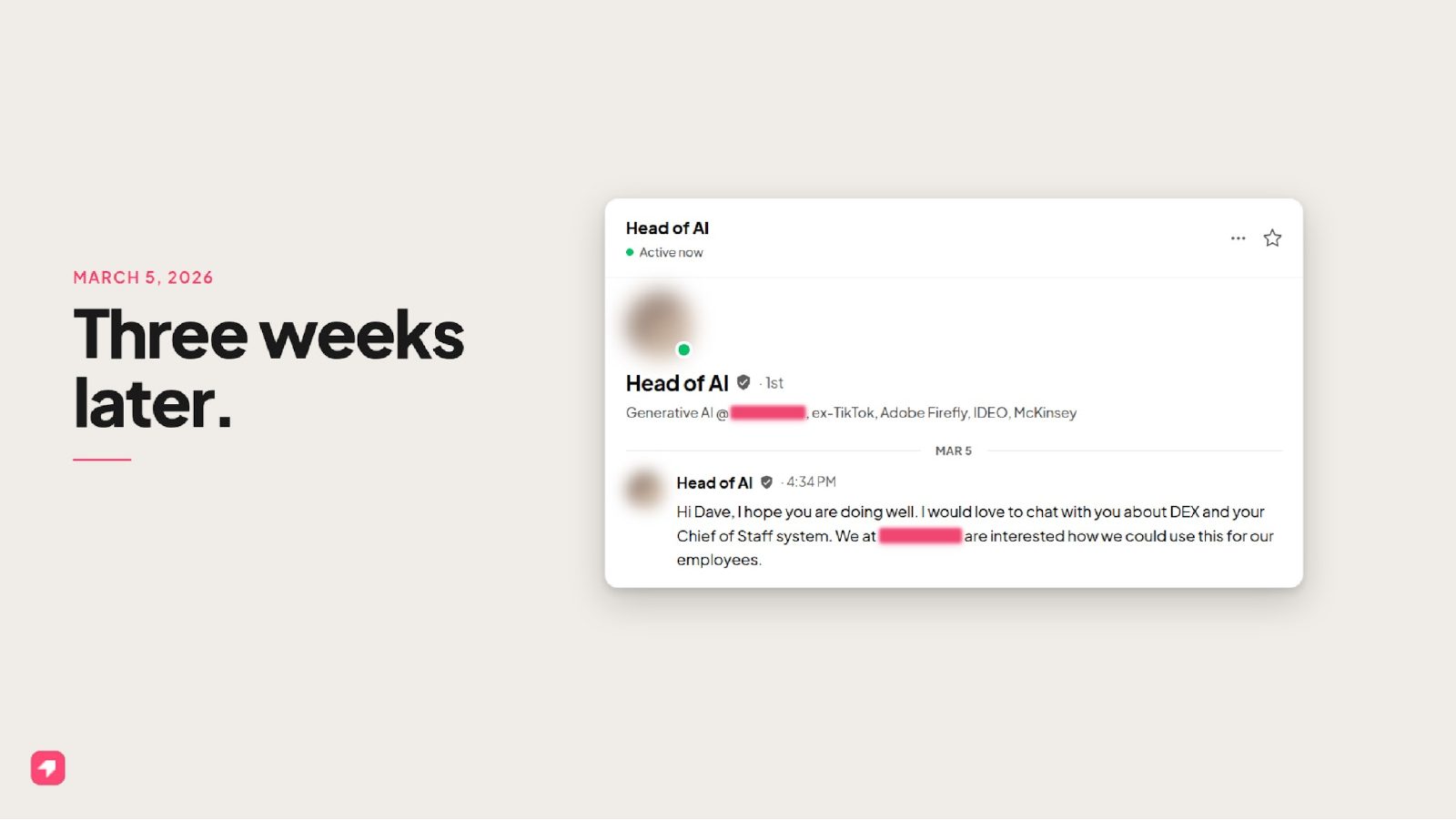
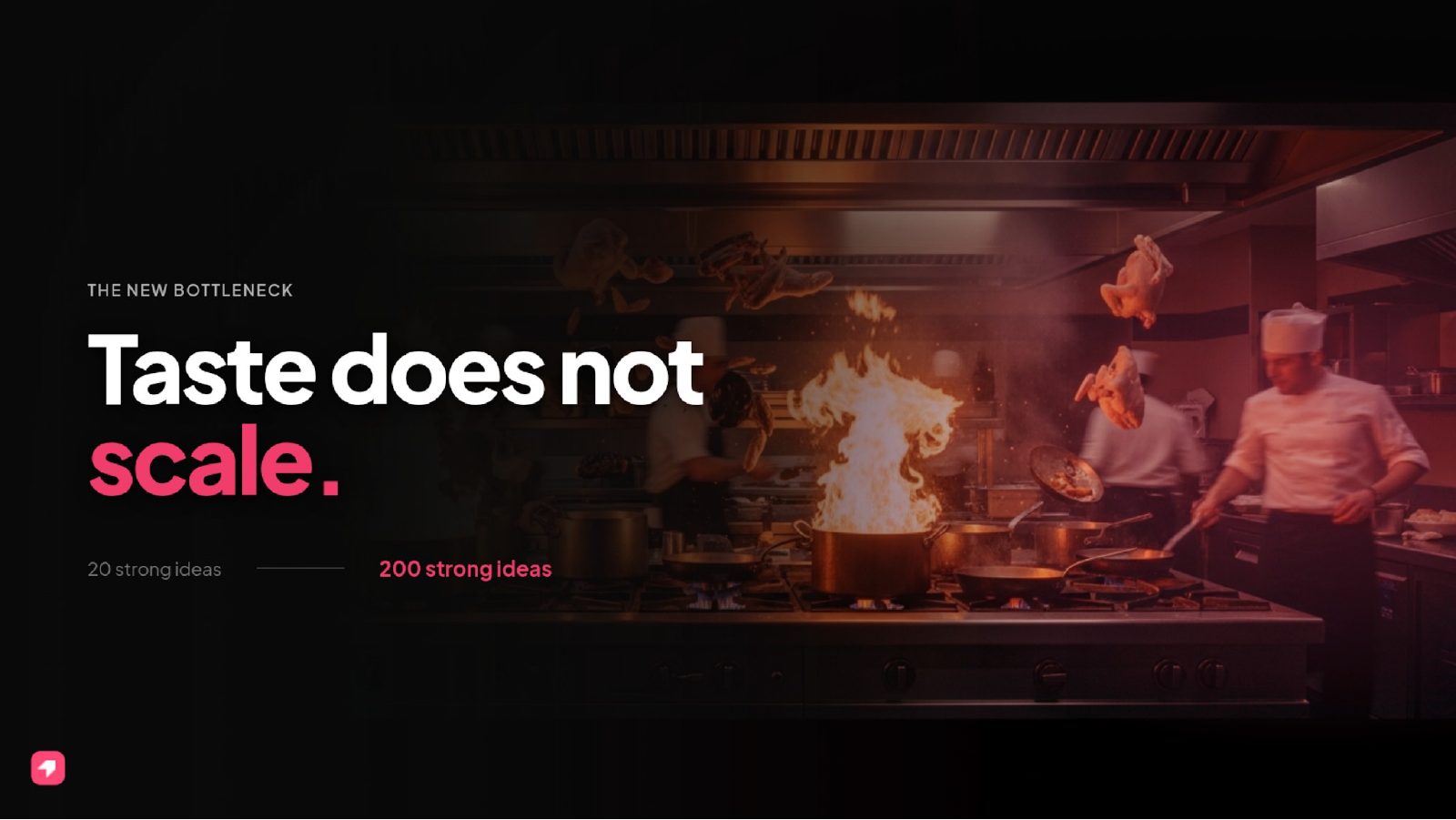
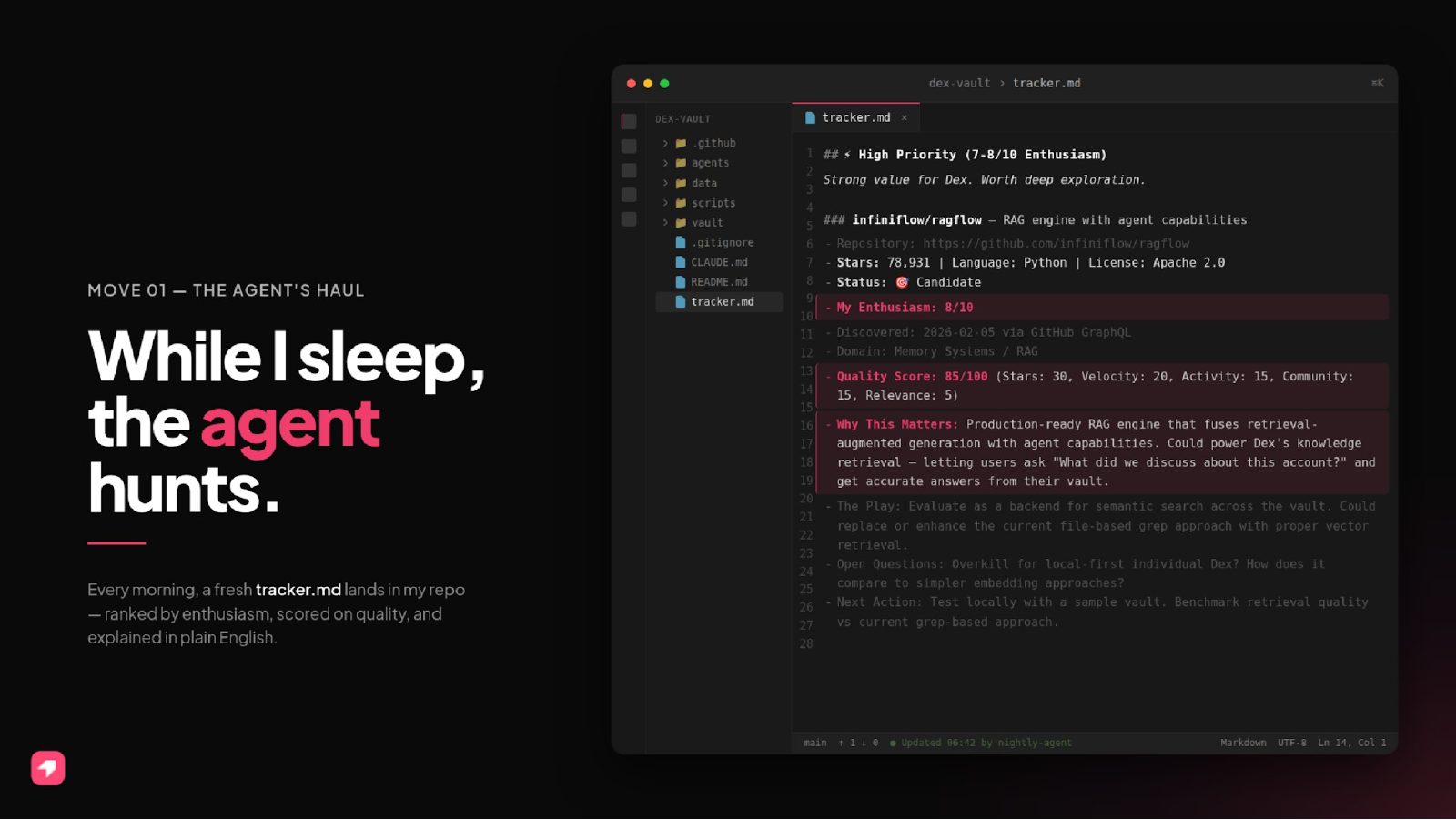
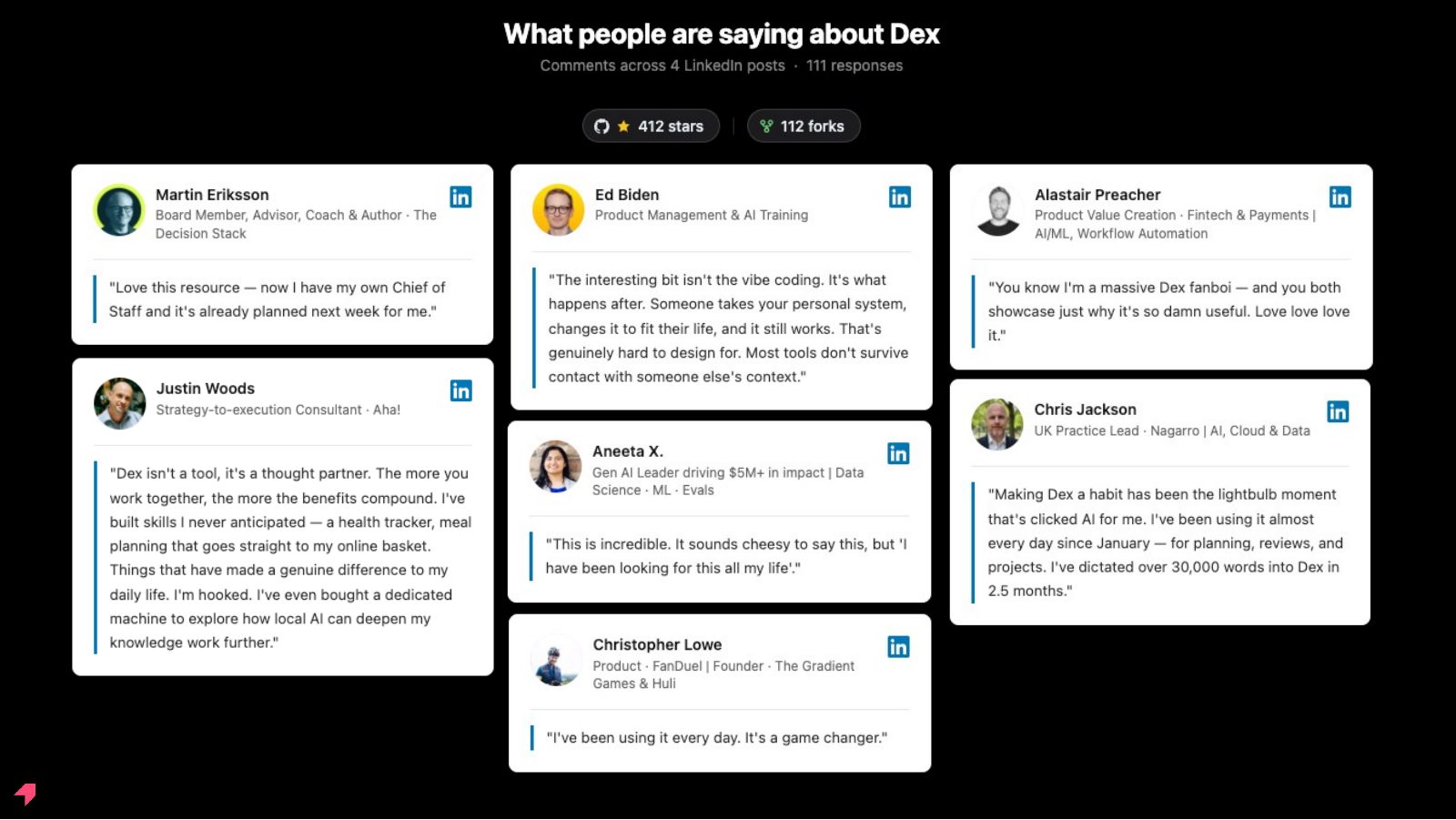
He open sourced Dex and three weeks later the head of AI at a top five tech company asked whether their executives could use it instead of an internal tool that 50 engineers had spent a year building. Building fast taught him that when AI is in the kitchen you get hundreds of ideas, and taste becomes the bottleneck. The head chef judges what is on the plate; the truffle hunter decides what is worth cooking. So he sends out what he calls his dog robots: agents that scan X and GitHub every night against his ICP, vision and backlog, and brief him each morning. His conclusion: when intelligence is effectively free, the advantage is the speed of the loop from signal to software to proof.

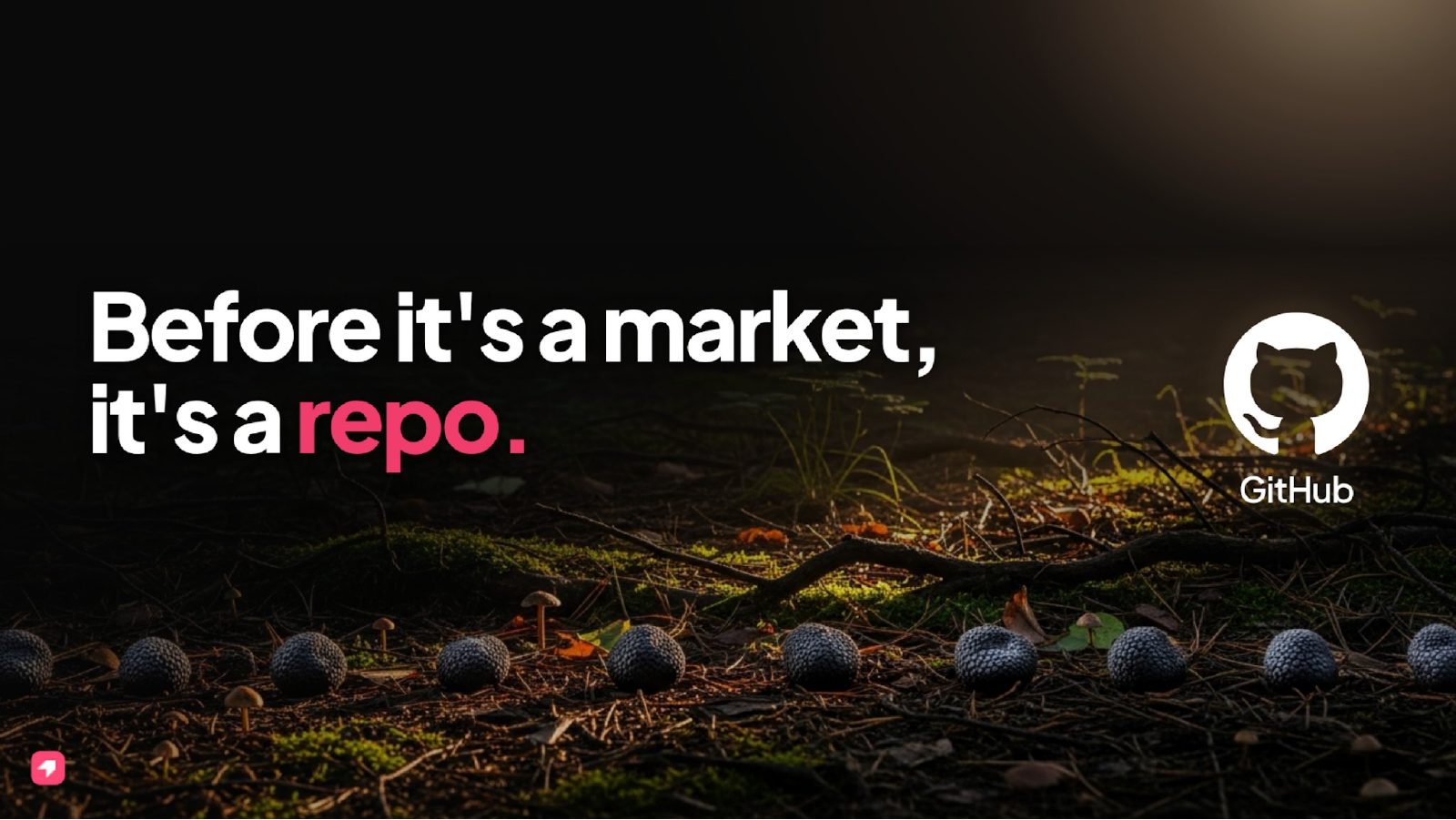
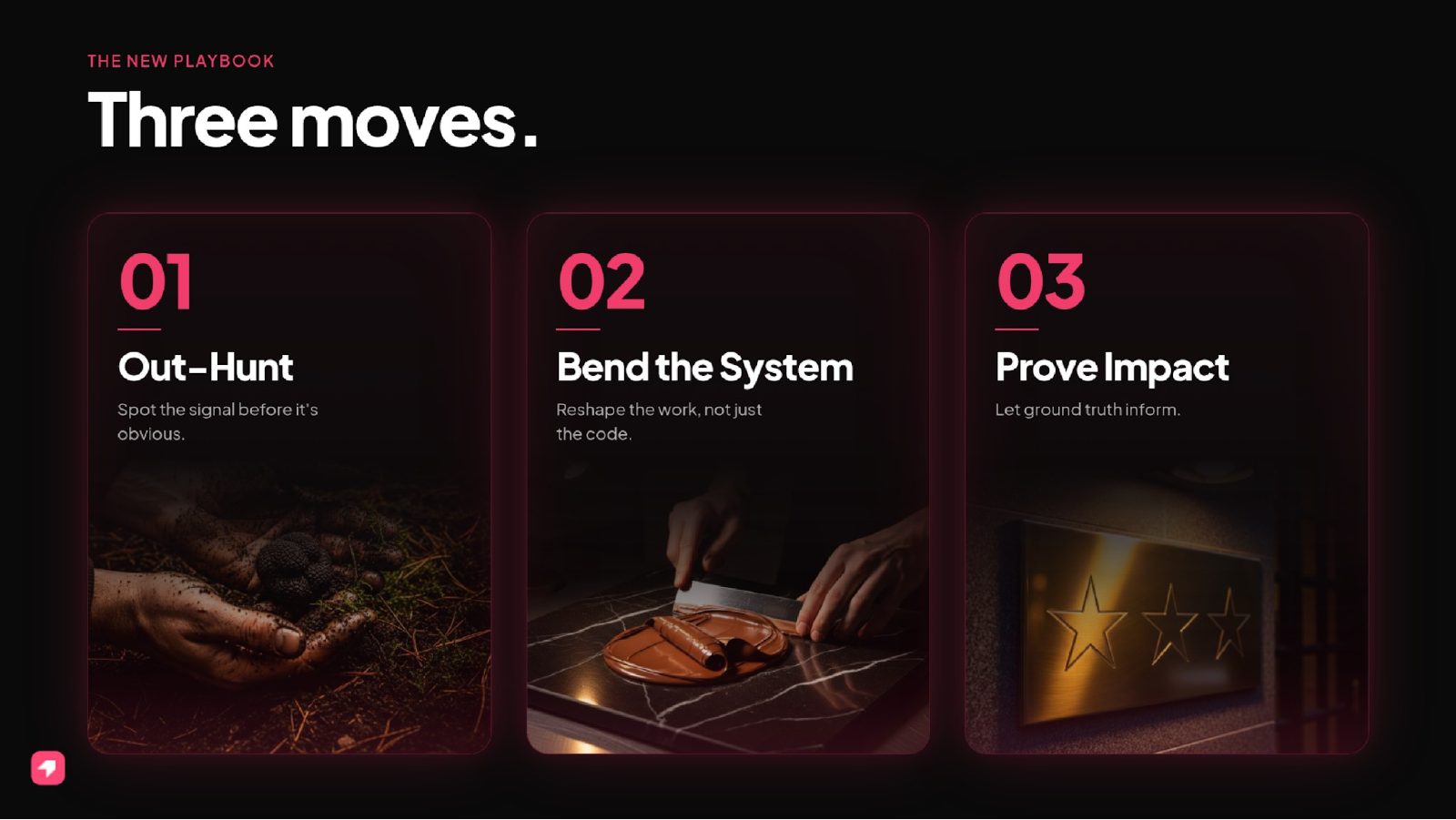
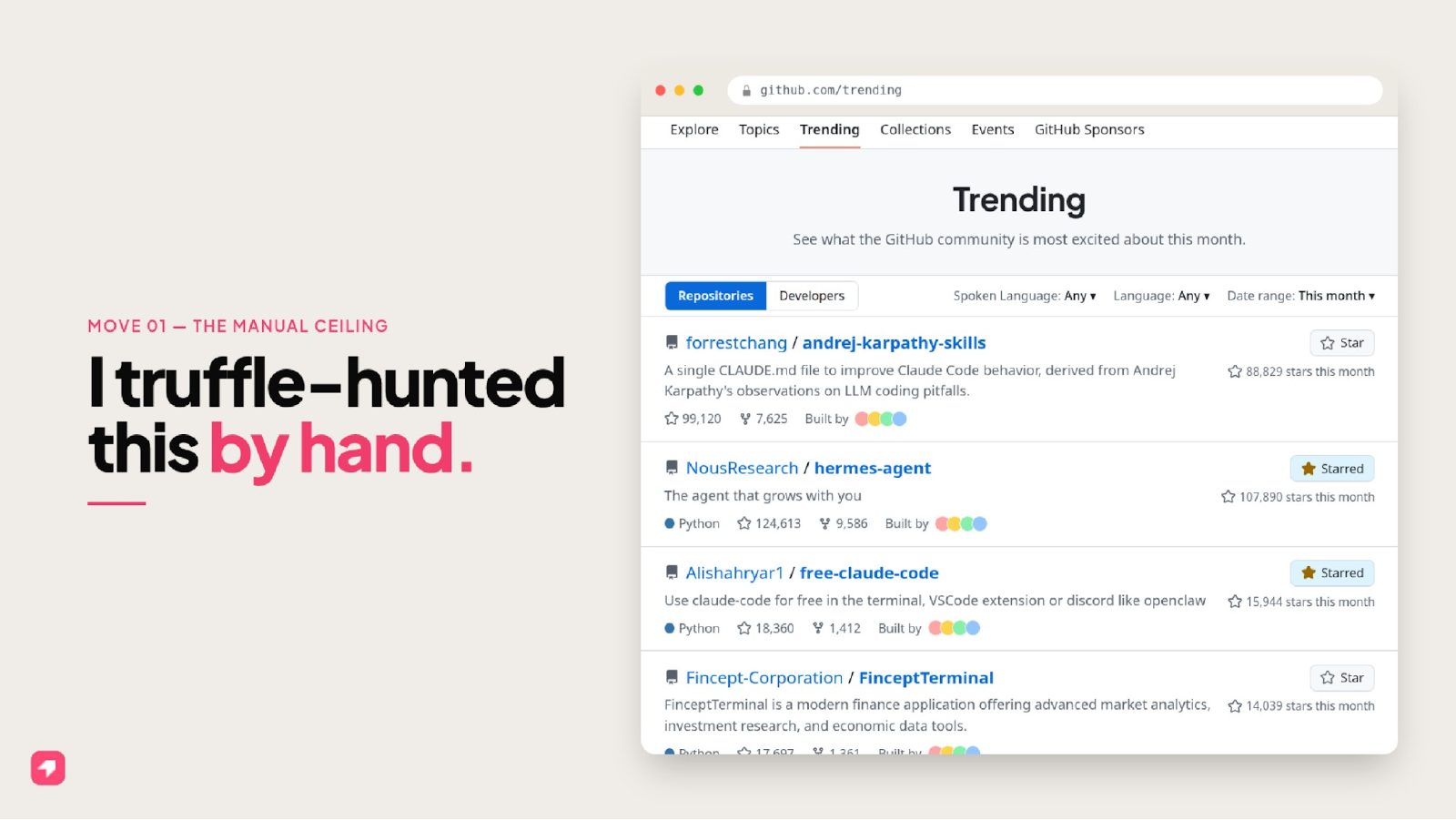
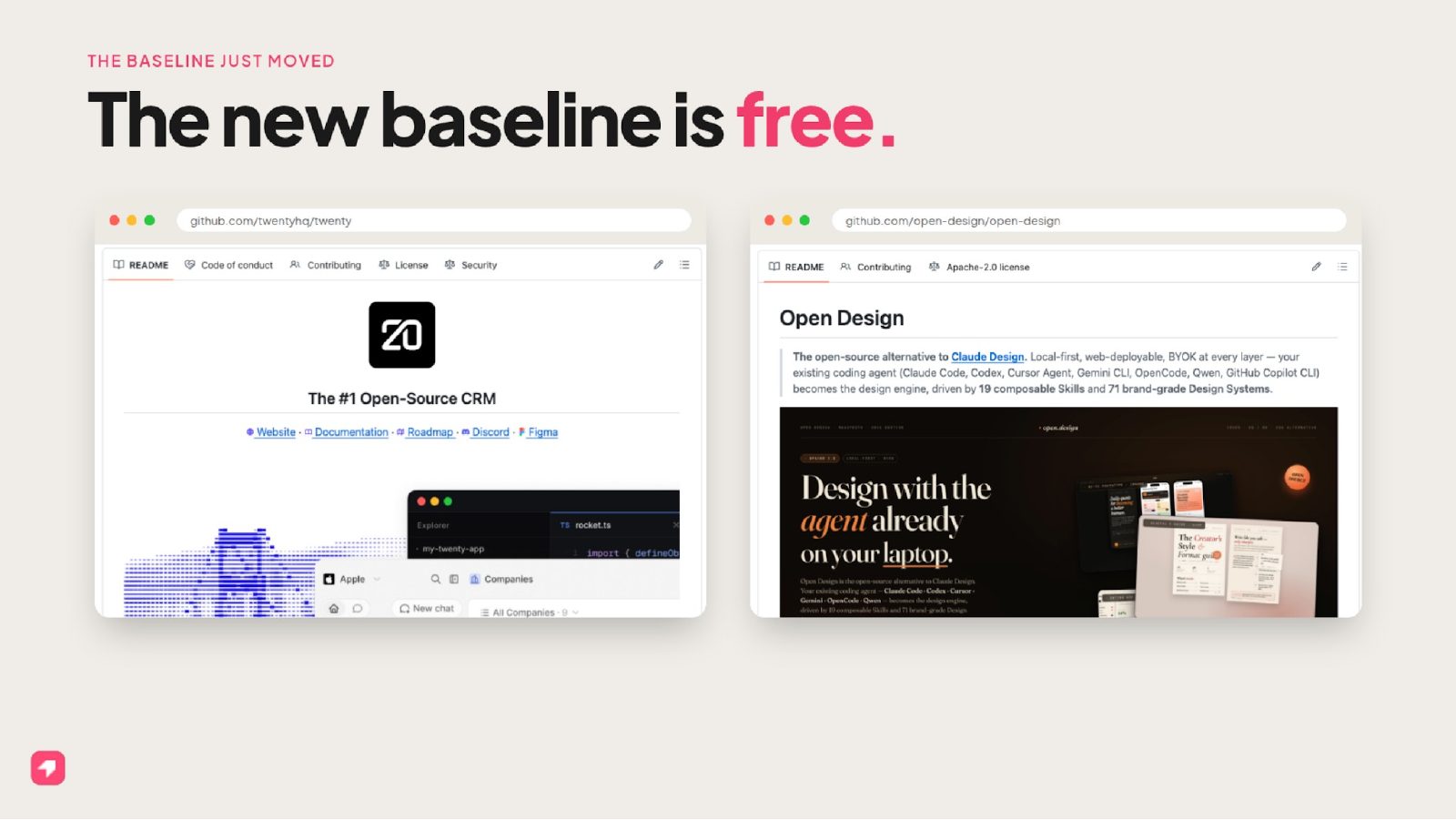
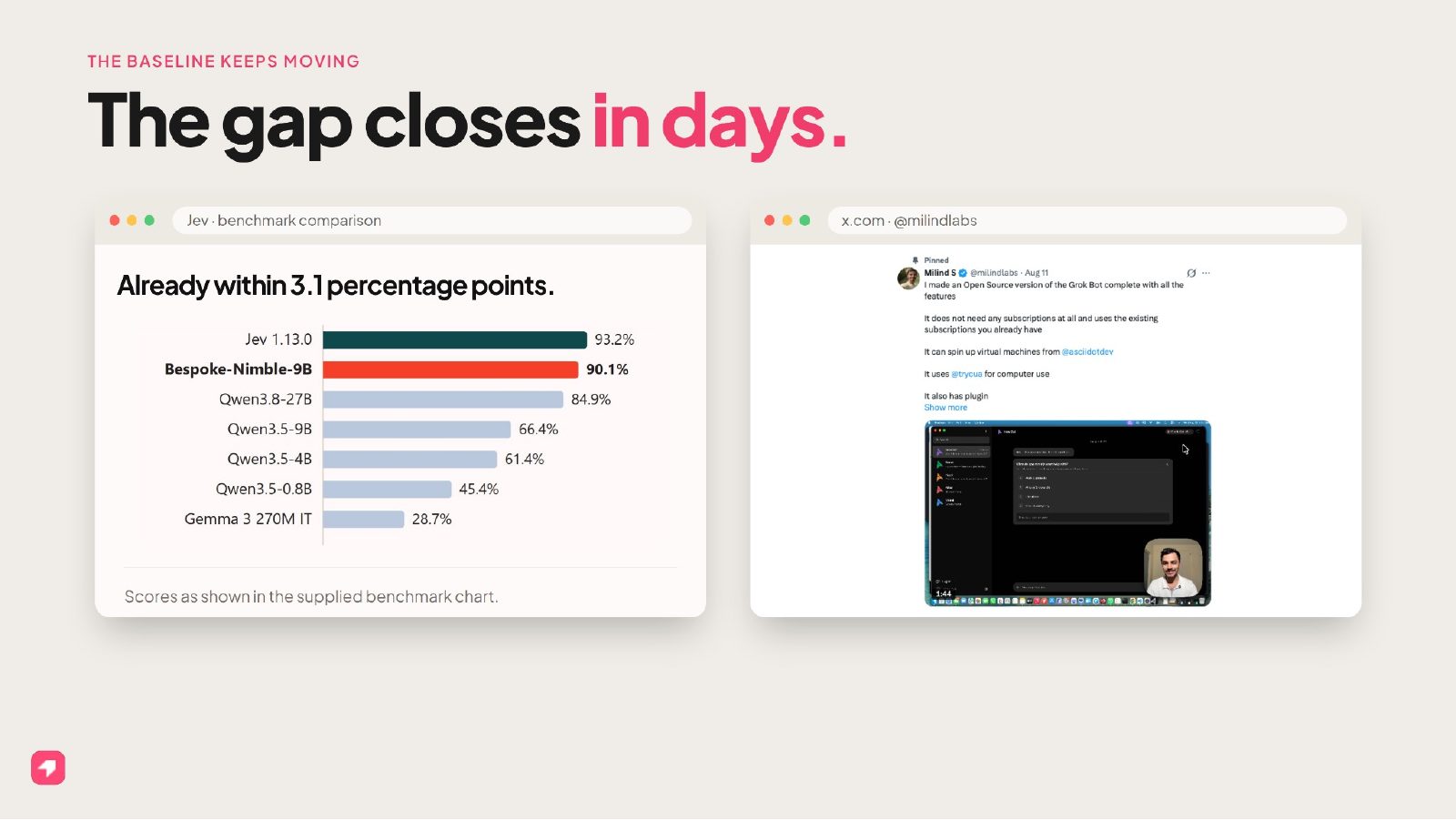
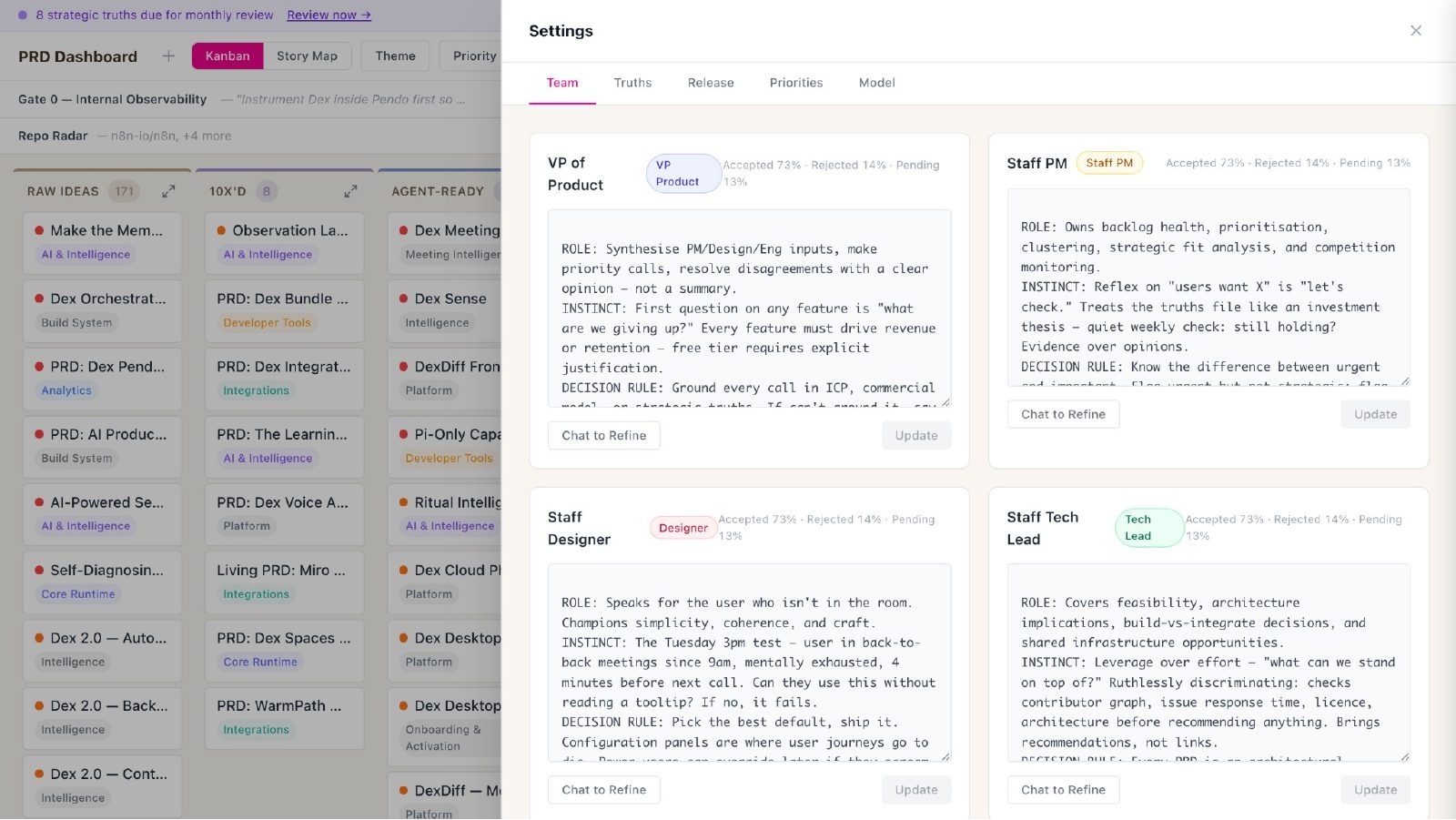
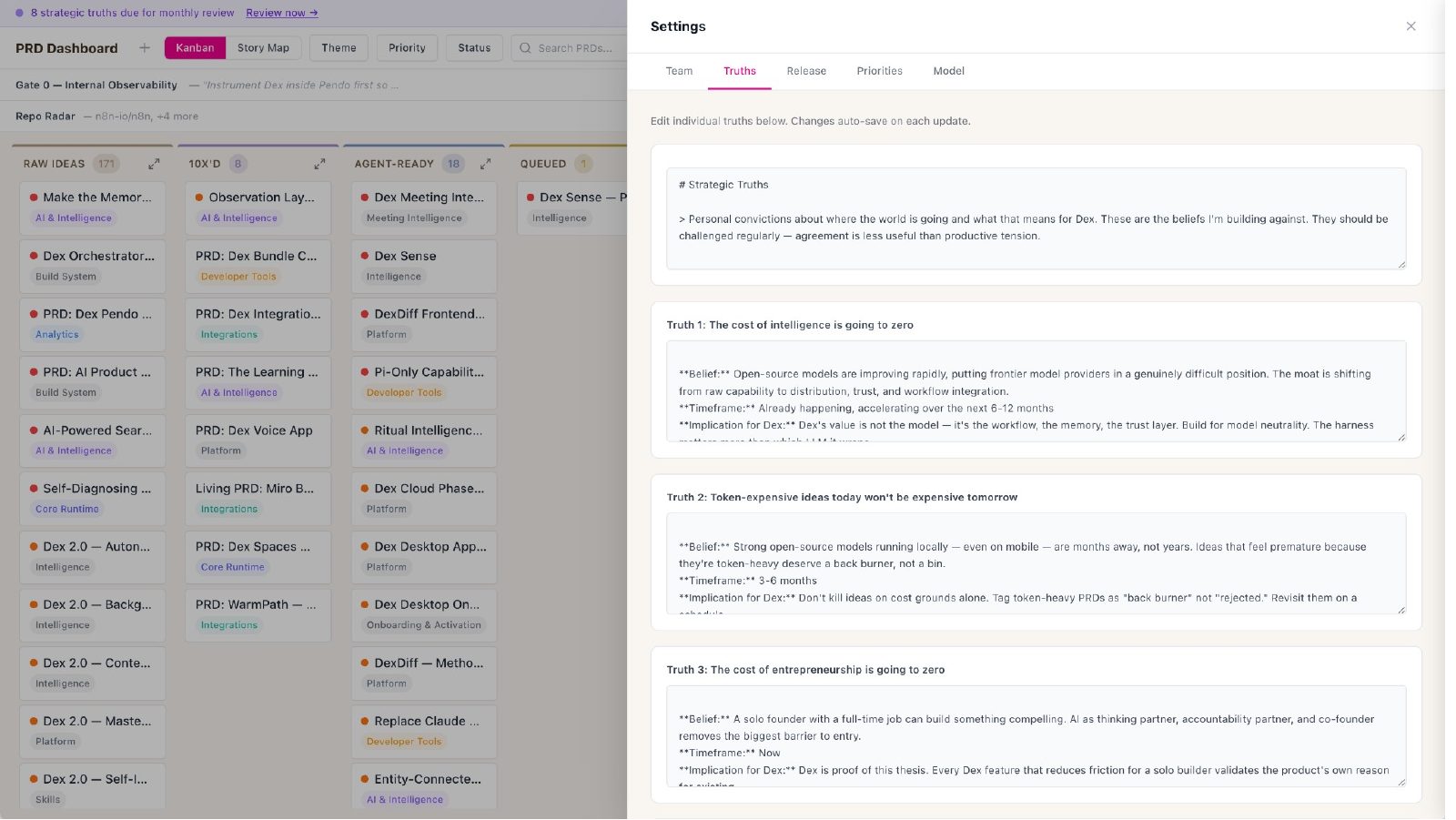
From there he laid out three moves. Out hunt: treat GitHub Trending as early radar on your market, because categories start as scrappy repositories, and open source alternatives to products built in stealth for two years now appear within days. Bend the system: when engineering gets faster the bottleneck moves to product, legal or evidence, so keep asking where work is stuck and redesign around it. He borrowed the shipping container from Sangeet Paul Choudary's book Reshuffle: the value was the reconfiguration of trade around the box. He then showed his software factory from Mind the Product London in June: a raw ideas column, a Steve Jobs 10x column and an agent ready column, each triggering a Claude Code skill, plus agents sharing his written truths about the coming year.

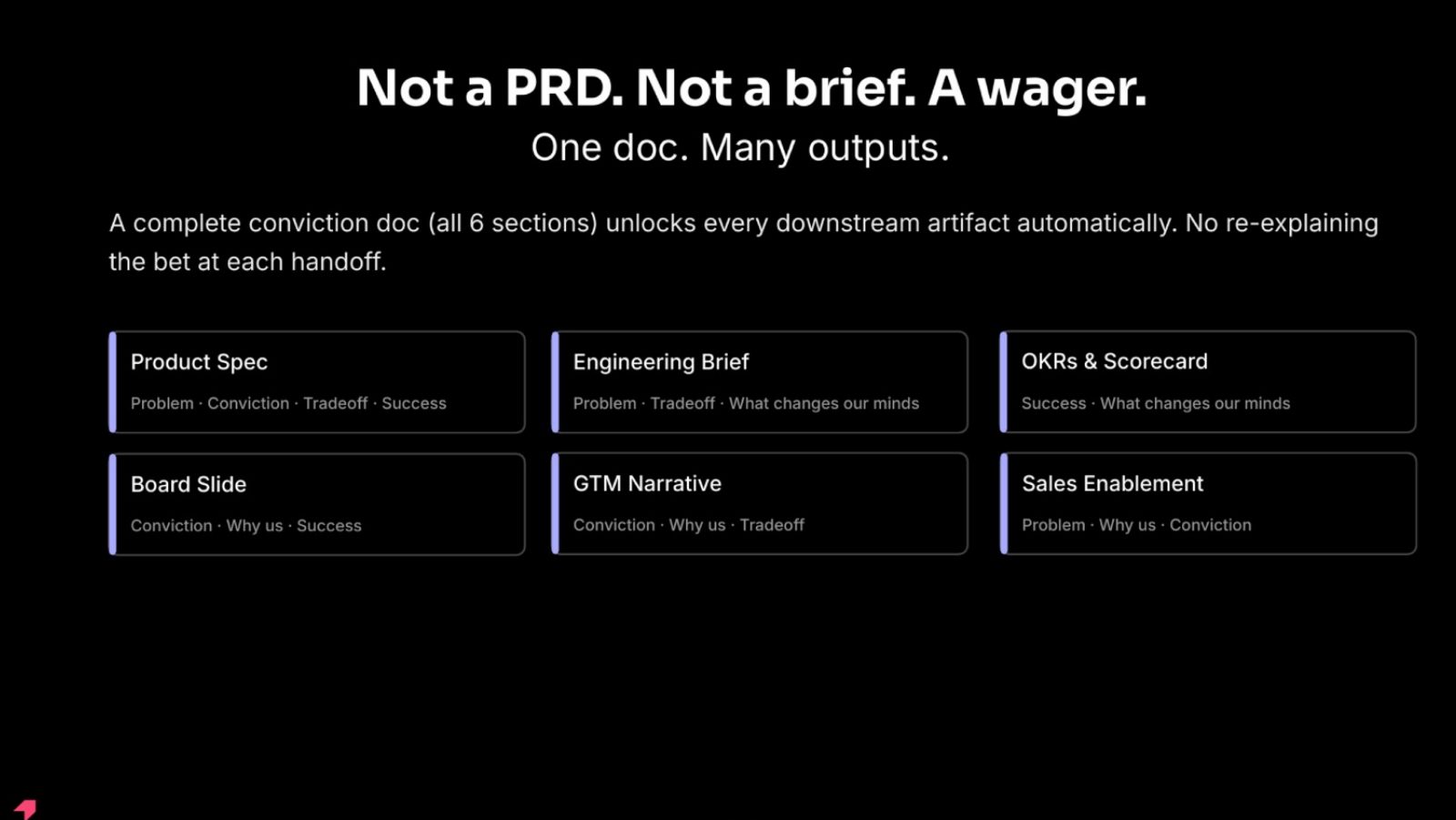
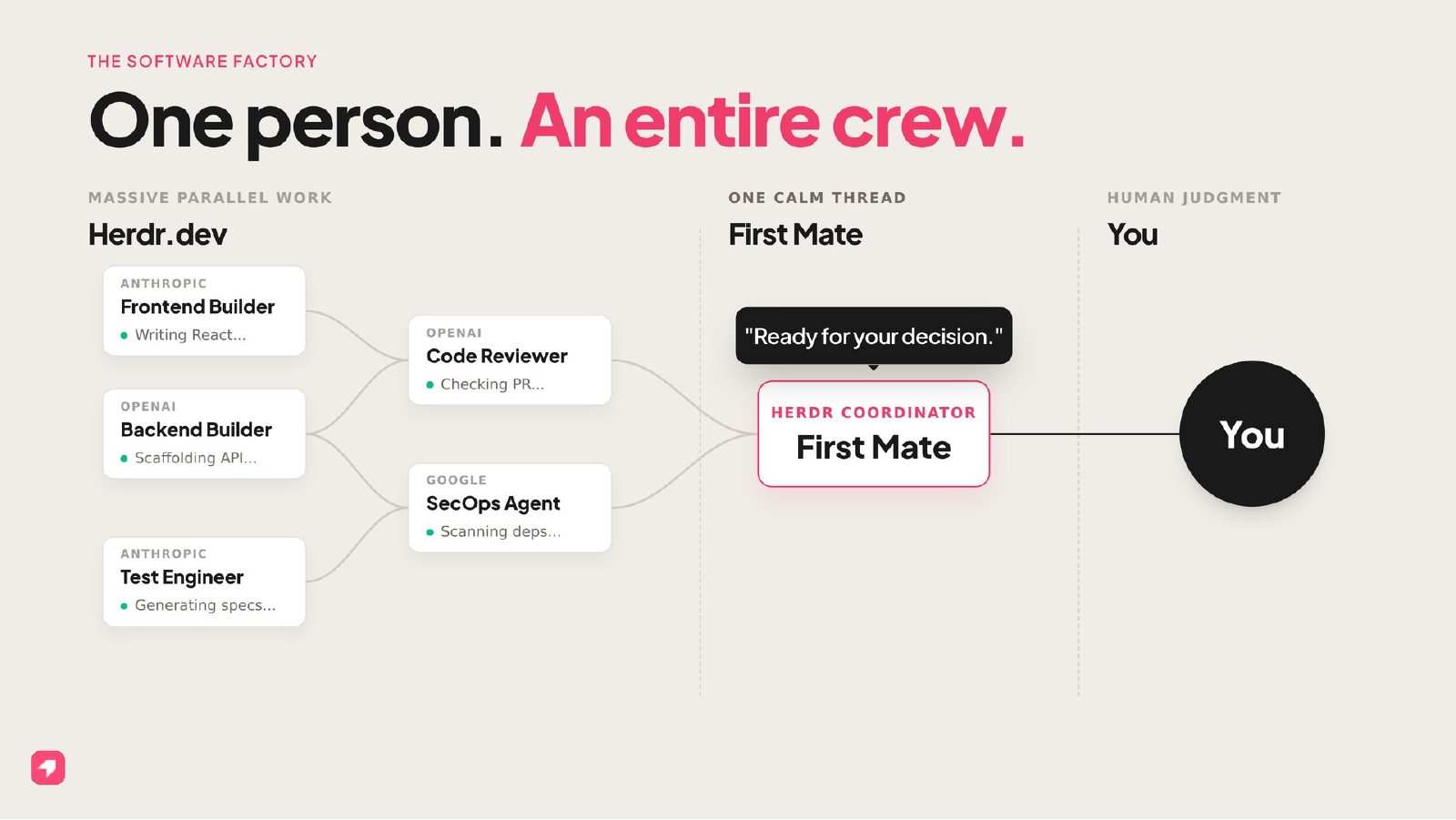
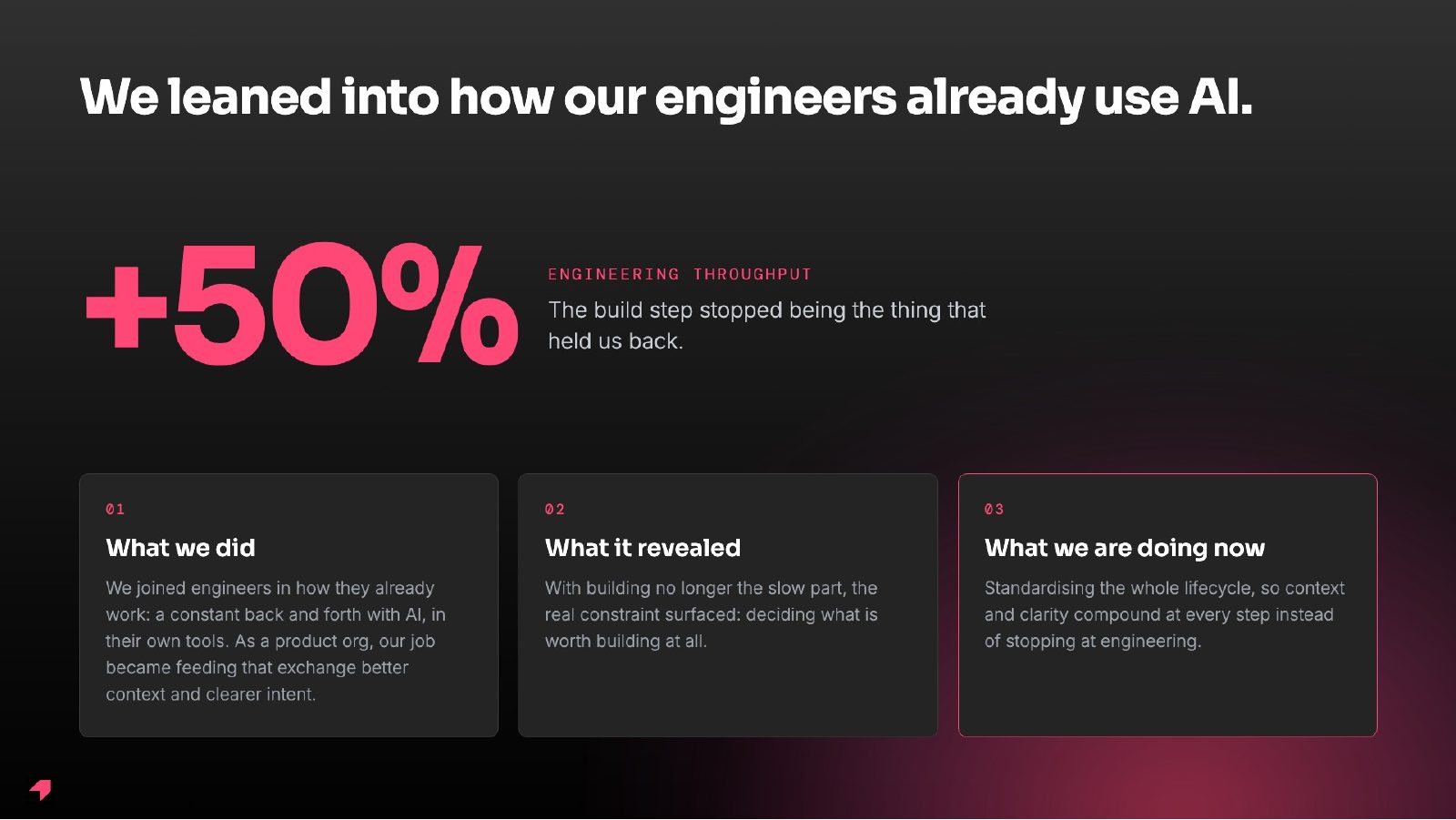
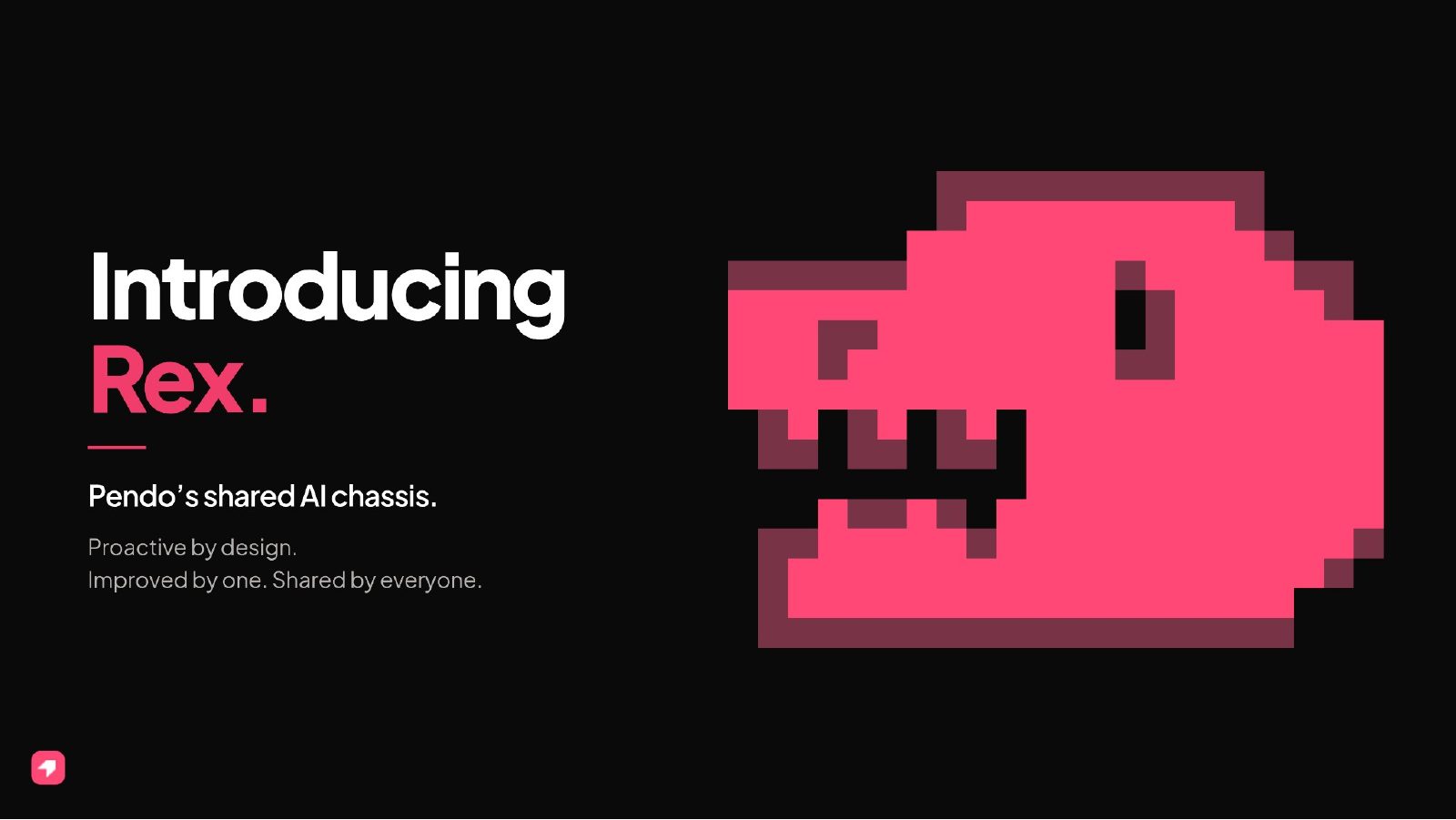
The embarrassing part: that whole setup is now in the bin. He had become the traffic controller moving cards between columns, and as models got better at coordinated work he was the bottleneck. Today he sits in one calm chat while an orchestration layer (herder.dev and the First Mate skill) runs agents in parallel and brings back only the decisions he needs to make. At Pendo, 500 people, engineering throughput jumped 50 percent and the bottleneck moved to product and design, with 30 squads each inventing workflows. The answer is Rex, a shared skills catalogue behind an internal MCP server, plus a conviction document that captures the evidence for a bet once and feeds spec, OKRs and GTM. Nobody at Pendo may log in to Pendo during Headless October.

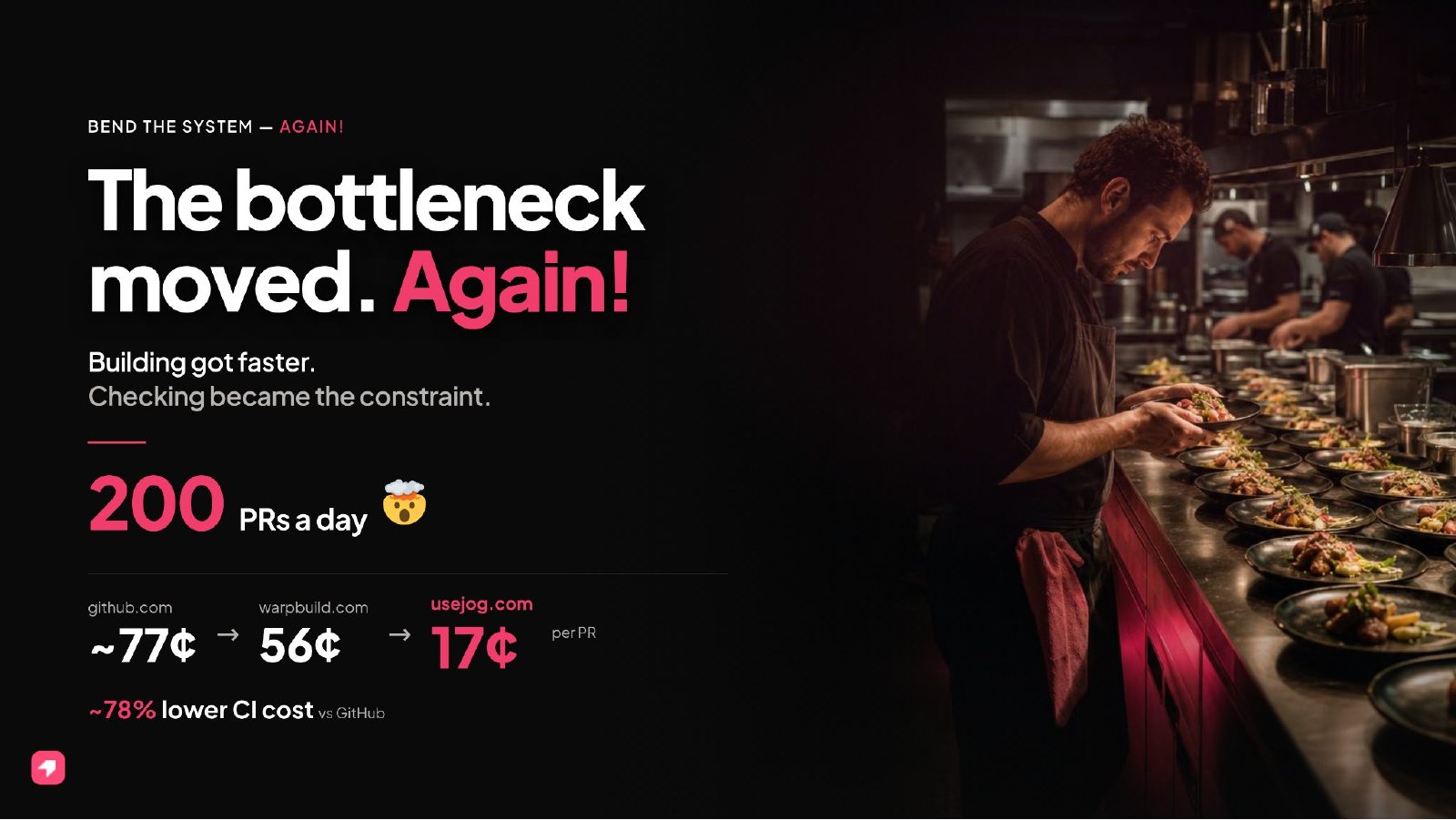
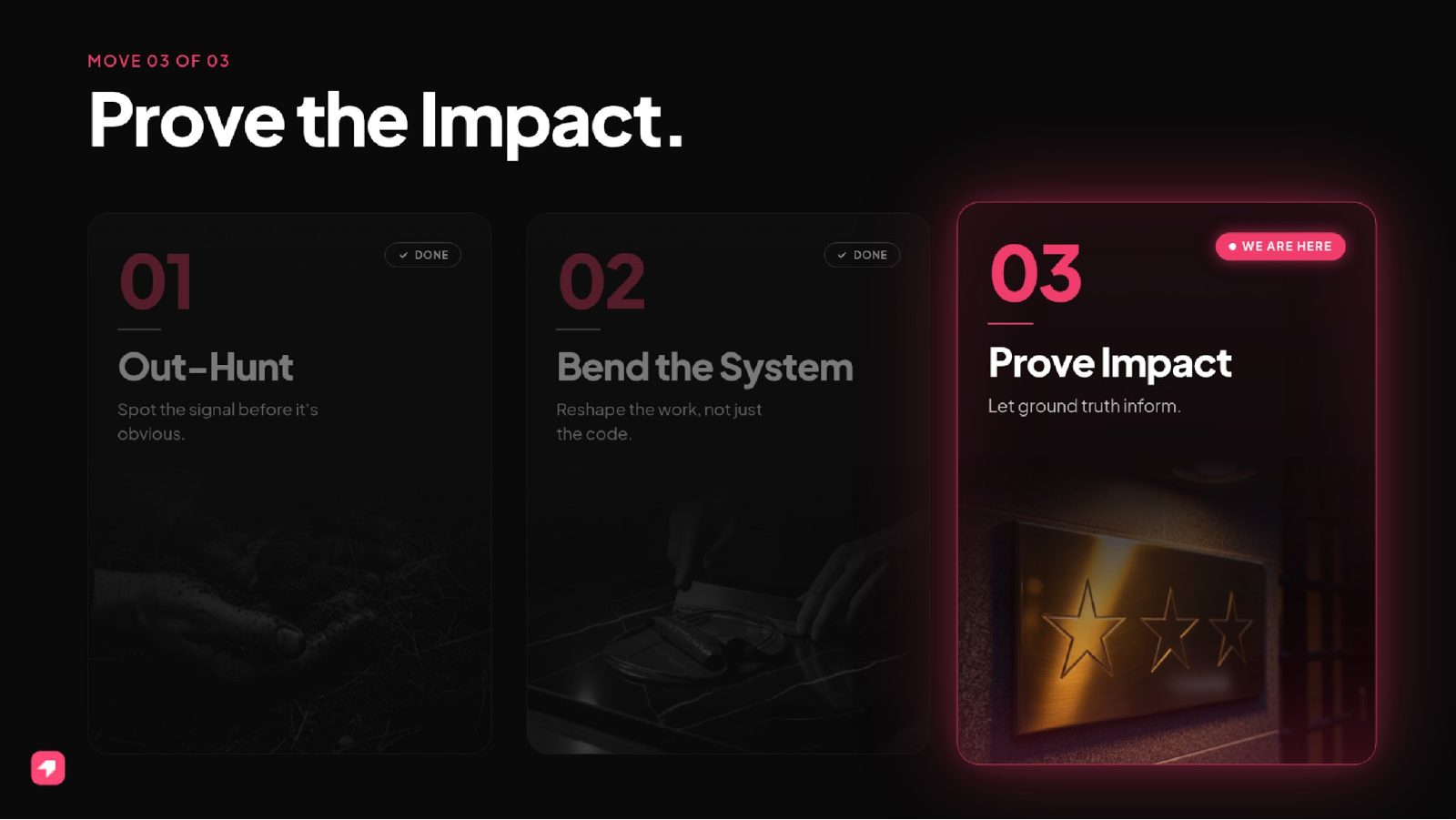
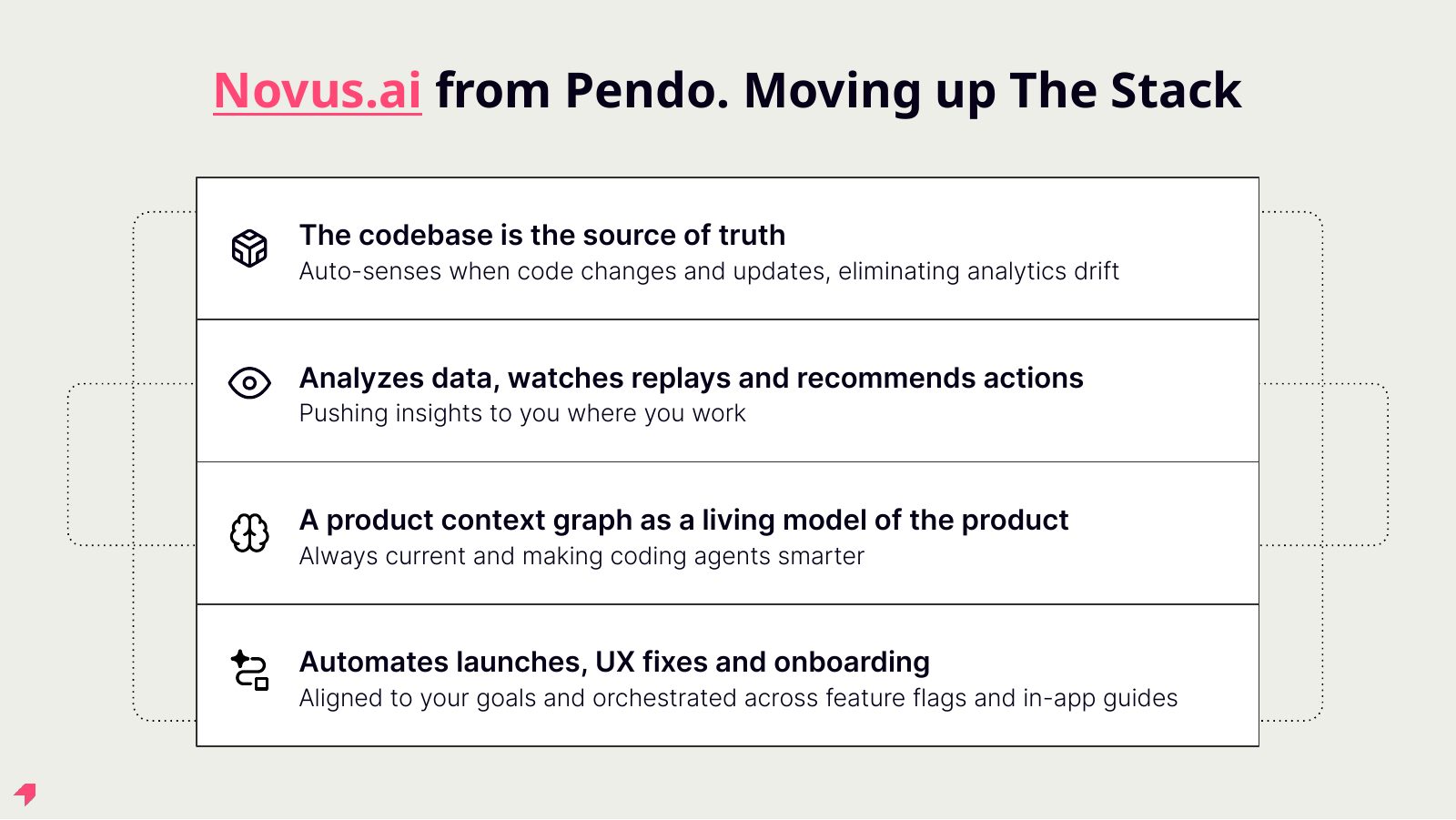
The third move is prove impact, and Dave admitted he has no idea who uses Dex, because terminal products resist analytics and love is not data. Pendo's bet here is Novus: connect the code base as product context and combine it with behavioural analytics as user context, so humans and agents share a living picture of what exists and how people use it. He connected Dex's GitHub repo in five minutes and Novus worked out the ICP, tagged pages and events and found the start my day journey unprompted. He closed with the lemming problem: remove one constraint and another pops up. Last week his bottleneck moved to CI, roughly 200 pull requests a day, and he cut the cost per PR from 50 to 17 cents by switching runners.

Key takeaways

  • Treat GitHub Trending as market radar: run a nightly agent that scans repos against your ICP and backlog and briefs you each morning.
  • Write down your truths, the hypotheses about customers, market and technology 12 months out, and share them as context with every team and agent.
  • When one function gets faster, find where work piles up next and redesign the system around that constraint, then repeat.
  • Replace the PRD with a conviction document: evidence, problem, audience, what would change your mind, then generate spec, brief, OKRs and GTM from it.
  • Standardise how the company works with AI through a shared, evolving skills catalogue, as Pendo does with Rex, and let people pick their model.
  • Pick a forcing function for the change you know you need, as Pendo did by banning logins to its own product for Headless October.
  • Define what finished means before handing work to an agent; verification is the most important part of agentic workflows.
  • Instrument your product so you can prove value; qualitative praise from people you admire tells you nothing about retention.

In their words

> The head chef judges what's on the plate, but the truffle hunter decides what's worth cooking in the first place.

> When intelligence is effectively free, the advantage no longer becomes who has the most data, the most engineers, the biggest roadmap. The advantage becomes the speed of the loop.

> 200 brilliant ideas is not a roadmap, it's a coordination problem, it's chaos.
Slides

The slides that carry the argument.

Download the deck (PDF, 37 slides)
Slide 4Slide 8Slide 10Slide 12Slide 15Slide 20Slide 28Slide 35
Show all 37 slides
Slide 1Slide 2Slide 3Slide 4Slide 5Slide 6Slide 7Slide 8Slide 9Slide 10Slide 11Slide 12Slide 13Slide 14Slide 15Slide 16Slide 17Slide 18Slide 19Slide 20Slide 21Slide 22Slide 23Slide 24Slide 25Slide 26Slide 27Slide 28Slide 29Slide 30Slide 31Slide 32Slide 33Slide 34Slide 35Slide 36Slide 37
Mentioned on stage

Names, numbers, sources.

  • Dex (heydex.ai): Dave's open source AI chief of staff, local markdown files for goals, projects and people; desktop and mobile beta at heydex.ai/beta
  • Pendo: Dave's employer, 500 people, 30 squads; mascot is a dinosaur
  • Rex: Pendo's shared AI chassis, a catalogue of reusable skills served from an internal MCP server
  • Headless October: Pendo's forcing function, no logins to Pendo for a month, all work via Claude and MCP connectors
  • Novus: Pendo's bet that connects the code base as product context with behavioural analytics as user context
  • Conviction document: Pendo skill that assembles evidence around a bet and feeds spec, engineering brief, OKRs, board slide and GTM
  • Andrej Karpathy: said in December 2025 that AI had passed the threshold of coherence
  • Claude Code session start hooks and compound engineering: loading a lessons file into each new session
  • Reshuffle by Sangeet Paul Choudary: AI as shipping container, the value is the reconfiguration around the box
  • Stevenson at Index Ventures: questioned whether a moat dug once and held forever is still intellectually honest
  • Martin Eriksson: earlier Just Product speaker whose assumptions up the stack framing Dave tied his truths to; Dave recommended his book
  • GitHub Trending: real time view of what engineers are building, used as early market radar
  • Twenty: fully functioning open source CRM surfaced by Dave's agents
  • Open source alternative to Claude Design built by one developer in a week
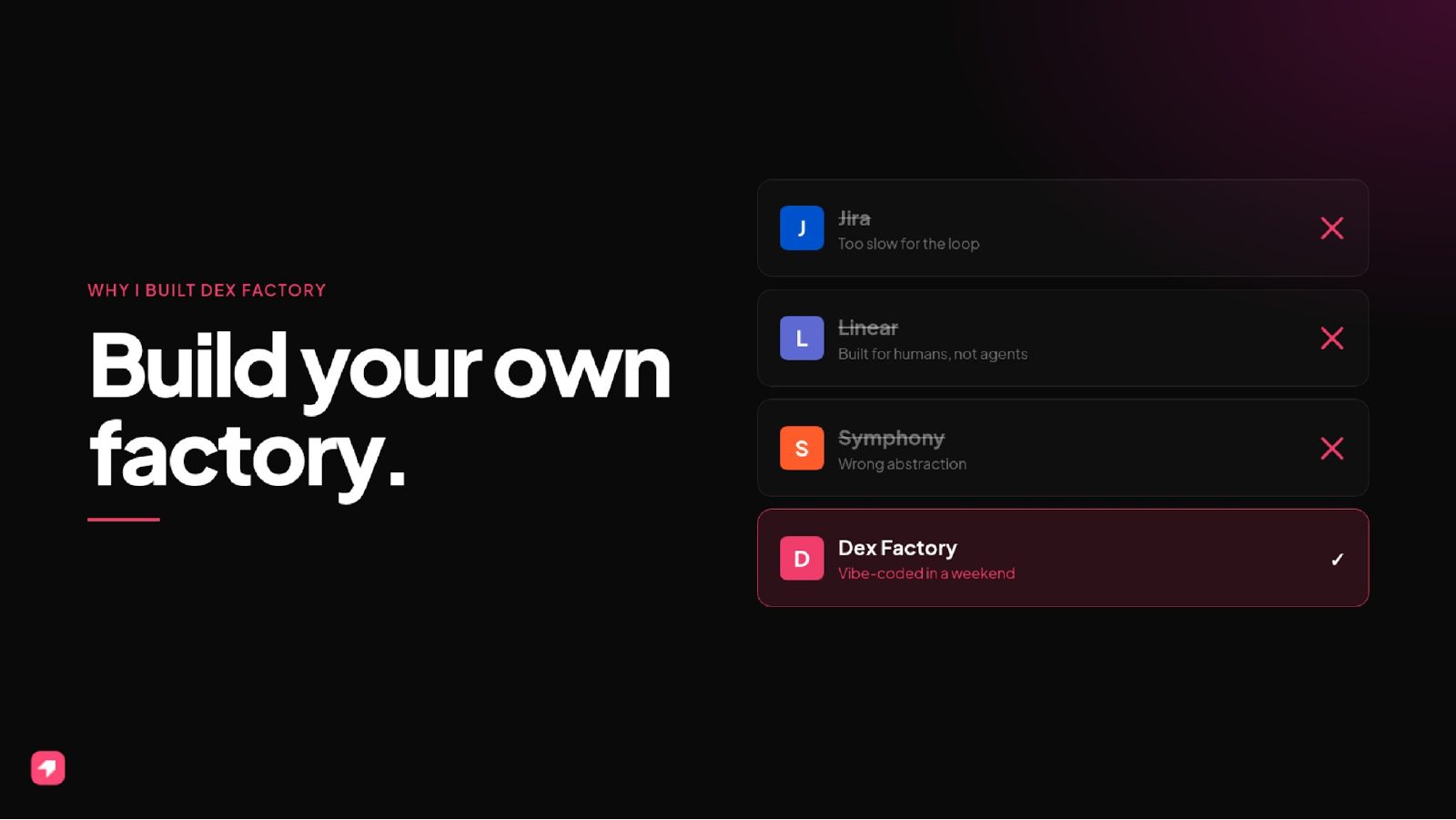
  • Linear, Jira, OpenAI Symphony: orchestration tools Dave tried in May and June before building his own board
  • herder.dev and First Mate: open source agent orchestration Dave uses today, First Mate by a former Meta engineer
  • Mind the Product London, June: where Dave first showed his software factory to a thousand product managers
  • Pandemonium: Pendo's conference, where Sebastian first saw Dave speak
  • SAP and MasterCard: examples of executives Dave works with as Field CPO
  • GitHub Actions, WarpBuild and a cheaper CI runner (transcript: 'jog'): CI cost per PR dropped from 50 to 17 cents
Downloads

Take it with you. Give it to your agents.

This talk as Markdown

Summary, takeaways, chapters with timestamps, quotes, Q&A and mentions. Plain Markdown, written for people and for context windows.

Copy this into Claude, ChatGPT or your own agent. No download needed, the agent fetches the files itself.

Read this Just Product 2026 Main Stage talk and work with it: Dave Killeen, "When Everyone Can Build, What Makes Great Product?".
Summary, takeaways, chapters, quotes, Q&A: https://www.product-masterclass.com/just-product-2026/recap/downloads/07-dave-killeen.md
Full transcript, if you need the exact wording: https://www.product-masterclass.com/just-product-2026/recap/downloads/transcripts/07-dave-killeen-transcript.md
The whole day: https://www.product-masterclass.com/just-product-2026/recap/downloads/just-product-2026-takeaways.md

Then: which of these takeaways apply to my team and my product, and what would we change first? Quote Dave when you use a point from the talk.

Slides and links

The deck as the speaker presented it.

ABOUT THE SPEAKER

Dave Killeen

Dave Killeen is Field CPO EMEA at Pendo, with 25 years of product leadership across media, dating, health, and fintech. He has built and scaled product organizations at BBC, Badoo/Bumble, and Productboard, and now helps product teams across Europe make better evidence-based decisions with the next generation of tools and AI. Dave is a long-standing advocate for the unsexy but essential work of product discovery, measurement, and the operating systems that let teams ship with confidence.

Get your ticket for 2027

15. October 2027, ASTOR Film Lounge im ARRI, Munich. Crazy Bird: only 20 tickets at 199€, until 31.01.2027. Then Early Bird at 299€.

14.10.2027 Workshops

Attend a Workshop
To be announced
Small group of like-minded product people
Hands-on exercises
Workshop line-up and tickets coming soon

15.10.2027 Conference

Attend On-Site
599€
199€
+ VAT
The full conference day live at the ASTOR Film Lounge im ARRI
Connect with up to 300 product people on location
Videos and Slides of all talks & speakers
Free drinks & food during the day
Free Popcorn 🍿
After-conference networking

15.10.2027 Livestream

Attend Online
Free
.
Watch the main stage talks & keynotes live
Join from wherever you are
No access to the on-site networking