ABOUT THE KEYNOTE

How AI Broke Your Strategy

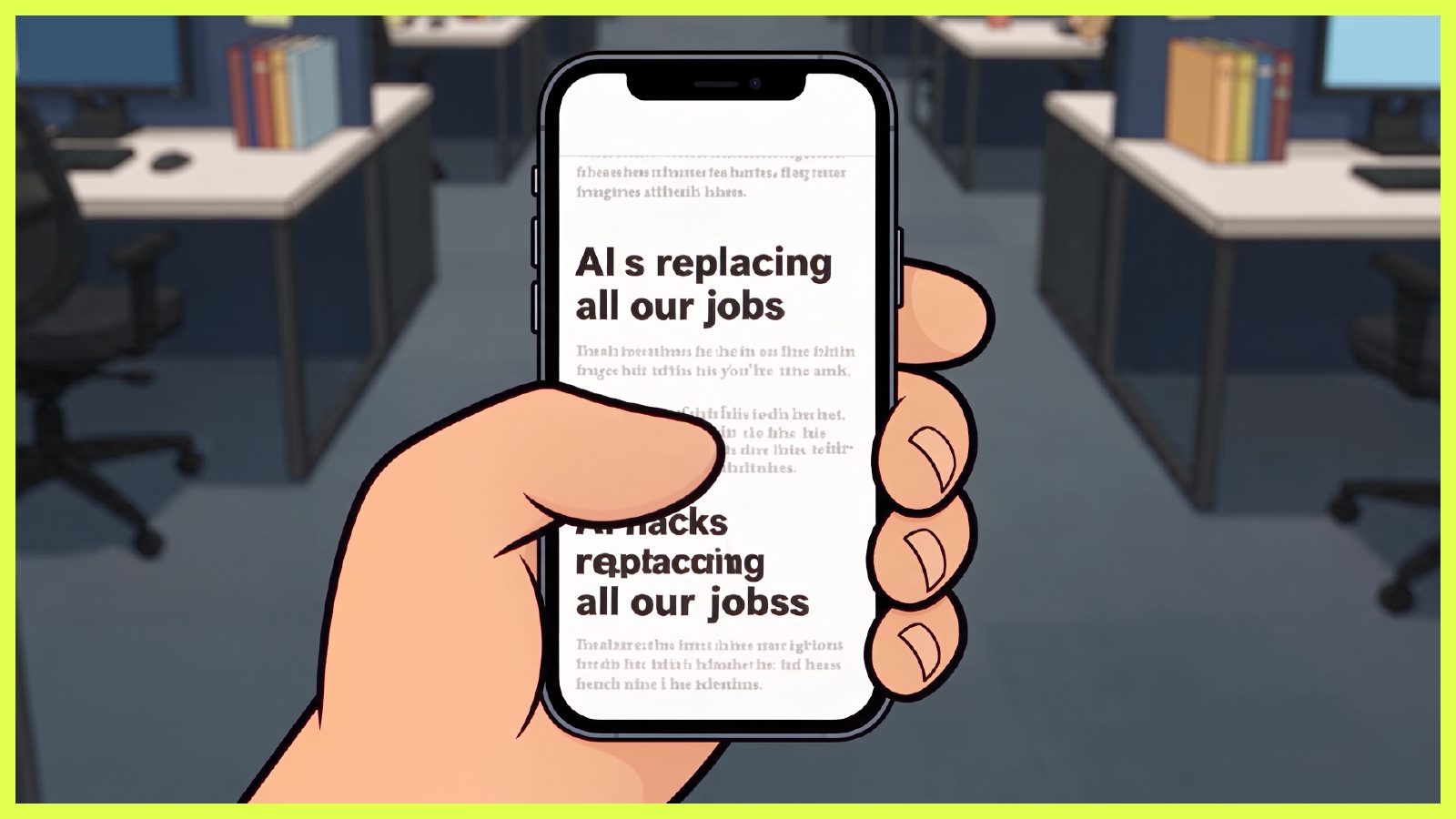
Most product teams thought they had a strategy. Then AI collapsed the cost of building, and what was left turned out to be a roadmap, a set of OKRs, or a vision statement vague enough to mean anything. AI did not create that gap. It removed the excuse that execution was the bottleneck.

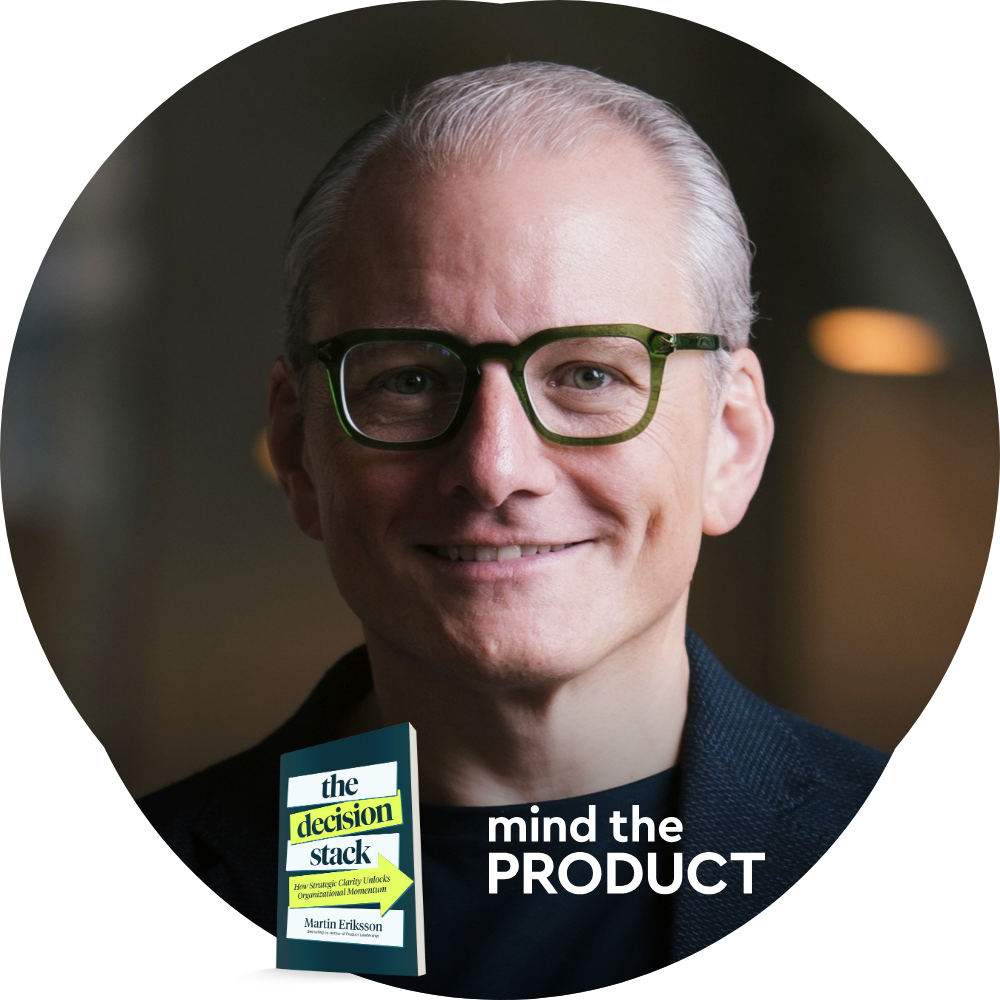
In this talk, Martin Eriksson, co-founder of Mind the Product, product partner at EQT, and creator of the Decision Stack, argues that AI makes strategy more important, not less. When anyone can build anything, the question stops being "can we build this?" and becomes "should we build this?" Drawing from his experience advising 150+ companies, Martin shows how to build a clear line from vision to the decisions your team and your agents make every day.

You'll walk away knowing how to spot fake strategy, why saving time is the least ambitious thing you can do with AI, and how to point all that new speed in one direction.

Type
Virtual Keynote
Onsite Talk
Time
October 16, 2026 9:45
To be announced
Year
2026
Main Stage recap · Opening Keynote · 09:45 · 29 min
Chapters
Highlights

The moments worth replaying.

Short clips, each a complete thought. Share them, or jump to the spot in the full talk.

Hinton gave radiologists five years

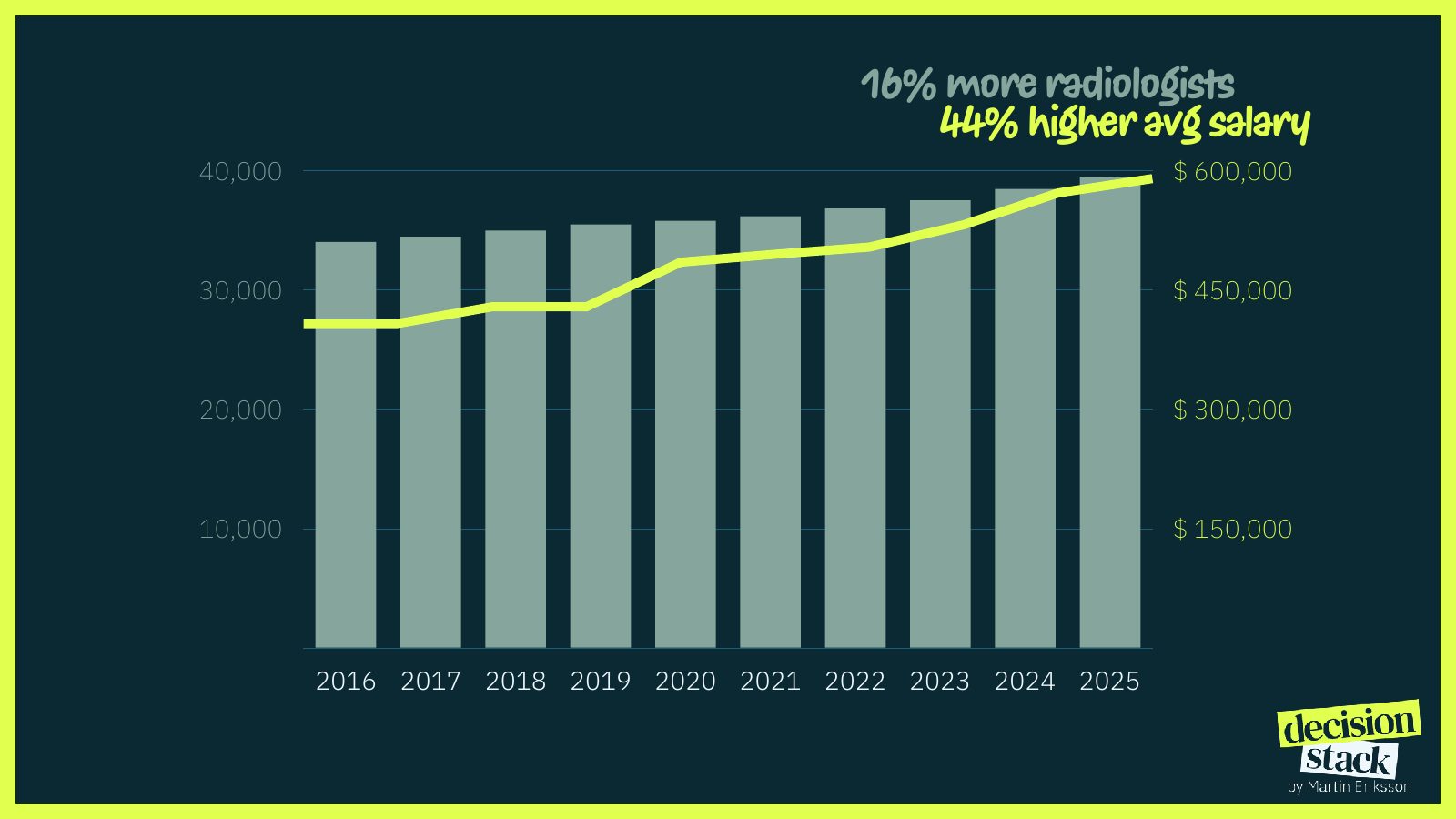
The opening story in full: AI got better at imaging, radiologists grew 16 percent and earn 44 percent more.

2:57 IN THE TALK · 72 S
Every level of the stack is a decision

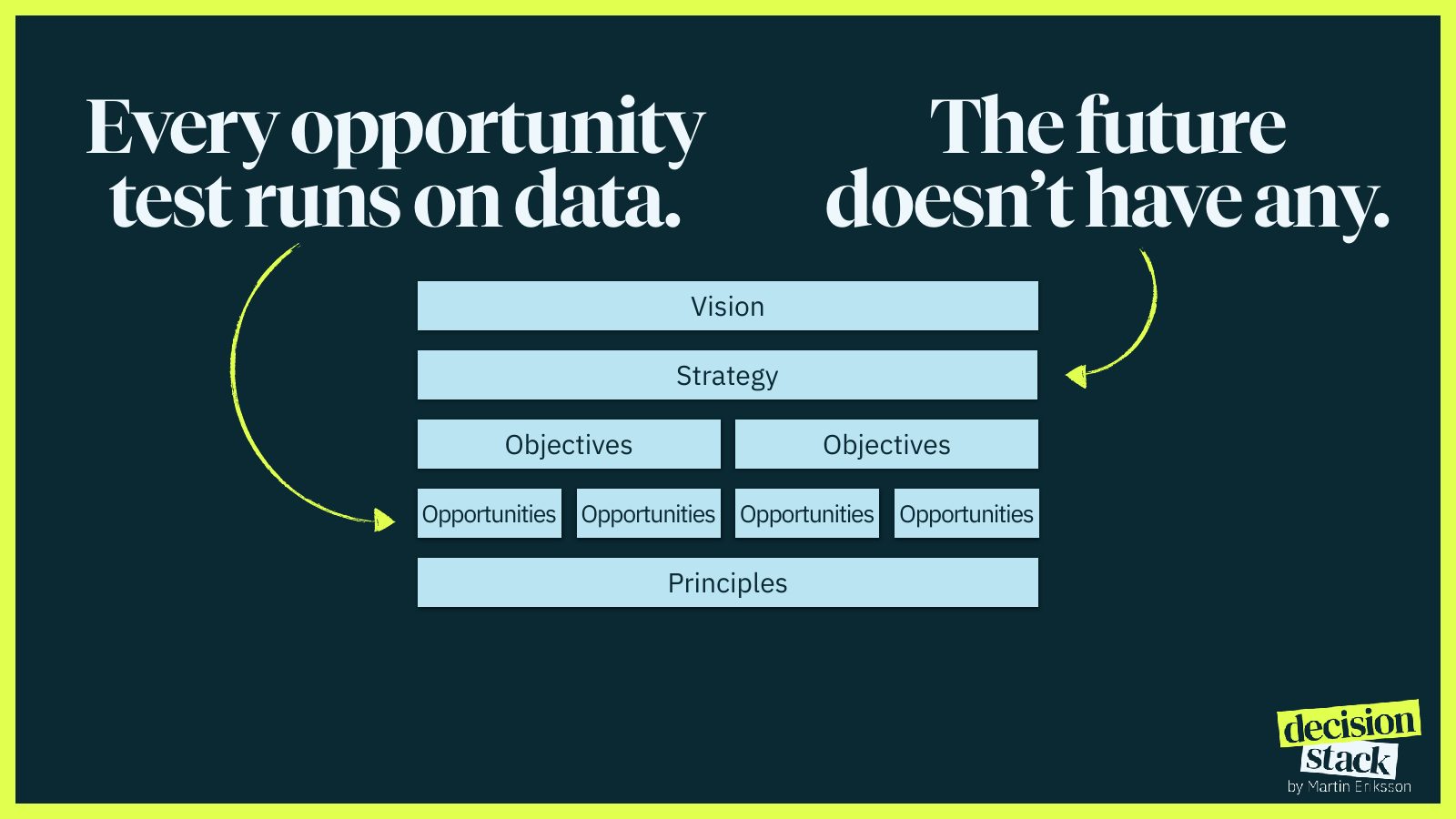
Defines the Decision Stack and lands the poster, PowerPoint and spreadsheet punchline about sprinkled AI strategy.

6:53 IN THE TALK · 53 S
Chegg never asked which assumption changed

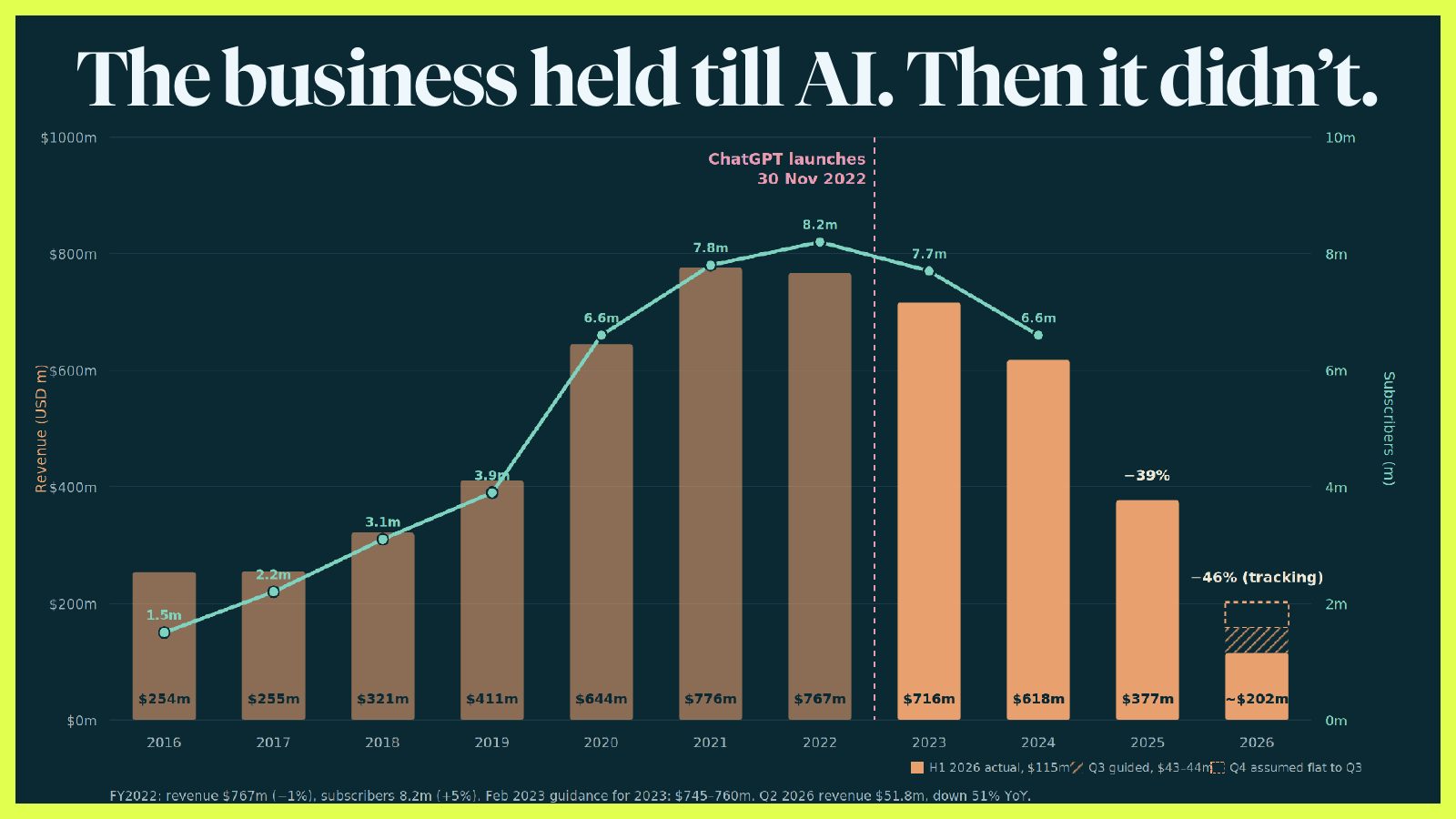
A complete cautionary tale with the numbers: stock halved, revenue down 75 percent, students just wanted homework done.

12:58 IN THE TALK · 76 S
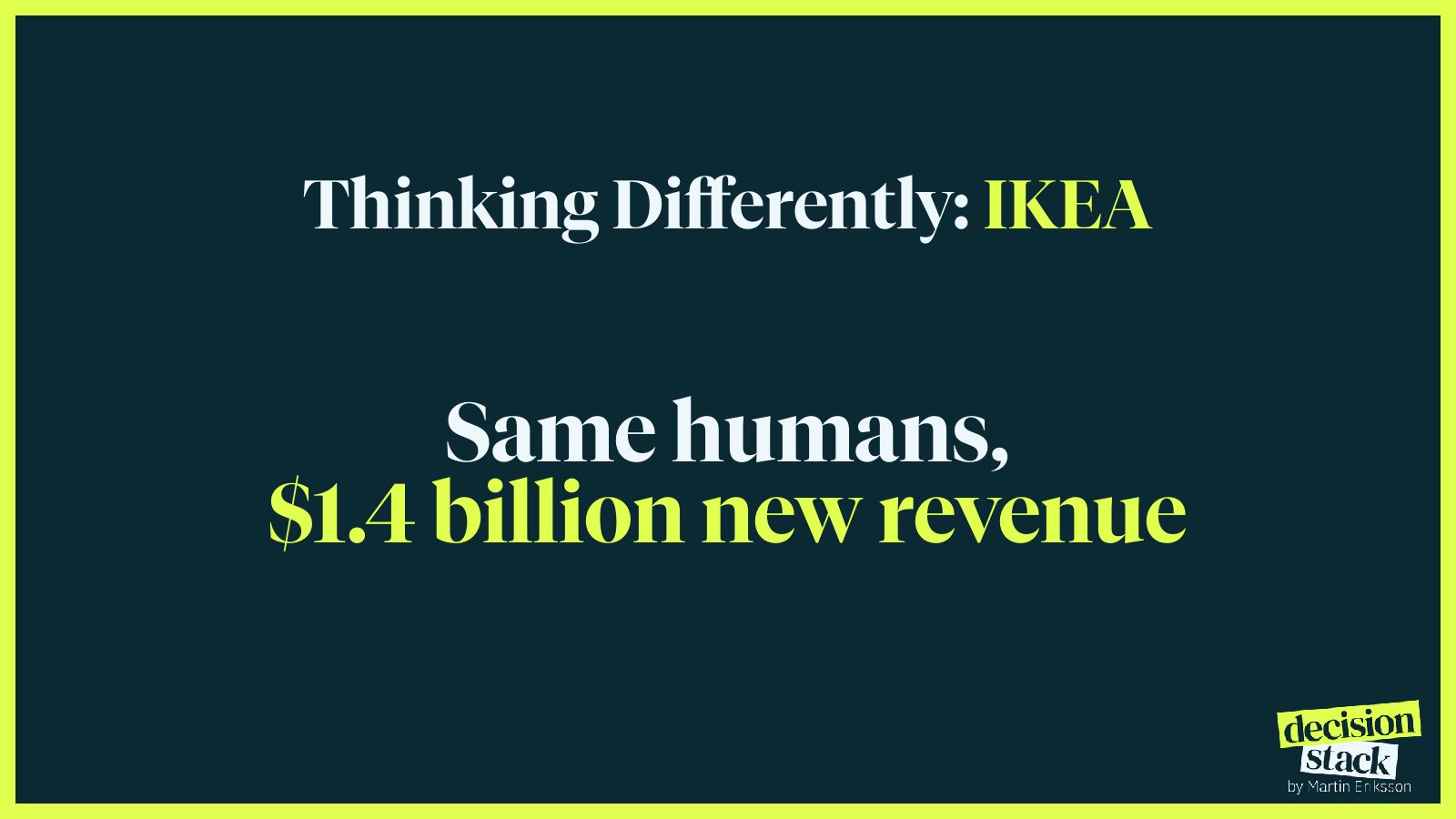
IKEA retrained support as interior designers

The strongest counterexample to AI as cost cutting, ending on 1.4 billion dollars of new revenue from the same humans.

15:06 IN THE TALK · 89 S
Intercom scrapped its roadmap over a weekend

Shows what a strategy level rethink looks like, from per seat pricing to 99 cents per resolution and the Fin outcome.

20:50 IN THE TALK · 88 S
We pass five year strategies on vibes

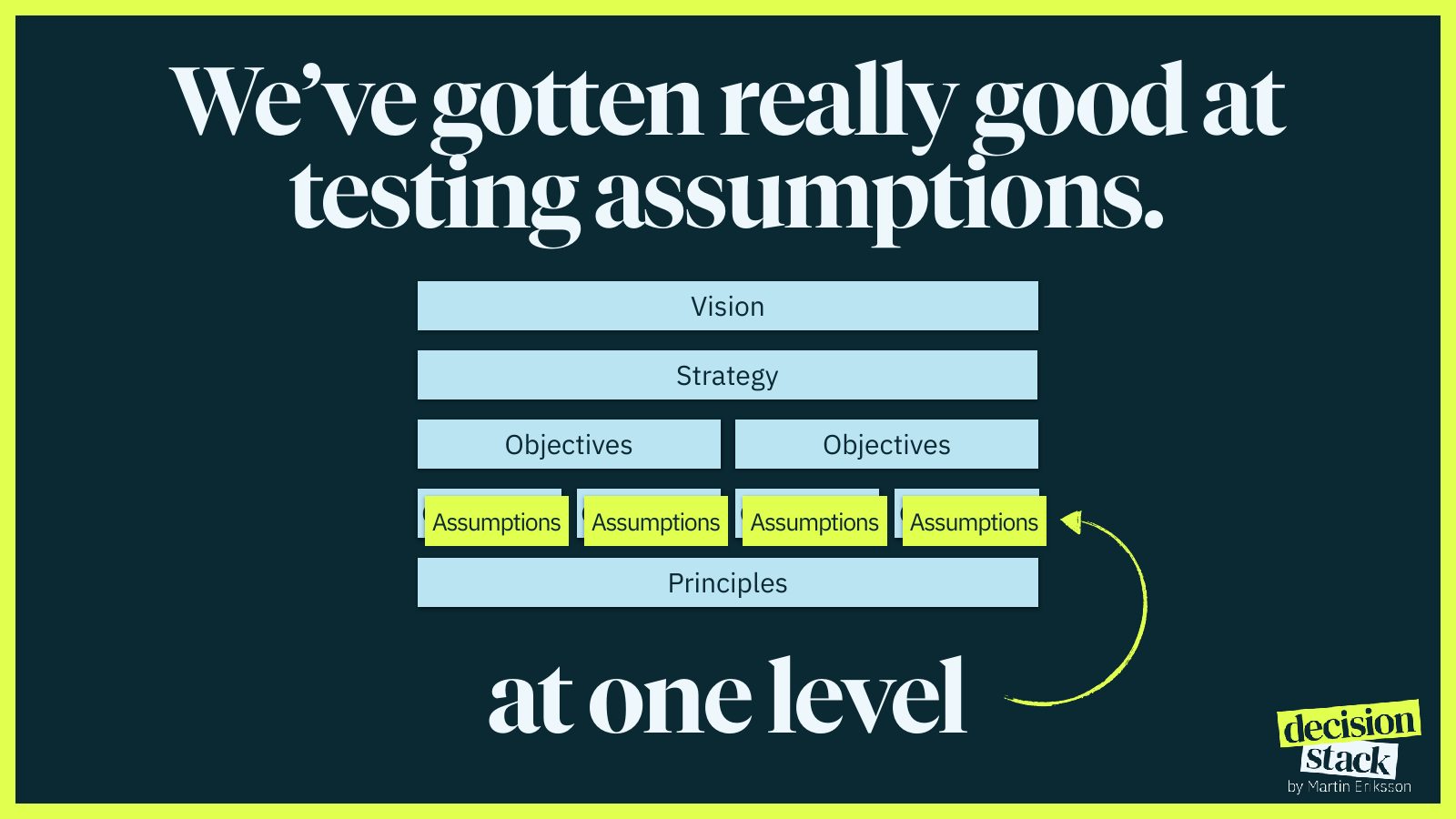
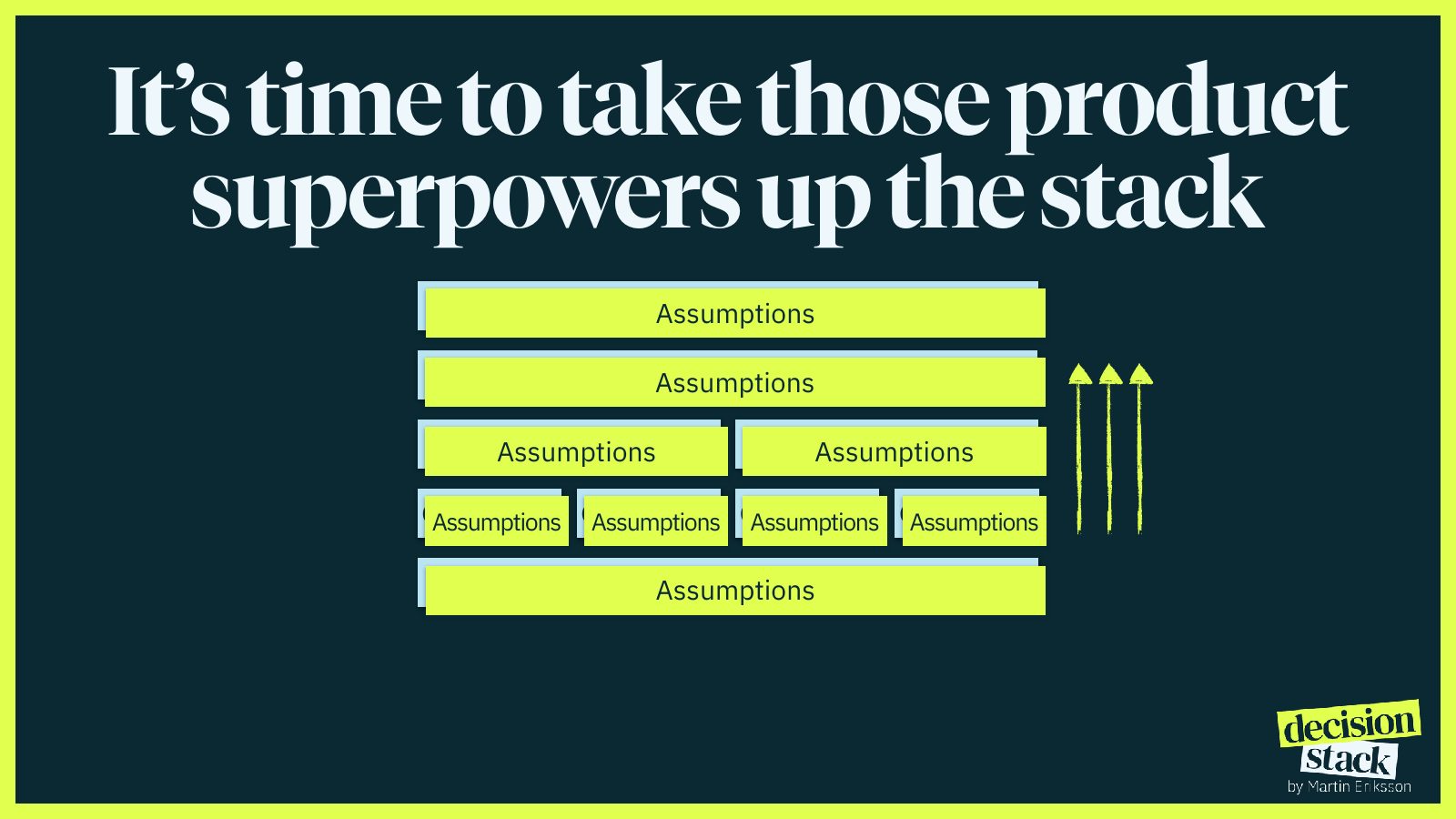
The most practical challenge to product people: take assumption testing up the stack, because you cannot A/B test 2028.

24:34 IN THE TALK · 57 S
In short

What Martin argued.

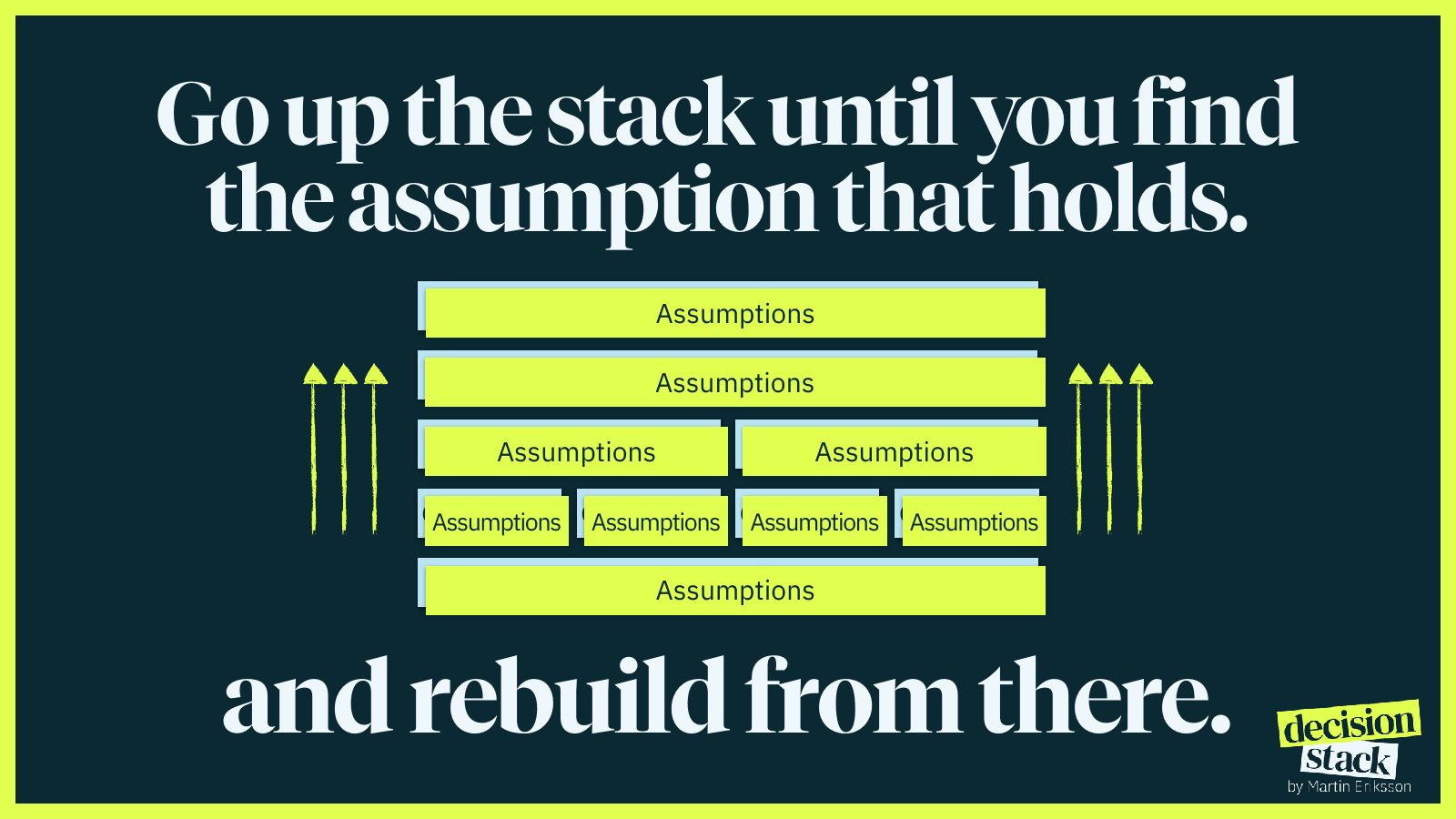
AI broke an assumption under your strategy; find which one, go up the stack until one holds, and rebuild from there.

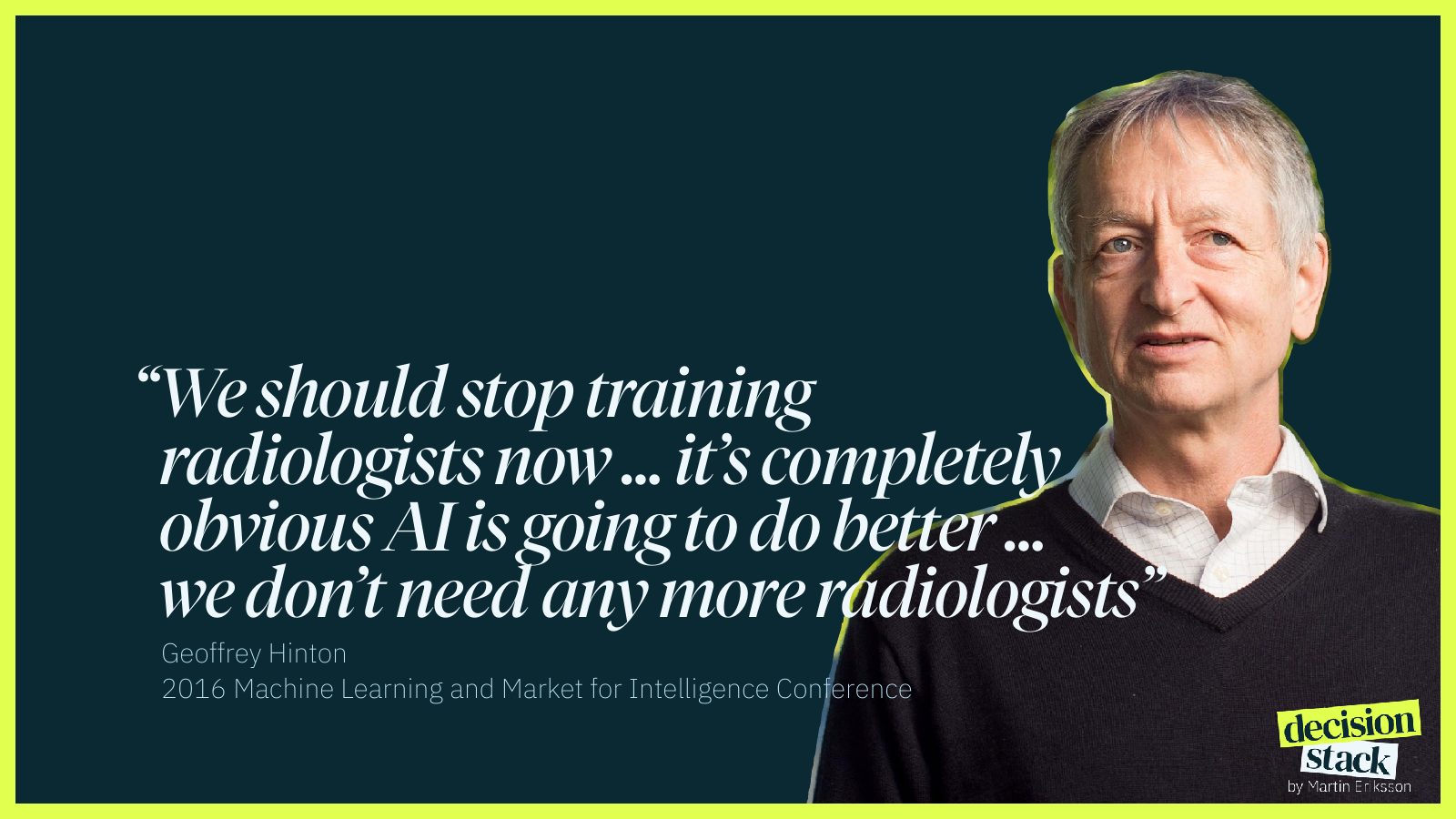
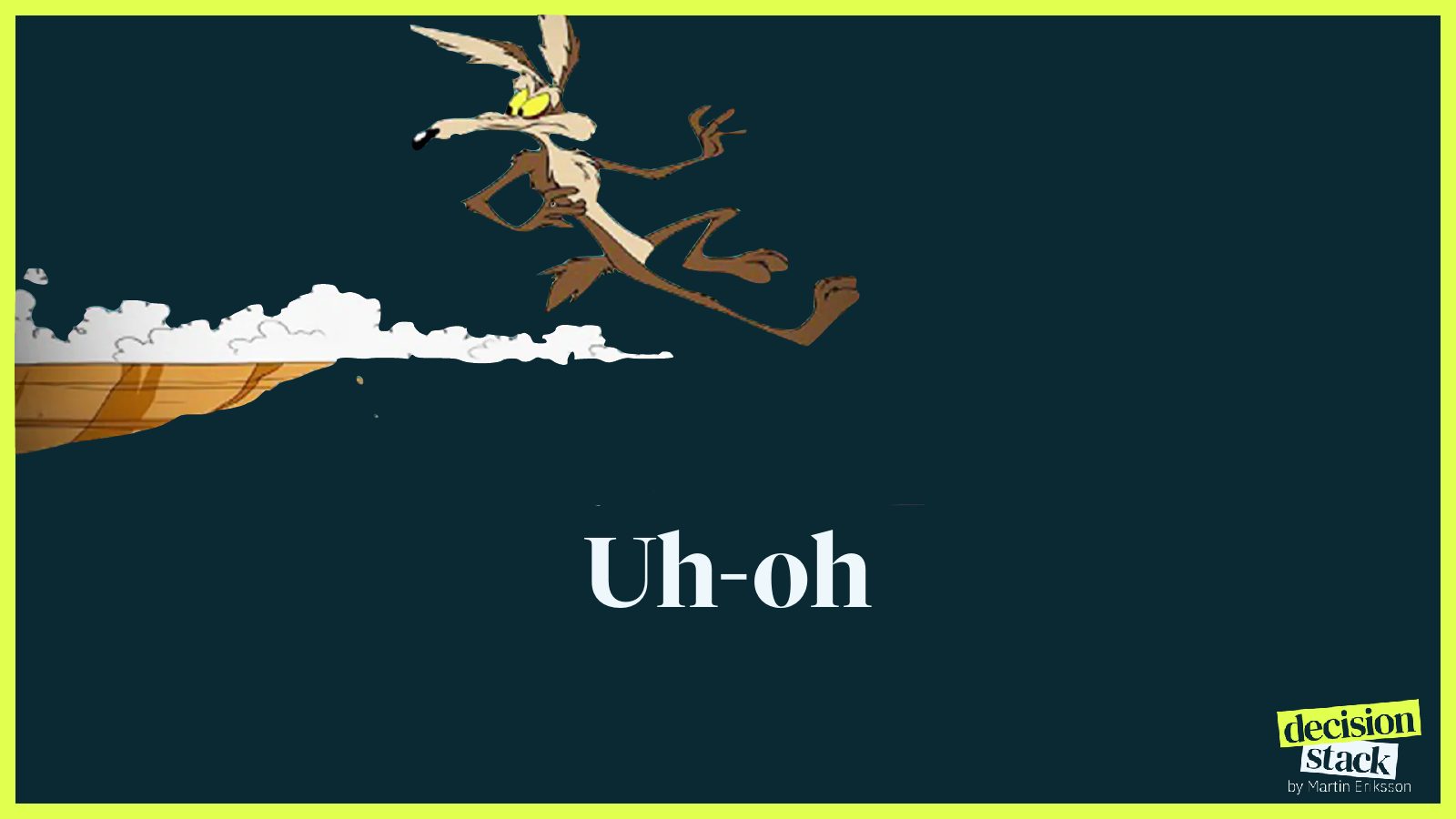
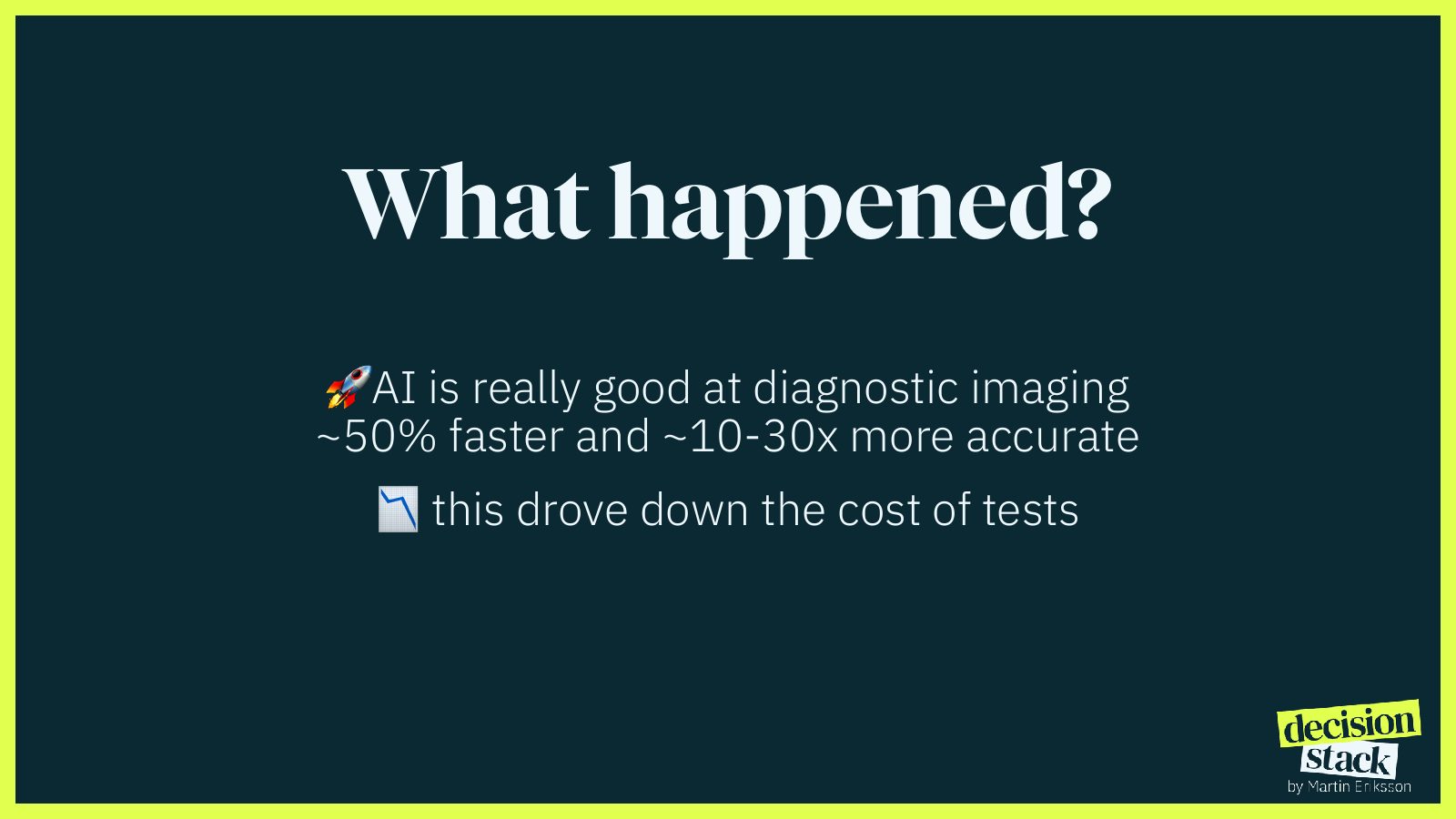
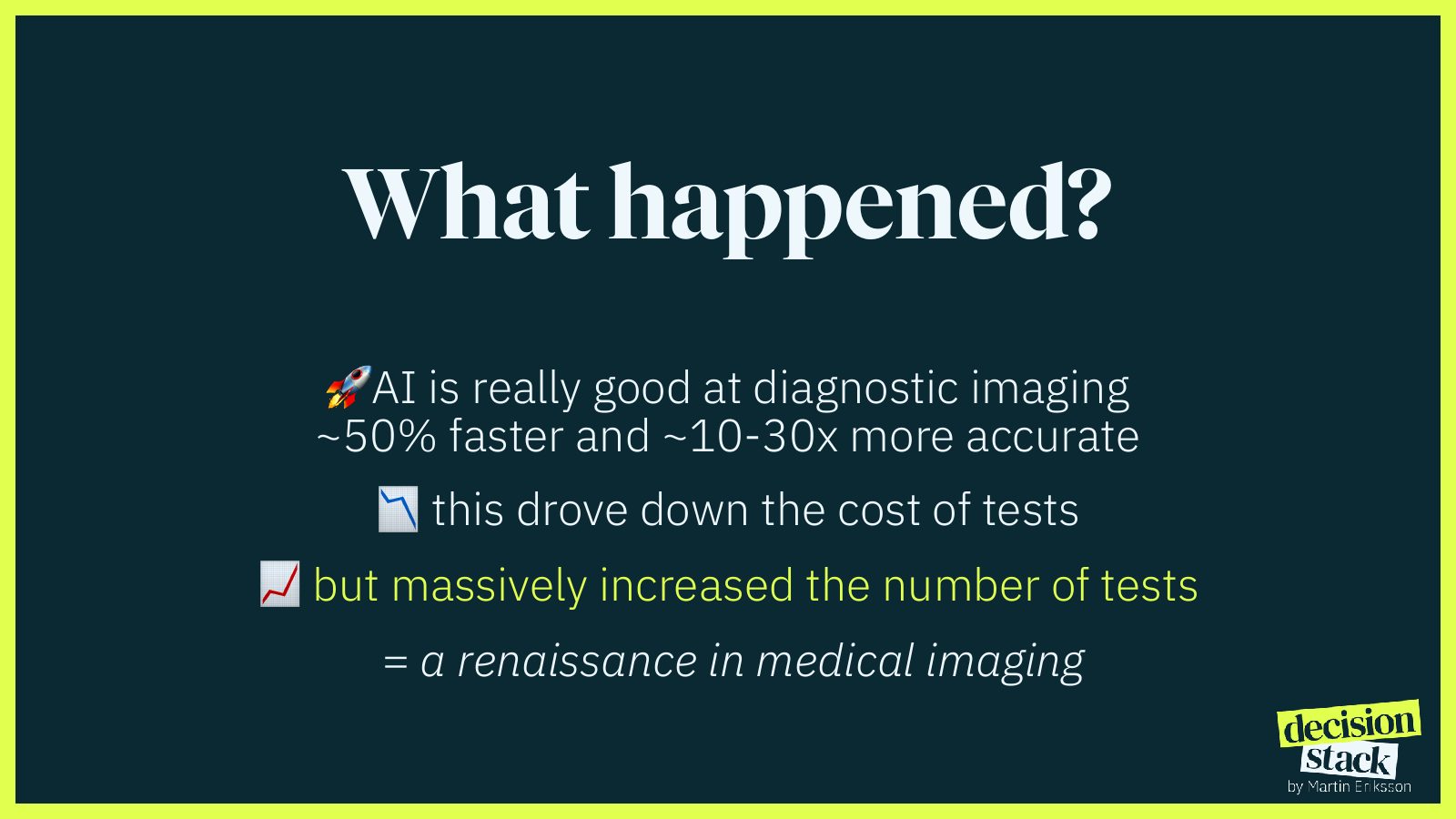
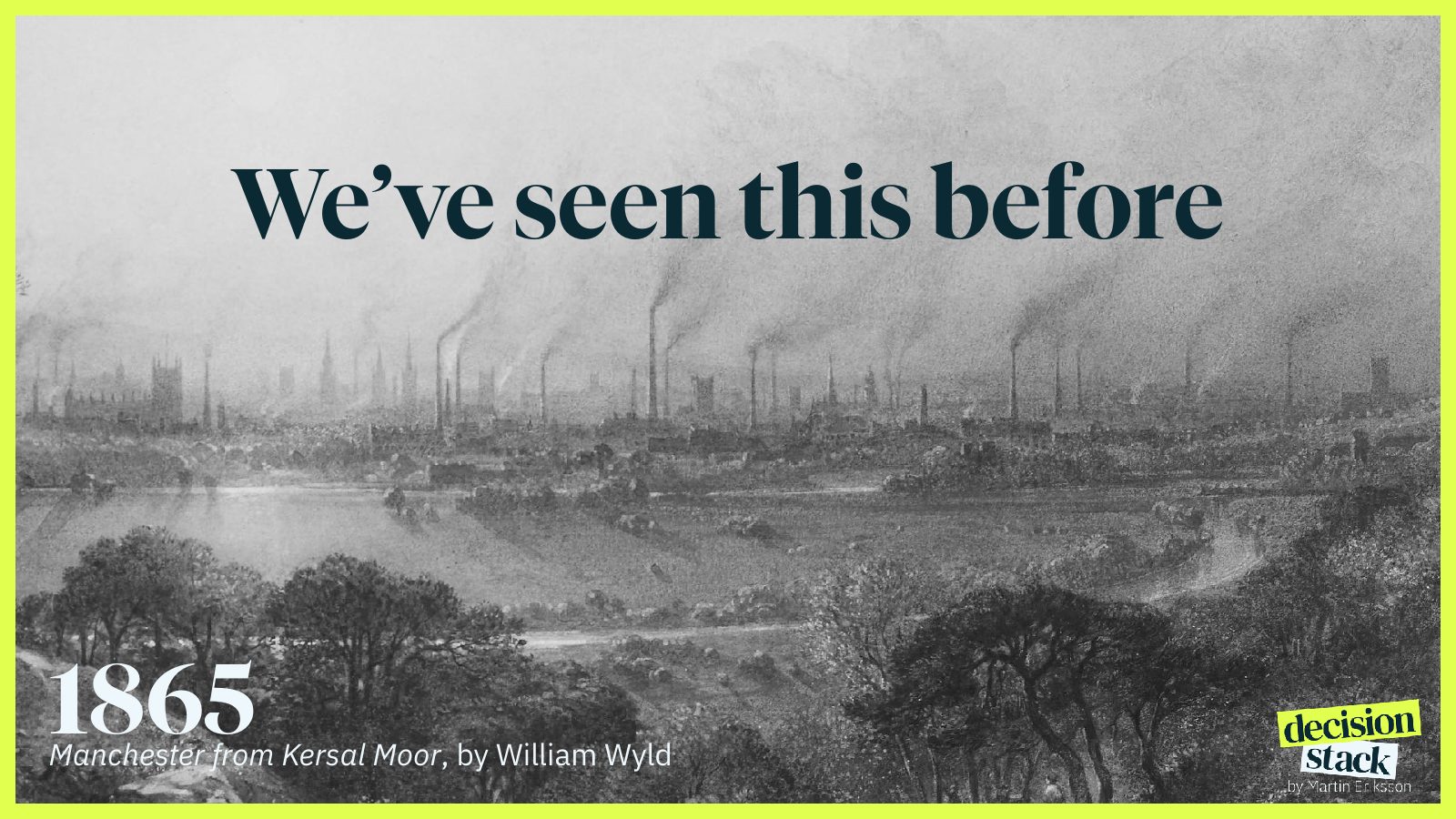
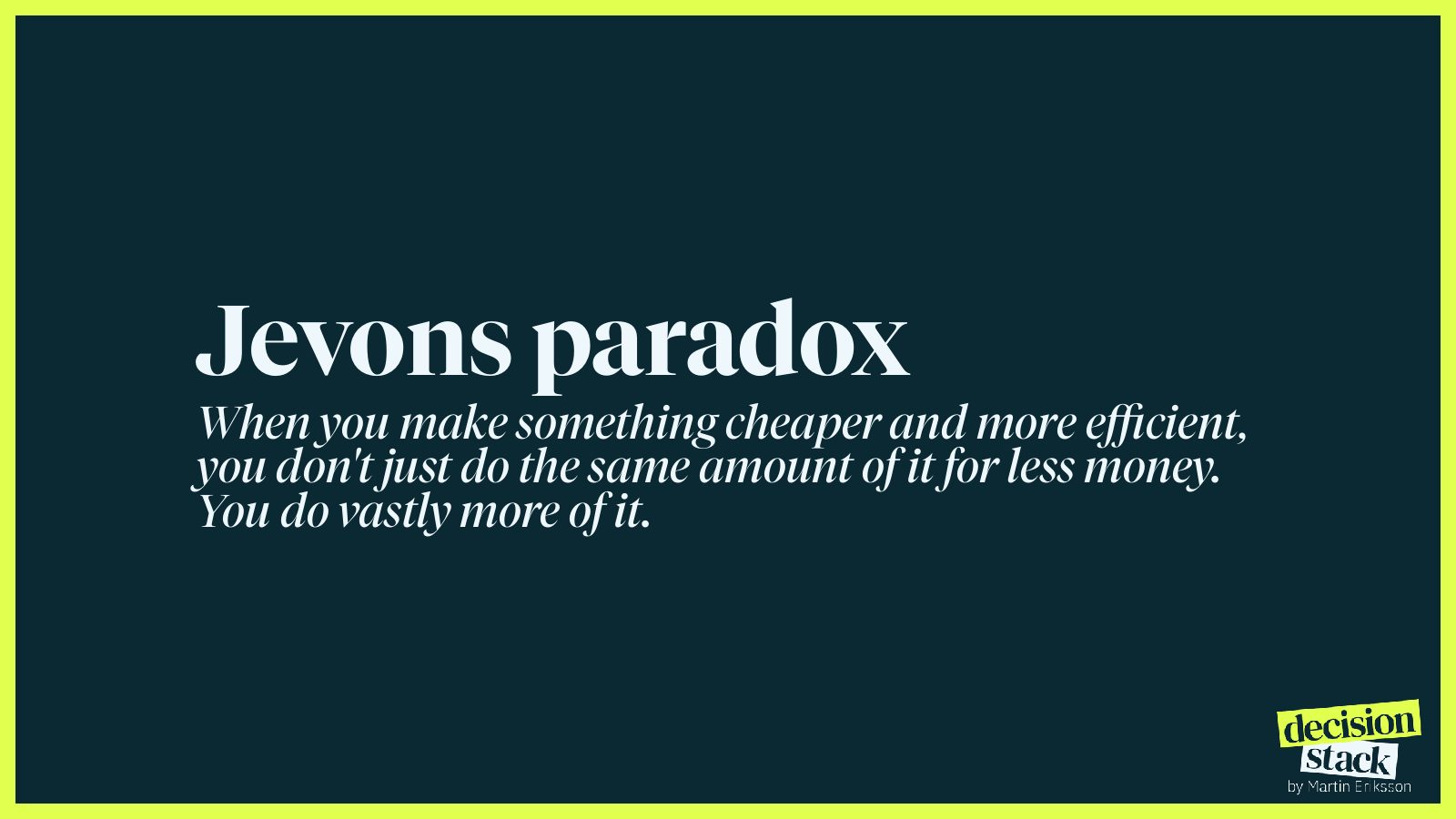
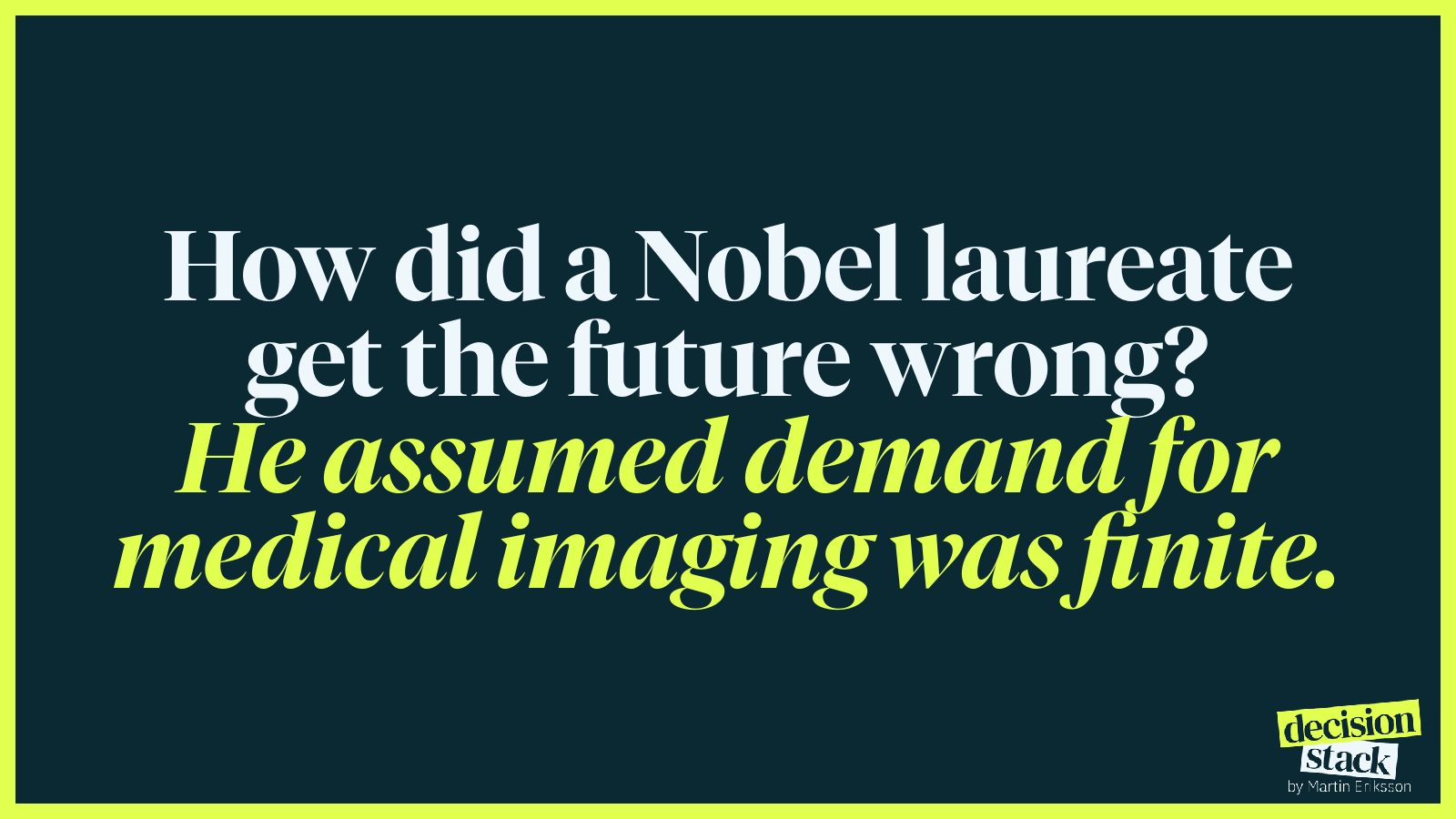
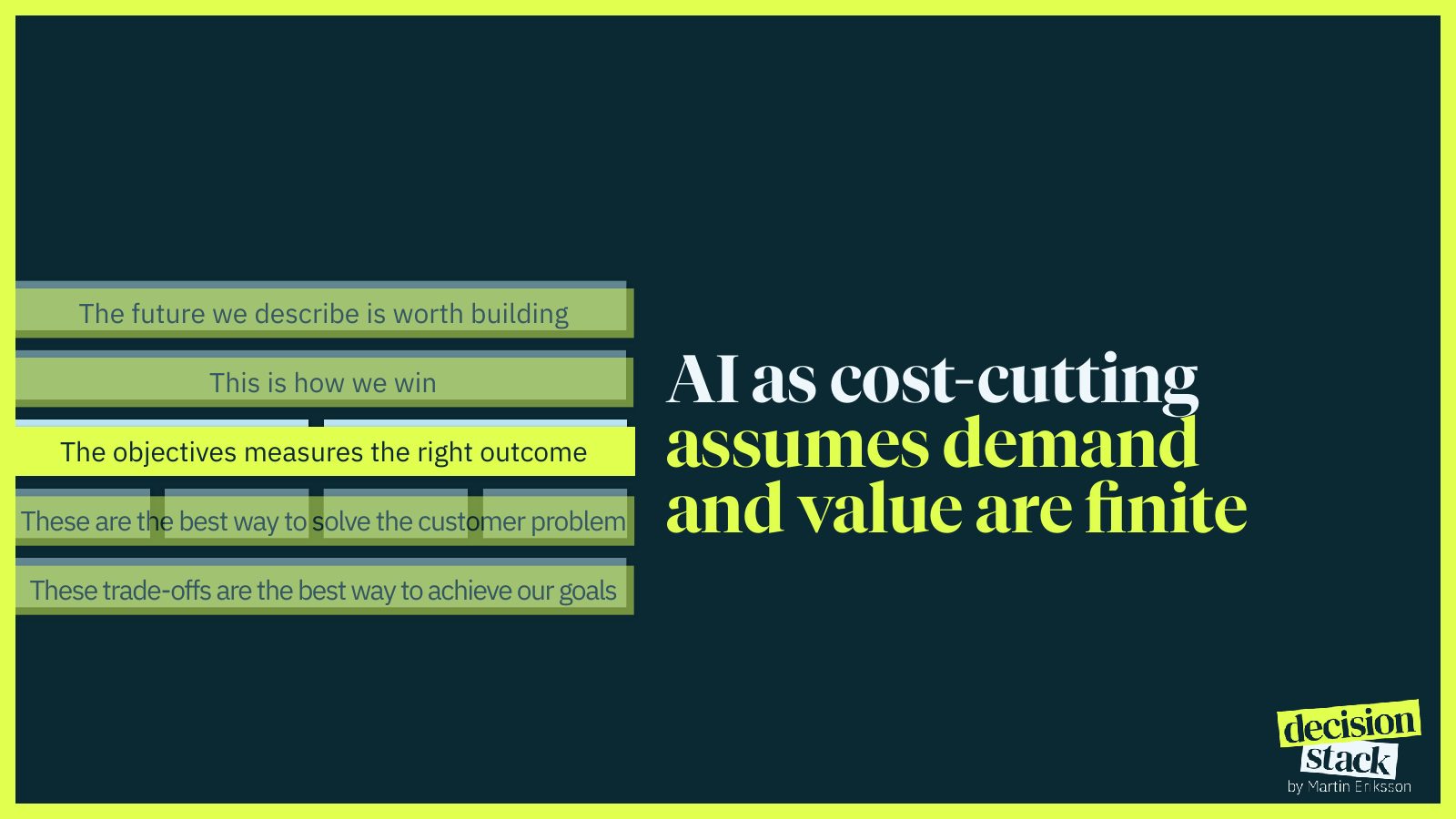
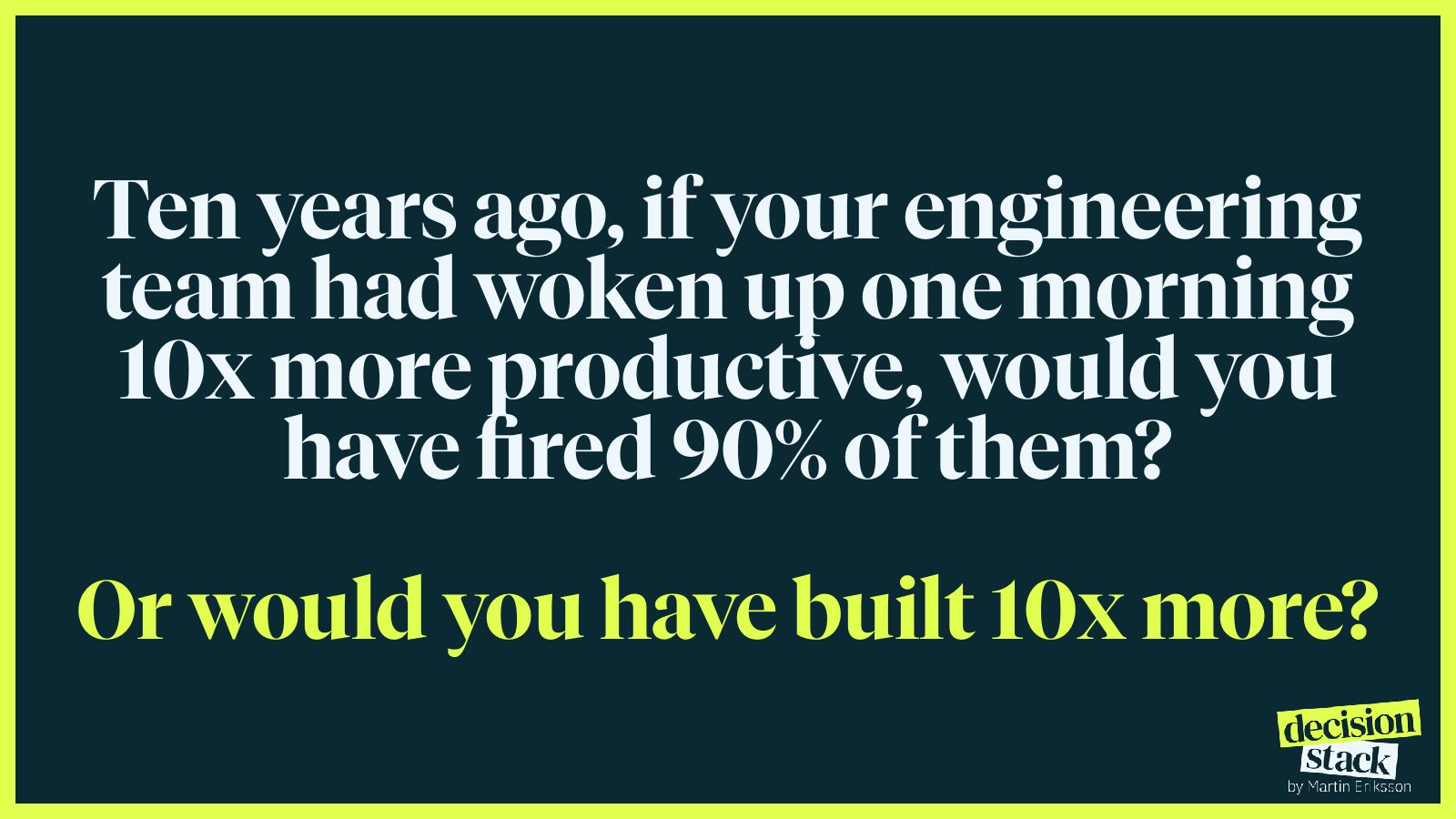
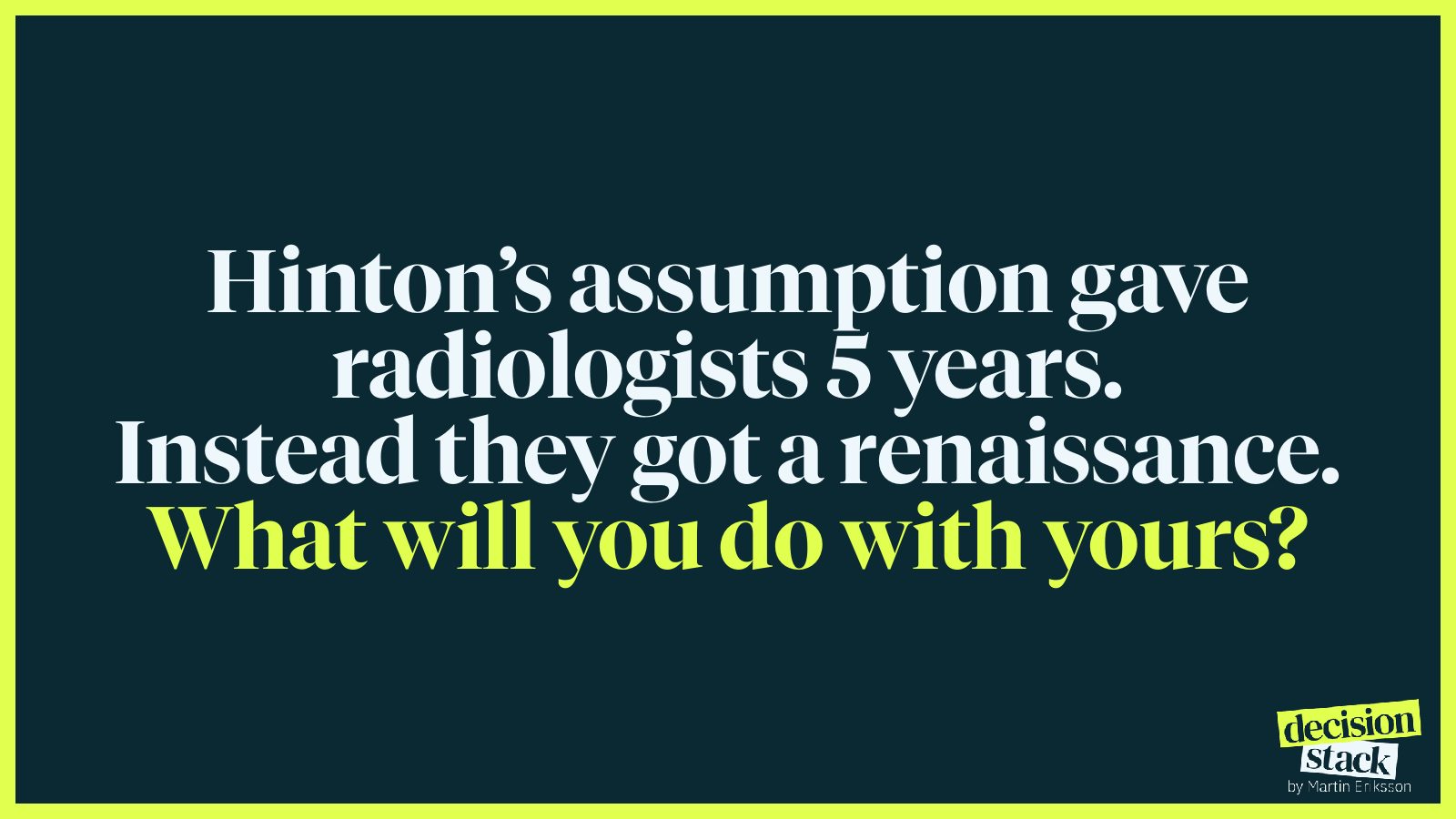
Martin opens with a prediction that failed. In 2016 Geoffrey Hinton said AI would replace radiologists within five to ten years. AI did get faster, cheaper and more accurate at reading images, yet the US has 16 percent more radiologists than a decade ago and they earn 44 percent more. Cheaper imaging meant preventative screening at scale, more findings, more follow up, more demand. That is the Jevons paradox, first observed with coal and steam engines in 1865. Hinton did not get the technology wrong. He assumed demand was finite. Martin's claim for the room: AI has broken at least one assumption in every company present, and most people do not know which one.

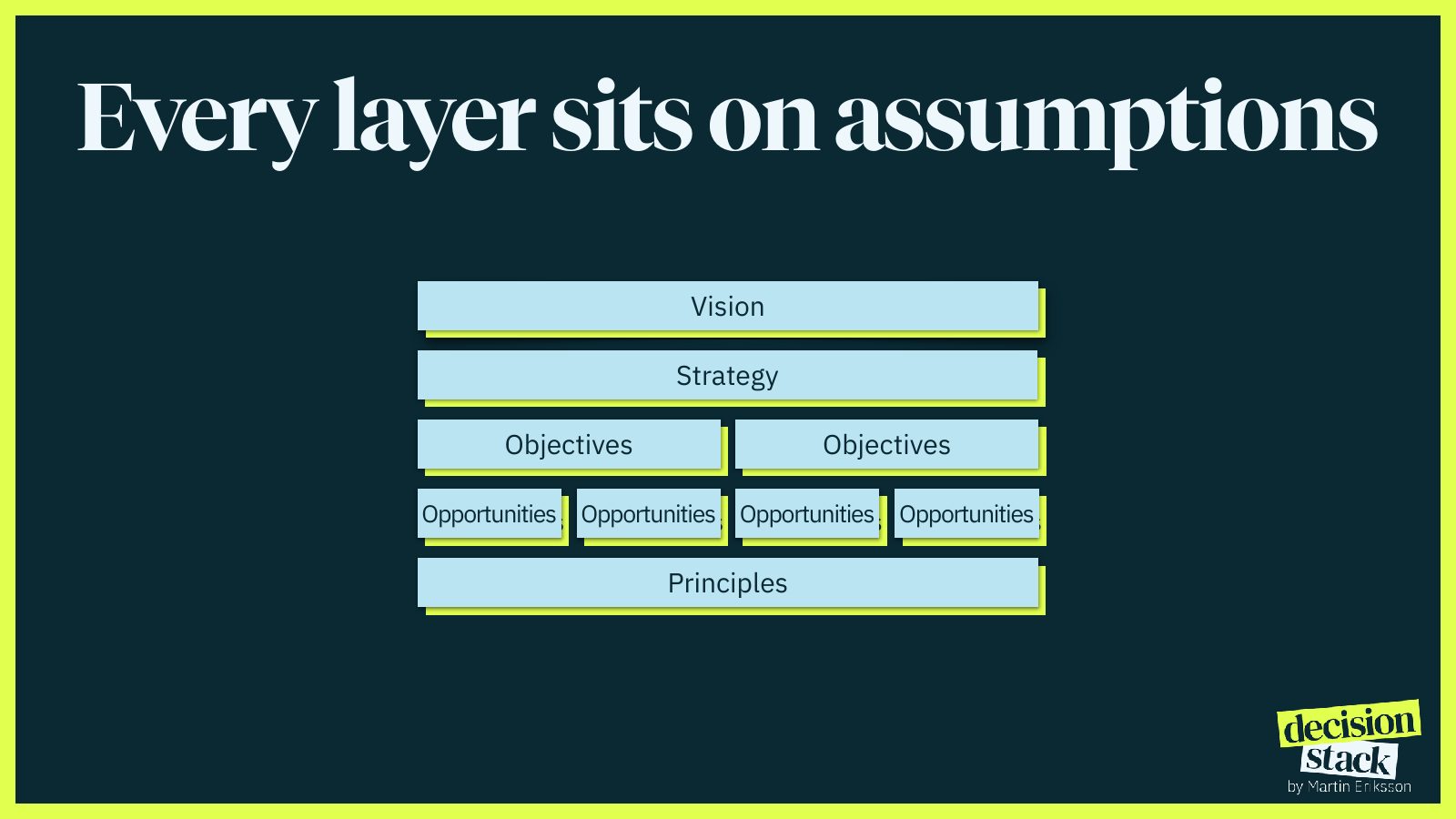
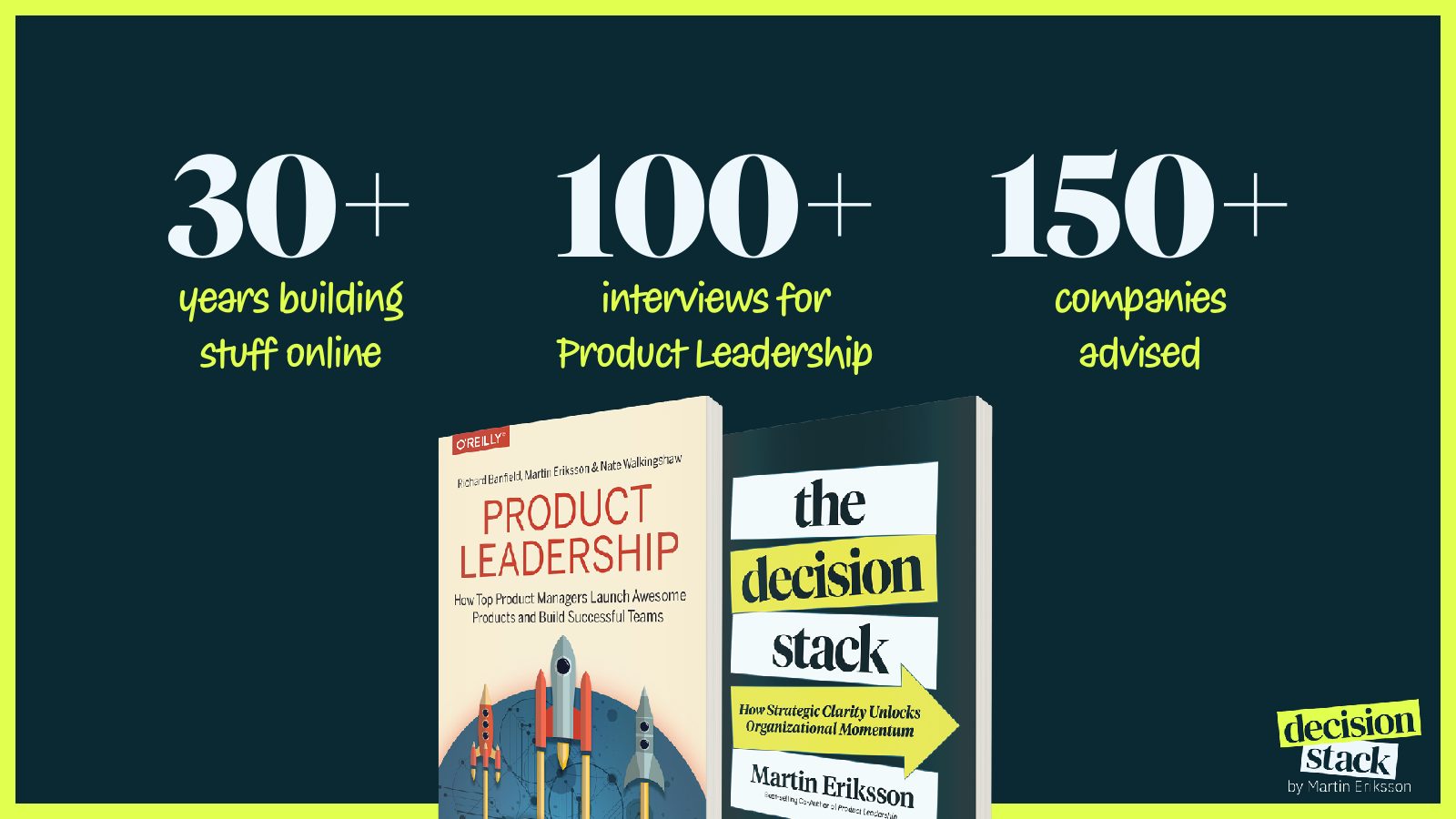
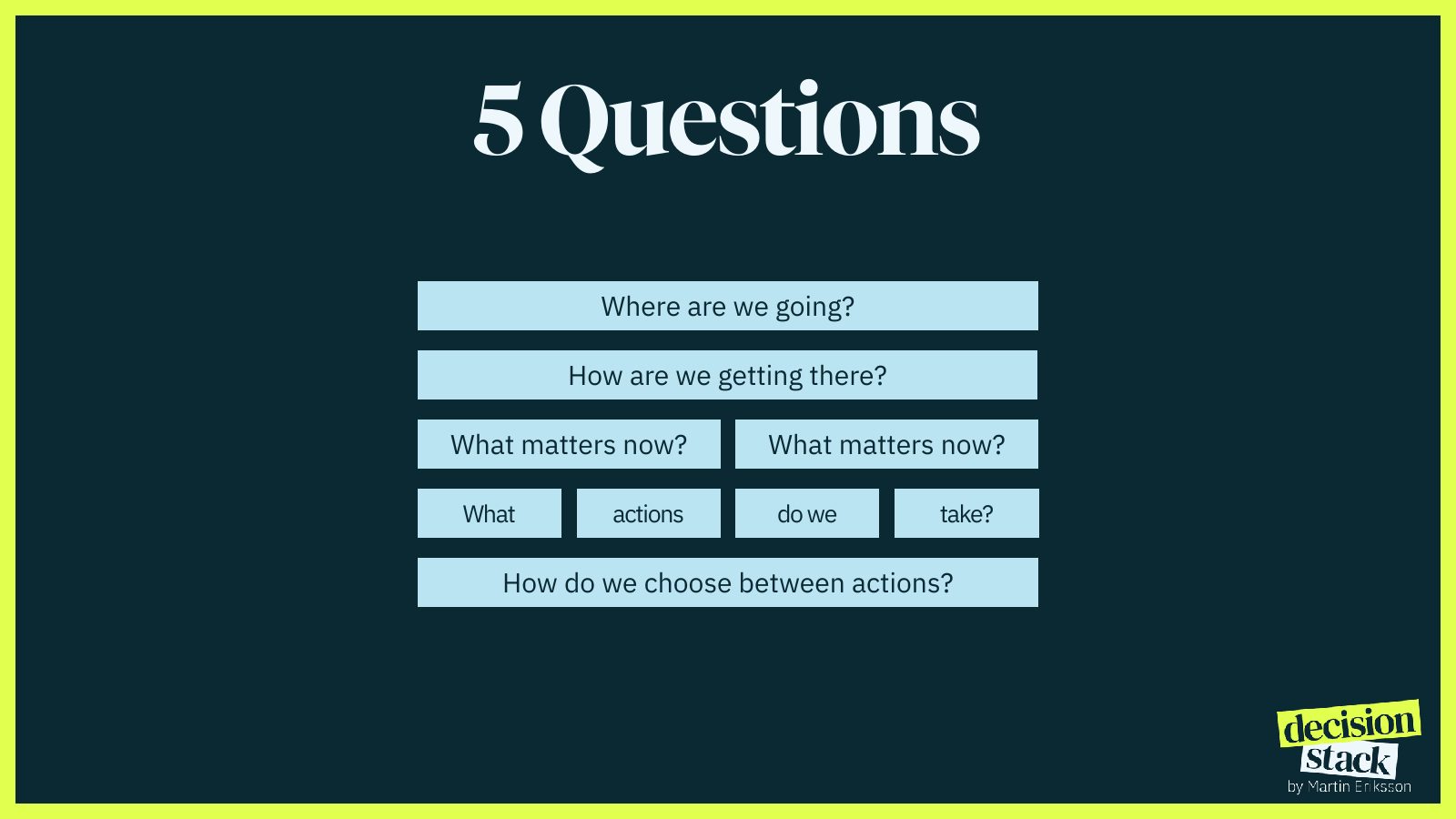
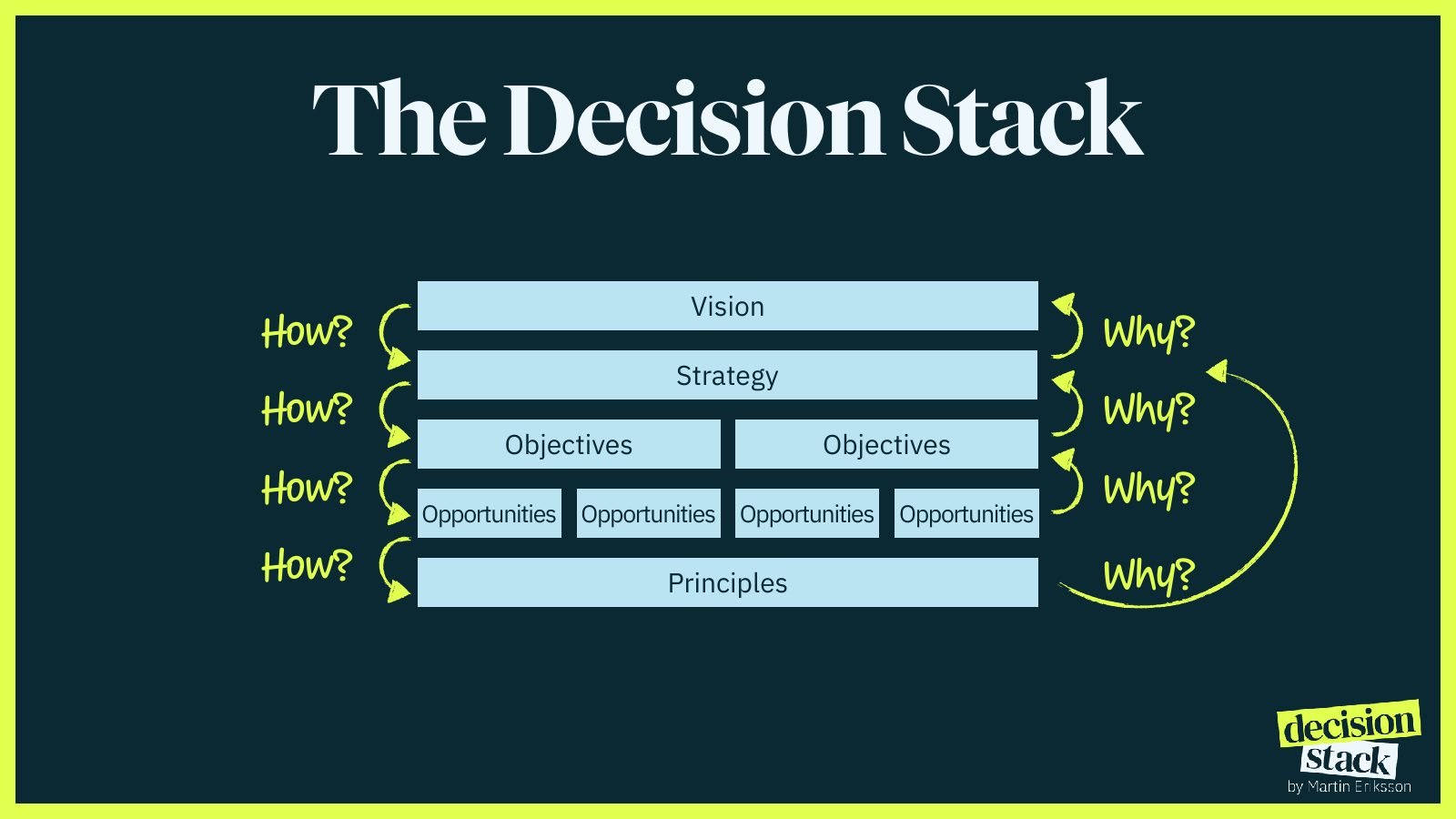
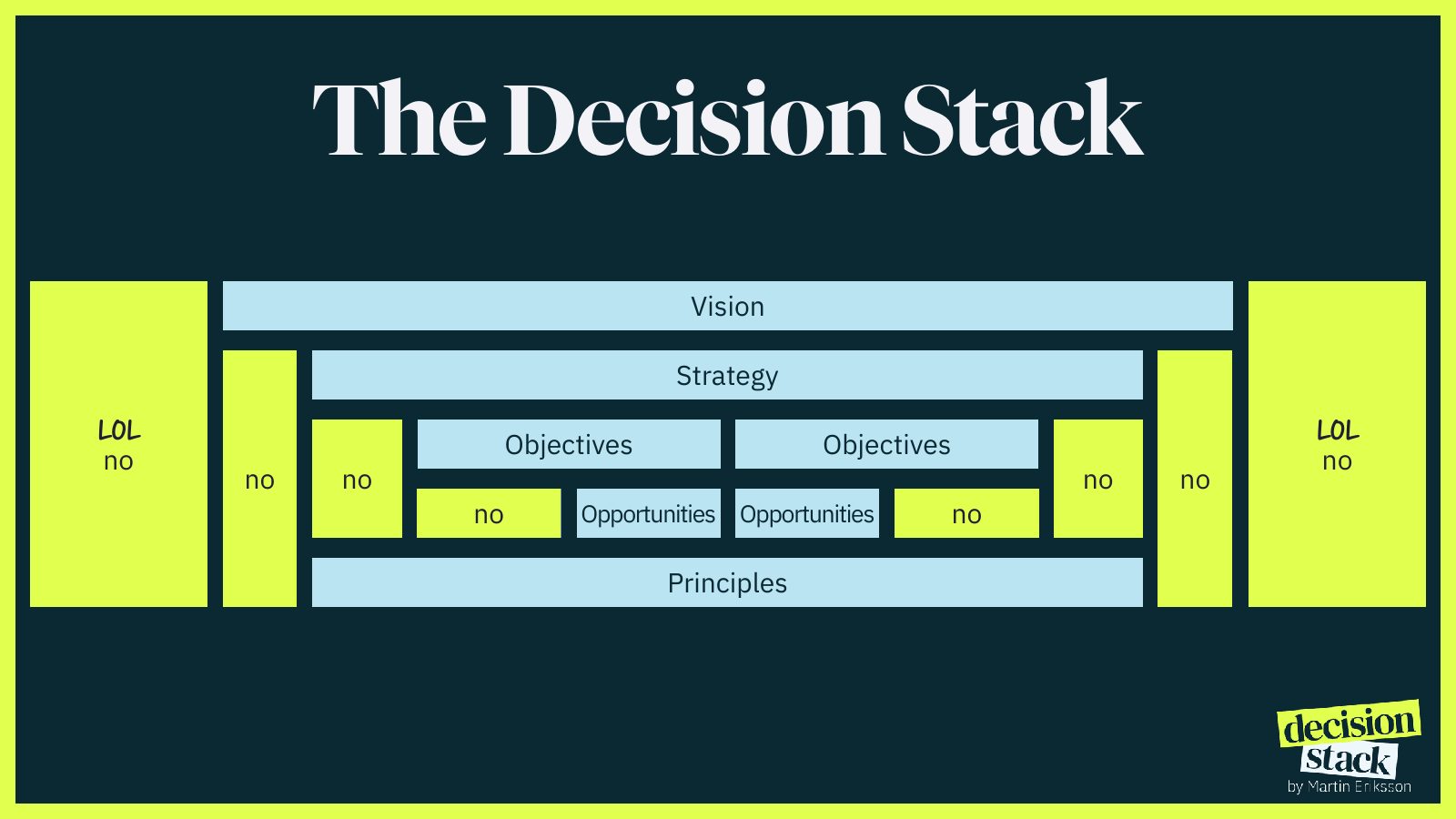
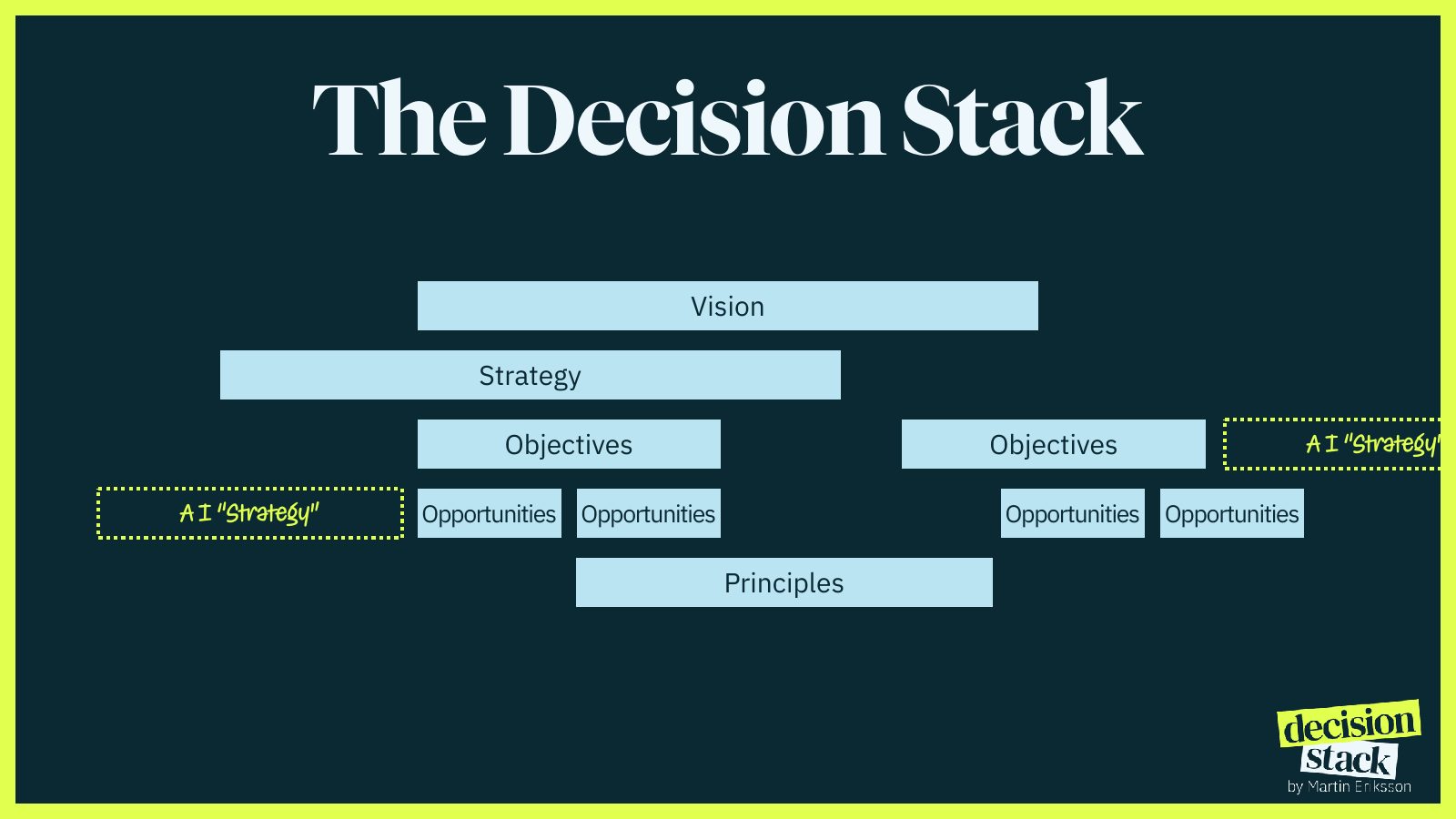
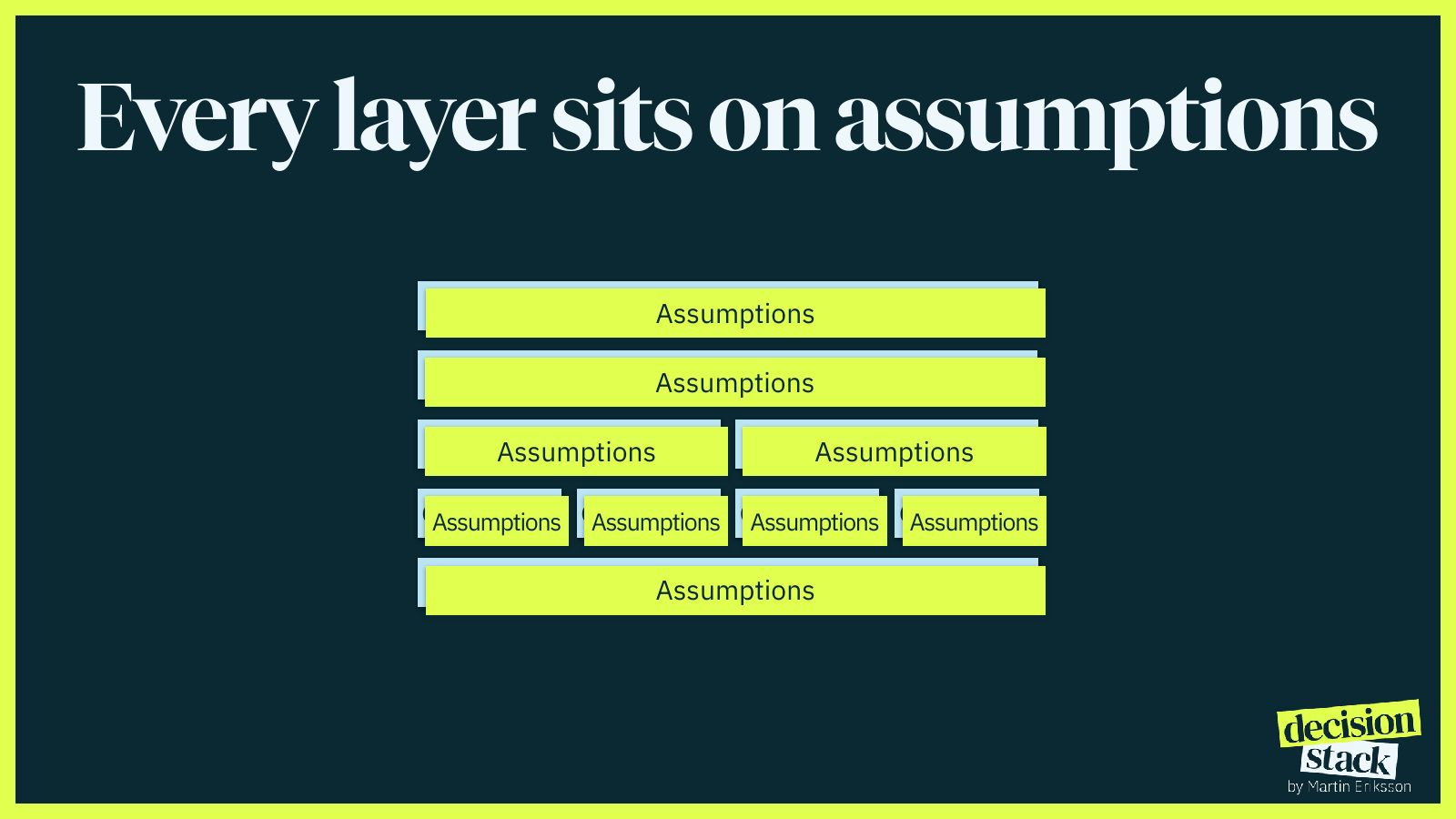
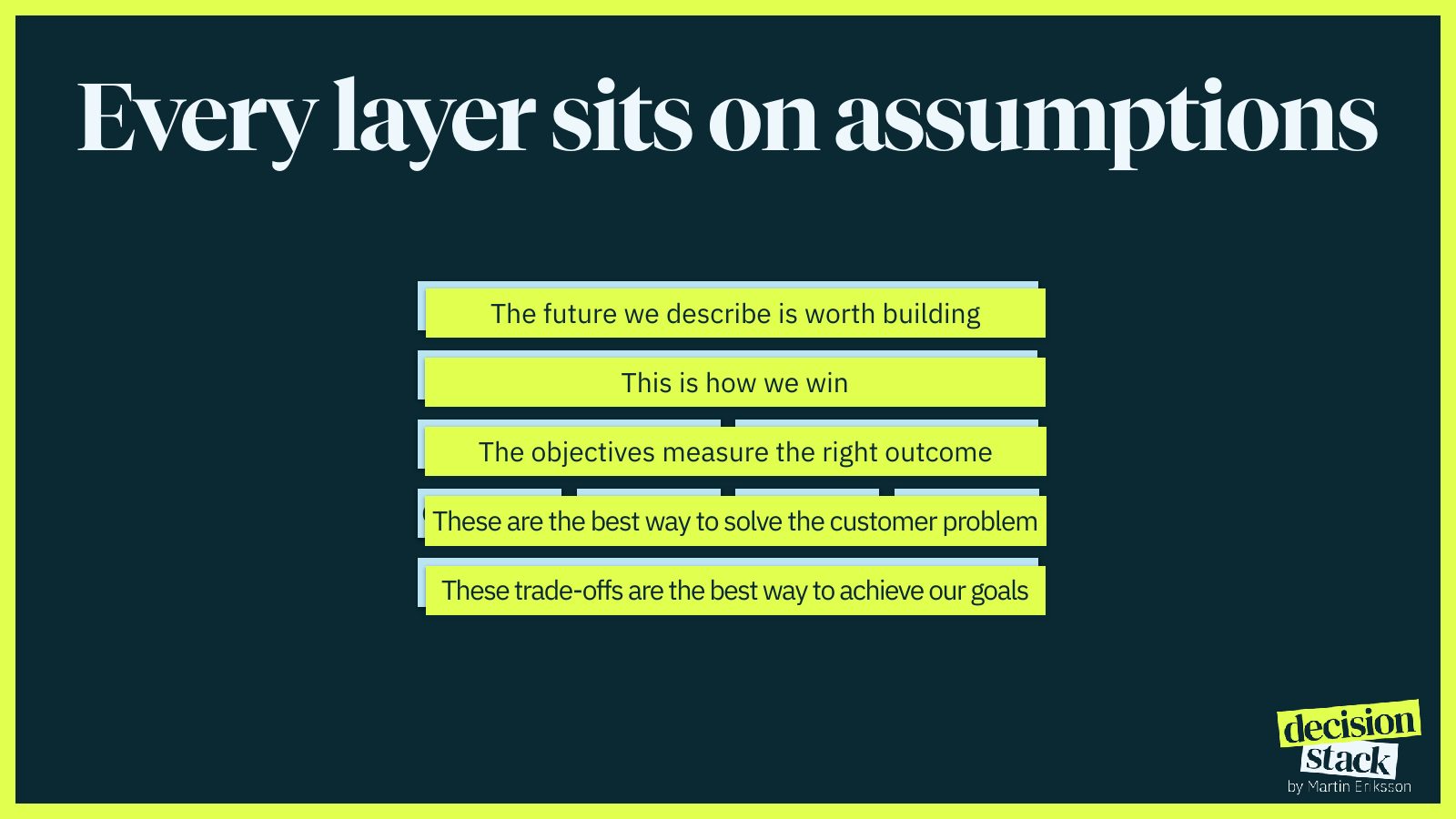
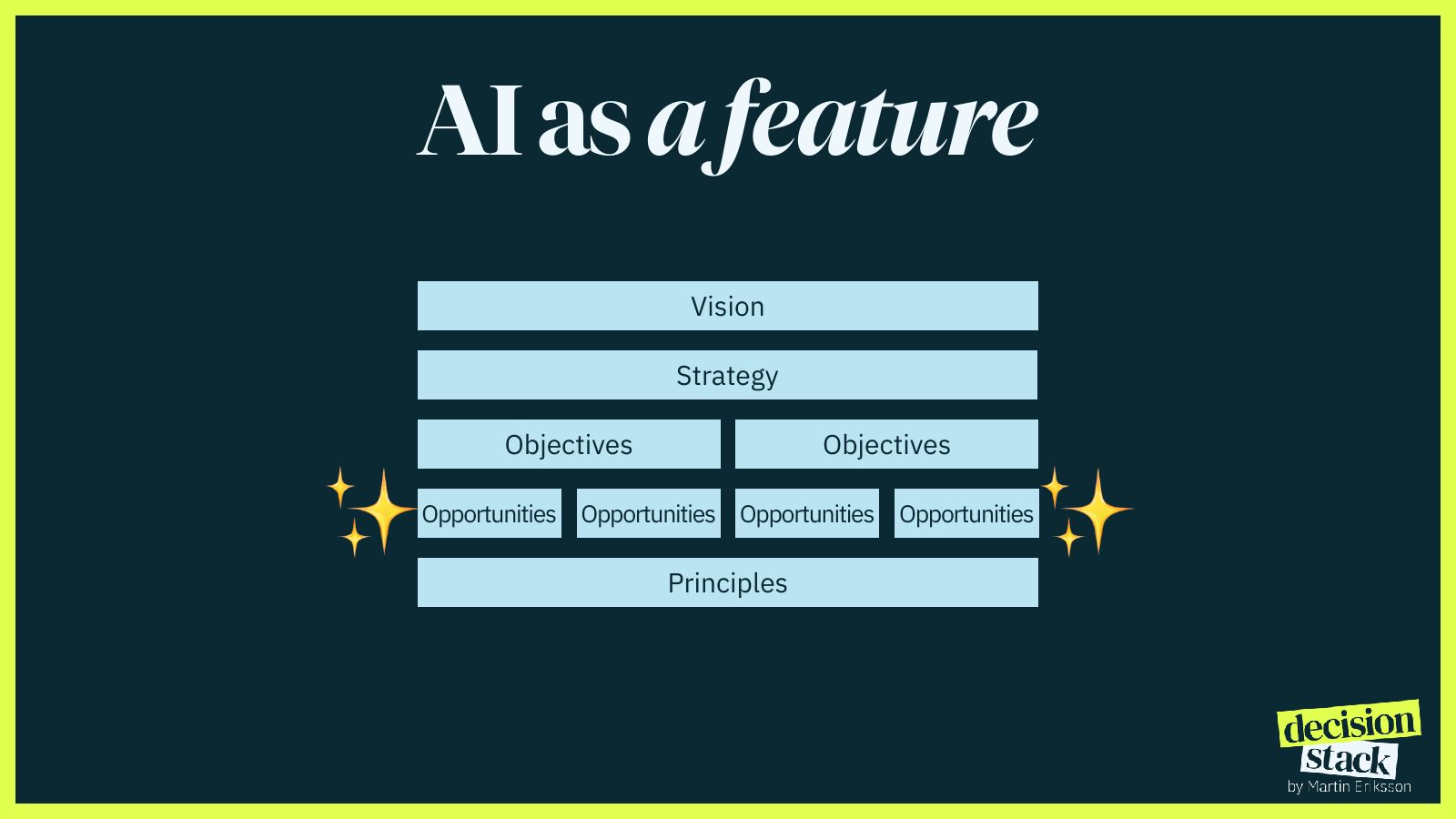
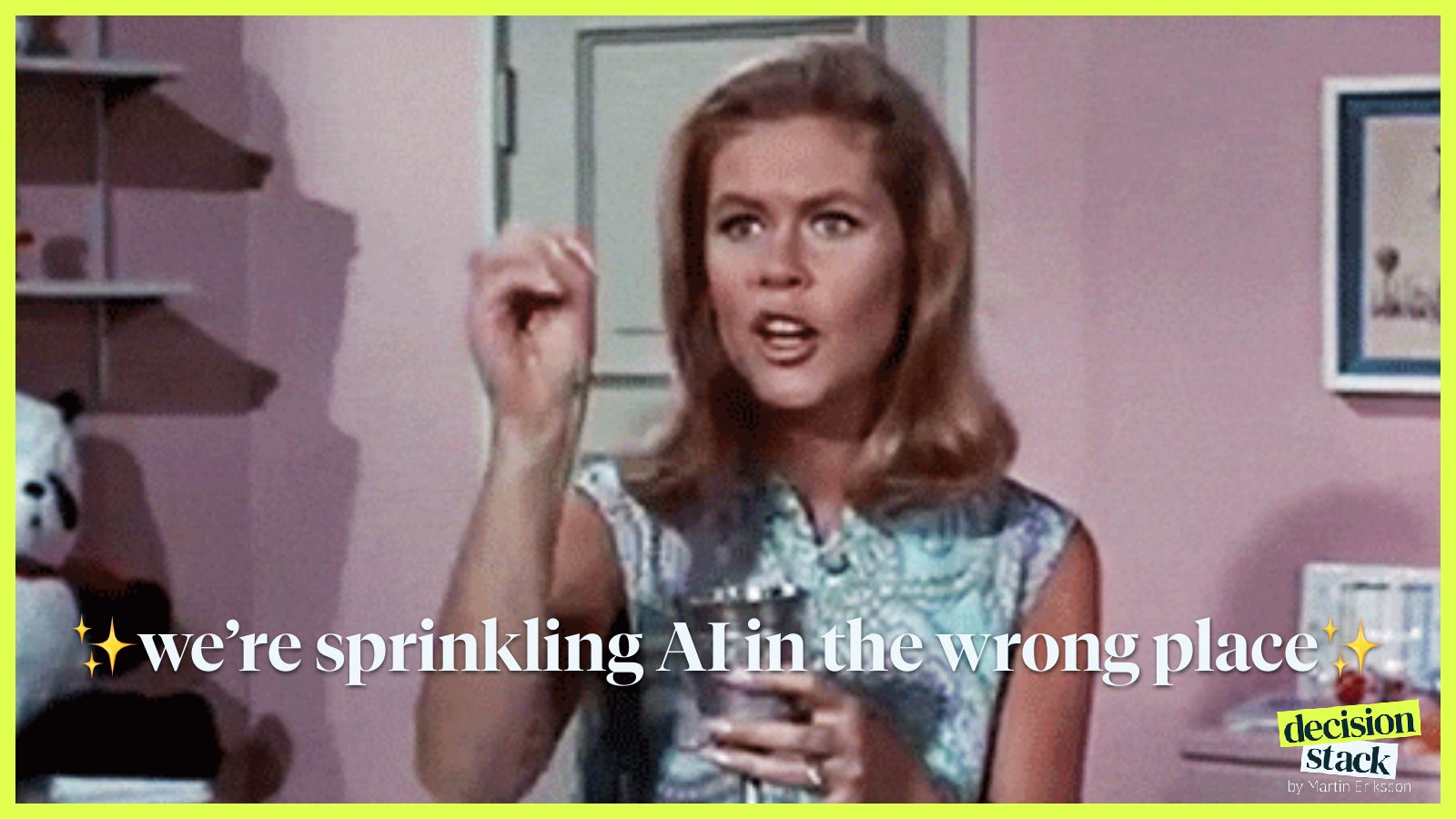
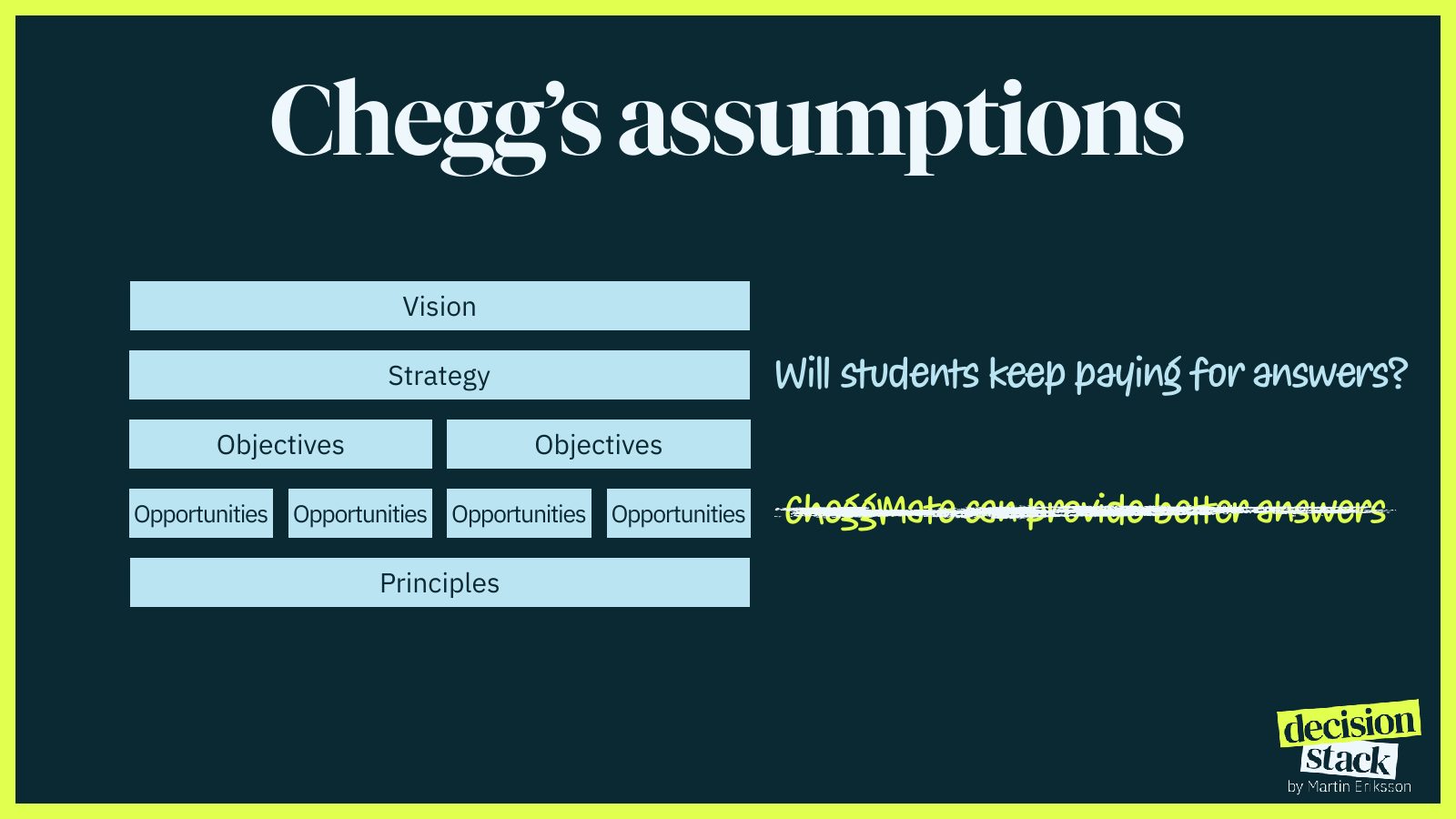
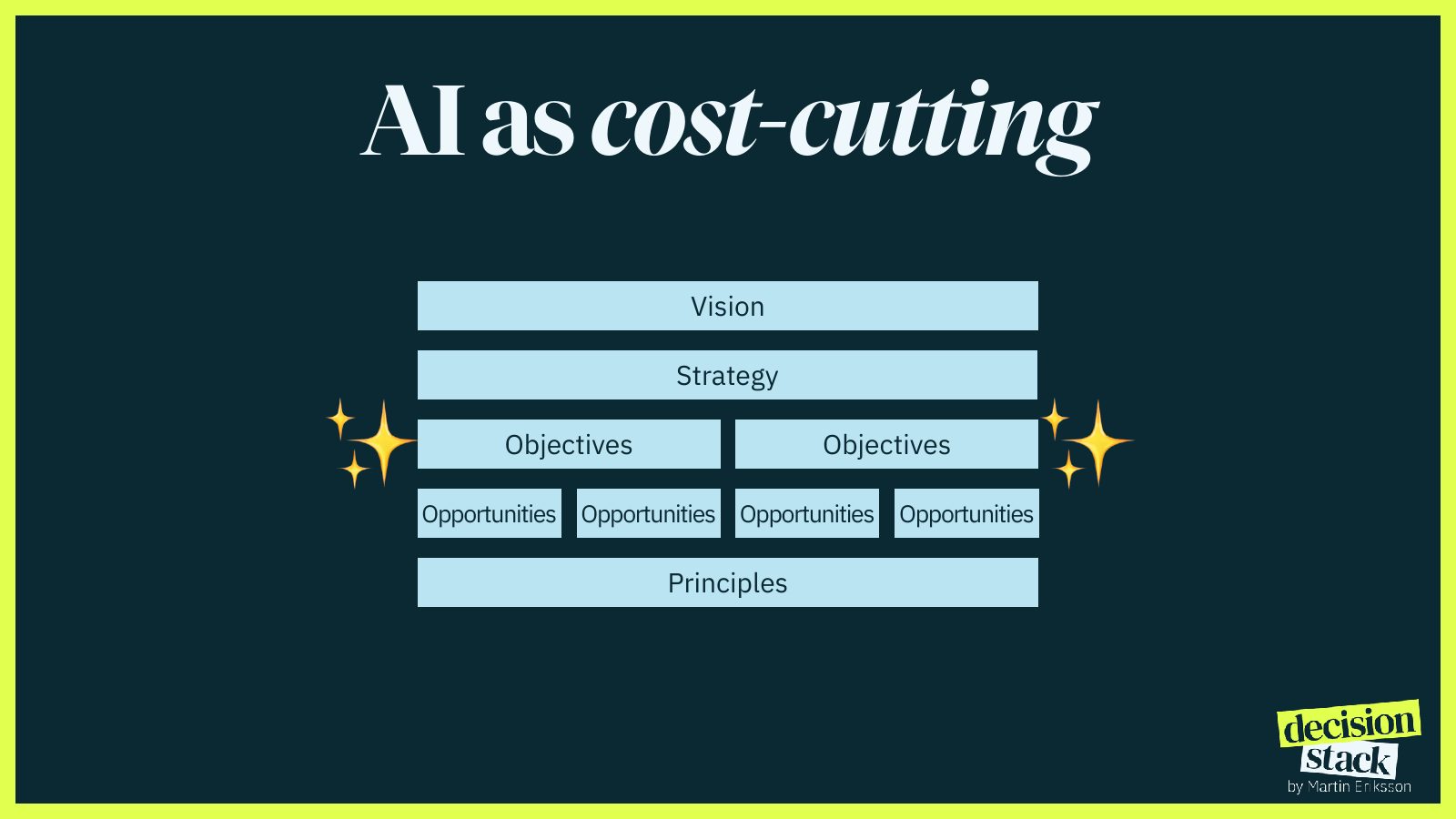
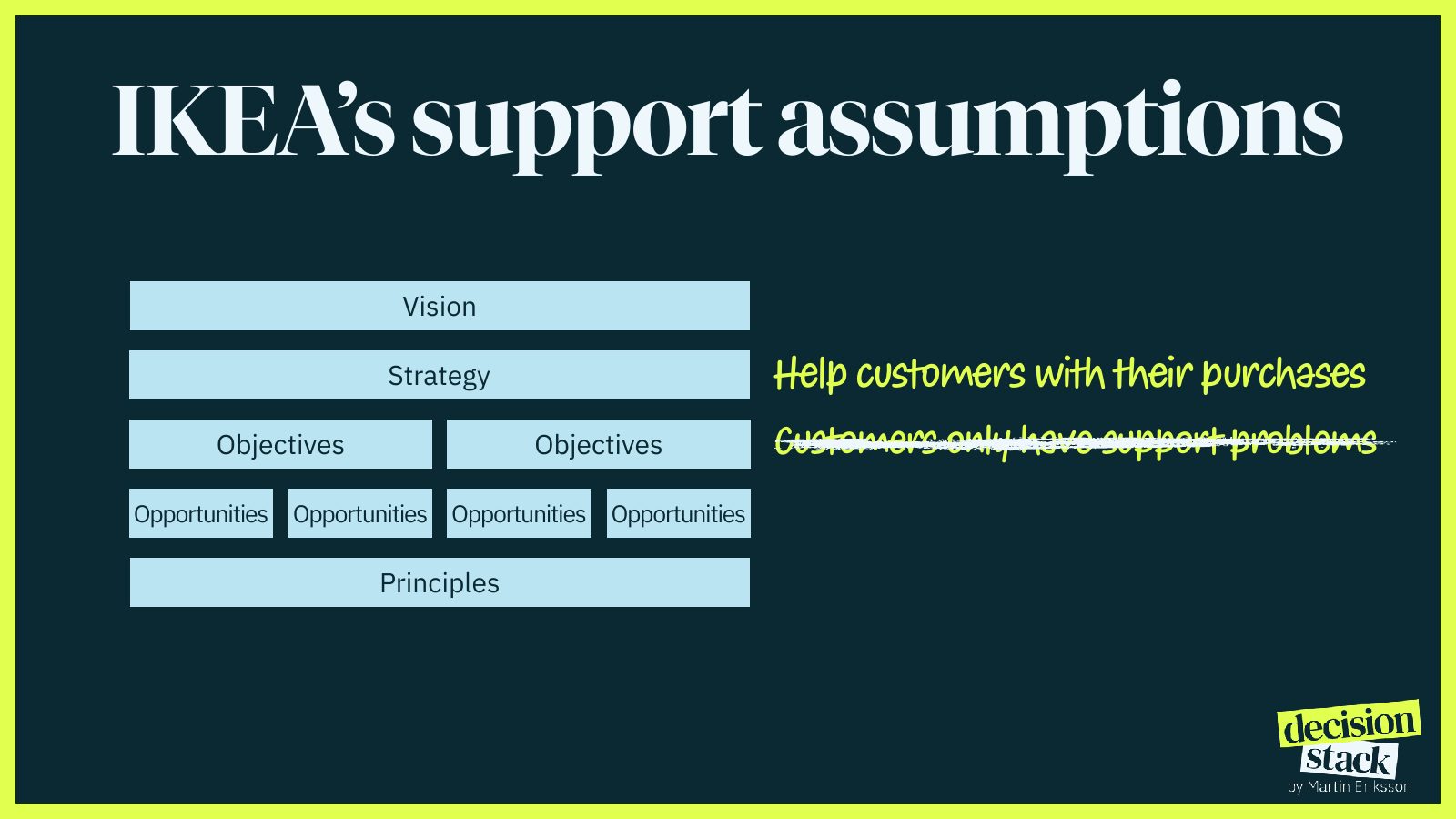
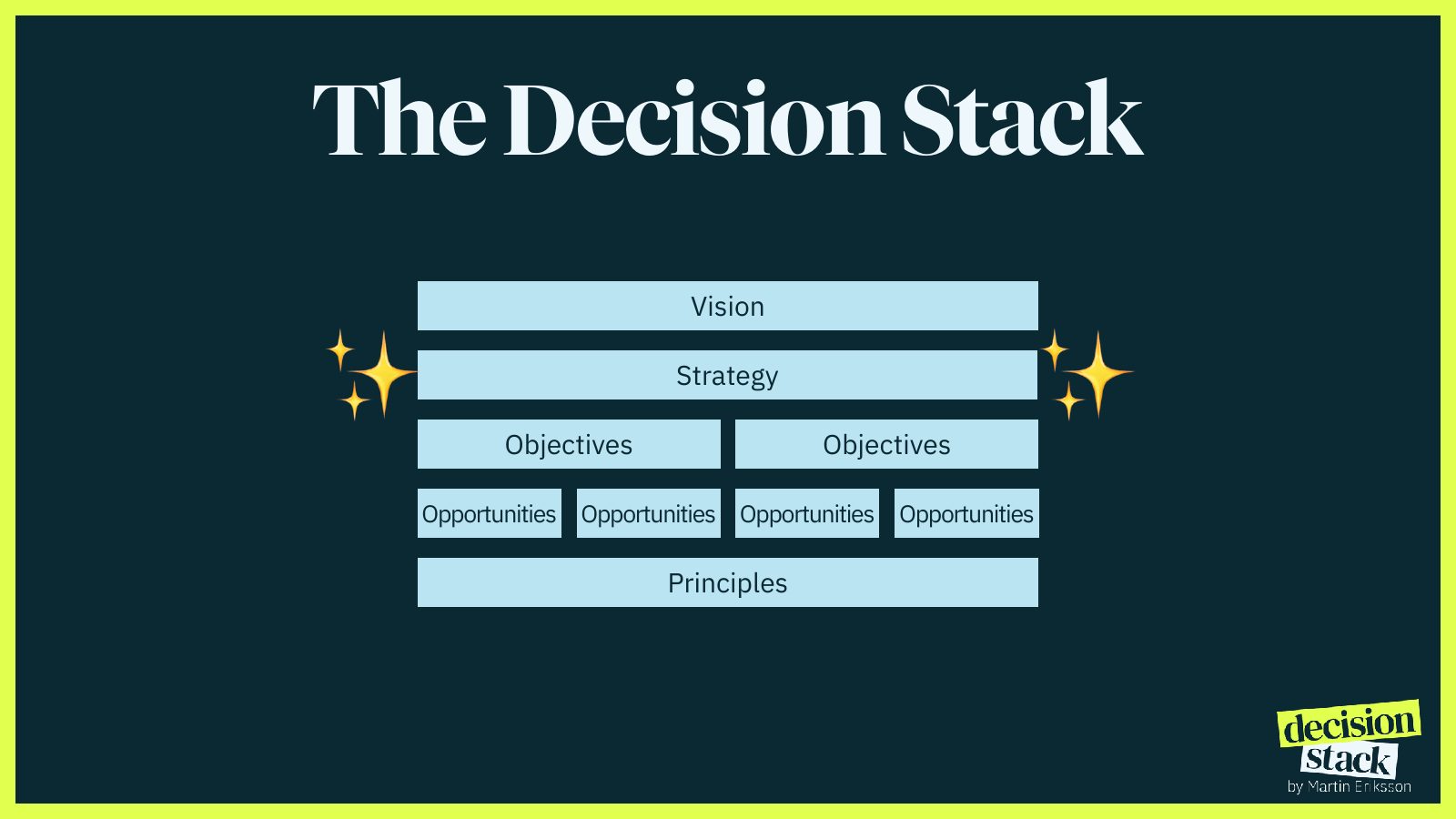
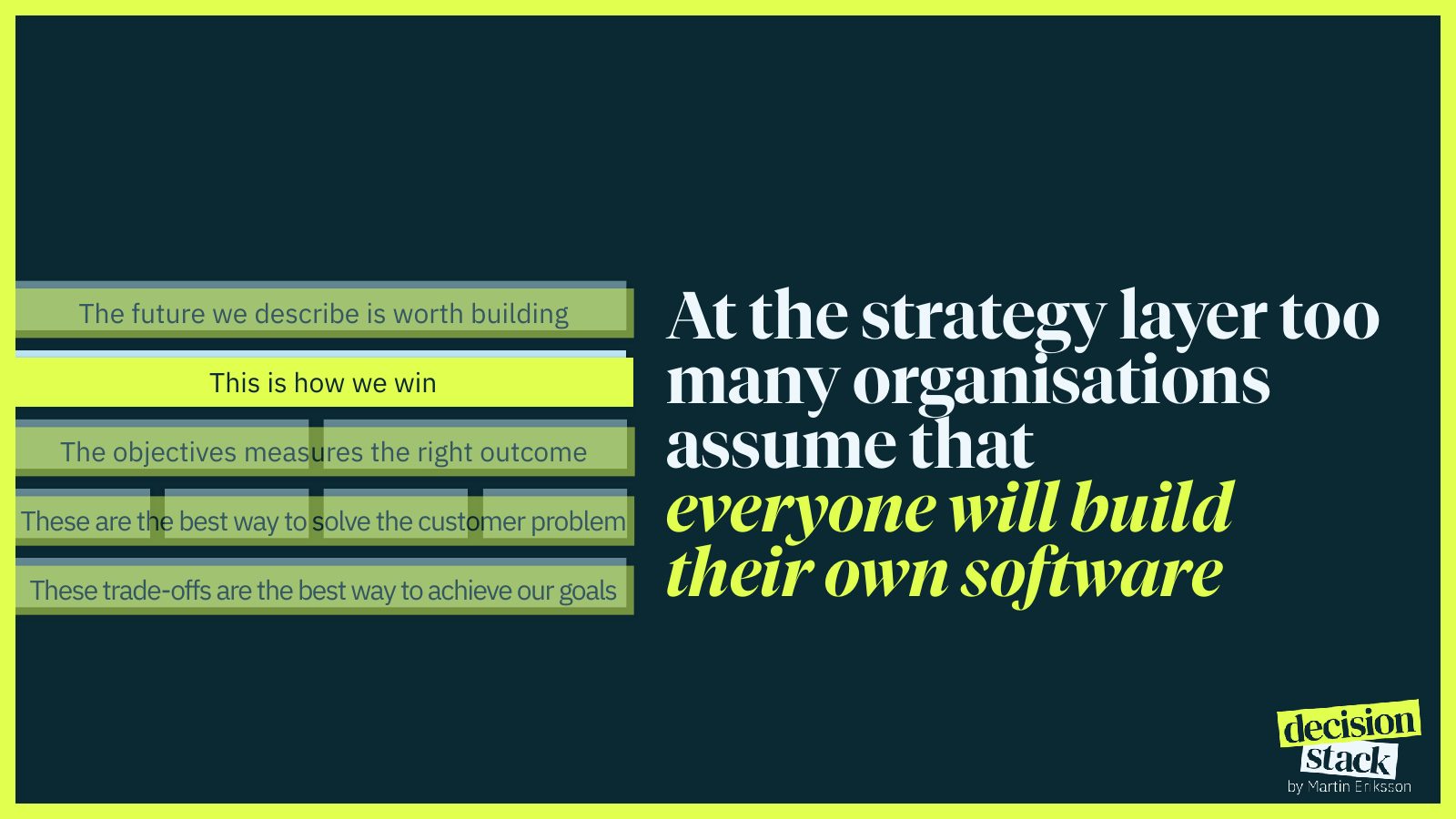
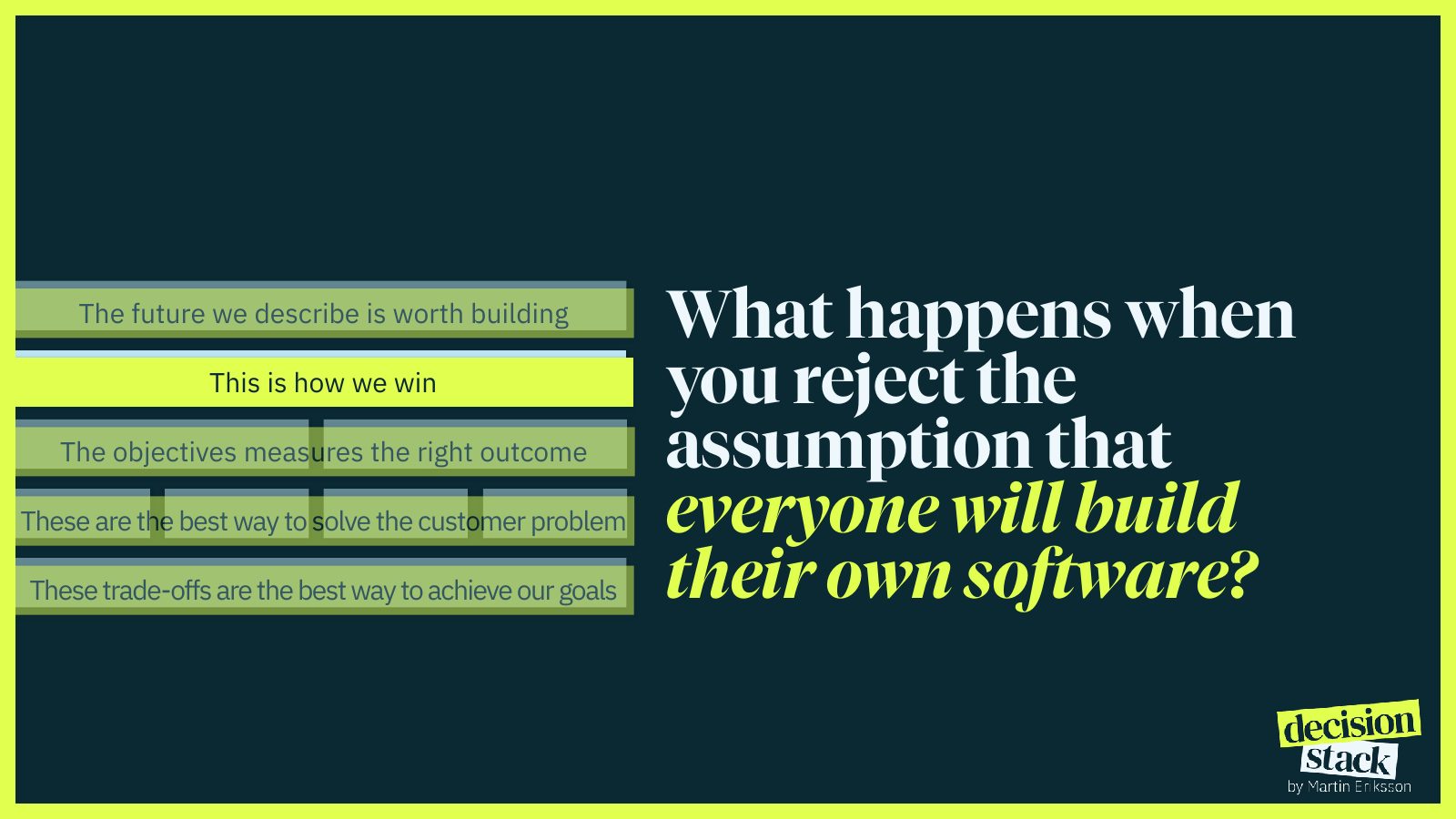
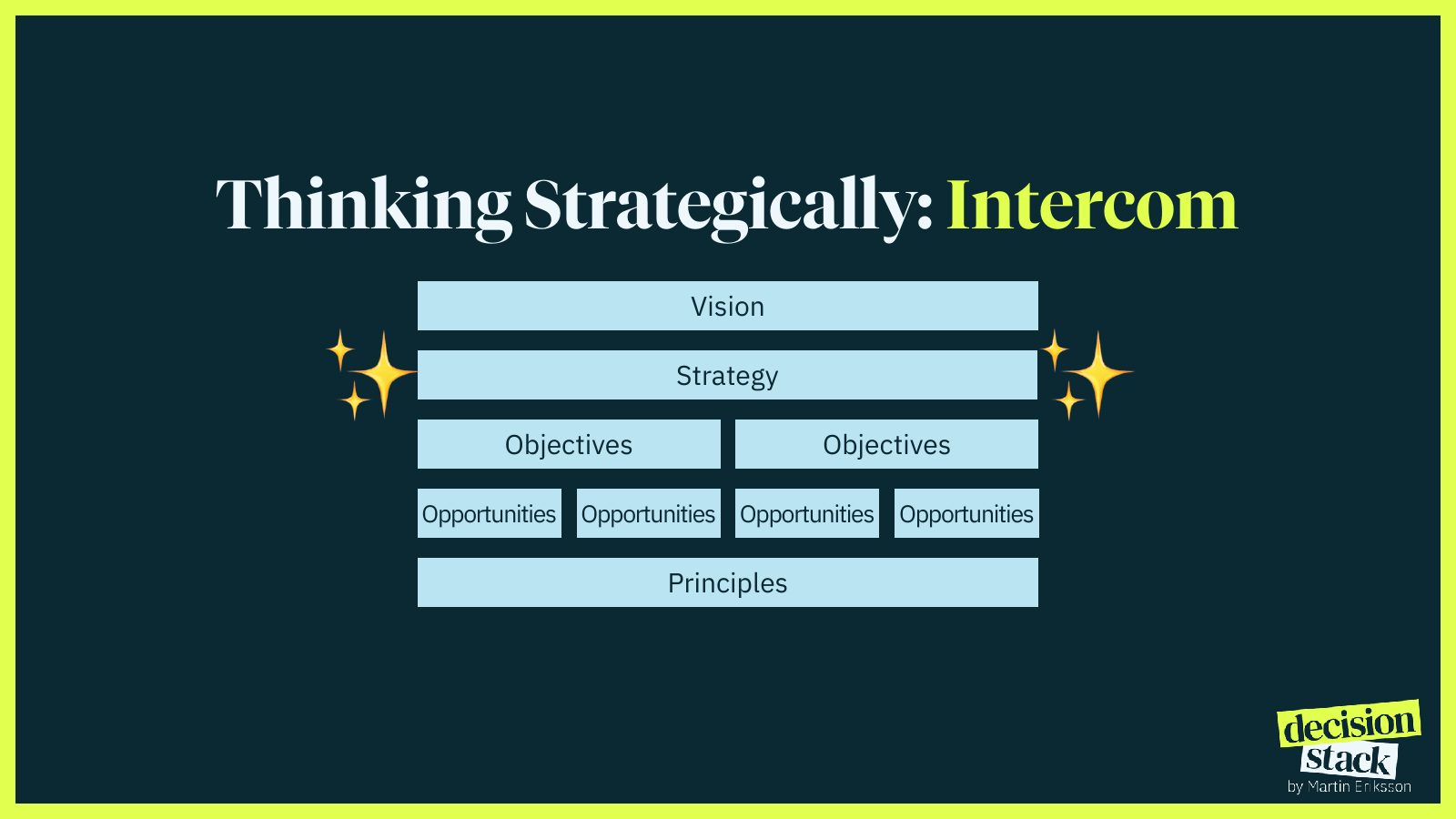
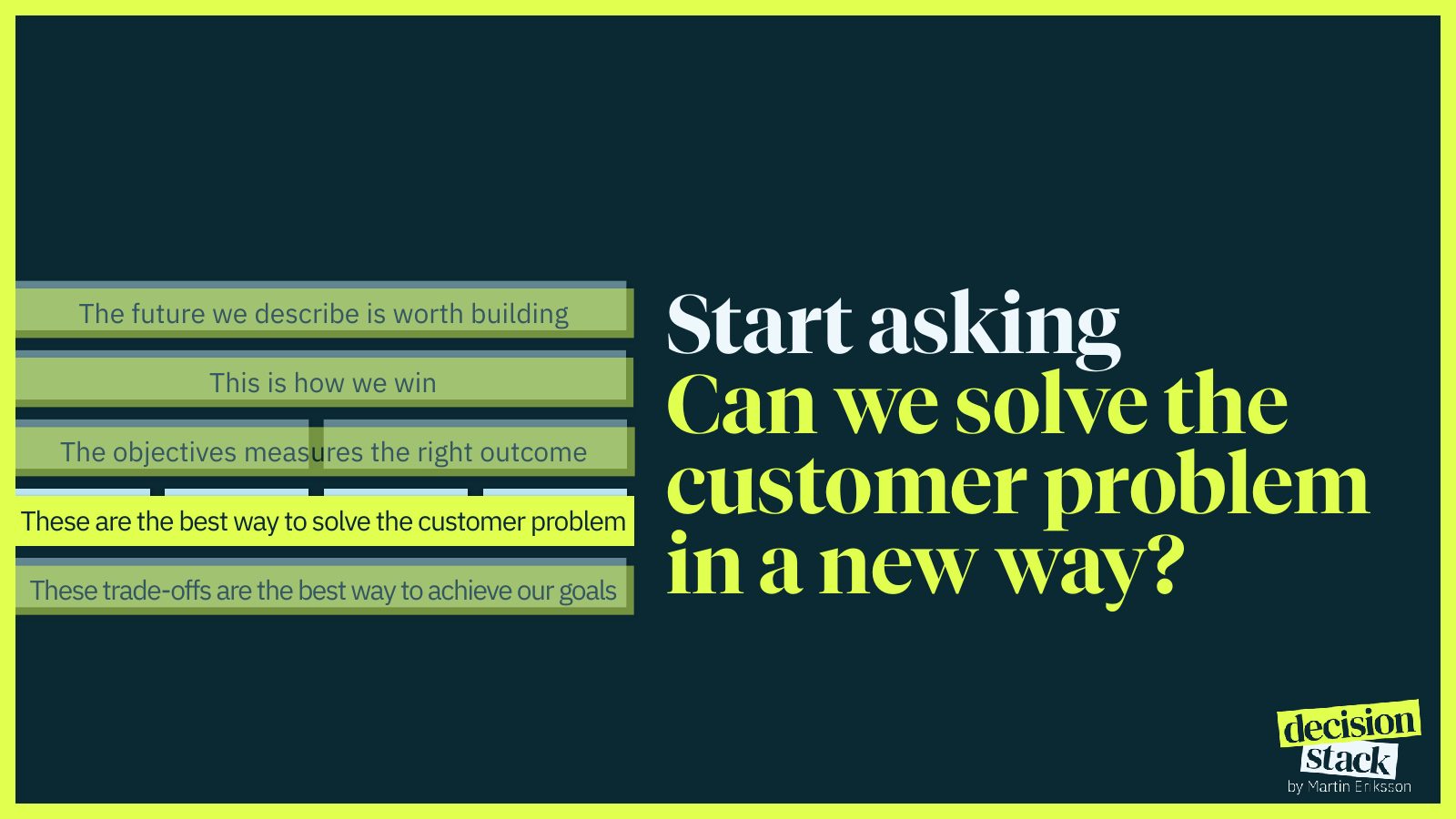
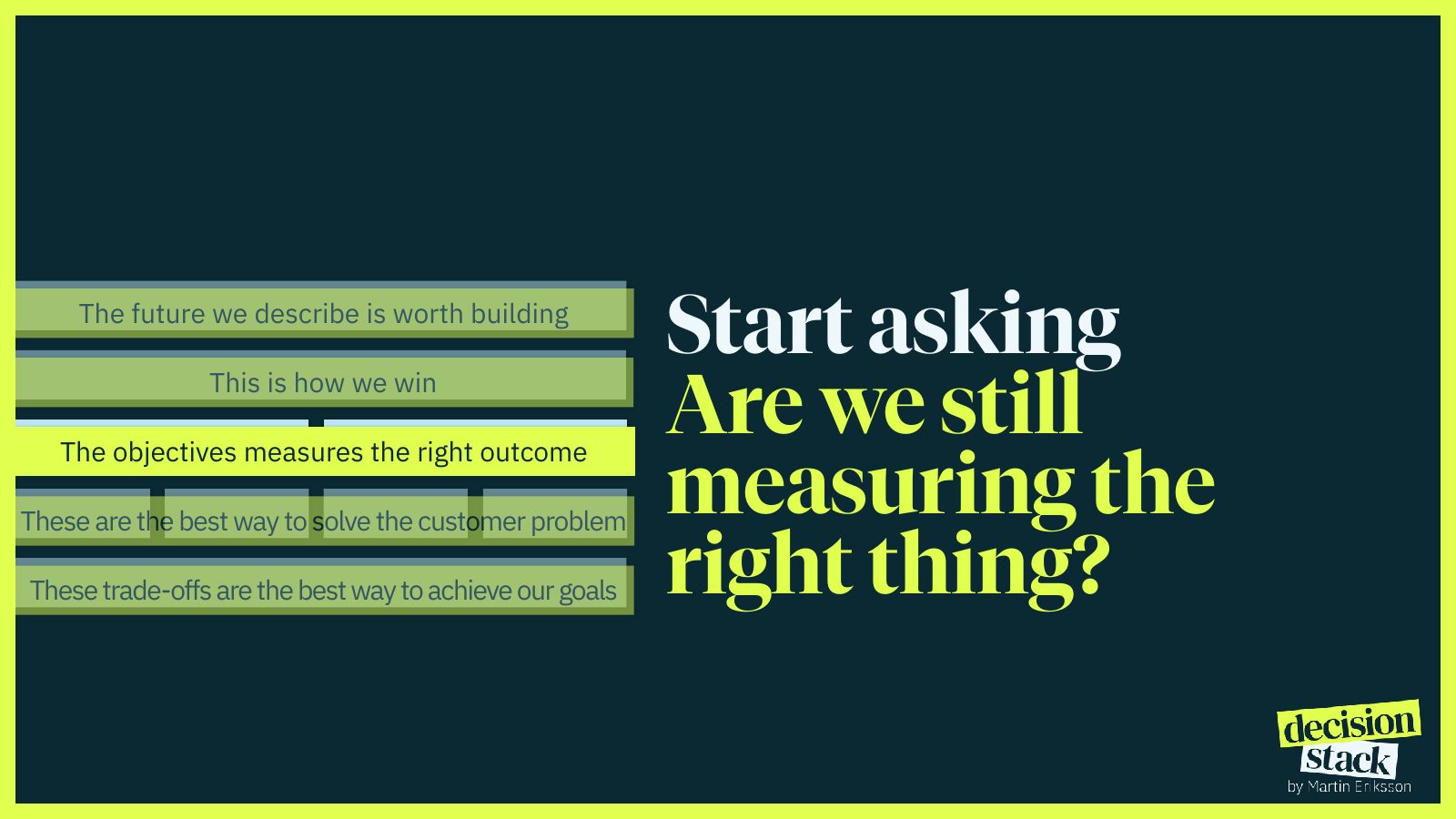
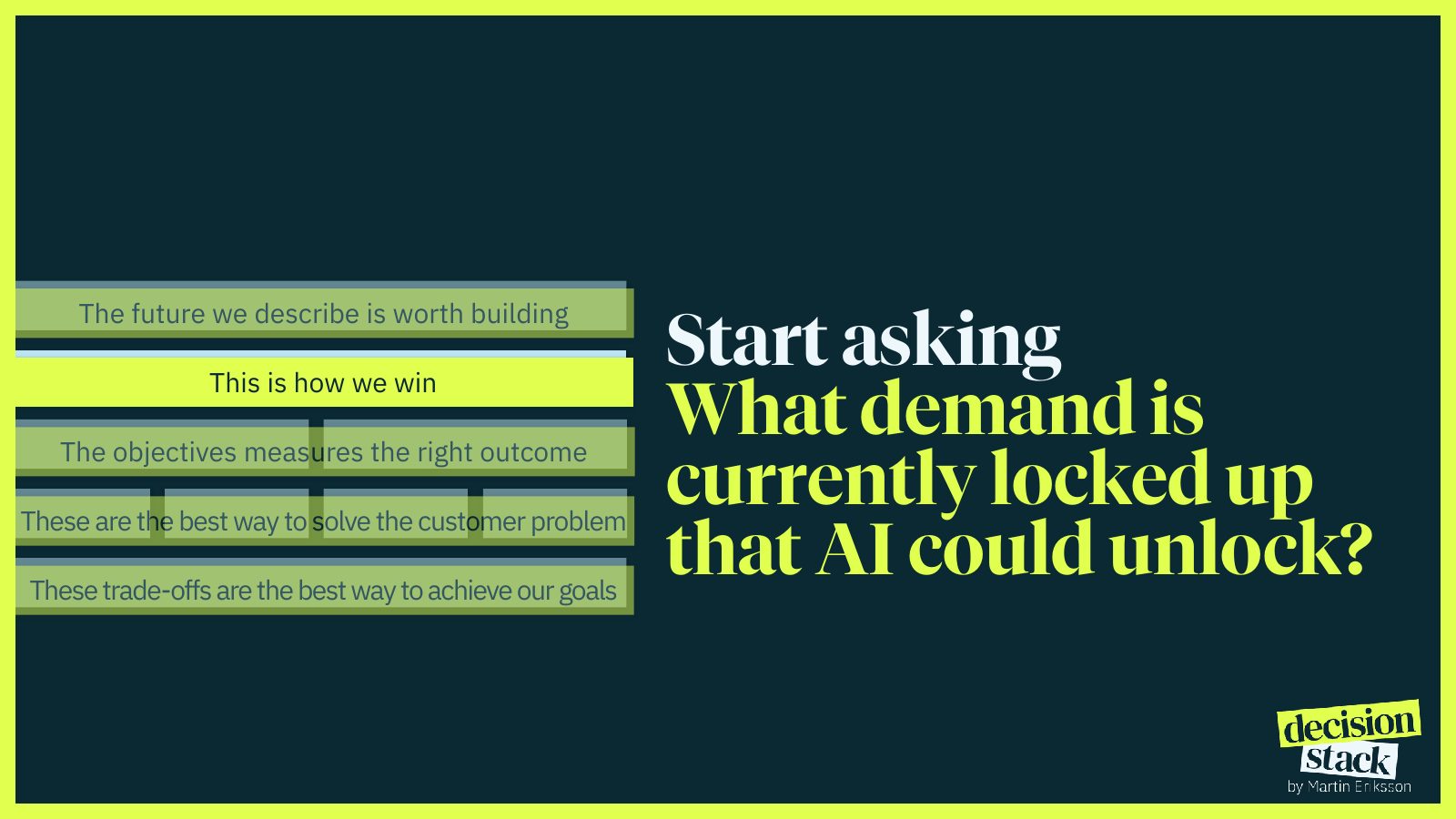
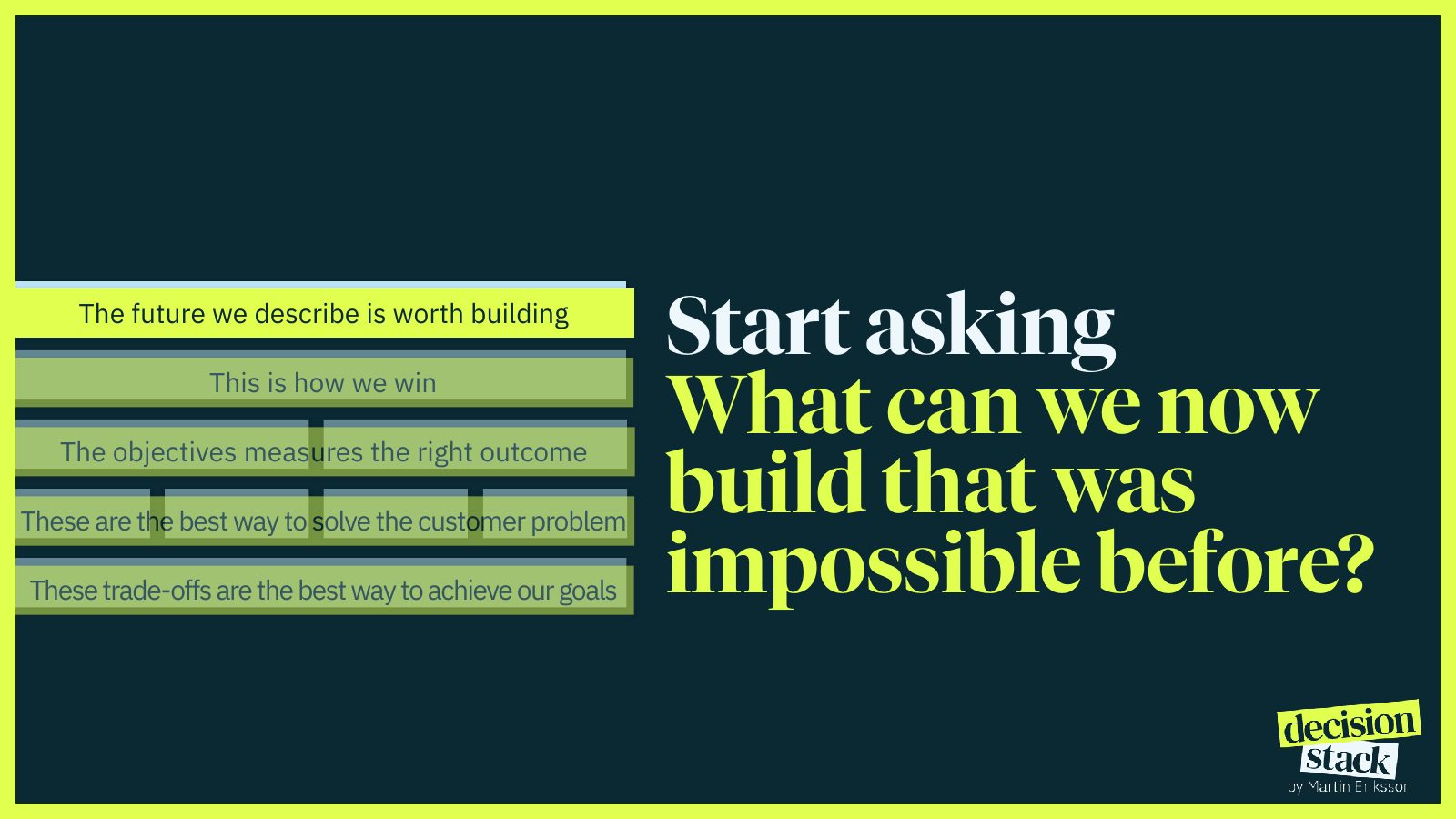
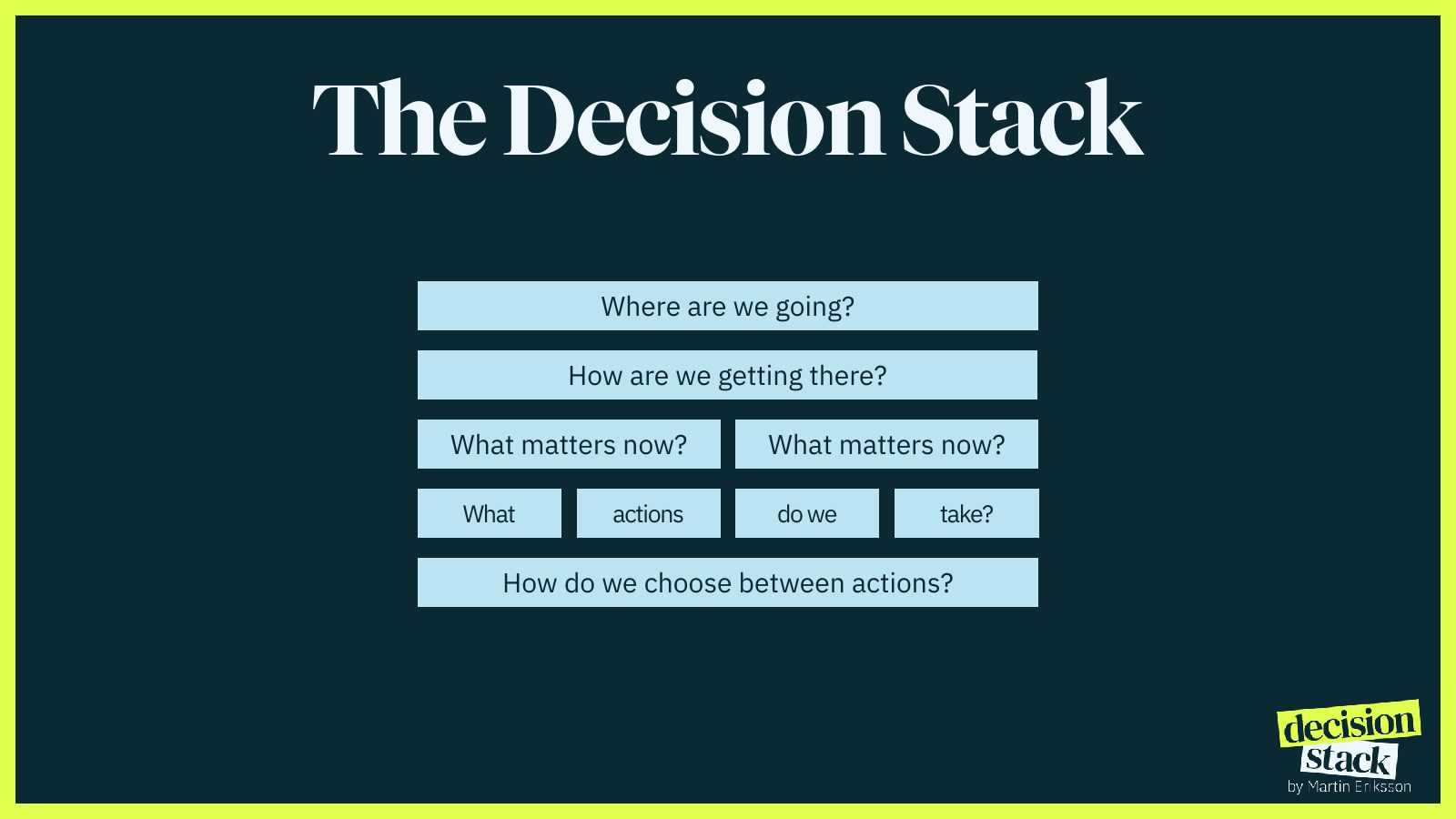
To find it you need to know where it hides. After 30 years in product, co-authoring Product Leadership and advising about 150 companies, Martin boils it down to five questions: where are we going, how do we get there, what matters now, which actions do we take, how do we choose between them. He answers them with vision, strategy, objectives, opportunities and principles, the Decision Stack, but any framework works as long as the layers connect top down through how and bottom up through why. Every layer is a decision, and every decision rests on assumptions. Most companies have a vision on a lobby poster, a strategy in a PowerPoint on a file server, OKRs in a forgotten spreadsheet, and now sprinkle AI strategy on top.

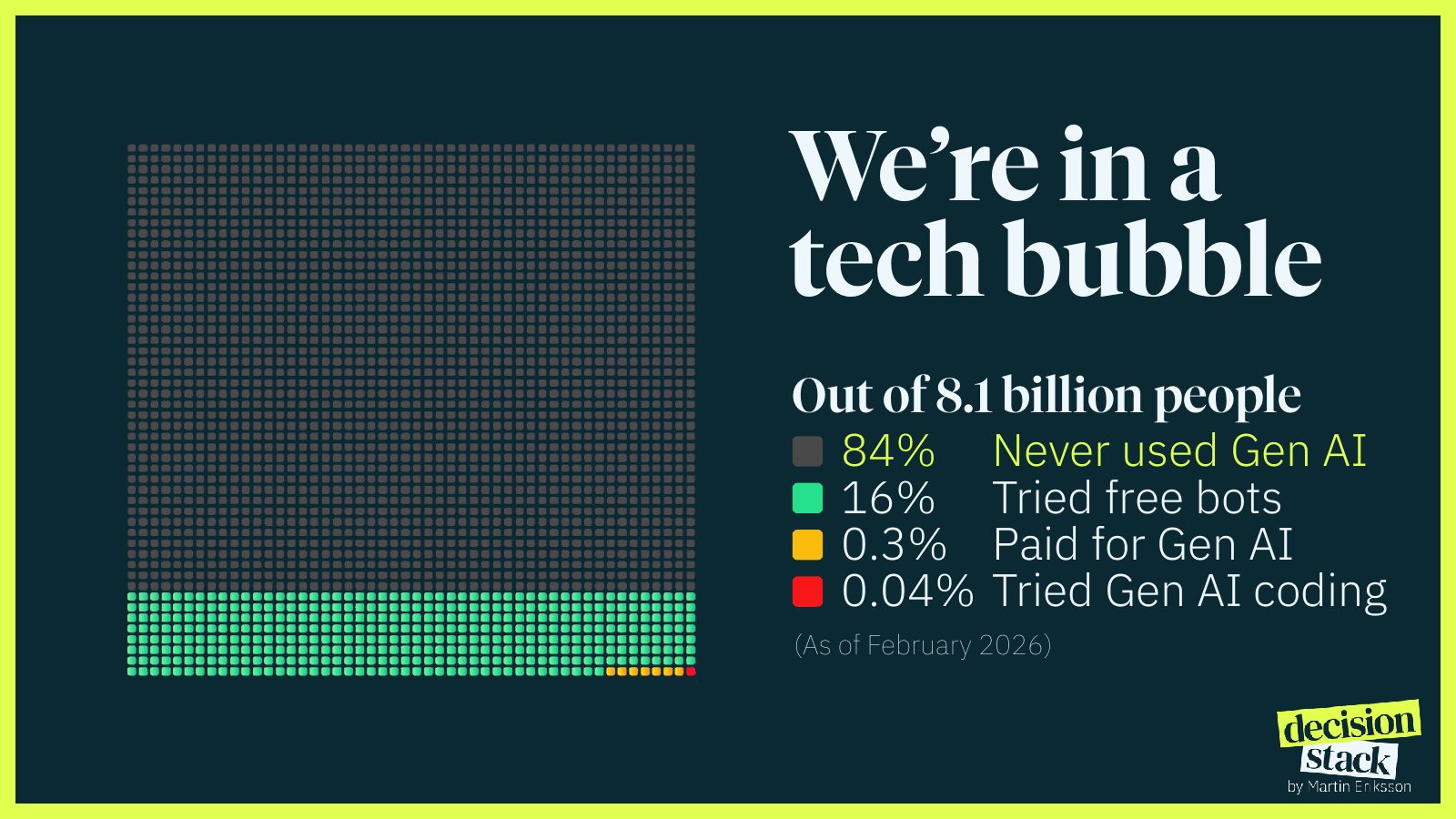
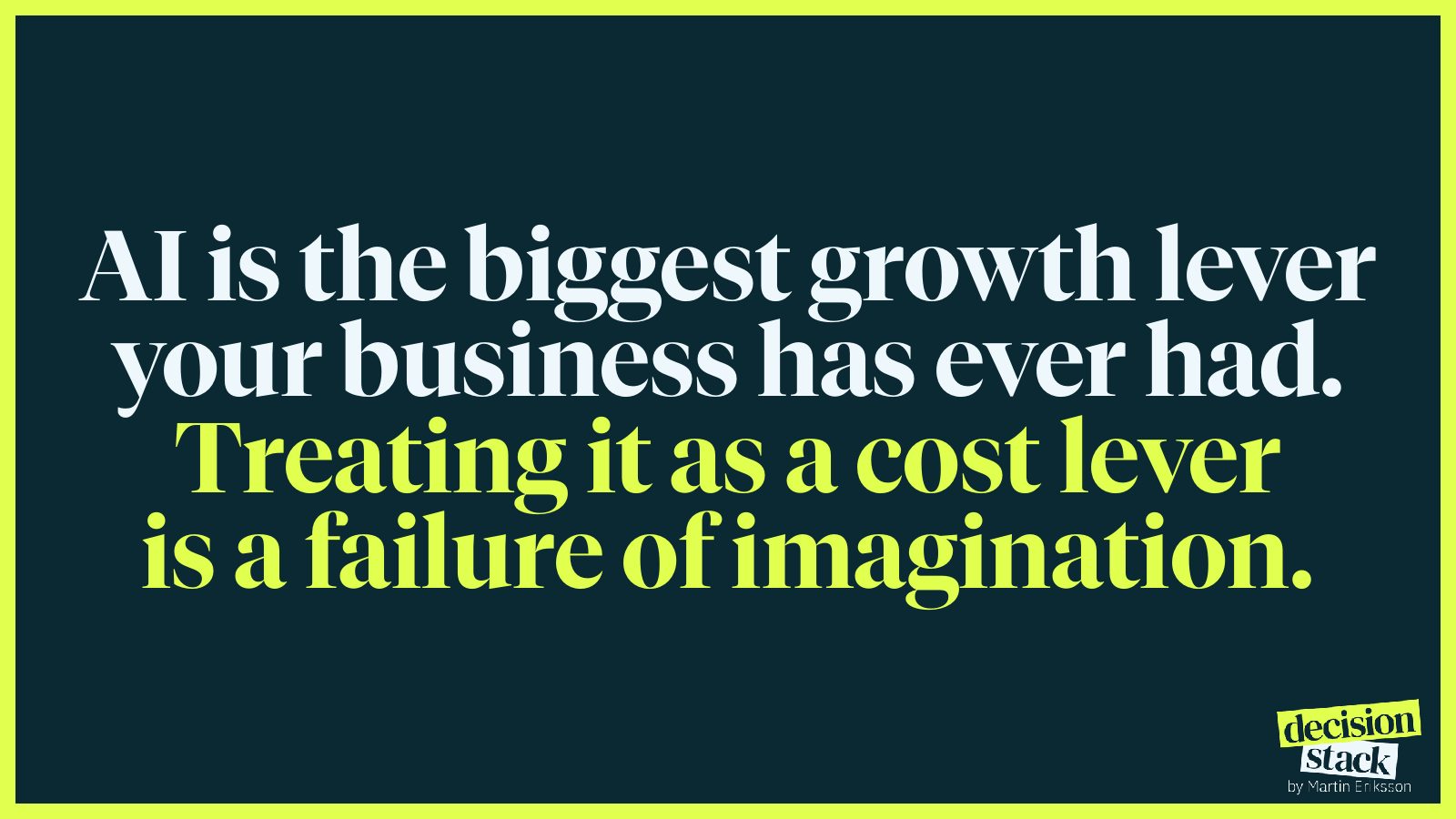
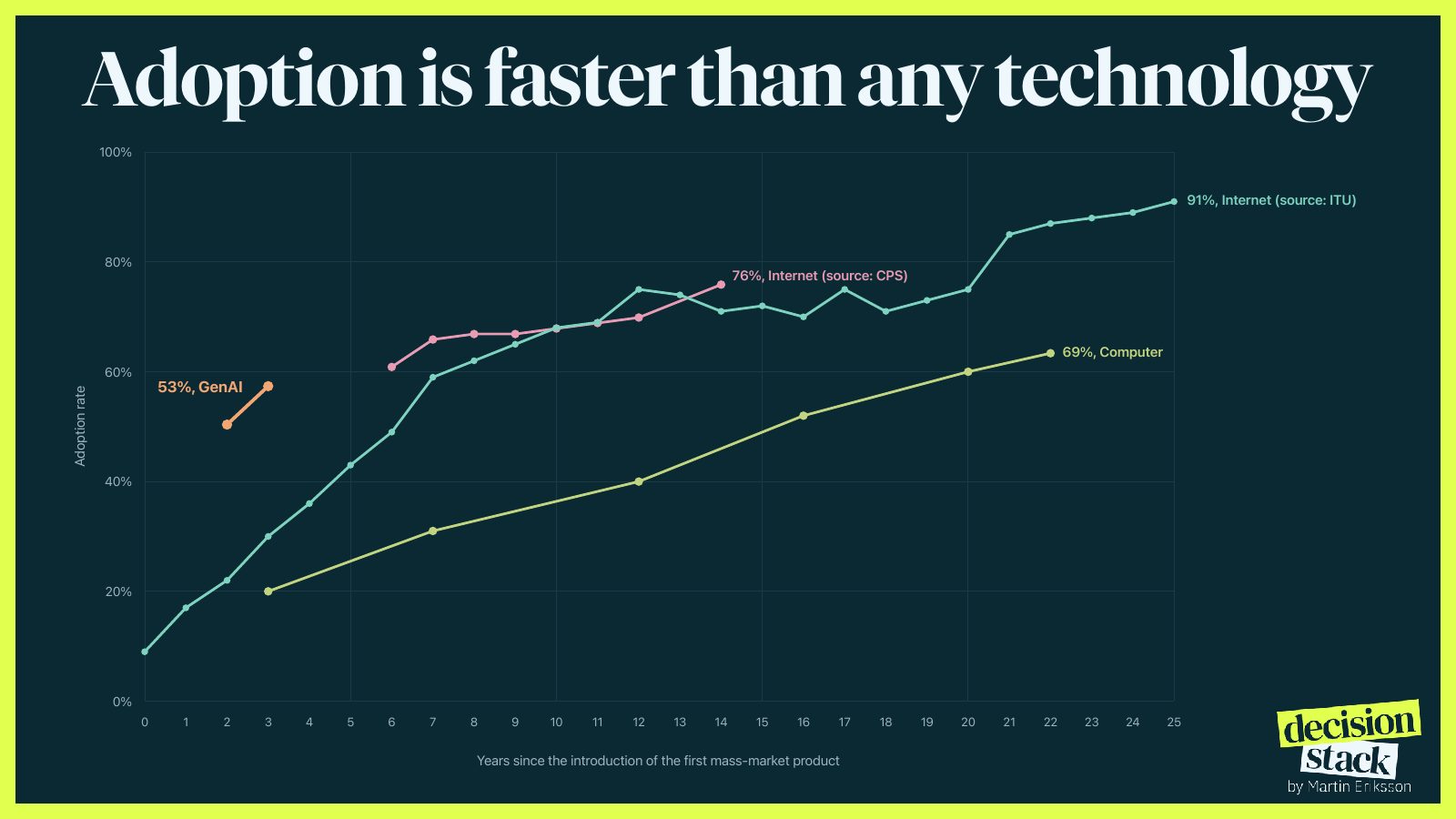
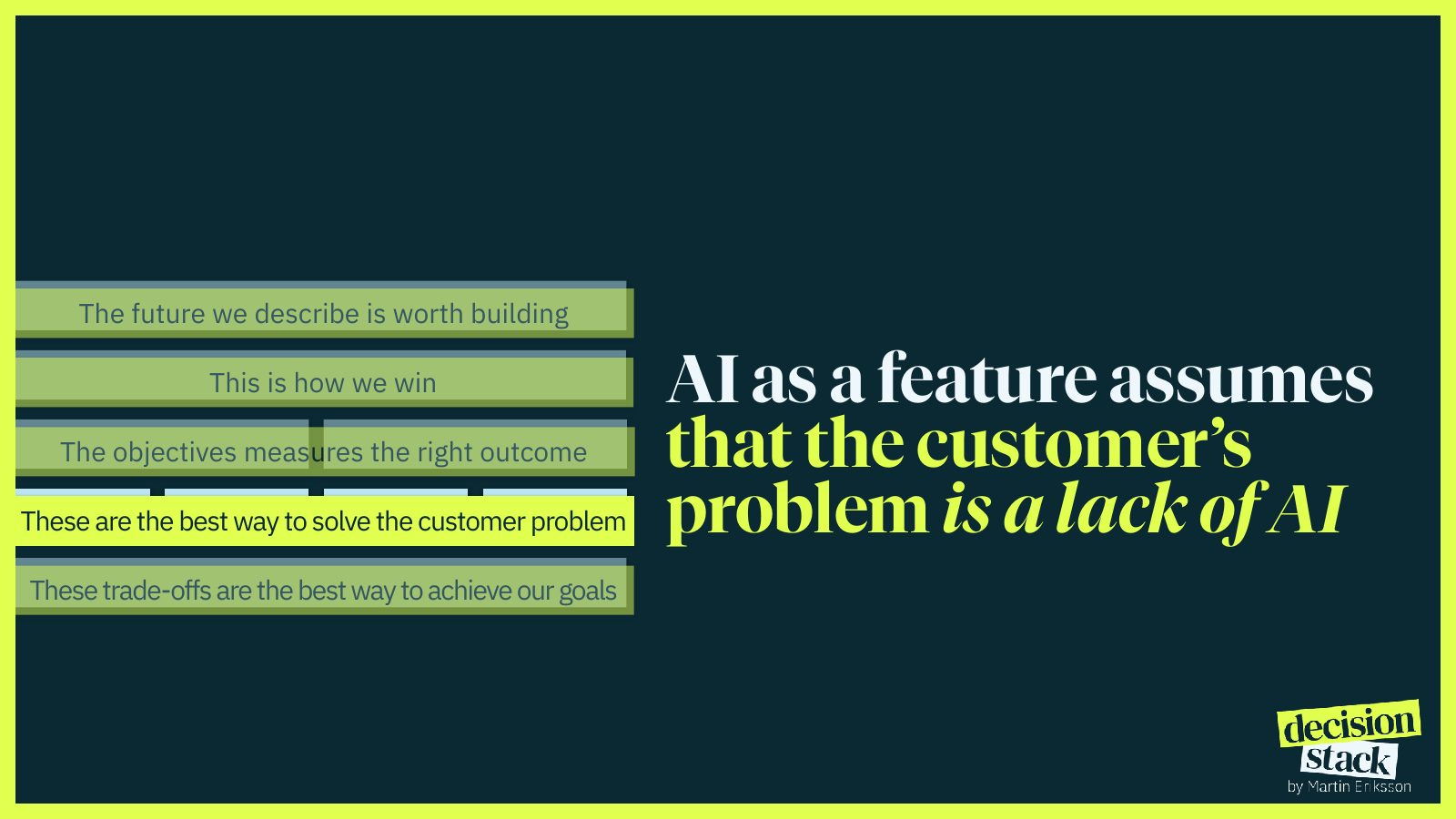
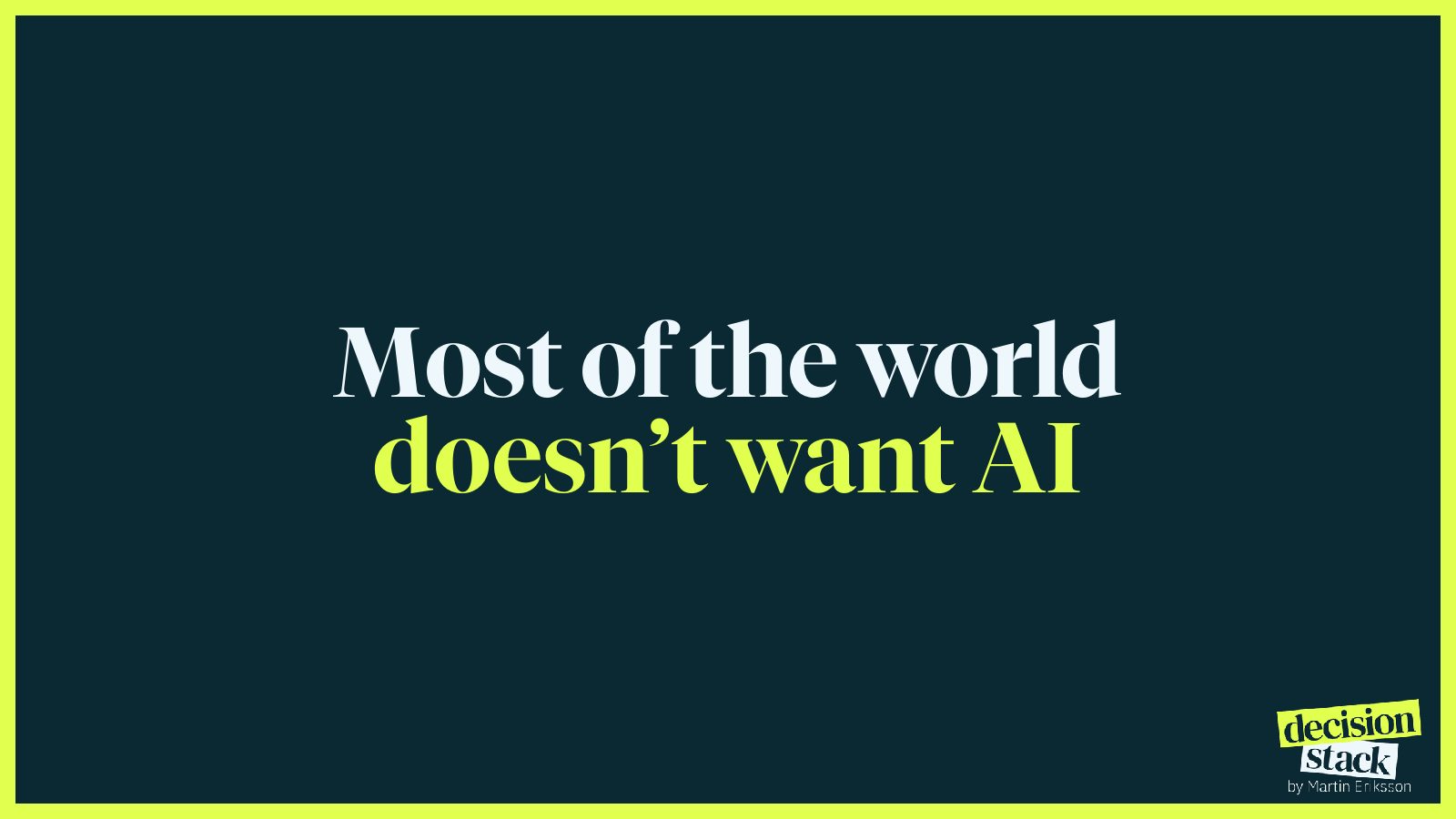
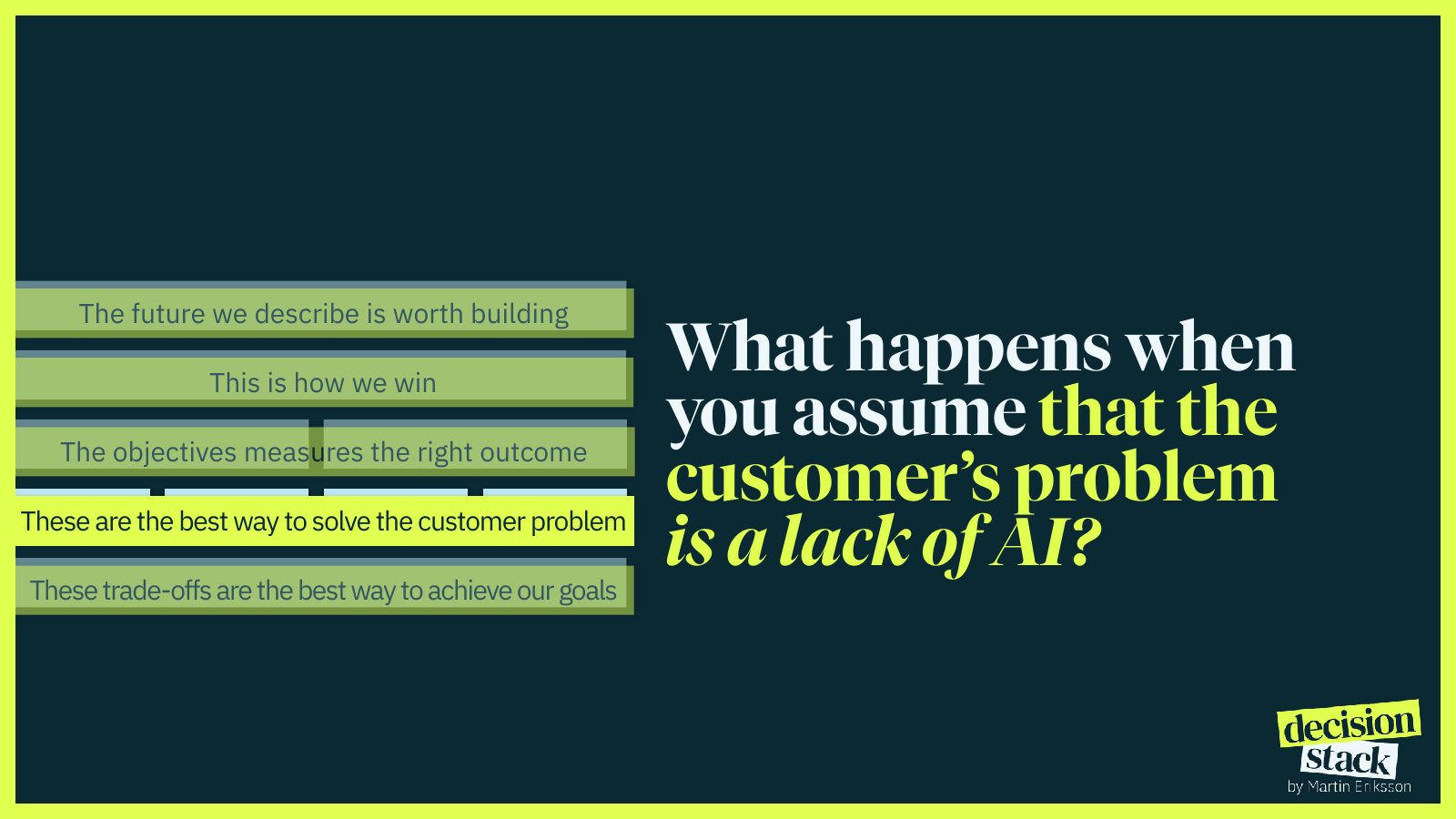
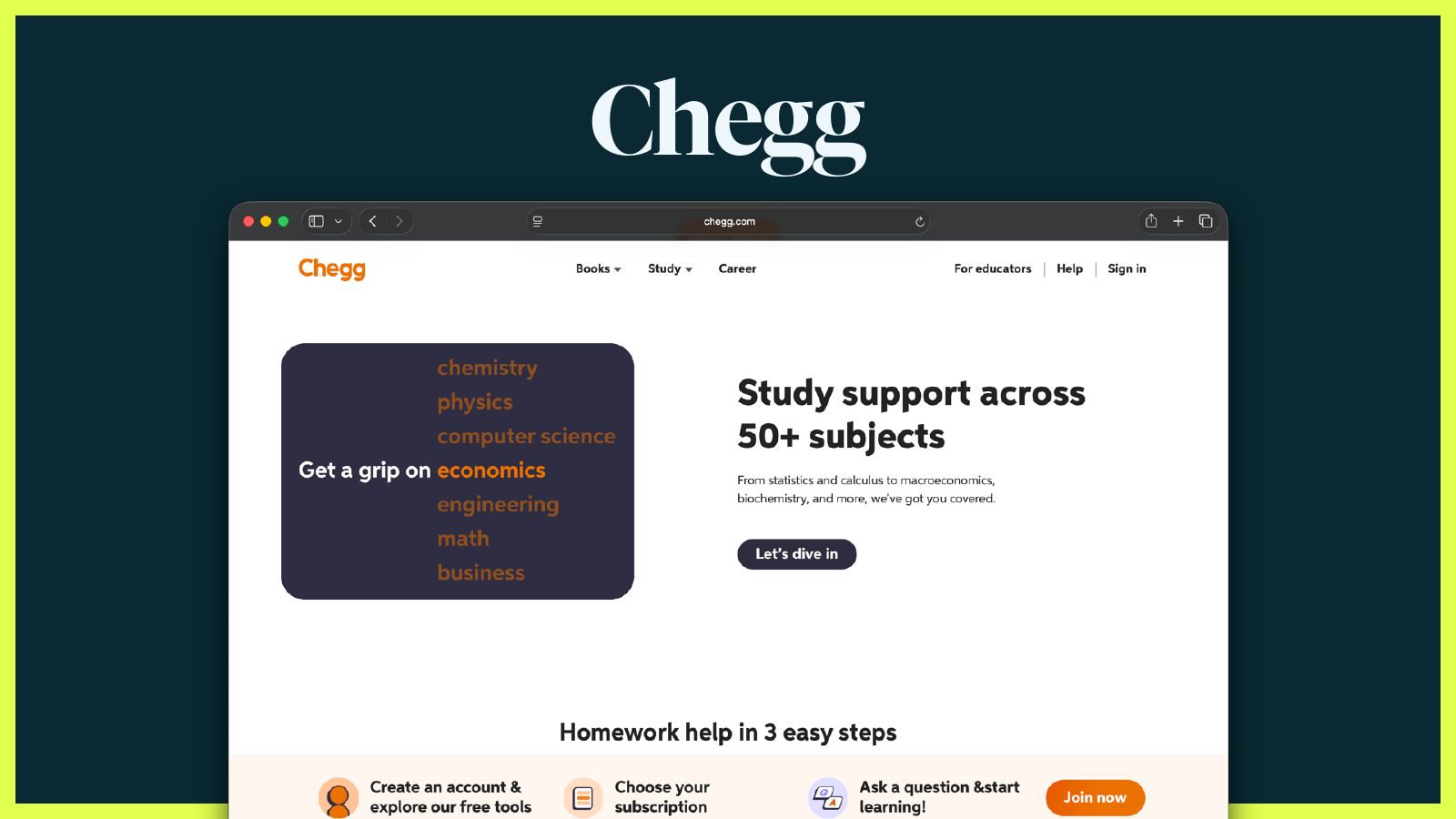
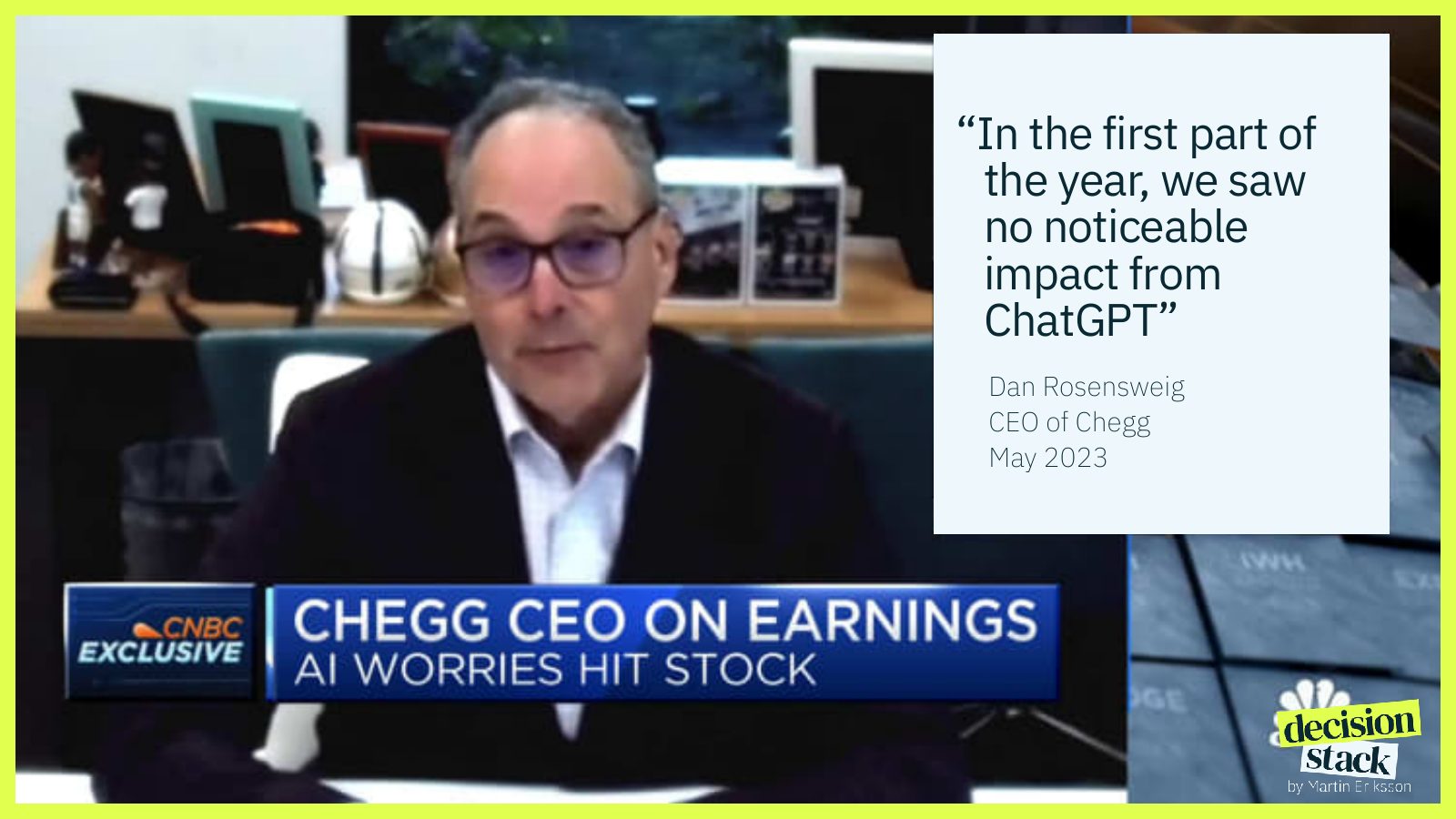
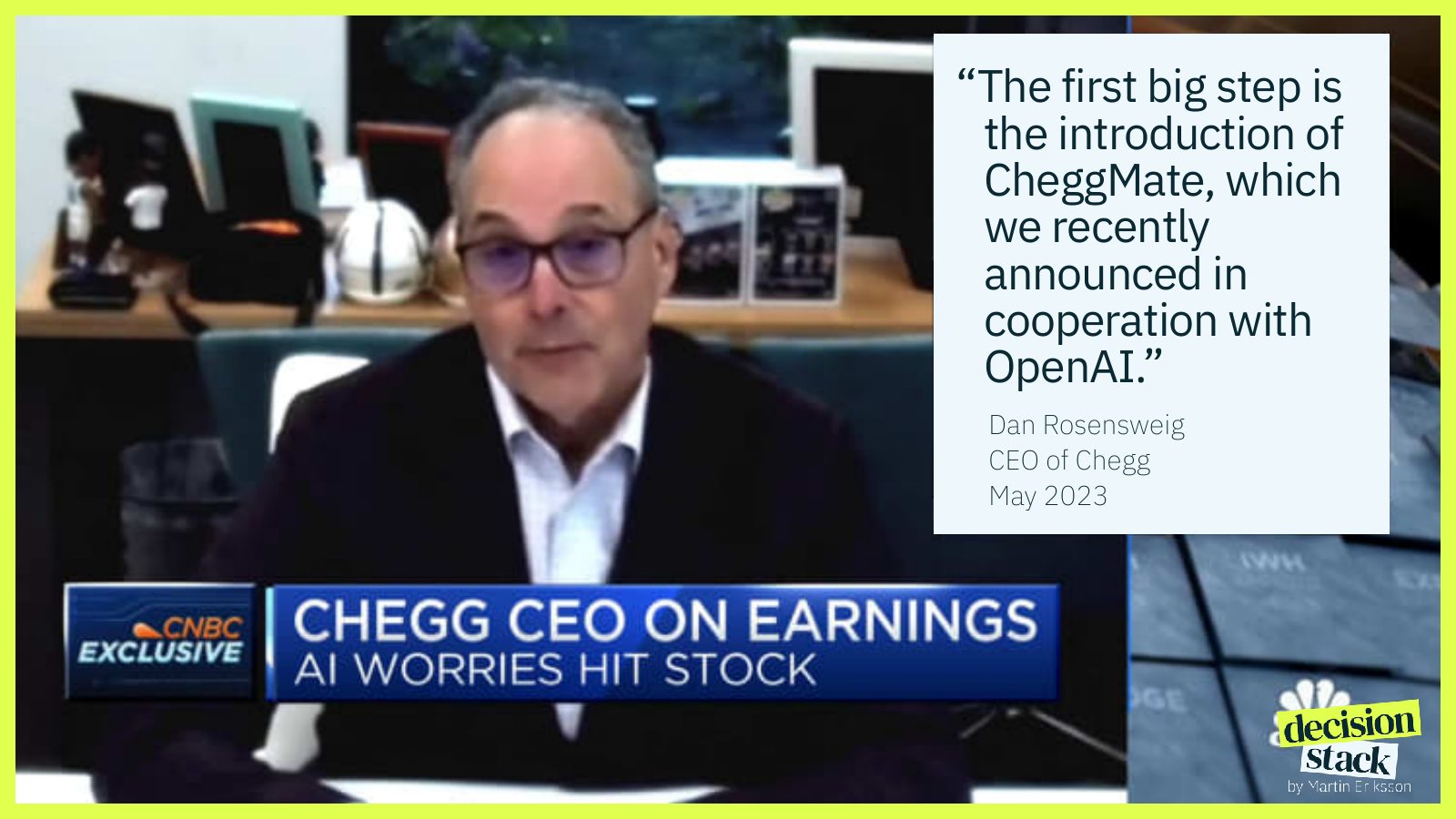
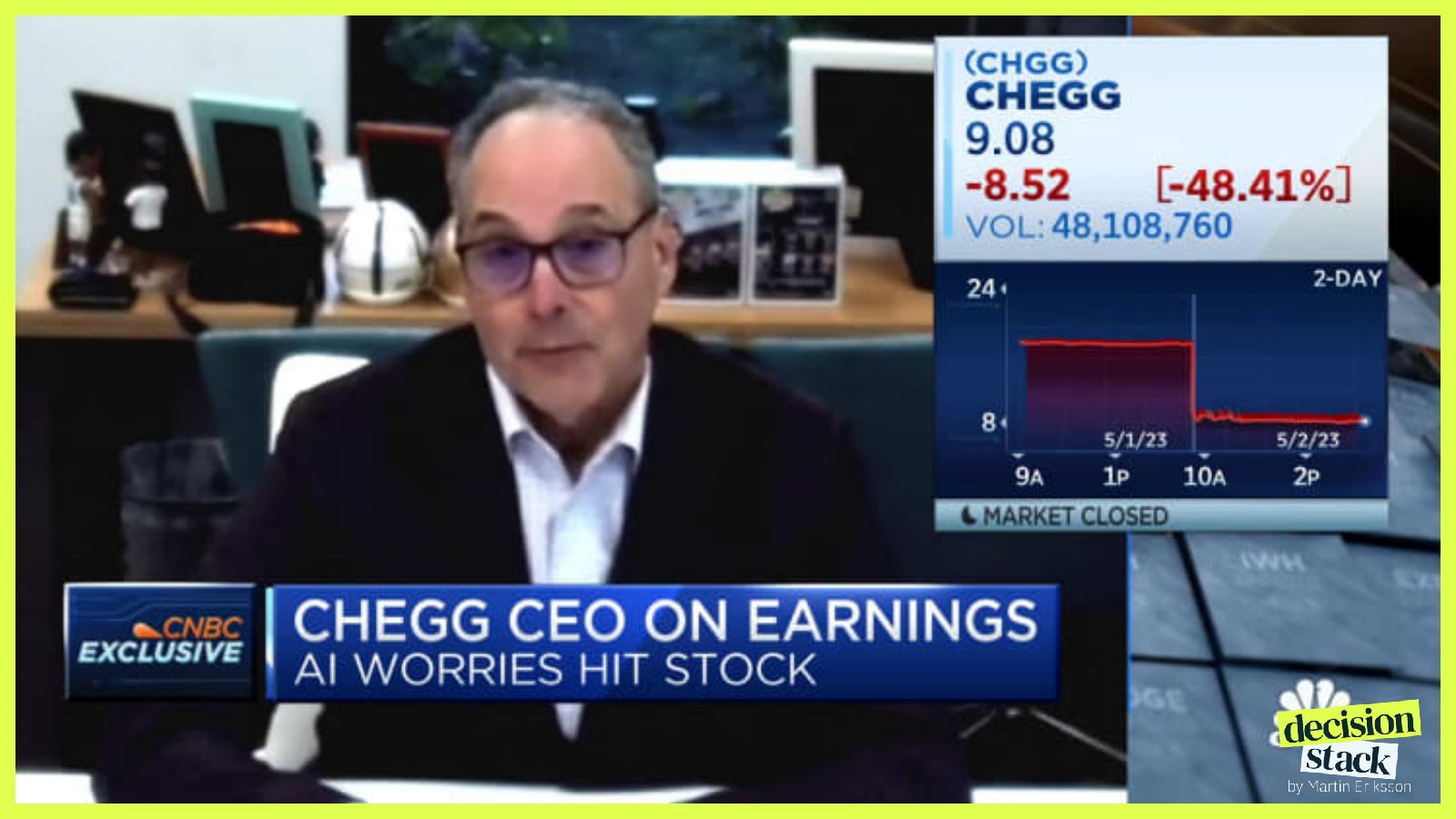
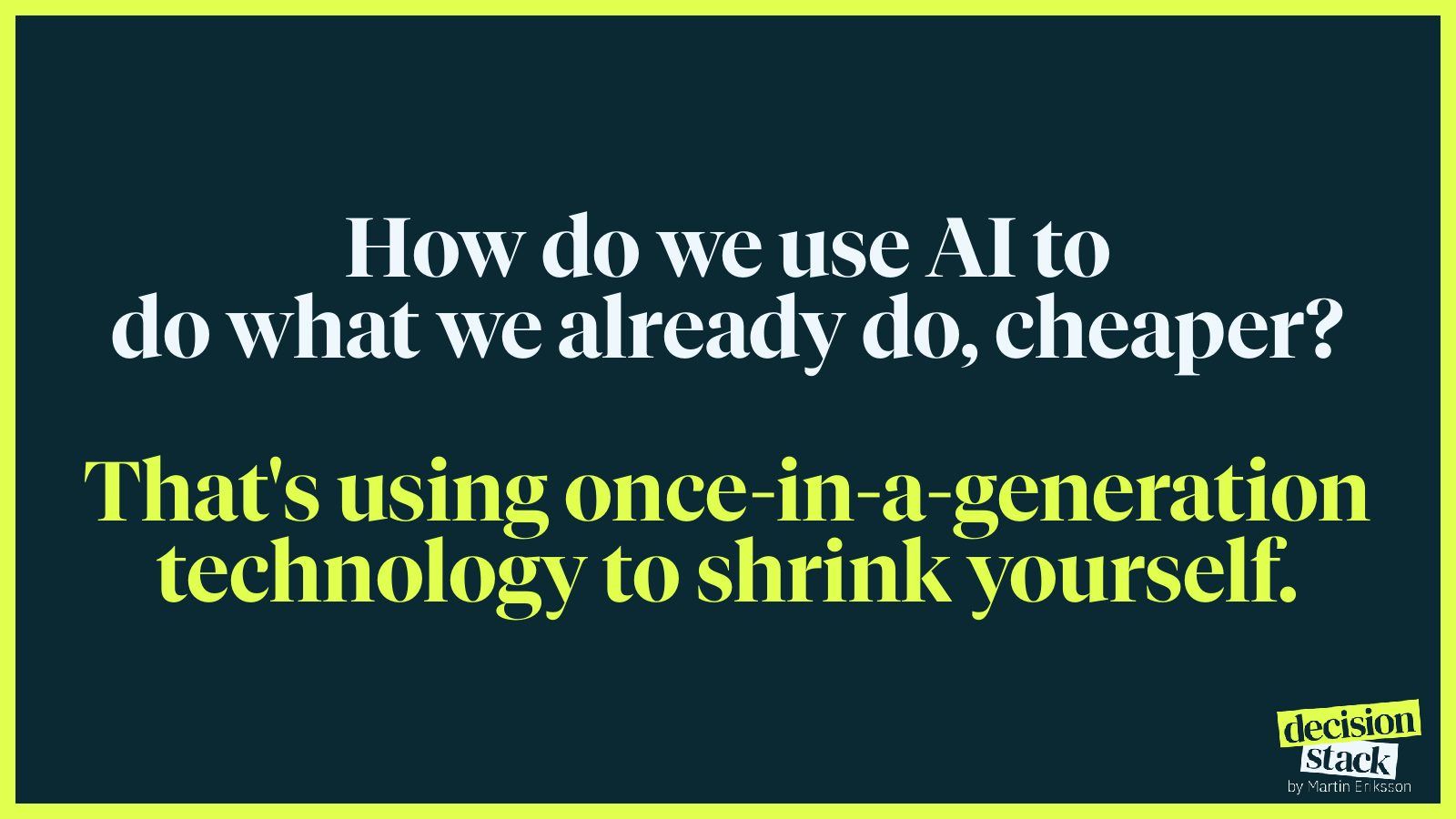
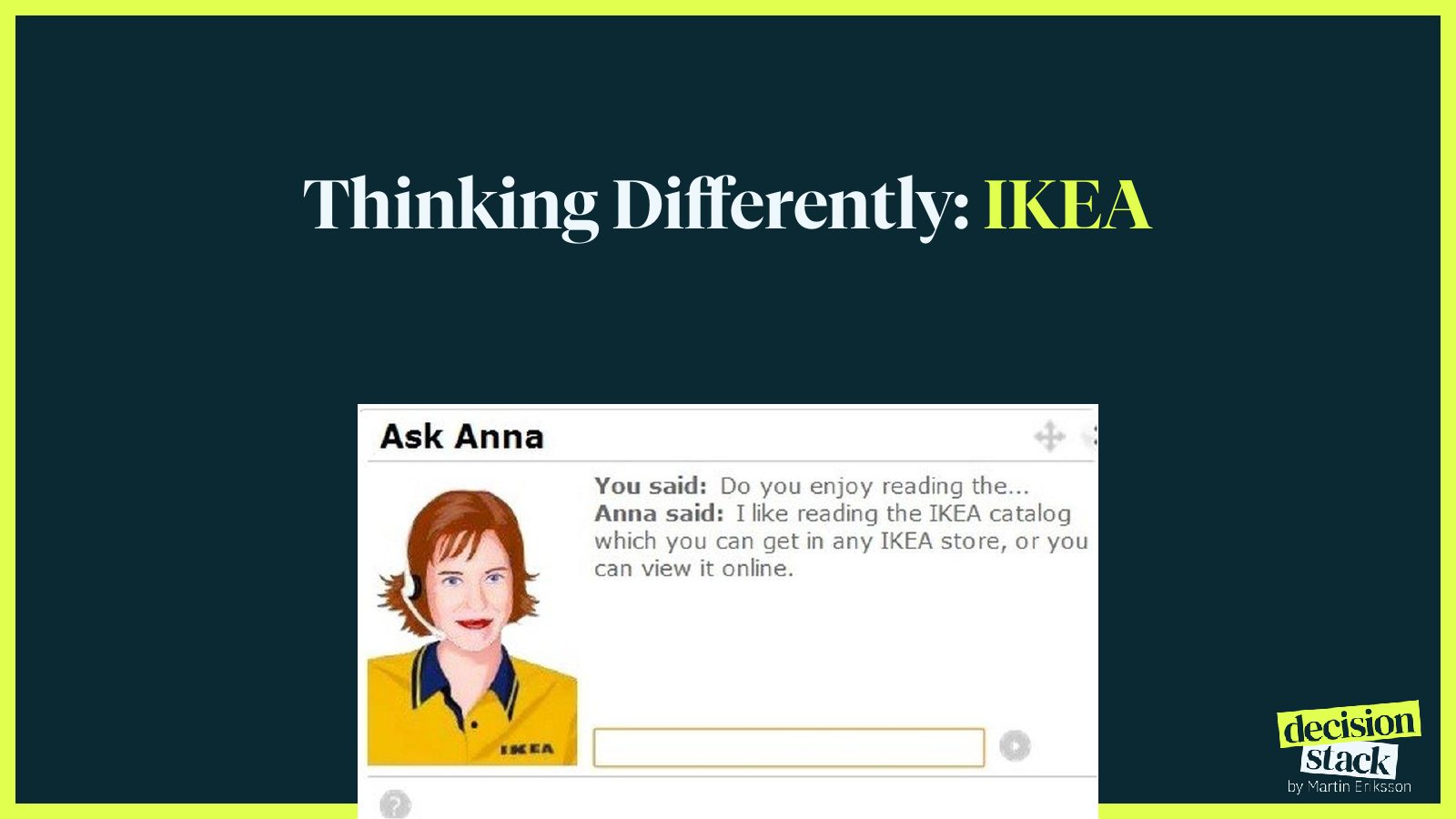
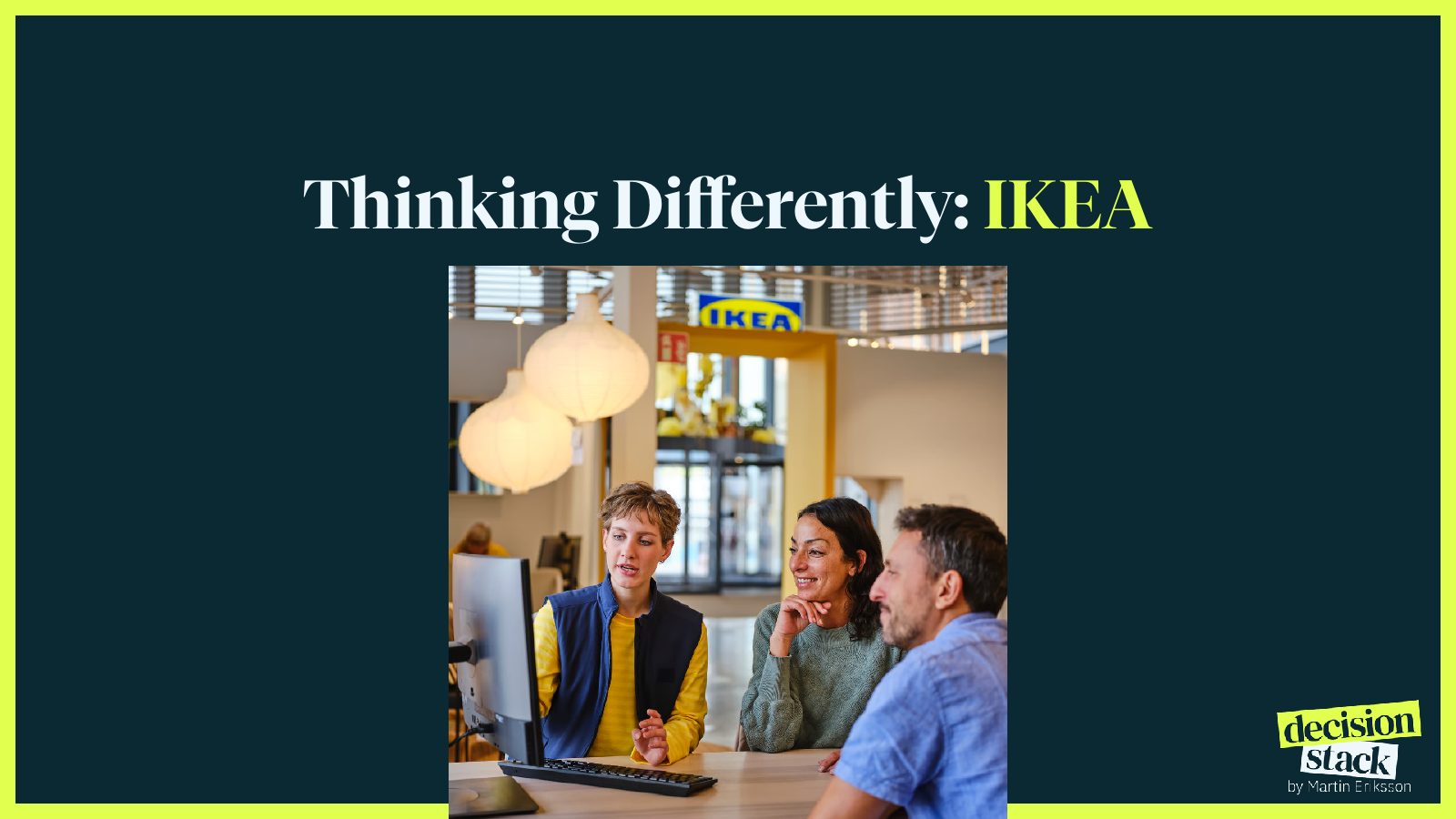
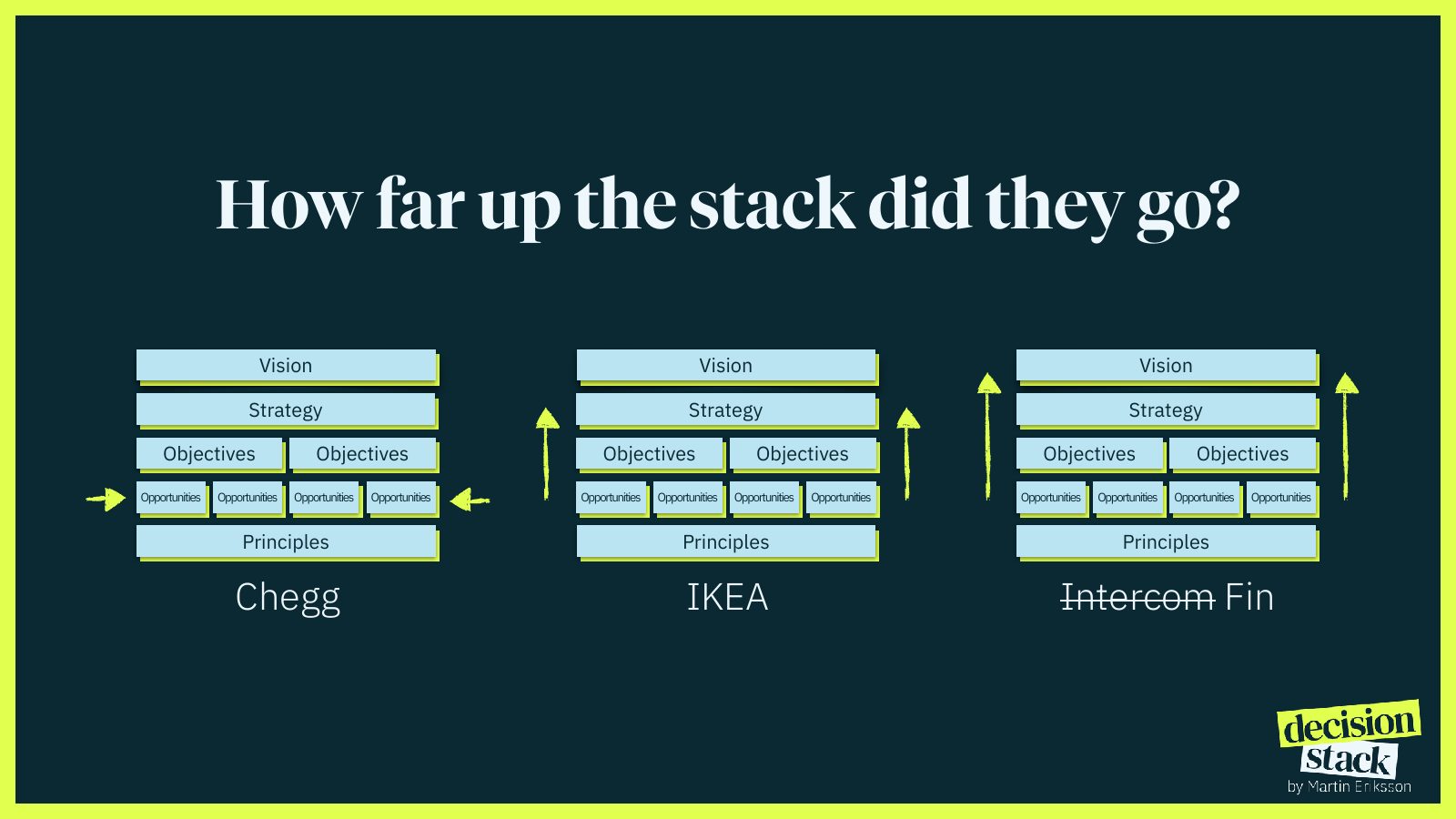
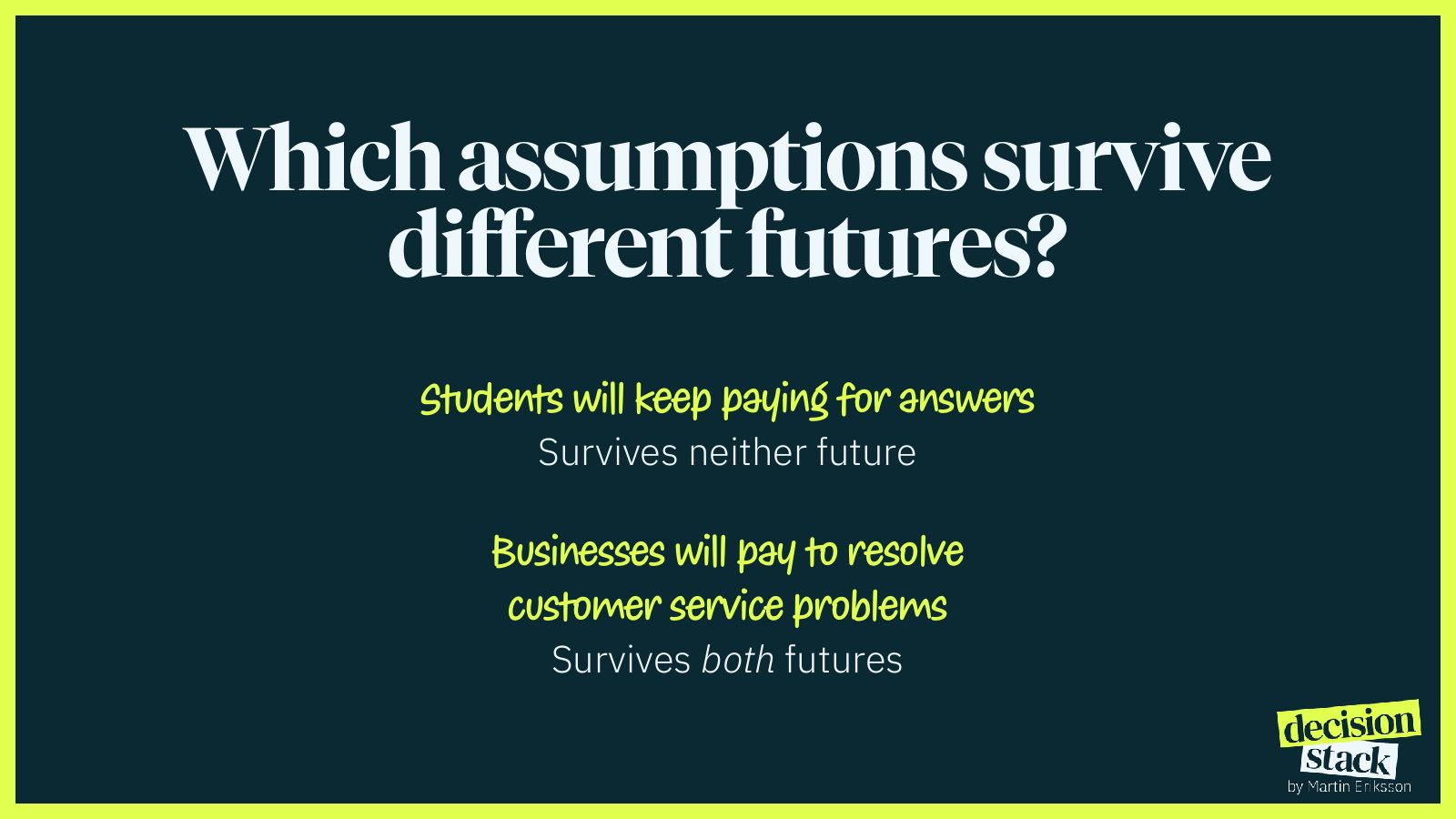
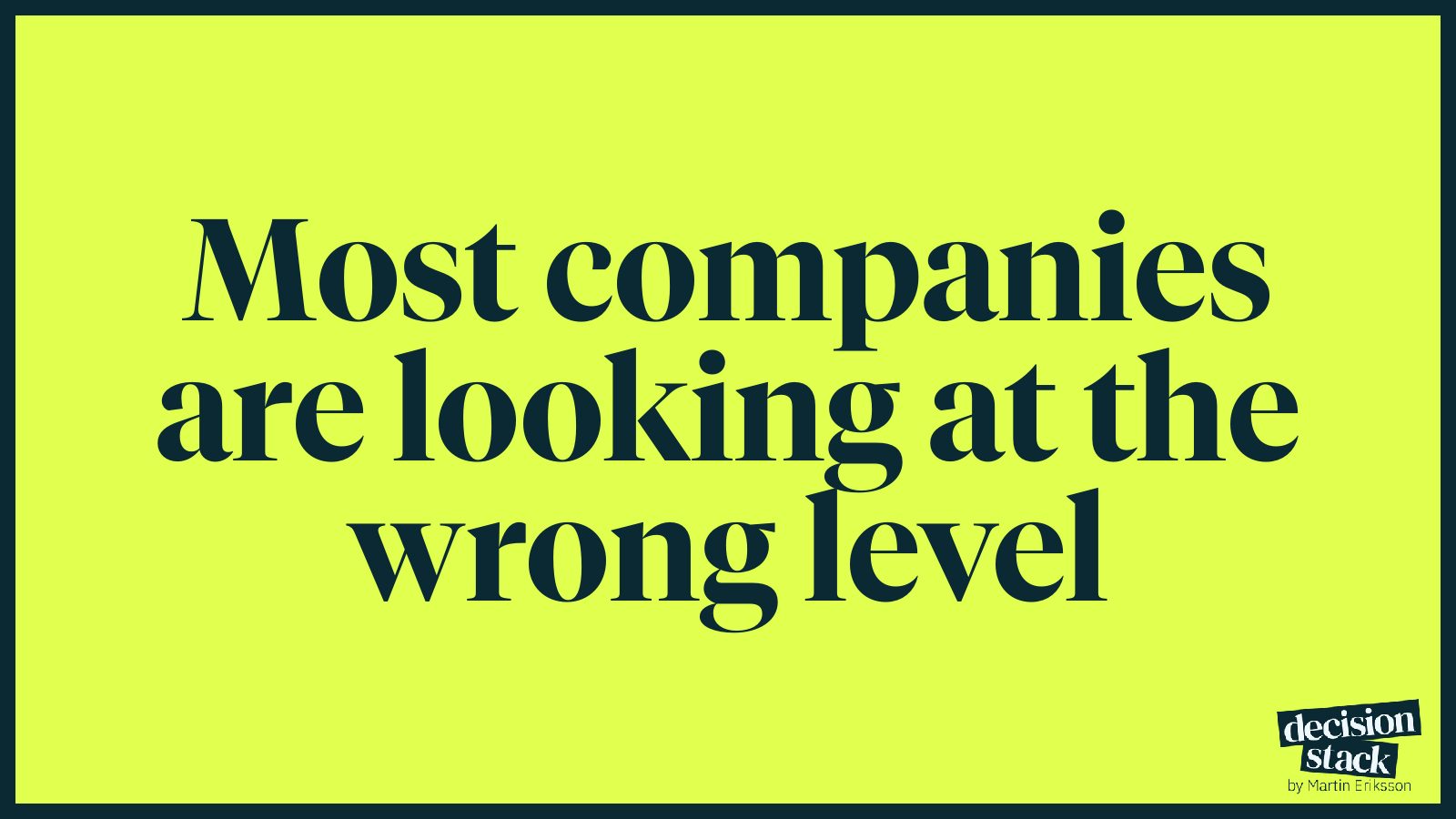
Then come the failure modes. Most companies look only at the opportunities layer and treat AI as a feature, which assumes the customer's problem is a lack of AI. Four in five people on earth have never used generative AI, and a Washington State University study found the label artificial intelligence reduces purchase intent. Chegg built CheggMate with OpenAI while the broken assumption sat higher up: students would not keep paying for answers ChatGPT gives away. The stock halved during the earnings call and revenue fell 75 percent. The second failure is AI as cost cutting. IKEA's agent resolved half of all tickets, the rest were design questions, so IKEA retrained support staff as remote interior designers and booked 1.4 billion dollars in new revenue in year one.

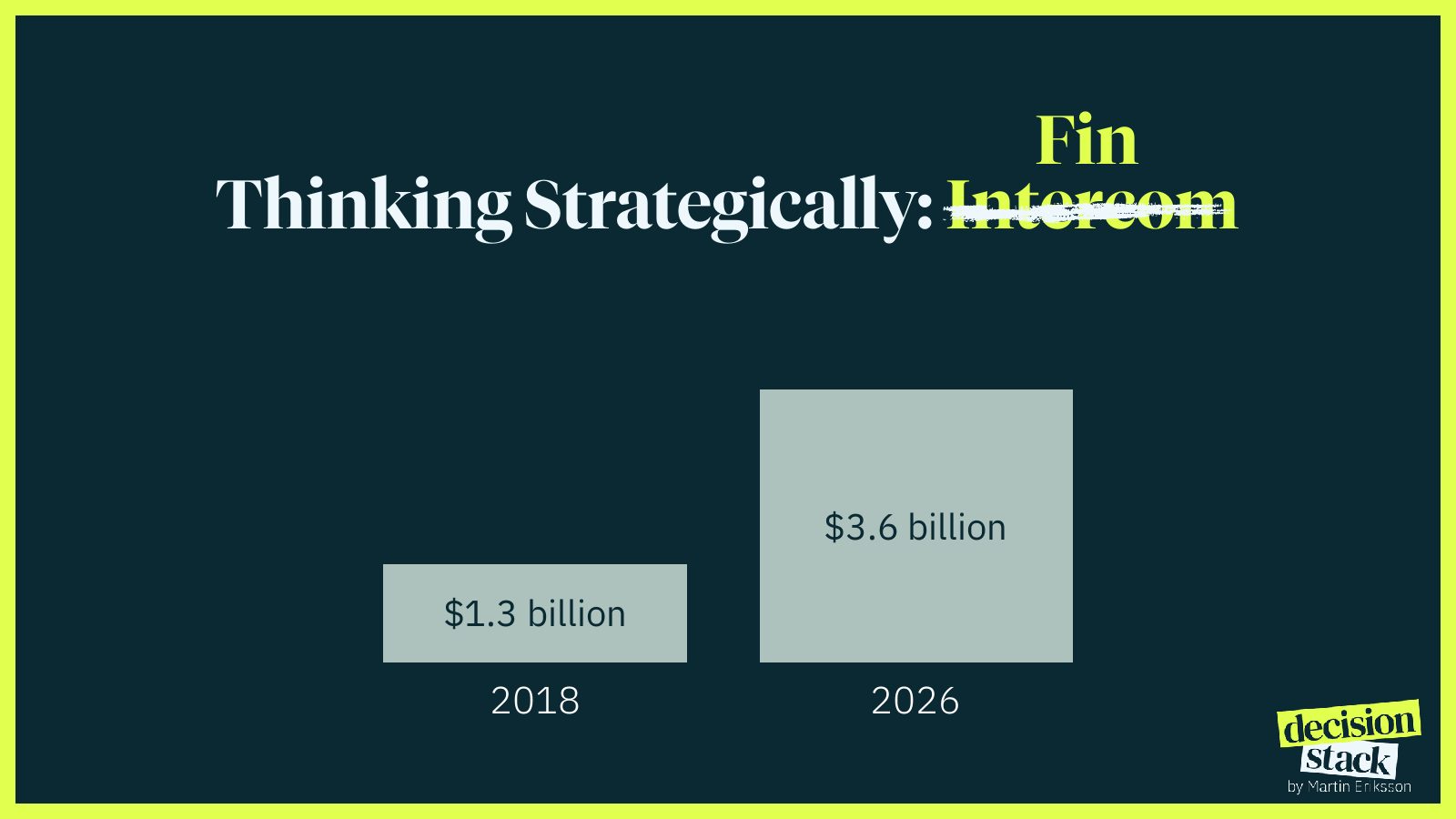
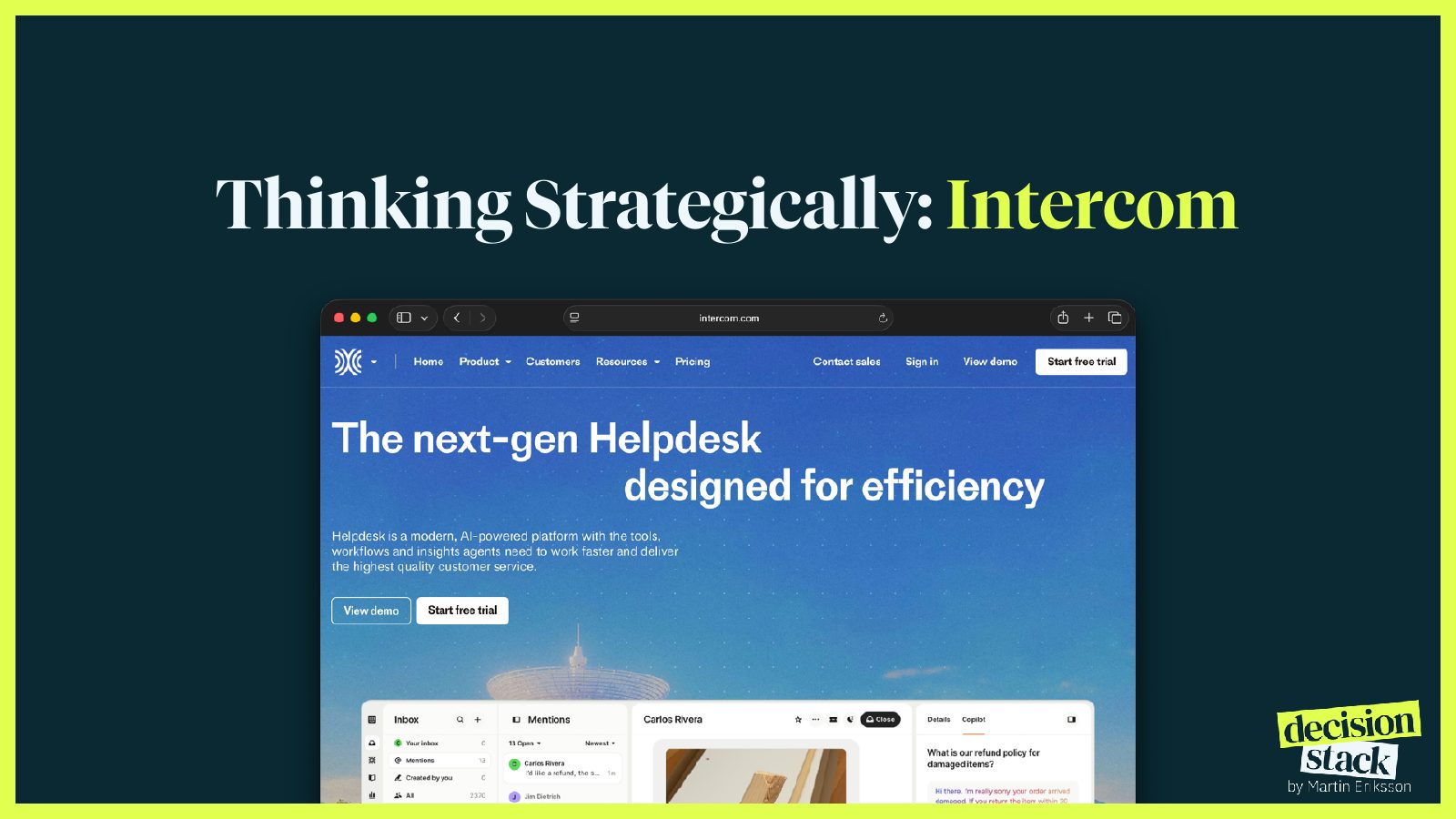
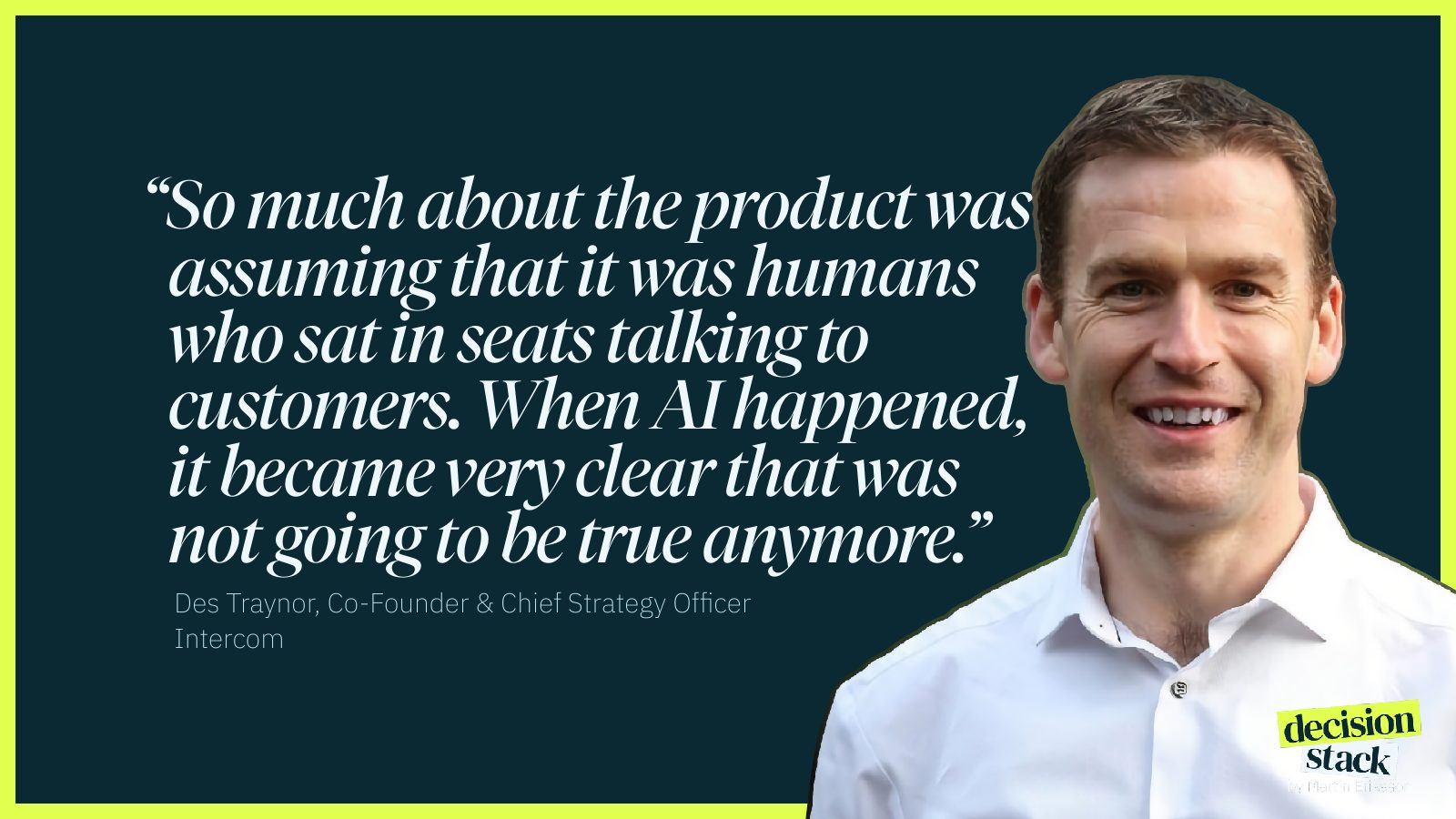
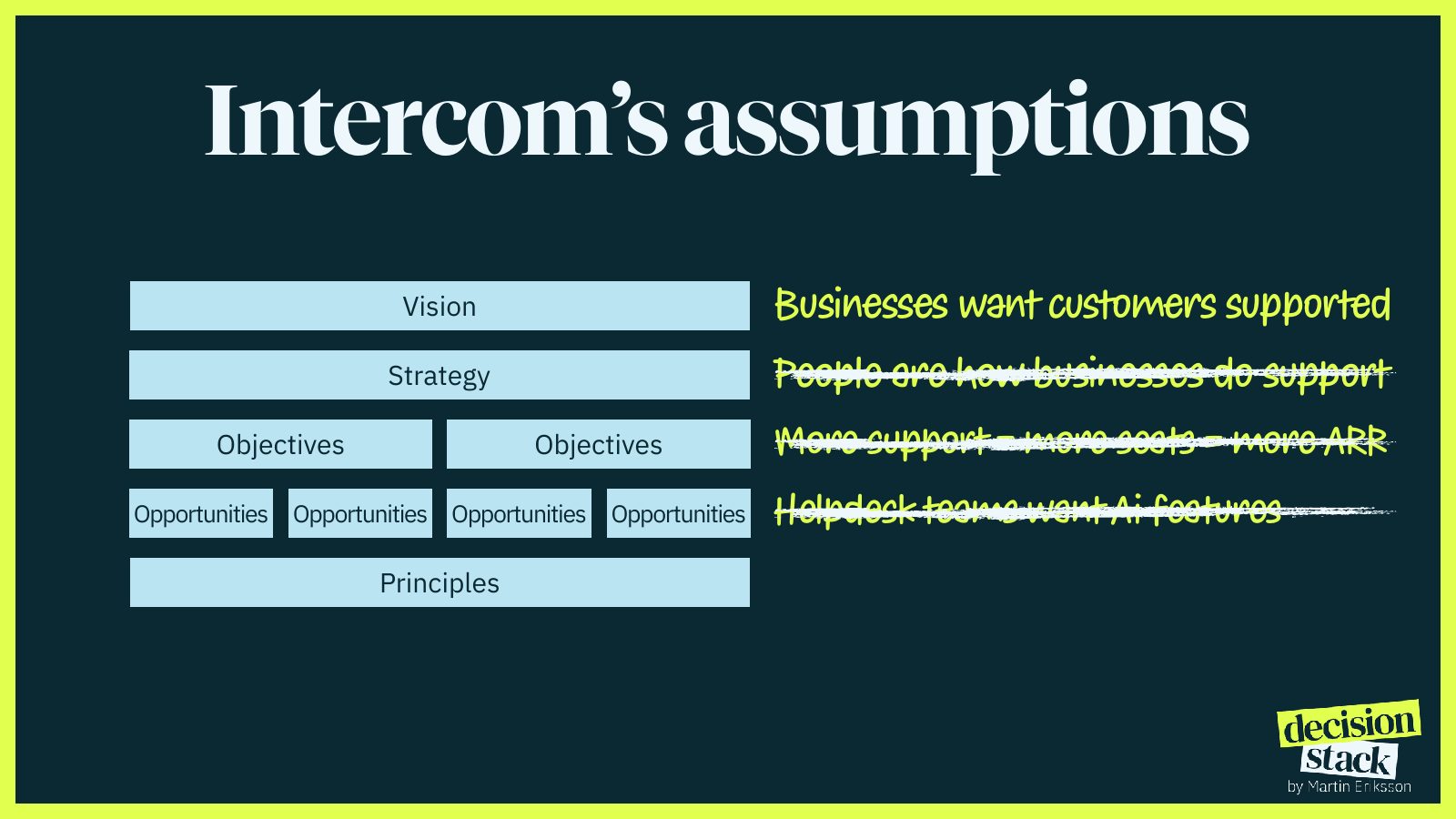
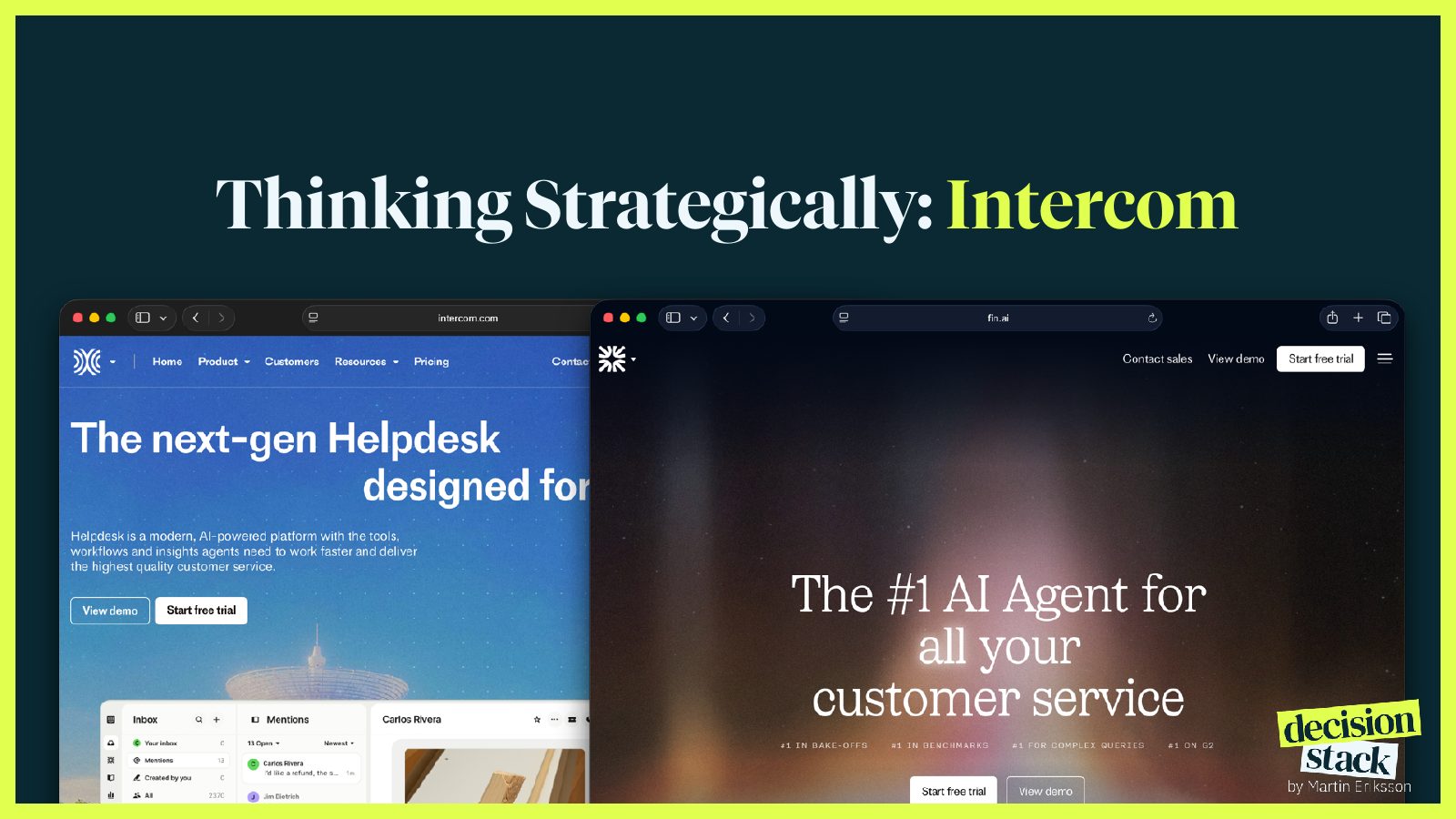
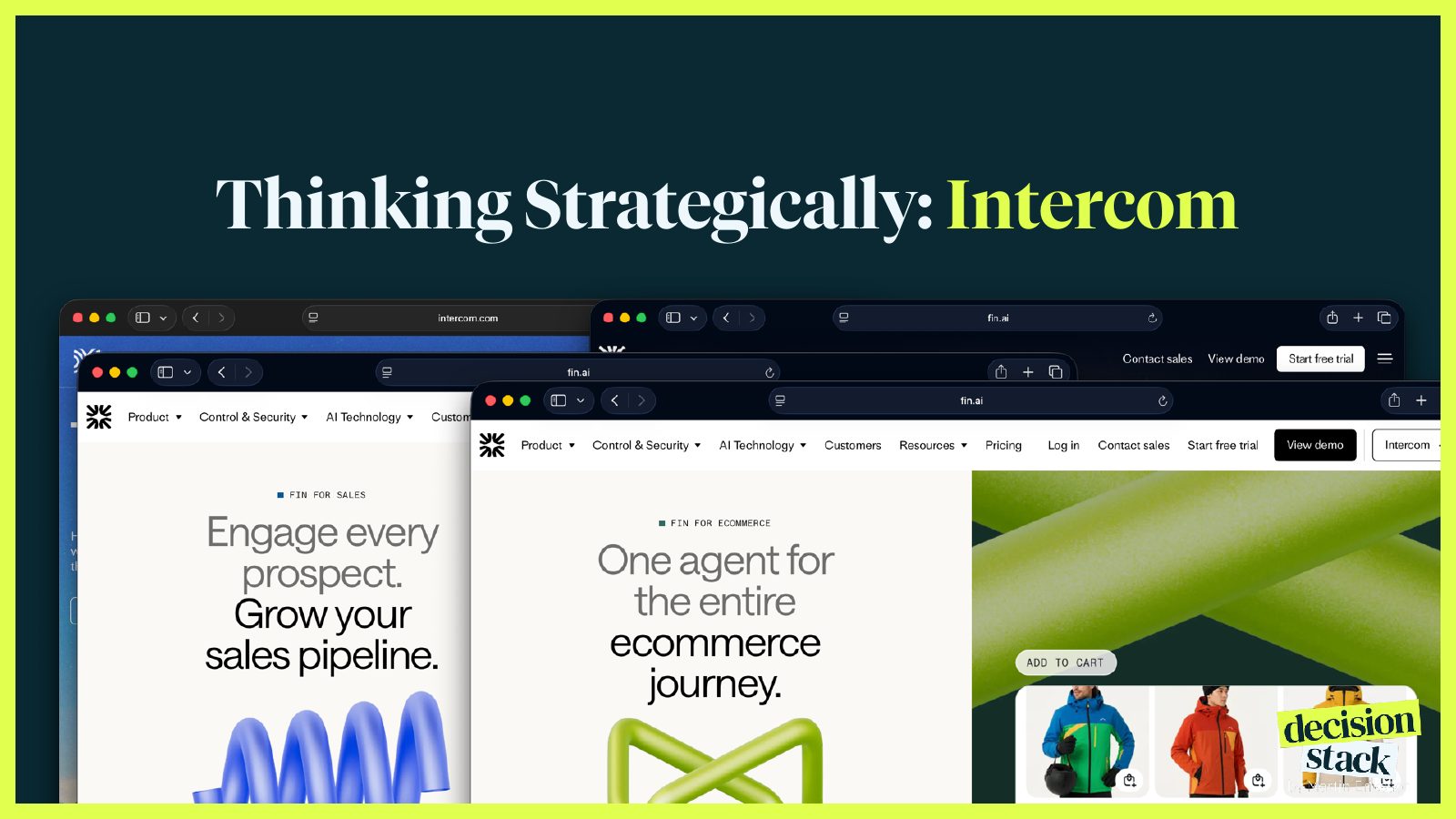
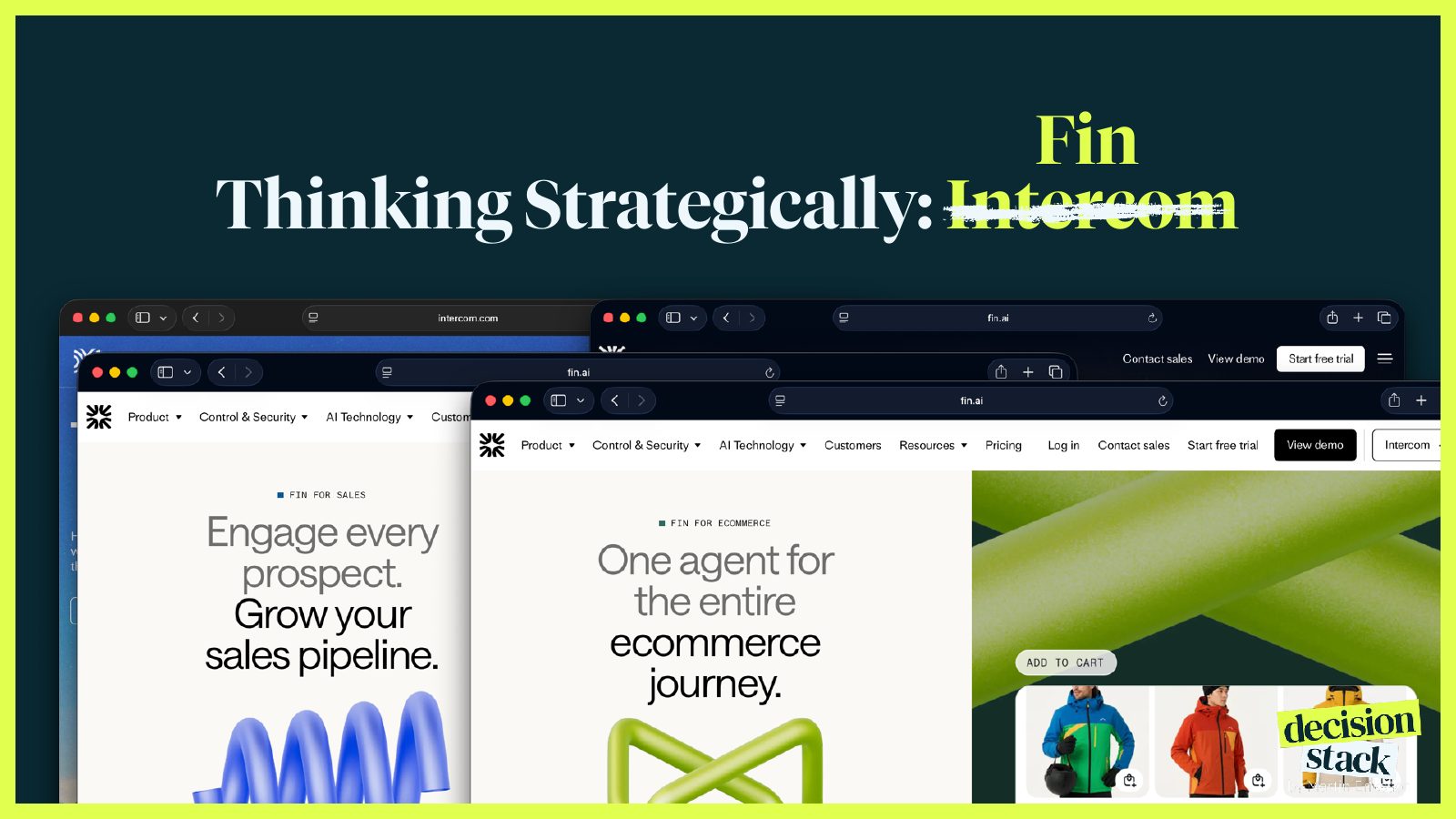
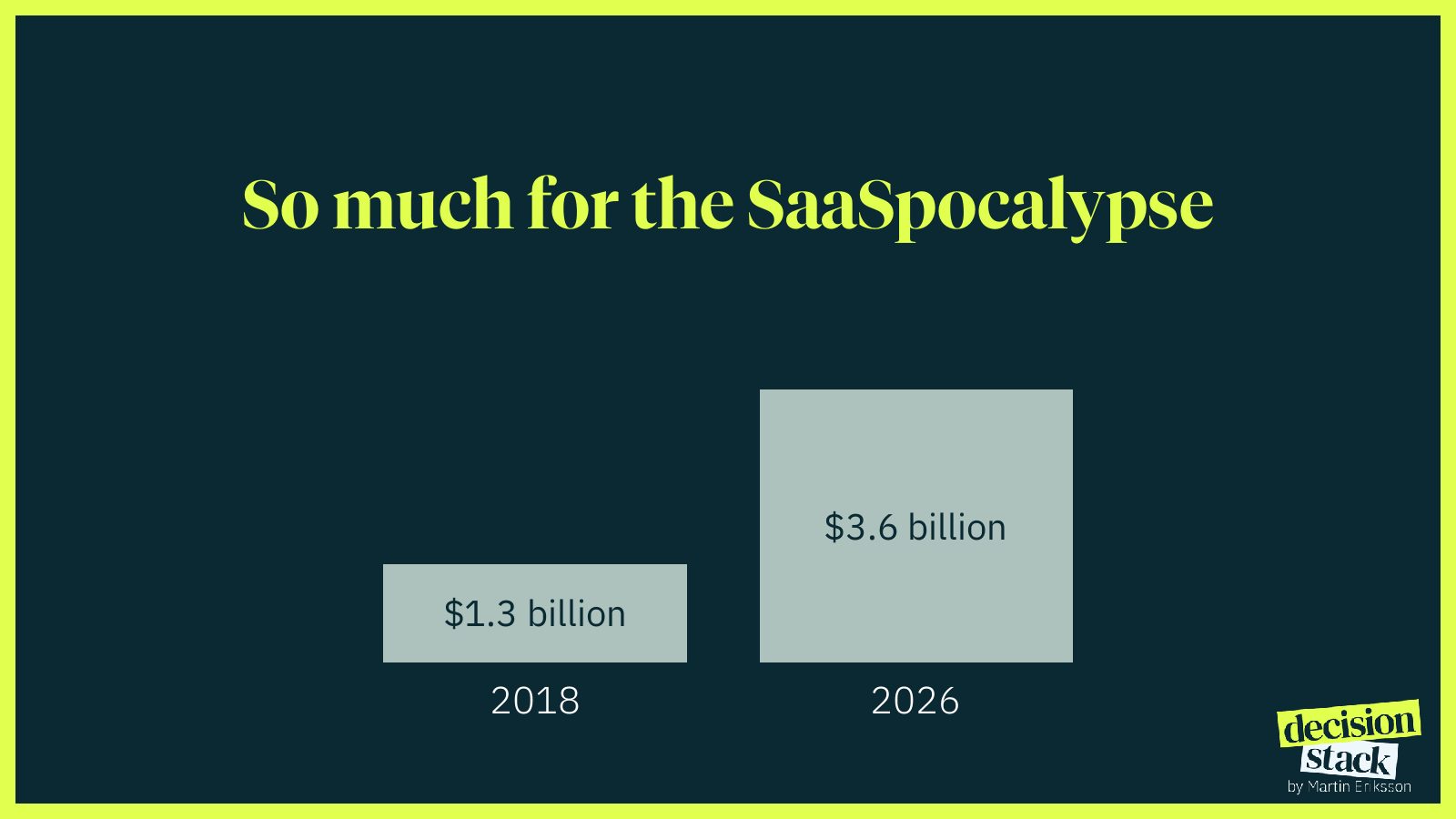
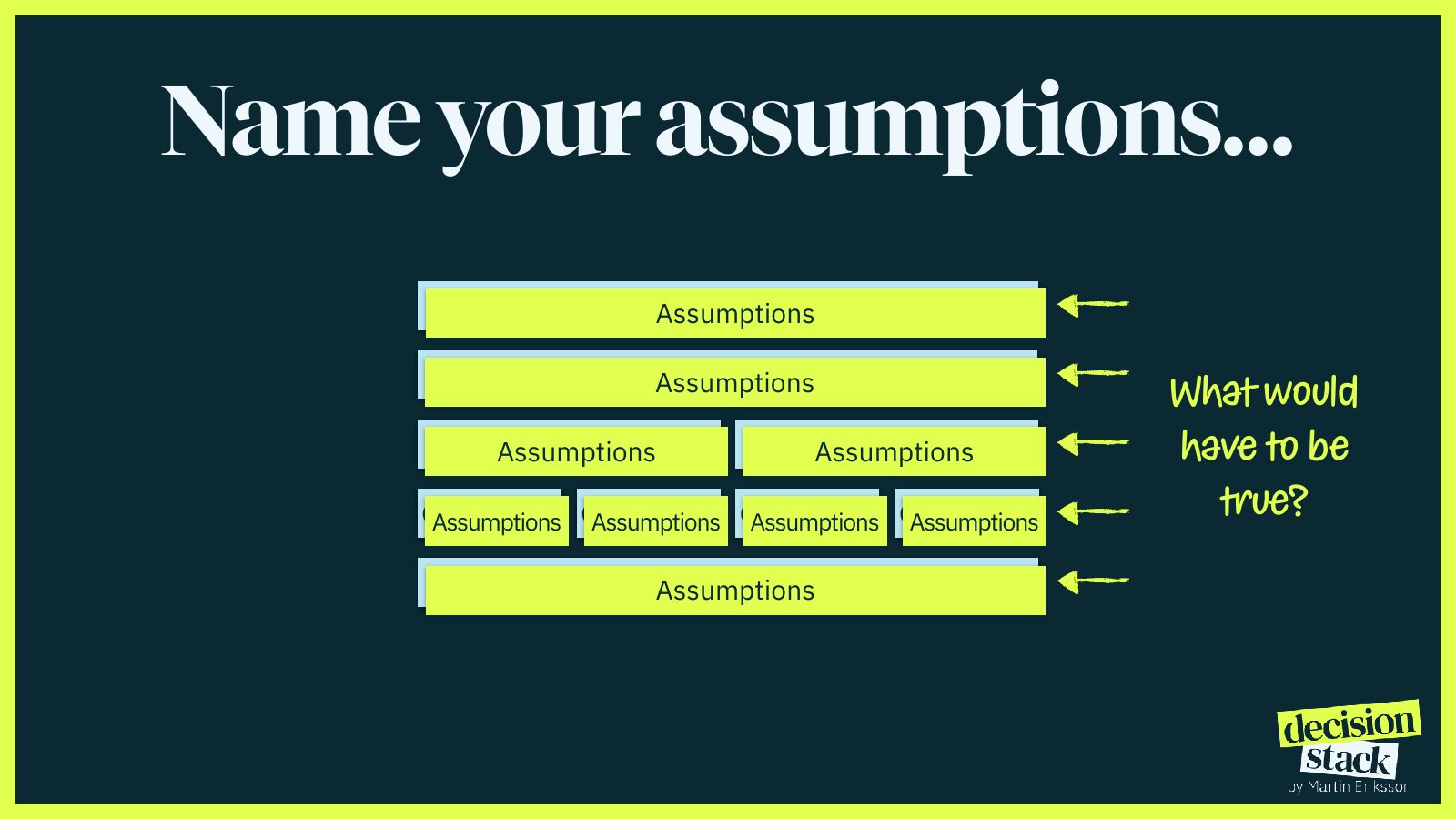
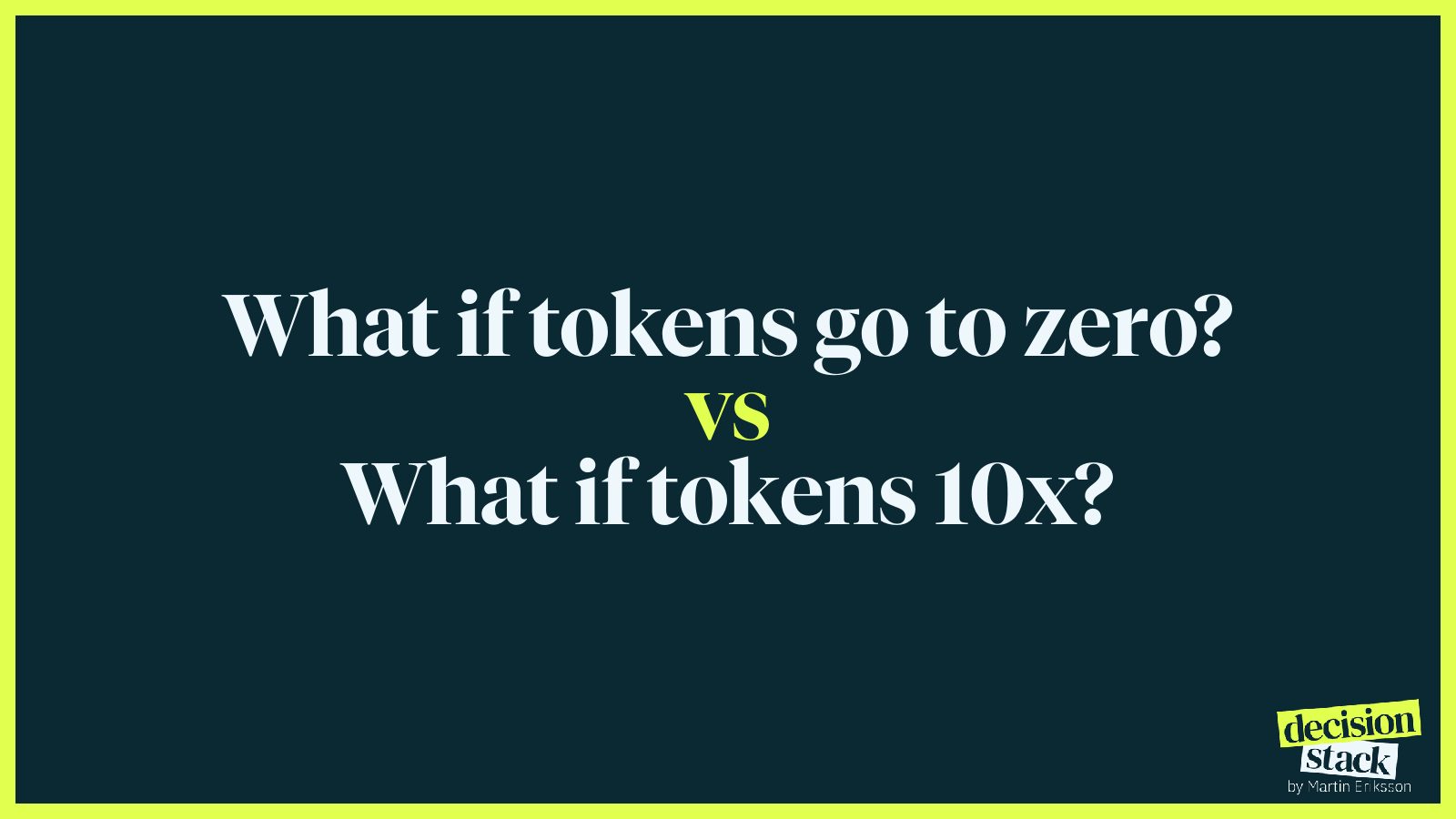
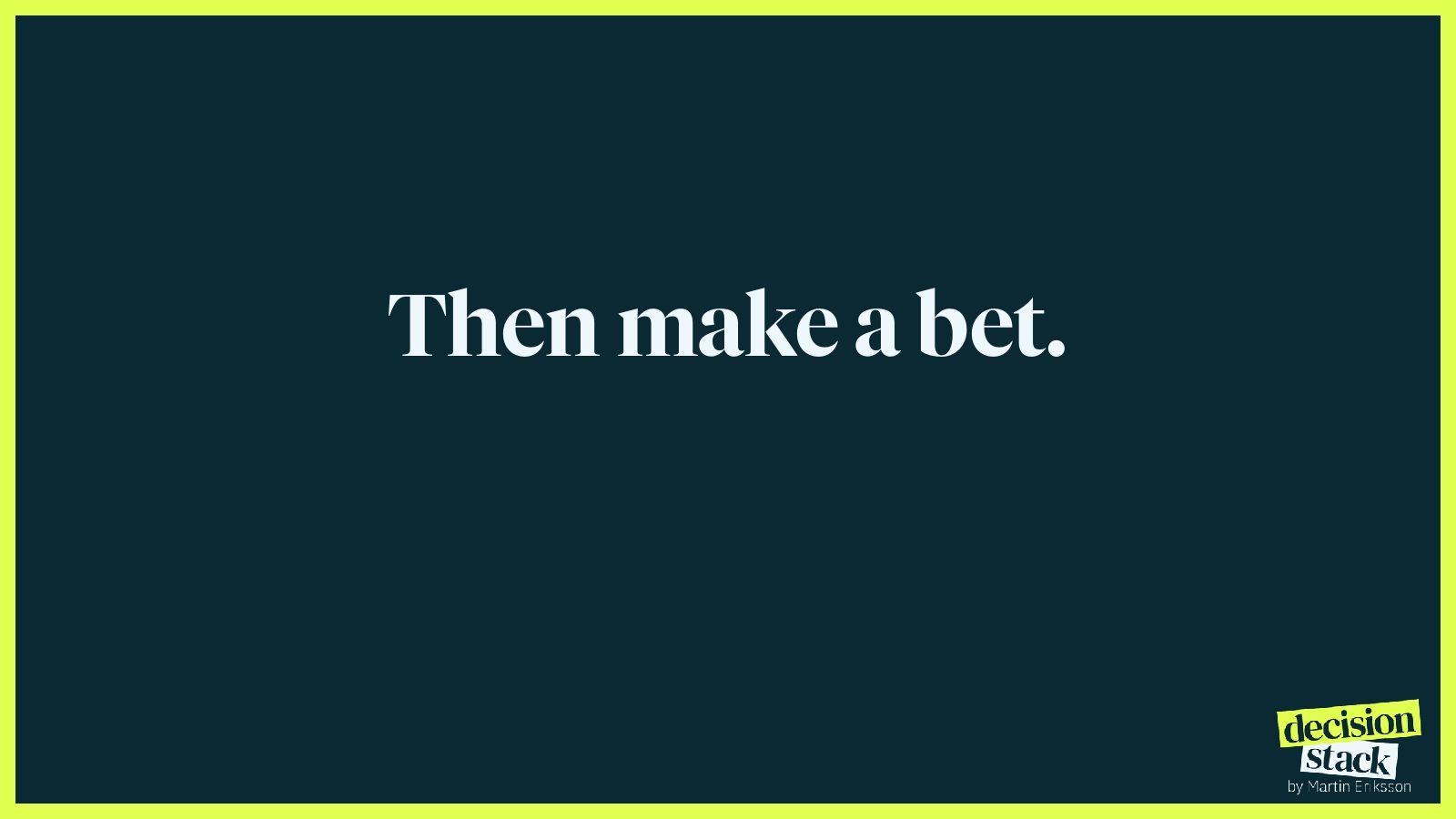
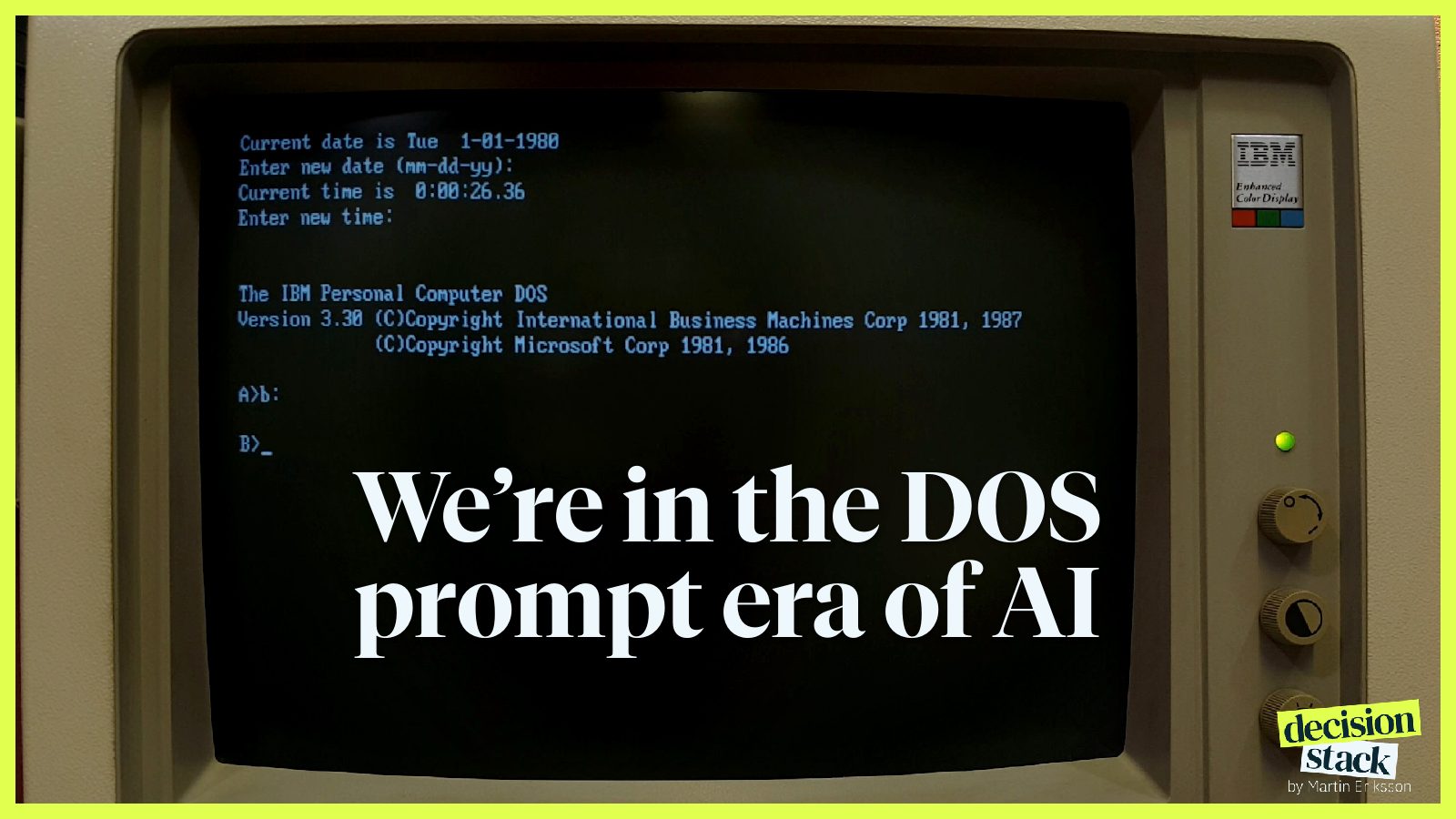
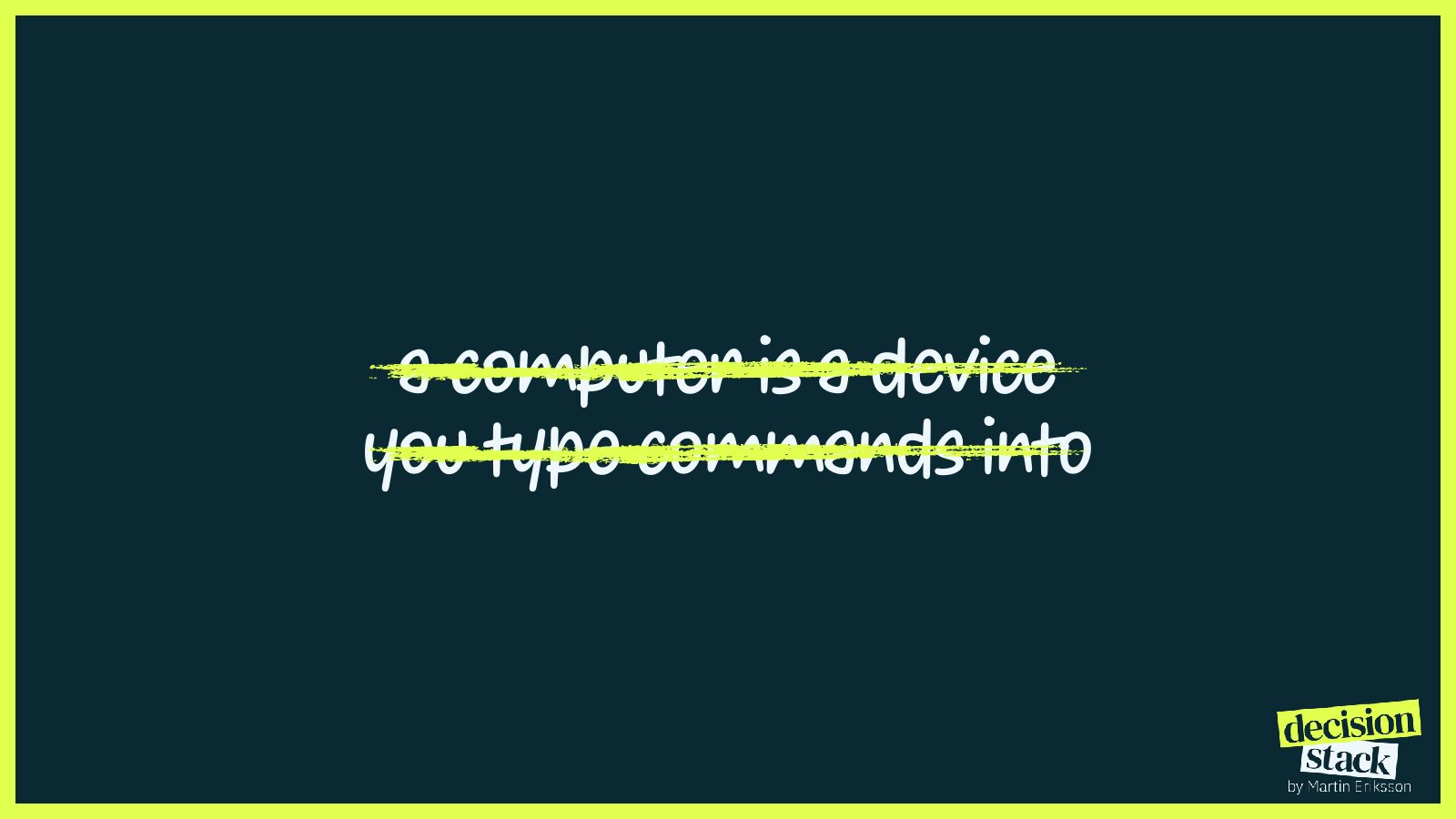
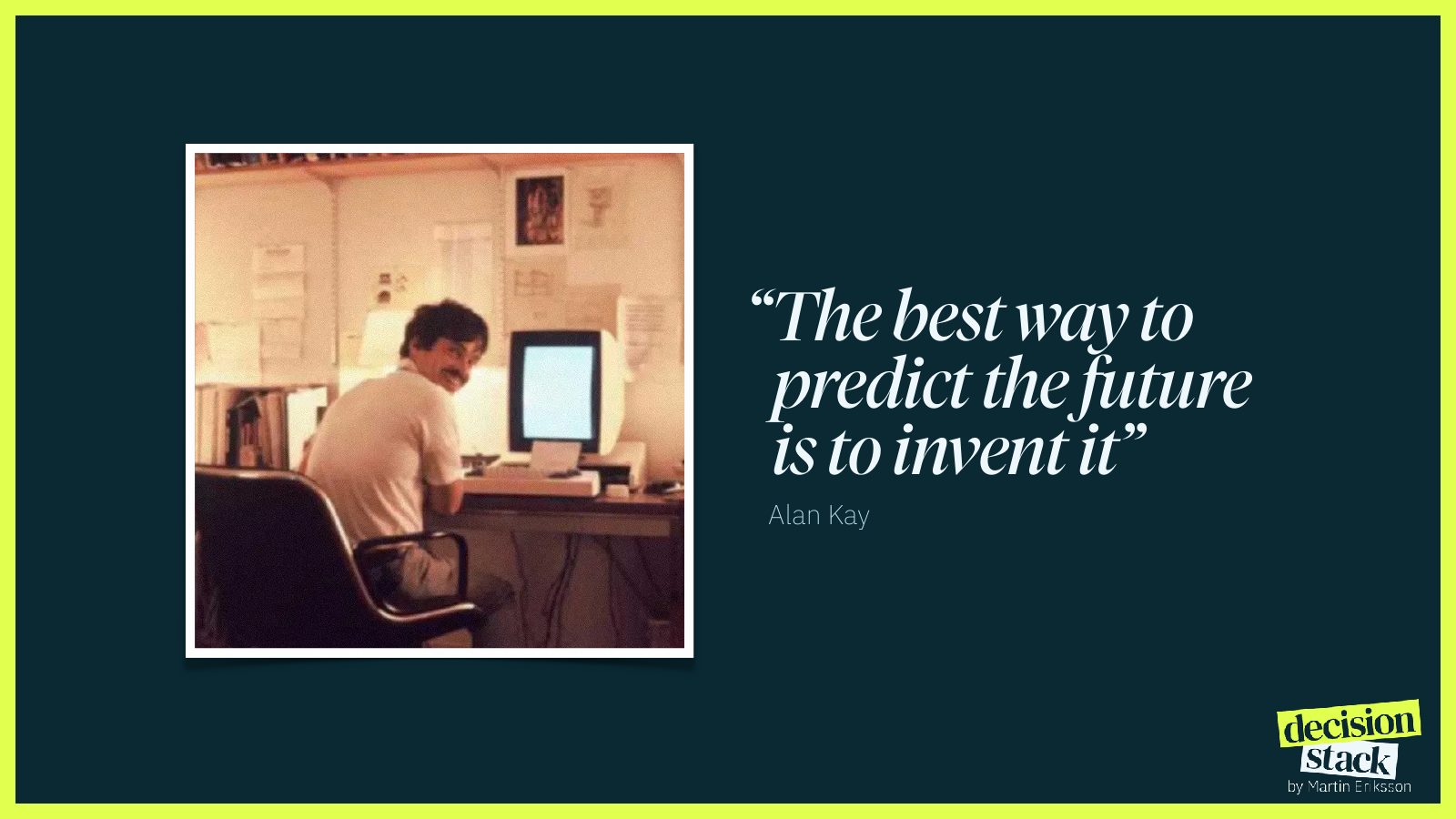
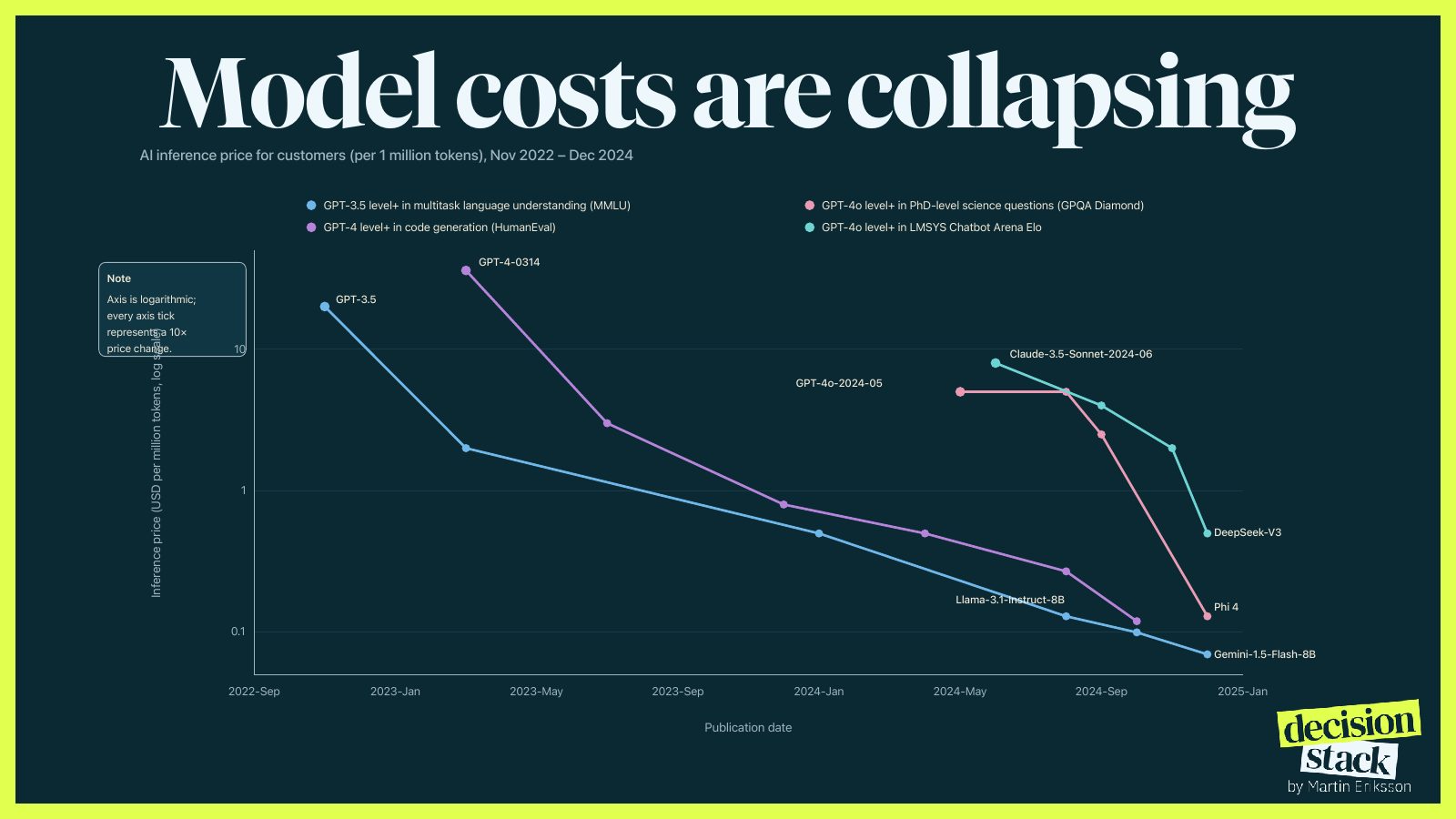
Intercom went furthest. Des Traynor's team saw that per seat pricing and humans staffing support were both broken, kept only the vision that businesses want to support their customers, scrapped the roadmap over a weekend and built Fin. At 99 cents per resolution, Fin passed 100 million ARR in year one, and Martin reports a 3.6 billion sale to Salesforce after a 1.3 billion valuation. His method: name your assumptions by asking what would have to be true, go up the stack until one holds, test it against tokens at zero and tokens at ten times the price, then bet at 70 percent confidence and write down the kill criteria. We are in the DOS era of AI; the best way to predict the future is to invent it.

Key takeaways

  • Write down the assumptions under each layer of your stack using Roger Martin's question: what would have to be true?
  • Drop the AI as a feature reflex: four in five people have never used generative AI and the label lowers purchase intent.
  • Ask the Jevons question: what would customers do with your product if it were ten times cheaper, faster or more accessible?
  • When an AI agent absorbs half the workload, study what the remaining half reveals before cutting headcount, as IKEA did.
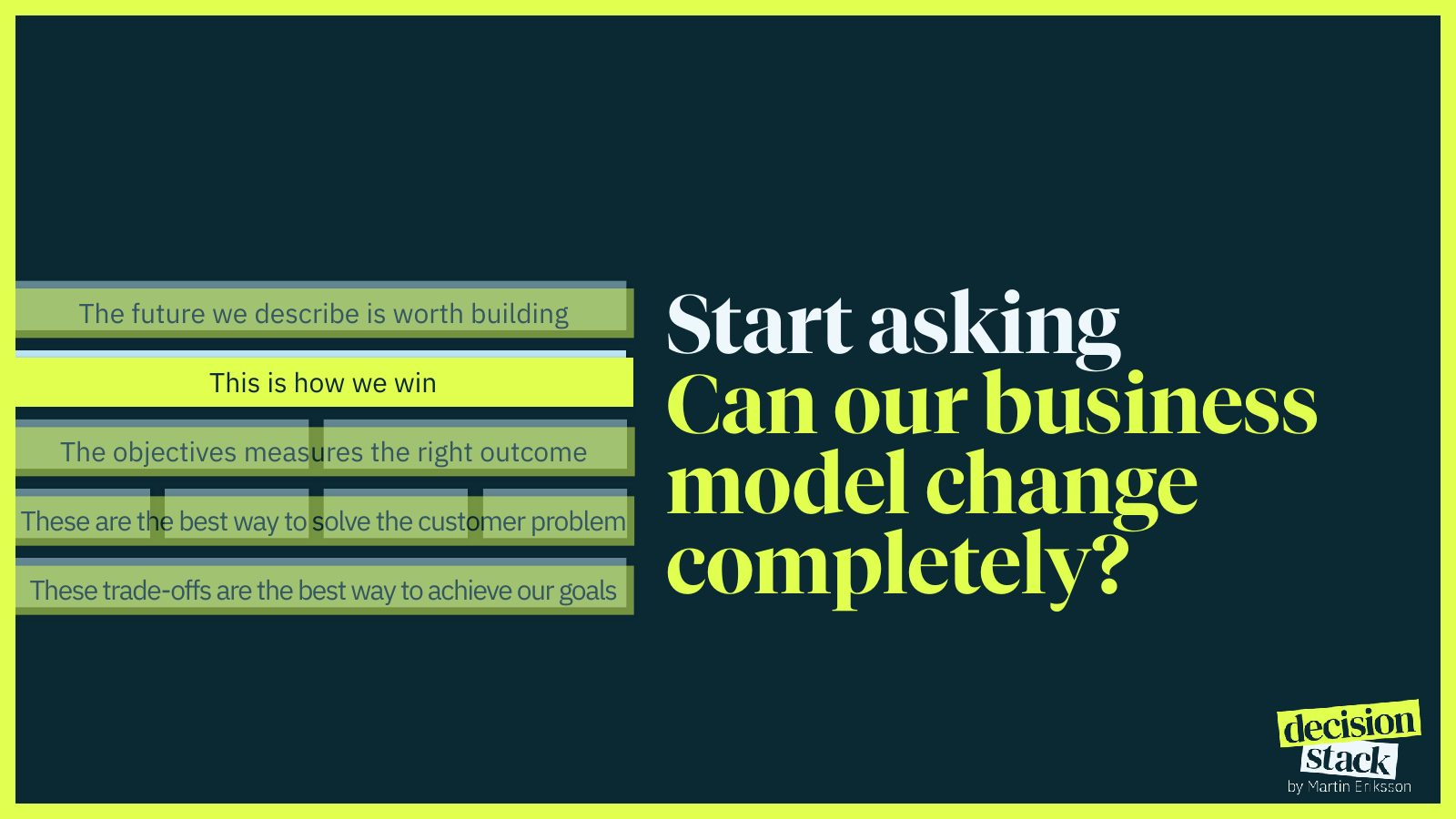
  • Check whether your business model survives AI; outcome based pricing like Intercom's 99 cents per resolution ties revenue to the product working.
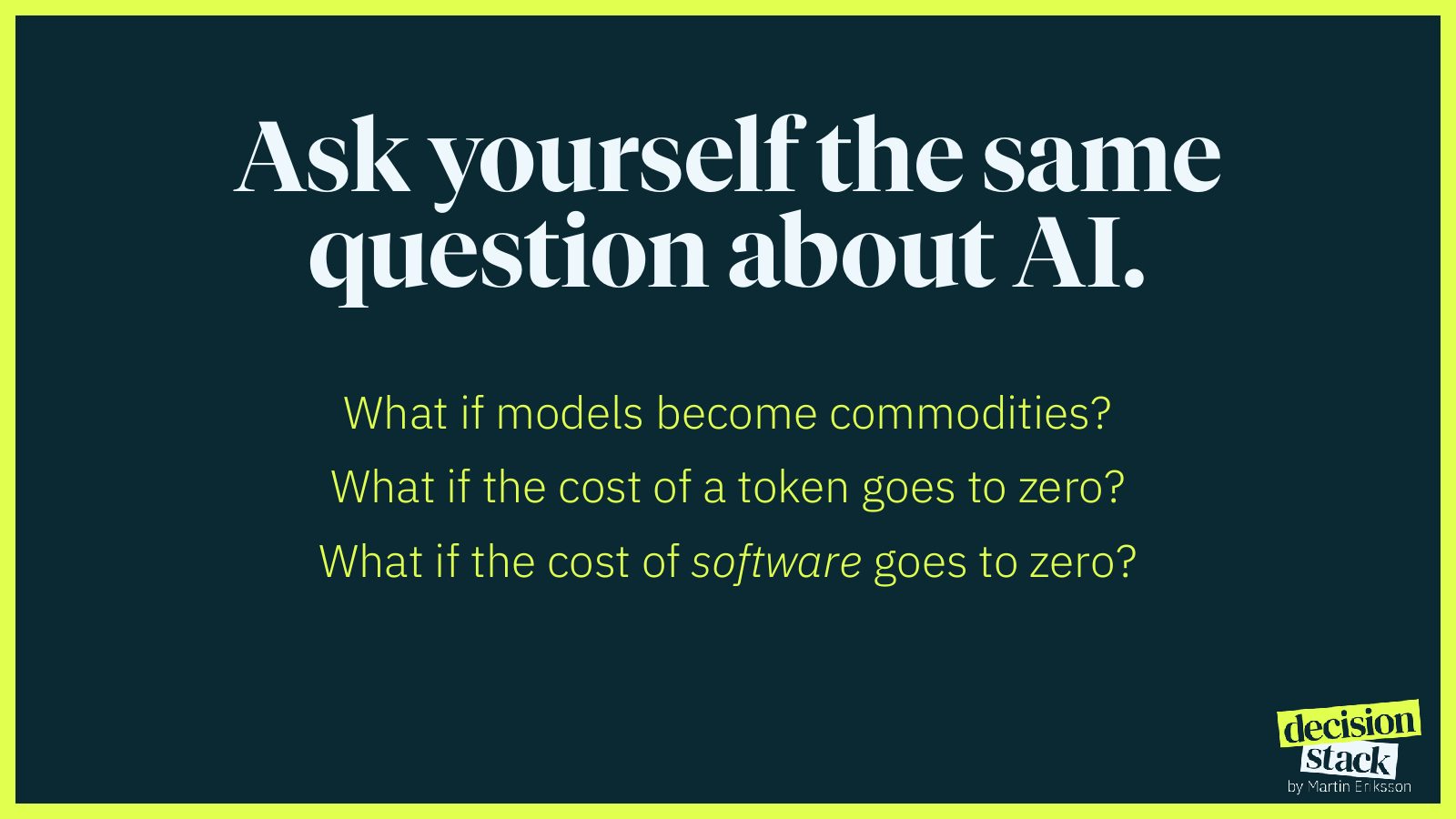
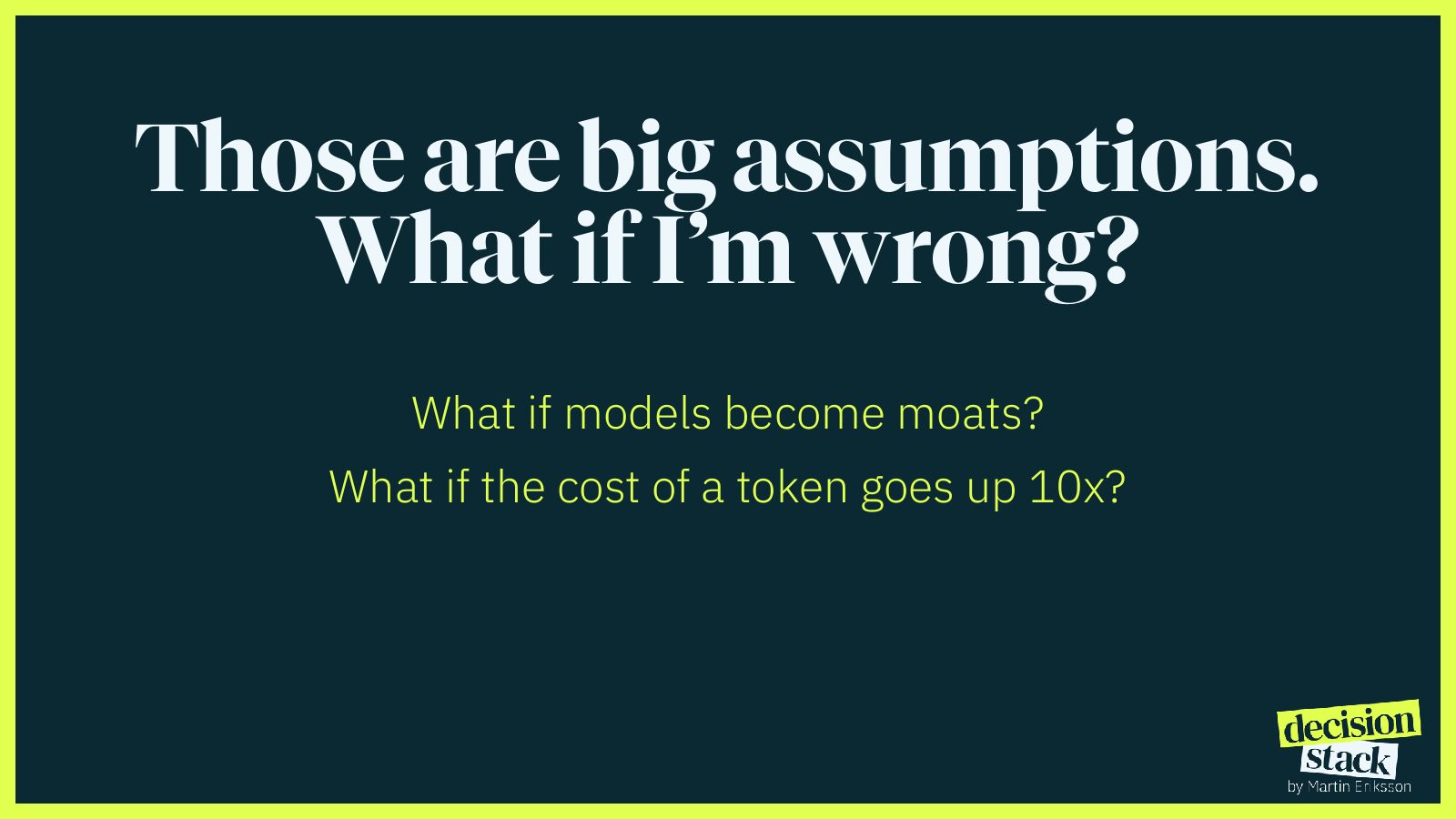
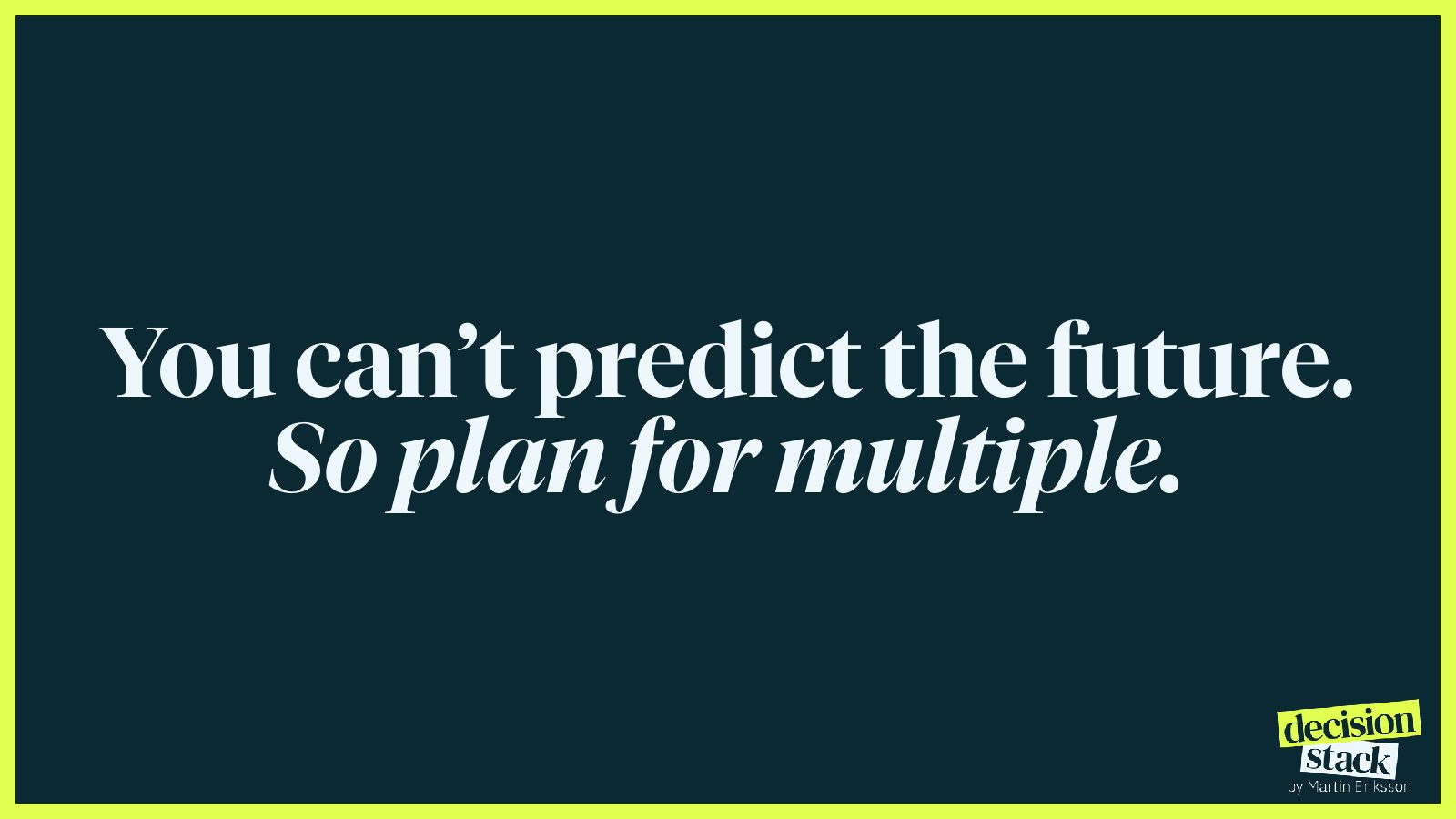
  • Plan for two futures, tokens at zero and tokens at ten times today's cost, and keep only assumptions that survive both.
  • Make the bet at 70 percent confidence, write it down, and define the kill criteria that would prove you wrong.
  • Challenge upward by naming assumptions and bringing customer evidence, and ask each leader separately what the strategy is.

In their words

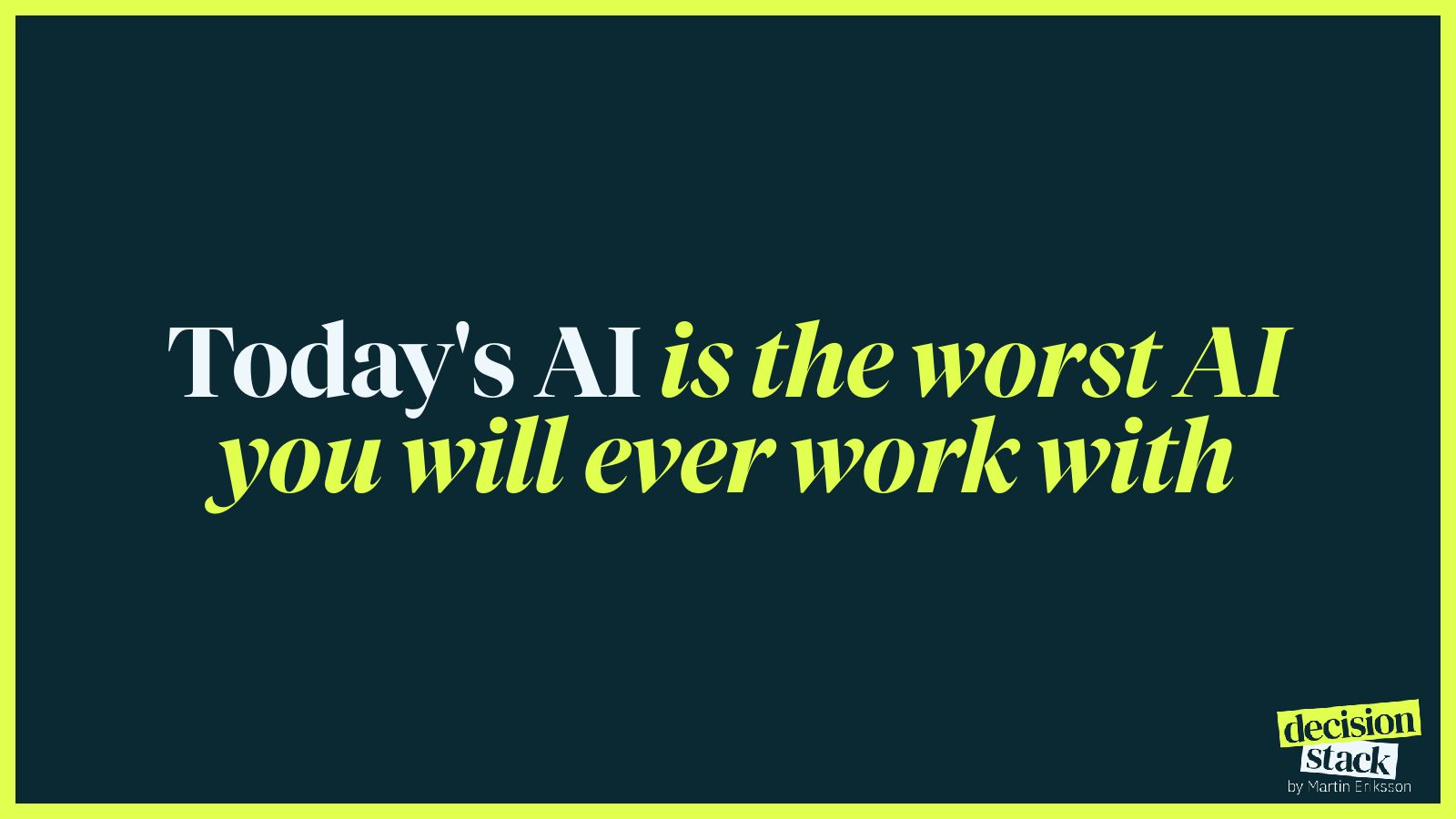
> Today's AI is the worst AI you are ever going to work with.

> Turns out Chegg's customers didn't really want Chegg. They definitely didn't want AI. They just wanted their homework done.

> To me, that's using once in a generation technology to shrink yourself.
Q&A

Questions from the room.

The video ends with the talk. The questions are summarised here.

Which assumption do you hear most often that is simply wrong?

That none of their assumptions have changed. Companies react to the speed of AI but skip going back to the drawing board to check whether their objectives, strategy or vision still hold. In his workshop the day before, that check surfaced broken assumptions quickly.

Can we use AI to explore and forecast the upper layers of the stack, or are those human only?

AI is a strong thought partner for research, options and checking the consistency of an argument. The leap of faith at strategy level and connecting signals across customers stays human, because AI is not happy making bets. Validate its output with real people, in the spirit of Lean Startup and Steve Blank's customer development.

How do you challenge vision and strategy in a 20 year old founder led company that resists change but leans into the AI hype?

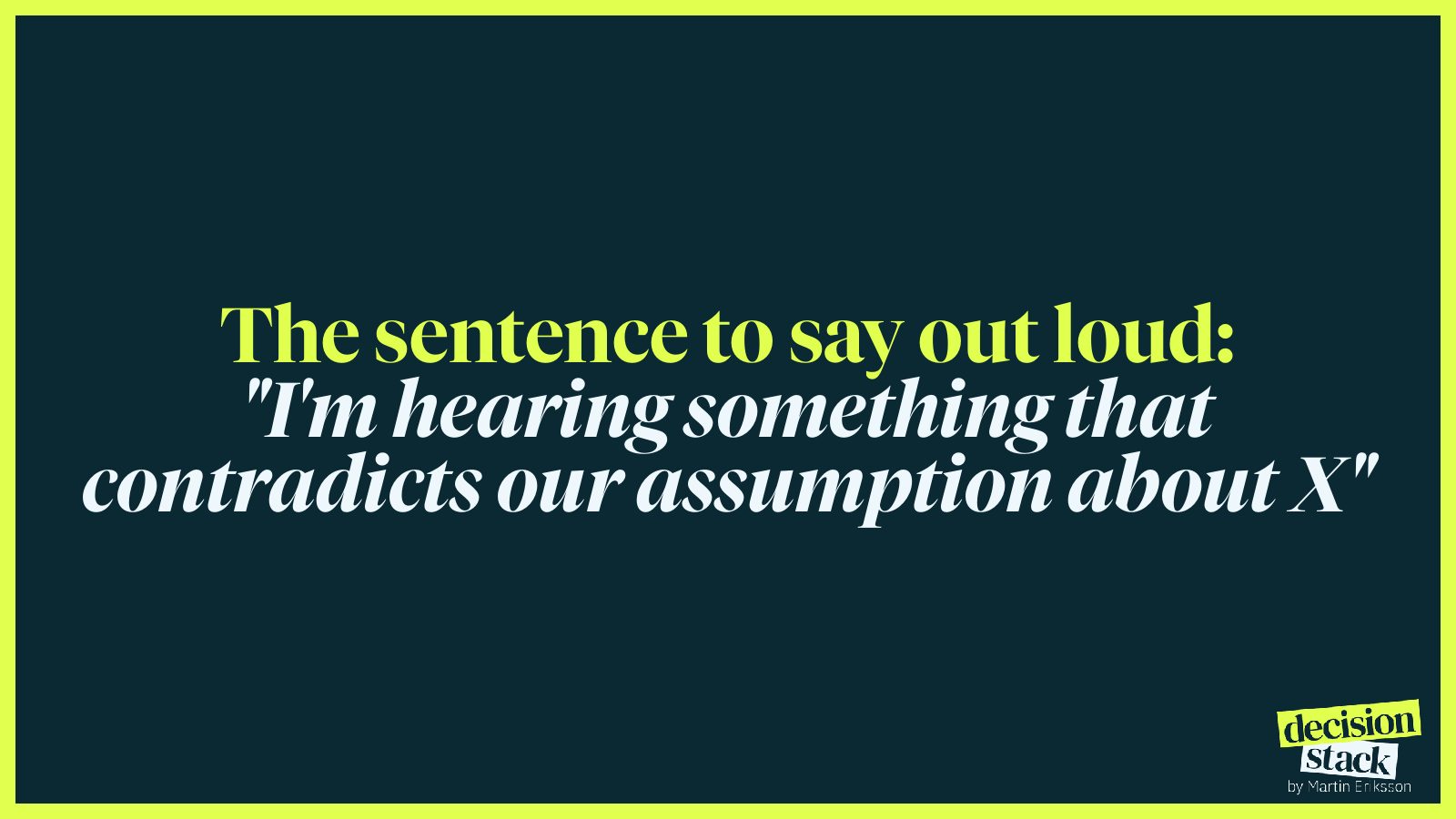
Challenge the assumptions, not the person: say the strategy rests on enterprise customers needing X, ten interviews show they no longer do, what changes? Always bring evidence, or the highest paid person's opinion wins. His favourite trick is asking each leader individually what the strategy is and playing the different answers back to them.

Is a human in the loop a real requirement or just a limitation we accept because someone must be accountable?

It depends on the level. Agents handling tickets or code can run without a human once evals and testing are in place. For objectives, strategy and vision a human stays in the loop, not only for accountability but because industry judgment is needed to filter the stupid ideas from the great ones.

Slides

The slides that carry the argument.

Download the deck (PDF, 109 slides)
Slide 17Slide 22Slide 37Slide 57Slide 77Slide 80Slide 84Slide 99
Show all 109 slides
Slide 1Slide 2Slide 3Slide 4Slide 5Slide 6Slide 7Slide 8Slide 9Slide 10Slide 11Slide 12Slide 13Slide 14Slide 15Slide 16Slide 17Slide 18Slide 19Slide 20Slide 21Slide 22Slide 23Slide 24Slide 25Slide 26Slide 27Slide 28Slide 29Slide 30Slide 31Slide 32Slide 33Slide 34Slide 35Slide 36Slide 37Slide 38Slide 39Slide 40Slide 41Slide 42Slide 43Slide 44Slide 45Slide 46Slide 47Slide 48Slide 49Slide 50Slide 51Slide 52Slide 53Slide 54Slide 55Slide 56Slide 57Slide 58Slide 59Slide 60Slide 61Slide 62Slide 63Slide 64Slide 65Slide 66Slide 67Slide 68Slide 69Slide 70Slide 71Slide 72Slide 73Slide 74Slide 75Slide 76Slide 77Slide 78Slide 79Slide 80Slide 81Slide 82Slide 83Slide 84Slide 85Slide 86Slide 87Slide 88Slide 89Slide 90Slide 91Slide 92Slide 93Slide 94Slide 95Slide 96Slide 97Slide 98Slide 99Slide 100Slide 101Slide 102Slide 103Slide 104Slide 105Slide 106Slide 107Slide 108Slide 109
Mentioned on stage

Names, numbers, sources.

  • Geoffrey Hinton, the 2016 prediction that AI would replace radiologists within five to ten years
  • Jevons paradox, William Jevons on coal consumption rising after James Watt's steam engine, 1865
  • Product Leadership, the book Martin co-authored to interview hundreds of product leaders
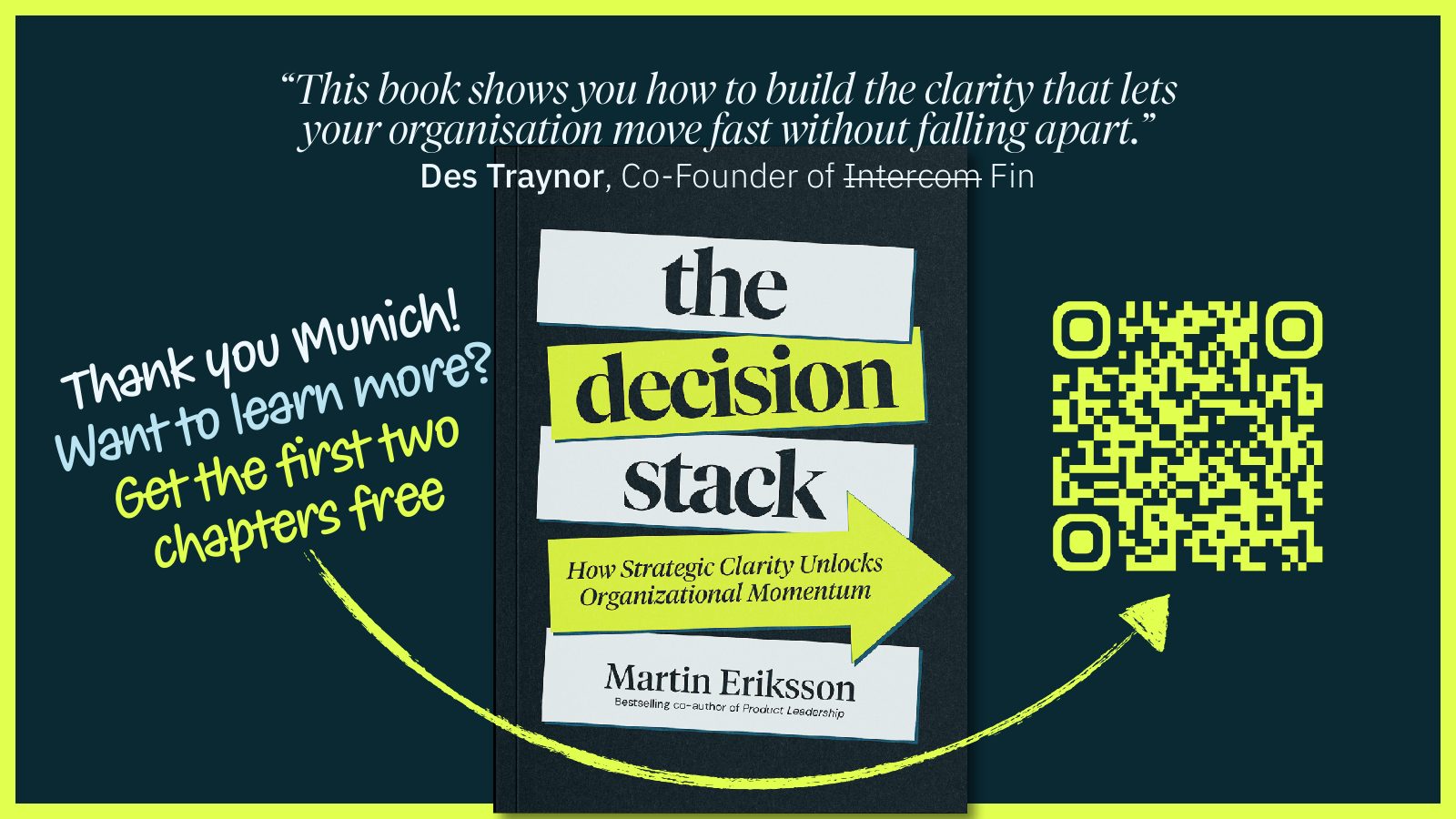
  • The Decision Stack, Martin's book and framework (vision, strategy, objectives, opportunities, principles), first two chapters free via QR code at thedecisionstack.com
  • Mind the Product and ProductTank, the community Martin co-founded, credited by host Sebastian for his own move into product
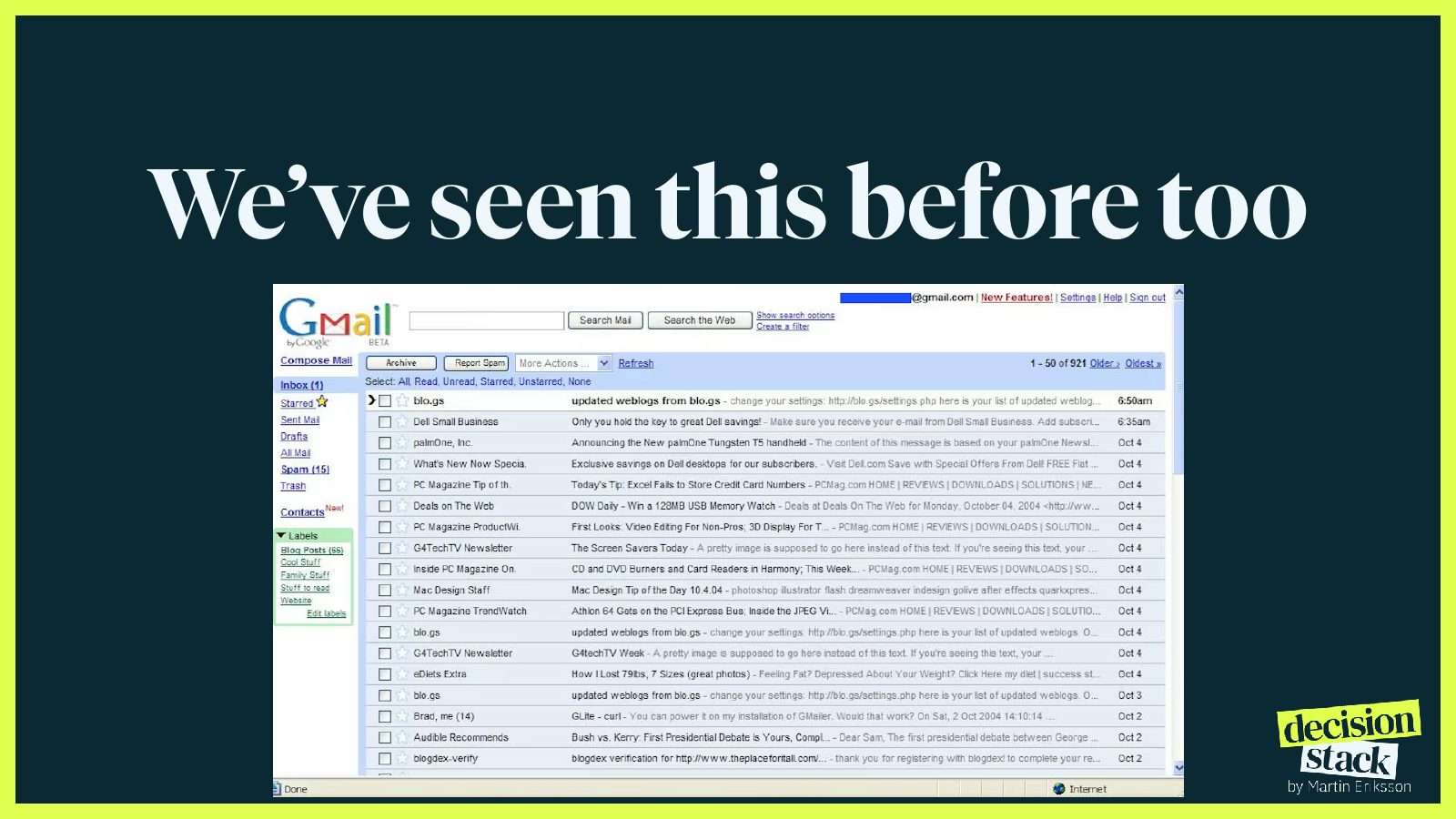
  • Gmail launch in 2004 with 1 GB of storage, Google's bet on falling storage costs
  • Washington State University study, the term artificial intelligence in product descriptions reduces purchase intent
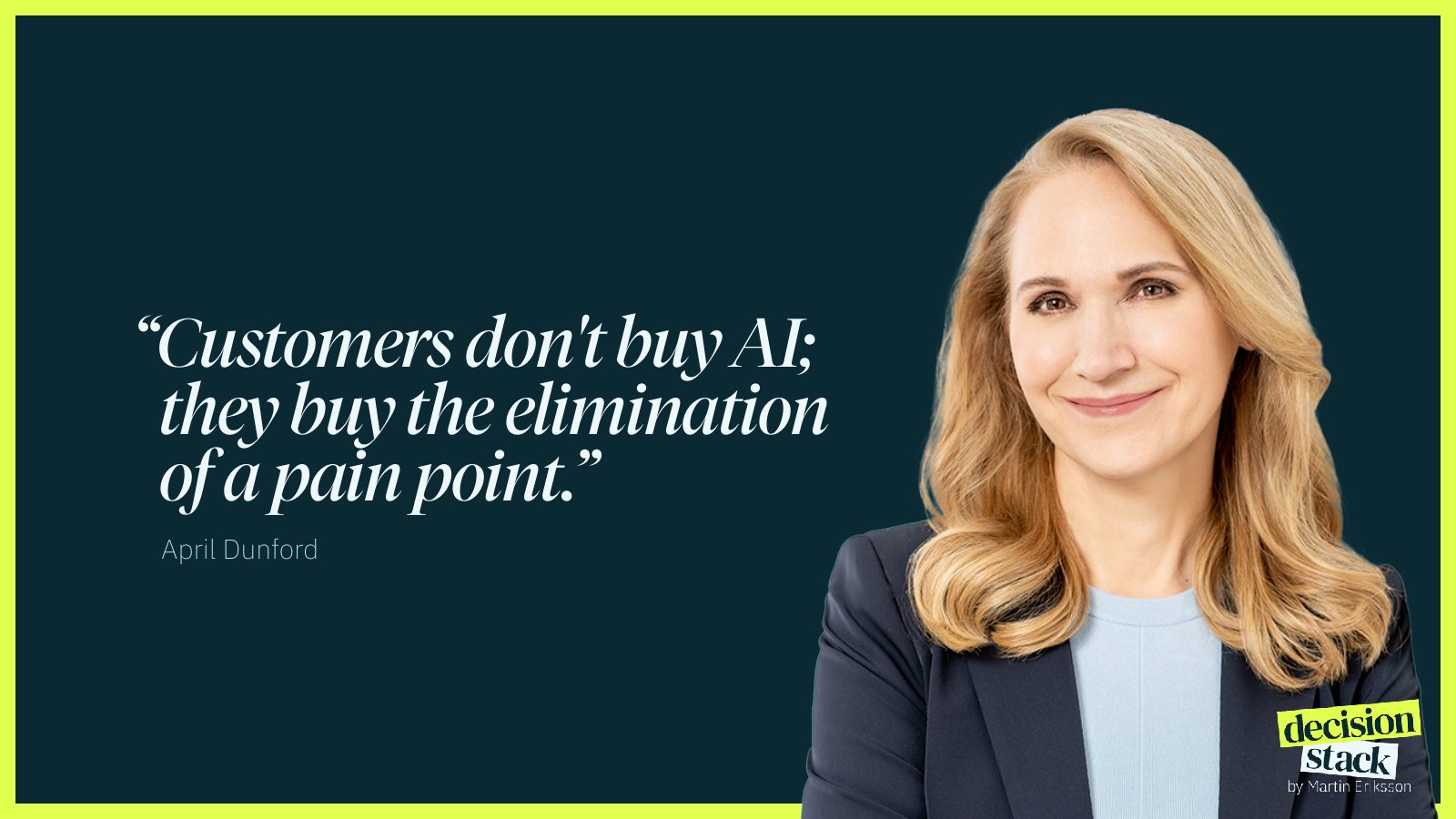
  • April Dunford, customers do not buy AI, they buy the elimination of a pain point
  • Chegg and CheggMate, CEO Dan Rosensweig's May 2023 earnings call, homework help business hit by ChatGPT
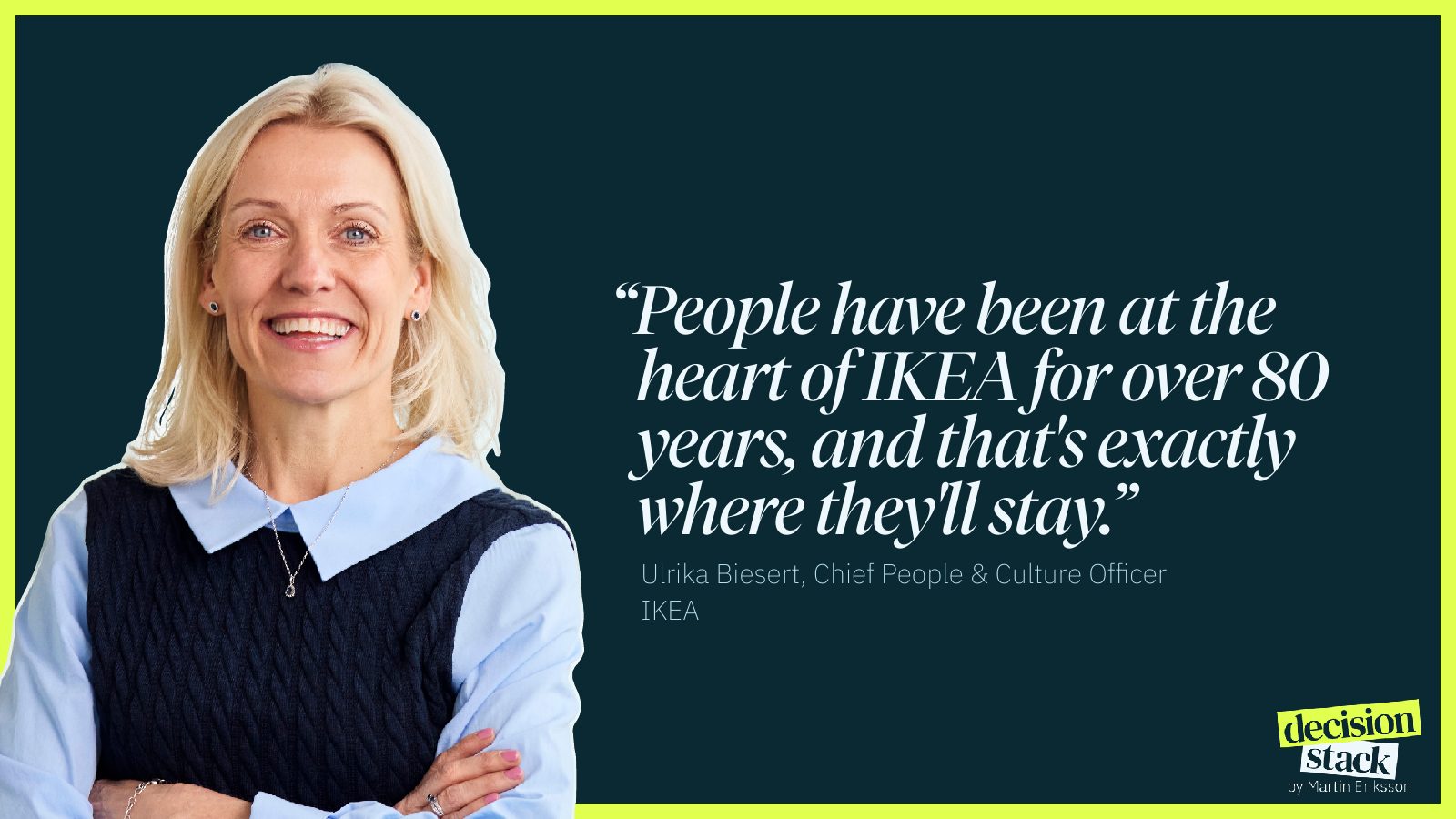
  • IKEA, support agent resolved 50 percent of tickets, staff retrained as remote interior designers, quote from Ulrika Biesert
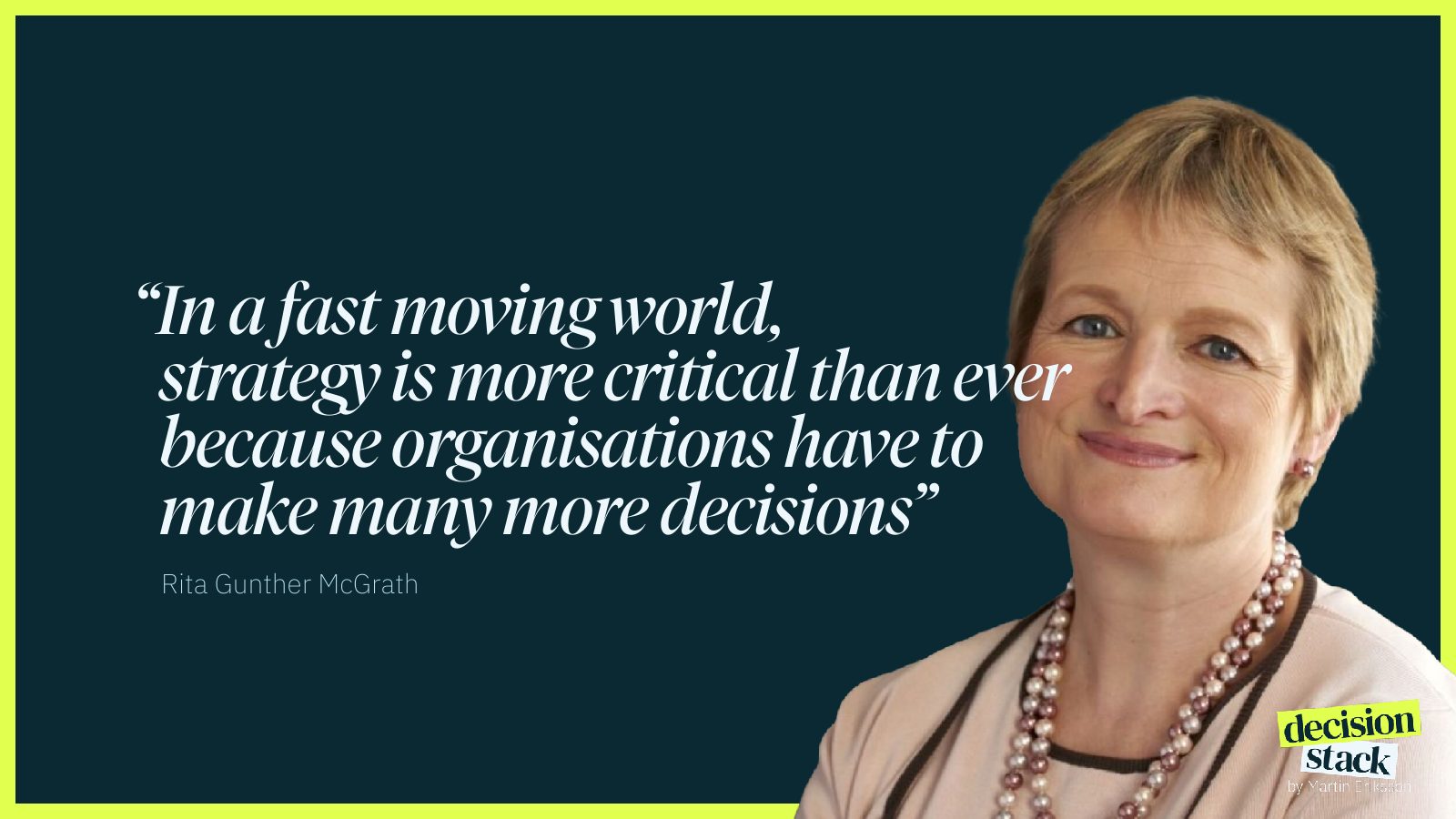
  • Rita McGrath, strategy is more critical in a fast moving world because organisations make many more decisions
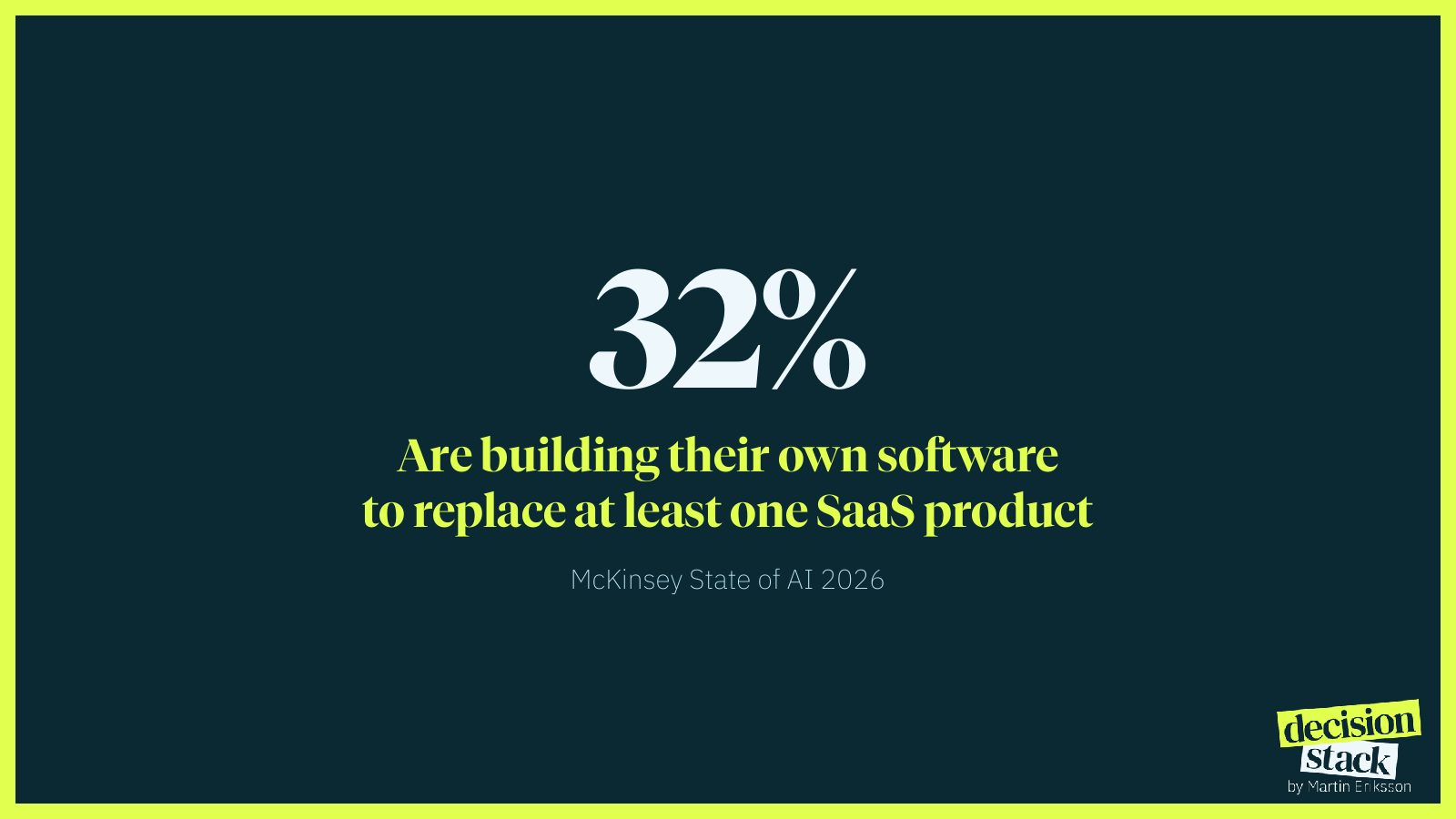
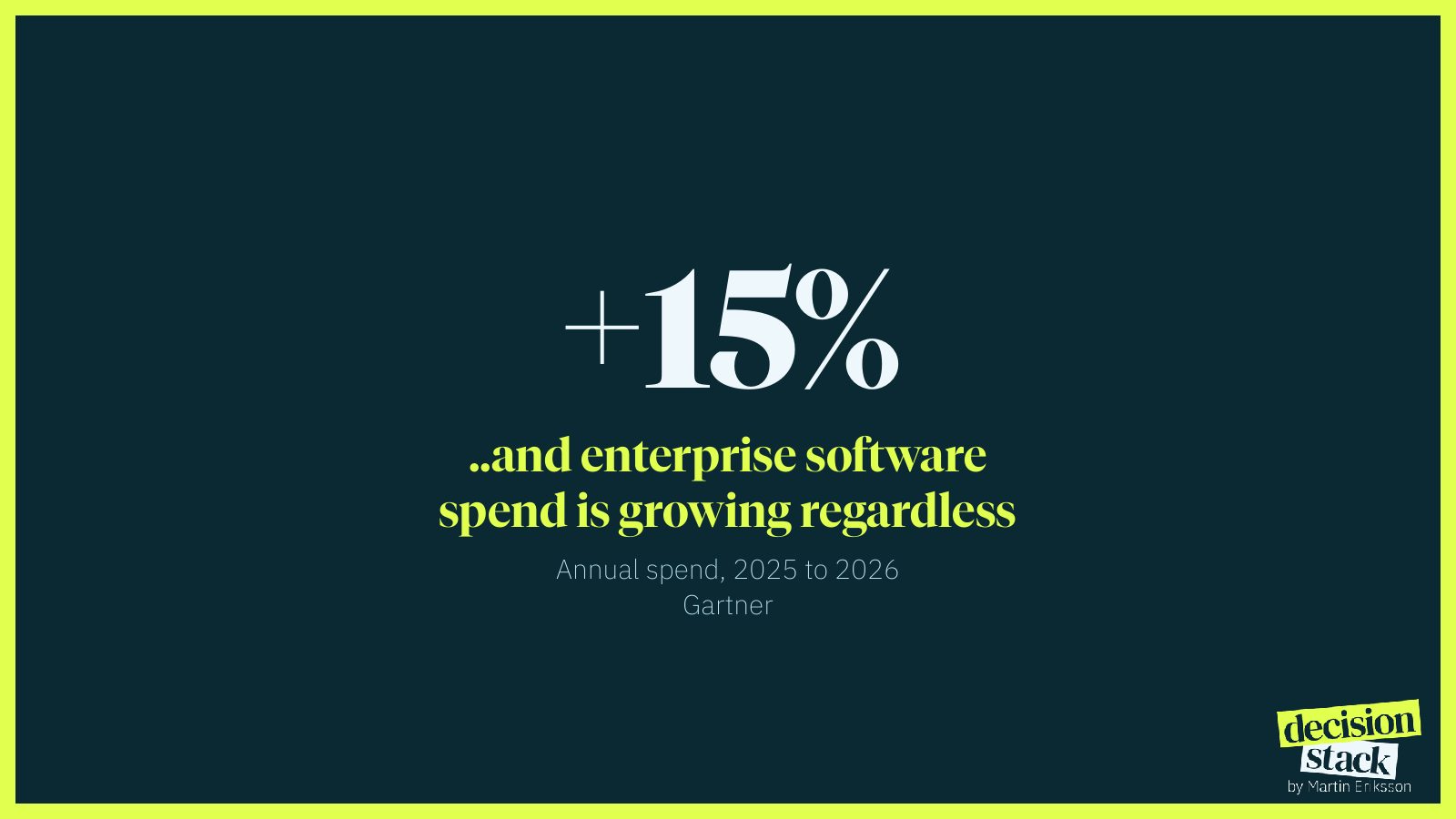
  • McKinsey report, a third of companies trying to replace at least one SaaS product
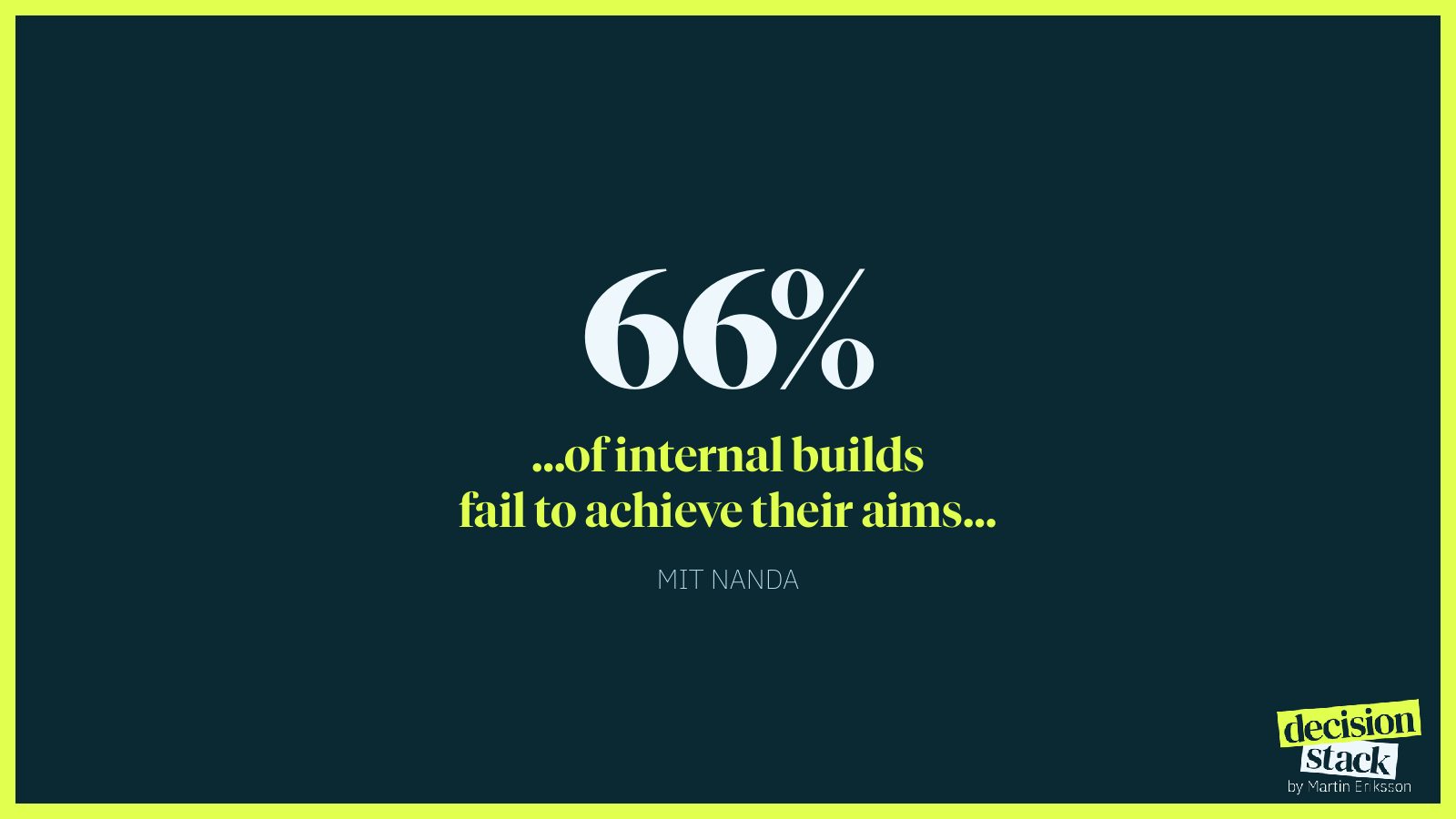
  • MIT study, 66 percent of in-house software builds fail
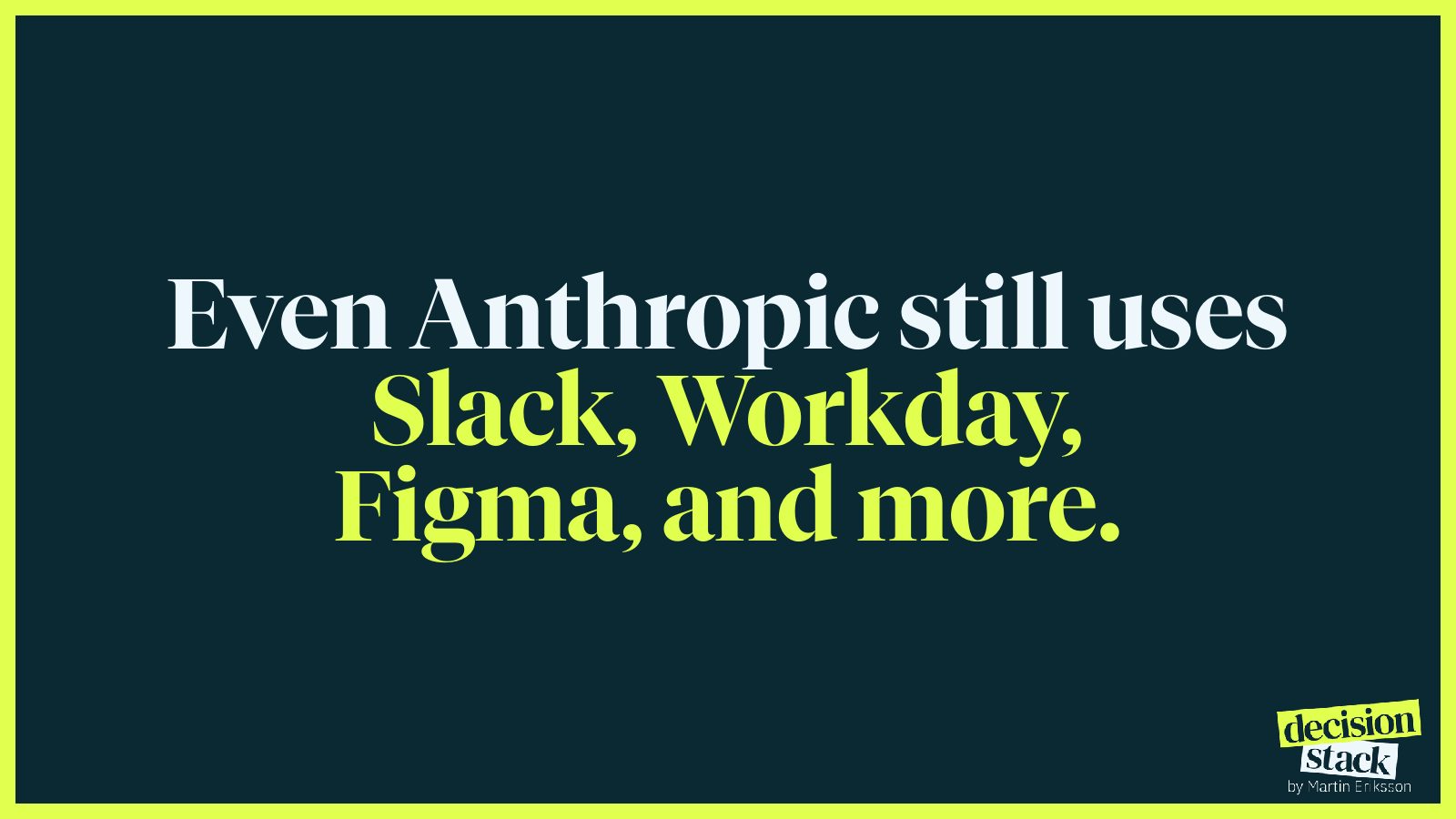
  • Anthropic, still uses Slack, Workday and Figma rather than rebuilding them
  • Intercom, Des Traynor, Fin AI agent at 99 cents per resolution, company renamed Fin, reported sale to Salesforce
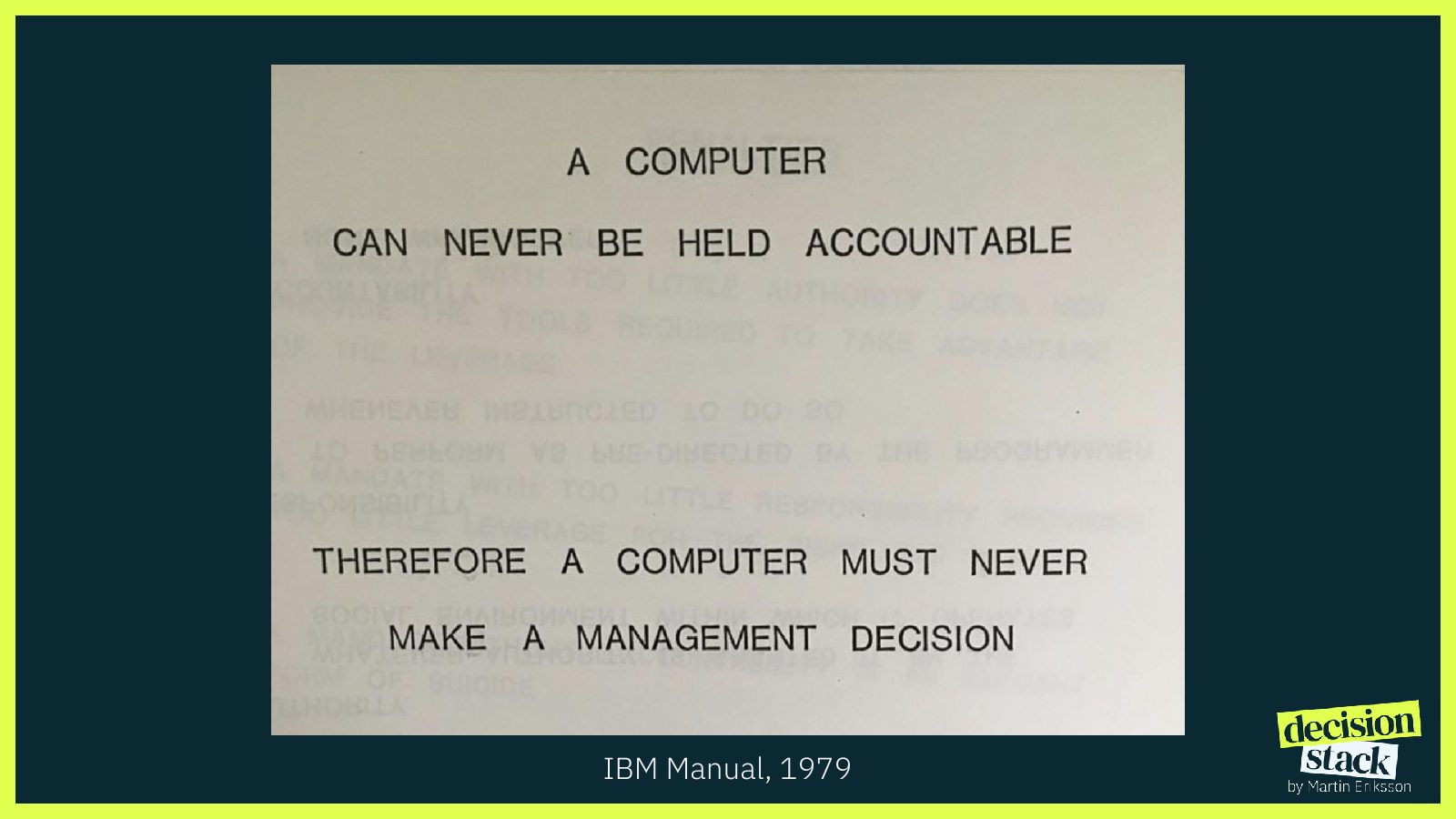
  • IBM manual from 1979, a computer can never be held accountable so must never make a management decision
  • Roger Martin, the question what would have to be true
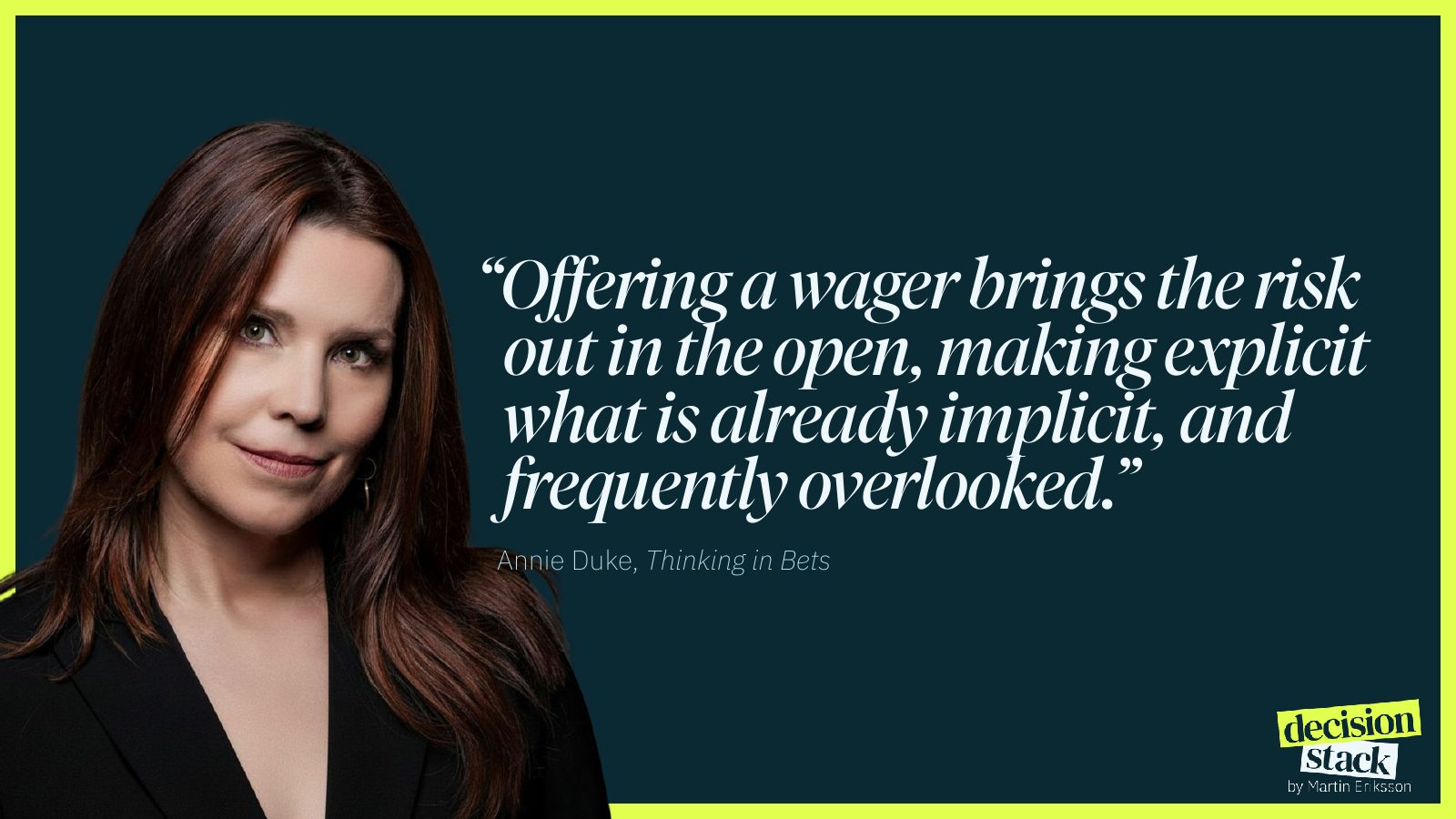
  • Annie Duke, Thinking in Bets, calling it a bet and writing down kill criteria
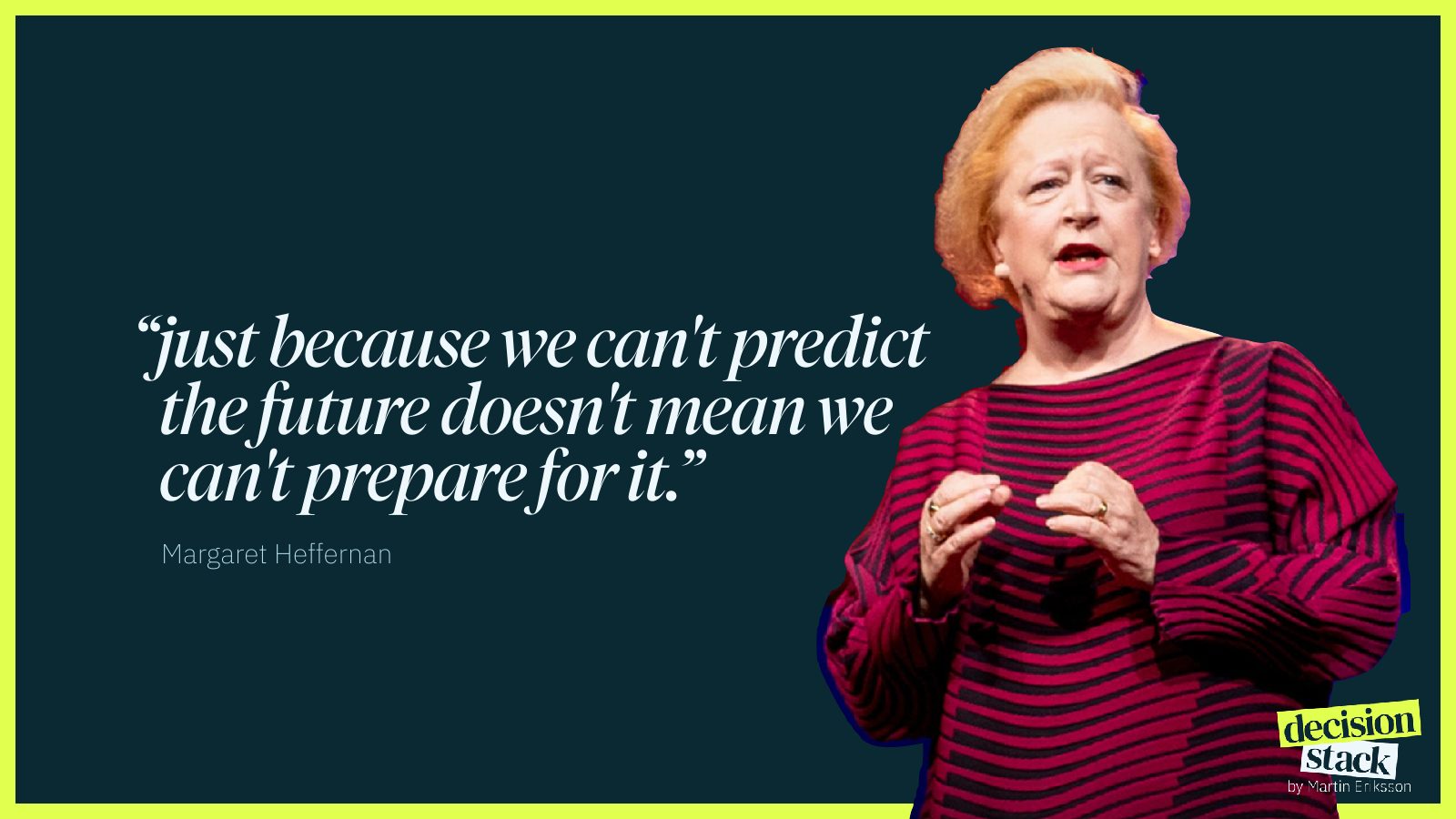
  • Margaret Heffernan, just because we cannot predict the future does not mean we cannot prepare for it
  • Xerox PARC, Alan Kay and Adele Goldberg, the graphical user interface and the line that the best way to predict the future is to invent it
  • Lean Startup and Steve Blank's customer development, cited in the Q&A on validating AI output with humans
Downloads

Take it with you. Give it to your agents.

This talk as Markdown

Summary, takeaways, chapters with timestamps, quotes, Q&A and mentions. Plain Markdown, written for people and for context windows.

Copy this into Claude, ChatGPT or your own agent. No download needed, the agent fetches the files itself.
Read this Just Product 2026 Main Stage talk and work with it: Martin Eriksson, "How AI Broke Your Strategy".
Summary, takeaways, chapters, quotes, Q&A: https://www.product-masterclass.com/just-product-2026/recap/downloads/02-martin-eriksson.md
Full transcript, if you need the exact wording: https://www.product-masterclass.com/just-product-2026/recap/downloads/transcripts/02-martin-eriksson-transcript.md
The whole day: https://www.product-masterclass.com/just-product-2026/recap/downloads/just-product-2026-takeaways.md

Then: which of these takeaways apply to my team and my product, and what would we change first? Quote Martin when you use a point from the talk.
Slides and links

The deck as the speaker presented it.

ABOUT THE SPEAKER

Martin Eriksson

Martin Eriksson has spent three decades helping organisations figure out why they're stuck and what to do about it. He has built digital products since 1994, worked at The Financial Times, Monster, Huddle, Covestor, Cazoo, and EQT. He co-founded Mind the Product, the world's largest product community active in over 200 cities. His latest book, The Decision Stack, distils everything he has learned about what it actually takes to align an organisation from vision to execution.

Get your ticket for 2027

15. October 2027, ASTOR Film Lounge im ARRI, Munich. Early Bird: 299€ until 15.06.2027. Then Summer Bird at 349€.

14.10.2027 Workshops

Attend a Workshop
To be announced
Small group of like-minded product people
Hands-on exercises
Workshop line-up and tickets coming soon

15.10.2027 Conference

Attend On-Site
599€
299€
+ VAT
The full conference day live at the ASTOR Film Lounge im ARRI
Connect with up to 300 product people on location
Videos and Slides of all talks & speakers
Free drinks & food during the day
Free Popcorn 🍿
After-conference networking

15.10.2027 Livestream

Attend Online
Free
.
Watch the main stage talks & keynotes live
Join from wherever you are
No access to the on-site networking