
ABOUT THE KEYNOTE

AI Emptied Our Backlog. Now What?

What happens when engineering outruns product?

We started with a modest goal: use AI to structure our customer insights and feed the right information into product development. It worked better than planned. The backlog every product team knows, the long list of requests from customers and stakeholders, now gets handled alongside everything else.

That left us with a question we never had to ask before: what do we build now? When delivery is no longer the limit, old habits lose their reason. How we prioritize, how we plan capacity and what the product role is for all had to change.

In this talk I share the stories from that journey at medflex: what we changed, what did not work, and where we are still experimenting. You will leave with an honest picture of what shifts in an organization when building gets this fast, and with questions to take back to your own team.

Type
Virtual Keynote
Onsite Talk
Time
October 16, 2026 10:30
To be announced
Year
2026
Main Stage recap · AI Mindset Shift · 10:30 · 20 min
Chapters
Highlights

The moments worth replaying.

Short clips, each a complete thought. Share them, or jump to the spot in the full talk.

Two folders of transcripts, one living research pipeline

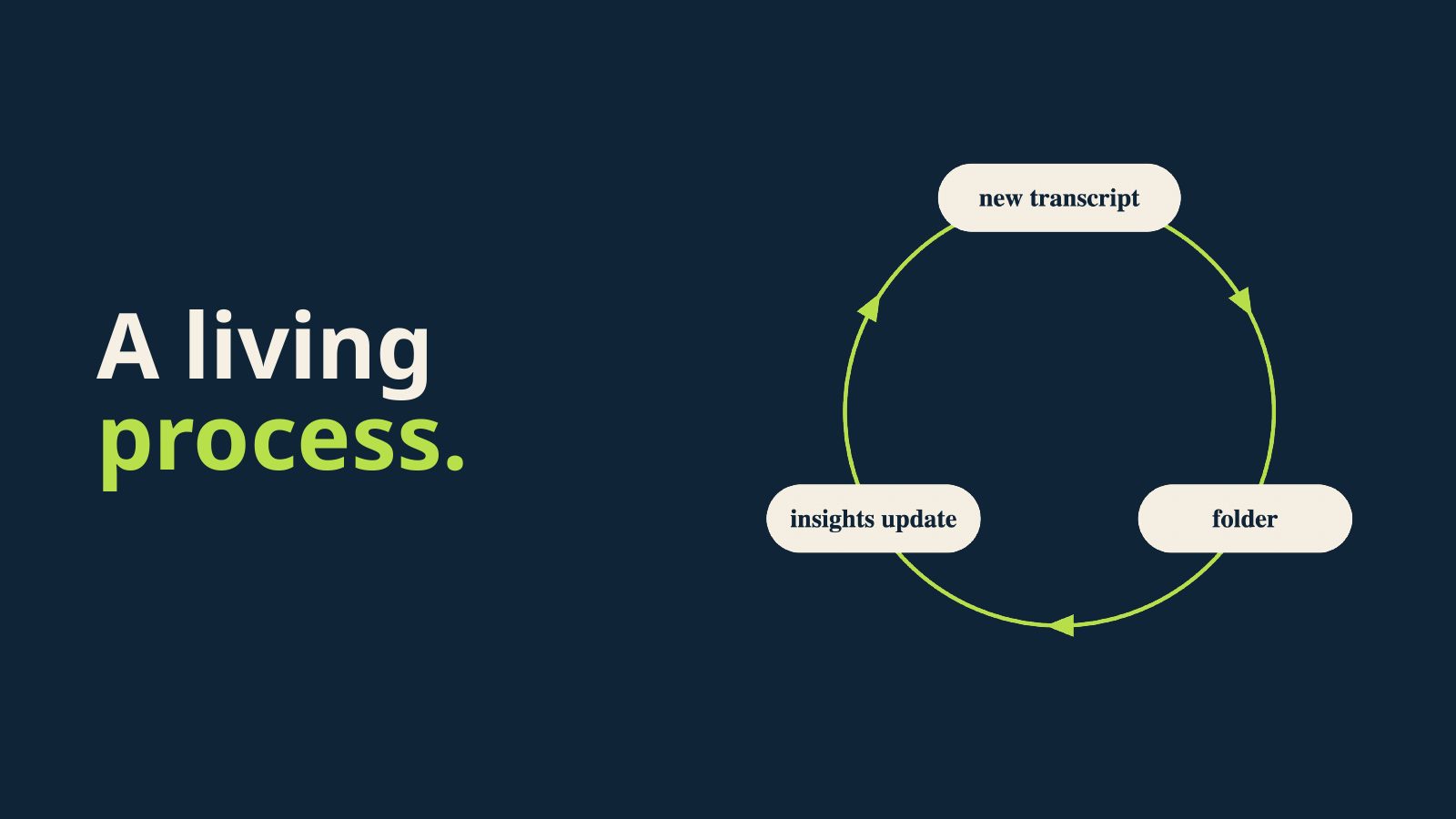
The concrete setup behind the whole talk: existing call transcripts, sorted by new and existing clients, scanned by AI with almost no human interaction.

5:05 IN THE TALK · 78 S
A five kilometer backlog cut in half

A vivid before and after with the two year old ticket that came back and the week old ticket that died.

6:23 IN THE TALK · 77 S
By Friday nothing was left

The turning point: agentic engineering made product the bottleneck, told through her Teams chat.

7:40 IN THE TALK · 79 S
Why story points had to go

An honest account of losing her stakeholder argument, with the coffee pot Scrum Poker story as the punchline.

9:54 IN THE TALK · 87 S
Two years of roadmap in two weeks

The strongest number of the talk and the method behind it: one big idea per developer, a sketch and two weeks with agents.

13:58 IN THE TALK · 78 S
Don't be afraid to be the bottleneck

The closing advice that frames the whole story as a chance to redefine the role.

18:52 IN THE TALK · 57 S
In short

What Verena argued.

When AI makes delivery nearly instant, product becomes the bottleneck, and the old methods around it have to go.

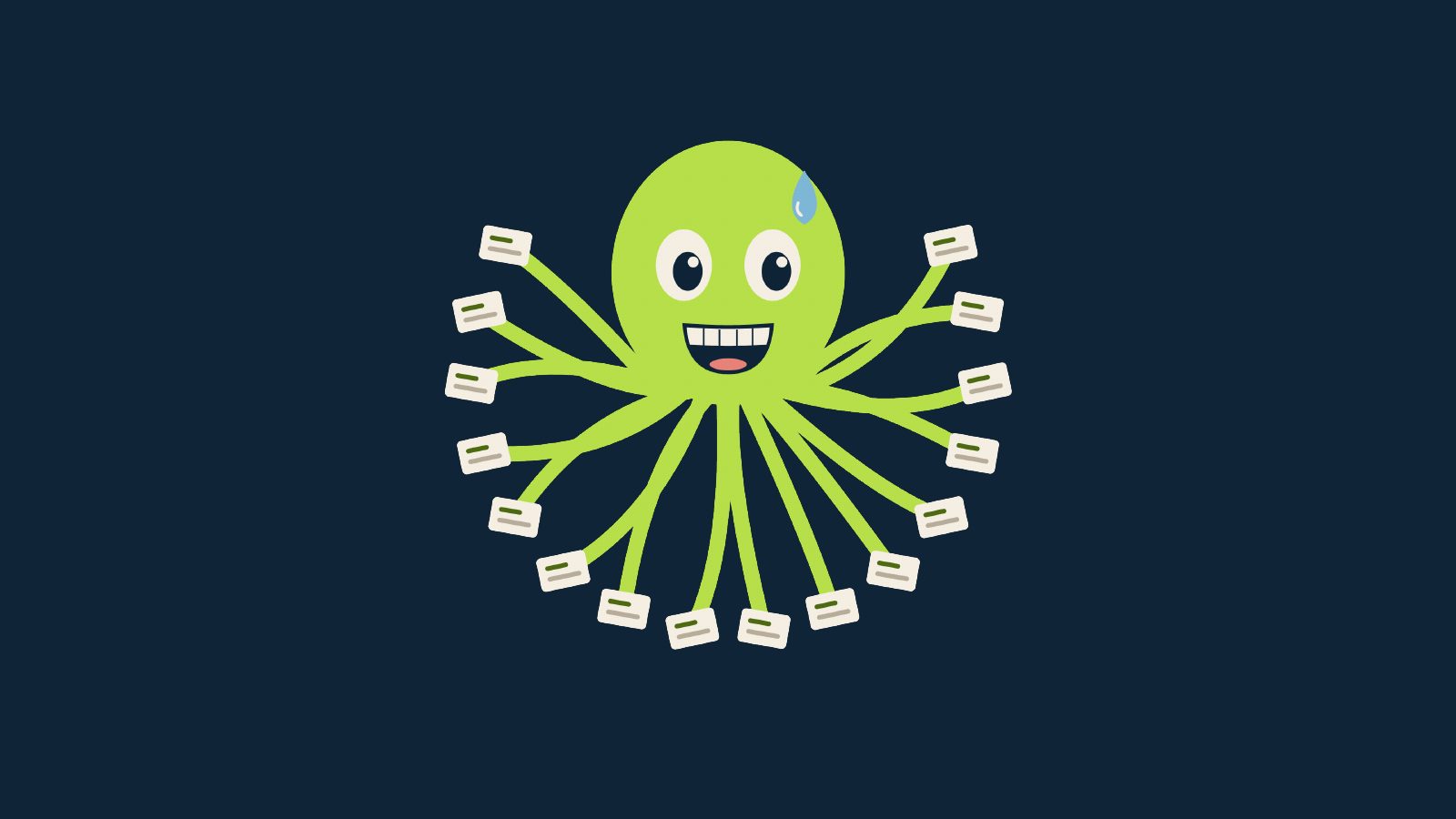
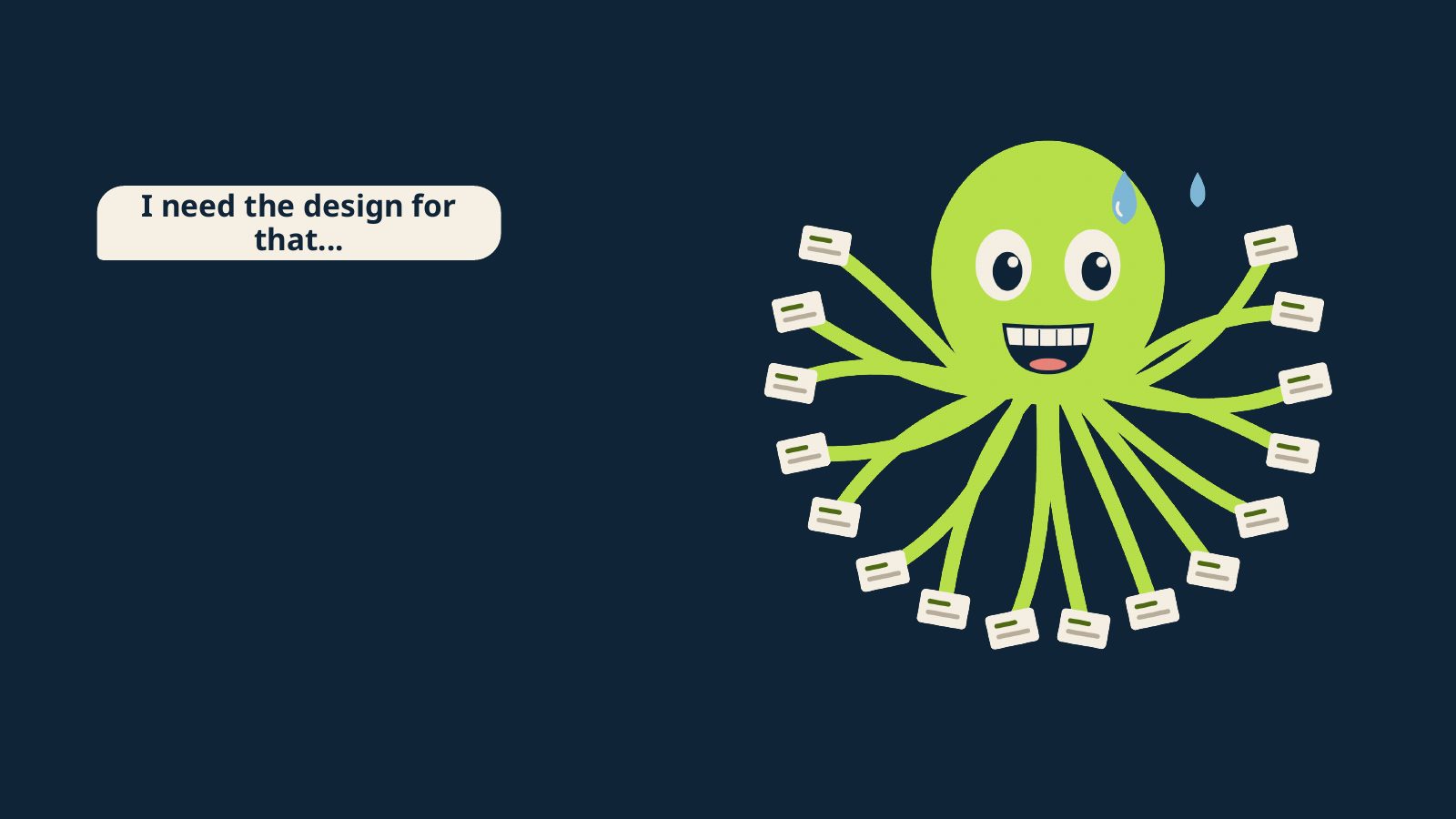
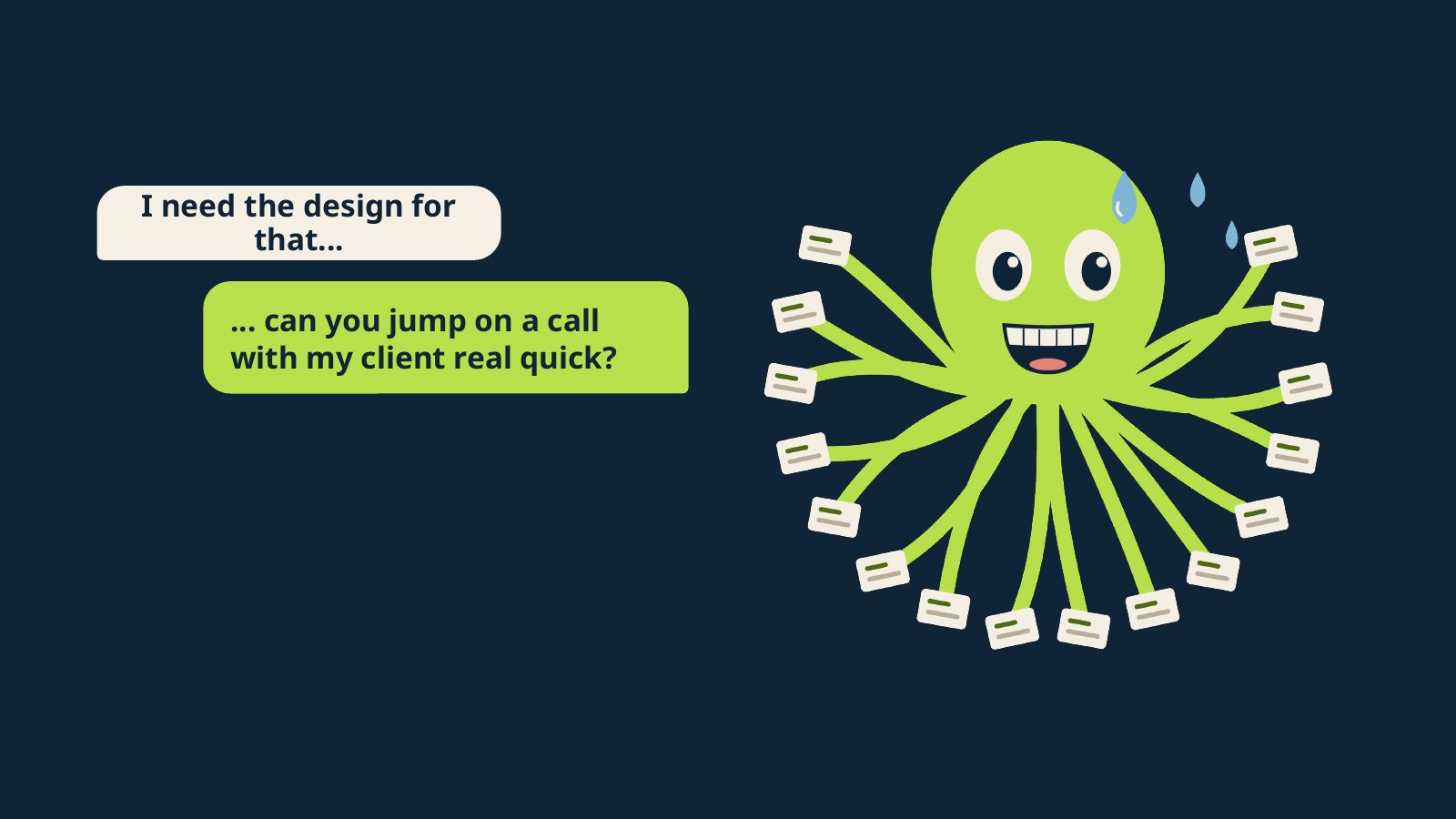
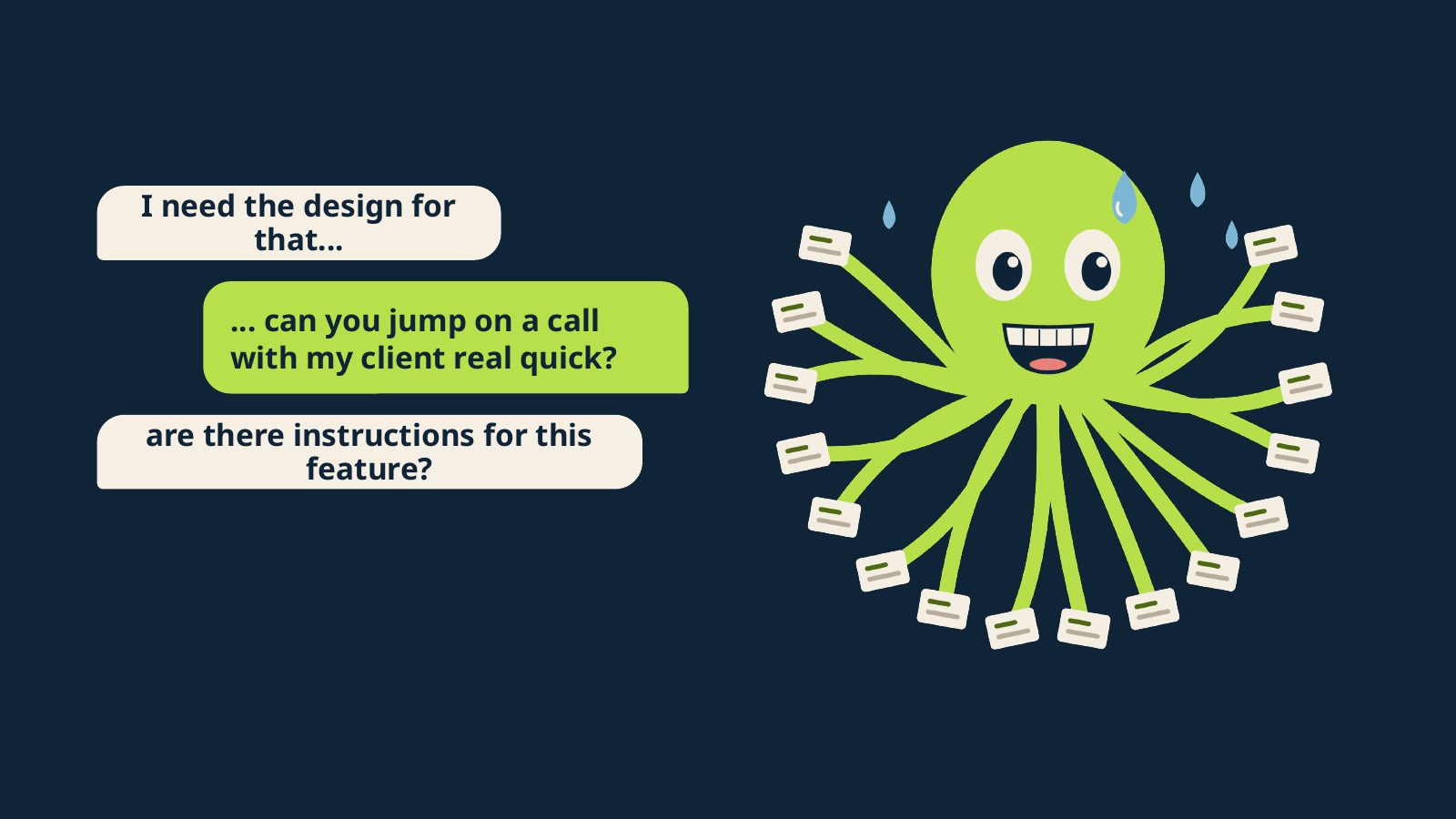
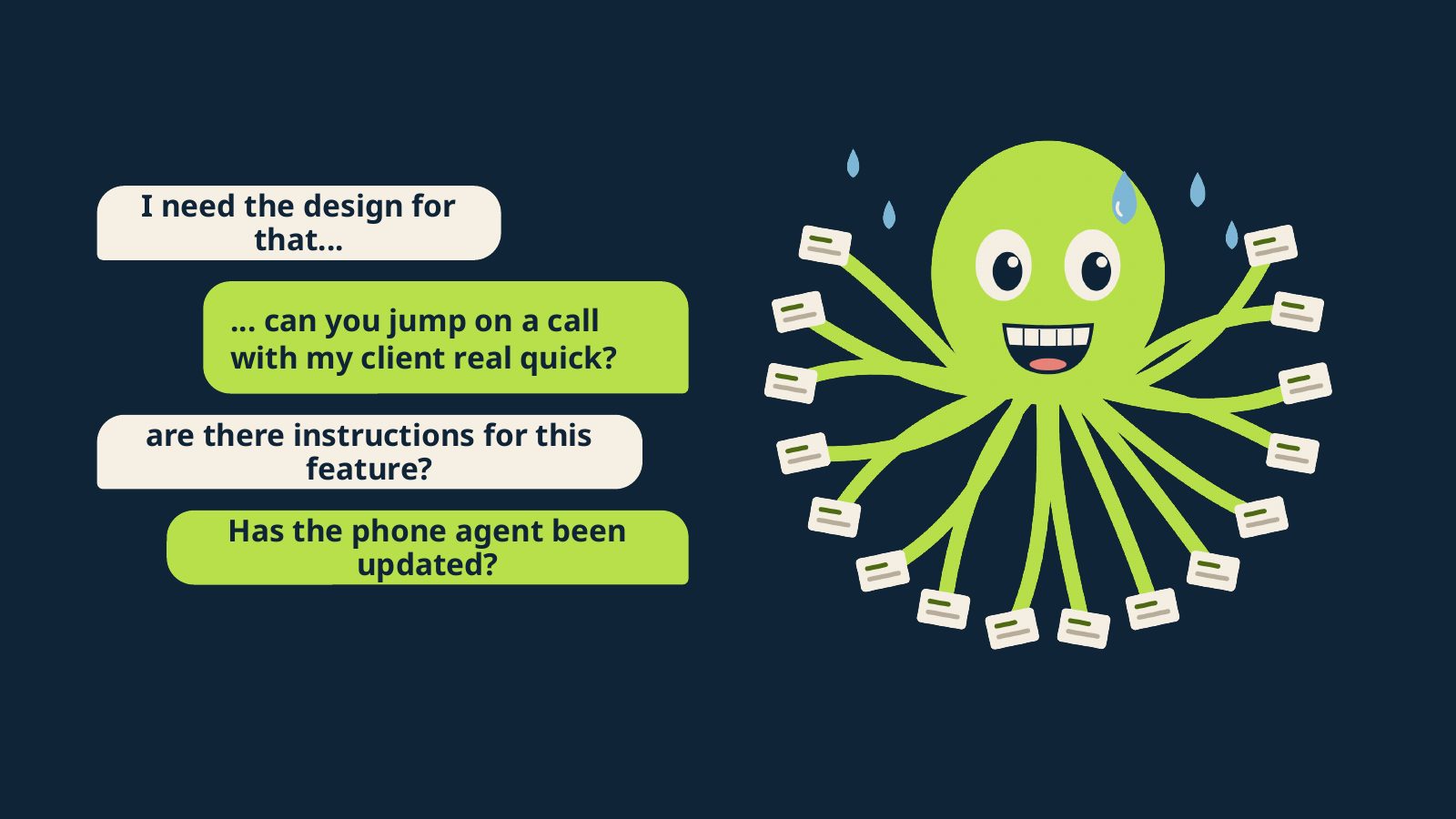
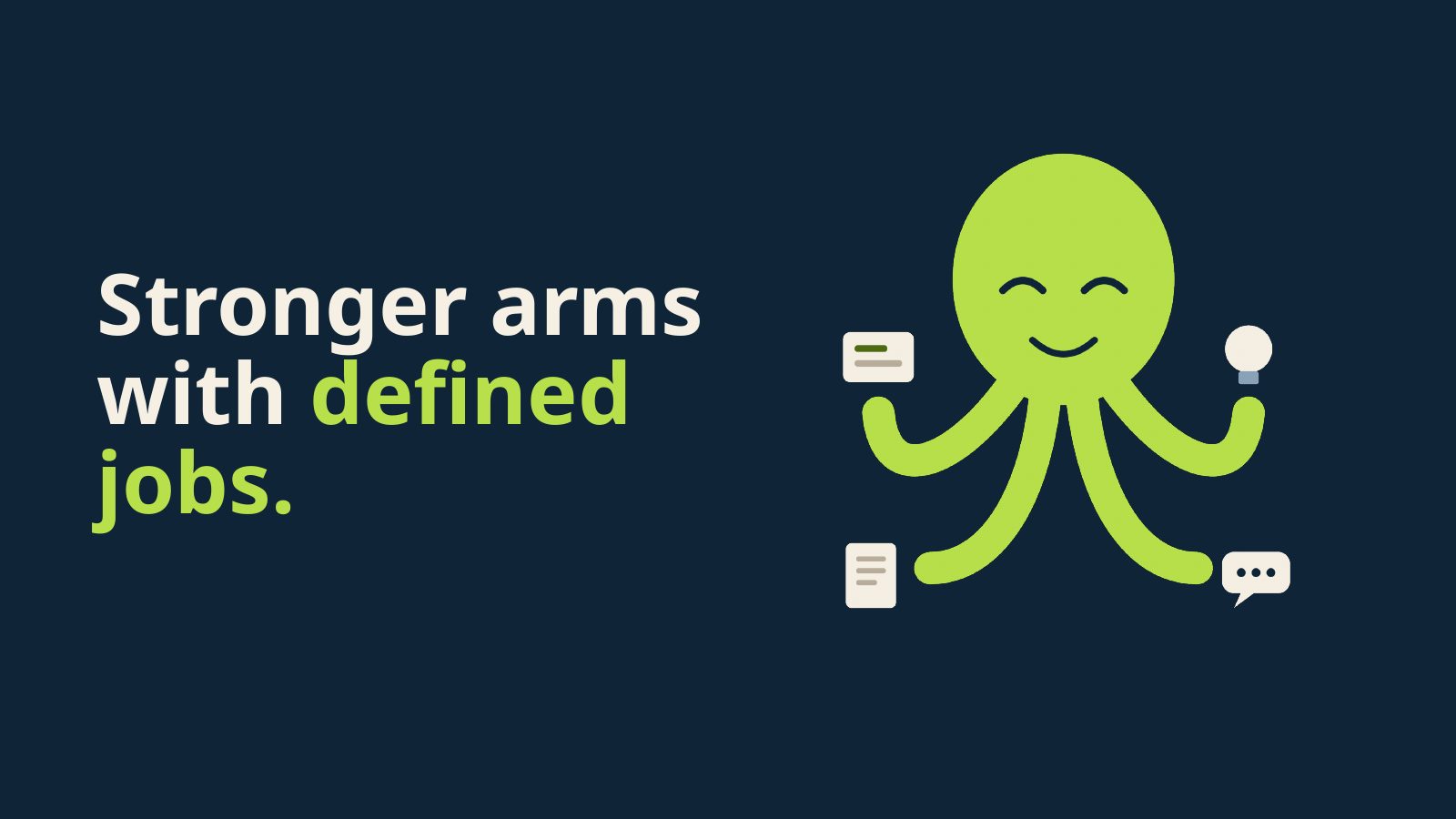
Verena Graber opened with the image Sebastian had teased: a product manager who feels like an octopus with 800 arms. At medflex, a Medtech company that uses AI to support communication and automate processes for healthcare providers, her work ran from research and design to roadmaps, testing, documentation, client onboarding and sales calls. In spring 2026 she took the Product Masterclass cohort on product management in the AI era, which gave her three blocked hours a week to experiment. Instead of chasing what was missing, she started with what the company already had. Sales and support were transcribing most calls, so she sorted those transcripts into two folders, new clients and existing clients, because the AI kept confusing what existed with what was new.

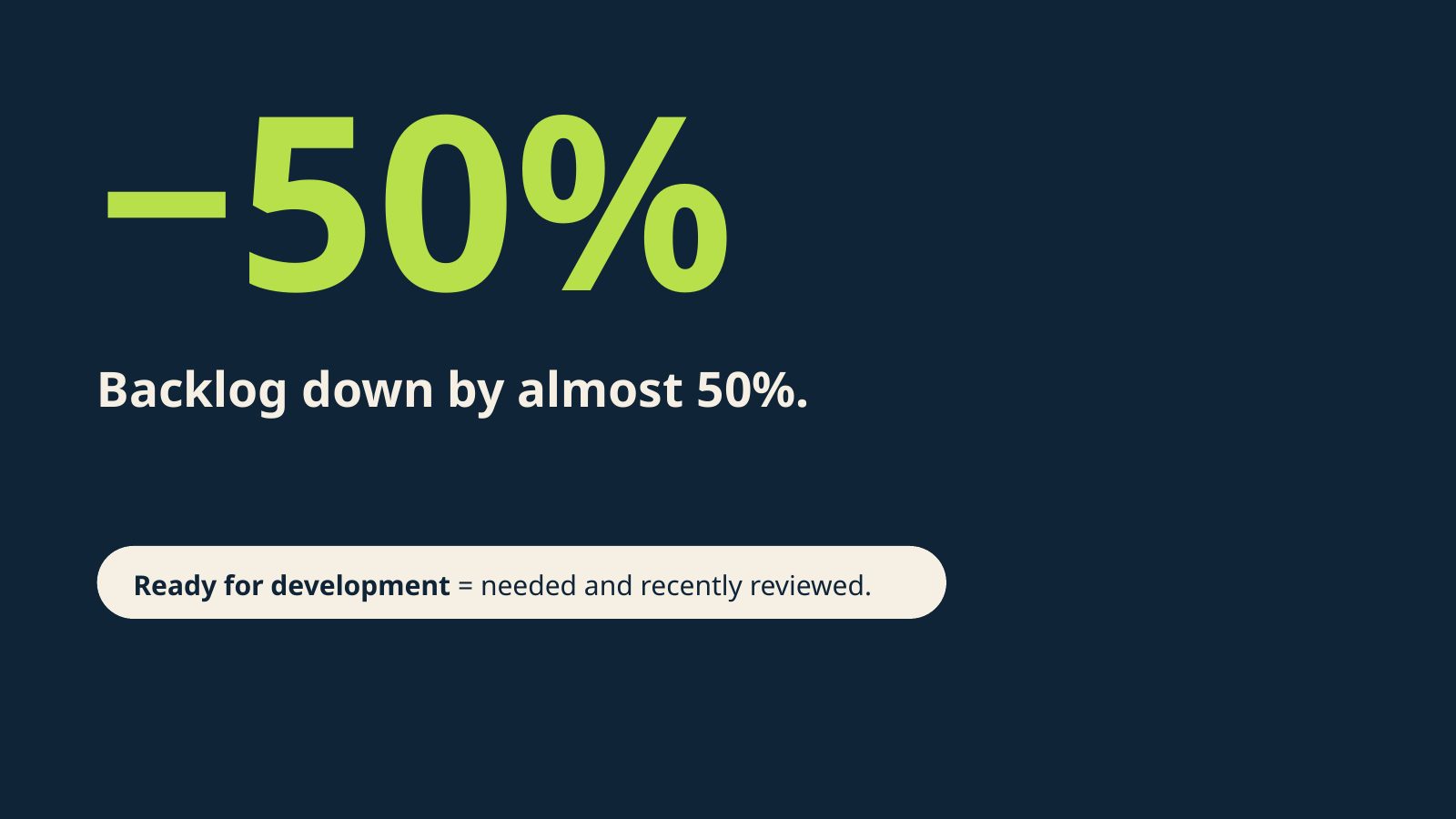
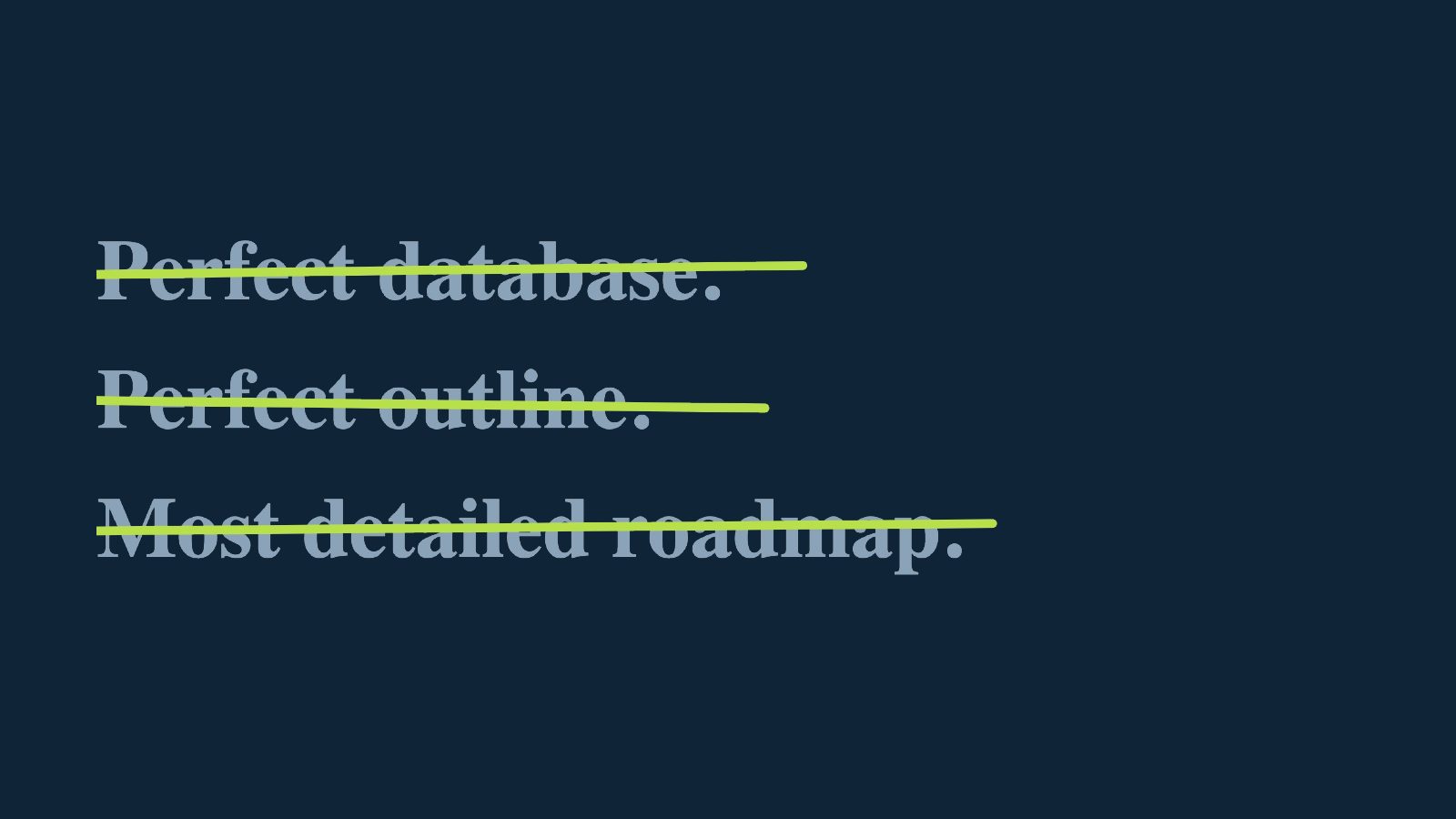
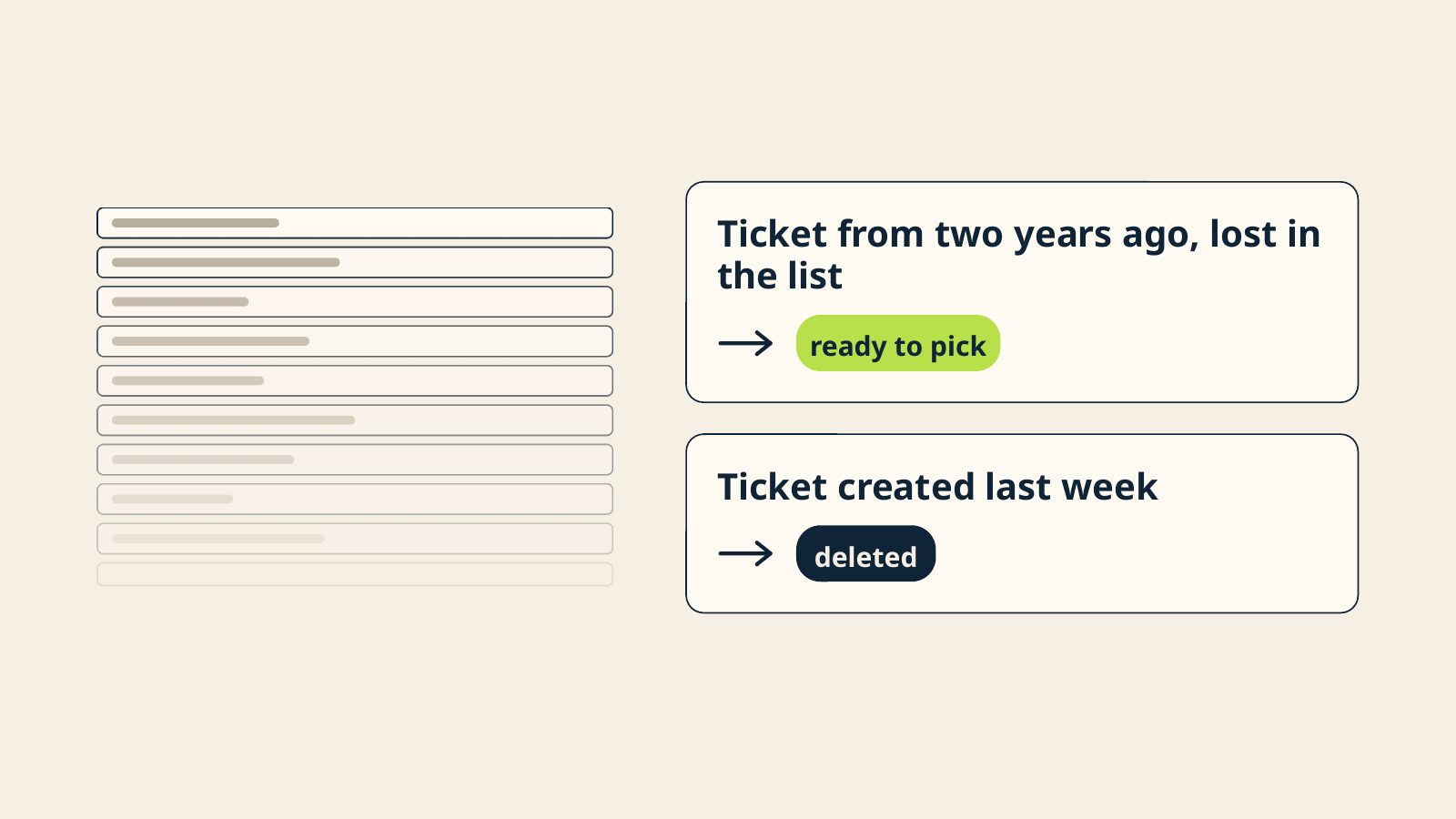
She had AI read the transcripts for recurring complaints, what new customers needed and the most asked questions, and later added the support ticket pipeline to surface bugs that kept coming back. The process still runs today. Every new transcript lands in a folder, gets scanned, and the resulting list is checked against the backlog with almost no human interaction. Challenging the backlog against those insights changed it fast. It had been about five kilometers long, with tickets from years ago nobody remembered. A two year old ticket turned out to still be relevant and went straight to ready to pick, while a ticket from the week before got deleted. Without hours of interviews, the backlog shrank by almost 50 percent, and everything left had been reviewed recently.

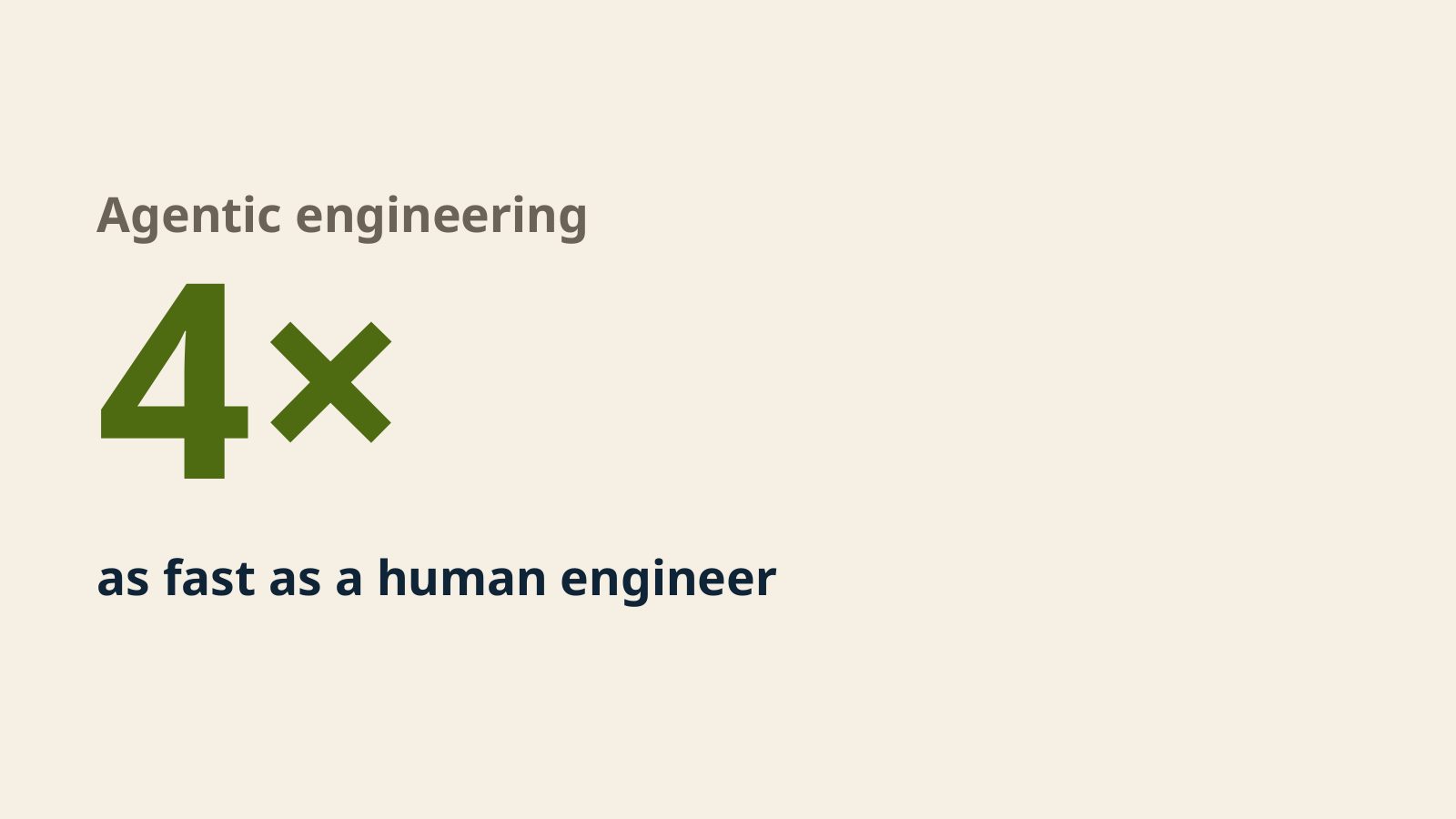
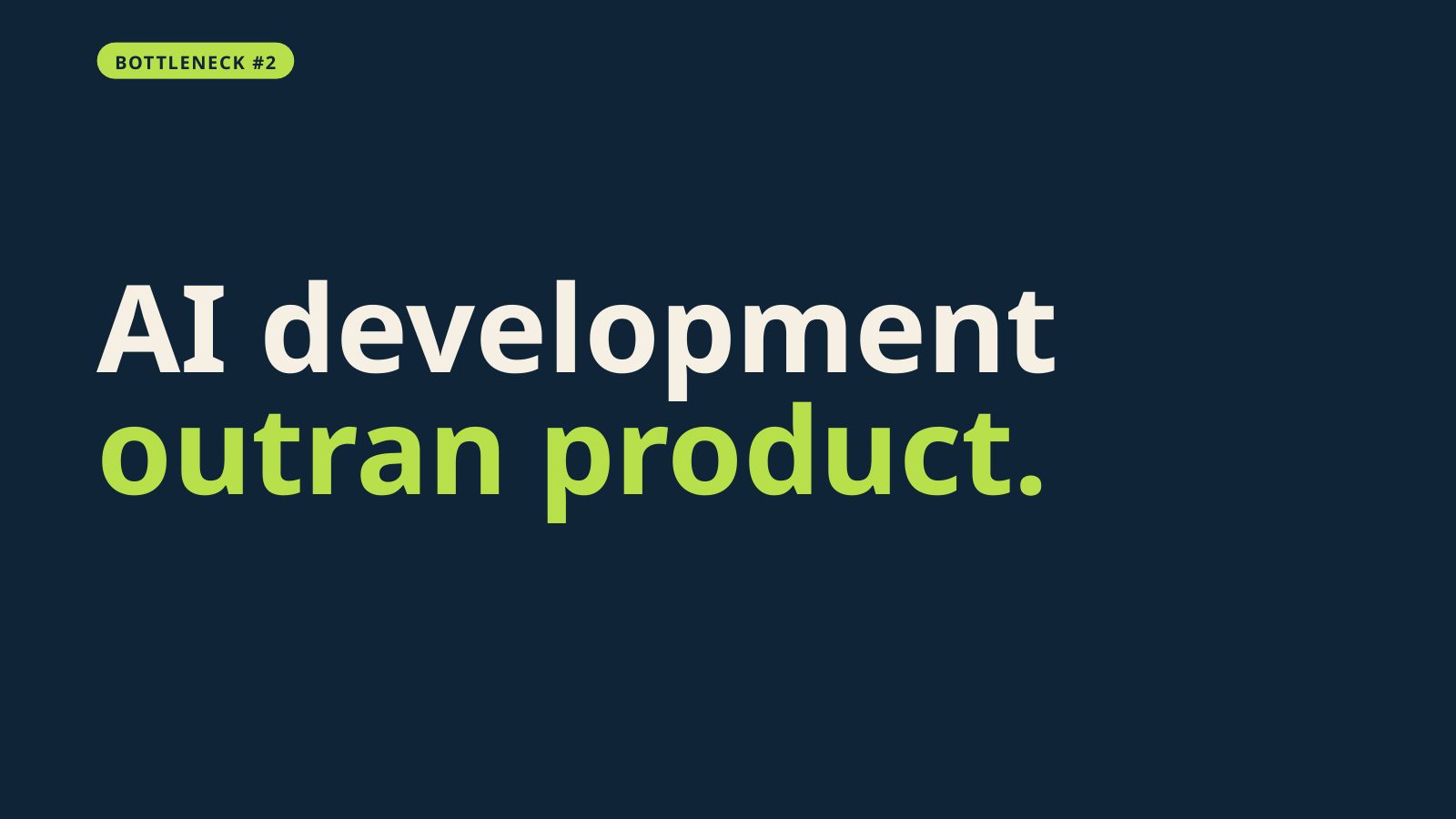
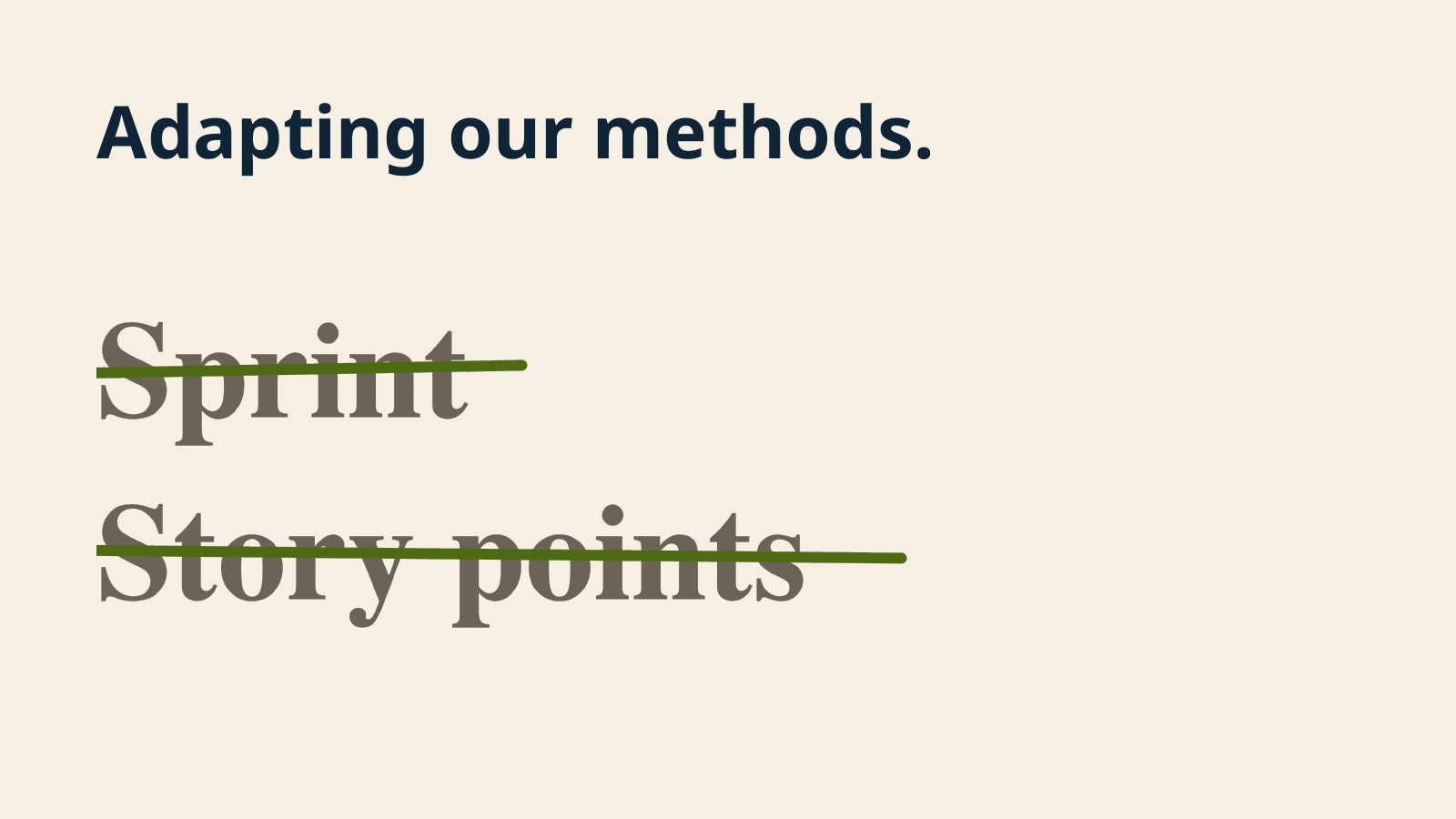
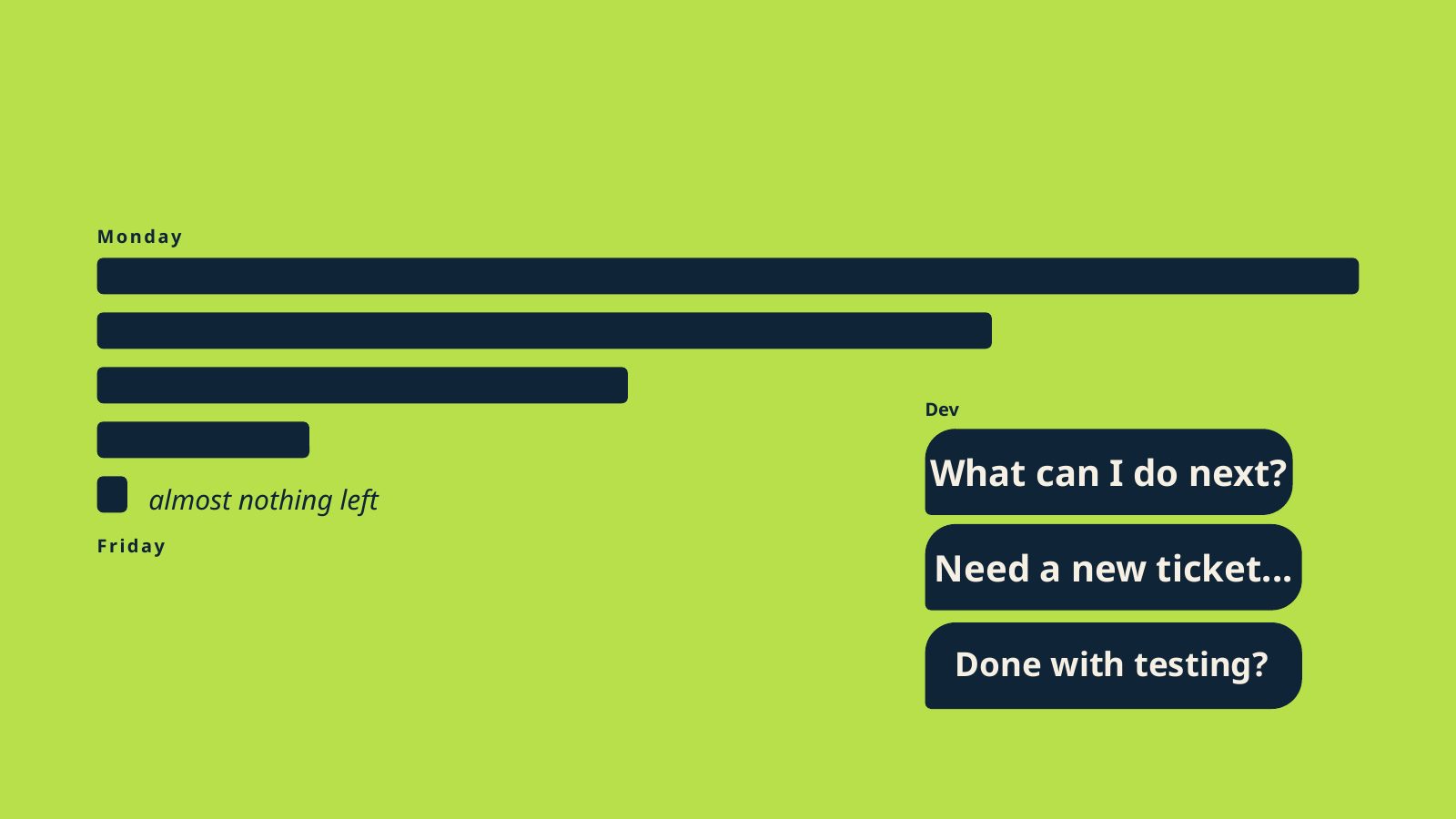
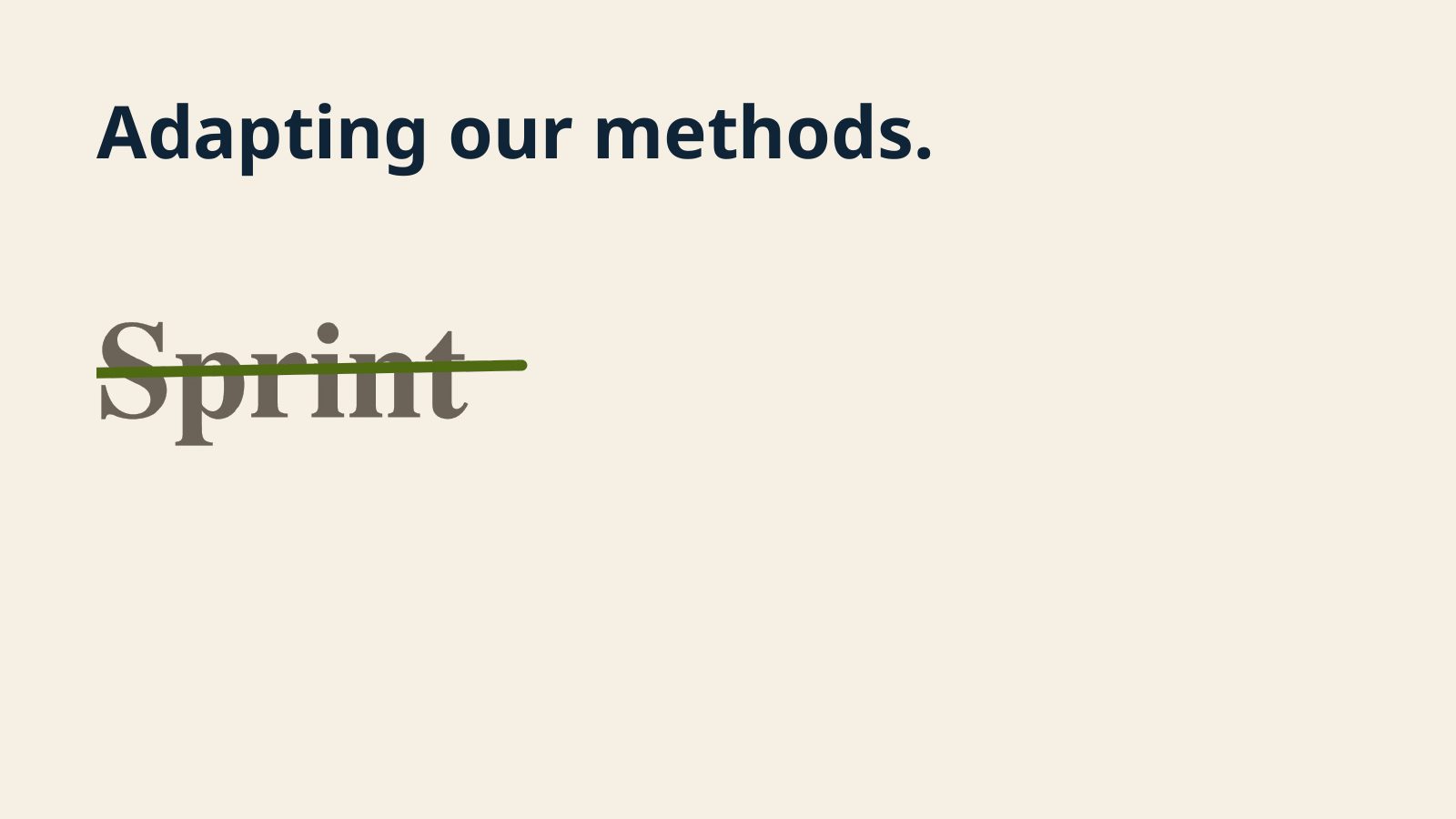
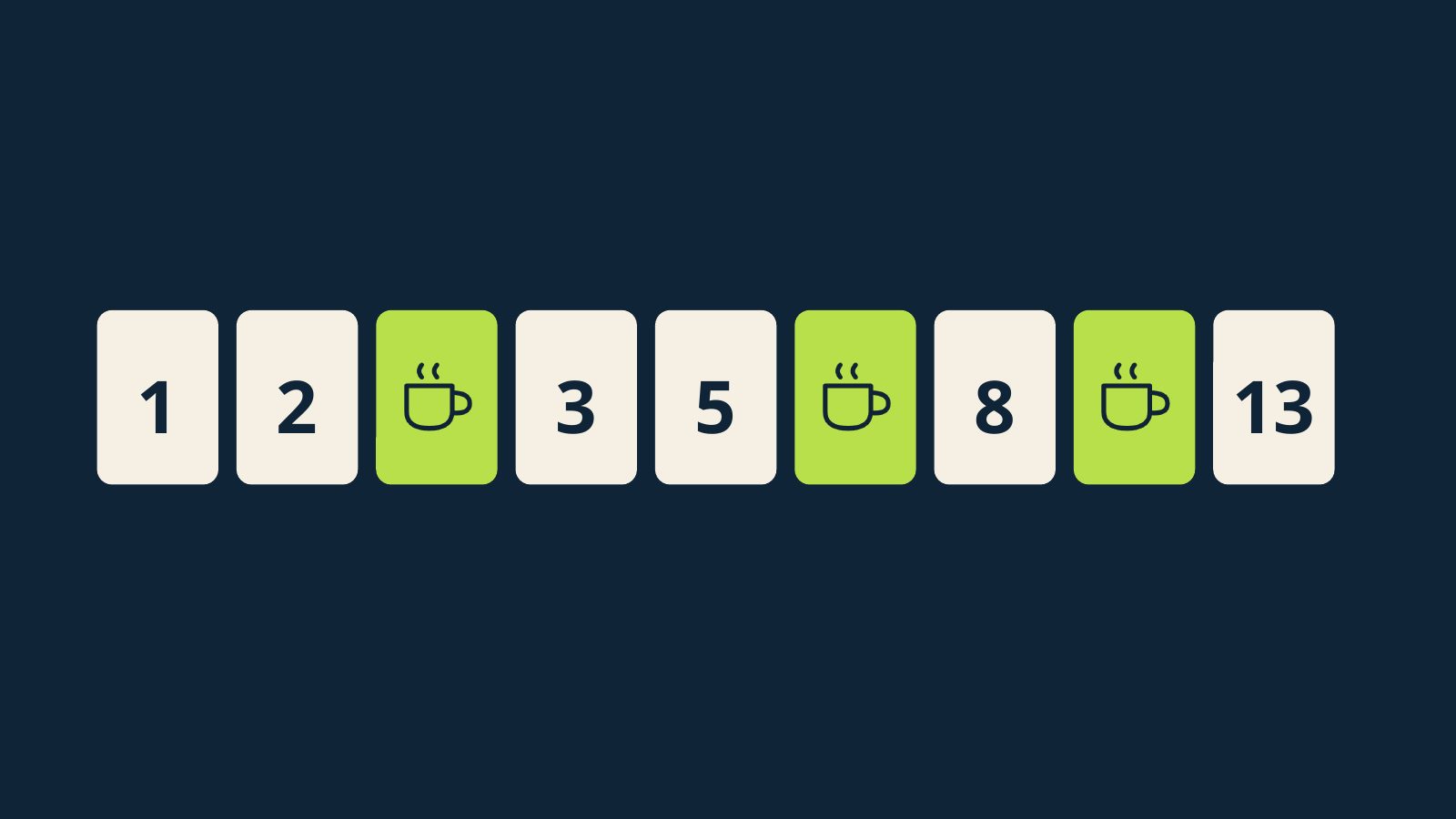
Then the tech team introduced agentic engineering and development cycles sped up roughly four times. A week started on Monday with a full list for the developers. By Friday nothing was left, and her Teams chat filled with "what can I do next?" and "is there anything I can do now?". Product had become the bottleneck. Testing, finalizing releases and keeping the team informed left no room for new ideas, so the team looked at its methods. Sprints went first: no point planning a two week block when tasks finish within minutes. Story points went next, which hurt, because those numbers had been her argument with stakeholders for saying no. Scrum Poker rounds filled with coffee pot cards because developers could no longer estimate effort the agent would do anyway.

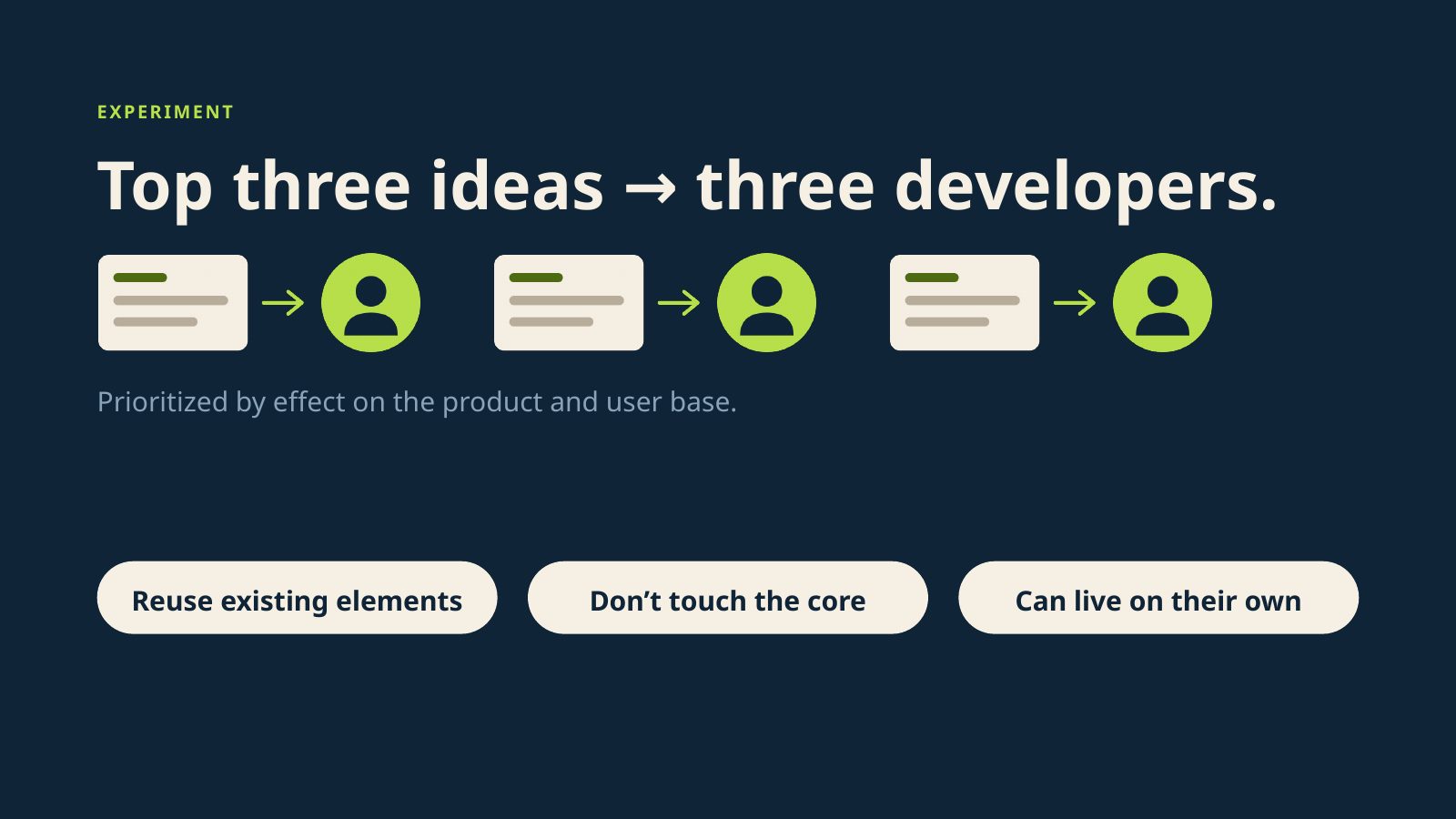
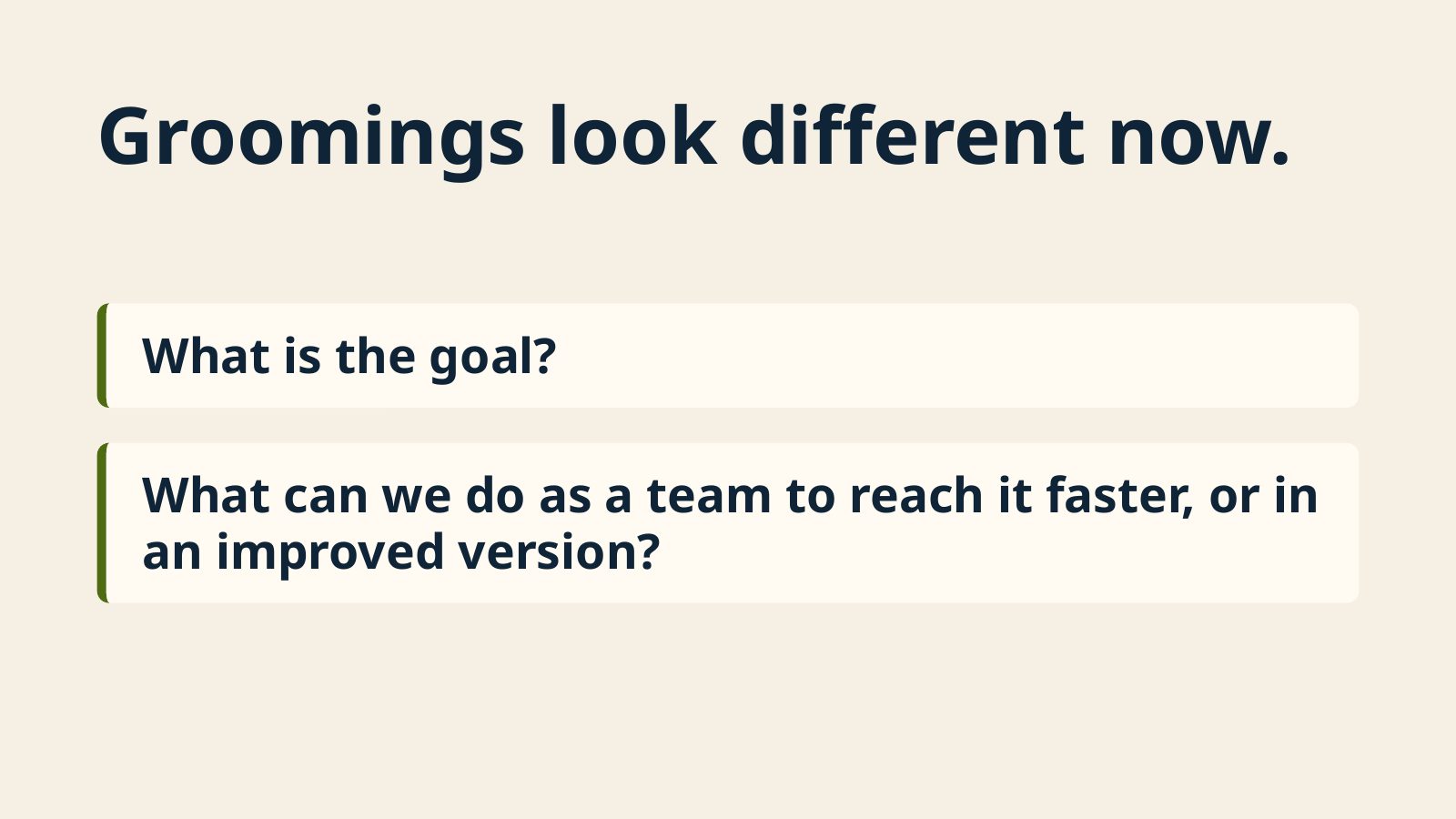
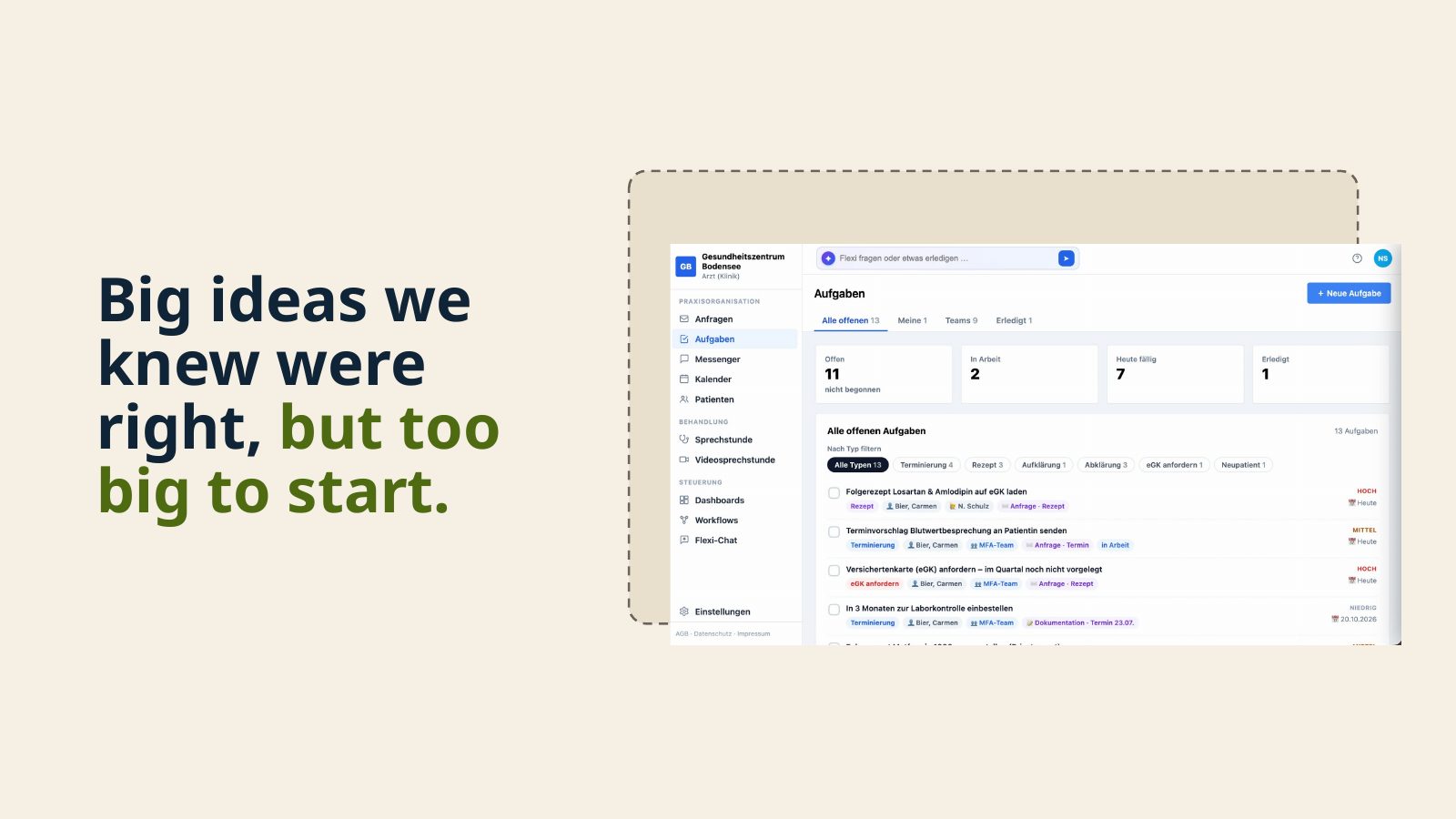
Groomings stayed, but changed. Instead of comparing tickets, debating sentences and moving two pixels, the sessions now ask what the goal of an idea is and how design and development together can reach it faster. The bottleneck still sat in the methods, so the CEO, Verena and the two lead developers met over a rough prototype the CEO had sketched in about two hours. It held the big ideas the team had never known how to start. They gave the top three ideas to three developers, one each, with only the sketch and one question: what can you do with this using your agents in two weeks? Work planned to take two years at the start of the year took two weeks and now sits on the testing stages.

Her product role now has four arms. Research and insights, where humans still decide what gets built and when. Exploration and design, the most human part, using Claude Design and Figma with faster prototypes and more variants. Grooming without estimates, asking what would make the team faster or the product more lovable, while an agent writes the tickets. And documentation, which agents draft and she reviews, so she can explain what is live today and train support instead of answering the same question again. Her closing advice: do not be afraid to be the bottleneck. Push to that point, then use it to see what you still need, what you can drop and where to work closer together. No perfect method exists yet, so let the role become fluid.

Key takeaways

  • Start with data you already have, such as sales and support call transcripts, before recruiting interview partners.
  • Separate transcripts of new and existing customers before analysis, otherwise the AI mixes what exists with what is requested.
  • Check every backlog item against live customer insight; expect old tickets to resurface and fresh ones to die.
  • When agents make delivery near instant, drop sprints and story points instead of keeping rituals that no longer fit.
  • Run groomings on the goal of an idea, with design and development in the room, rather than on ticket wording and pixels.
  • Hand big ideas directly to developers with a rough sketch and a two week agent budget, then review what comes back.
  • Let agents draft tickets and documentation; keep human time for deciding what gets built and when.
  • Collect customer feedback during onboarding, when customers are curious anyway, instead of scheduling separate validation calls.

In their words

> I don't know about your backlog, but ours was about five kilometers long, with tickets from years ago nobody remembered.

> It turned out product kind of is the bottleneck again. AI development outran product.

> What's the point of planning a two week block for development when I'm mostly busy putting in tasks that are getting done within minutes?
Q&A

Questions from the room.

The video ends with the talk. The questions are summarised here.

If you eliminated sprints, what replaced them, and do you still have checkpoints to review and improve?

The team went back to Kanban, and groomings now also cover when something is needed and how much time a release buys. Releases currently outpace what clients can absorb, so the team builds and waits for the release. Dailies remain, and a ticket that shows up in dailies for more than three weeks is the marker that something is off.

How did the development team handle the responsibilities you handed over, eagerly or defensively?

Eagerly. Developers now join ideation and design at the earliest stage, something she admits she had preached but not practiced before. A shared vision of the product helps; the open question is the testing stage, where some of their design choices will be reworked or deleted.

As product manager, do you still have control over the objective so the team does not spin off into something else?

Not easy when you can build everything, and focusing on what should actually be built is daily work. Right now the direction is clear, and ongoing contact with sales, support and customers keeps plans honest, with enough fluidity to change course quickly.

In the design and exploration arm, how did you speed up validation with customers?

By doing less of it. The team tests against the existing product, uses power users as feedback givers and collects feedback during customer onboarding, when clients are curious and asking questions anyway. That replaces scheduling separate validation appointments.

Slides

The slides that carry the argument.

Download the deck (PDF, 28 slides)
Slide 9Slide 12Slide 15Slide 16Slide 18Slide 21Slide 26Slide 28
Show all 28 slides
Slide 1Slide 2Slide 3Slide 4Slide 5Slide 6Slide 7Slide 8Slide 9Slide 10Slide 11Slide 12Slide 13Slide 14Slide 15Slide 16Slide 17Slide 18Slide 19Slide 20Slide 21Slide 22Slide 23Slide 24Slide 25Slide 26Slide 27Slide 28
Mentioned on stage

Names, numbers, sources.

  • medflex, Medtech company using AI to support communication and automate processes for healthcare providers, where Verena is Product Manager
  • Product Masterclass cohort on product management in the AI era, spring 2026, where the experiments started with three blocked hours a week
  • Claude Design and Figma, used for design exploration with faster prototypes and more variants
  • Scrum Poker, the estimation tool whose coffee pot card took over once agents did the work
  • Kanban, what the team returned to after dropping sprints
  • Microsoft Teams, the chat that filled with developers asking for new tickets
  • Stefan, medflex product designer, present in the audience
  • medflex CEO, who sketched the vision prototype in about two hours that seeded the three two week experiments
  • Productipus, the internal name for the octopus metaphor at medflex
Downloads

Take it with you. Give it to your agents.

This talk as Markdown

Summary, takeaways, chapters with timestamps, quotes, Q&A and mentions. Plain Markdown, written for people and for context windows.

Copy this into Claude, ChatGPT or your own agent. No download needed, the agent fetches the files itself.

Read this Just Product 2026 Main Stage talk and work with it: Verena Graber, "AI Emptied Our Backlog. Now What?".
Summary, takeaways, chapters, quotes, Q&A: https://www.product-masterclass.com/just-product-2026/recap/downloads/03-verena-graber.md
Full transcript, if you need the exact wording: https://www.product-masterclass.com/just-product-2026/recap/downloads/transcripts/03-verena-graber-transcript.md
The whole day: https://www.product-masterclass.com/just-product-2026/recap/downloads/just-product-2026-takeaways.md

Then: which of these takeaways apply to my team and my product, and what would we change first? Quote Verena when you use a point from the talk.

Slides and links

The deck as the speaker presented it.

ABOUT THE SPEAKER

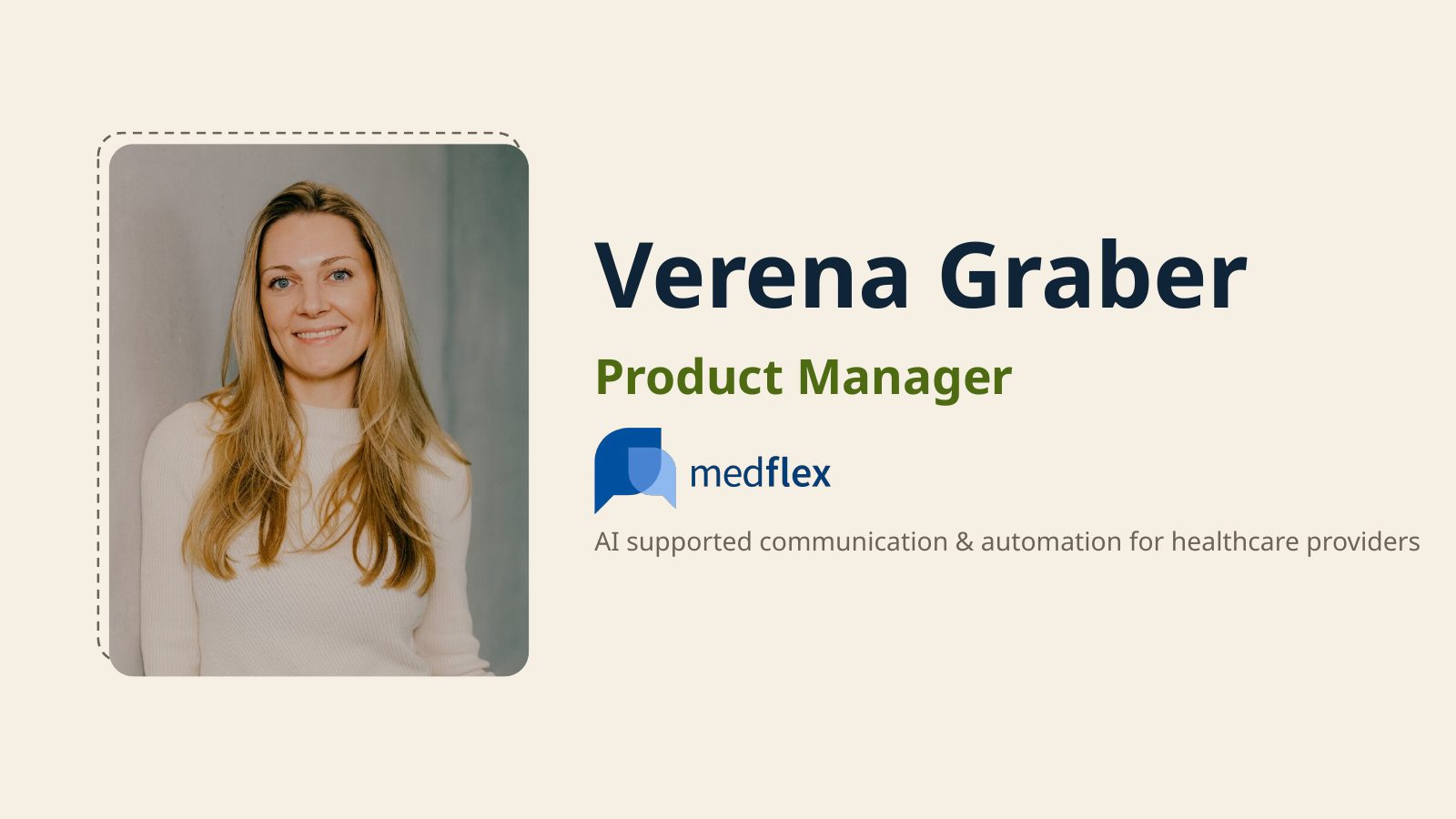
Verena Graber

Verena Graber is a Product Manager at medflex, a company that automates patient communication for medical practices.

Over the past year she rebuilt how her team works with AI. Every sales, customer success and support conversation now flows into a research pipeline she can query, and product news is drafted automatically when a ticket closes. She is medflex's internal AI champion and helps other teams set up workflows of their own.

Get your ticket for 2027

15. October 2027, ASTOR Film Lounge im ARRI, Munich. Early Bird: 299€ until 15.06.2027. Then Summer Bird at 349€.

14.10.2027 Workshops

Attend a Workshop
To be announced
Small group of like-minded product people
Hands-on exercises
Workshop line-up and tickets coming soon

15.10.2027 Conference

Attend On-Site
599€
299€
+ VAT
The full conference day live at the ASTOR Film Lounge im ARRI
Connect with up to 300 product people on location
Videos and Slides of all talks & speakers
Free drinks & food during the day
Free Popcorn 🍿
After-conference networking

15.10.2027 Livestream

Attend Online
Free
.
Watch the main stage talks & keynotes live
Join from wherever you are
No access to the on-site networking